-
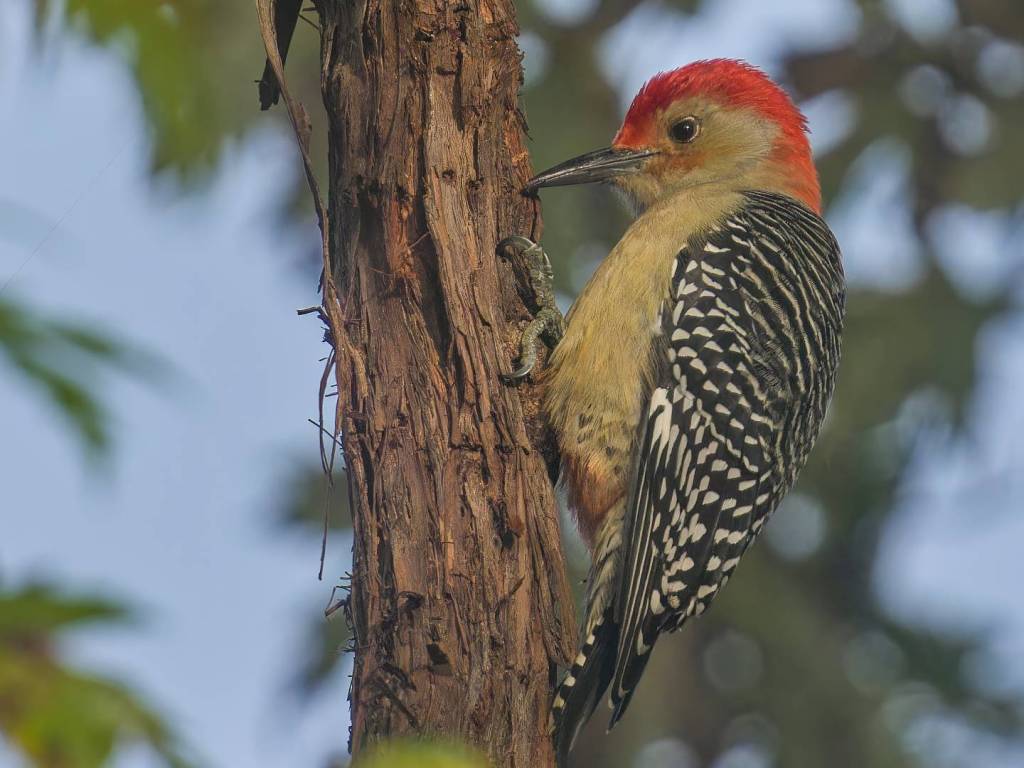 Continue reading →: Red-bellied Woodpecker (Melanerpes carolinus): How to Identify, Attract, and Understand This Bold Backyard Bird
The Red-bellied Woodpecker, identifiable by its red cap and distinctive calls, is common in eastern U.S. forests and neighborhoods. Males display more red on their heads than females. They have a diverse diet, adapt well to urban areas, and symbolize persistence and awareness in nature. Observing them encourages attentiveness and…
-
 Continue reading →: Chipping Sparrow (Spizella passerina): How to Tell Males from Females and More
The Chipping Sparrow is a charming North American songbird notable for its distinctive traits and behaviors. Males have brighter colors during breeding, while females are often duller. Their diet varies with the seasons, and they migrate south in winter. Nesting low in trees, these sparrows contribute significantly to local ecosystems.
-
 Continue reading →: Tufted Titmouse (Baeolophus bicolor): Identification, Behavior, Diet, and Range
The Tufted Titmouse is a charming small bird recognizable by its gray and white plumage and distinctive crest. Males are more vocal and territorial than females, which can be identified through behavioral cues. This bird thrives on a varied diet, caches food, and can be found across the eastern United…
-
 Continue reading →: Northern Mockingbird (Mimus polyglottos): What Does a Mockingbird Sound Like & Other Backyard Facts
The Northern Mockingbird is a versatile bird known for its remarkable mimicry and bold personality. With a striking repertoire of over 200 songs, they adapt to varying habitats, from urban parks to woodlands. Famous for their territorial behavior, these birds thrive across North America, making them a common sight in…
-
 Continue reading →: Steller’s Jay (Cyanocitta stelleri): Steller’s Jay Identification, Behavior, and Habitat
Steller’s Jays are striking birds characterized by their bold blue and black plumage, feathery crest, and intelligence. They thrive in diverse habitats across the Western U.S., frequently near humans. Their opportunistic diet includes nuts, fruits, and small animals. Known for caching food and clever mimicry, they exhibit remarkable problem-solving skills.
-
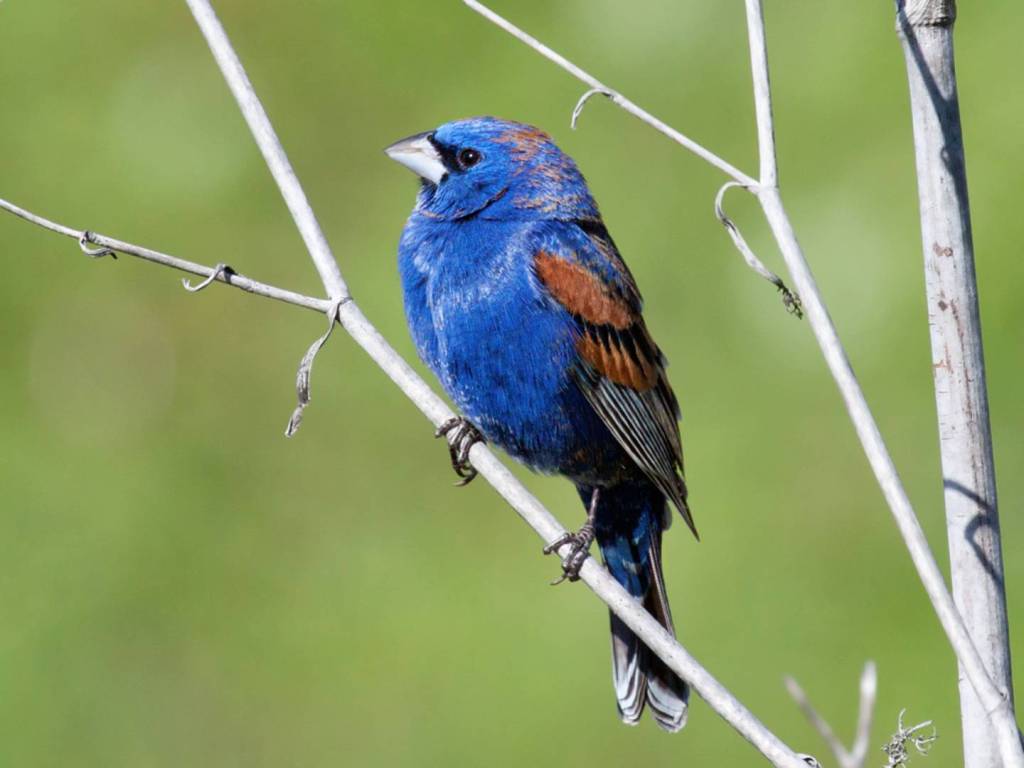 Continue reading →: Blue Grosbeak (Passerina caerulea): Blue Grosbeak Identification, Habitat, and Migration Patterns
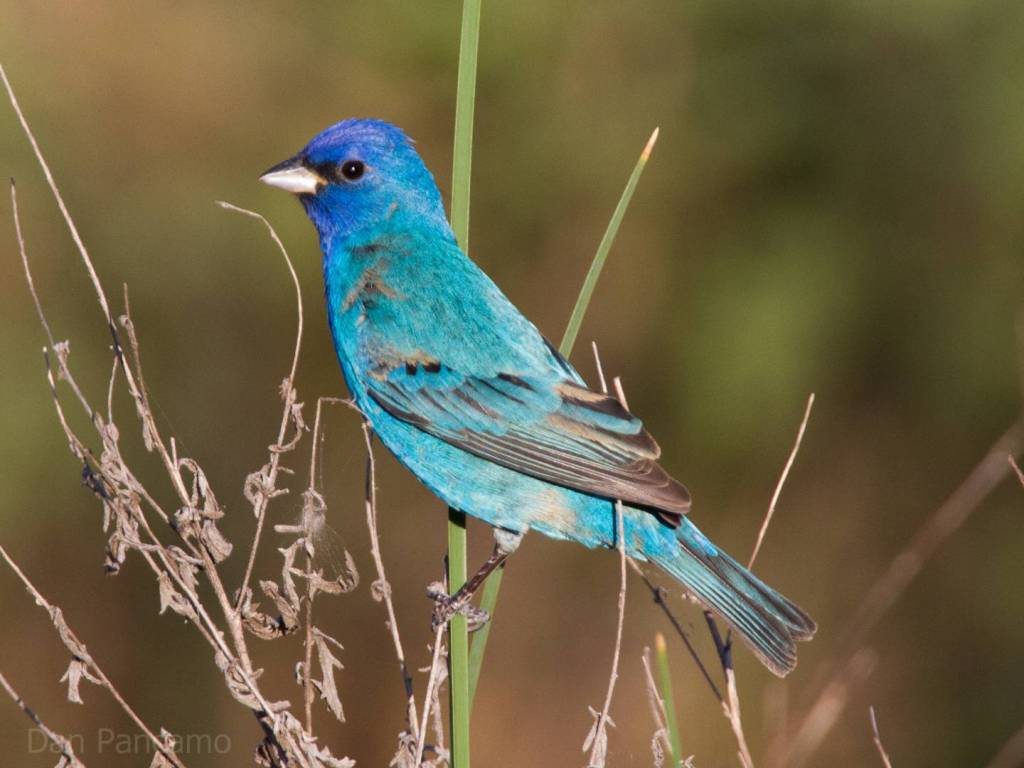
The Blue Grosbeak is a colorful songbird favored by birdwatchers, distinguished by its vibrant blue plumage and silver bill. Found across the southern United States during breeding, it migrates to Mexico and Central America in winter. Their diet consists of insects and seeds, and they nest in dense shrubs, making…
-
 Continue reading →: Purple Finch (Haemorhous purpureus): Purple Finch Identification, Habitat, and Migration Patterns
The Purple Finch is a colorful North American songbird known for its vibrant raspberry red males and streaky brown females. They inhabit mixed forests and suburban areas, feeding mostly on seeds, nectar, and insects. Nesting involves females building a cup-shaped structure with materials like twigs and moss, while both parents…
-
 Continue reading →: Spring Bird Migration: Best Spring Birdwatching Spots and Tips
Spring heralds migration season, a spectacular time for birdwatching as various species return from winter. Key spots include High Island, Texas, and Magee Marsh, Ohio. Birders should equip themselves with binoculars and field guides, while beginners can start locally. Events like birdwatching festivals enhance the experience and foster community.
-
 Continue reading →: Red-winged Blackbird (Agelaius phoeniceus): How to Identify, Attract, and Enjoy These Bold Birds
The Red-winged Blackbird is a distinctive and adaptable bird found across North America, recognizable for its glossy black feathers and bright red and yellow shoulder patches. It thrives in diverse habitats, including wetlands and fields, and plays a significant role in ecosystems. Attracting them to backyards involves providing suitable food,…
-
 Continue reading →: Pine Siskin (Spinus pinus): Identification, Habitat, Diet, and Migration Behavior
Pine Siskins are small, streaky finches with yellow wing and tail markings, known for their unpredictable migration patterns. They thrive in coniferous forests but frequently visit backyard feeders for nyjer and sunflower seeds. Learn about their habitat, diet, nesting habits, and how to attract them to your yard.
Hello There!

Welcome to Wing Watchers with Wagner — a practical look at backyard birding, focused on what actually works. This site breaks down how different species behave, what they eat, and how to set up feeders that bring them in consistently. If you’ve ever wondered why certain birds show up while others don’t, or what small changes make the biggest difference, you’re in the right place. Whether you’re just getting started or trying to fine-tune your setup, the goal here is simple: help you understand the birds in your area and make your yard a place they return to.
 Wing Watchers with Wagner