
Introduction
Welcome, folks! Today, we’re going to take a closer look at a striking songbird you might be lucky enough to spot if you’re exploring open fields or the edges of woodlands—the Blue Grosbeak. This bird is a favorite among birdwatchers for its bold colors and melodic voice. While they can be a little shy and tricky to spot, knowing what to look and listen for can help you find one on your next outing. Whether you’re new to birdwatching or a seasoned birder hoping to spot something special, the Blue Grosbeak is a real treat. So, grab your binoculars and settle in—we’re going to dive into everything from how to identify them to where they go when the seasons change. Let’s get started!
What Are the Distinctive Features of a Blue Grosbeak?

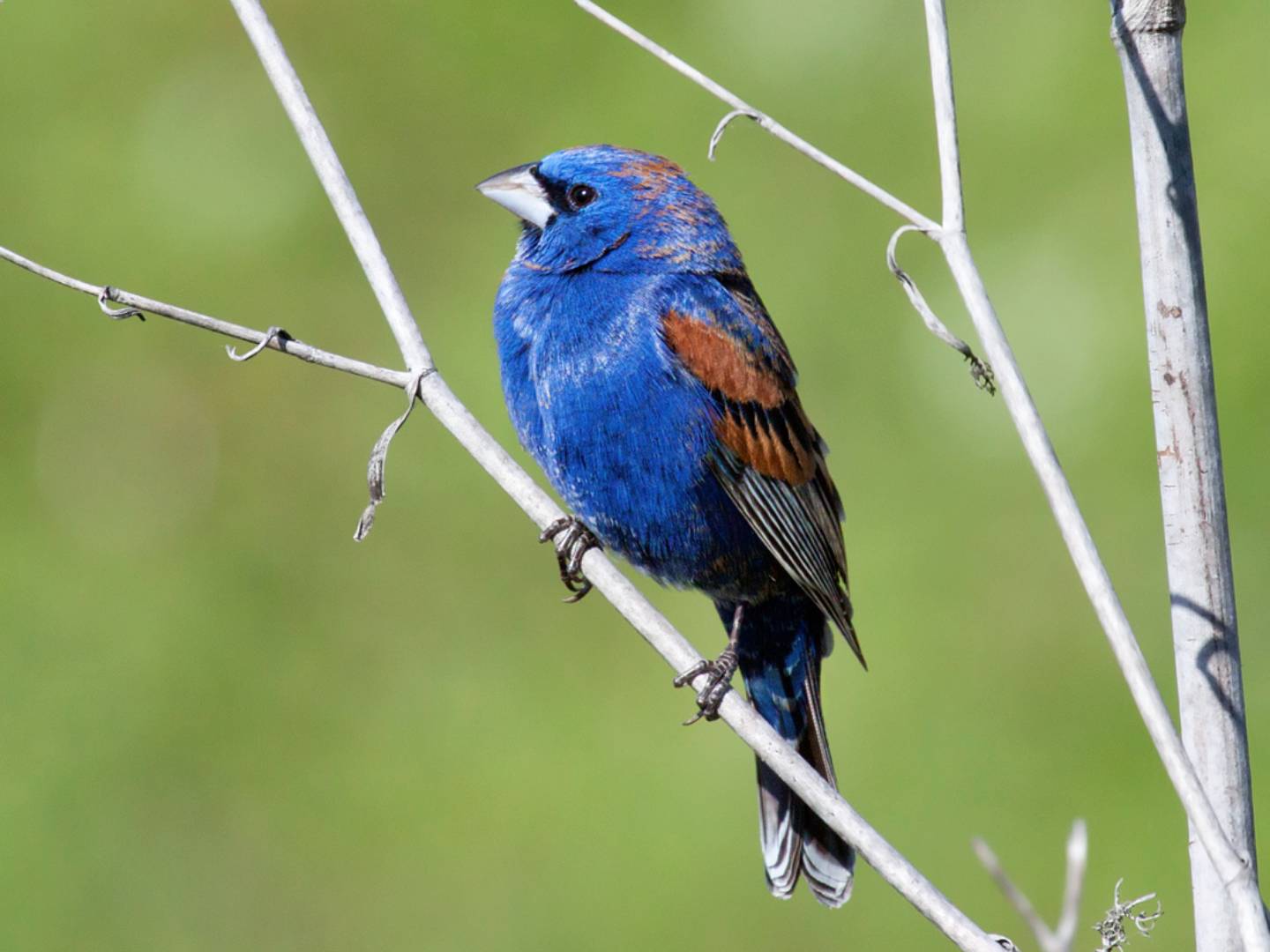
When it comes to Blue Grosbeak identification, the males are real showstoppers. Their rich blue feathers shimmer in the sunlight, making them stand out against green shrubs or open skies. Look closely and you’ll notice two chestnut-colored wingbars that add a splash of warm color to their bold appearance. One of their most noticeable features is the large silver bill—it’s thick and cone-shaped, perfect for cracking seeds.
Now, the female Blue Grosbeak is a bit more subtle. She wears mostly warm brown tones with the faintest hints of blue, often around the wings or tail. Her wingbars are present but duller, and her bill is just as stout.
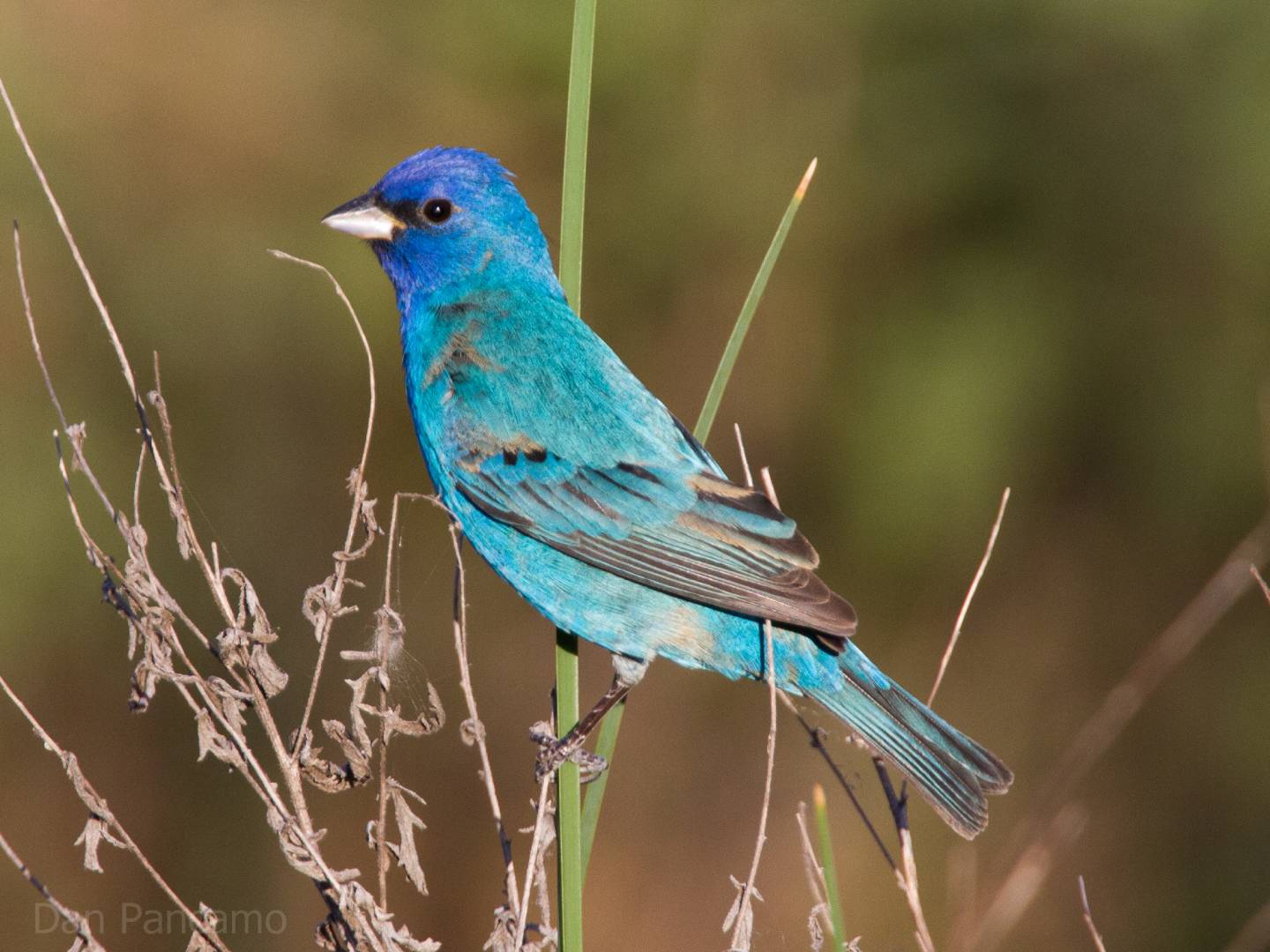
To avoid confusion, especially with the Indigo Bunting, keep in mind that Indigo Buntings are smaller and lack those chestnut wingbars. Plus, Indigo Buntings are a brighter, more electric blue, while Blue Grosbeaks have a deeper, royal blue coloring. That silver bill? Only the grosbeak sports that impressive feature.


Whether male or female, Blue Grosbeaks have a sturdy, sparrow-like build with a thick neck and sturdy legs. Their overall size is larger than a bunting but smaller than a robin—right in that sweet middle spot. Understanding these features will help you easily identify them. With a little patience, you’ll be able to tell a Blue Grosbeak from similar species in no time, especially if you’re watching during breeding season when the males are at their most colorful.
Where Can Blue Grosbeaks Be Found?

Let’s talk Blue Grosbeak habitat and where you might encounter one in the wild. These birds breed across much of the southern United States, stretching from California through the southern Plains and into the Southeast. You might even find them as far north as southern Illinois or New Jersey during the summer.
When it comes to picking a home, Blue Grosbeaks prefer places that offer both cover and open space. Think shrubby fields, woodland edges, overgrown pastures, and areas near streams or ponds. They love transitional zones where tall grasses meet brushy thickets. These areas give them space to forage on the ground and low branches while staying hidden from predators.
During the breeding season, they settle into these semi-open habitats, but as summer ends, they begin to prepare for their journey south. Blue Grosbeaks are long-distance migrants, and once fall rolls around, they head to Mexico and Central America for the winter. There, they continue to look for habitats with similar features—places where dense cover and open areas meet.
If you want to spot one during the breeding season, your best bet is a quiet walk near brushy areas or old fields, especially close to water. Bring your patience and keep an ear out for their rich, warbling song. Their preference for thick cover means they’re more often heard before they’re seen, but once you spot that flash of blue, you’ll know you’ve found something special.
What Is the Diet of a Blue Grosbeak?

When we talk about the Blue Grosbeak diet, we’re looking at a bird that knows how to adapt. These birds are omnivores, meaning they eat both plants and animals, depending on the season and what’s available. During the breeding season, they focus heavily on insects, which provide the protein needed to raise healthy chicks. Look for them snapping up grasshoppers, beetles, caterpillars, and even spiders. They’ll often forage low to the ground or hop around through shrubs looking for tasty prey.
As the season changes and insects become less available, Blue Grosbeaks switch gears and start to rely more on seeds. They favor grains and seeds from grasses and weeds, like ragweed and foxtail. That large silver bill comes in handy here—it’s built for crushing and cracking even the toughest shells.
You might also see them visiting backyard feeders, especially if there’s a good offering of sunflower seeds or other grains. While they don’t regularly stop at feeders like cardinals or finches, they’ll happily stop by if the setting feels safe and natural.
Feeding habits also change during migration. While traveling to Mexico and Central America, they take advantage of whatever they can find—again, a mix of seeds and insects—helping them keep up their energy for the long flight.
So, whether they’re plucking insects from the grass or munching seeds on a fencepost, Blue Grosbeaks are versatile foragers, and that adaptability is a big part of what makes them successful across such a wide range.
Do Blue Grosbeaks Migrate?

Yes, Blue Grosbeaks migrate—and they go the distance! Blue Grosbeaks follow distinct migration patterns, traveling thousands of miles each year. These birds spend their breeding season in the southern United States, arriving around late April to early May. As summer winds down, they head south again, beginning their journey as early as August.
Their seasonal movements take them through the southern states and into Mexico and Central America, where they spend the winter. Some even migrate as far south as Panama. During migration, they’re not in a hurry—they travel in small flocks, resting and feeding along the way. Their journeys often follow river valleys and lowland routes that provide food and cover.
What’s impressive is that even though Blue Grosbeaks aren’t one of the earliest migrants, they still manage to make a long journey look easy. And because they migrate mostly at night, you might not even realize they’ve passed through your area unless you hear their call in the evening or catch them stopping to rest and feed.
If you live in their breeding range, you’ll likely miss them during the cooler months. But keep your feeders stocked and your shrubs in good shape, because once spring rolls around, they’ll be back again to nest and raise the next generation.
So yes, Blue Grosbeaks are on the move every year—an impressive round trip between two continents that helps them take advantage of the best conditions for feeding and nesting.
How Do Blue Grosbeaks Nest and Reproduce?

Blue Grosbeaks take a careful approach when it comes to nesting and reproduction. They prefer to keep things low and hidden, often building their cup-shaped nests in dense shrubs, small trees, or tangles of vines. You’ll usually find these nests just a few feet off the ground, where thick vegetation offers protection from predators and bad weather.
When it’s time to build, it’s the female Blue Grosbeak who takes the lead. She gathers grasses, rootlets, bark strips, and even bits of paper or string to weave into a neat little cup. While the male keeps watch and sings nearby, the female constructs the nest over several days.
Once the nest is ready, she’ll lay a clutch of 3 to 5 eggs, which are a pale blue color. She then incubates the eggs for 12 to 13 days, rarely leaving the nest except to feed quickly. After hatching, the chicks are completely vulnerable—they have no feathers and their eyes are shut. Both parents feed them a steady diet of insects to help them grow fast.
The young fledge—meaning they leave the nest—around 9 to 10 days after hatching, but the parents often continue to care for them for another couple of weeks. In southern parts of their range, Blue Grosbeaks may even raise two broods in a season, taking advantage of long summers and plentiful food.
These nesting habits make them both fascinating to observe, and important indicators of healthy shrubland habitats.
How Can I Attract Blue Grosbeaks to My Backyard?

If you’d love to see a Blue Grosbeak up close, the good news is—they can be backyard visitors! You just need to make your space inviting. Start by thinking like a grosbeak: they love dense shrubs, small trees, and brushy edges where they can stay hidden and safe. If your yard has these, you’re already off to a great start.
For food, Blue Grosbeaks are especially fond of sunflower seeds, millet, and grains. While they’re not daily feeder regulars like chickadees or goldfinches, they’ll absolutely stop by if you offer the right snacks. To make your setup even more appealing, consider using a platform or hopper feeder that’s roomy enough for their slightly larger size.
In fact, if you’re looking for a reliable option that holds up through every season, check out my custom-built bird feeder—it’s sturdy, grosbeak-friendly, and fits right into a natural backyard setting. Providing high-quality food in a safe, stable feeder can make your yard a favorite stop for migrating or nesting grosbeaks.
Don’t forget about water! A shallow birdbath or gently moving water feature adds even more appeal, especially during hot summer days or dry spells. And remember: the more natural your yard looks, the better. Let a few corners grow wild, plant native bushes, and you just might hear that rich, whistling song of a Blue Grosbeak in your very own backyard.
Conclusion

The Blue Grosbeak is a bird that brings a splash of color and song to any landscape lucky enough to host it. From its striking appearance to its adaptable feeding and nesting habits, this bird is a joy to observe and a rewarding addition to any birdwatching list. Whether you spot one in a shrubby field, hear its song from a riverside thicket, or catch a glimpse at your backyard feeder, knowing more about the Blue Grosbeak can make each sighting even more meaningful. By learning how to identify them, where they live, and how they move through the seasons, you’re one step closer to spotting—and supporting—this beautiful bird. Keep your binoculars handy and your backyard bird-friendly. The Blue Grosbeak just might stop by.




Leave a Reply