-
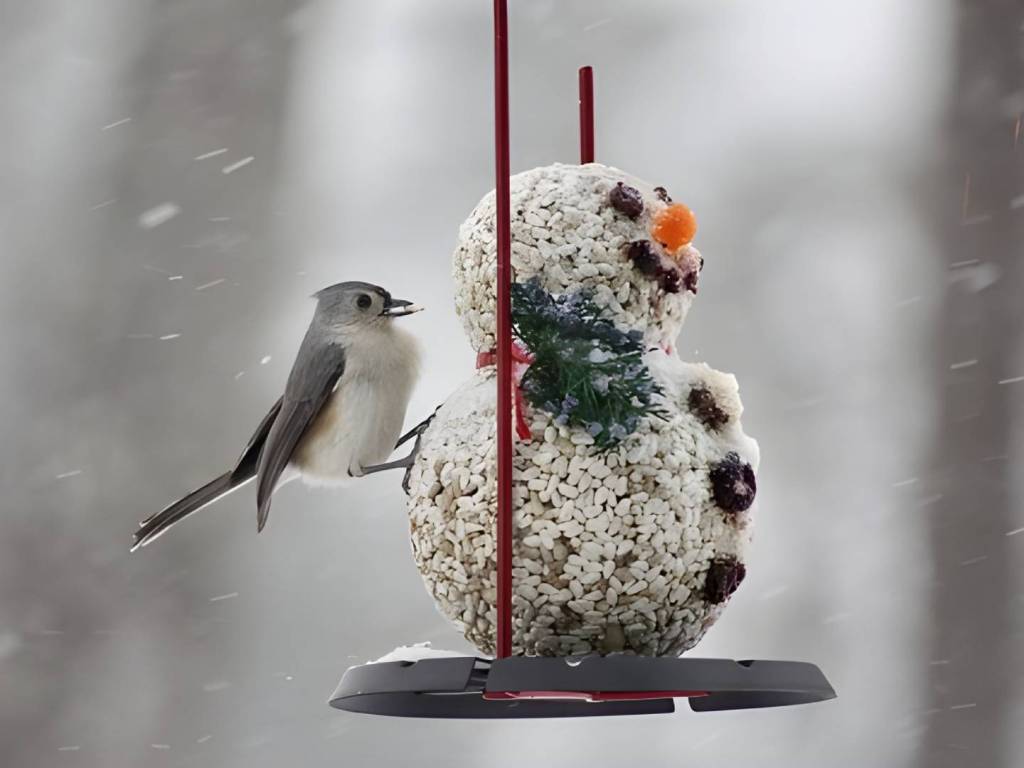 Continue reading →: DIY Bird Feed for Winter: What Actually Helps Birds When It’s Cold
Winter is challenging for backyard birds due to a lack of food and harsh conditions. Simple DIY bird feeding can aid their survival. High-fat foods like sunflower seeds, suet, and peanuts are essential for energy. Consistency in food availability and avoiding harmful kitchen scraps are crucial for effective winter feeding.
-
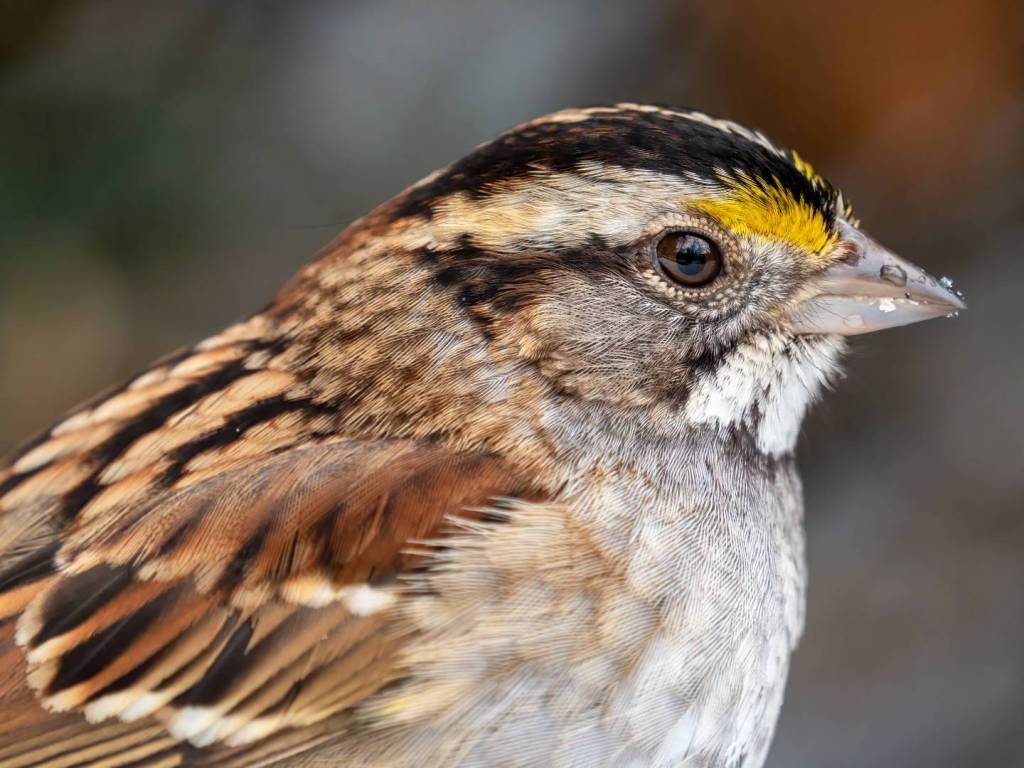 Continue reading →: White-throated Sparrow: Song, Habitat, and Nesting Facts
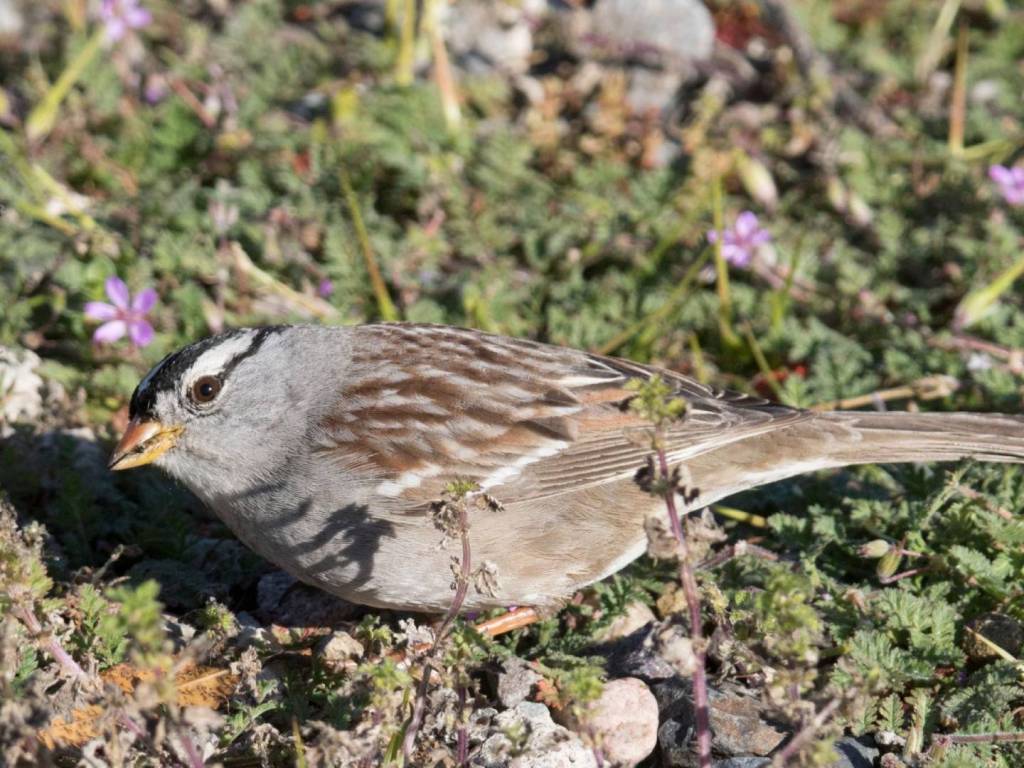
The White-throated Sparrow, common in North America, is recognized by its clear song resembling “Oh sweet Canada Canada.” Males and females are similar in appearance, with behavioral distinctions aiding identification. They nest near the ground, favoring dense cover. This adaptable species serves as an excellent introduction to birdwatching for all…
-
 Continue reading →: Fall Bird Feeding Tips: How to Help Migrating Birds in Your Yard
As fall approaches, many birds migrate south, and backyard feeding can support both local and transient species. Providing high-energy foods like sunflower seeds and suet, along with clean water and safe feeding locations, can transform your yard into a vital stopover. Consistent feeding ensures birds utilize your yard effectively during…
-
 Continue reading →: How to Spot a Carolina Chickadee: Calls, Nesting, Range
The Carolina Chickadee, a small bird found in the southeastern U.S., is known for its distinctive calls and adaptability. Similar to the Black-capped Chickadee, they differ in size and vocalization. They thrive in various habitats, contribute to ecosystems through seed dispersal, and exhibit strong family bonds during nesting and chick-rearing.
-
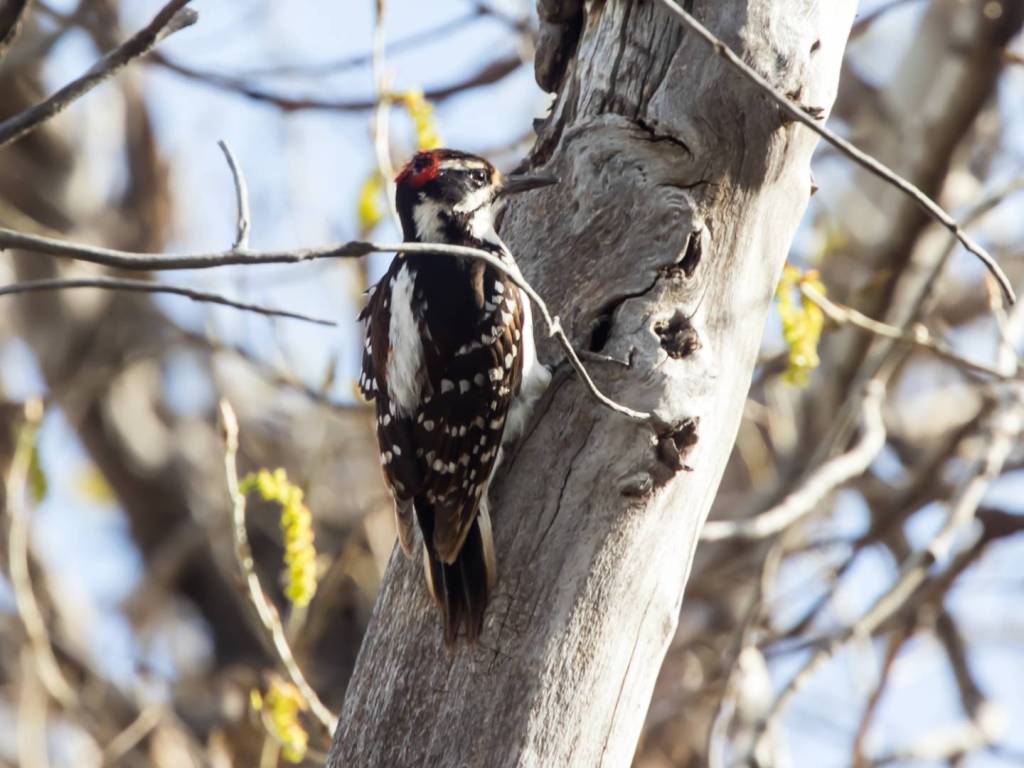 Continue reading →: Hairy Woodpecker ID Made Easy: Size, Sound, and Range
The Hairy Woodpecker, scientifically known as Picoides villosus, is a common North American bird distinguishable from the smaller Downy Woodpecker by its size, bill length, and male red head patch. It thrives in various habitats and plays a crucial ecological role. Birders can identify it by its calls and distinct…
-
 Continue reading →: The Secret Life of the American Woodcock: Calls, Habits, and the Sky Dance
The American Woodcock, known scientifically as Scolopax minor, inhabits the young forests and fields of eastern North America. Recognized for its unique courtship display and distinctive nasal “peent” call, the woodcock relies on specific habitats rich in earthworms for survival. Conservation efforts are crucial to protect its diminishing populations and…
-
 Continue reading →: Why the Orchard Oriole Isn’t Just a “Mini Baltimore Oriole”
The Orchard Oriole, the smallest oriole in North America, thrives in shrubby edges and open woodlands. This energetic bird is recognized by its distinctive, hurried song and contrasting male and female plumage. Understanding their habitat and nesting habits enhances birdwatching experiences and helps protect their breeding grounds during migration.
-
 Continue reading →: Fox Sparrow (Passerella iliaca): Identification, Sounds, Range, Diet, and Nesting
The Fox Sparrow, a vibrant North American bird, is recognized for its diverse vocalizations and color variations across regions. Preferring dense underbrush, it thrives on seeds and insects, with nesting behaviors heavily reliant on unbroken habitats. Understanding its habits fosters appreciation for this elusive species and its ecological significance.
-
 Continue reading →: Eastern Bluebird (Sialia sialis): Identification, Range, Diet, Nesting, and More
The Eastern Bluebird is a vibrant bird known for its gentle song and distinct territorial behaviors, found primarily in open habitats across the eastern U.S. Males display brighter colors, while females are more muted. Their diet shifts seasonally, and they rely on existing cavities for nesting. They are common in…
-
 Continue reading →: Rose-breasted Grosbeak (Pheucticus ludovicianus): A Complete Guide
The Rose-breasted Grosbeak is a striking North American songbird known for its distinctive male and female plumage differences. These birds have shared parenting habits and migrate between breeding habitats in Canada and wintering grounds in Central and South America. Though not endangered, their populations are in decline, necessitating conservation efforts.
Hello There!

Welcome to Wing Watchers with Wagner — a practical look at backyard birding, focused on what actually works. This site breaks down how different species behave, what they eat, and how to set up feeders that bring them in consistently. If you’ve ever wondered why certain birds show up while others don’t, or what small changes make the biggest difference, you’re in the right place. Whether you’re just getting started or trying to fine-tune your setup, the goal here is simple: help you understand the birds in your area and make your yard a place they return to.
 Wing Watchers with Wagner