Introduction
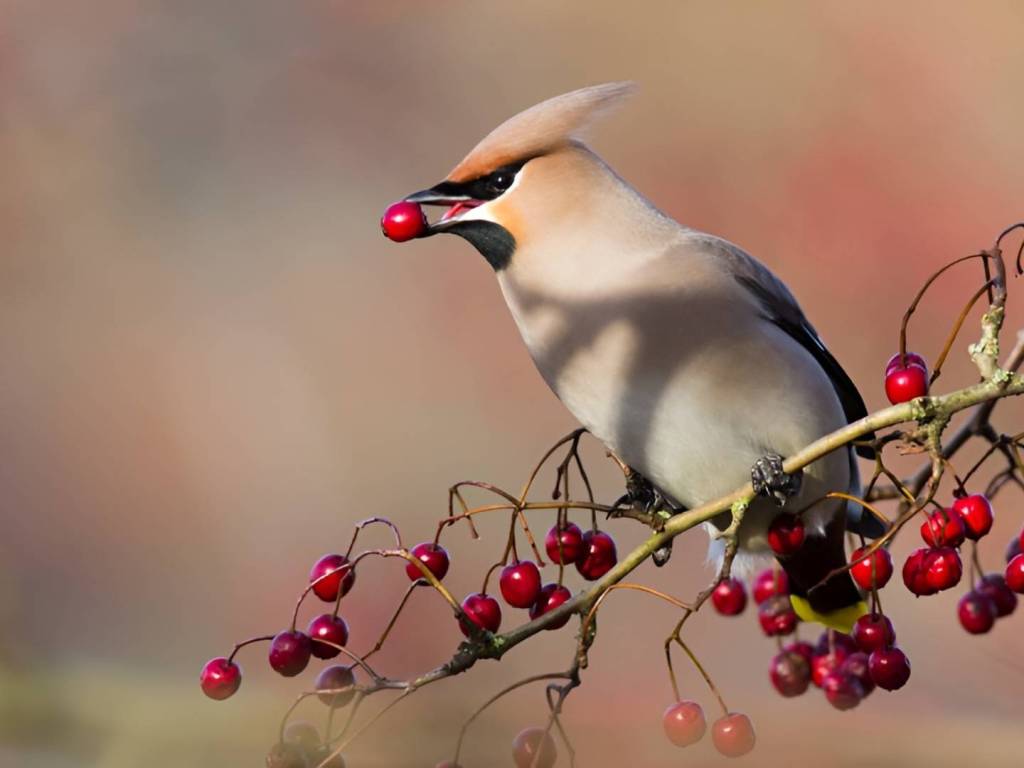
Have you ever seen a flock of sleek, masked birds sweep through your yard, strip a tree of berries, and disappear just as quickly? Those are Cedar Waxwings, and they behave very differently from typical feeder birds.
So how do you actually attract them? Do they use feeders at all? What foods work best, and when should you expect them to show up?
In this guide, you will learn:
- Best Foods to Attract Cedar Waxwings to Your Yard
- When Cedar Waxwings Visit Backyards
- How to Use Fruit Trees and Shrubs to Attract Waxwings
- Do Cedar Waxwings Use Bird Feeders or Not?
- Water Sources That Attract Cedar Waxwings Fast
Keep reading or jump to a section that matches what you are trying to fix in your yard.
Cedar Waxwings are best attracted with fruit rather than seed. Planting berry-producing trees and shrubs, offering fresh or dried fruit, and providing a clean water source will bring them in. They often travel in flocks and may appear suddenly when food sources are available.
Best Foods to Attract Cedar Waxwings to Your Yard
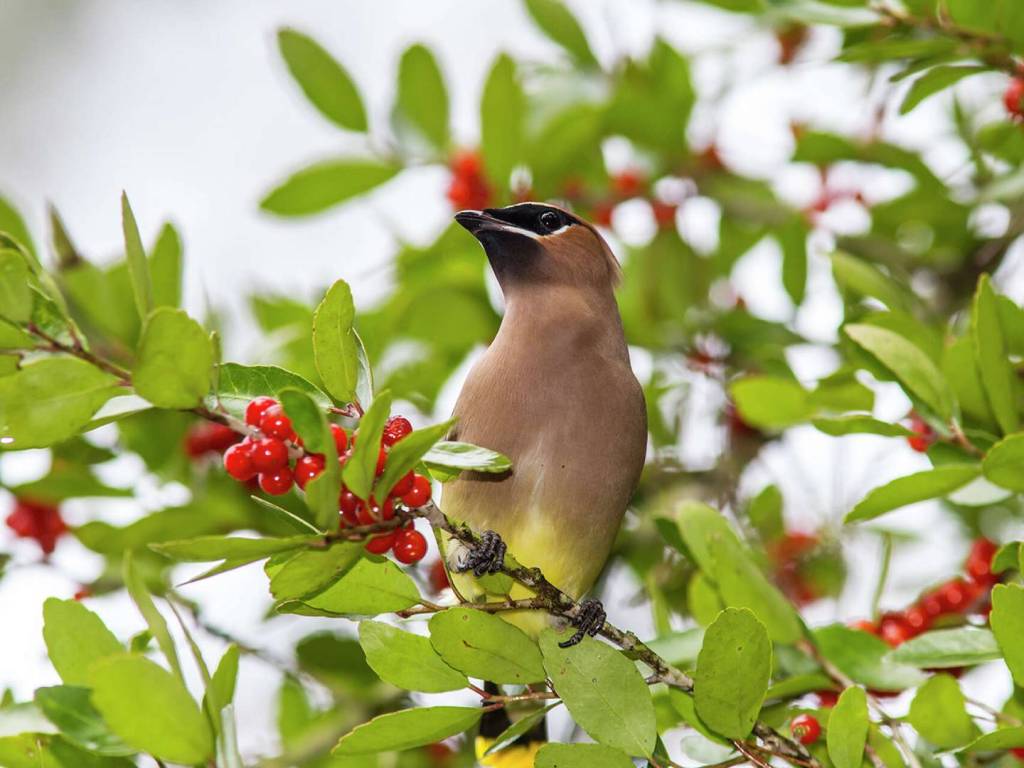
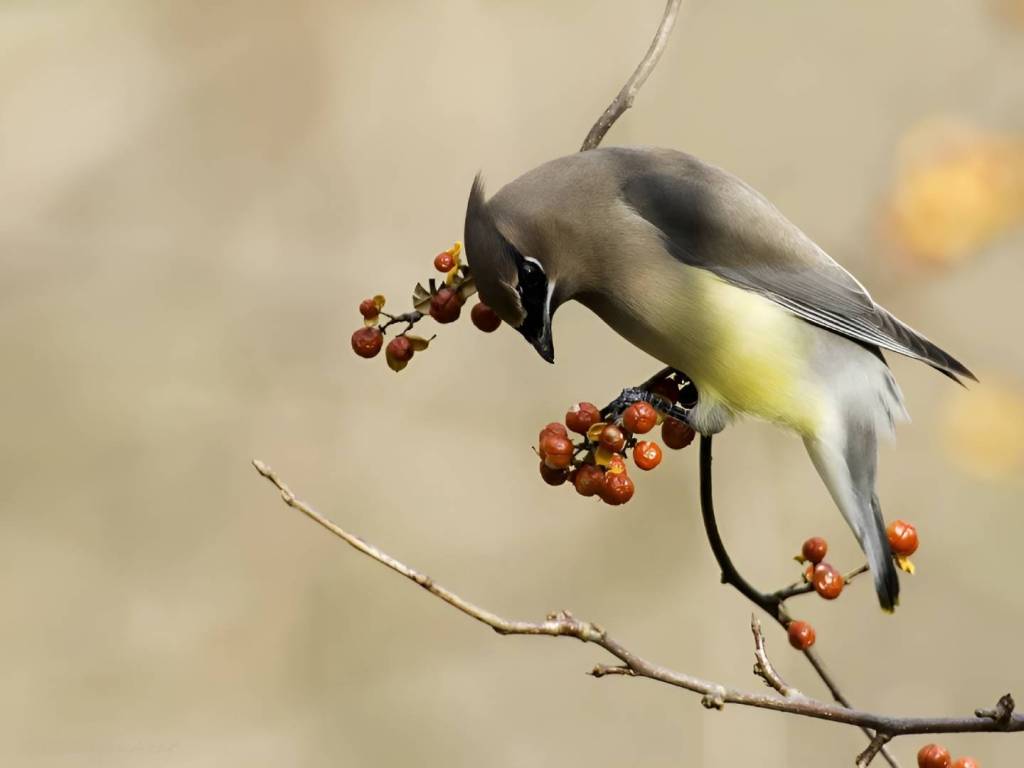
Cedar Waxwings are not seed eaters in the way most backyard birds are. If your setup is built around sunflower seeds, they will likely ignore it completely.
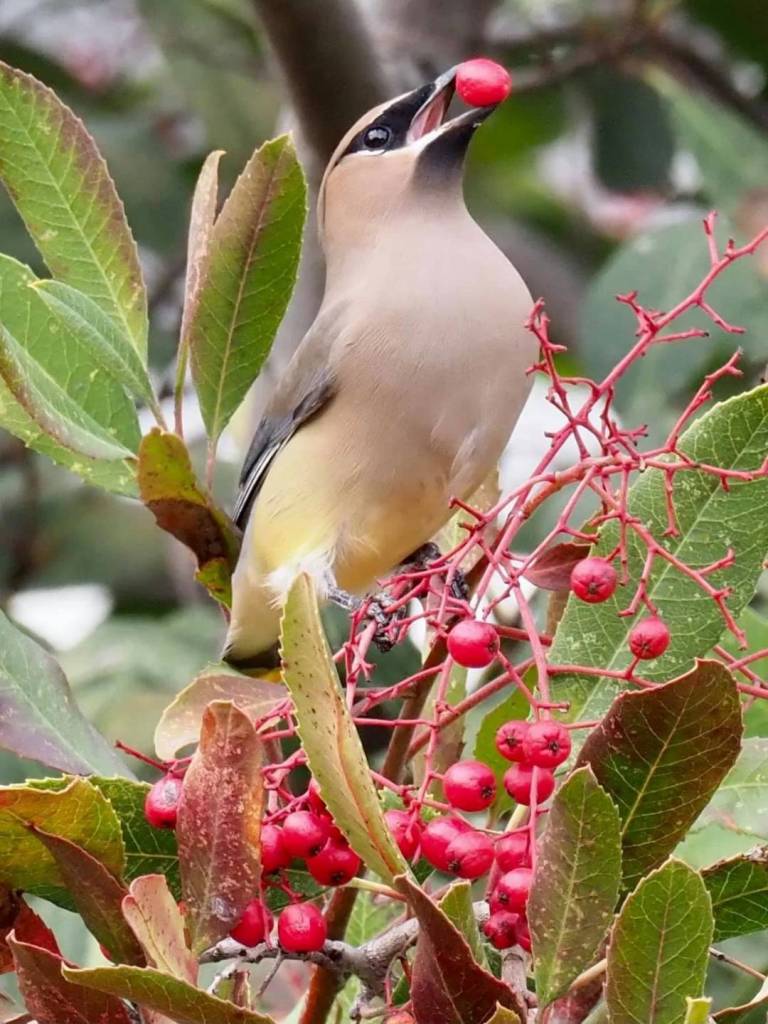
Their diet is centered around fruit.
In the wild, they rely heavily on berries such as:
- Serviceberries
- Dogwood berries
- Cedar berries
- Cherries
- Blueberries
To attract them, you need to mirror that diet as closely as possible.
The easiest way to start is by offering fresh fruit. You can place small pieces of:
- Grapes
- Apples
- Blueberries
on a platform feeder or even a shallow dish. Keep pieces small and replace them often so they do not spoil.
Dried fruit can also work, especially in colder months. Raisins or chopped dried cranberries soaked briefly in water are more appealing than hard, dry pieces.
Avoid relying on:
- Black oil sunflower seed
- Nyjer seed
- Standard seed blends
They simply do not match what waxwings are looking for.
If you want consistent visits, natural fruit sources will always outperform anything you put out manually. That leads directly into the next section.
When Cedar Waxwings Visit Backyards
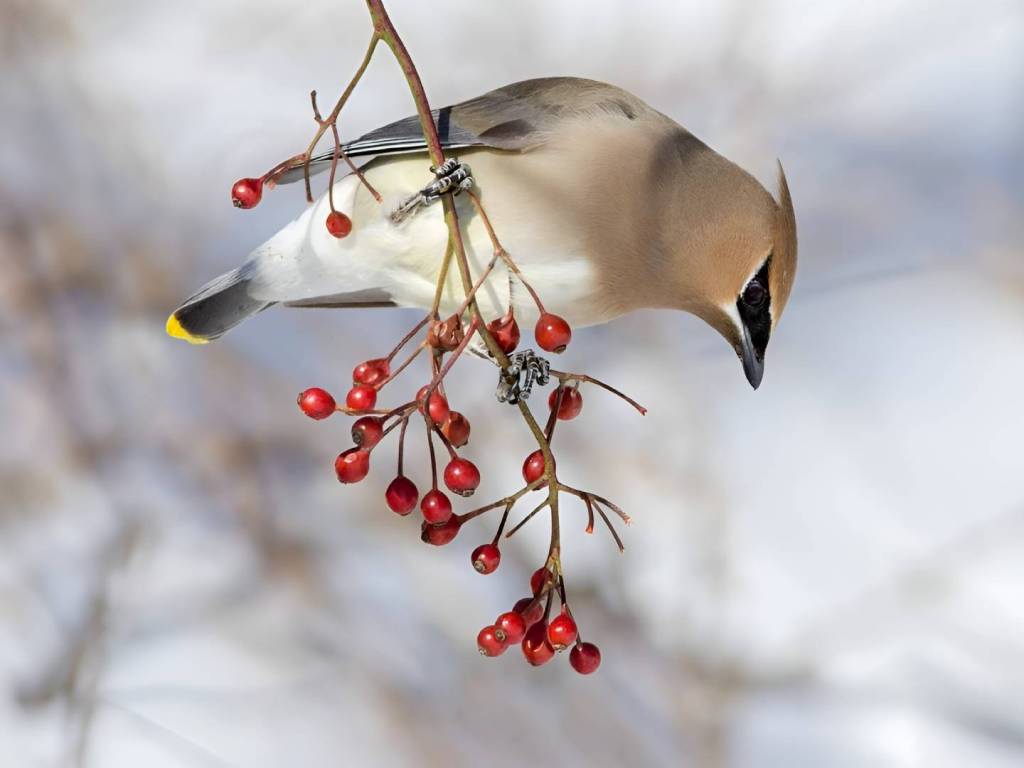
Cedar Waxwings do not follow the same patterns as many feeder birds. You will not usually see them every day.
Instead, they move in flocks and track food sources.
This means two important things:
- They can appear suddenly
- They may disappear just as fast
Most sightings happen:
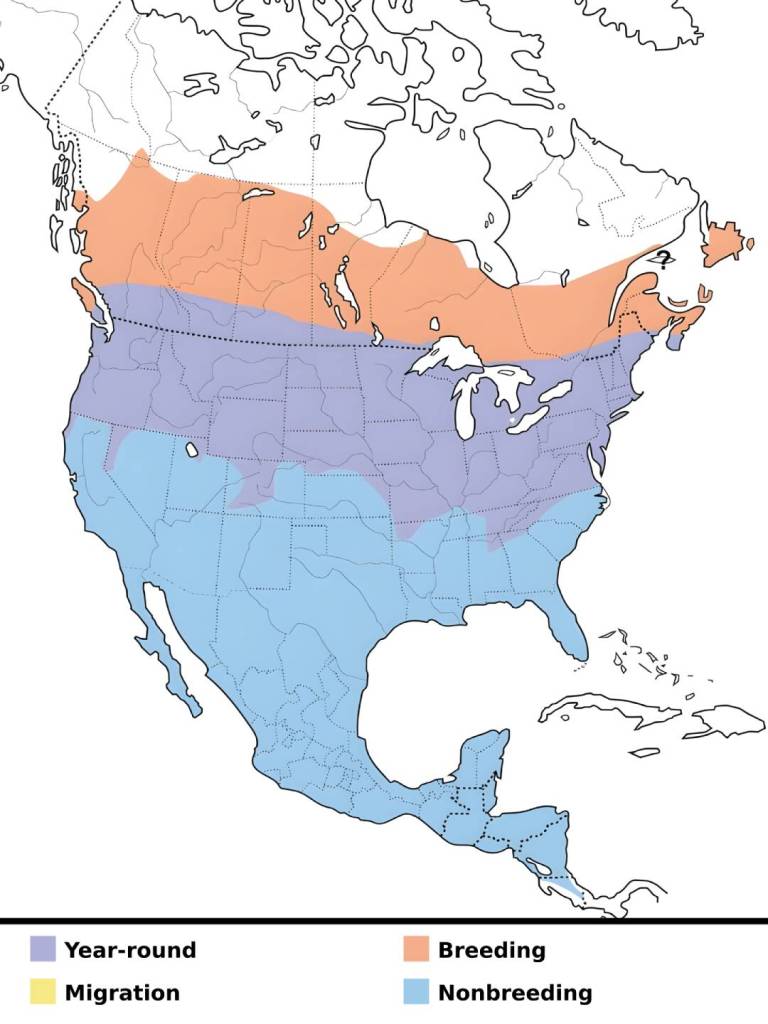
- Late winter through early summer
- During berry ripening seasons
- Occasionally in fall depending on location
In many areas, winter is actually one of the best times to see them. That is when natural fruit becomes scarce, and ornamental berries in yards stand out.
You may notice a pattern like this:
- No waxwings for weeks
- Then a flock of 10 to 30 birds shows up
- They feed heavily for a day or two
- Then they move on
This is normal behavior.
If you want to increase your chances, the goal is not to “hold” them permanently. The goal is to make your yard one of their regular stops when they pass through.
Having reliable food sources ready at the right time makes all the difference.
How to Use Fruit Trees and Shrubs to Attract Waxwings

If you want Cedar Waxwings to return year after year, planting is the most effective strategy.
They are strongly drawn to yards with reliable berry production.
Some of the best options include:
- Serviceberry trees
- Dogwood shrubs
- Juniper and cedar trees
- Elderberry
- Crabapple
Native plants tend to perform best because local birds already recognize them as food sources.
A good setup includes:
- At least one early fruiting plant
- One mid-season producer
- One late-season berry source
This spreads out your chances of attracting them.
Placement matters too. Waxwings prefer:
- Open flight paths
- Trees with visible fruit clusters
- Areas where they can gather in groups
Avoid dense, cluttered planting where birds cannot easily move as a flock.
One overlooked tip is to let fruit remain on plants longer. Many people prune or clean up too early, removing exactly what waxwings are looking for.
If you are willing to tolerate a slightly messier yard during fruiting season, you will see more activity.
Do Cedar Waxwings Use Bird Feeders or Not?
This is where many people get stuck.
Cedar Waxwings rarely use traditional feeders.
They may occasionally visit:
- Platform feeders
- Tray feeders
- Fruit-specific setups
But they will almost always ignore:
- Tube feeders
- Hopper feeders filled with seed
If you want to use a feeder, keep it simple:
- Use a flat surface
- Offer fresh fruit only
- Place it near trees or shrubs
Height matters. Position the feeder at a mid-level height near cover, not out in the open.
Even with the right setup, feeders are a secondary strategy. Think of them as a supplement, not the main attraction.
If your yard already has fruiting plants, a feeder can help during gaps in natural food supply. But it will not replace the need for real berries.
Water Sources That Attract Cedar Waxwings Fast
If there is one feature that can bring in a passing flock quickly, it is water.
Cedar Waxwings are highly social and often drink and bathe together.
A bird bath becomes especially attractive when:
- It is clean
- It has fresh water
- It includes movement
Moving water is a major advantage. Even a small dripper or fountain can catch their attention from a distance.
Best practices include:
- Keeping water shallow
- Cleaning it regularly
- Placing it near fruiting plants
Waxwings prefer open access. Avoid placing baths in tight corners or heavily enclosed spaces.
During warmer months, water can be just as important as food. Birds may visit even when they are not actively feeding.
In winter, a heated bird bath can make your yard stand out dramatically. When natural water sources freeze, a single reliable bath can attract flocks that would otherwise pass by.
Conclusion
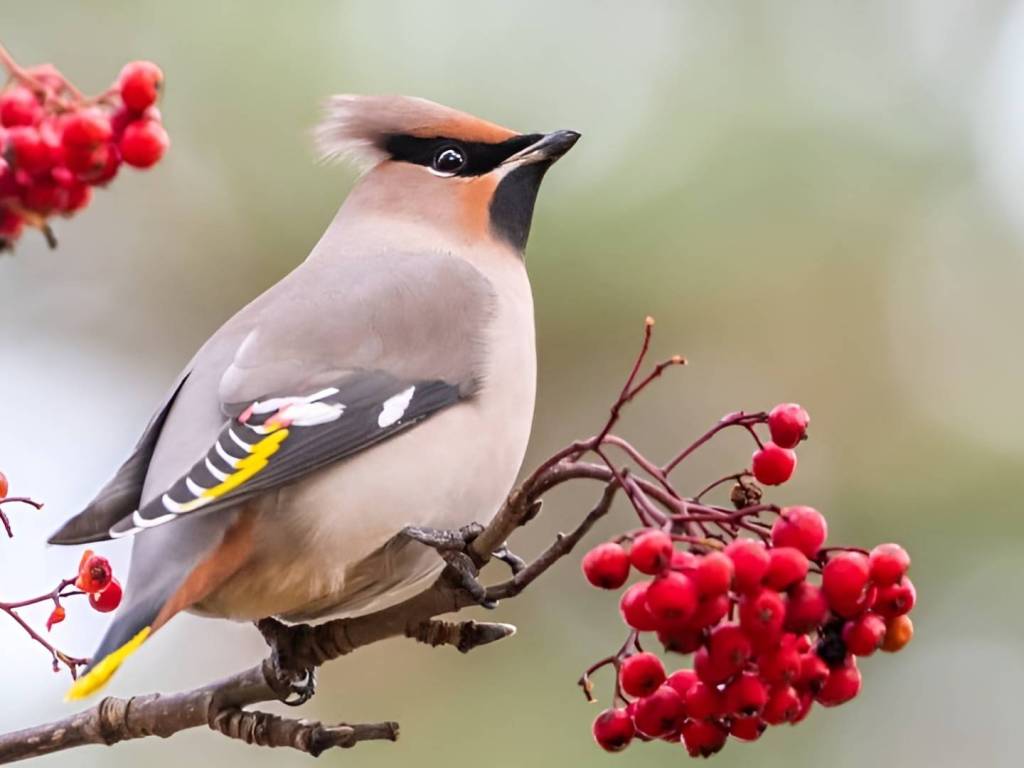
Attracting Cedar Waxwings is less about traditional bird feeding and more about understanding their unique habits.
They follow fruit, travel in groups, and appear when conditions are right.
If you focus on:
- Providing real fruit sources
- Planting berry-producing trees and shrubs
- Offering water with good visibility
- Using feeders only as a supplement
you will dramatically improve your chances.
The payoff is worth it. Few backyard bird experiences match the moment a flock of waxwings arrives all at once, feeds together, and moves on like a passing wave.
Set up your yard the right way, and you will be ready when they do.


 Wing Watchers with Wagner
Leave a comment