-
 Continue reading →: Oak Titmouse (Baeolophus inornatus): Identification, Habitat, Diet, and Backyard Birding Tips
The Oak Titmouse is a small but energetic bird found in oak woodlands from southern Oregon to Baja California. Known for its distinctive crest and sharp ‘peter peter peter’ call, this bird thrives on acorns, insects, and seeds. Learn how to identify, attract, and support Oak Titmice in your backyard!
-
 Continue reading →: Mountain Chickadee (Poecile gambeli): Identification, Habitat, Diet & More
The Mountain Chickadee is a small songbird known for its white eyebrow stripe, found in high-altitude coniferous forests across the western U.S. and Canada. Learn about Mountain Chickadee identification, habitat, diet, nesting habits, winter survival strategies, and how to attract them with the best feeders, food, and nest boxes for…
-
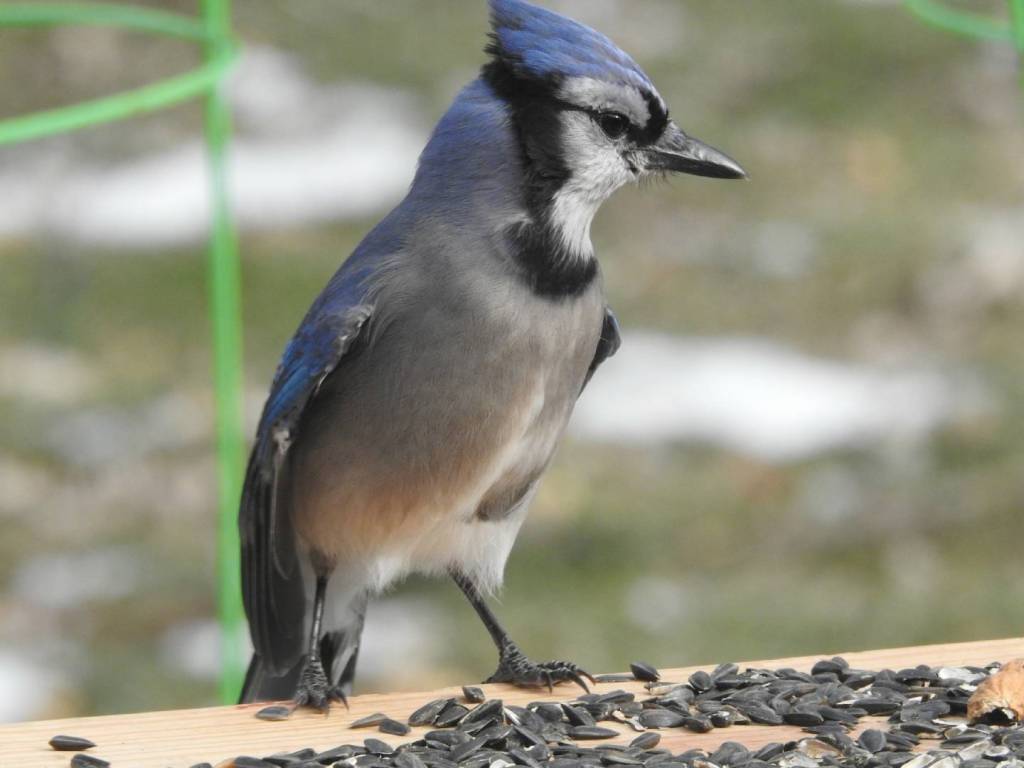 Continue reading →: Blue Jay (Cyanocitta cristata): Nature’s Clever and Colorful Performer | Birdwatching Tips & Facts
Discover the fascinating world of Blue Jays! Learn about their diet, nesting habits, mimicry skills, and how to attract them to your backyard. Perfect for birdwatchers and wildlife lovers.
-
 Continue reading →: Common Grackle (Quiscalus quiscula): A Shimmering Wonder of Nature
The Common Grackle is a striking and adaptable bird found across North America, notable for its glossy plumage and bright yellow eyes. Often misunderstood as pests, these intelligent creatures play essential ecological roles, such as controlling insect populations. They exhibit social behavior, nest in colonies, and thrive in various environments.
-
 Continue reading →: Downy Woodpecker (Dryobates pubescens): A Backyard Delight
The Downy Woodpecker, the smallest woodpecker in North America, is celebrated for its black-and-white plumage, energetic behavior, and unique drumming sounds. It thrives in diverse habitats, feeds on insects, seeds, and sap, and plays a crucial ecological role. Conservation efforts are vital to preserving its habitat and sustaining healthy insect…
-
 Continue reading →: Evening Grosbeak (Coccothraustes vespertinus): A Vibrant Visitor to Forests and Feeders
The Evening Grosbeak, a vibrant North American finch, is known for its striking colors and sociable nature. Preferring coniferous forests, these birds primarily feed on seeds, fruits, and insects. Despite their popularity, they face conservation threats from habitat loss and pesticide use. Encouraging their presence at feeders can aid their…
-
 Continue reading →: Red-breasted Nuthatch (Sitta canadensis): The Acrobatic Forest Songbird
The Red-breasted Nuthatch is a small, acrobatic bird adored by birdwatchers, known for its reddish-orange breast and unique foraging habits. This bird thrives in coniferous forests, constructing nests in tree cavities and adapting its diet seasonally. Conservation efforts are vital due to habitat loss and climate change, supporting its long-term…
-
 Continue reading →: House Wren (Troglodytes aedon): The Small Songbird with Big Personality
The House Wren is a small, energetic bird known for its cheerful songs and adaptability. Found in various environments, they build nests in cavities and primarily eat insects. Despite their small size, they are territorial and face challenges from habitat loss and competition. Conservation efforts can help maintain their stable…
-
 Continue reading →: Northern Flicker (Colaptes auratus): The Ground-Foraging Woodpecker
The Northern Flicker is a vibrant woodpecker known for its unique ground-feeding behavior and striking appearance, featuring two color variations: Yellow-shafted and Red-shafted. It nests in tree cavities and primarily feeds on ants. While generally stable, the species faces habitat loss and competition from invasive species, prompting conservation efforts.
-
 Continue reading →: Lesser Goldfinch (Spinus psaltria): A Cheerful Backyard Visitor
The Lesser Goldfinch is a vibrant songbird native to the western United States, Mexico, and Central America. Known for its colorful plumage and cheerful calls, it thrives in varied habitats. These birds are social, nesting creatively, and primarily feeding on seeds. Conservation efforts focus on habitat preservation and climate change…
Hello There!

Welcome to Wing Watchers with Wagner — a practical look at backyard birding, focused on what actually works. This site breaks down how different species behave, what they eat, and how to set up feeders that bring them in consistently. If you’ve ever wondered why certain birds show up while others don’t, or what small changes make the biggest difference, you’re in the right place. Whether you’re just getting started or trying to fine-tune your setup, the goal here is simple: help you understand the birds in your area and make your yard a place they return to.
 Wing Watchers with Wagner