-
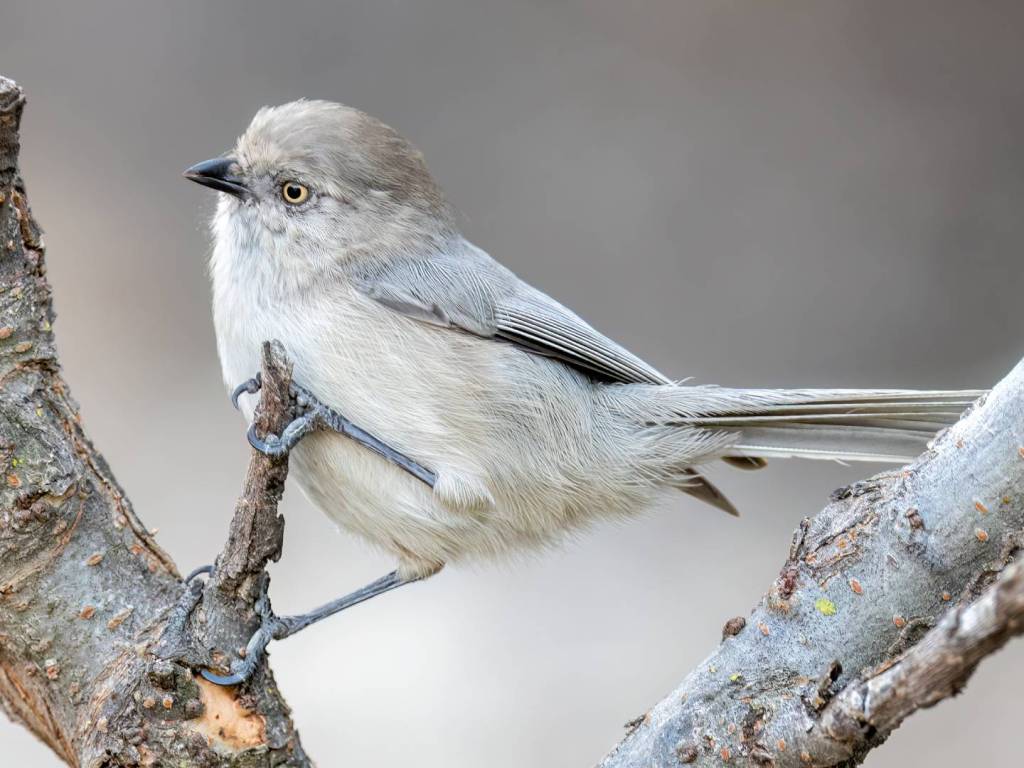 Continue reading →: Do Bushtits Visit Bird Feeders? What to Expect in Your Backyard
Bushtits typically do not visit bird feeders, as their diet mainly consists of small insects and spiders found in shrubs. To attract them, it’s essential to create a natural habitat with dense plantings and minimal pesticide use. Providing cover and water sources enhances their chances of frequent visits, especially in…
-
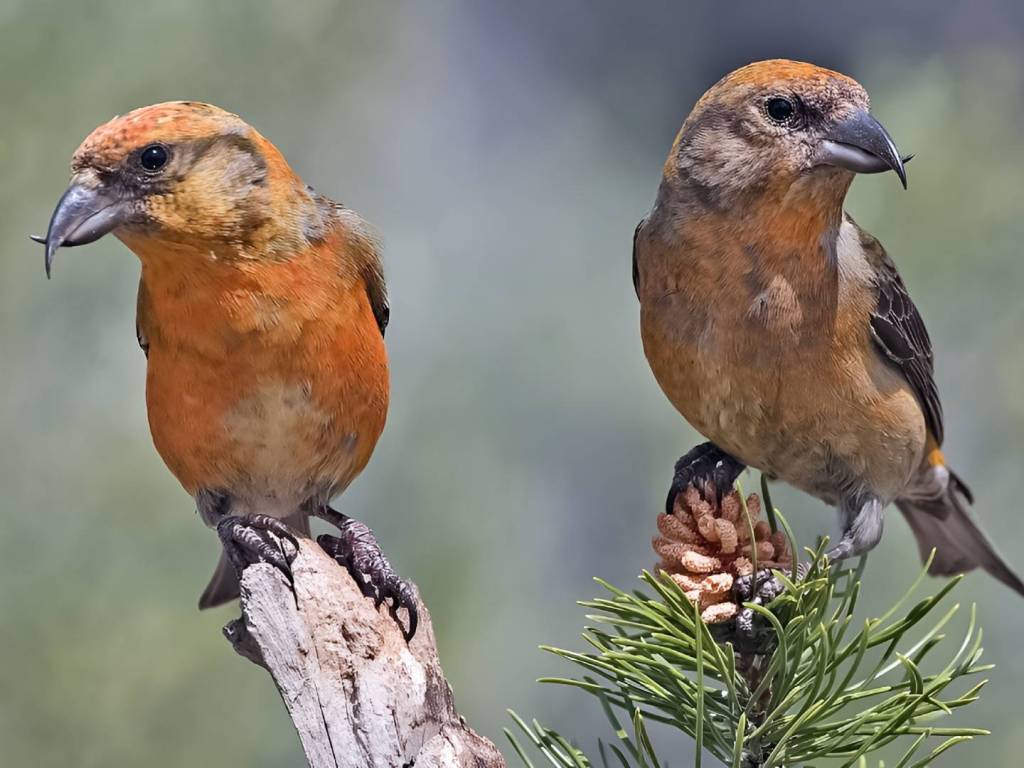 Continue reading →: Best Feeder Setup for Red Crossbills (What Actually Works)
Red Crossbills rarely visit feeders, preferring to extract seeds from pine cones in conifer forests. However, during irruption years or food shortages, they might explore feeders, especially platform types stocked with sunflower seeds placed near conifer trees. Success relies on optimal placement, timing, and high-quality food rather than complex feeders.
-
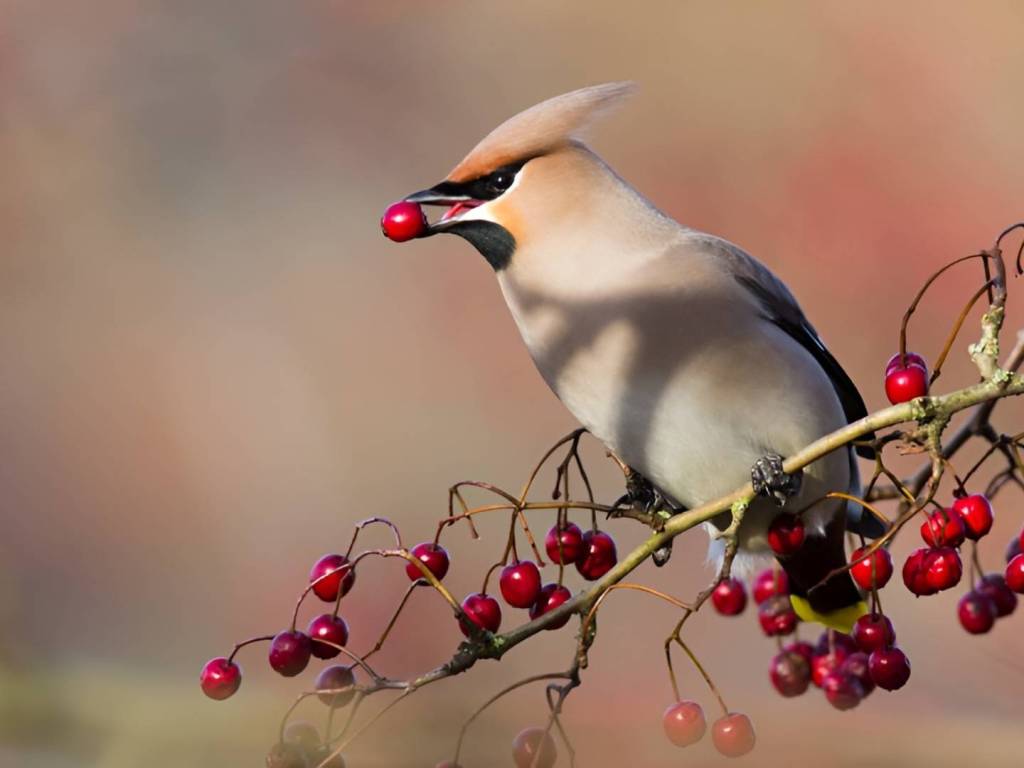 Continue reading →: How to Attract Cedar Waxwings to Your Yard (Fruit, Timing, and Setup)
To attract Cedar Waxwings, focus on providing natural fruit sources rather than typical bird feeders. Plant berry-producing trees and shrubs, offer fresh or dried fruits, and maintain clean water sources. These birds visit in flocks during berry ripening seasons, making strategic setups essential for attracting them effectively.
-
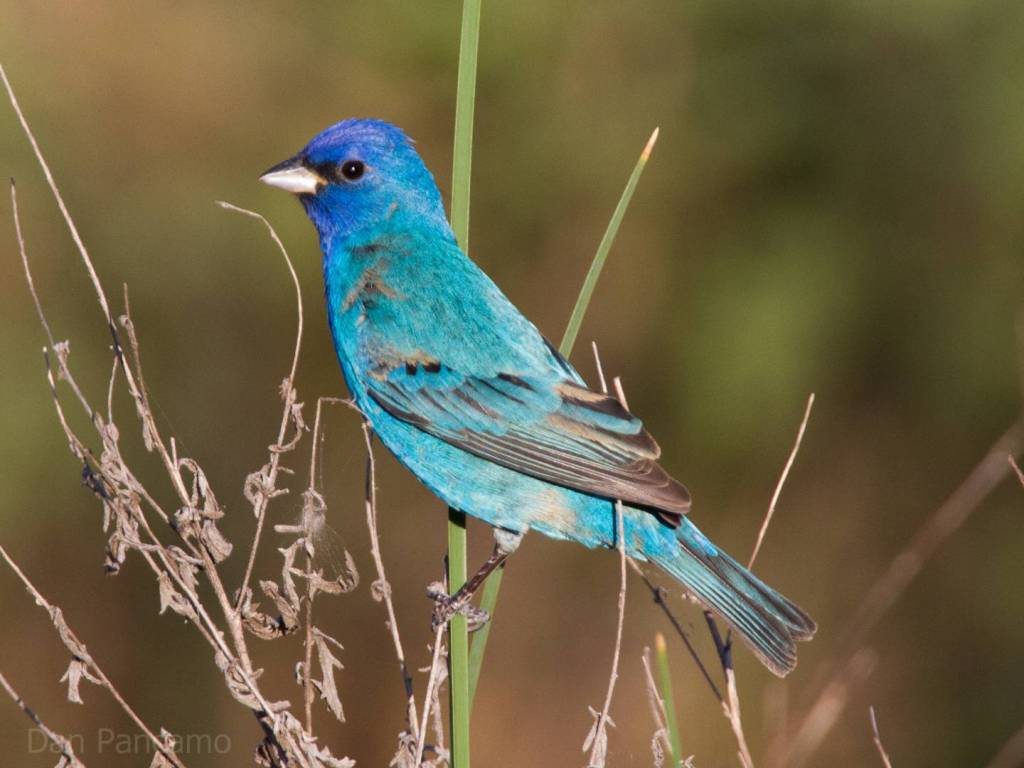 Continue reading →: Best Seed for Indigo Buntings
To attract Indigo Buntings, offer small, soft seeds like white proso millet, which closely matches their natural diet. Use flat feeders near protective cover for better accessibility, avoiding large seeds and tube feeders. Consistent seed availability enhances visits, while issues like competition and feeder design may deter these birds.
-
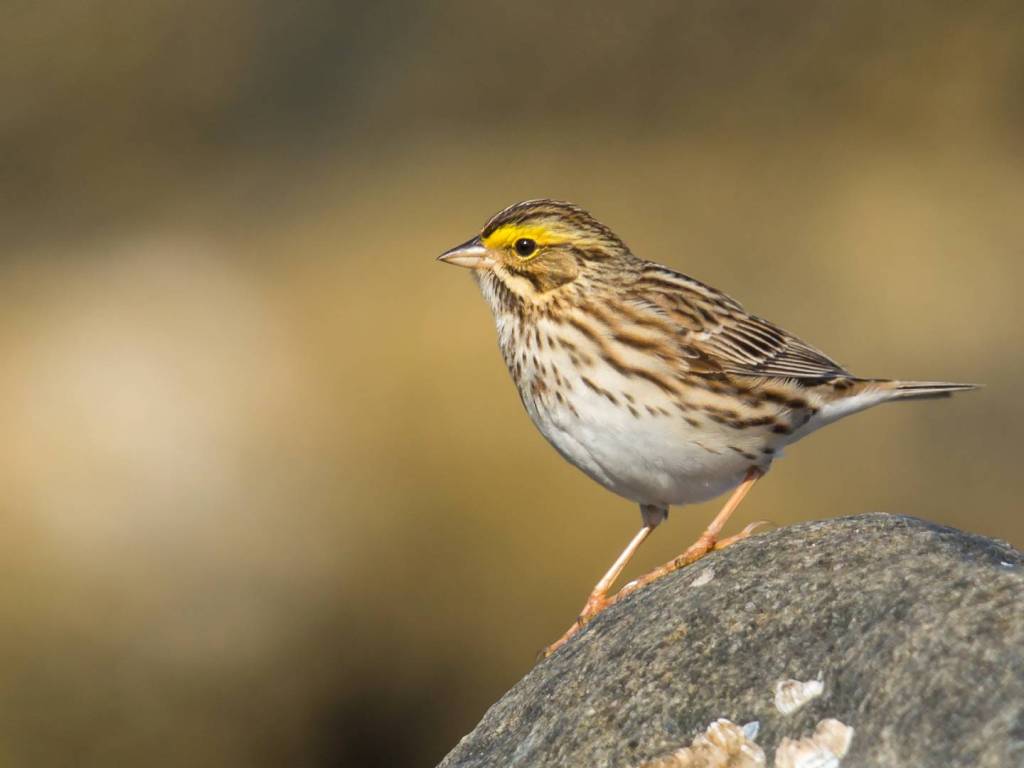 Continue reading →: Do Savannah Sparrows Visit Bird Feeders?
Savannah Sparrows typically do not use traditional bird feeders, as they prefer foraging on the ground for seeds and insects. To attract them, set up ground feeding areas with small seeds like white millet in open, low-cover spaces. They favor habitats like fields or areas bordering open land.
-
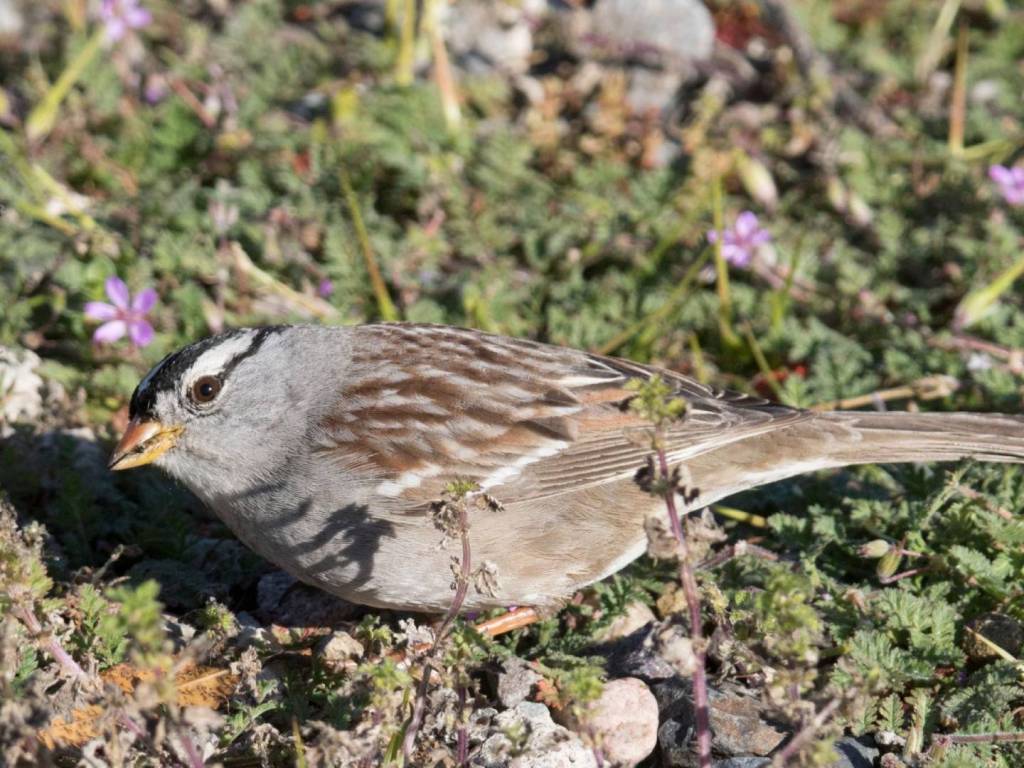 Continue reading →: White-crowned Sparrow Feeder Setup: What Actually Works?
White-crowned Sparrows are ground feeders that prefer platform feeders or low trays placed near protective cover. They thrive on small seeds, particularly white proso millet. To attract them, one should mimic their natural feeding habits and avoid larger birds by using smaller trays and strategic feeder placement.
-
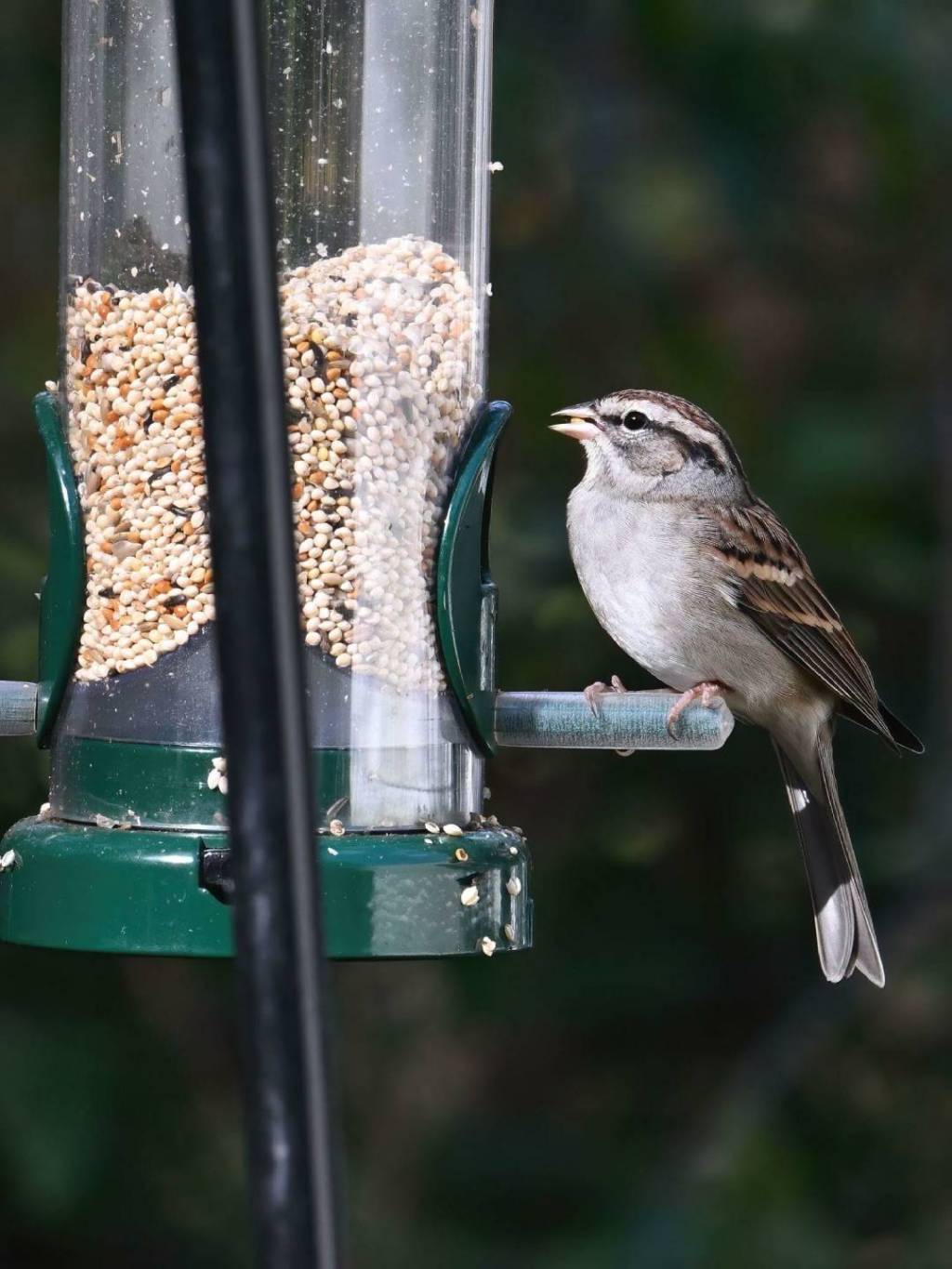 Continue reading →: Chipping Sparrow Feeder Setup That Actually Works
To attract Chipping Sparrows, use a ground or platform feeder with white millet as the main seed. Place feeders near shrubs for safety and avoid overfilling to deter larger birds. Adjust feeder types and locations based on their natural feeding habits to encourage more visits. Clean feeding areas are essential…
-
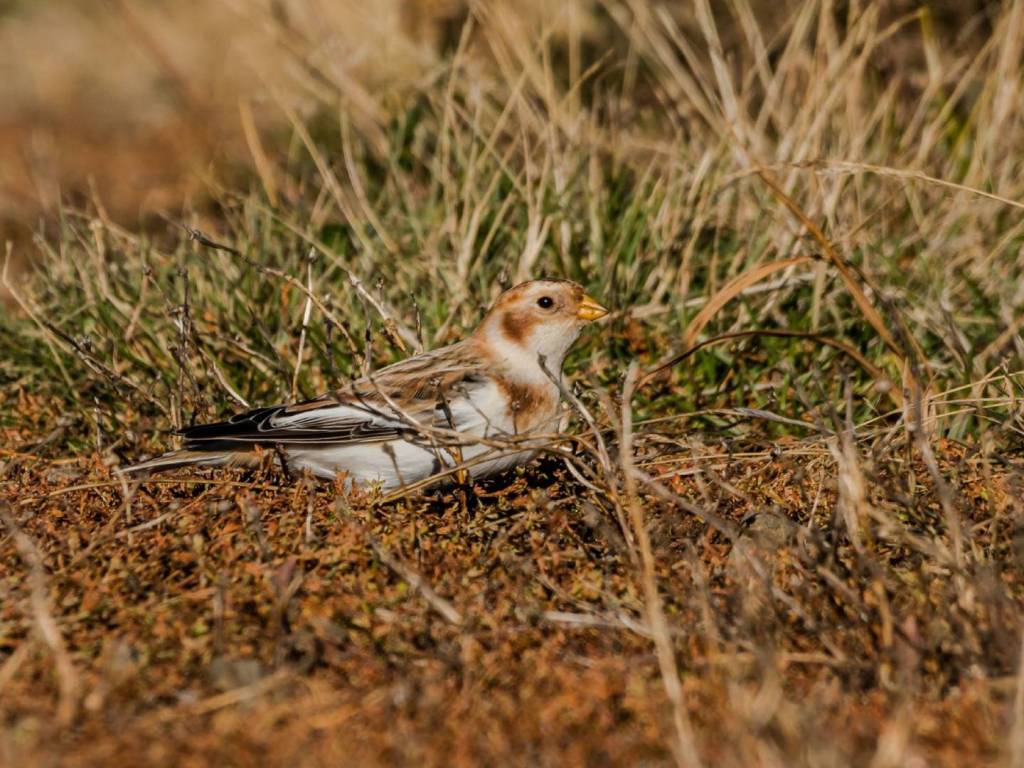 Continue reading →: Will Snow Buntings Visit Feeders?
Snow Buntings can visit backyard feeders in winter, especially in open areas near farmland or coastlines, but prefer ground feeding setups. They favor small seeds like white proso millet and avoid traditional hanging feeders due to their feeding habits. Successful attraction relies on proper location and seed type.
-
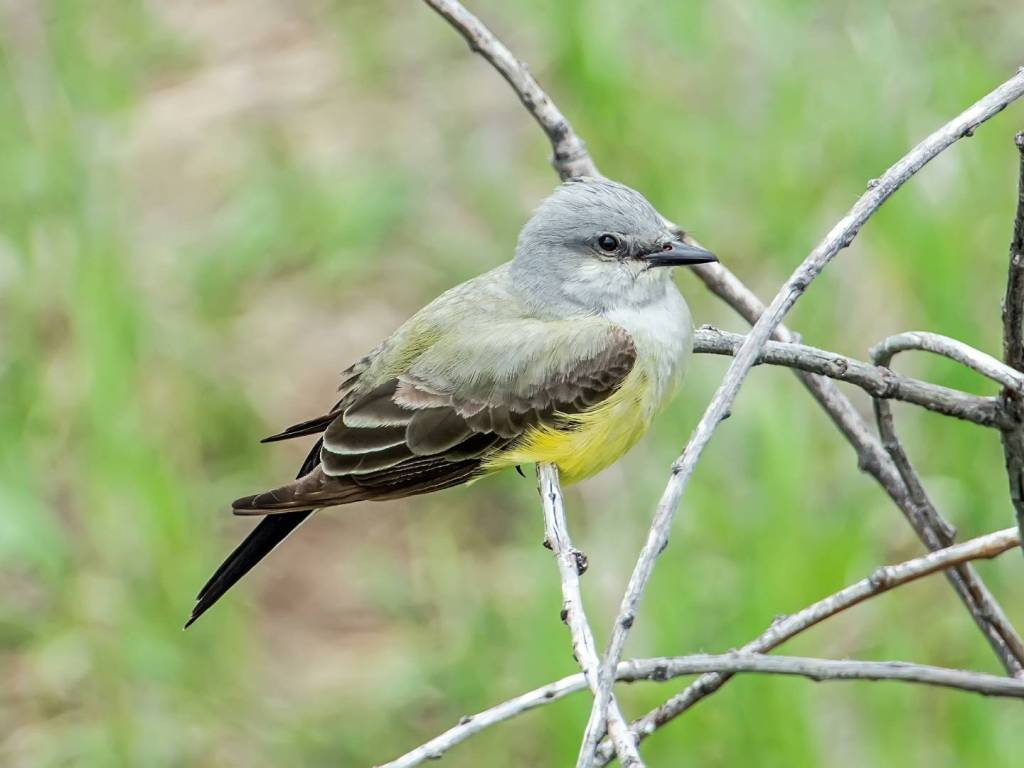 Continue reading →: Western Kingbird: The Bold Flycatcher of Open Country
The Western Kingbird is a conspicuous bird in western North America, recognized for its aerial insect-catching behavior. It inhabits open landscapes and migrates south in winter. Characterized by a gray head, yellow belly, and black tail, it exhibits aggressive territorial defense. Both sexes look alike, making identification challenging.
-
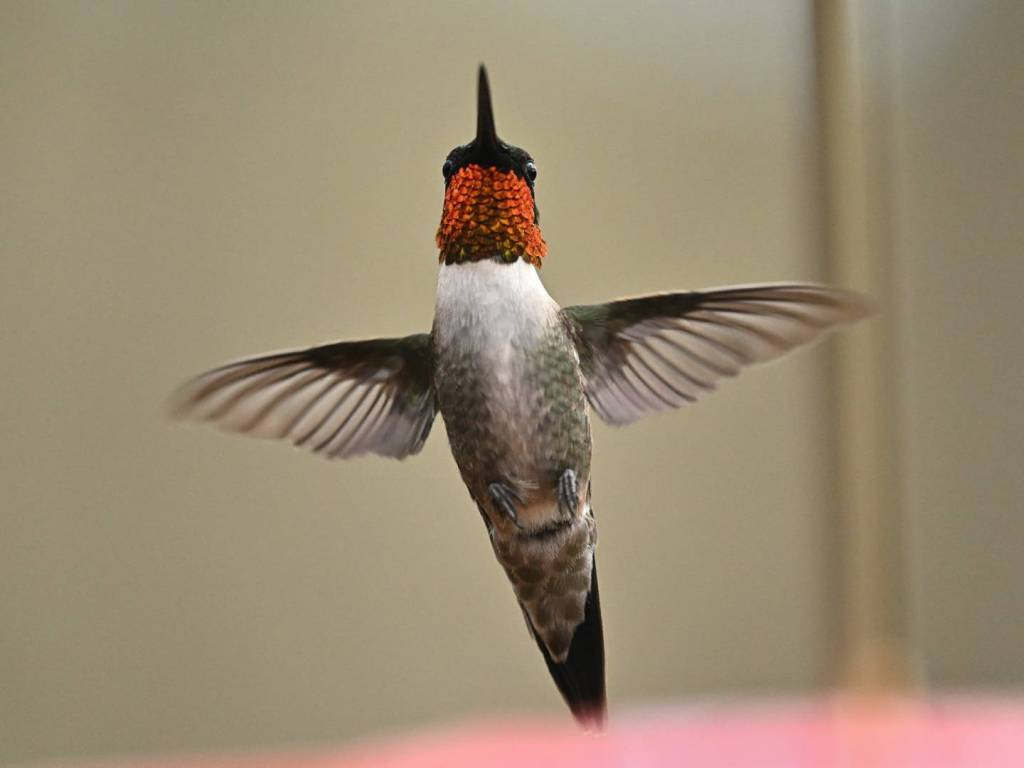 Continue reading →: Ruby-throated Hummingbird: What Most People Miss When Watching Them
The Ruby-throated Hummingbird, prevalent in eastern North America, exhibits distinct behaviors and characteristics. Males display a vibrant red throat, while females have a pale throat. They migrate long distances, with females nesting alone. Understanding their behaviors and seasonal patterns enhances backyard observations, correcting common misconceptions about these fascinating birds.
Hello There!

Welcome to Wing Watchers with Wagner — a practical look at backyard birding, focused on what actually works. This site breaks down how different species behave, what they eat, and how to set up feeders that bring them in consistently. If you’ve ever wondered why certain birds show up while others don’t, or what small changes make the biggest difference, you’re in the right place. Whether you’re just getting started or trying to fine-tune your setup, the goal here is simple: help you understand the birds in your area and make your yard a place they return to.
 Wing Watchers with Wagner