

Introduction
The Rose-breasted Grosbeak stands out as one of North America’s most striking songbirds. You’ll recognize this species immediately once you know what to look for. The males display bold black and white plumage with that distinctive rose-red triangle on their chest, while females sport more subdued brown streaking that serves them well during nesting season. These robust birds belong to the cardinal family and migrate impressive distances twice yearly. Whether you’re a seasoned birdwatcher or just getting started, learning to identify grosbeaks and understanding their behavior will enhance your birding experience significantly.
How Do Male and Female Rose-breasted Grosbeaks Differ?


The difference between male and female Rose-breasted Grosbeaks is dramatic. Males wear crisp black heads, backs, and wings with bright white patches and bellies. The rose-red triangle on their chest gives them their name and makes identification straightforward. Their thick, pale bills handle tough seeds with ease.
Female Rose-breasted Grosbeaks look completely different. They display brown and buff streaking throughout their plumage, resembling large sparrows at first glance. White eyebrows streak above their eyes, and their underparts show heavy brown streaking on white. The Rose-breasted Grosbeak female lacks any red coloring entirely.
Juvenile Rose-breasted Grosbeaks resemble females but show more orange-buff tones. Young males gradually develop their adult plumage over their first year, showing patchy red developing on their chests by late summer.
Size remains consistent between sexes at about 8 inches long with 12-inch wingspans. Both males and females share the characteristic thick grosbeak bill, perfectly adapted for cracking open seeds and nuts. During migration, you might spot mixed flocks where the dramatic difference between Rose-breasted Grosbeak males and females becomes obvious. The contrast serves an important purpose, since females need camouflage while males use bright colors to attract mates and defend territory.
What Do Rose-breasted Grosbeaks Eat?

Rose-breasted Grosbeaks eat a varied diet that changes with the seasons. During the breeding season, what Rose-breasted Grosbeaks eat shifts heavily toward insects. They consume beetles, caterpillars, moths, and other protein-rich invertebrates needed for raising young. Adults feed mostly insects to their chicks for the first week after hatching.
Seeds and fruits dominate the Rose-breasted Grosbeak’s fall and winter diet. They crack open sunflower seeds, maple seeds, and elm seeds with those powerful bills. Wild fruits like elderberries, blackberries, and dogwood berries provide important fats for migration. Tree buds and flowers round out their spring menu.
What do Rose-breasted Grosbeaks eat at feeders? Sunflower seeds top the list. They prefer black oil sunflower seeds but will take striped sunflower seeds too. Safflower seeds attract them while deterring squirrels. They occasionally visit suet feeders, especially during migration when they need extra energy.
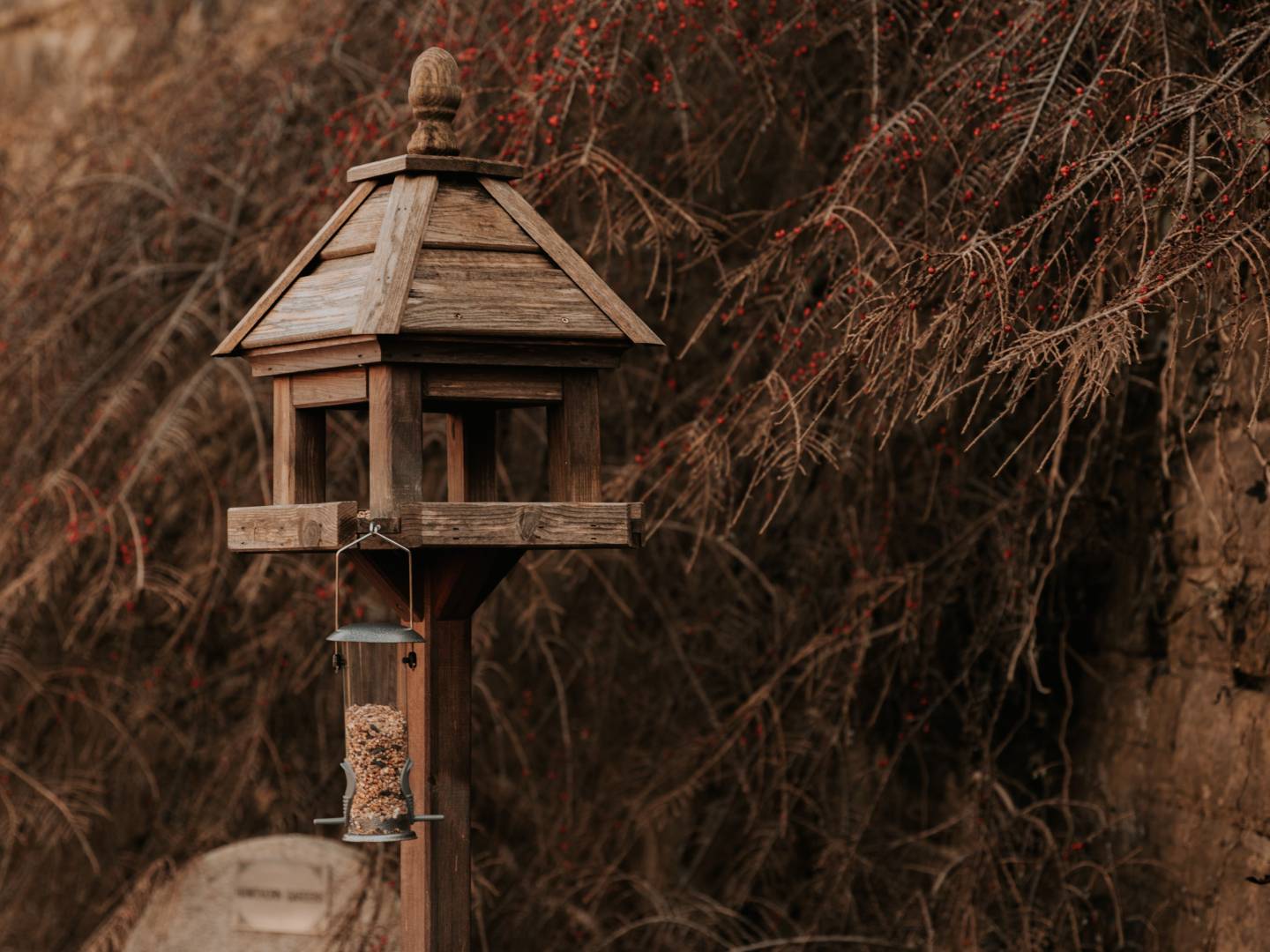
Feeding Rose-breasted Grosbeaks requires understanding their preferences. Platform feeders work better than tube feeders since grosbeaks are relatively large birds. They prefer feeding in the morning and late afternoon. The best grosbeak bird food includes high-fat content seeds and nuts. Peanuts, whether in the shell or out, attract them consistently. During spring migration, offering dried fruits like raisins or cranberries can draw them to your yard when natural food sources remain scarce.
Where Do Rose-breasted Grosbeaks Live and Nest?

Rose-breasted Grosbeak habitat centers on deciduous and mixed forests across their range. They prefer mature woodlands with open understories where they can forage on the ground while maintaining quick access to the tree canopy. The Rose-breasted Grosbeak range extends from southeastern Canada down through the northeastern United States, with breeding populations reaching as far west as the Great Plains.
Where do Rose-breasted Grosbeaks live during different seasons? They breed in cooler northern forests but winter in Central and South America. Their migration covers thousands of miles, with birds breeding in Minnesota spending winters in Costa Rica or beyond.
Rose-breasted Grosbeak nest construction happens in late spring. Females build loose, shallow cups using twigs, grasses, and rootlets. They prefer nest sites 5-25 feet high in deciduous trees, often choosing spots where branches fork. The female’s streaked brown plumage provides camouflage while she incubates eggs, explaining why males display bright colors while females remain subdued.
Nesting habits of Rose-breasted Grosbeaks include shared parenting duties. Males take regular turns incubating eggs and feeding young, unusual behavior among songbirds. They lay 3-5 blue-green eggs spotted with brown. Incubation lasts 12-14 days, with young fledging after another 9-12 days. Pairs typically raise one brood per season in northern areas, occasionally two in warmer regions. Forest edges, parks, and large suburban yards with mature trees can support nesting pairs.
What Does the Rose-breasted Grosbeak Sound Like?

The Rose-breasted Grosbeak’s song resembles a robin’s but sounds smoother and more melodic. Males sing long, warbling phrases that rise and fall in pitch. Their song carries well through forests, helping establish territories and attract mates. The Rose-breasted Grosbeak call includes sharp “chink” notes that sound metallic.
Rose-breasted Grosbeak vocalization varies by situation. Territorial males sing persistently from high perches during the breeding season. Their songs last 3-5 seconds with rich, flute-like quality. Unlike many songbirds, males continue singing even while incubating eggs, an unusual behavior that helps researchers locate nests.
The bird call of the Rose-breasted Grosbeak includes several distinct sounds. Sharp “chink” or “pick” notes serve as contact calls between mates. When alarmed, they give rapid series of harsh notes. Young birds produce soft begging calls that intensify when parents approach with food.
Grosbeak sounds change throughout the year. Spring migrants sing frequently during the morning hours. Males sing less after pairing but resume territorial singing if they lose their mate. Fall migrants remain relatively quiet, giving only occasional contact calls. Learning their call helps locate them during migration when they move through areas quickly. Their songs can be confused with robin songs, but grosbeaks sound cleaner and more musical. The metallic “chink” call is diagnostic once you learn it, helping separate them from similar species during migration when visual identification proves challenging.
Is the Rose-breasted Grosbeak Endangered?

The Rose-breasted Grosbeak is not endangered, but its population faces concerning declines. The North American Breeding Bird Survey shows steady decreases across much of its range over the past 50 years. Rose-breasted Grosbeak conservation efforts focus on habitat protection and understanding migration challenges.
Is the Rose-breasted Grosbeak endangered status likely to change? Current population trends suggest potential future concerns. Breeding Bird Survey data indicate annual declines averaging 1-2% in many regions. Partners in Flight estimates the global population at 4.7 million birds, with about 85% breeding in Canada and the northern United States.
Threats to the Rose-breasted Grosbeak include habitat loss on both breeding and wintering grounds. Forest fragmentation reduces suitable nesting sites. Agricultural expansion and urban development eliminate the forest edges they prefer. Climate change affects insect emergence timing, potentially creating mismatches between peak food availability and chick-rearing periods.
Rose-breasted Grosbeak population stability depends on maintaining large forest blocks. They need mature forests for nesting but also require forest edges and openings for foraging. Coffee plantations provide winter habitat, making shade-grown coffee important for conservation. Window strikes during migration kill significant numbers annually.
Endangered grosbeak species exist elsewhere, highlighting the importance of conservation. Evening Grosbeaks have declined dramatically. Rose-breasted Grosbeaks remain more stable but require continued monitoring. Citizen science projects like eBird help track population trends. Maintaining bird-friendly coffee purchases, reducing window strikes, and supporting forest conservation all help protect these migrants.
What Are Some Fun Facts About the Rose-breasted Grosbeak?

Facts about the Rose-breasted Grosbeak reveal remarkable adaptations. Males share incubation duties equally with females, unusual among songbirds. This behavior allows females to forage more and maintain body condition during the breeding season. Rose-breasted Grosbeak fun facts include their ability to crack cherry pits and eat the nutritious kernels inside.
Interesting facts about grosbeaks include their migration timing. Spring migrants arrive when maple trees begin flowering, timing that provides both nectar and emerging insects. They navigate using stars, magnetic fields, and landmarks during their 3,000-mile journeys between breeding and wintering grounds.
Rose-breasted Grosbeak trivia includes its relationship with other species. They occasionally hybridize with Black-headed Grosbeaks where ranges overlap in the Great Plains. These hybrids show intermediate characteristics and can sing songs combining both parent species’ vocalizations.
Bird facts for beginners should include grosbeak longevity. Banded birds have lived over 13 years in the wild. Their thick bills can exert tremendous pressure, estimated at 125 pounds per square inch. This allows them to crack open tough seeds that other birds cannot handle.
Their scientific name reflects their appearance and behavior. “Pheucticus” means “to paint with cosmetics,” referring to their colorful plumage. “Ludovicianus” honors Louisiana, though they don’t breed there regularly. Early ornithologists first described specimens from Louisiana during migration. Their common name comes from the obvious rose-red patch, though “grosbeak” means “large beak” in French, perfectly describing their most prominent feature.
Conclusion

Rose-breasted Grosbeaks represent one of our most striking migrant songbirds. Their dramatic sexual differences, shared parenting behavior, and impressive migrations make them fascinating subjects for birdwatchers. While not currently endangered, their declining populations deserve attention and conservation efforts. Learning their songs, understanding their habitat needs, and supporting forest conservation helps ensure future generations can enjoy these remarkable birds. Whether you encounter them at feeders during migration or hear their robin-like songs in northern forests, Rose-breasted Grosbeaks reward careful observation with insights into avian behavior and ecology that few other species can match.




Leave a Reply