Introduction
The Eastern Bluebird is one of those birds that makes you stop mid-step on a quiet morning. With its bright plumage and mellow temperament, it’s a familiar sight in open fields, fence posts, and the edges of wooded areas. But behind that cheerful color is a bird with a busy seasonal schedule, a specialized diet, and some surprisingly territorial behavior. Whether you’re new to birdwatching or you’ve logged hours with your binoculars, there’s a good chance you’ve heard or seen one—maybe without even knowing it. This guide will walk you through the sounds of the Eastern Bluebird, where it migrates, how to tell the difference between males and females, what it eats, how and where it nests, and where it’s most commonly seen, especially in places like Texas.
What Does the Eastern Bluebird Sound Like?

When you’re listening for the Eastern Bluebird, you’re not tuning into something flashy or over the top. Their song is gentle and short, made up of soft, warbling notes that often sound like “cheer cheerful charmer” or “tru-al-ly.” It’s not loud or musical in the way a robin’s is, but if you’ve got a quiet morning and a good ear, the Eastern Bluebird sounds are distinct. You’ll often hear a series of low-pitched, two-part whistles. It’s not a single tune repeated endlessly but a varied sequence that keeps its rhythm modest.
The Eastern Bluebird call—used in daily communication—is different from the full song. It’s a quicker, sharper note, often a soft “chir-wi” or “turee.” These calls serve different purposes, like warning of a nearby predator or keeping tabs on a mate. During the breeding season, males become more vocal. Their Eastern Bluebird song is used to attract females and stake a claim to their nesting territory.
If you’re trying to pick their song out of the dawn chorus, remember this: Eastern Bluebird sounds aren’t aggressive or elaborate. They’re understated but deliberate. You’re more likely to hear them in open spaces or near nesting boxes, especially in early spring when they’re calling frequently. If you’re asking, “What does an Eastern Bluebird sound like?” imagine something between a whisper and a whistle—easy to miss if you’re distracted, but hard to forget once you’ve heard it.
Where Do Eastern Bluebirds Live and Migrate?

The Eastern Bluebird range stretches from southern Canada down through Florida and west into parts of the Rockies. They’re cavity nesters, which means you’ll find them where there are open fields, scattered trees, and easy access to nest sites—whether that’s a natural hollow or a man-made box. Their habitat preference keeps them out of dense forests and urban centers. Think old orchards, pasture edges, and quiet country roads.
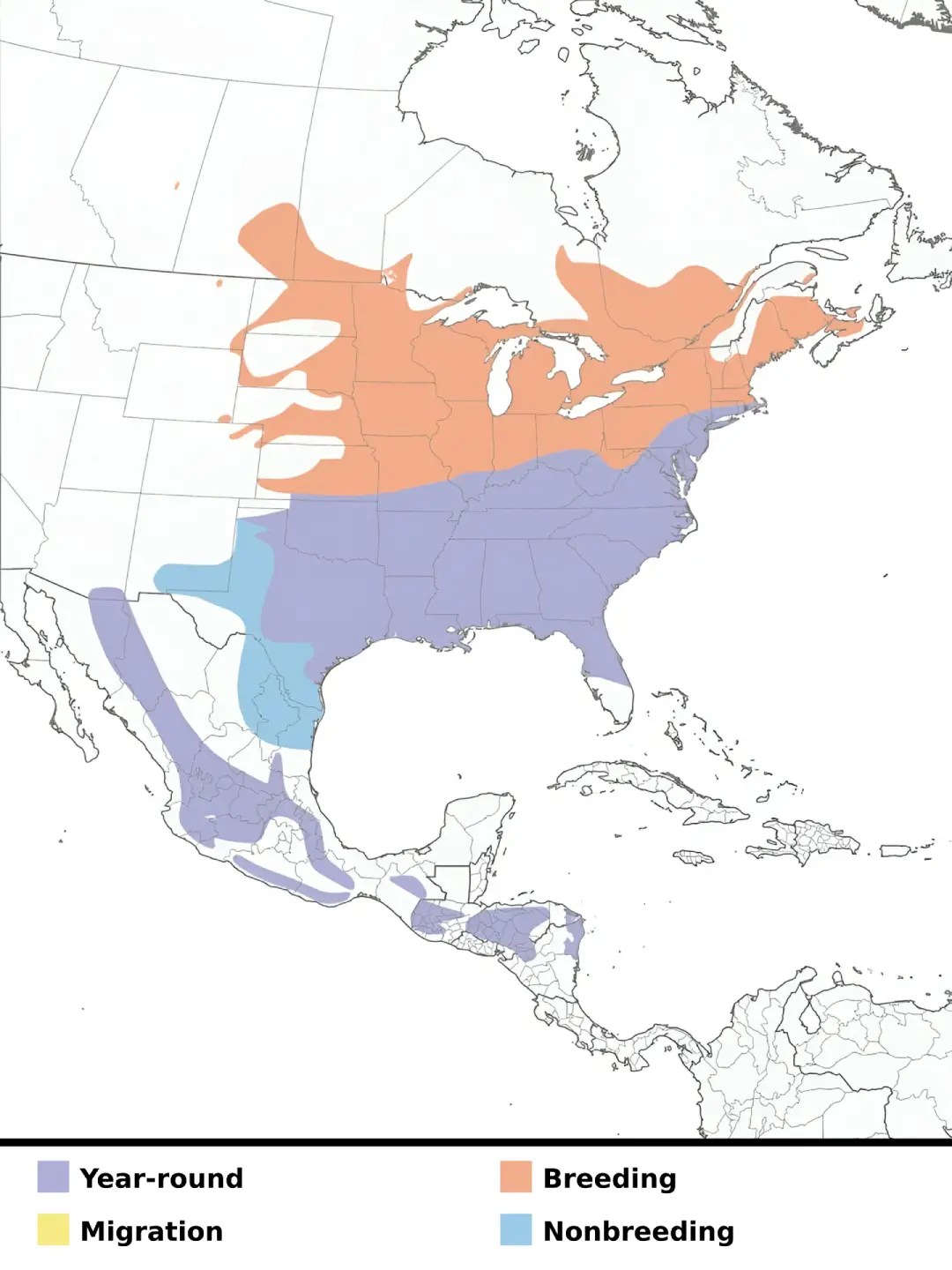
Migration varies depending on where they live. In northern regions, the Eastern Bluebird winter migration sends them south to escape the cold and find more consistent food. In the southern U.S., many stick around all year. So while some move seasonally, others are permanent residents, depending on the climate and food availability.
If you’re looking at an Eastern Bluebird map, you’ll notice that their year-round territory covers a large part of the eastern and central U.S., with winter-only zones pushing into the southernmost states and year-round populations in places like the Carolinas, Tennessee, and Arkansas. Breeding occurs throughout the eastern half of the U.S. and parts of Canada.
You don’t need to head deep into the woods to find them. Look for open areas with perches—fence lines, utility wires, low tree branches. They like to scout from above, dropping down on insects or inspecting potential nest cavities. If you’re wondering where Eastern Bluebirds live, the answer is: wherever there’s open space, insects, and a place to nest.
How Can You Tell the Difference Between Male and Female Eastern Bluebirds?

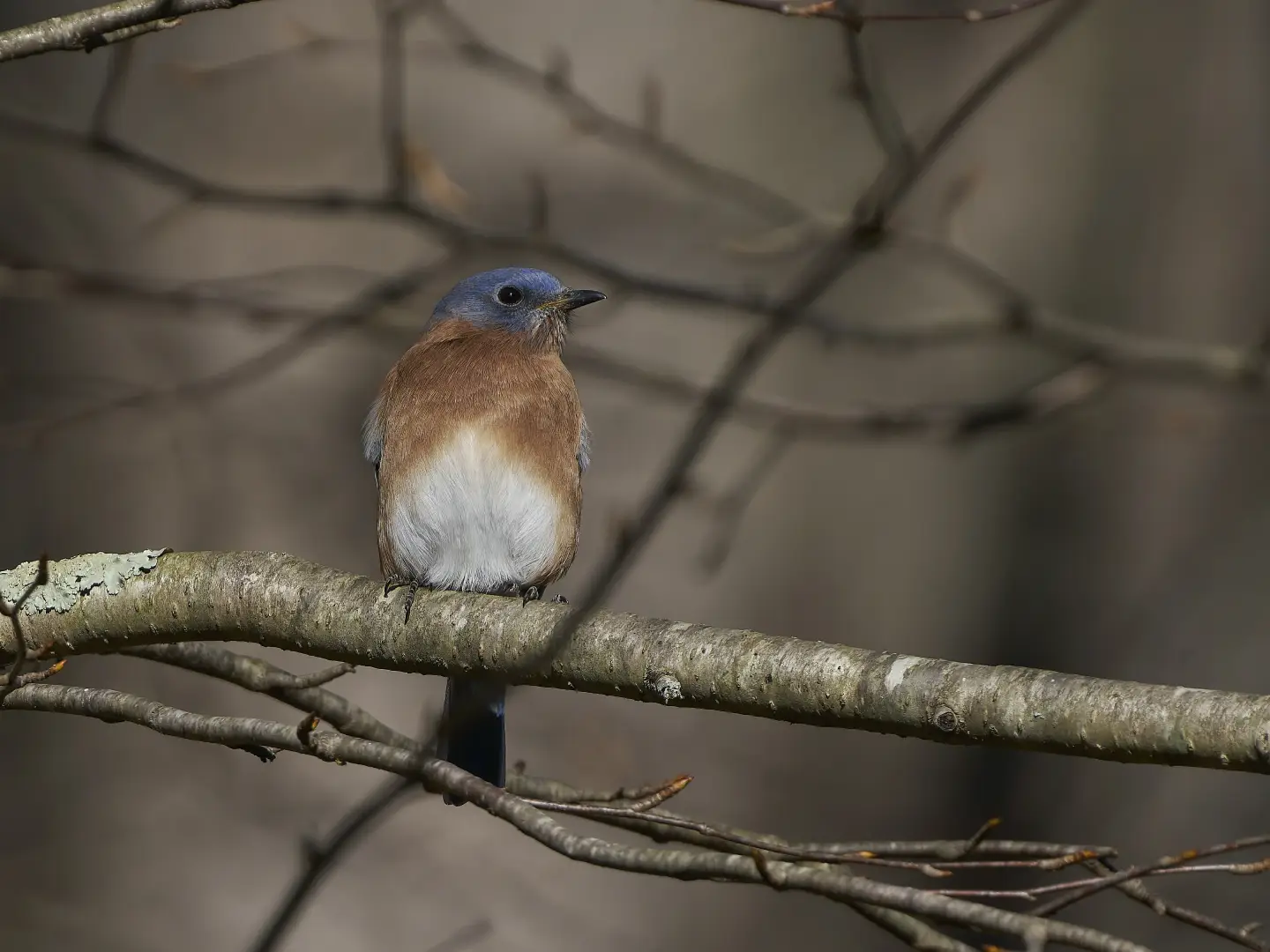
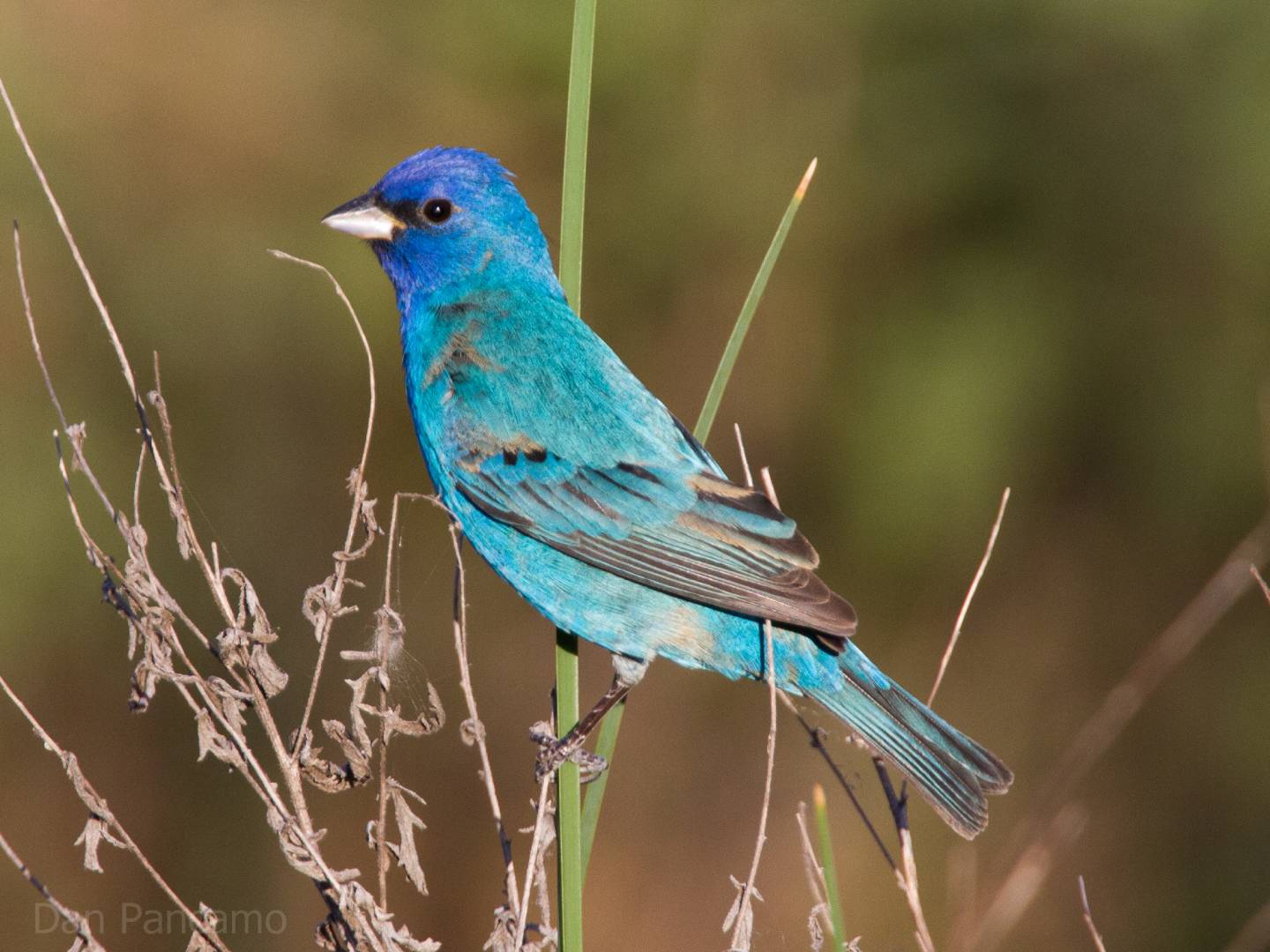
The easiest way to spot the Eastern Bluebird male vs female difference is by looking at color. Males carry the more vibrant coloring—deep blue on the head and back, with a rusty orange chest and white belly. It’s the kind of blue that catches sunlight, and if you’re watching one hop across a field, you’ll see flashes of that color as it moves.
Female Eastern Bluebirds, on the other hand, are more muted. Their backs are a grayish blue, and their chests have a lighter wash of rust. The contrast isn’t as sharp, but it’s still there. You’re not looking at a dull bird—just one that trades flash for subtlety. This makes sense considering their role during nesting season. If you’re asking how to identify a female Eastern Bluebird, the key is to look for the same pattern as the male, but with softer, more blended shades.
Behavior can also help with the Eastern Bluebird gender difference. During spring, males will sing more often and be visibly active in defending territory. You might see them wing-waving near a female or chasing off competitors. Females spend more time investigating nest sites and later, tending to the young.
So, when you see a pair, you’re likely seeing that contrast in color and behavior. Spotting Eastern Bluebird male and female differences isn’t complicated—you just need a clear view and a bit of patience.
What Do Eastern Bluebirds Eat?

The Eastern Bluebird diet shifts with the seasons. During warmer months, they focus on insects. Grasshoppers, beetles, caterpillars, and crickets make up the bulk of their diet when available. They’re not high-flyers like swallows or swifts—they prefer to perch, watch, then drop down on prey. This hunting method keeps them close to the ground, especially in fields and open spaces.
As the weather cools and insects disappear, they shift to fruits and berries. Dogwood, sumac, wild grapes, and pokeweed are all fair game. So are the berries of cedar and holly trees. If you want to support them through the colder months, those are good plants to have nearby.
If you’re interested in feeding Eastern Bluebirds, mealworms are your best bet. Live ones are more appealing, but dried ones can work too if offered consistently. Suet with added insects is another good option, especially in winter. They don’t typically go for seeds, so traditional feeders won’t draw them in.
Understanding what Eastern Bluebirds eat helps explain why they’re found in certain areas and not others. Insects are critical for raising chicks, so if a habitat lacks bugs, it won’t attract nesting pairs. That also makes their presence a sign of a healthy ecosystem.
So, whether you’re looking to spot them in the wild or hoping to host a pair at home, providing the right Eastern Bluebird food—and letting your yard stay a little wild—can make a big difference.
Where Do Eastern Bluebirds Nest and Lay Eggs?

When it comes to nesting, Eastern Bluebirds are practical. They don’t build their own cavities—they rely on existing ones. Old woodpecker holes, natural tree hollows, and bluebird nesting boxes all fit the bill. Nesting season starts as early as March in southern regions and can stretch into August, especially if a pair raises multiple broods.
The female does most of the nest building. She’ll gather grasses, pine needles, and fine twigs, forming a tidy cup inside the cavity. Once the Eastern Bluebird nest is complete, she lays between 3 and 7 eggs, typically light blue but occasionally white. Incubation takes about two weeks, and she handles it alone. During that time, the male will bring her food and stand guard nearby.
After hatching, both parents feed the chicks. Nestlings fledge around 16 to 21 days later, but they may stick around the territory for a while longer. If the conditions are good, the pair may raise another brood in the same spot.
The nesting period is when you’re most likely to notice defensive behavior. Males grow more territorial, and both parents become more vocal and active. If you’ve installed a bluebird nesting box, keep it at least 5 feet off the ground in an open space, and clean it out between broods to encourage reuse.
Understanding the nesting habits of Eastern Bluebirds helps explain why they’re so strongly linked to fields and meadows. Open spaces offer visibility and hunting grounds—two things they won’t nest without.
Are Eastern Bluebirds Common in Texas and Other States?

Yes, Eastern Bluebirds in Texas are a regular sight—especially in the eastern half of the state, where woodlands break into open grasslands. They’re year-round residents in much of the Southeast, including Texas, Louisiana, Georgia, and Florida. If you’re wondering where to see Eastern Bluebirds, start with lightly wooded areas near pastures, parks, or backyards with nest boxes.
In terms of overall range, they’re found in nearly every state east of the Rockies at some point in the year. Northern states like Michigan, Ohio, and New York host them during the breeding season, while southern states often have them year-round. Winter sightings are common across the southern U.S., where they move in flocks, often seen hopping through fields or perching on fences.
If you’re checking Eastern Bluebird sightings by state, you’ll find the highest numbers in states with strong conservation and nest box efforts. They’re not rare, but they are sensitive to habitat loss. That’s why programs that install and monitor nest boxes—like many you’ll find in Texas parks—have played a big role in population recovery.
Eastern Bluebird common states include most of the eastern half of the country. The key is habitat: open ground, scattered trees, and access to nest cavities. When those align, bluebirds show up. And once they do, they tend to stay.
So if you’re birdwatching in Texas or nearby states, keep your eyes on the fence lines and your ears open for those soft whistles. They’re likely closer than you think.
Conclusion

The Eastern Bluebird might not shout for your attention like some other songbirds, but it earns its place in any birdwatcher’s notebook. Between its soft song, vivid coloring, and dependable habits, it’s a bird that rewards those who pay attention. Whether you’re trying to spot the difference between a male and female, listening for a subtle song at sunrise, or setting up a nesting box in your backyard, knowing how these birds live gives you a front-row seat to their seasonal routines. From northern fields to Eastern Bluebirds in Texas, they’re out there, waiting for you to notice. Keep your binoculars handy, your field guide close, and your eyes on the power lines—you never know when one might drop in for a visit.




Leave a Reply