-
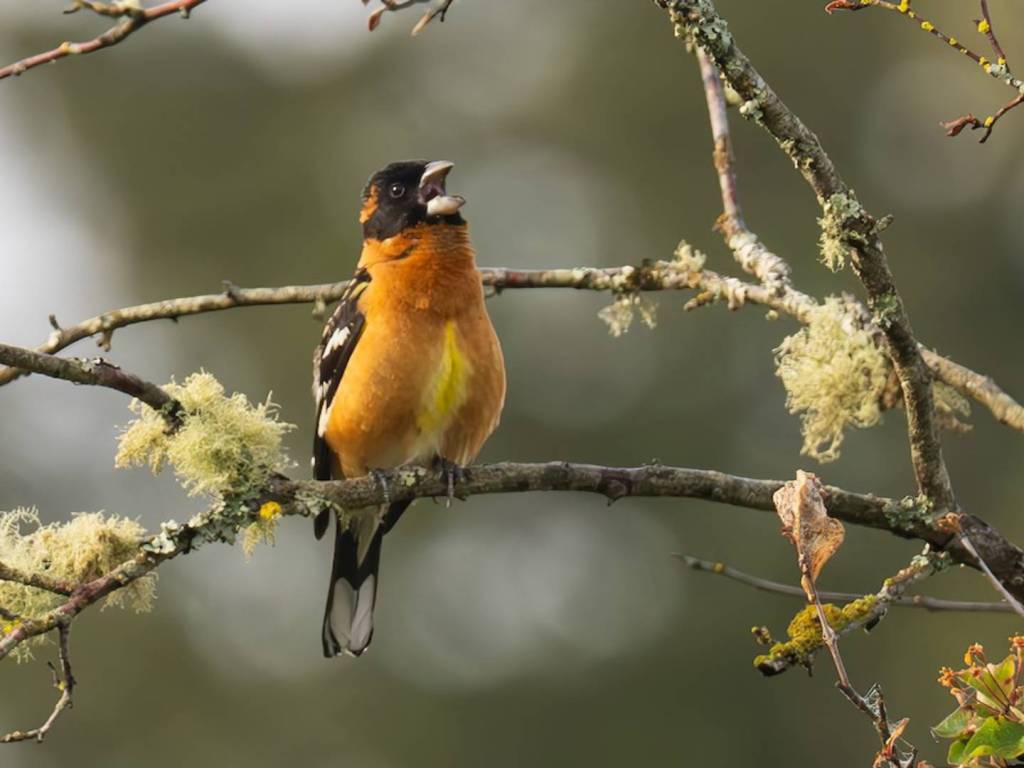 Continue reading →: Black-headed Grosbeak (Pheucticus melanocephalus): A Vibrant Visitor to Your Backyard
The Black-headed Grosbeak, a vibrant songbird found in western North America, is admired for its striking colors and beautiful songs. These birds play an essential role in ecosystems by feeding on insects and fruits. Conservation efforts focus on habitat protection and reducing pesticide use to maintain healthy populations.
-
 Continue reading →: Carolina Wren (Thryothorus ludovicianus): Song, Charm, and How to Invite Them to Your Backyard
The Carolina Wren is a small, vocal bird found in the southeastern United States, known for its adaptability and distinctive appearance featuring a white eyebrow stripe. They are monogamous, nest near the ground, and have a diverse diet primarily of insects. Conservation efforts are vital amid habitat loss and climate…
-
 Continue reading →: Bird Migration: Why, When, and How We Can Help
Bird migration is a remarkable phenomenon where millions of birds travel vast distances annually for survival, seeking food and favorable climates. Triggered by environmental cues, the migration journey has its hazards, including harsh weather and habitat loss. Humans can help by creating bird-friendly environments and supporting conservation efforts.
-
 Continue reading →: European Starling (Sturnus vulgaris): The Adaptable Beauty in Our Backyards
The European Starling, originally native to Europe, has become one of the most adaptable and widespread bird species globally. With striking plumage, unique nesting habits, and a diverse diet, they are also known for mimicry, flock behavior, and their impact on native species in non-native regions. Bird enthusiasts can attract…
-
 Continue reading →: Varied Bunting (Passerina versicolor): The Jewel of the Southwestern Skies
The Varied Bunting is a stunning bird found in the southwestern US and Mexico, known for its vibrant plumage and nesting habits. It primarily consumes insects, seeds, and fruits. Conservation efforts focus on habitat preservation, monitoring populations, combating climate change, and education. Attracting them to your backyard involves creating a…
-
 Continue reading →: Tropical Kingbird (Tyrannus melancholicus): The Agile and Vibrant Avian Marvel
The Tropical Kingbird, found in the Americas, is a vibrant bird with a bright yellow belly and agile flight. It nests in open areas, showing impressive adaptability. Its diet includes insects and fruits, and it has unique vocal abilities. Conservation efforts focus on habitat preservation, pesticide reduction, climate change mitigation,…
-
 Continue reading →: Violet Green Swallow (Tachycineta thalassina): A Closer Look at an Agile Aerial Insectivore
The Violet Green Swallow is an agile and colorful aerial insectivore with stunning iridescent plumage. They nest in natural cavities and man-made structures, lay 4-6 eggs, and raise their chicks through cooperative effort. Their diet primarily consists of flying insects, and they play a crucial role in controlling insect populations.…
-
 Continue reading →: Wood Duck (Aix sponsa): A Closer Look at One of North America’s Most Colorful Birds
The Wood Duck, famed for its vibrant plumage and tree nesting, is a favorite among birdwatchers. Males boast iridescent green and purple plumage, while the females have subtle elegance. Their adaptability, varied diet, and conservation success make them a remarkable species. Attract them to your backyard by installing nest boxes…
-
 Continue reading →: Elf Owl (Micrathene whitneyi): Nature’s Tiny Wonder
The Elf Owl, one of the smallest and most captivating owls, boasts unique features such as its diminutive size, large round eyes, and agile flight. It nests in woodpecker holes, feeds primarily on insects, and demonstrates remarkable survival skills in desert environments. Conservation efforts and public awareness are essential for…
-
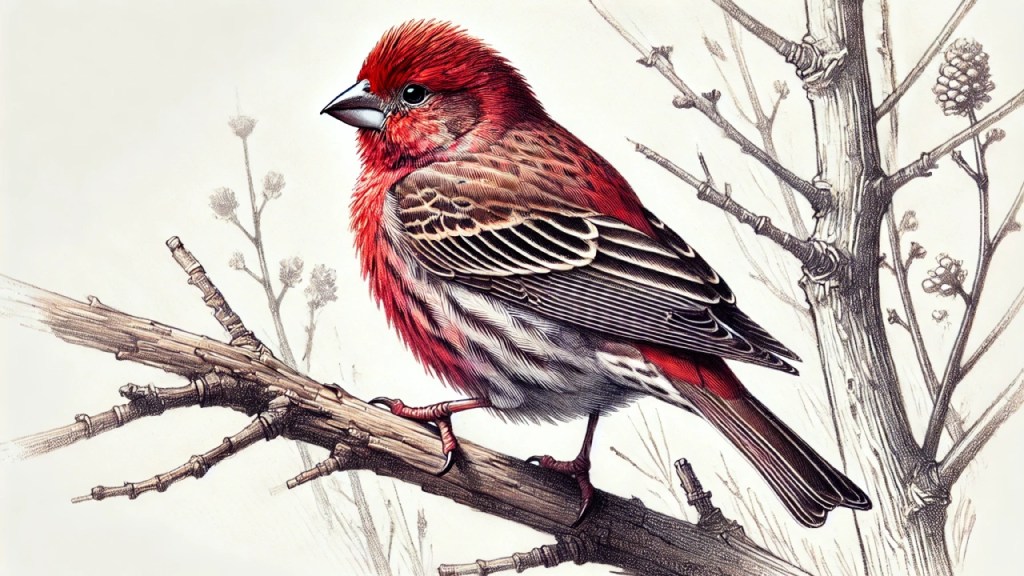 Continue reading →: House Finch (Haemorhous mexicanus): A Colorful Neighbor in Our Midst
The House Finch, native to North America, is a vibrant and adaptable bird known for its colorful plumage and cheerful song. Males display bright red, orange, or yellow coloring, while females are more subdued. They have a diverse diet, nesting habits, and are known for their melodious songs. Conservation efforts…
Hello There!

Welcome to Wing Watchers with Wagner — a practical look at backyard birding, focused on what actually works. This site breaks down how different species behave, what they eat, and how to set up feeders that bring them in consistently. If you’ve ever wondered why certain birds show up while others don’t, or what small changes make the biggest difference, you’re in the right place. Whether you’re just getting started or trying to fine-tune your setup, the goal here is simple: help you understand the birds in your area and make your yard a place they return to.
 Wing Watchers with Wagner