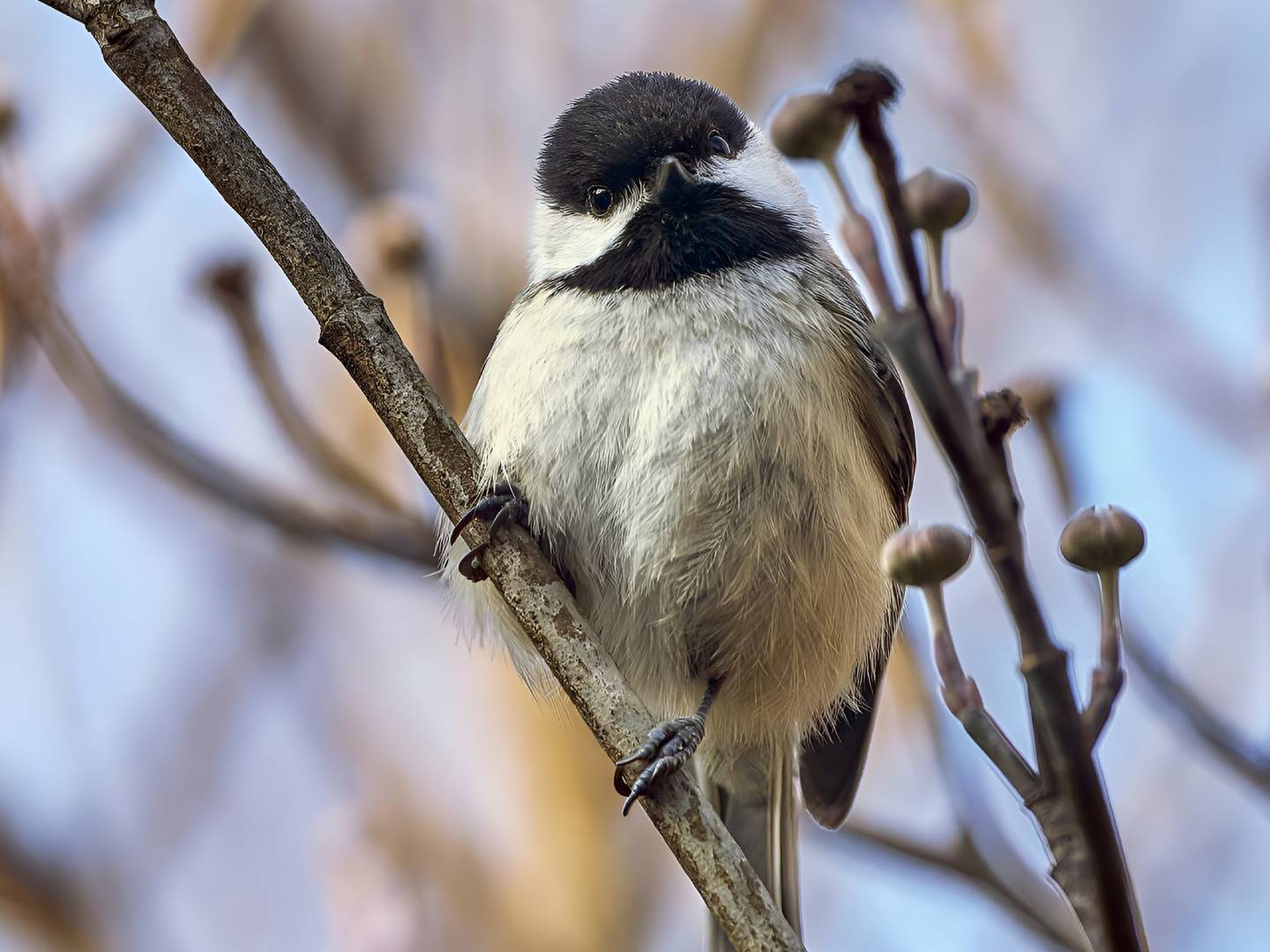

Black-Capped Chickadees may be small, but they quickly become some of the most noticeable visitors at a backyard feeder. So what kind of hopper feeder works best for them? Which seed should you use? Where should the feeder go, and what can you change if chickadees seem interested but rarely land?
A good chickadee feeding station does not need to be complicated. A few choices involving feeder design, food, placement, and maintenance can make the setup much more inviting.
In this guide, we will cover:
- What Is the Best Hopper Feeder for Black-Capped Chickadees?
- What Seed Should You Put in a Hopper Feeder for Chickadees?
- Where Should You Place a Hopper Feeder for Chickadees?
- How to Make a Hopper Feeder Easier for Chickadees to Use
- How to Keep Chickadees Visiting Your Hopper Feeder Through the Seasons
Keep reading from the beginning or jump to the section that matches the part of your feeder setup you want to improve.
The best hopper feeder setup for Black-Capped Chickadees combines a feeder that gives small birds easy access with sunflower seed or other high-energy foods and a location near protective trees or shrubs. Keep the feeder clean, the seed fresh, and the approach to the feeder open enough for chickadees to quickly land, grab a seed, and retreat to nearby cover.
What Is the Best Hopper Feeder for Black-Capped Chickadees?

A hopper feeder can be an excellent choice for chickadees because it keeps a supply of seed available while giving birds a platform or perch where they can land.
For chickadees, bigger is not necessarily better. What matters most is easy access.
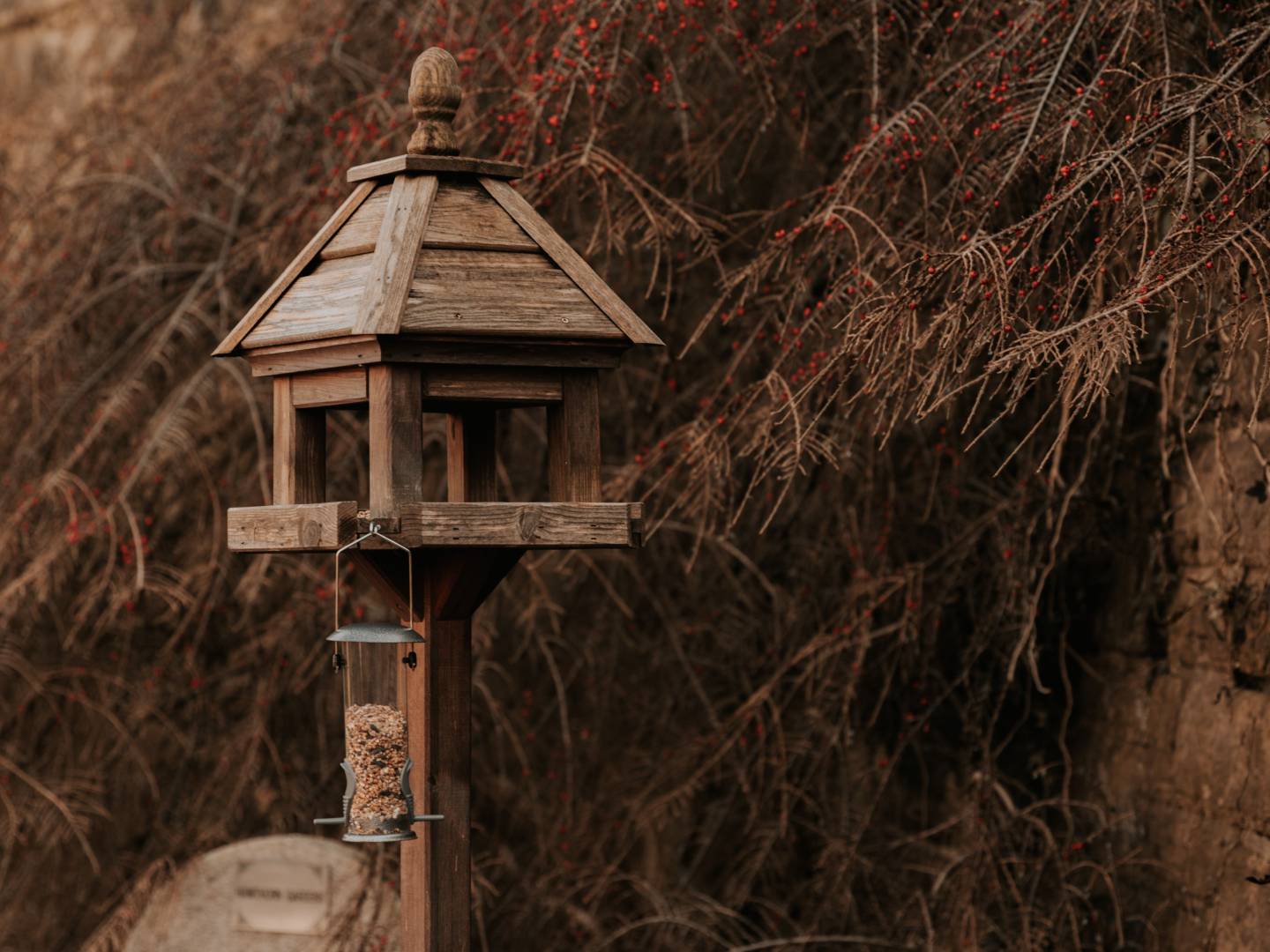
A hopper feeder, such as this one, offers a large opening they can reach comfortably and a perch where they can briefly stop. Chickadees often make quick visits rather than sitting in one place for long periods. They may land, choose a seed, and carry it to a nearby branch before eating it.
The feeder’s roof is another useful feature. It shelters the feeding area and reduces the amount of rain or snow reaching the seed. It will not keep seed completely dry in every storm, so you should still check the feeder after wet weather.
The feeder is also easy to open and clean. Seed hulls, moisture, and old food can collect inside a hopper, particularly in corners and along the bottom. A feeder you can easily empty will be much simpler to maintain.
Capacity matters too. The hopper is a manageable size and is more practical than filling a very large feeder with more seed than the birds can eat while it is still fresh.
What Seed Should You Put in a Hopper Feeder for Chickadees?

If your goal is to attract Black-Capped Chickadees, sunflower seed is one of the most useful foods to put in your hopper feeder.
Black oil sunflower is especially practical for a general backyard feeding station because chickadees readily take it and many other birds will eat it as well. Which means you do not need a chickadee-specific mix to attract them.
Shelled sunflower is another option. Because the hull has already been removed, it creates less debris under the feeder. The tradeoff is that it needs to stay fresh and dry, so avoid leaving large amounts sitting in damp conditions.
Small peanut pieces can also appeal to chickadees. If you use peanuts, choose plain pieces without added salt or seasoning.
You can offer a mixture but check the ingredient list before buying a large bag. Some inexpensive mixes contain a high proportion of filler seeds that may remain in the feeder while birds pick out the more desirable foods. A simple approach could be to put out a small portion of the seed mix, watch what your local birds actually eat, and make changes based on what disappears first.
Don’t keep topping off new seed over an old layer indefinitely. Occasionally let the feeder run low enough that you can remove accumulated hulls and uneaten material. Fresh food is more useful than a feeder packed with seed that has been exposed to moisture for weeks.
Where Should You Place a Hopper Feeder for Chickadees?

Where to put a feeder takes consideration because chickadees often move between a feeding station and nearby cover. A useful location gives them access to trees or shrubs while still leaving the feeder visible and approachable.
While observing chickadees, you may notice a pattern. It lands at the feeder, takes a seed, and quickly moves to a branch. Nearby vegetation gives them somewhere to pause, handle food, or retreat.
That doesn’t mean the feeder should be buried deep inside thick shrubbery. You still want enough open space around the feeder for birds to see their surroundings and travel back and forth easily.
Think of the setup as two connected areas:
- The feeding zone: A stable, accessible feeder with open approaches.
- The cover zone: Nearby trees or shrubs where chickadees can perch between visits.
Also consider your own access. Place the feeder somewhere you can reach for refilling and cleaning. A feeder that is inconvenient to maintain tends to get neglected.
If possible, avoid locations where runoff from a roof regularly soaks the feeder or where dense vegetation makes it unusually easy for a predator to remain hidden.
Finally, watch the birds. If chickadees are moving through nearby trees but ignoring a feeder positioned in an exposed area, moving it closer to their normal travel route may help.
How to Make a Hopper Feeder Easier for Chickadees to Use

Sometimes chickadees are already in the yard but do not seem interested in your feeder. Before replacing the entire setup, check a few simple things.
Start with the seed. If it has been sitting through repeated rain or humid weather, empty the feeder and inspect it. Seed that is damp, clumped, spoiled, or noticeably old should be discarded. Refill with a smaller amount of fresh seed and see whether activity changes.
Next, check access to the feeding openings. Large birds may be comfortable on a broad platform, but chickadees also need an easy place to grip while reaching the food. A small ledge or perch can make quick visits easier.
Then look at the surroundings. A chickadee may approach several times before actually feeding from a new object. Nearby branches give it places to stop and inspect the feeder.
Patience matters with a newly installed feeder. Birds have to discover it and incorporate it into their normal routine.
Keeping the feeding station consistent can help. Don’t move the feeder every few days because it hasn’t attracted birds yet; give the chickadees a chance to find it.
Cleanliness should also be part of the routine. Empty old seed and debris, clean the feeder regularly, and allow it to dry before refilling. A straightforward feeder filled with a food chickadees recognize is usually more useful than trying to solve the problem by adding numerous accessories at once.
How to Keep Chickadees Visiting Your Hopper Feeder Through the Seasons

Chickadee feeder activity can change throughout the year, so a successful setup during one season might see less traffic during another. Offering sunflower seeds during winter gives chickadees a dependable, high-energy food source when natural conditions are more demanding.
Winter also creates extra maintenance challenges. Snow can cover feeding areas, and moisture can find its way into the feeder. Brush snow away when needed and inspect the seed rather than assuming everything underneath the roof is dry.
During warmer periods, pay closer attention to how quickly seed is being consumed. Hot or humid conditions can reduce the amount of time you want food sitting unused in the feeder. Smaller refills may make more sense than filling the hopper to maximum capacity.
Spring brings another change. Chickadees may be spending more time investigating natural food sources and nesting habitat. Feeder visits can continue, but the feeder is only one part of what makes a yard useful to them.
Black-Capped Chickadees are cavity nesters, so suitable nesting sites can add another dimension to a chickadee-friendly backyard. If your property has appropriate habitat, this birdhouse kit can provide an additional small-cavity nesting option separate from the feeding station.
Whatever the season, keep the basic routine consistent: fresh food, a clean feeder, safe access, and nearby natural cover. Those fundamentals matter more than continually changing your setup.

Creating a good hopper feeder setup for Black-Capped Chickadees comes down to a few practical choices. Use a feeder that small birds can access comfortably, offer sunflower seed or another appropriate high-energy food, and position the feeder where chickadees can move between it and nearby trees or shrubs.
Then maintain it. Fresh seed and a clean, dry feeding area can make a big difference.
Once chickadees discover a dependable food source, their quick back-and-forth visits can become a familiar part of the backyard. Watch how they approach, where they perch, and which foods they choose. Their behavior will tell you whether your setup is working and where a small adjustment might make it even better.




Leave a Reply