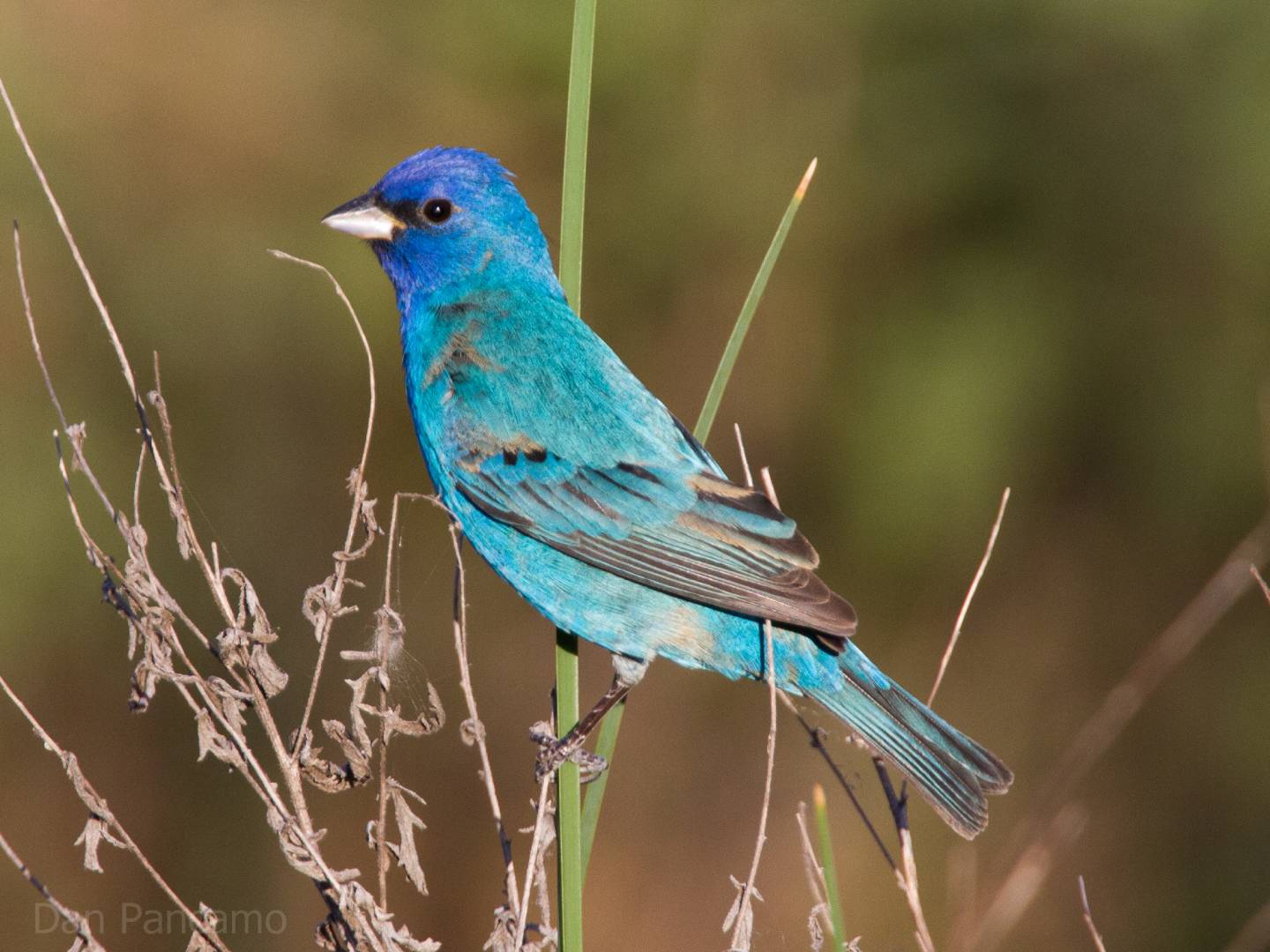

Introduction
If you’re trying to attract Indigo Buntings, you’ve probably asked a few key questions. What seed do they actually eat at feeders? Is millet really the best option? Will they touch sunflower or nyjer at all? And maybe the biggest one, why do they seem to ignore feeders even when other birds are all over them?
These birds don’t behave like typical feeder visitors, which is where most setups go wrong. The seed matters, but so does how you offer it and where you place it.
Here’s what we’ll cover:
- What Seed Do Indigo Buntings Prefer at Feeders?
- Is White Proso Millet the Best Seed for Indigo Buntings?
- Do Indigo Buntings Eat Sunflower Chips or Nyjer Seed?
- How to Offer Seed to Attract Indigo Buntings
- Why Indigo Buntings Ignore Some Seeds at Feeders?
Keep on reading, or feel free to jump to the section that answers your question.
What Seed Do Indigo Buntings Prefer at Feeders?

Indigo Buntings are not built like most feeder birds. They don’t have the thick, crushing beaks you see on cardinals or grosbeaks. Instead, they are adapted for picking up small seeds, the kind you would find in grasses and weeds.
In the wild, their diet shifts depending on the season. During the breeding season, they rely heavily on insects for protein. Outside of that, especially in late summer and fall, they move toward seeds. These are usually small, lightweight seeds that are easy to pick and swallow without much effort.
At feeders, this behavior carries over. They consistently prefer:
- Small seeds
- Soft or shelled seeds
- Seeds that resemble natural grasses
This is why they show up more often at feeders offering:
- White proso millet
- Fine seed mixes with minimal large pieces
They tend to avoid:
- Large striped sunflower seeds
- Thick shells that require effort to crack
- Feeders dominated by big seeds
Another key detail is how they feed. Indigo Buntings are more comfortable on flat surfaces or the ground. They are not strong clingers like finches. If your feeder requires hanging and balancing, they are less likely to use it.
If your setup matches both their seed preference and feeding style, your chances improve quickly.
Is White Proso Millet the Best Seed for Indigo Buntings?

White proso millet is the most reliable seed for attracting Indigo Buntings. It lines up almost perfectly with what they already eat in the wild.
The seed itself is small, round, and easy to handle. There is no shell to crack, which means buntings can feed quickly without needing specialized beak strength. This alone makes a big difference compared to larger seeds.
Millet also closely resembles the types of grass seeds they naturally forage for. Because of that, it does not require much adjustment in behavior. Birds are more likely to accept a food source that already matches what they recognize.
When using millet, placement matters just as much as the seed:
- Spread it on a platform feeder or tray
- Sprinkle a small amount directly on the ground
- Keep the feeding area clean and dry
Avoid piling it too thick. A thin, scattered layer mimics natural conditions and reduces waste.
One thing you will notice is that millet attracts other birds. Sparrows, juncos, and doves will show up quickly. This is normal. Indigo Buntings often feed alongside these species, and their presence can actually signal that the area is safe.
If you are choosing a single seed to try first, this is the one that produces the most consistent results.
Do Indigo Buntings Eat Sunflower Chips or Nyjer Seed?

Indigo Buntings will eat sunflower chips, but they are not their top choice.
Sunflower chips are easier than whole sunflower seeds because the shell is already removed. This makes them accessible to smaller birds. If buntings are already visiting your yard, they may pick at sunflower chips, especially if millet is nearby.
However, they usually do not seek out sunflower seeds as a primary food source. Larger birds tend to dominate feeders filled with sunflower, which can push buntings away.
Nyjer seed is even less reliable. It is very small, but it is typically associated with finch feeders. These feeders require clinging and feeding from small ports. Indigo Buntings are not well-suited for that style of feeding.
Because of that, nyjer often fails for buntings for two reasons:
- The feeder design does not match their behavior
- The seed itself is not part of their typical diet
If you are comparing options:
- Millet is the most effective
- Sunflower chips can work as a secondary option
- Nyjer is inconsistent and often ignored
If you want to experiment, mix a small amount of sunflower chips into millet and place it on a platform feeder. This gives buntings access without forcing them to compete or change their feeding style.
How to Offer Seed to Attract Indigo Buntings

Feeder setup is often the reason Indigo Buntings do not show up, even when the seed is correct.
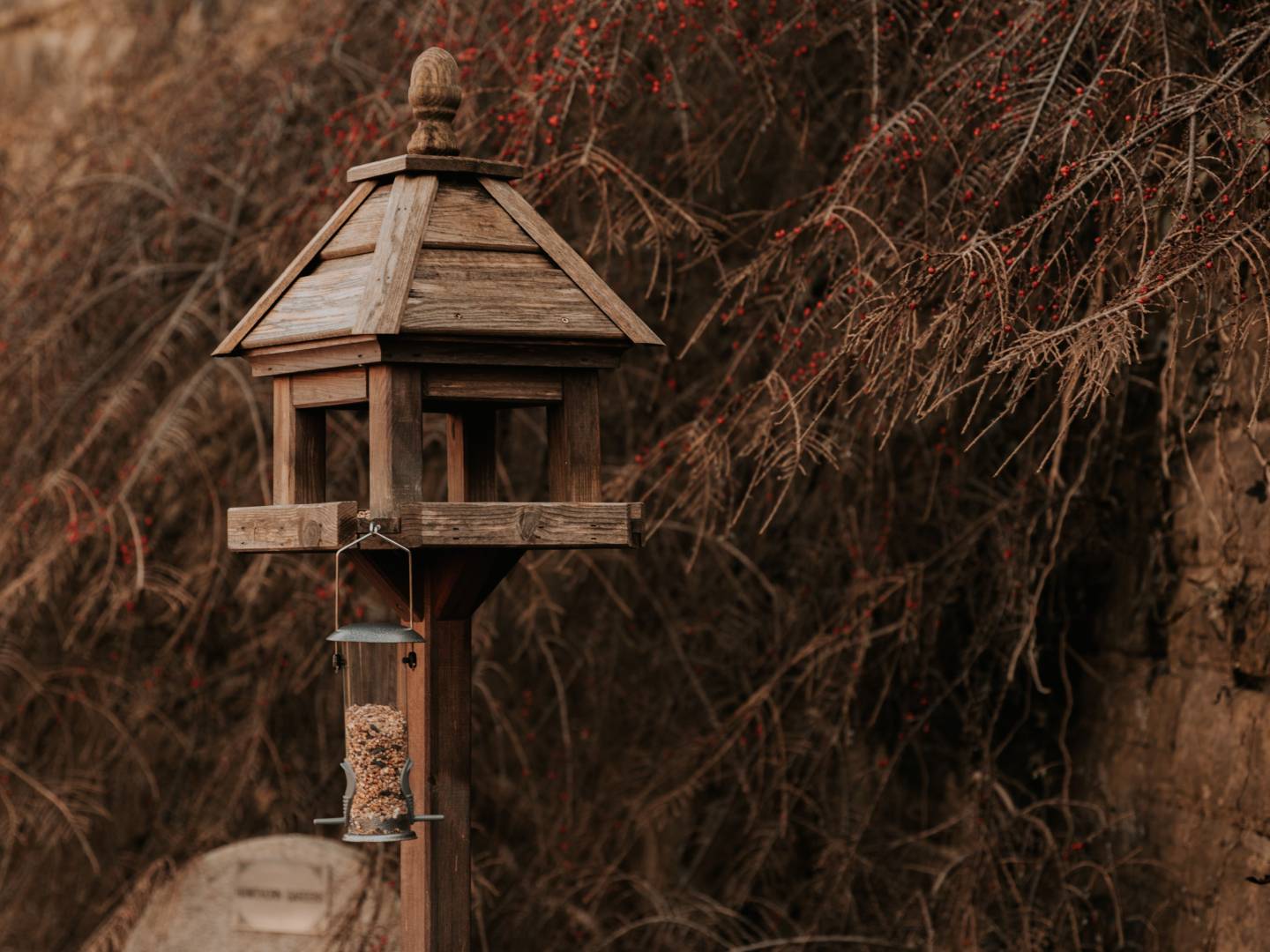
Start with the feeder type. The most effective options are:
- Platform feeders
- Tray feeders
- Ground feeding areas
These match how buntings naturally feed. Avoid tube feeders with small perches. Those are better suited for finches.
Next is placement. Indigo Buntings prefer areas that feel protected. They are most comfortable near:
- Shrubs
- Brushy edges
- Tree lines
Avoid placing feeders in the open center of a yard. Even if other birds use them, buntings may stay away.
A good setup looks like this:
- Feeder placed within 5 to 10 feet of cover
- Clear line of sight to escape routes
- Low to moderate height, or ground level
Consistency also matters. If you only put seed out occasionally, buntings are less likely to find and return to your feeder. Keep a steady supply during the seasons they are present.
Water can also help. A simple birdbath nearby increases activity and makes the area more attractive overall.
When the seed, feeder type, and placement all match their behavior, buntings are far more likely to become regular visitors.
Why Indigo Buntings Ignore Some Seeds at Feeders?

If Indigo Buntings are in your area but not visiting your feeder, the issue is usually one of a few common problems.
The most frequent cause is the wrong seed. Many commercial mixes are filled with large seeds, such as corn, sunflower, and peanuts. These are not suited for buntings, so they simply ignore them.
Another issue is feeder design. If the feeder requires clinging or balancing on narrow perches, buntings may avoid it entirely, even if the seed is correct.
Location is also a major factor. Feeders placed too far from cover feel exposed. Buntings prefer to stay close to shrubs where they can quickly retreat.
Competition can play a role as well. Larger, more aggressive birds can dominate feeders, leaving little opportunity for smaller species to feed comfortably.
Season matters too. During breeding season, buntings focus more on insects. You may see them less at feeders during this time, even if your setup is correct.
To fix these issues:
- Switch to millet
- Use a platform or ground setup
- Move the feeder closer to cover
- Reduce competition by offering seed in multiple spots
Once these adjustments are made, buntings are much more likely to start using your feeder.
Conclusion

Attracting Indigo Buntings comes down to matching what they already do in the wild. They prefer small seeds, simple feeding setups, and safe locations.
White proso millet stands out as the most effective seed. It fits their diet, requires no effort to eat, and works well when offered on a platform or the ground. Sunflower chips can supplement it, but they are not the main draw. Nyjer is rarely worth the effort for this species.
Just as important as the seed is how you offer it. Keep feeders near cover, use flat surfaces, and maintain a consistent food source. If something is not working, it is usually a mismatch between the bird’s behavior and the setup.
Once those align, Indigo Buntings are much more likely to stop, feed, and return.




Leave a Reply