
Introduction
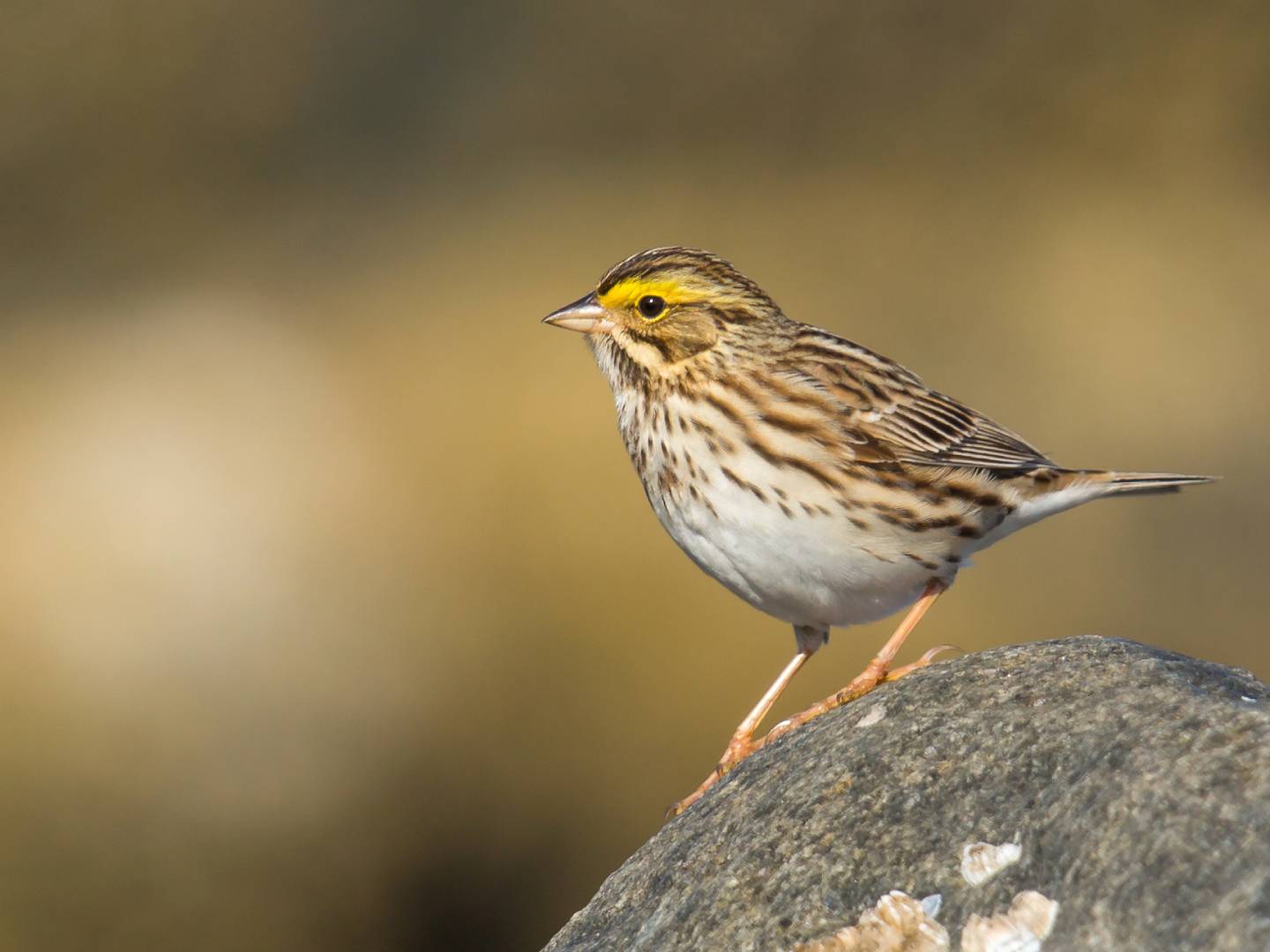
If you spot a small, streaky sparrow in a field and wonder if it will visit your feeder, you’re not alone. Do Savannah Sparrows use feeders? If not, what do they eat? Is there a way to attract them without a feeder?
Savannah Sparrows act differently from most backyard birds, so usual feeders often fail. Here’s what we’ll cover:
- Do Savannah Sparrows Actually Use Bird Feeders or Avoid Them?
- What Do Savannah Sparrows Eat in Backyards and Fields?
- Can You Attract Savannah Sparrows With Ground Feeding Areas?
- Where Are Savannah Sparrows Most Likely to Appear Near Feeders?
- Why Savannah Sparrows Rarely Visit Traditional Bird Feeders
Do Savannah Sparrows Actually Use Bird Feeders or Avoid Them?

Savannah Sparrows generally do not use traditional bird feeders.
You may occasionally see one near a feeder, but they rarely land on tube, hopper, or tray feeders. The main reason is their feeding style: Savannah Sparrows search for food on the ground rather than perching or clinging to branches.
If they do appear, they stay low to the ground, moving through grass, bare soil, or short plants to pick up seeds or insects. Feeders that hang several feet off the ground don’t match their feeding style.
So the direct answer is yes, they can appear near feeders, but they rarely use them.
If you expect them to act like House Sparrows or finches, you probably won’t see them. Instead, watch for quick movements on the ground in open areas, not under thick cover.
What Do Savannah Sparrows Eat in Backyards and Fields?

Their diet explains most of their habits.
Savannah Sparrows eat a mix of seeds and insects, but the balance changes with the season:
- Spring and summer: mostly insects
- Fall and winter: mostly seeds
During warmer months, they eat mostly insects, such as beetles, grasshoppers, and small caterpillars. This is why they stay in grassy areas where insects are easy to find.
In colder months, they switch to seeds, especially:
- Native grass seeds
- Weed seeds
- Small grains
This matters because most feeders use sunflower seeds or large mixes, which Savannah Sparrows usually don’t eat.
They are more likely to visit for small seeds, such as white proso millet, especially when scattered on the ground.
Can You Attract Savannah Sparrows With Ground Feeding Areas?

Yes, this is the best way to attract them.
If you want Savannah Sparrows, skip hanging feeders. Feed them at ground level.
Two simple setups work:
- Direct ground feeding
Scatter small seeds, such as white proso millet, on bare soil or short grass. - Low platform feeder
Use a tray feeder placed directly on the ground or just a few inches above it.
Placement matters more than feeder type. Savannah Sparrows prefer:
- Open space
- Short grass or sparse vegetation
- Clear visibility (they avoid tight, cluttered areas)
If your yard has much landscaping or shade, they likely won’t visit. Even a small field-like area can help attract them.
Where Are Savannah Sparrows Most Likely to Appear Near Feeders?

Location matters most.
Savannah Sparrows prefer open habitats, including:
- Fields and meadows
- Coastal areas
- Roadsides and pastures
You’ll see them much less often in wooded suburban neighborhoods.
In a backyard setting, they are most likely to appear if your space borders:
- Open land
- Agricultural fields
- Large grassy areas
Even then, they usually stick to the edges rather than come all the way into the yard. In winter, you have a slightly better chance. They become less picky about habitat and may visit open suburban areas, especially if there’s food around.
Why Savannah Sparrows Rarely Visit Traditional Bird Feeders

There are three main reasons:
- Feeding style
They are ground foragers. Hanging feeders don’t match how they eat. - Seed preference
Most feeders offer large seeds. Savannah Sparrows prefer small seeds, such as grass and millet seeds. - Habitat comfort
They favor open, low-cover areas. Feeders are often near shrubs or trees, which they avoid.
Simply put, standard feeders are made for birds that perch and crack seeds. Savannah Sparrows don’t feed that way.
Conclusion

Savannah Sparrows aren’t typical feeder birds. You probably won’t see them using tube or hanging feeders, even if they’re close by.
However, you can still attract them by changing your setup. Try ground-feeding, use small seeds like millet, and create an open space that feels like their natural habitat. If your yard already borders open land, your chances are much higher. If it doesn’t, you may still see them during migration or winter, just less consistently.
The key takeaway is simple:
To attract Savannah Sparrows, think less about feeders and more about creating a field-like space.




Leave a Reply