
Introduction
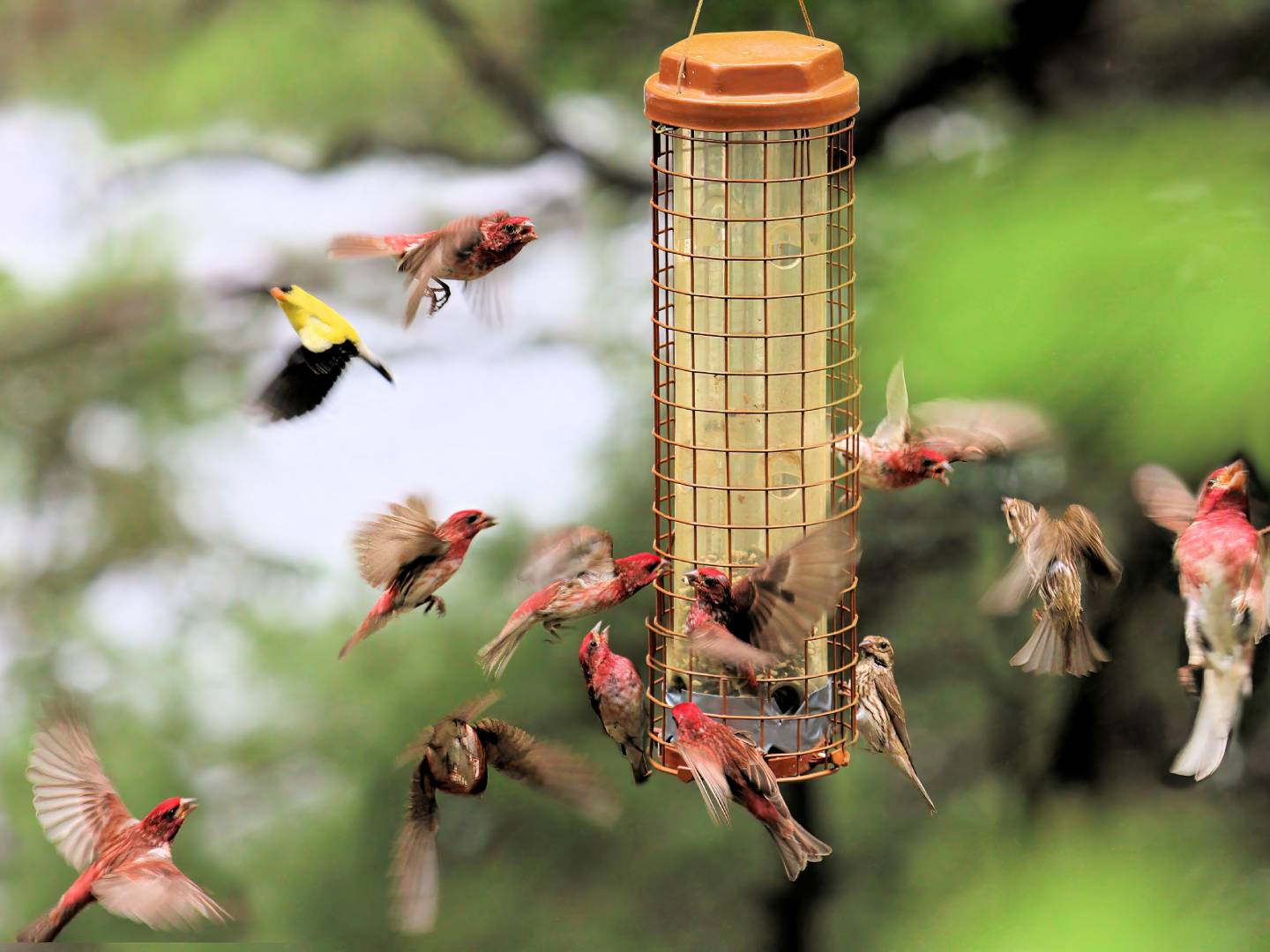
As summer ends and fall arrives, many birds start their long trips south. These journeys take a lot of energy, and your backyard can really help. Feeding birds in the fall does more than keep local birds happy. It also supports migrating birds that might only visit for a short time as they travel to warmer places. By offering the right food, placing feeders in safe locations, and knowing how to assist, you can transform your yard into a helpful stop for many species. Here are some practical ways you can support migrating birds this fall.
What to Feed Birds in Your Backyard This Fall

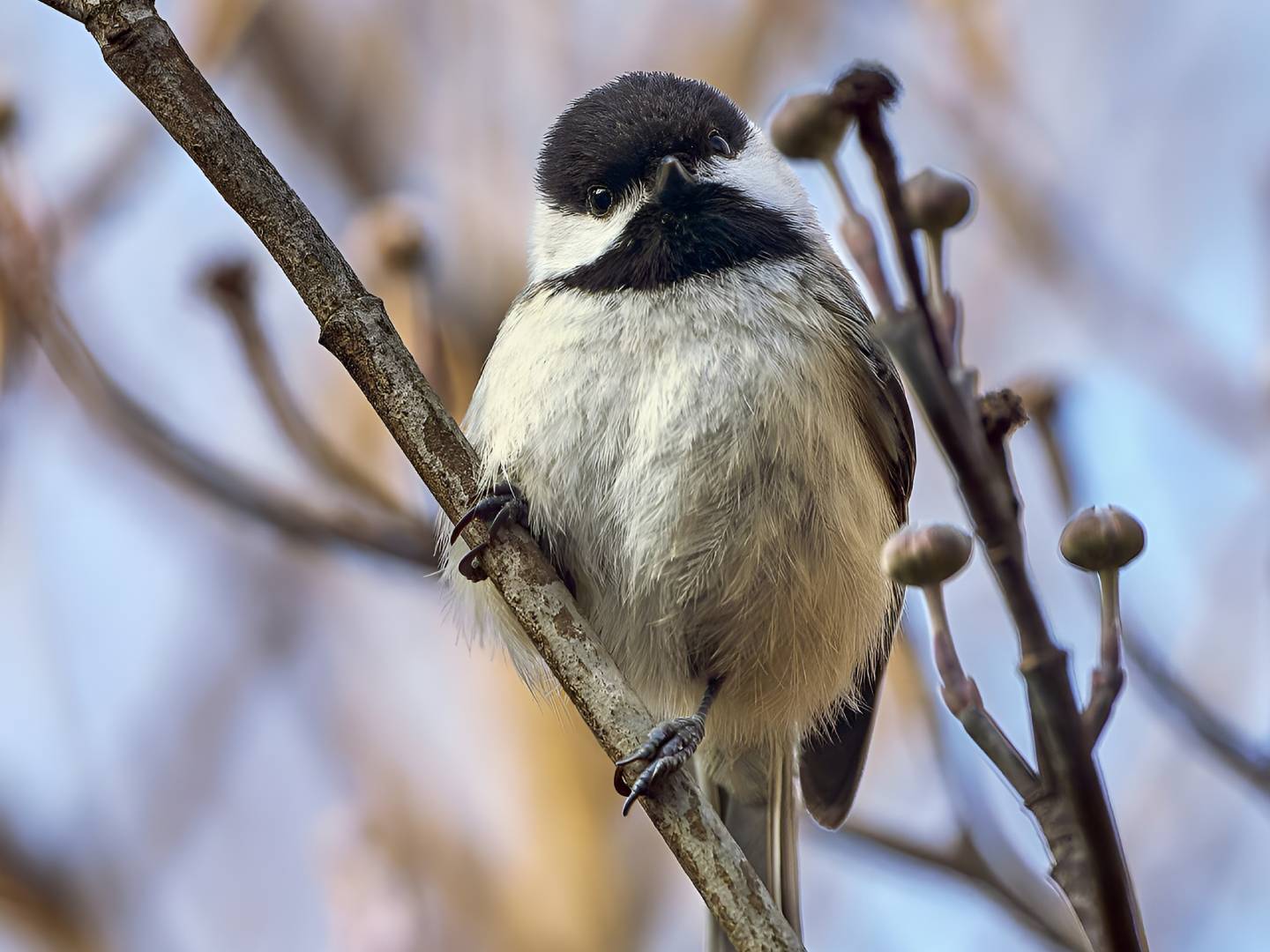
When birds are migrating, they need foods high in fat and protein. These give them the energy reserves to power through long flights. Black oil sunflower seeds are one of the best all-around choices for fall because nearly every bird will eat them. Suet blocks, especially those mixed with nuts or berries, also provide quick energy. If you want to attract colorful birds like orioles or tanagers, offer fruit such as orange halves, apple slices, or raisins soaked in water. Goldfinches and siskins will appreciate nyjer seed, while woodpeckers and chickadees often visit peanut feeders.
If you usually just put out seed mixes, try adding a few other types of food this fall. Offering different foods brings more types of birds to your yard. You can set up one feeder with sunflower seeds, another with suet, and a small dish of fruit or mealworms to meet many birds’ needs. Be sure to keep feeders clean and food fresh, since damp fall weather can spoil seed faster.
Supporting Birds During Fall Migration

Feeding is only one part of supporting migrating birds. Water is just as important, especially as natural sources can become less reliable in the fall. A birdbath with clean, shallow water or even a simple dish placed in the shade will help. Adding a small dripper or fountain keeps the water moving, which makes it easier for birds to spot from above.
You can also help fall migrants by making your yard safer. Many birds fly at night and can get confused by bright windows. Turning off outdoor lights or using motion-sensor bulbs can help prevent collisions. If you have outdoor cats, keeping them inside during peak migration weeks protects both the birds and the cats.
Native plants also give birds natural food like berries and seeds. Even if your yard is small, planting a shrub like dogwood or serviceberry can provide important food for migrating birds that stop by.
Migratory Bird Feeding Ideas for the Season

If you want to try something different from regular feeders, fall is a great time to get creative. You can hang clusters of grapes or crabapples on a branch to give birds a more natural way to find food. Stringing unsalted peanuts on twine to make a peanut garland can attract jays, nuthatches, and chickadees. Mixing suet with mealworms or fruit chunks gives birds a high-energy treat that many species will enjoy.
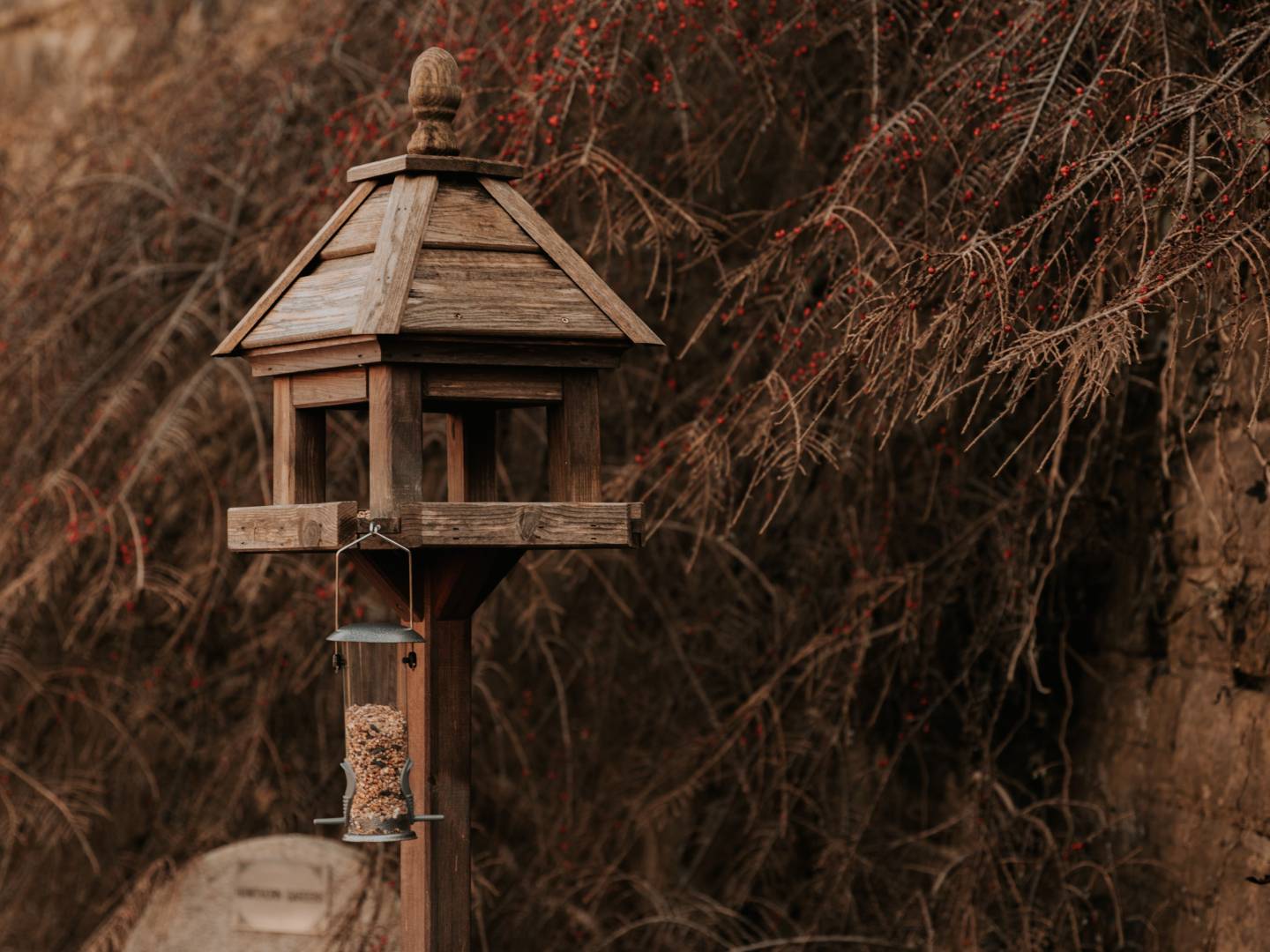
Placing feeders at various heights can make your yard more inviting. Sparrows that feed on the ground like low trays, while finches and warblers prefer higher feeders. Using both suet feeders in trees and platform feeders near the ground helps spread out the birds and reduces crowding.
Even scattering a handful of seeds in leaf litter can benefit ground-feeding birds that may not visit traditional feeders. By mimicking the way food is naturally found in the wild, you can attract a wider variety of birds to your yard.
What Happens If You Stop Feeding Birds in Fall?

Some people worry that feeding birds in fall will make them dependent and slow down their migration, but that isn’t true. Birds migrate because of changes in daylight and weather, not because of feeders. They will leave when it’s time.
If you stop feeding birds in fall, those that used your yard for a quick snack will just move on, but they won’t be hurt. Birds are flexible and will find other food sources. Still, being consistent helps. If you fed birds all summer, keeping feeders out in fall lets migrating birds know your yard is a safe place to stop.
The only real “mistake” in fall feeding is neglecting hygiene. Wet, moldy seed or dirty feeders can spread disease, which is more harmful to birds than the absence of food. Regular cleaning is just as important as the food itself.
That’s why I recommend this birdfeeder. It is designed to be quick and easy to clean so you can keep birds healthy with less effort.
Are There Bird Feeding Laws or Warnings to Know?

In most places, feeding birds in your backyard is allowed, but there are exceptions. Some states or municipalities restrict bird feeding due to concerns about attracting bears, rats, or other pests. It’s worth checking your local rules, especially if you live in rural or suburban areas where wildlife conflicts can occur.
Organizations like Audubon do not discourage backyard bird feeding but do emphasize responsible practices. That means keeping feeders clean, using quality food, and placing feeders where they won’t cause harm, such as too close to windows or in areas where predators can easily reach them.
One other consideration is neighborhood guidelines. Homeowners’ associations or apartment complexes sometimes set their own restrictions. Before installing multiple feeders, ensure you’re in compliance with local regulations.
How to Attract More Birds During Migration Season

To maximize the number of birds stopping in your yard, consider it a temporary rest stop. Food variety is key, but so is the overall setup. Position feeders near cover, such as shrubs or trees, so birds feel safe darting between shelter and food. Avoid placing feeders in the center of a bare lawn, where birds may feel exposed.
Brightly colored feeders can also be helpful, especially those in red or orange, which are more visible to some migrating species. Keeping a steady supply of high-energy foods like sunflower seeds, peanuts, suet, and fruit will give your yard a reputation as a reliable spot.
Finally, patience matters. Migration waves move in cycles. You might see only a handful of birds one day, then a sudden surge the next as a new group passes through. Keeping food and water available during the entire season increases the odds that your yard becomes a regular stop.
Conclusion

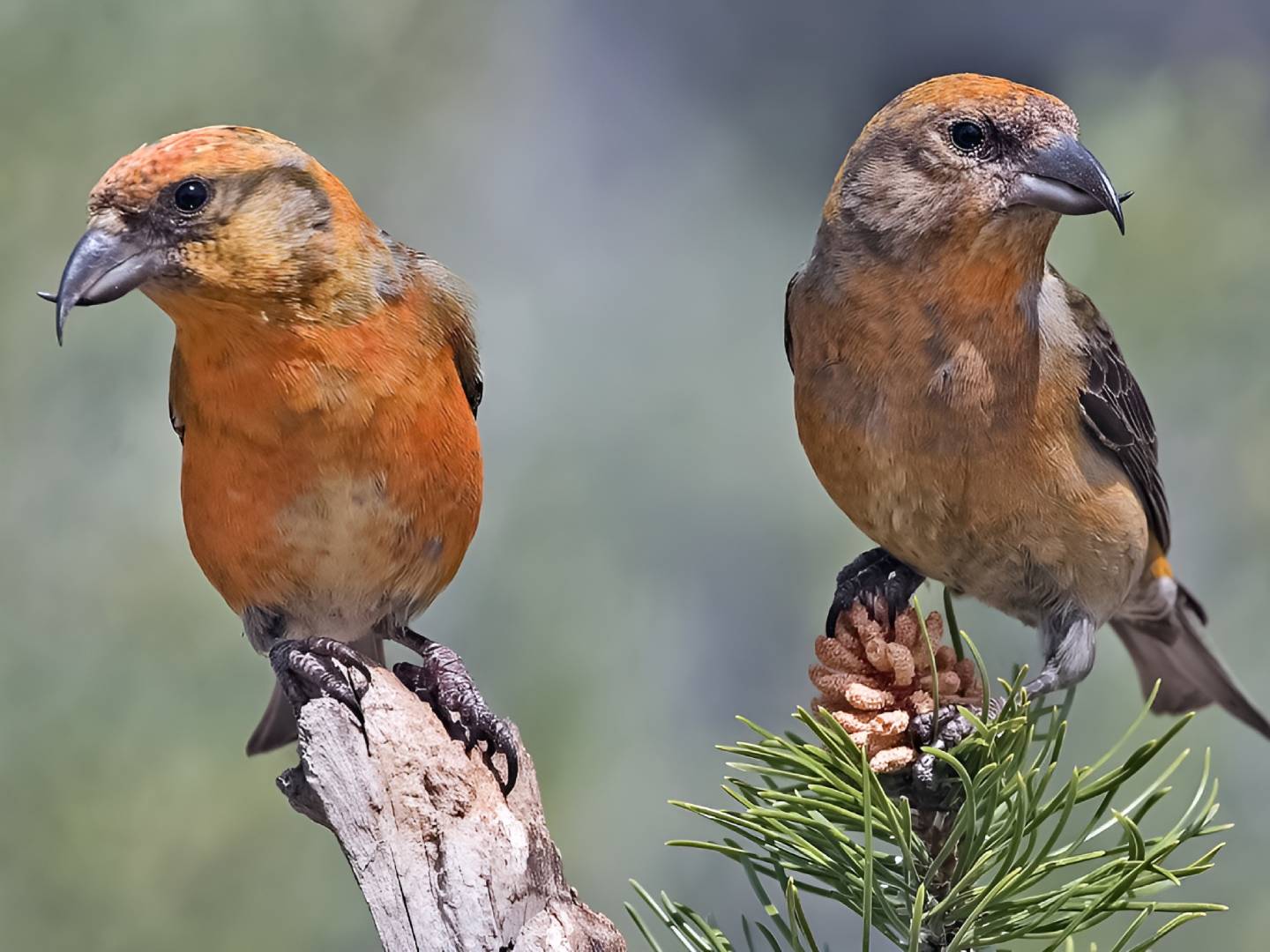
Feeding birds in the fall is one of the simplest ways to support migration. By offering high-energy foods, fresh water, and safe shelter, your yard can become a vital stopover that helps birds complete their journey south. Consistent feeding and clean feeders not only benefit the birds but also give you the chance to enjoy the variety of species passing through. Migration season is short, but your effort makes a lasting difference for the birds that rely on brief but critical backyard stops along the way.




Leave a Reply