-
 Continue reading →: Red-breasted Nuthatch (Sitta canadensis): The Acrobatic Forest Songbird
The Red-breasted Nuthatch is a small, acrobatic bird adored by birdwatchers, known for its reddish-orange breast and unique foraging habits. This bird thrives in coniferous forests, constructing nests in tree cavities and adapting its diet seasonally. Conservation efforts are vital due to habitat loss and climate change, supporting its long-term…
-
 Continue reading →: House Wren (Troglodytes aedon): The Small Songbird with Big Personality
The House Wren is a small, energetic bird known for its cheerful songs and adaptability. Found in various environments, they build nests in cavities and primarily eat insects. Despite their small size, they are territorial and face challenges from habitat loss and competition. Conservation efforts can help maintain their stable…
-
 Continue reading →: Northern Flicker (Colaptes auratus): The Ground-Foraging Woodpecker
The Northern Flicker is a vibrant woodpecker known for its unique ground-feeding behavior and striking appearance, featuring two color variations: Yellow-shafted and Red-shafted. It nests in tree cavities and primarily feeds on ants. While generally stable, the species faces habitat loss and competition from invasive species, prompting conservation efforts.
-
 Continue reading →: Lesser Goldfinch (Spinus psaltria): A Cheerful Backyard Visitor
The Lesser Goldfinch is a vibrant songbird native to the western United States, Mexico, and Central America. Known for its colorful plumage and cheerful calls, it thrives in varied habitats. These birds are social, nesting creatively, and primarily feeding on seeds. Conservation efforts focus on habitat preservation and climate change…
-
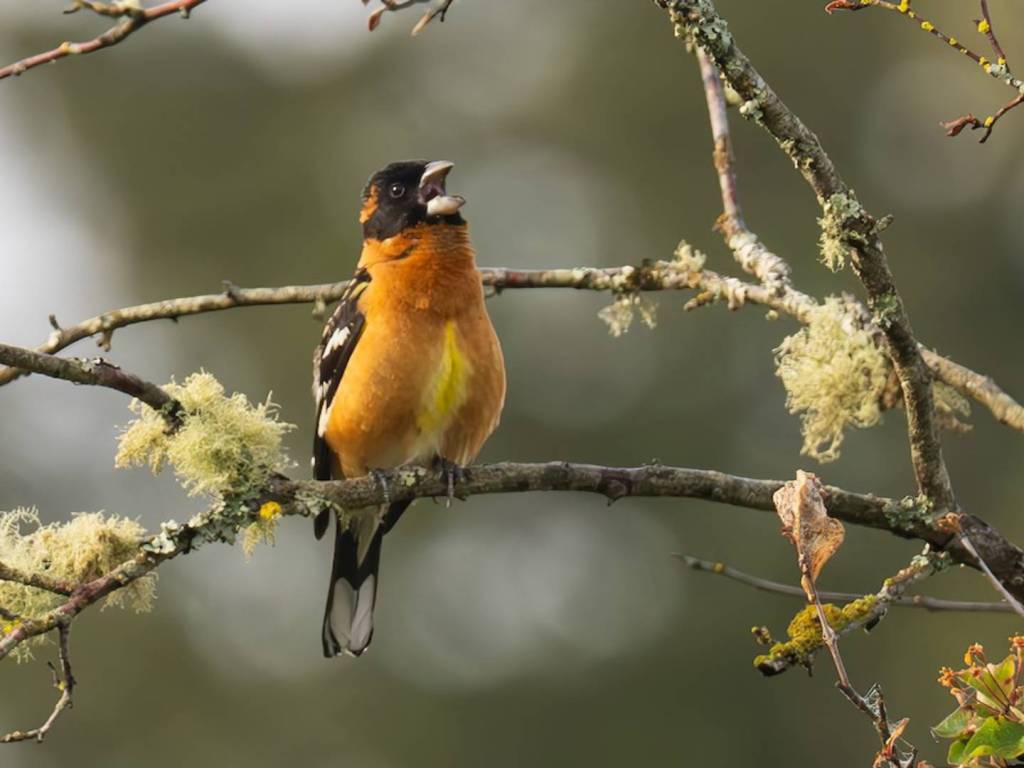 Continue reading →: Black-headed Grosbeak (Pheucticus melanocephalus): A Vibrant Visitor to Your Backyard
The Black-headed Grosbeak, a vibrant songbird found in western North America, is admired for its striking colors and beautiful songs. These birds play an essential role in ecosystems by feeding on insects and fruits. Conservation efforts focus on habitat protection and reducing pesticide use to maintain healthy populations.
-
 Continue reading →: Carolina Wren (Thryothorus ludovicianus): Song, Charm, and How to Invite Them to Your Backyard
The Carolina Wren is a small, vocal bird found in the southeastern United States, known for its adaptability and distinctive appearance featuring a white eyebrow stripe. They are monogamous, nest near the ground, and have a diverse diet primarily of insects. Conservation efforts are vital amid habitat loss and climate…
-
 Continue reading →: Bird Migration: Why, When, and How We Can Help
Bird migration is a remarkable phenomenon where millions of birds travel vast distances annually for survival, seeking food and favorable climates. Triggered by environmental cues, the migration journey has its hazards, including harsh weather and habitat loss. Humans can help by creating bird-friendly environments and supporting conservation efforts.
-
 Continue reading →: European Starling (Sturnus vulgaris): The Adaptable Beauty in Our Backyards
The European Starling, originally native to Europe, has become one of the most adaptable and widespread bird species globally. With striking plumage, unique nesting habits, and a diverse diet, they are also known for mimicry, flock behavior, and their impact on native species in non-native regions. Bird enthusiasts can attract…
-
 Continue reading →: Varied Bunting (Passerina versicolor): The Jewel of the Southwestern Skies
The Varied Bunting is a stunning bird found in the southwestern US and Mexico, known for its vibrant plumage and nesting habits. It primarily consumes insects, seeds, and fruits. Conservation efforts focus on habitat preservation, monitoring populations, combating climate change, and education. Attracting them to your backyard involves creating a…
-
 Continue reading →: Tropical Kingbird (Tyrannus melancholicus): The Agile and Vibrant Avian Marvel
The Tropical Kingbird, found in the Americas, is a vibrant bird with a bright yellow belly and agile flight. It nests in open areas, showing impressive adaptability. Its diet includes insects and fruits, and it has unique vocal abilities. Conservation efforts focus on habitat preservation, pesticide reduction, climate change mitigation,…
Hello There!

Welcome to ‘Wing Watchers with Wagner’ – your gateway to the captivating world of backyard birding. Join us as we explore the beauty and habits of the world’s beloved feathered friends. From novice watchers to avid birders, our insights and tips will transform your garden into a birdwatcher’s paradise!
 Wing Watchers with Wagner