-
 Continue reading →: Purple Finch (Haemorhous purpureus): Purple Finch Identification, Habitat, and Migration Patterns
The Purple Finch is a colorful North American songbird known for its vibrant raspberry red males and streaky brown females. They inhabit mixed forests and suburban areas, feeding mostly on seeds, nectar, and insects. Nesting involves females building a cup-shaped structure with materials like twigs and moss, while both parents…
-
 Continue reading →: Spring Bird Migration: Best Spring Birdwatching Spots and Tips
Spring heralds migration season, a spectacular time for birdwatching as various species return from winter. Key spots include High Island, Texas, and Magee Marsh, Ohio. Birders should equip themselves with binoculars and field guides, while beginners can start locally. Events like birdwatching festivals enhance the experience and foster community.
-
 Continue reading →: Red-winged Blackbird (Agelaius phoeniceus): How to Identify, Attract, and Enjoy These Bold Birds
The Red-winged Blackbird is a distinctive and adaptable bird found across North America, recognizable for its glossy black feathers and bright red and yellow shoulder patches. It thrives in diverse habitats, including wetlands and fields, and plays a significant role in ecosystems. Attracting them to backyards involves providing suitable food,…
-
 Continue reading →: Pine Siskin (Spinus pinus): Identification, Habitat, Diet, and Migration Behavior
Pine Siskins are small, streaky finches with yellow wing and tail markings, known for their unpredictable migration patterns. They thrive in coniferous forests but frequently visit backyard feeders for nyjer and sunflower seeds. Learn about their habitat, diet, nesting habits, and how to attract them to your yard.
-
 Continue reading →: Oak Titmouse (Baeolophus inornatus): Identification, Habitat, Diet, and Backyard Birding Tips
The Oak Titmouse is a small but energetic bird found in oak woodlands from southern Oregon to Baja California. Known for its distinctive crest and sharp ‘peter peter peter’ call, this bird thrives on acorns, insects, and seeds. Learn how to identify, attract, and support Oak Titmice in your backyard!
-
 Continue reading →: Mountain Chickadee (Poecile gambeli): Identification, Habitat, Diet & More
The Mountain Chickadee is a small songbird known for its white eyebrow stripe, found in high-altitude coniferous forests across the western U.S. and Canada. Learn about Mountain Chickadee identification, habitat, diet, nesting habits, winter survival strategies, and how to attract them with the best feeders, food, and nest boxes for…
-
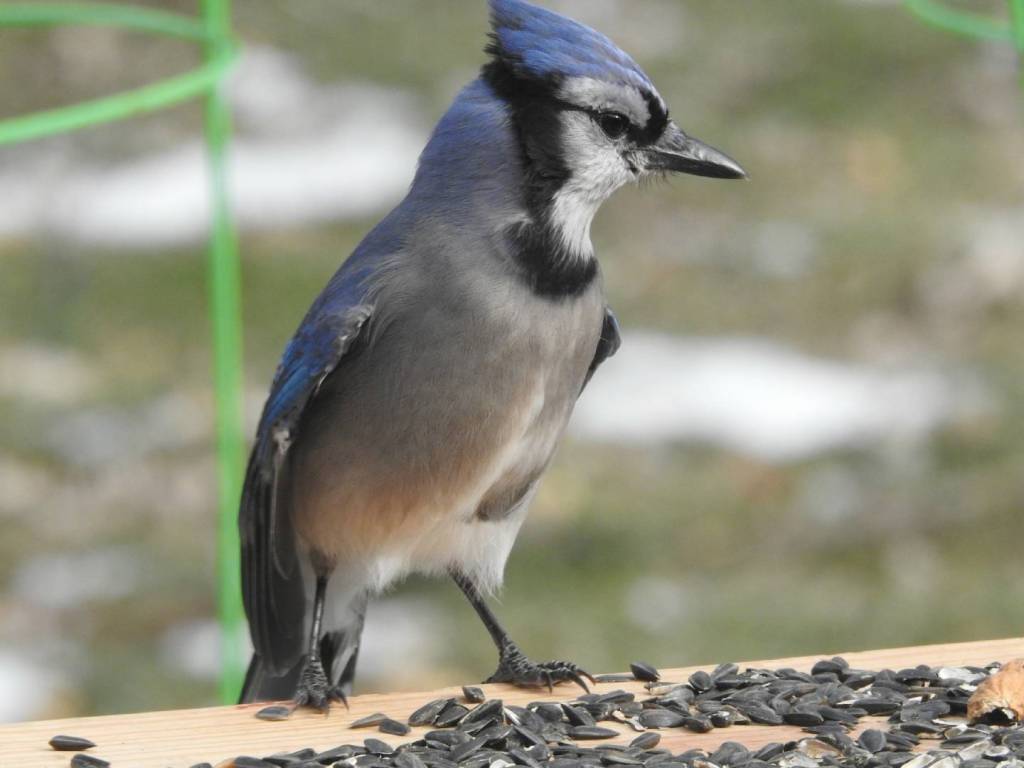 Continue reading →: Blue Jay (Cyanocitta cristata): Nature’s Clever and Colorful Performer | Birdwatching Tips & Facts
Discover the fascinating world of Blue Jays! Learn about their diet, nesting habits, mimicry skills, and how to attract them to your backyard. Perfect for birdwatchers and wildlife lovers.
-
 Continue reading →: Common Grackle (Quiscalus quiscula): A Shimmering Wonder of Nature
The Common Grackle is a striking and adaptable bird found across North America, notable for its glossy plumage and bright yellow eyes. Often misunderstood as pests, these intelligent creatures play essential ecological roles, such as controlling insect populations. They exhibit social behavior, nest in colonies, and thrive in various environments.
-
 Continue reading →: Downy Woodpecker (Dryobates pubescens): A Backyard Delight
The Downy Woodpecker, the smallest woodpecker in North America, is celebrated for its black-and-white plumage, energetic behavior, and unique drumming sounds. It thrives in diverse habitats, feeds on insects, seeds, and sap, and plays a crucial ecological role. Conservation efforts are vital to preserving its habitat and sustaining healthy insect…
-
 Continue reading →: Evening Grosbeak (Coccothraustes vespertinus): A Vibrant Visitor to Forests and Feeders
The Evening Grosbeak, a vibrant North American finch, is known for its striking colors and sociable nature. Preferring coniferous forests, these birds primarily feed on seeds, fruits, and insects. Despite their popularity, they face conservation threats from habitat loss and pesticide use. Encouraging their presence at feeders can aid their…
Hello There!

Welcome to ‘Wing Watchers with Wagner’ – your gateway to the captivating world of backyard birding. Join us as we explore the beauty and habits of the world’s beloved feathered friends. From novice watchers to avid birders, our insights and tips will transform your garden into a birdwatcher’s paradise!
 Wing Watchers with Wagner