
Introduction
If you’ve ever been hiking through a pine forest in the western U.S. and heard a sharp, raspy call echoing through the trees, chances are you’ve met a Steller’s Jay. You can’t miss these birds; their bold blue feathers, dramatic crests, and curious personalities make them stand out. Seeing a Steller’s Jay, whether in a national park or in your backyard, always feels like a wild encounter. Join us as we explore the Steller’s Jay’s distinctive features, habitat, diet, and how intelligent they can be. So grab your binoculars, because this is one bird that’s worth a closer look!
What Are the Distinctive Features of a Steller’s Jay?

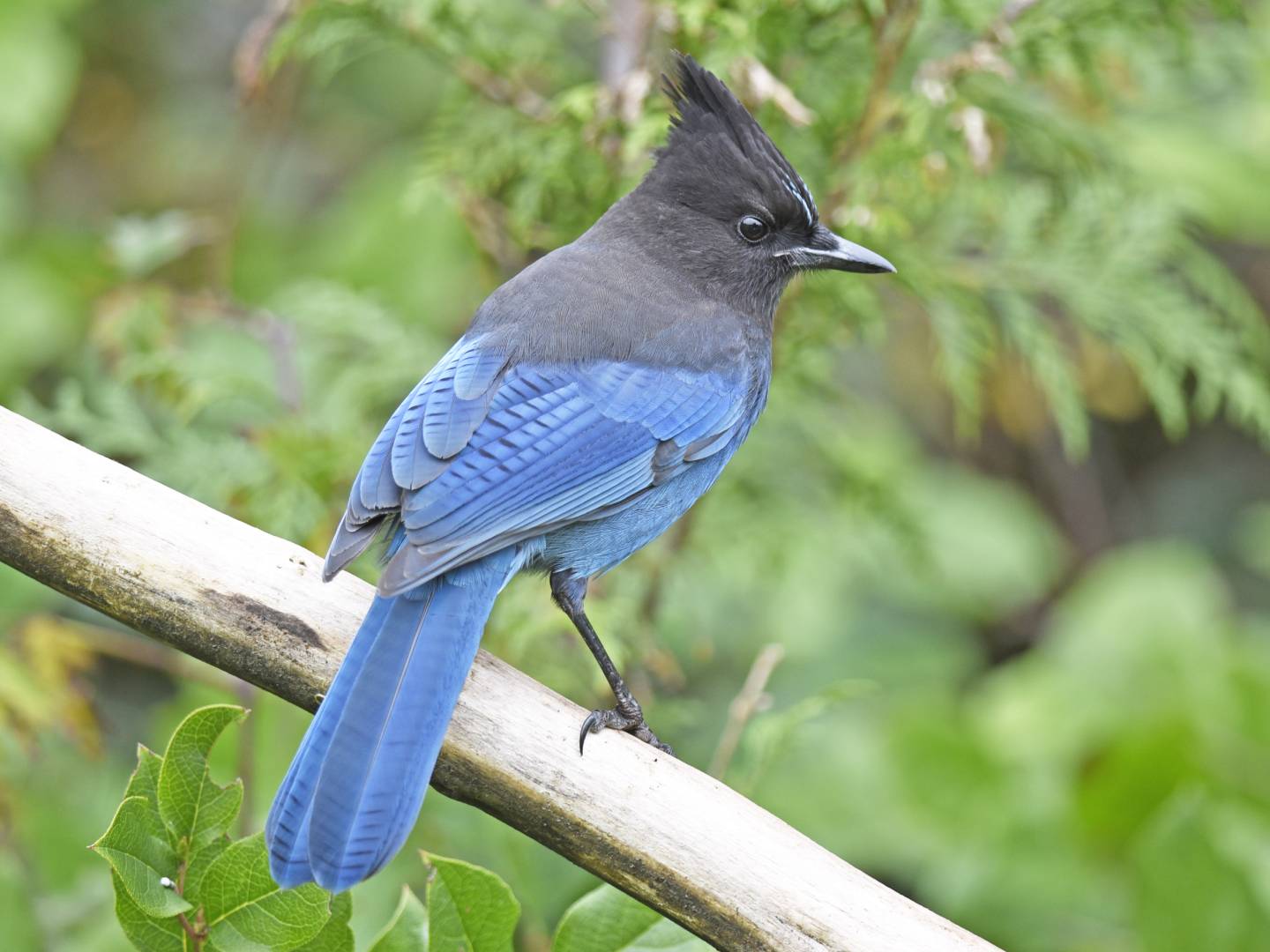
When it comes to birdwatching, few birds catch the eye quite like the Steller’s Jay. For easy Steller’s Jay identification, start with its bold coloration. This bird has a striking blackish head that fades into vivid blue wings, tail, and body. Its most recognizable feature is the tall, shaggy crest that rises from the top of its head like a feathery crown. This crest often flares up when the bird is excited or alert, making it even easier to spot.
Physically, Steller’s Jays are relatively large for songbirds, measuring about 11 to 13 inches long. Their strong, sturdy bills and confident posture give them a no-nonsense look, while their rich colors keep them photogenic from every angle.
If you’re wondering how to tell male vs. female Steller’s Jays apart, here’s the trick: you usually can’t. Males and females have nearly identical plumage, so behavior and slight size differences are your best clues, though even those are subtle. You’re more likely to see them paired up during nesting season, sharing parenting duties and calling to each other across the treetops.
Their sharp, noisy calls are just as distinctive as their appearance. Steller’s Jays aren’t shy—often announcing their presence with a loud, harsh “shack-shack-shack!” Whether they’re mimicking other birds or warning of a predator, their vocal talents are impressive and part of what makes them such entertaining neighbors in the woods.
Where Can Steller’s Jays Be Found?
.jpg)
Steller’s Jays are true icons of the western forest, and their range stretches impressively far. You’ll find them from the cool coastal rainforests of southern Alaska all the way down through the Rocky Mountains and into Central America. They’re one of the most common birds in coniferous forests along the West Coast, but they don’t stop there—they’re equally at home in mixed woodlands, oak forests, and even mountain ranges.
What really makes Steller’s Jays stand out is their adaptability. While they prefer natural forest habitats, they’ve learned to thrive around humans too. You’ll often see them in campgrounds, picnic areas, and even suburban backyards where large trees are present. Their comfort with people and noisy personalities makes them a familiar face in many parks and forested neighborhoods.
During the warmer months, you might notice them higher in elevation, flitting among pines and firs. As winter sets in, some Steller’s Jays migrate shorter distances—not across the country, but to lower elevations or warmer areas within their range. Still, many remain year-round residents in their chosen forests.
Next time you’re on a hike in the western U.S. or just enjoying a quiet morning near some evergreens, keep your ears open for that unmistakable call. A flash of blue and a punk-style crest might be your first clue that a Steller’s Jay is nearby, watching you just as curious as you’re watching it.
What Do Steller’s Jays Eat?

Steller’s Jays are the ultimate opportunists when it comes to food. Their varied diet reflects their wide-ranging habitat. If you’re thinking about Steller’s Jay feeding habits, imagine a mix between a forager, a thief, and a campground scavenger. They eat seeds, nuts, and berries—especially acorns and pine nuts—but they don’t stop there.
These jays also love fruit, insects, and even small animals like lizards, baby birds, and the occasional mouse. In fact, they raid nests for eggs and nestlings when the opportunity arises. It might sound harsh, but it’s part of how they survive in the wild. Their powerful beaks and sharp intelligence make them skilled at finding and accessing a variety of food sources.
One particularly fascinating behavior is their food caching. Steller’s Jays will stash food like acorns or peanuts in tree bark or leaf litter to eat later—especially useful in the winter when food is scarce. They have a great memory and often return to their hiding spots days or even weeks later.
You might see a bird hanging around a campsite or picnic area. These birds are quick to associate humans with easy meals. Whether it’s breadcrumbs, chips, or a forgotten granola bar, they’ll take advantage of any scraps they find. Their boldness and clever feeding strategies make them both entertaining and resourceful survivors in the wild.
Do Steller’s Jays Migrate?

Unlike many birds that follow long migration routes across continents, Steller’s Jays stay put. Most are year-round residents, meaning they live in the same area throughout the year without making dramatic seasonal moves. So when we talk about Steller’s Jay migration patterns, we’re really looking at subtle, local shifts rather than cross-country journeys.
That said, some populations make short migrations—especially in mountainous areas. During winter, these jays may travel to lower elevations where the weather is milder and food is easier to find. For example, a Steller’s Jay nesting in high-elevation forests during summer might spend the colder months closer to valley floors or foothills.
Even in northern regions like Montana, Washington, and British Columbia, Steller’s Jays often tough it out through the cold, relying on cached food and whatever natural resources remain. They’re well-suited to these conditions thanks to their thick feathers and problem-solving behavior.
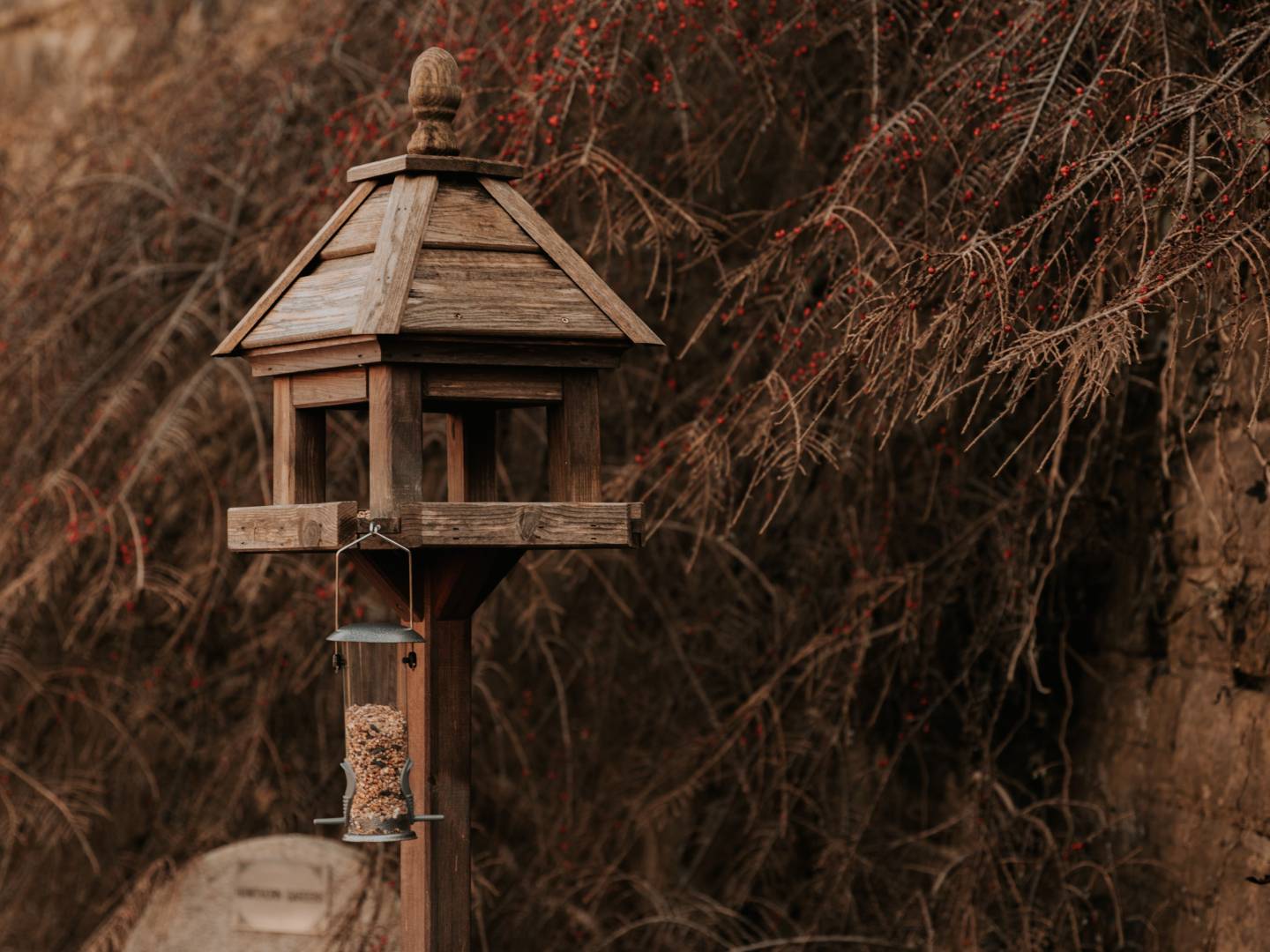
Coastal and warmer areas within their range, such as California and parts of the Pacific Northwest, offer a higher likelihood of them remaining in place. These birds have learned to take advantage of human environments too, which helps them get through tough seasons. Bird feeders, trash bins, and even pet food can become temporary food sources in neighborhoods.
So while you won’t see flocks of Steller’s Jays flying south for the winter, keep an eye out for slight seasonal shifts in your local forest or park. Chances are, your neighborhood jay is still nearby—just a little lower down the mountain.
How Do Steller’s Jays Nest and Reproduce?

When spring rolls around, Steller’s Jays think about more than just food—they prepare for the next generation. Steller’s Jay nesting habits are a mix of strategy, camouflage, and teamwork. They typically choose coniferous or mixed forests for nesting, building their nests high in trees, tucked into the branches where they’re hard to spot.
The nest itself is a sturdy cup made from twigs, moss, leaves, and even man-made materials like string or paper if available. Steller’s Jays, known for their resourcefulness, use whatever materials they find to line and secure their nests.
Once the nest is ready, the female lays a clutch of 2 to 6 eggs, speckled with brown or olive spots. She does most of the incubating, keeping the eggs warm for about 16 to 18 days while the male brings her food and keeps watch. After the eggs hatch, both parents step in to care for the vulnerable chicks.
The baby jays remain in the nest for another two to three weeks, during which time the parents work together to feed them insects, berries, and other soft foods. Even after fledging, young jays may stick close to their parents for a while as they learn to forage and survive on their own.
Steller’s Jays are fiercely protective of their nests and often work in pairs to defend their territory. Their cooperative parenting and clever nesting choices help ensure the next generation gets a strong start in life.
How Smart Are Steller’s Jays?

When it comes to brainpower in the bird world, Steller’s Jays are near the top of the class. As members of the corvid family—which includes crows, ravens, and magpies—Steller’s Jays are impressively intelligent. Birdwatchers often report moments where these birds seem to “outsmart” people, animals, or even each other, and there’s genuine science to back that up.
One of the most fascinating displays of Steller’s Jay intelligence is their caching behavior. These birds will hide food like acorns, seeds, and even dog kibble in bark crevices or under leaves, then return to those stashes days or weeks later. That takes serious memory skills. Also, they sometimes fake out competitors by pretending to hide food, then moving it later when they’re not being watched. Sneaky? Yes. Smart? Definitely.
People also know Steller’s Jays for their mimicry. They can imitate the calls of other birds—especially hawks—to scare smaller birds away from a feeder or area. It’s a clever trick that helps them get first dibs on food. Observers have even reported some mimicking human sounds or mechanical noises, though that’s rarer than in other corvids.
They also show signs of problem-solving and learning through observation. If one jay figures out how to get into a cooler or open a food wrapper, others quickly catch on. Whether they’re pilfering food, playing tricks, or solving puzzles, Steller’s Jays show that cleverness isn’t just for parrots and primates. These forest tricksters have plenty going on upstairs.
Conclusion

From their striking blue feathers to their sharp minds and bold behavior, Steller’s Jays are birds that leave a lasting impression. Whether you’re spotting them in a quiet forest or watching their antics in a busy campground, these clever jays offer a unique window into the wild world right outside our doors. They may be noisy, they may be mischievous, but there’s no denying how fascinating they are to observe. We’ve covered everything from Steller’s Jay identification to their diet, nesting, and incredible intelligence. So next time you’re out and about in their range, take a moment to appreciate the character and charm packed into this feathery blue package. Nature has a way of surprising us—and the Steller’s Jay is proof of that with every call and curious glance.




Leave a Reply