-
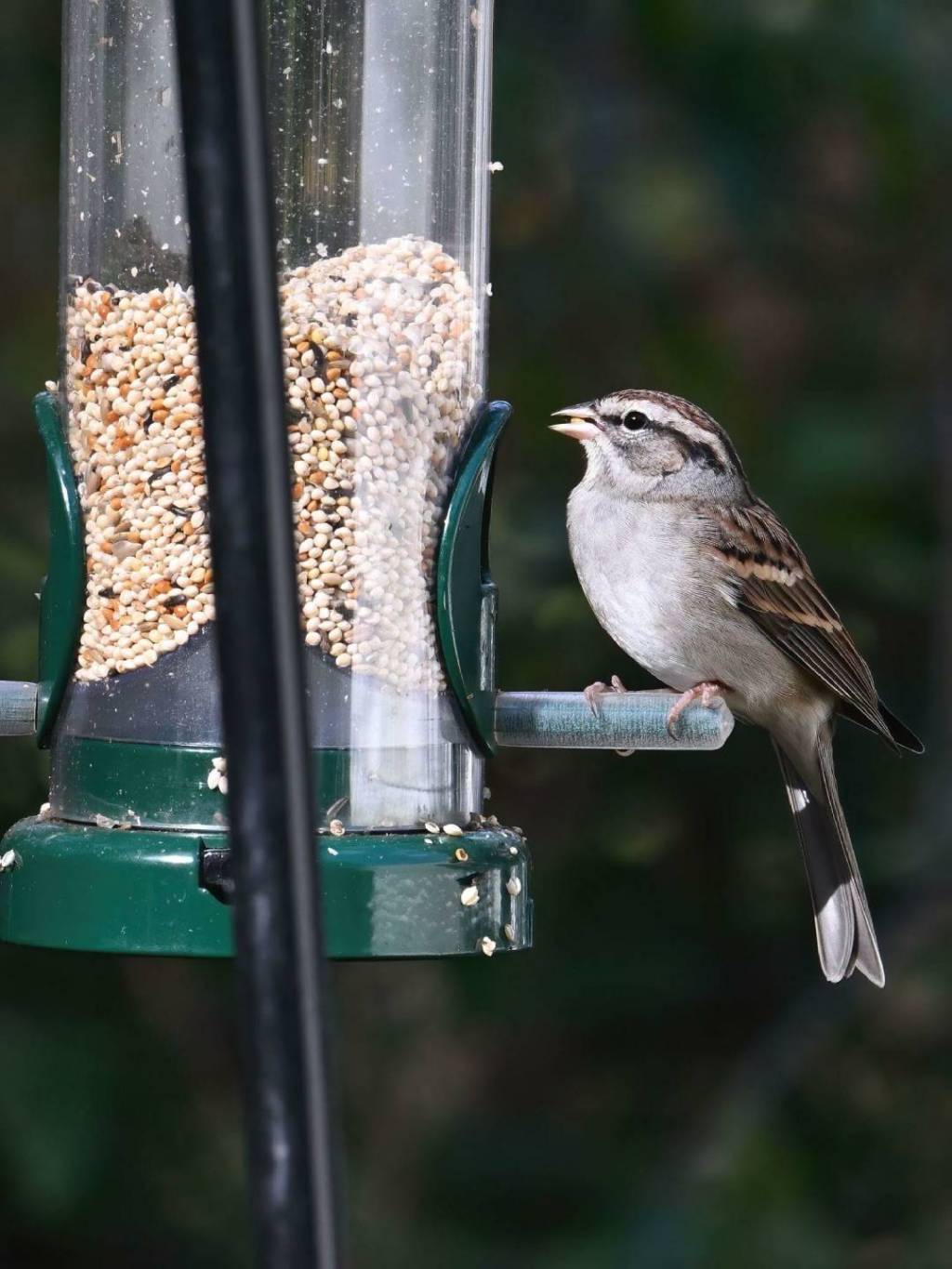 Continue reading →: Chipping Sparrow Feeder Setup That Actually Works
To attract Chipping Sparrows, use a ground or platform feeder with white millet as the main seed. Place feeders near shrubs for safety and avoid overfilling to deter larger birds. Adjust feeder types and locations based on their natural feeding habits to encourage more visits. Clean feeding areas are essential…
-
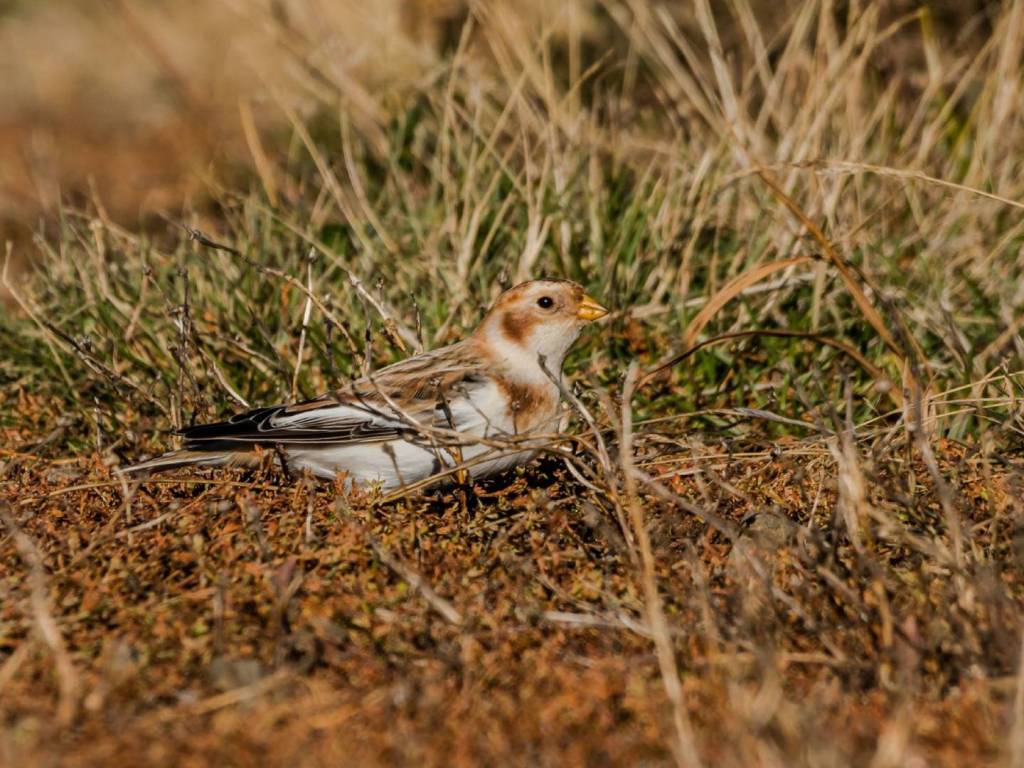 Continue reading →: Will Snow Buntings Visit Feeders?
Snow Buntings can visit backyard feeders in winter, especially in open areas near farmland or coastlines, but prefer ground feeding setups. They favor small seeds like white proso millet and avoid traditional hanging feeders due to their feeding habits. Successful attraction relies on proper location and seed type.
-
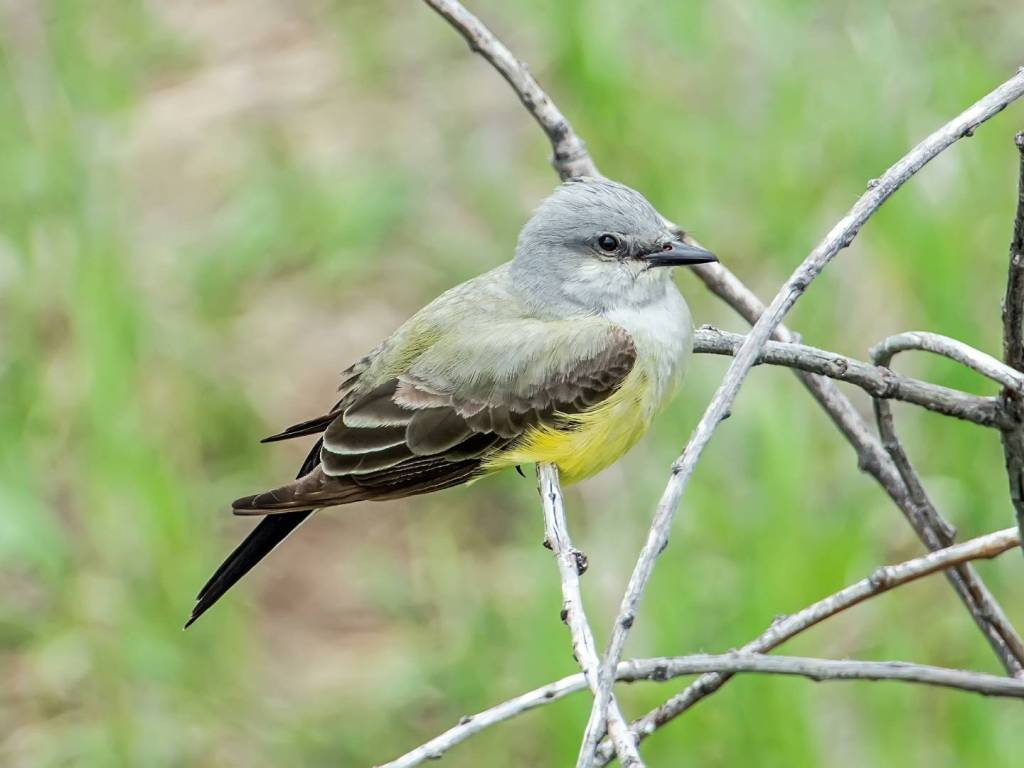 Continue reading →: Western Kingbird: The Bold Flycatcher of Open Country
The Western Kingbird is a conspicuous bird in western North America, recognized for its aerial insect-catching behavior. It inhabits open landscapes and migrates south in winter. Characterized by a gray head, yellow belly, and black tail, it exhibits aggressive territorial defense. Both sexes look alike, making identification challenging.
-
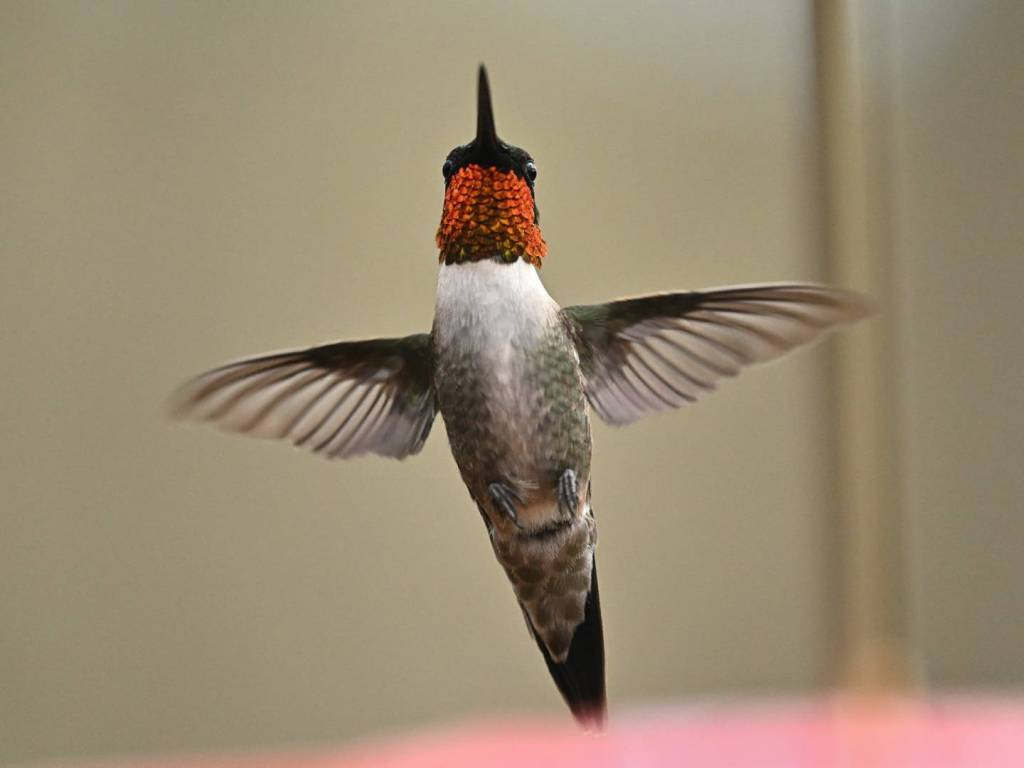 Continue reading →: Ruby-throated Hummingbird: What Most People Miss When Watching Them
The Ruby-throated Hummingbird, prevalent in eastern North America, exhibits distinct behaviors and characteristics. Males display a vibrant red throat, while females have a pale throat. They migrate long distances, with females nesting alone. Understanding their behaviors and seasonal patterns enhances backyard observations, correcting common misconceptions about these fascinating birds.
-
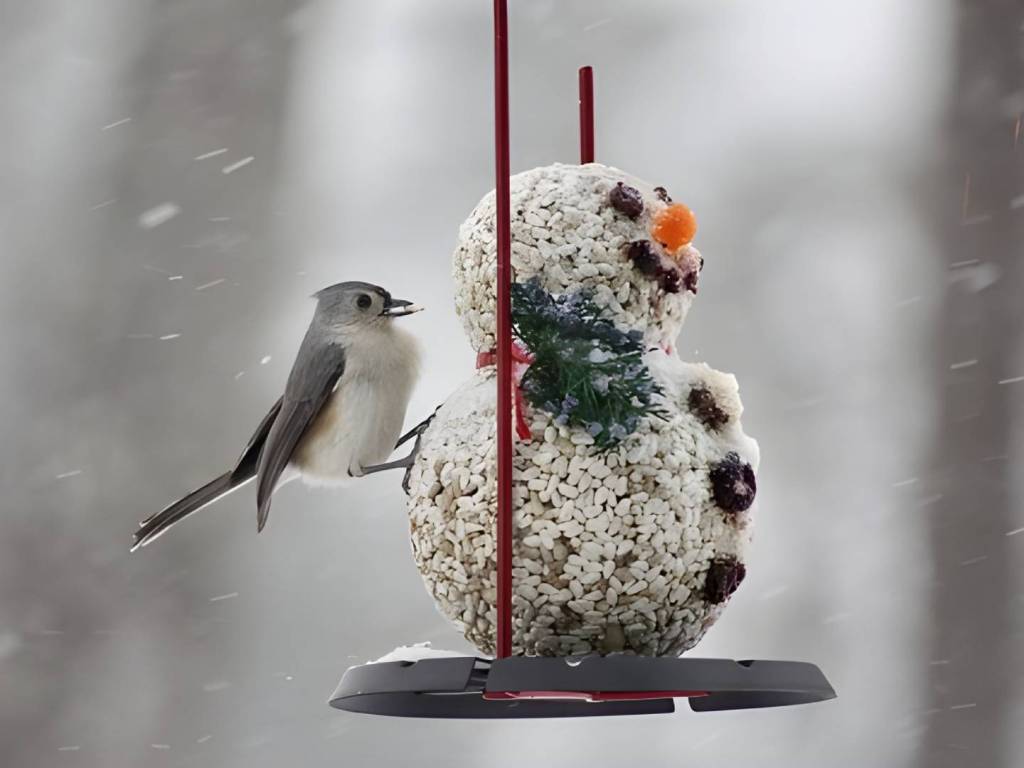 Continue reading →: DIY Bird Feed for Winter: What Actually Helps Birds When It’s Cold
Winter is challenging for backyard birds due to a lack of food and harsh conditions. Simple DIY bird feeding can aid their survival. High-fat foods like sunflower seeds, suet, and peanuts are essential for energy. Consistency in food availability and avoiding harmful kitchen scraps are crucial for effective winter feeding.
-
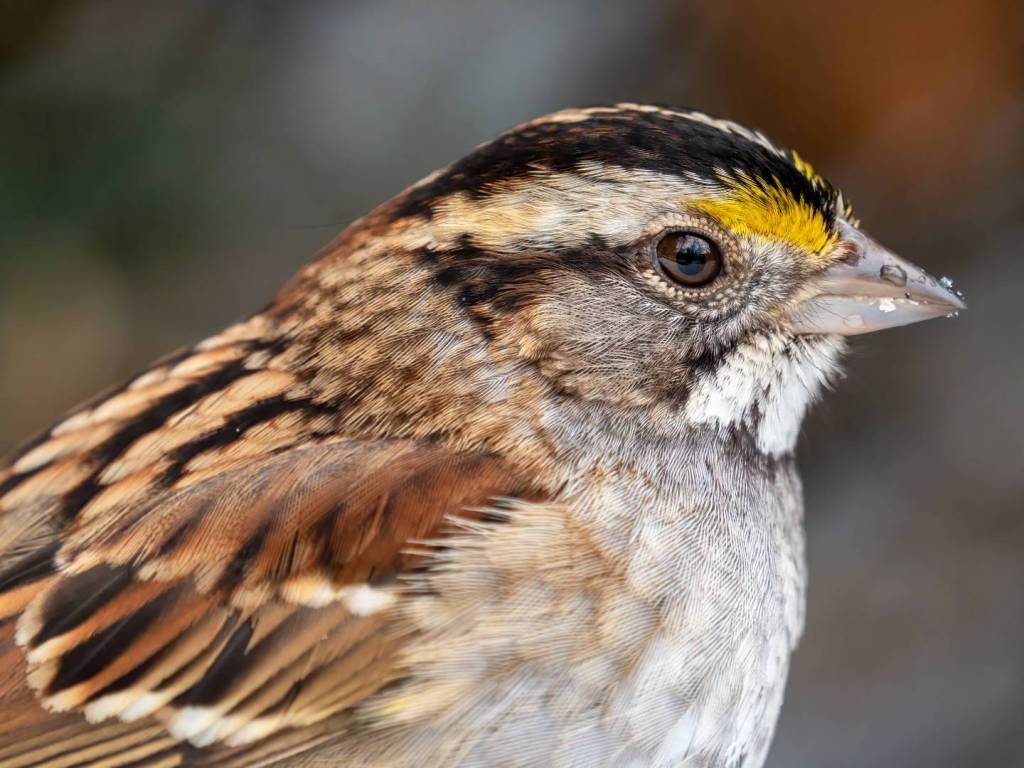 Continue reading →: White-throated Sparrow: Song, Habitat, and Nesting Facts
The White-throated Sparrow, common in North America, is recognized by its clear song resembling “Oh sweet Canada Canada.” Males and females are similar in appearance, with behavioral distinctions aiding identification. They nest near the ground, favoring dense cover. This adaptable species serves as an excellent introduction to birdwatching for all…
-
 Continue reading →: Fall Bird Feeding Tips: How to Help Migrating Birds in Your Yard
As fall approaches, many birds migrate south, and backyard feeding can support both local and transient species. Providing high-energy foods like sunflower seeds and suet, along with clean water and safe feeding locations, can transform your yard into a vital stopover. Consistent feeding ensures birds utilize your yard effectively during…
-
 Continue reading →: How to Spot a Carolina Chickadee: Calls, Nesting, Range
The Carolina Chickadee, a small bird found in the southeastern U.S., is known for its distinctive calls and adaptability. Similar to the Black-capped Chickadee, they differ in size and vocalization. They thrive in various habitats, contribute to ecosystems through seed dispersal, and exhibit strong family bonds during nesting and chick-rearing.
-
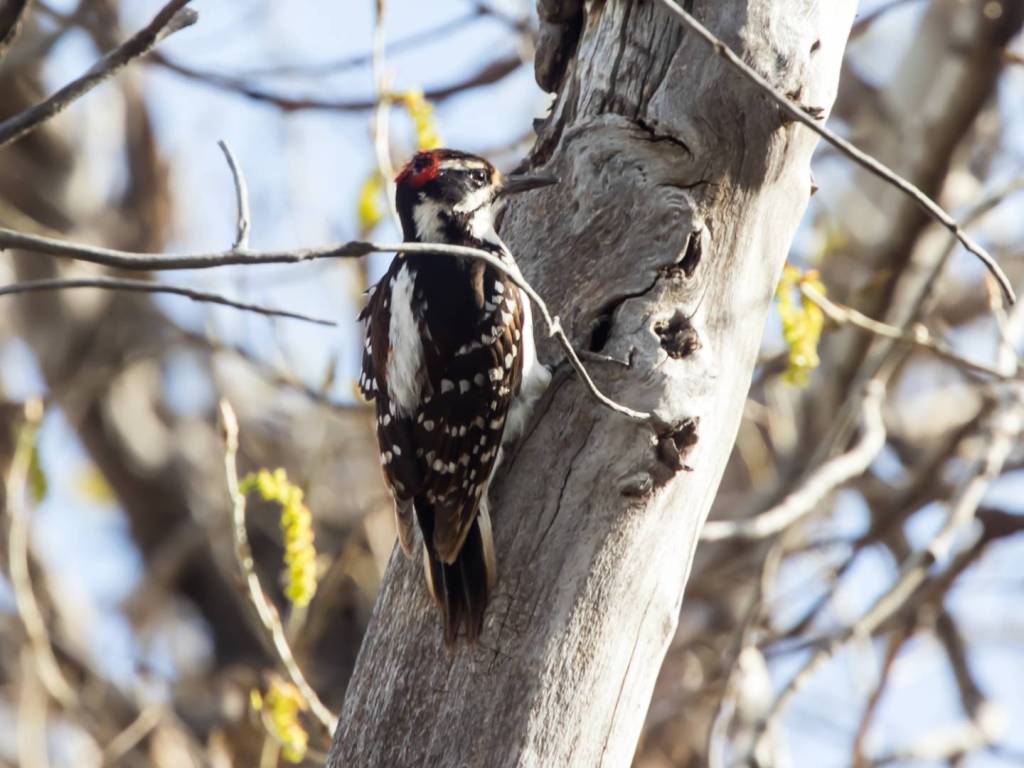 Continue reading →: Hairy Woodpecker ID Made Easy: Size, Sound, and Range
The Hairy Woodpecker, scientifically known as Picoides villosus, is a common North American bird distinguishable from the smaller Downy Woodpecker by its size, bill length, and male red head patch. It thrives in various habitats and plays a crucial ecological role. Birders can identify it by its calls and distinct…
-
 Continue reading →: The Secret Life of the American Woodcock: Calls, Habits, and the Sky Dance
The American Woodcock, known scientifically as Scolopax minor, inhabits the young forests and fields of eastern North America. Recognized for its unique courtship display and distinctive nasal “peent” call, the woodcock relies on specific habitats rich in earthworms for survival. Conservation efforts are crucial to protect its diminishing populations and…
Hello There!

Welcome to ‘Wing Watchers with Wagner’ – your gateway to the captivating world of backyard birding. Join us as we explore the beauty and habits of the world’s beloved feathered friends. From novice watchers to avid birders, our insights and tips will transform your garden into a birdwatcher’s paradise!
 Wing Watchers with Wagner