
Introduction
If you spend time in northern forests, you have likely heard the White-throated Sparrow before you ever spotted one. This bird thrives across much of North America, visiting backyards during winter and migrating north to breed. Many people recall its clear whistle, which rings out like a simple phrase and pierces even the thickest woods. Its unique look and song also make it a perfect bird for beginners to recognize. In this post, we’ll explore its song, preferred habitats, ways to distinguish males from females, and what to expect if you discover a nest.
What Does the White-throated Sparrow Sound Like?

The White-throated Sparrow is renowned for its memorable song. Many describe it as “Oh sweet Canada Canada” or “Old Sam Peabody Peabody.” No matter which phrase you use, the song floats as a slow, clear whistle, which stands apart from the quick, trilling songs of other sparrows. In spring, you’ll often hear males repeating this pattern as they defend territory or lure a mate.
The call notes stand apart from the song. The daily contact call rings as a sharp tseet that pairs use to stay connected while foraging. When threatened, they unleash a louder, sharper note that warns nearby birds. These sounds guide you when listening in a brushy habitat where the birds dart low to the ground.
Recordings show how consistent the White-throated Sparrow’s song is across regions. Sonograms help compare notes among local birds. Once you learn the song, you’ll recognize it immediately. Many birders recall it as the first sparrow they identified by ear.
Female vs Male White-throated Sparrows

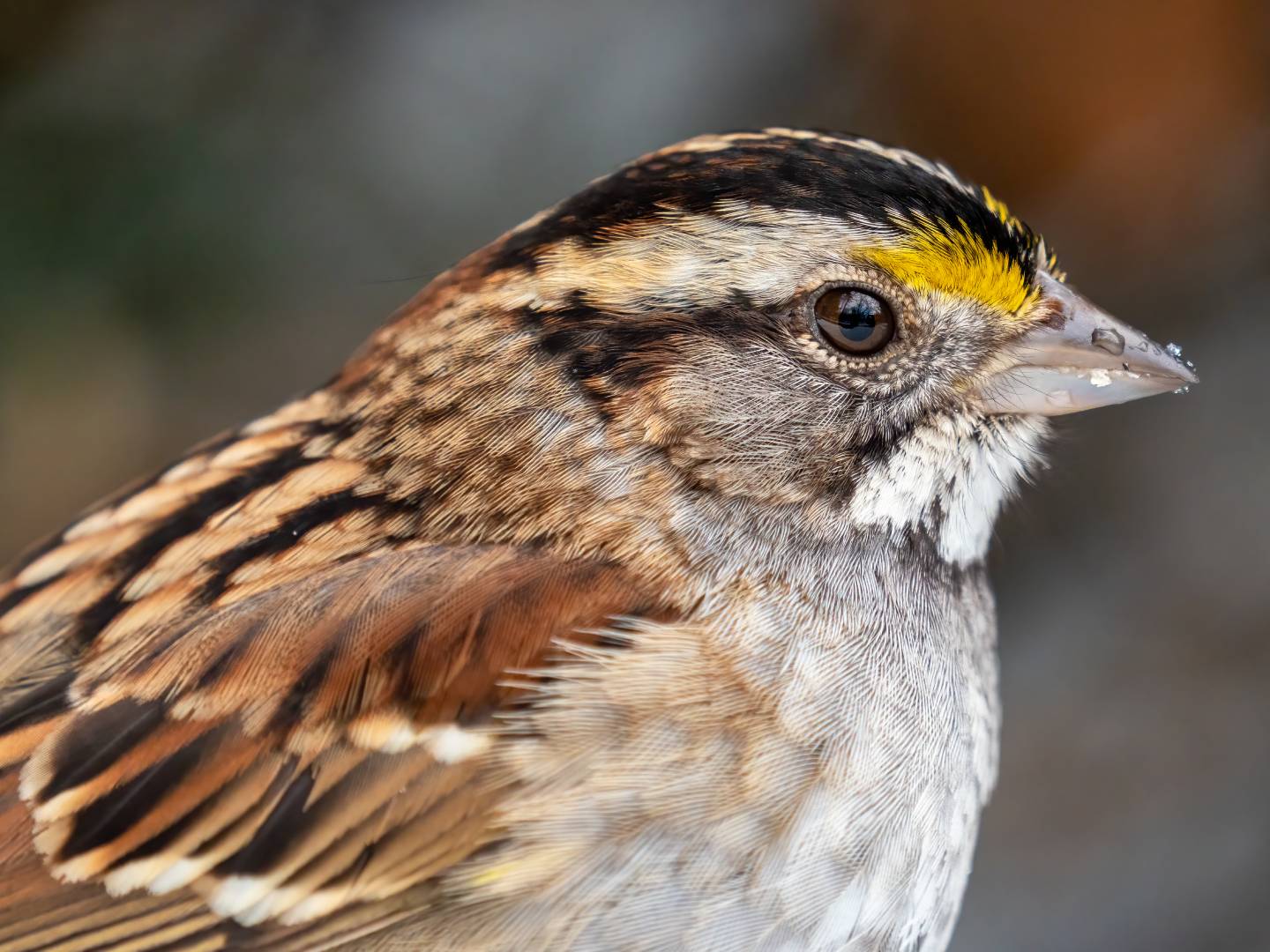
Male and female White-throated Sparrows resemble each other so closely that most people can’t distinguish them simply by looking. Both flaunt a bold white throat, dark and light head stripes, and a clean gray face. Their body size barely differs. So, you can’t depend on their plumage to set them apart in the field.
To identify males and females, focus on key behaviors. Males sing regularly in spring and summer, often from exposed perches above the brush to claim territory and attract mates. Females seldom sing, instead spending their time selecting nest sites, building nests, and incubating eggs. While males are alert and patrol their territory, females remain low, busy with nesting duties.
A detail that confuses new birders is the existence of two color forms, or “morphs,” in the White-throated Sparrow: white-striped and tan-striped. These morphs refer to differences in the color of the head stripes, not to differences between males and females. Both morphs appear in both sexes, meaning you can see white-striped or tan-striped males and females. The morphs are linked to behavioral tendencies; white-striped birds tend to be more assertive, while tan-striped birds are calmer and often more attentive to chicks.
If you are trying to figure out how to tell a white-throated sparrow male or female in your yard, watch how they act during breeding season. The one that sings often is the male. The Cornell Lab of Ornithology suggests that watching which birds quietly slip into low shrubs for long periods can help you tell them apart. Paying attention to these behaviors is often more reliable than just looking at their color.
White-throated Sparrow Range and Migration Map

White-throated Sparrows have a broad range that stretches from the northern United States through most of Canada. Their breeding areas include boreal and mixed forests, where dense understory provides them with cover. If you check a white-throated sparrow range map, you will see that they move south for winter, spreading across the eastern United States, with some reaching the Midwest, Texas, and the Southeast.
During migration, flocks travel along wooded edges, parks, and backyards. They often appear in places where they weren’t seen in summer, so a migration map can help you know when to look for them. Sparrows mostly migrate at night, but during the day you’ll see them feeding on the ground wherever they find seeds and shelter.
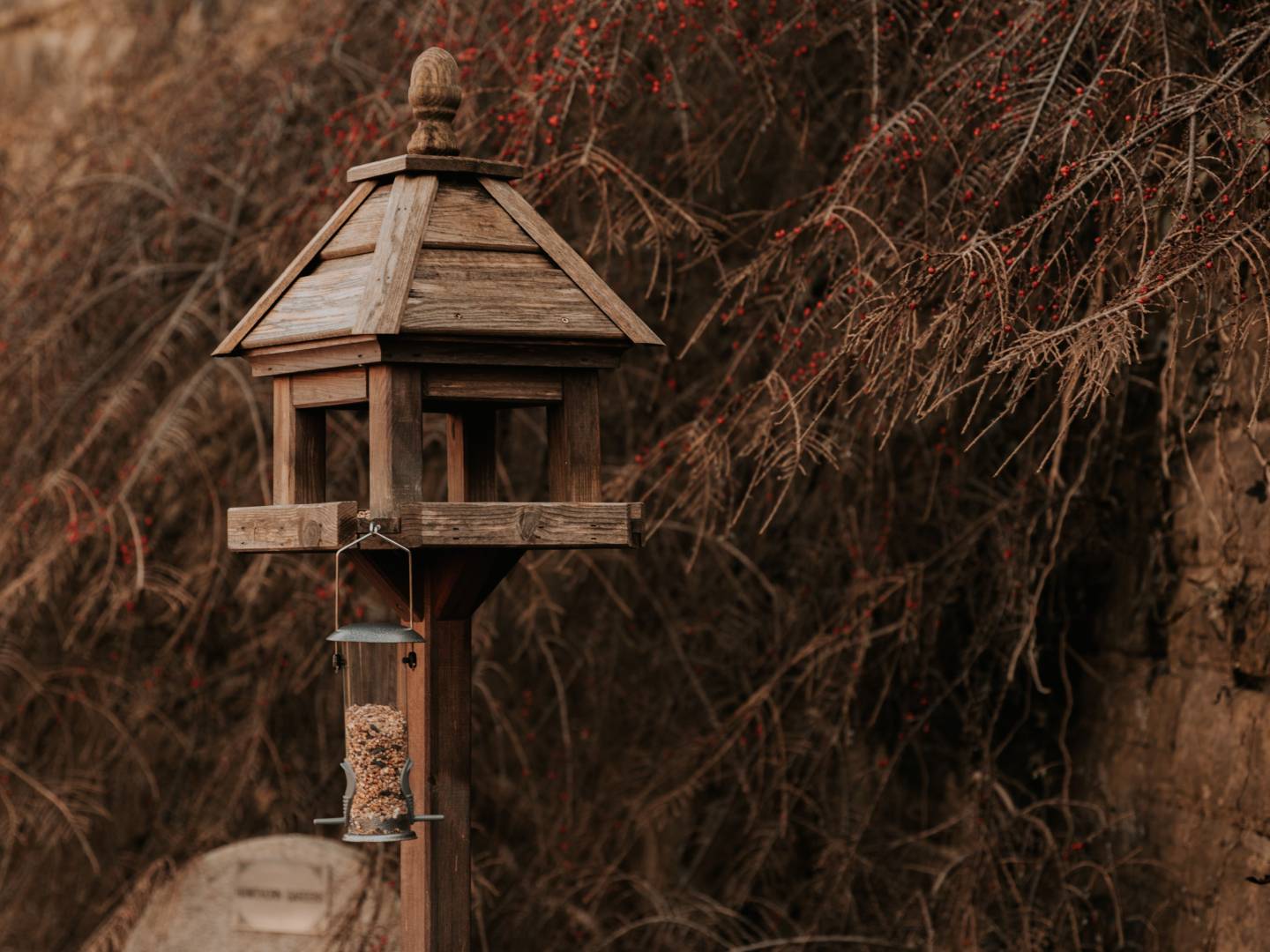
Where do White-throated Sparrows spend the winter? You’ll find them in many towns and cities across the eastern half of the country. They do well at backyard feeders, such as this one, especially where mixed seed is spread on the ground. Their migration timing depends on the weather, but they usually reach their winter spots in late fall and head back north in early spring.
Their widespread range makes White-throated Sparrows accessible to new birders. Whether you live in breeding or migration areas, these sparrows are a perfect introduction to sparrow identification. Pairing a migration map with your sightings helps predict when they’re in your area.
Nesting and Baby White-throated Sparrows

Female White-throated Sparrows handle almost all the nest building. They tuck the nest close to the ground, in dense cover such as shrubs, small spruce trees, or tall grass, to shield it from predators. The nest forms a small cup of grass, pine needles, and leaves, lined with something softer.
A typical nest harbors three to six eggs, which appear pale with brown or reddish spots. The female warms the eggs for about two weeks while the male delivers her food and watches over her. After the chicks hatch, they develop rapidly. Both parents transport insects to the nest, fueling the young birds’ growth so they can vacate the nest in 9 to 11 days.
Baby white-throated sparrows scramble from the nest before they become fully independent. They linger low to the ground, uttering soft calls as the adults continue to feed them. This stage grows noisy enough that many people detect sparrow chicks in white-throated families before they actually see them. The adults stand guard, issuing sharp alarm calls if a predator or person approaches.
Understanding White-throated Sparrow nesting helps explain their preference for staying low in thick cover during breeding. They avoid high trees, favoring dense spots full of insects and hiding places for young, which helps the species thrive across its range.
Fun Facts About the White-throated Sparrow

One interesting fact about the White-throated Sparrow involves its genetic morphs. The white-striped and tan-striped patterns are linked not only to appearance but also to behavior. White-striped birds are more assertive, while tan-striped birds show stronger parental tendencies. The species remains balanced because these morphs usually pair with one another.
Another thing to notice is how these sparrows scratch for food. If you hear rustling in the leaves, their two-step scratching is a good sign you’re hearing a White-throated Sparrow before you see it.
They are also among the easiest winter birds to find in the eastern U.S. Large groups gather at backyard feeders, often mixing with juncos and other sparrows. Their white throat and yellow face patches make them easy to spot and help people practice identifying birds. During migration, they sometimes travel at night in large groups. Their flight calls are small, sharp notes that pass overhead in steady patterns. If you are outside after dark on a spring night, you may hear these calls drifting over your yard.
All these habits make White-throated Sparrows easy to remember. Their song, behavior, and appearance make them easy to study and watch.
What Kind of Sparrow Is the White-throated?

The White-throated Sparrow belongs to the New World sparrow group. This group includes many species familiar to North American birdwatchers, such as the Song Sparrow and the Dark-eyed Junco. Unlike Old World sparrows, which are related to the House Sparrow found in cities, these birds have different evolutionary backgrounds.
White-throated Sparrows are large compared to other sparrows. Their markings—the bright white throat, yellow spots near the bill, and bold head stripes—give them a unique look. These features help even new birders identify them quickly.
They spend a lot of time on the ground. Watching them feed reveals a pattern of backward scratching and forward hopping. Many sparrows do this, but the White-throated Sparrow’s markings and posture stand out. Its place among other sparrows is defined by size, head pattern, and migration behavior. Once you learn these traits, you can recognize them confidently.
Conclusion

The White-throated Sparrow stands out as an ideal bird for beginners and experienced birdwatchers alike. Its clear song, broad migration, and bold markings make identification straightforward. Learning their behavior helps distinguish males, females, and families throughout the year. Its adaptability provides birdwatchers across North America a reliable reference point for identifying sparrows. Studying this species lays a strong foundation for observing song, markings, and seasonal changes in other birds.




Leave a Reply