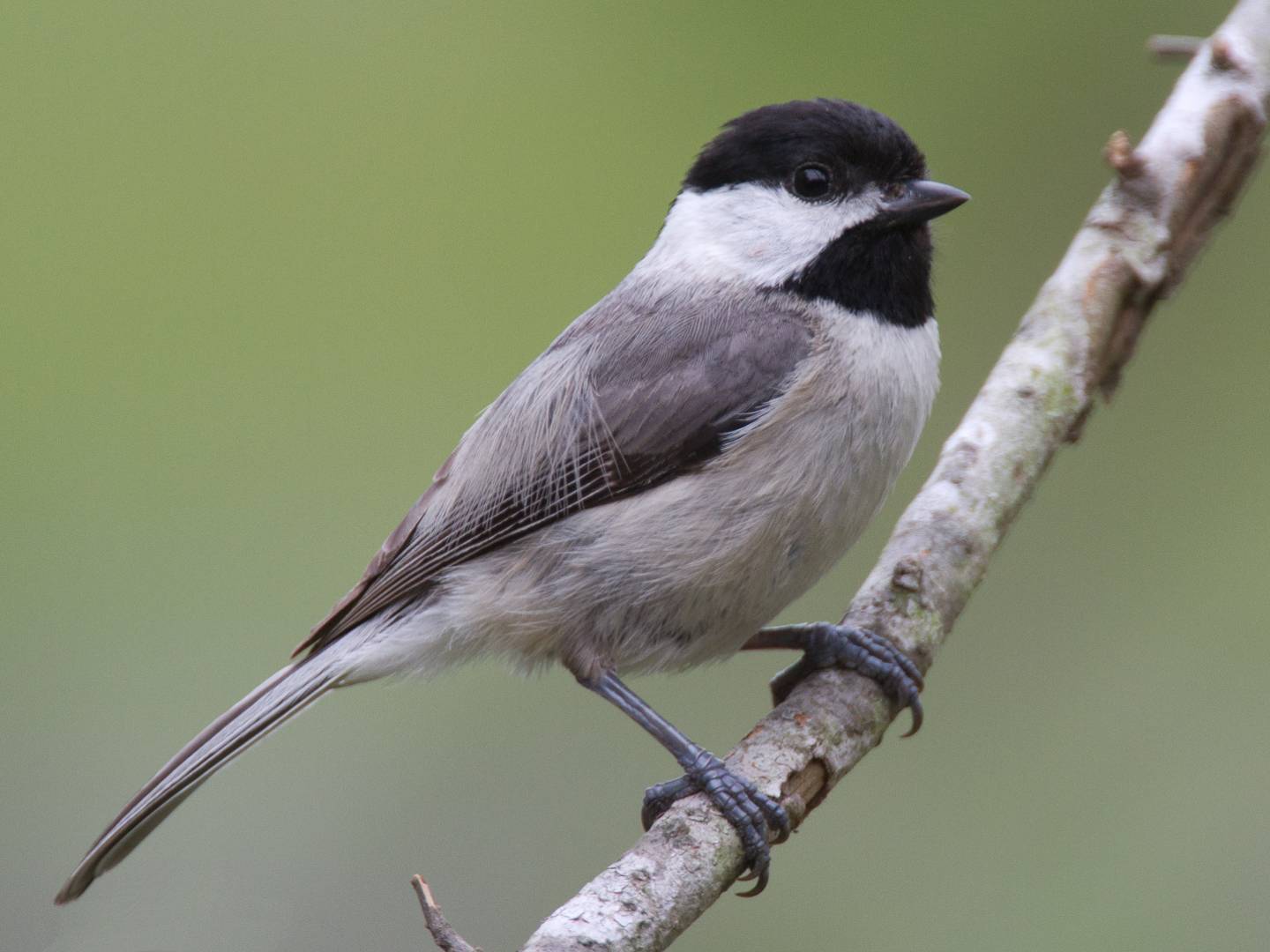
Carolina Chickadee
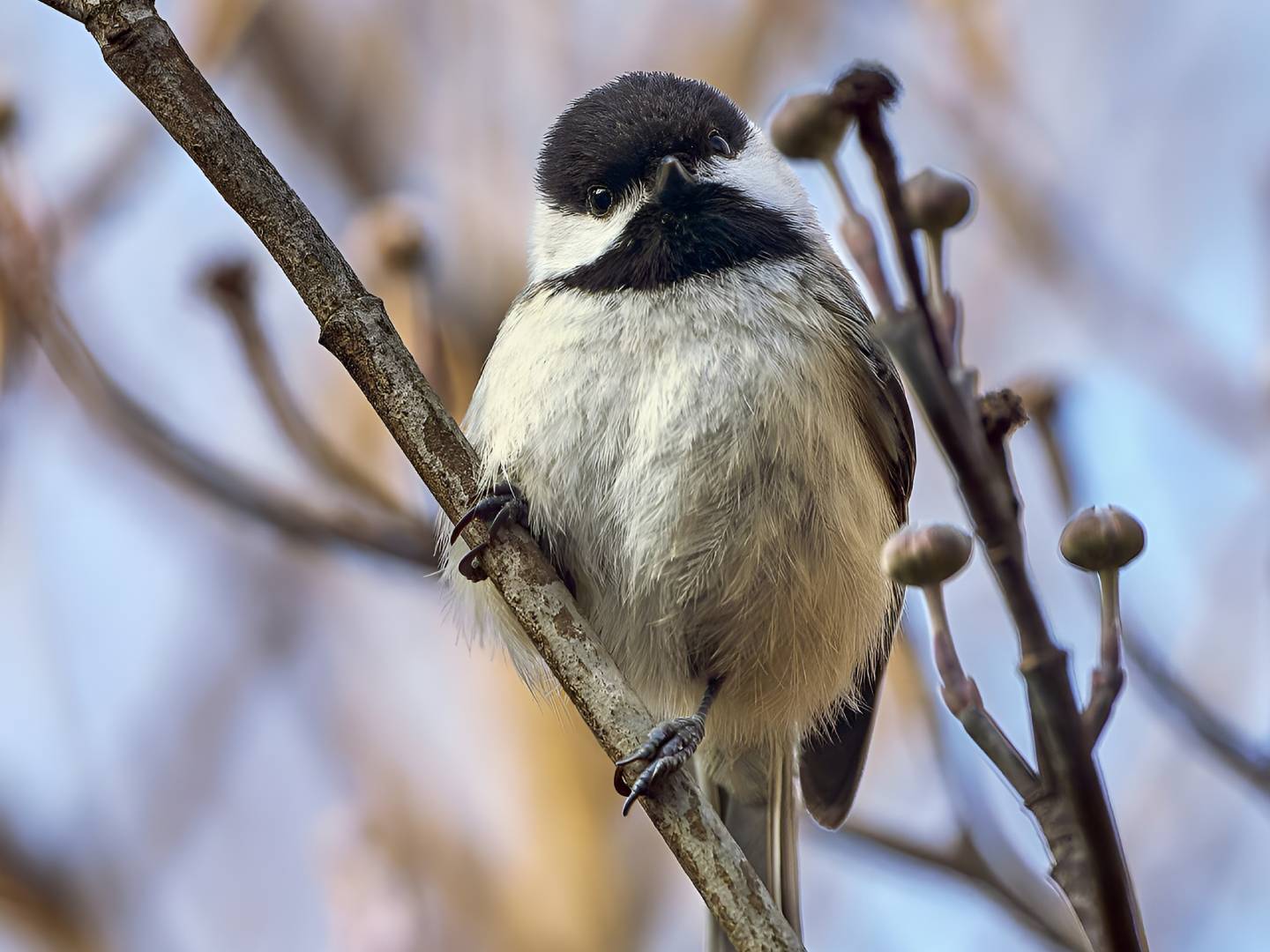
Black-capped Chickadee

Introduction
If you spend time in the woods of the eastern or southeastern United States, you might hear a cheerful “chick-a-dee-dee-dee” coming from the trees. That could be the Carolina Chickadee, a small bird found in forests, neighborhoods, and backyards. It closely resembles its cousin, the Black-capped Chickadee, so distinguishing them can be tough where their ranges meet. But once you learn their habits, sounds, and differences, it becomes manageable. Carolina Chickadees belong to a family of small, active birds that includes titmice. They help control insects and spread seeds. Here’s how to identify them and see what sets them apart from other chickadees.
Carolina Chickadee Taxonomy and Classification

Carolina Chickadees are part of the titmouse family, Paridae, which includes other familiar birds, such as Tufted Titmice and Mountain Chickadees. Their scientific name is Poecile carolinensis. Within this family, chickadees are known for their small size, short bills, and energetic behavior. They are close relatives of the Black-capped Chickadee (Poecile atricapillus), and the two species can interbreed in regions where their ranges overlap, producing hybrids that complicate identification.
The classification places them in the order Passeriformes, or perching birds, which is the largest order of birds worldwide. Chickadees are part of a subgroup known for their strong feet, which help them cling to branches as they search for insects or seeds.
Knowing how chickadees are classified helps explain some of their habits. Like other titmice, they hide seeds in bark or under leaves and can remember these hiding spots for months. This clever trick helps them get through winter when insects are scarce.
By placing the Carolina Chickadee in its classification, we see it’s part of a group of adaptable birds found across North America.
Carolina Chickadee vs Black-Capped Chickadee: How to Identify Them


The primary question about Carolina Chickadees is how to distinguish them from Black-capped Chickadees. Both have a black cap and throat, white cheeks, and gray wings and back. At first glance, they appear almost identical. The best way to separate them is by location and voice.
Carolina Chickadees live mostly in the southeastern U.S., while Black-capped Chickadees are found farther north. Their ranges meet in a narrow band across states like Ohio, Pennsylvania, and New Jersey. In this overlap zone, distinguishing them visually can be nearly impossible, and hybrid birds make things even more complicated.
There are a few small physical differences. Carolina Chickadees are a bit smaller, with shorter tails and wings, while Black-cappeds look a little bulkier. The white cheek patch on a Carolina is more clearly outlined, while the Black-capped’s can look fuzzier. Still, these details are hard to use unless you see both birds side by side.
Their calls provide a stronger clue. Carolina Chickadees usually sing a four-note “fee-bee fee-bay,” while Black-cappeds sing a slower two-note “fee-bee.” Learning these vocal differences is the most effective way to separate them when ranges overlap.
In most places, you can tell which chickadee you’re seeing just by knowing which one lives in your area. Careful listening is only needed where their ranges cross.
Male vs Female Carolina Chickadees

Unlike some bird species, male and female Carolina Chickadees look almost identical. Both share the same black cap, white cheeks, and gray back. This lack of sexual dimorphism makes it nearly impossible to tell them apart by sight alone.
During breeding season, behavior can give clues. Males are more likely to sing frequently and to defend a territory by chasing off rivals. They also tend to take the lead in courtship displays, such as feeding the female or showing her potential nest sites. Females, on the other hand, take on most of the responsibility for building the nest and incubating the eggs.
If you watch chickadees at a feeder, you might see pairs show up together. The one that calls more or is bolder about defending food is usually the male, but this isn’t always a sure way to tell.
Researchers can only tell males from females by handling the birds or using genetic tests. For most birdwatchers, it’s best to just enjoy watching their behavior instead of trying to tell them apart. What really stands out is how closely the pairs work together. Carolina Chickadees often stay with the same partner for several seasons, raising their young as a team.
What Does a Carolina Chickadee Sound Like?

The Carolina Chickadee has a wide variety of calls and songs, many of which are key to identifying the bird. Their most common call is the familiar “chick-a-dee-dee-dee,” which gives chickadees their name. This call serves as an alarm, with the number of “dees” increasing depending on the level of threat. For example, more “dees” might signal a perched owl or other nearby predator.
Their song is usually a four-note whistle that sounds like “fee-bee fee-bay.” This is different from the Black-capped Chickadee’s two-note “fee-bee.” Paying attention to this difference is one of the best ways to distinguish between the two species.
Carolina Chickadees also produce high-pitched notes that help maintain contact with their flock. These softer calls keep the group coordinated as they move through the trees.
If you’re a birdwatcher, learning the Carolina Chickadee’s songs and calls gives you another way to identify them, especially where they live near Black-cappeds. Even when you can’t see the birds, you can often hear them.
Listening to their sounds also gives you a peek into chickadee social life. They use different calls for different reasons, like warning about danger, finding food, or staying close to their mate.
Carolina Chickadee Nesting Habits and Eggs

Carolina Chickadees are cavity-nesting birds. They often use old woodpecker holes, natural tree cavities, or nest boxes when available. Pairs may also excavate their own nest in soft or rotting wood.
The female does most of the nest building, using moss, bark, and plant fibers, then adding a soft layer of animal fur or plant fluff to keep the eggs warm and hidden.
A typical clutch contains 5–8 small white eggs, often speckled with reddish-brown spots. The female incubates them for about two weeks while the male brings food. Once the chicks hatch, both parents work tirelessly to provide a steady supply of insects and caterpillars for them to eat.
The young remain in the nest for around 16–18 days before fledging. After they leave, parents continue to feed them for a short time as they learn to forage independently.
Carolina Chickadees usually raise one set of chicks each year, but in some southern places they might try for a second. Because of how they nest, they’re a great choice for backyard nest boxes. If you put up the right kind of box in a quiet spot, you might attract a pair. Check out this nesting box kit to build your own.
Diet, Range, and Size of the Carolina Chickadee

Carolina Chickadees are small birds, measuring about 4.5 inches long with a wingspan of 6–8 inches. They weigh less than half an ounce, making them light and agile foragers.
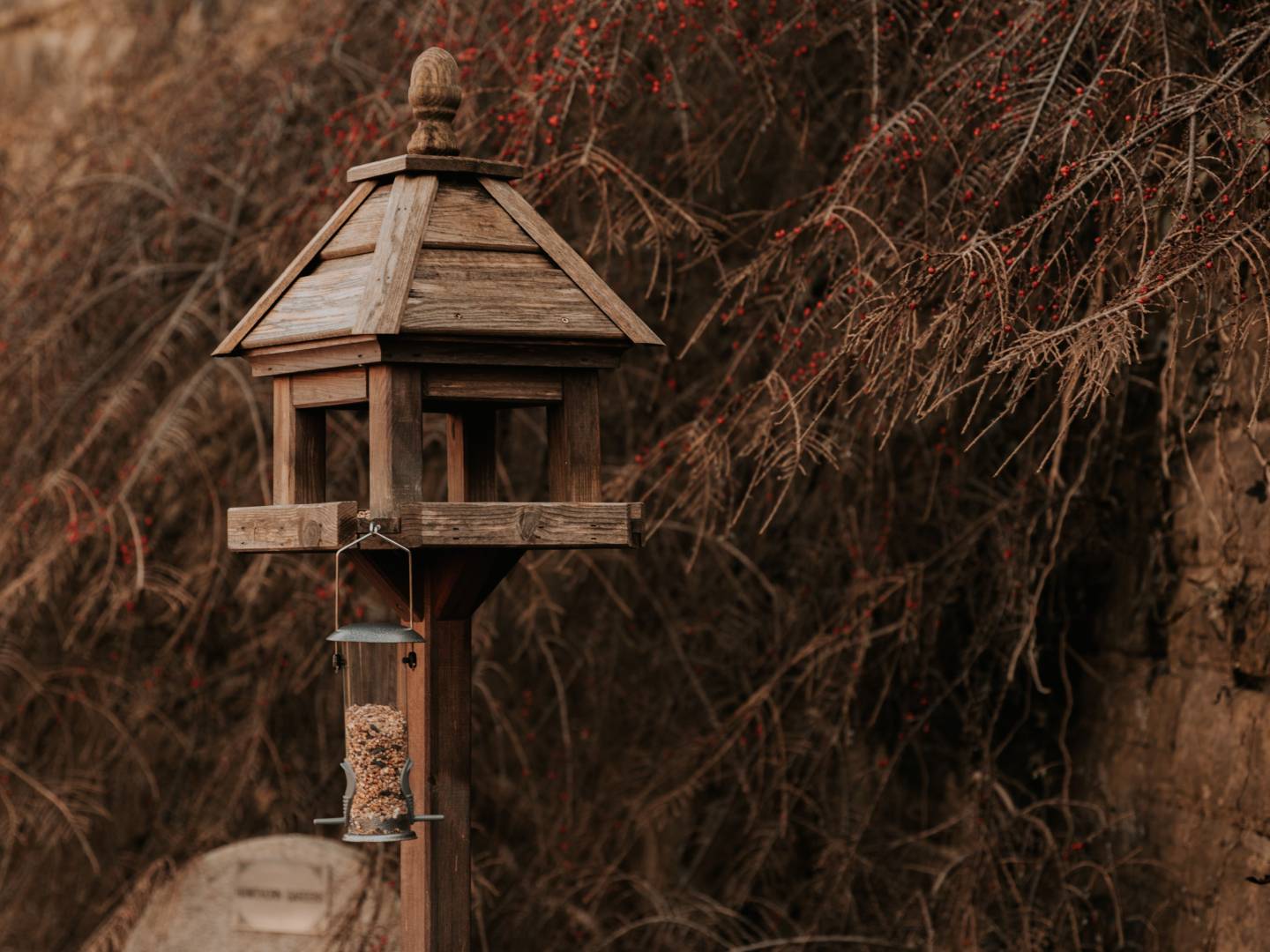
Their diet changes with the seasons. In the spring and summer, they primarily eat insects, spiders, and caterpillars, which provide protein for raising their young. In fall and winter, they shift to seeds and berries, often visiting bird feeders for sunflower seeds or suet. They also cache food, hiding seeds in bark or crevices to retrieve later. Take a look at this hopper birdfeeder to attract them to your yard.
Their range covers much of the southeastern United States, from New Jersey south to Florida and west to Texas. They are year-round residents, meaning they don’t migrate long distances. Instead, they form mixed-species flocks in winter, joining titmice, nuthatches, and woodpeckers as they search for food.
Carolina Chickadees thrive in both forests and neighborhoods, making them easy to spot. Their adaptability and flexible diet explain their presence in so many regions.
Conclusion

The Carolina Chickadee may be small, but its presence has a big impact. Its cheerful calls and adaptability bring life back to backyards and forests alike, while its tight family bonds strengthen local ecosystems. Mastering the subtle art of telling it apart from the Black-capped Chickadee rewards both the dedicated naturalist and the casual observer. Through their resourcefulness—hiding seeds, raising young, and thriving in changing environments—Carolina Chickadees remind us how even the smallest birds shape and sustain the world around us. Spotting one at your feeder or hearing its song is a vital part of nature’s year-round story.




Leave a Reply