
Introduction
Spring is near, and that means something magical is about to happen in the skies above and all around us. It’s migration season, a time when birds of every shape, color, and song return from their winter retreats in search of nesting grounds and fresh food sources. Whether you’re new to birdwatching or a seasoned spotter with binoculars always at the ready, spring offers some of the best opportunities to witness this great avian journey. In today’s talk, we’ll explore the best spring birdwatching spots, discover the birds to watch, go over some must-have gear, and even learn how to attract migratory birds to your own backyard. So grab your notepad—we’re going birding together!
What Are the Best Birdwatching Destinations in Spring?

Alright, gather ‘round, everyone! If you’re wondering where to find the most breathtaking birdwatching this spring, you’re in for a treat. The United States is home to some of the best spring birdwatching spots—places where migratory birds flock in such numbers. You’ll feel you’re in the middle of a feathery festival.
Let’s start with High Island, Texas. Nestled along the Gulf Coast, this gem transforms into a haven for birds during spring migration. After their long journey across the Gulf of Mexico, warblers, tanagers, orioles, and grosbeaks drop in like clockwork. It’s one of the top birding locations in spring and a great place to glimpse tired travelers resting and refueling.
Further east, don’t miss the Peveto Woods Sanctuary in Louisiana. This small patch of coastal forest plays a mighty role in the migratory world. Birds stop here to catch their breath and grab a bite after flying hundreds of miles. Peveto is known for hosting colorful neotropical migrants—think indigo buntings, scarlet tanagers, and black-throated green warblers. It’s like nature’s own light show.
Other notable spring hotspots include Magee Marsh in Ohio, famous for its boardwalks and dense warbler populations, and Point Reyes, California, where coastal and inland species converge in one diverse landscape.
Wherever you choose to go, bring your patience, your curiosity, and, of course, your binoculars. Spring birdwatching is not just about birds—it’s about being part of something wild and wonderful.
Which Bird Species Can Be Spotted During Spring Migration?

Now, let’s talk about the stars of the springtime sky—the birds themselves! Each year, a wave of color, song, and movement washes over the landscape as spring migration bird species make their way north. It’s one of the greatest natural events on the planet, and lucky for us, we don’t have to look far.
So, what birds to watch in spring should you keep an eye out for? First on the list: warblers. These tiny, energetic songbirds are a birdwatcher’s dream. With their vibrant colors and melodic tunes, species like the yellow warbler, black-and-white warbler, and the stunning Blackburnian warbler light up the trees like ornaments.
Next up: tanagers. The scarlet tanager is a jaw-dropper with its blazing red body and jet-black wings. If you’re birding in the eastern U.S., keep your ears tuned for their husky song and your eyes scanning the treetops.
Don’t overlook the grosbeaks. The rose-breasted grosbeak, with its splash of crimson on a white chest, is a springtime showstopper. These chunky-billed beauties are common in forest edges and backyards alike.
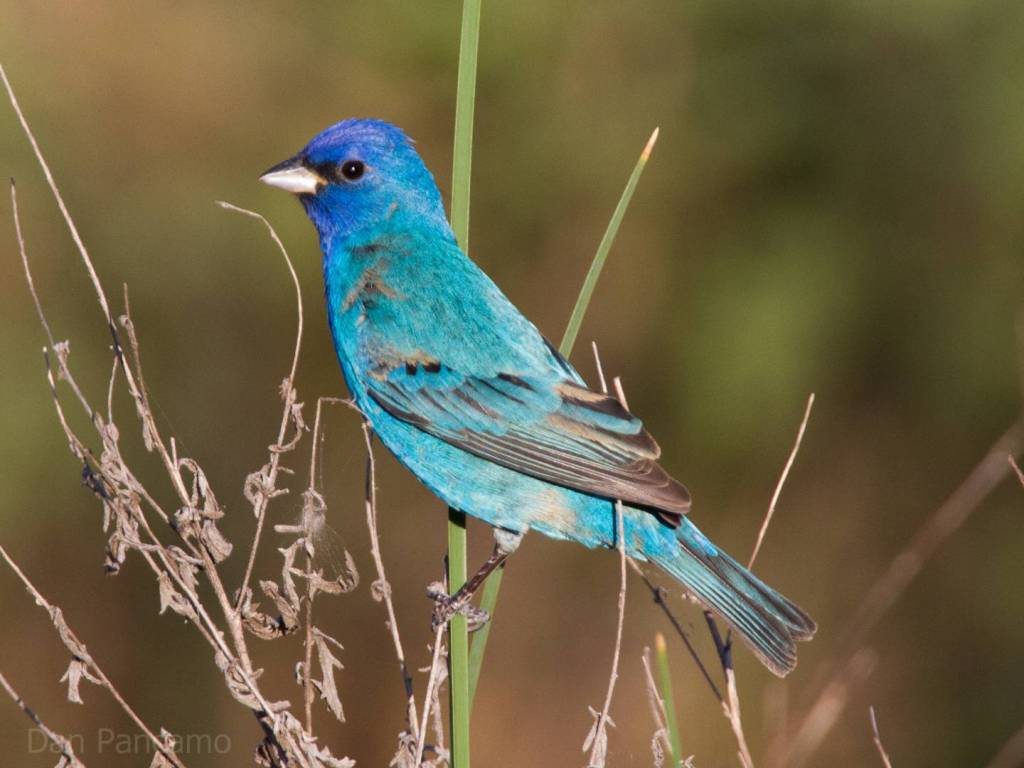
Then there’s the indigo bunting, often called “the bluebird of happiness.” Males are a brilliant, all-over blue and stand out against spring’s fresh green foliage.
Of course, you’ll also spot returning favorites like swallows, vireos, flycatchers, and more. From coast to coast, there’s a whole parade of species to enjoy.
Keep those binoculars up and your ears open—migration moves fast, and each day brings unknown visitors.
What Equipment Do I Need for Spring Birdwatching?

Alright folks, let’s talk about what you’ll need before you hit the trail or settle into your favorite birdwatching spot. Having the right spring birding equipment can make all the difference between a fleeting glimpse and a memorable sighting. So, let’s run through the list of essential birdwatching gear you’ll want to pack this spring.
First up: binoculars. These are your best friend out there. Look for a pair with an 8x or 10x magnification with a wide field of view. That’ll help you spot fast-moving birds in trees or catch a surprise flyby overhead.
Next, grab a field guide. Whether it’s a pocket-size book or an app on your phone, it’ll help you quickly identify species by their color, shape, and song. Some apps even let you record bird calls and tell you who’s singing!
Don’t forget clothing suited for spring. Mornings can be chilly, but the temperature warms up fast. Layers are the way to go. Earth-toned colors help you blend in, and a brimmed hat keeps the sun off your face.
Bring along a notebook or journal. Jot down where you were, what you saw, and when. Over time, you’ll notice patterns and become more skilled at predicting what birds you’ll see and when.
Optional but helpful: a camera with a zoom lens, a lightweight folding stool, and even a compact spotting scope for those long-distance looks.
Gear up, and you’ll be ready to fully enjoy what spring migration offers!
How Can I Attract Migratory Birds to My Backyard in Spring?

You don’t have to travel far to enjoy the magic of spring migration. With the right setup, your backyard can become a bustling stopover for birds on the move. So let’s dive into some tried-and-true backyard birding tips for spring that’ll help you attract migratory birds right to your window.
First off, plant native species. Birds are drawn to familiar plants that provide natural food sources like berries, seeds, and insects. Think serviceberry, coneflower, goldenrod, and oak. The more you mimic their natural habitat, the better.
Next, set up bird feeders. Migrants are hungry from their long journey and appreciate an easy meal. Offer a mix of black-oil sunflower seeds, mealworms, and nectar for hummingbirds. Suet cakes can also be a lifesaver during chilly spring mornings. If you’re in the market for a bird feeder, this one is perfect to attract those seed loving birds.
Don’t forget the fresh water. A clean birdbath or shallow dish can be just as enticing as food. Birds need to drink and bathe, especially when they’ve been flying for hours—or even days.
Shelter is key, too. Shrubs, brush piles, or thick trees provide safe places to rest. A small corner of your yard left a little wild can make an enormous difference.
Finally, reduce or eliminate pesticide use. Migratory birds rely heavily on insects during the breeding season, and your yard can be a buffet if you let nature do its thing.
Make your yard a safe, nourishing, and welcoming place, and you just might host some amazing feathered guests this spring.
Are There Birdwatching Festivals or Events in Spring?

Let me tell you, spring isn’t just for the birds—it’s also prime time for us humans to gather, celebrate, and learn more about our feathered friends. Across the country, spring birdwatching festivals bring together beginners, experts, and everyone in between. These birding events in spring offer unforgettable experiences and a chance to see migration magic up close.
One of the top picks is the Horicon Marsh Bird Festival in Wisconsin. This event is a favorite among birders because it combines guided hikes, bird-banding demonstrations, and family-friendly activities. You can spot dozens of species in a single day, especially around the expansive marshlands where birds flock to breed and feed.
Another standout is the Biggest Week in American Birding, held in Ohio near Magee Marsh. Every May, warbler lovers come here to witness these colorful migrants’ rest and forage along the boardwalks. It’s a true bucket-list event!
Down in Texas, FeatherFest in Galveston offers both shorebird watching and photo workshops for folks who want to capture that perfect shot. Meanwhile, Louisiana’s Grand Isle Migratory Bird Festival is a brilliant mix of beachy relaxation and peak migration viewing.
These festivals aren’t just about watching birds—they’re about community. You’ll meet passionate birders, attend workshops, and learn from experts who share your enthusiasm. Whether you’re curious or committed, there’s a spring birding event for you.
Pack your bags, charge your camera, and don’t forget your field guide—there’s a festival waiting just around the bend.
How Can Beginners Start Birdwatching This Spring?

If you’re just getting into birdwatching, spring is the best time to start. The weather’s warming up, birds are active and colorful, and the air is alive with song. Let’s go over some birdwatching tips for beginners that’ll help you start birding this spring with confidence and excitement.
First, keep it simple. You don’t need fancy gear or deep knowledge to get started. A good pair of binoculars and a local bird guide can go a long way. Apps like Merlin Bird ID are beginner-friendly and even let you identify birds by their songs or appearance.
Start close to home. Visit a local park, nature trail, or even your backyard. Focus on common birds like robins, cardinals, or chickadees, and learn their calls, colors, and behaviors. These “starter birds” are easy to spot and make learning to excite and less overwhelming.
Join a local birdwatching group or attend guided walks. Many communities have bird clubs that welcome beginners and offer walks led by experienced birders. It’s a great way to learn and make friends who share your interest.
Keep a notebook or start a digital birding journal. Record what you see, where, and when. Over time, you’ll notice patterns and sharpen your skills.
And remember—patience is key. Some days, you’ll see dozens of birds; other days, just a few. But every time you step outside, you’re part of nature’s story.
This spring, take that first step. The birds are waiting for you.
Conclusion

As the days grow longer and the trees begin to leaf out, the skies come alive with fluttering wings and sweet songs. Spring is a season of renewal—not just for birds, but for birdwatchers as well. Whether you’re exploring the best spring birdwatching spots, watching colorful spring migration bird species, or simply setting up a feeder in your yard, there’s joy to be found in every chirp and flutter. With the right spring birding equipment, some backyard birding tips, and maybe even a visit to a birdwatching festival, you’ll be on your way to experiencing the magic of the season. So grab those binoculars and follow the flight—you never know what wonders you’ll spot when you start birdwatching this spring.


 Wing Watchers with Wagner
Leave a comment