Introduction
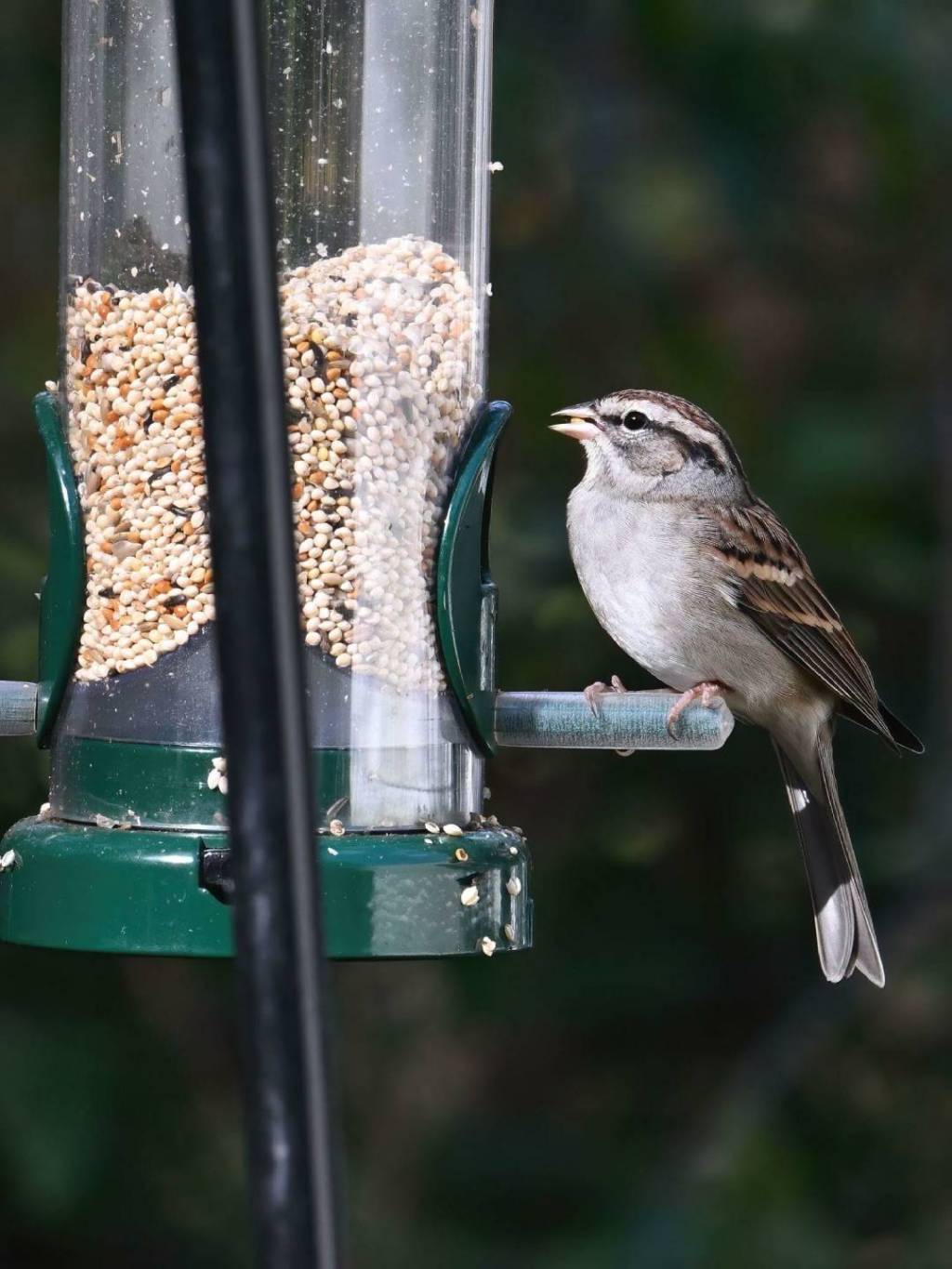
If you’ve seen a small, rusty-capped sparrow hopping under your feeder and wondered why it never lands on the tube, you’re not the only one. Do Chipping Sparrows use tube feeders? Should you try a platform instead? Where’s the best spot for your feeder? And what kind of seed will attract them instead of doves and blackbirds?
In this article, we’ll cover:
- Best Feeder Type for Chipping Sparrows
- Where to Place a Feeder for Chipping Sparrows
- What Seed Works Best in a Chipping Sparrow Feeder Setup
- How to Set Up a Ground Feeding Area
- How to Keep Larger Birds from Taking Over
Keep reading, or jump straight to the section that interests you most.
Best Feeder Type for Chipping Sparrows (Platform vs Tube)
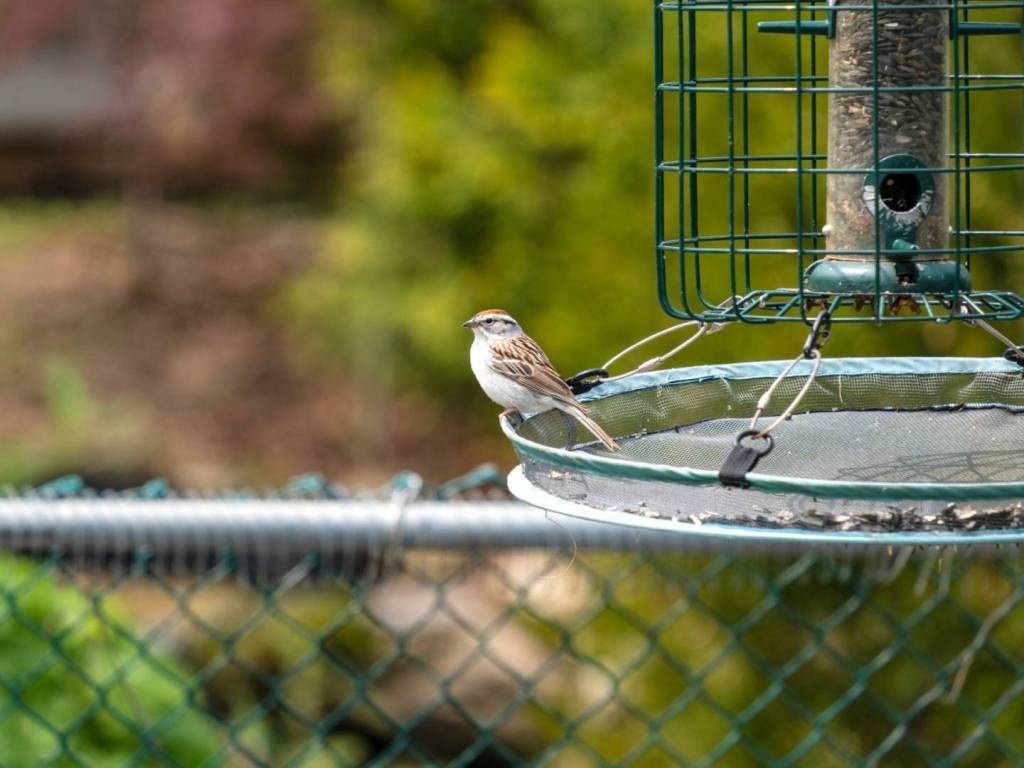
When choosing a feeder, consider how Chipping Sparrows feed in nature. They prefer the ground. Usually, they hop out from cover, grab a seed, and quickly retreat to safety. Even at raised feeders, they often take a seed and jump back down to eat. If you see this hop-grab-retreat pattern in your yard, it shows they like to stay close to cover and feed near the ground.
A platform or tray feeder usually works best. It gives sparrows room to hop, look around, and eat in a way that feels natural to them. A low platform just a few feet off the ground is ideal, especially if there’s cover nearby.
Chipping Sparrows sometimes use tube feeders, but only in certain situations. Studies and community reports suggest that roughly one in four backyard birders observe Chipping Sparrows at tube feeders. If your tube feeder has small perches and offers small seeds like millet, you’ll have better luck. Even so, they don’t usually cling to vertical feeders like finches do.
If you want to attract Chipping Sparrows, a tray feeder with drainage holes and a shallow edge is often the easiest choice. You can also put a ground tray right on the soil in a quiet spot in your yard.
If you often see sparrows feeding under your tube feeder, it means they prefer eating on the ground. Try changing your setup to match their habits instead of hoping they’ll adapt. If you’ve made these adjustments and the sparrows still seem hesitant, give them some time to get used to the new setup. Make sure the feeder is in a quiet spot near cover, keep the seed fresh, and watch for visits during early morning or late afternoon. Sometimes, it takes a few days or weeks for birds to discover and trust a new feeding area. If they continue to stay away, try moving the feeder slightly or offering only their favorite seed, like white millet, to encourage them to give it a try.
Where to Place a Feeder for Chipping Sparrows
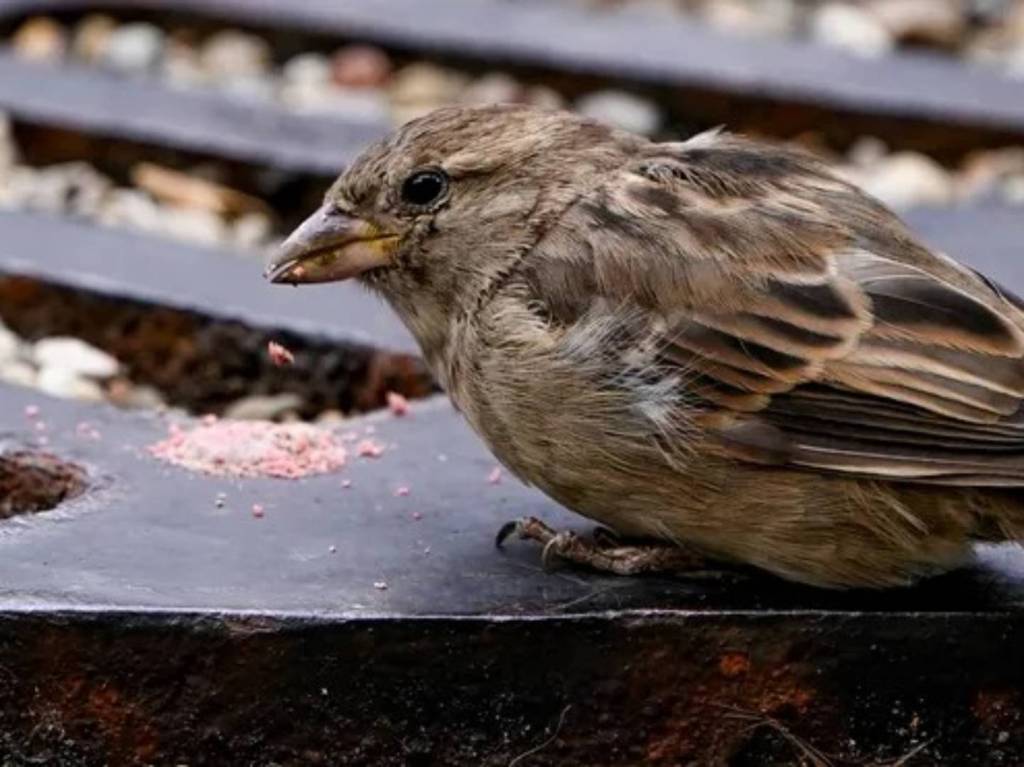
Where you put your feeder is just as important as the type you use. Chipping Sparrows like to feed near shrubs, hedges, or low trees, which give them a quick place to hide if a hawk comes by.
A good rule is to put the feeder about 5 to 10 feet from thick plants. This way, sparrows can move quickly between cover and food without feeling too exposed.
Don’t put the feeder in the open middle of your yard. Bigger birds are fine with exposed spots, but small sparrows aren’t. If it feels unsafe, Chipping Sparrows might avoid the area.
Think about height, too. A low platform or ground tray near shrubs usually works better than a high hanging feeder in the open. In winter, sparrows may gather in small flocks and use open spots more, but they still need cover nearby.
If you have a suburban yard, try putting the feeder along a fence with bushes nearby. This creates a natural path that feels safer for small birds.
What Seed Works Best in a Chipping Sparrow Feeder Setup?
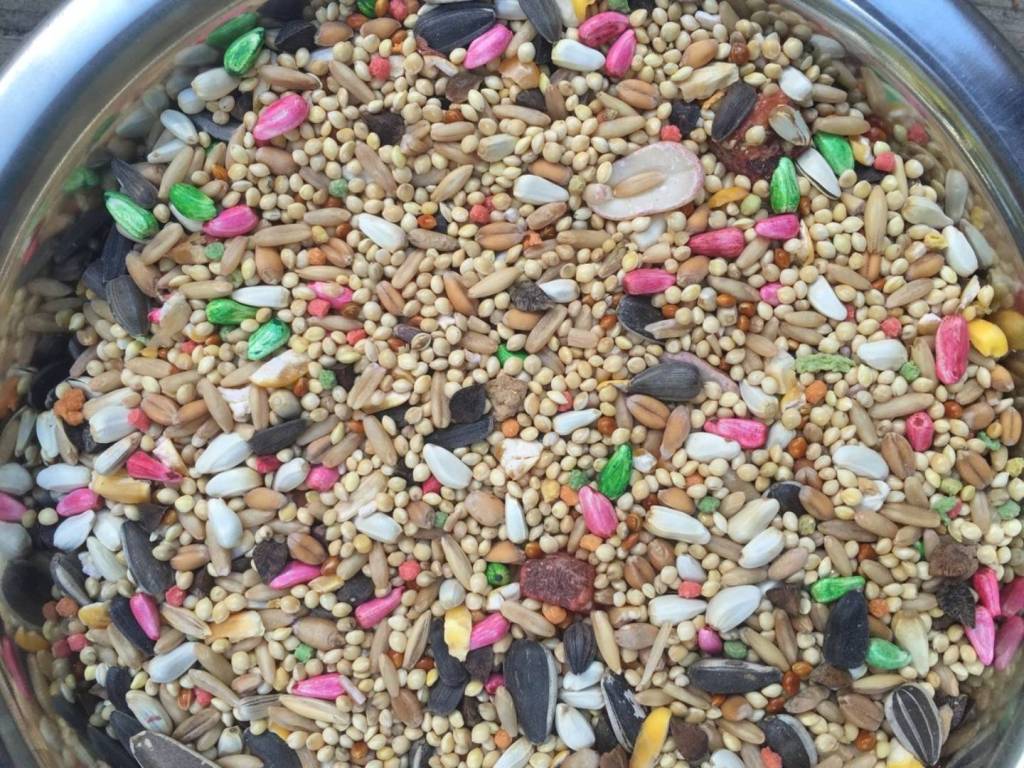
The type of seed you use decides which birds will visit.
White proso millet is one of the best seeds for Chipping Sparrows. Their small, cone-shaped bills are perfect for picking up and cracking tiny grains, so millet fits their feeding style well. If you use a seed mix, make sure millet is a main ingredient.
Chipping Sparrows might eat cracked corn, but it’s not their favorite. Bigger birds like doves and blackbirds are more attracted to corn, which can make things crowded.
Black oil sunflower seed doesn’t work as well for Chipping Sparrows as millet does. They can eat it, but their bills aren’t as good at cracking bigger seeds as some other birds.
If your seed mix has more sunflower seeds than millet, you might see fewer sparrows. Switching to a millet-based mix usually brings them back quickly.
In winter, giving sparrows steady access to small seeds helps keep flocks coming back. Make sure feeders are clean, and seeds stay dry, especially with millet, which can spoil if it gets damp.
How to Set Up a Ground Feeding Area for Chipping Sparrows
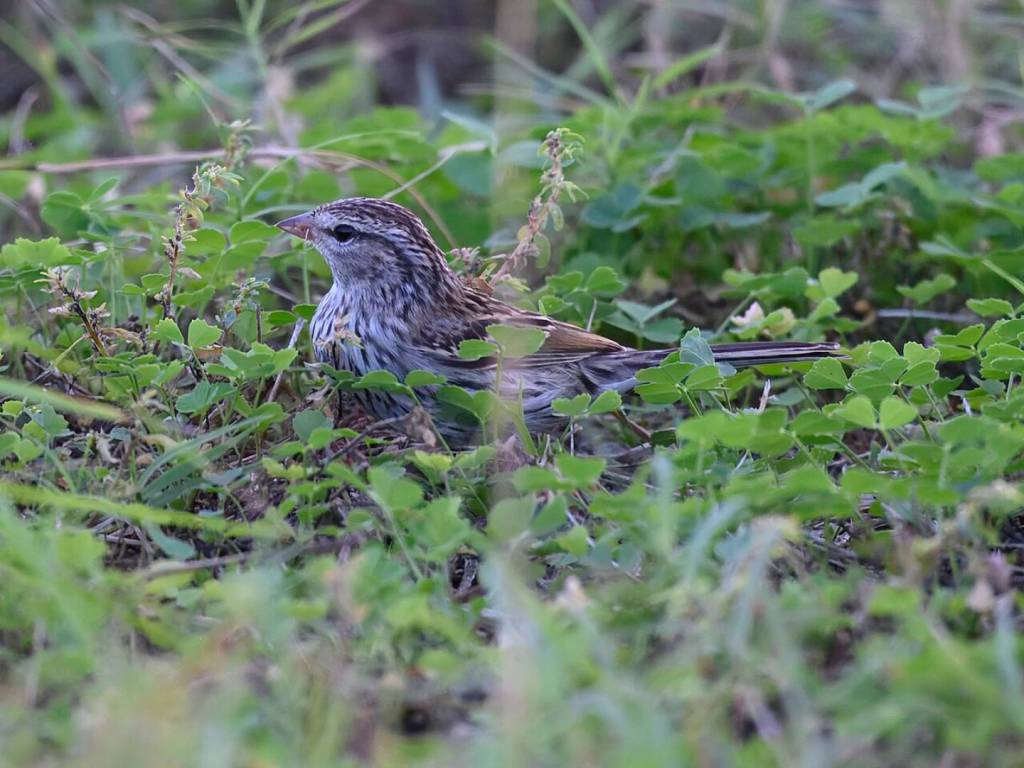
Because Chipping Sparrows like to feed on the ground, setting up a special ground-feeding area works well. For best results, give about 1 tablespoon of seed per 8 birds each day. This helps prevent leftover seed from piling up and going bad, especially if flock sizes change.
You can use a shallow ground tray, a low wooden platform, or just clear a patch of soil and scatter a little millet. The main thing is to keep the area clean and dry.
Don’t dump a lot of seed on the ground, since that can attract rodents and bigger birds. Instead, put out small amounts and refill when needed.
In winter, snow can cover natural seeds. Using a raised ground tray keeps the seed from getting buried and makes it easier for sparrows to feed.
Place the ground feeding area near shrubs or brush piles so sparrows have quick cover. If you have predators around, avoid thick spots where a cat could hide. Choose cover that lets birds escape but doesn’t create hiding places for predators.
A simple, low setup usually works better than a complicated feeding station.
How to Keep Larger Birds from Taking Over a Chipping Sparrow Feeder
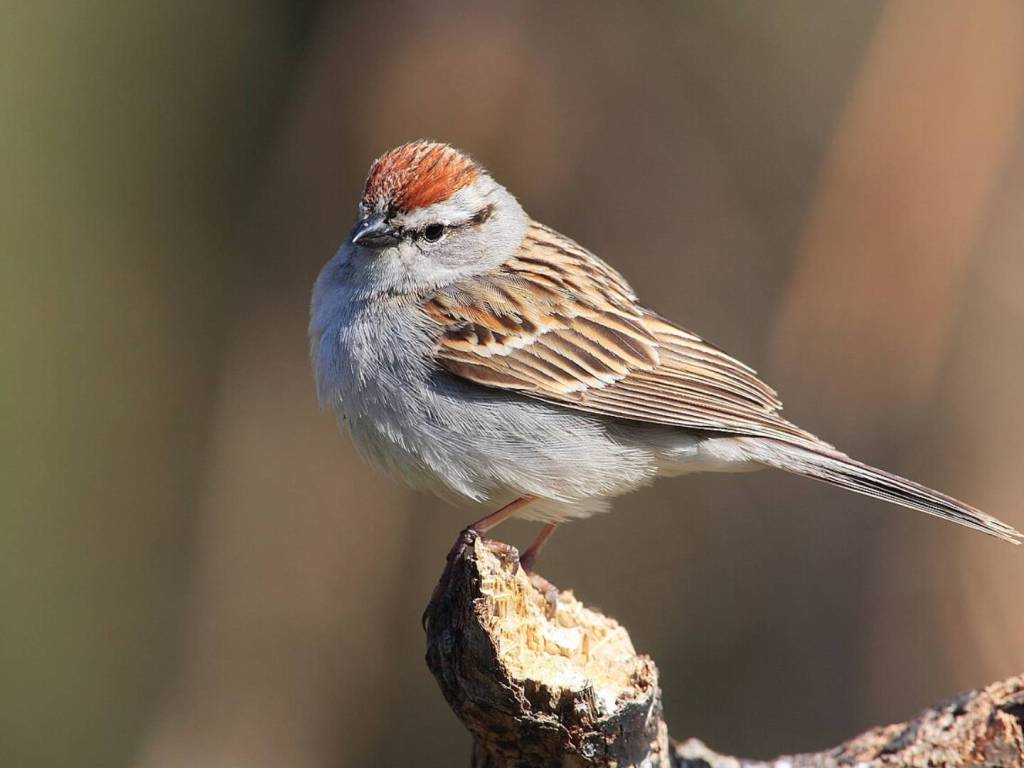
Millet brings in Chipping Sparrows, but it also attracts doves and blackbirds.
To cut down on competition, use smaller feeders with narrow perches and small openings made for little birds. Big doves have a hard time balancing on short, thin perches.
Caged feeder guards can help, too. They let small sparrows get in while keeping bigger birds out.
Another tip is to be picky about where you put the food. Place millet in a sheltered spot near shrubs, where sparrows feel safe. Open areas are usually preferred by larger birds.
Don’t overfill your feeders. When there’s too much seed, dominant birds may take over and guard the food.
If doves keep taking over the ground area, try raising the tray a bit or switch to a small platform feeder that gives them less room.
The goal isn’t to keep other birds away, but to set things up so they suit the size and habits of Chipping Sparrows.
Conclusion
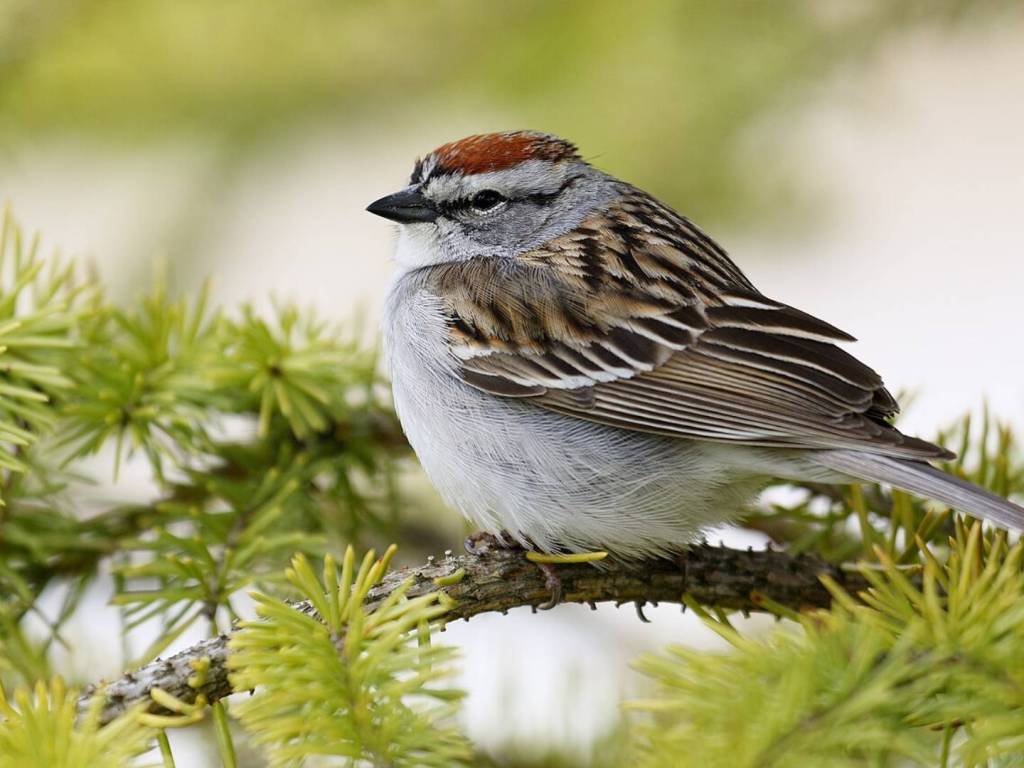
Setting up a feeder for Chipping Sparrows is easy once you match their natural habits. Use a platform or ground tray, offer white millet as the main seed, and put the feeder near shrubs for quick cover. Keep the area clean and don’t add too much seed, since that can attract bigger birds.
When your setup matches how sparrows feed in the wild, they’ll visit more often. Instead of seeing them pick at leftovers under a tube feeder, you’ll watch them feed confidently where you want them to.
Even small changes in feeder type, placement, or seed can make a big difference.


 Wing Watchers with Wagner
Leave a comment