
Introduction
Welcome, folks! Today we’re taking a closer look at one of the most talkative and entertaining birds in North America—the Northern Mockingbird. If you’ve ever been walking through the forest and hear a songbird that seems to know every tune in the forest, there’s a good chance it was this one. Mockingbirds are famous for their wide range of calls, flashy behaviors, and bold personalities. You might have heard one singing through the night or chasing away a much larger bird from its territory. We’re going to explore what makes this bird so fascinating—from its incredible voice to its unique behaviors and habitat. Let’s delve into discovering the life, habits, and songs of the Northern Mockingbird.
Does the Northern Mockingbird’s Song Sound Like?
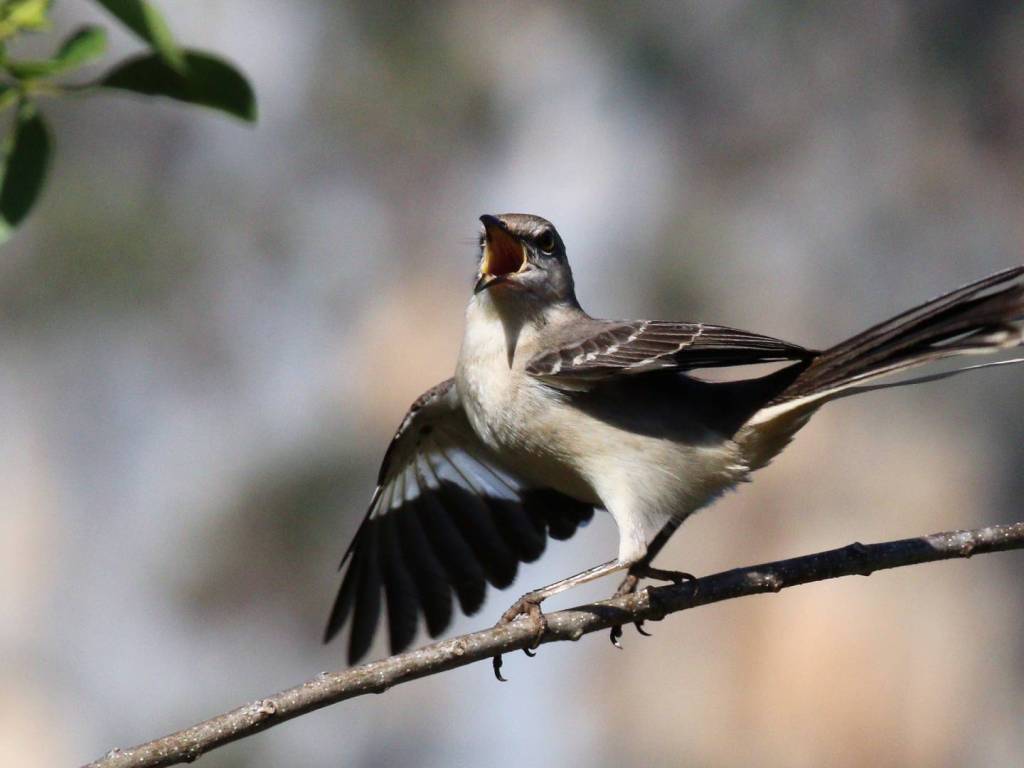
The Northern Mockingbird is famous for its unforgettable song. So, what does a mockingbird sound like? The answer: almost anything! These birds are mimic masters. Their song comprises phrases borrowed from other birds, environmental sounds like car alarms or frogs, and even man-made noises. It’s not just random either—mockingbirds repeat each phrase three or more times before switching to the next, giving their performance a rhythmic and organized feel.
A typical northern mockingbird song might include the whistle of a cardinal, the chirp of a robin, and the screech of a blue jay—all rolled into one. This incredible mimicry helps with mockingbird call identification, because even though they copy other species, the mockingbird’s habit of repeating sounds several times in a row is a clear giveaway.
But how many songs can a mockingbird sing? Some males have been recorded with a repertoire of over 200 different calls! They build their collection over time, especially during spring and summer when singing peaks for courtship and territory defense.
One particularly fascinating trait is how males sing almost constantly at night when they’re single. Yep—if you’re hearing a bird belt out a concert at 2 a.m., it’s likely a lonely male mockingbird hoping to attract a mate. This nonstop serenading is part of their charm—and sometimes, their annoyance to light sleepers.
So the next time you hear a bird that sounds like ten birds in one, you’ve likely met the mockingbird mimic master.
Where Do Northern Mockingbirds Live?
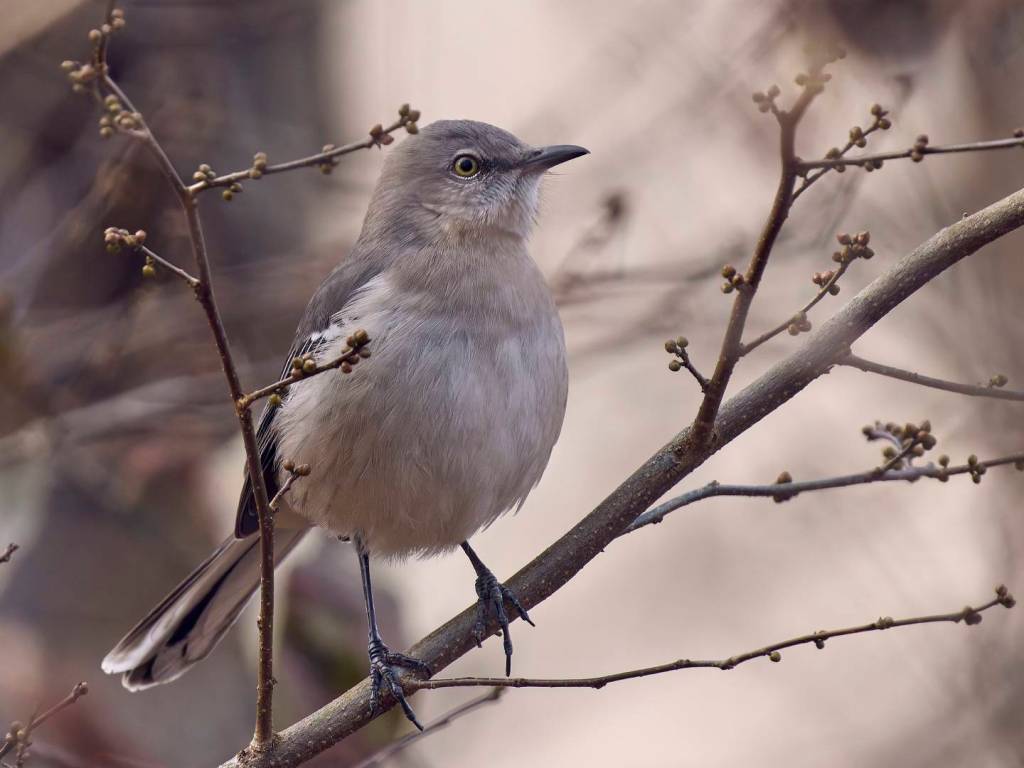
Northern Mockingbirds are pretty adaptable when it comes to choosing a place to live. You’ll find them in a wide range of environments, from open woodlands and desert edges to city parks and suburban neighborhoods. If you’re wondering where do mockingbirds live, the answer is: just about anywhere with a mix of open ground, low shrubs, and taller trees or fences for perching.
Their ideal northern mockingbird habitat includes areas that give them space to sing, nest, and hunt for insects. That’s why you’ll often spot them perched on telephone wires, fence posts, or the tops of bushes—prime real estate for a territorial bird that wants to be seen and heard. These lookout points help them keep watch over their turf and broadcast their impressive song.
Mockingbird nesting areas are typically in dense shrubs, hedges, or low trees. They build cup-shaped nests using twigs and grass, lining them with softer materials like feathers or even bits of trash. They’re not shy about nesting near people, which makes mockingbirds in the backyard a common and welcome sight for birdwatchers.
You’ll often find them in mockingbird environments that are disturbed or altered by humans. Parking lots with landscaped islands, front yards with a few trees, or open fields with scattered brush are all fair game. Their willingness to live near people has helped them expand their range and remain one of the most familiar birds in the southern half of the U.S.
Are Mockingbirds Aggressive Toward Other Birds or Humans?
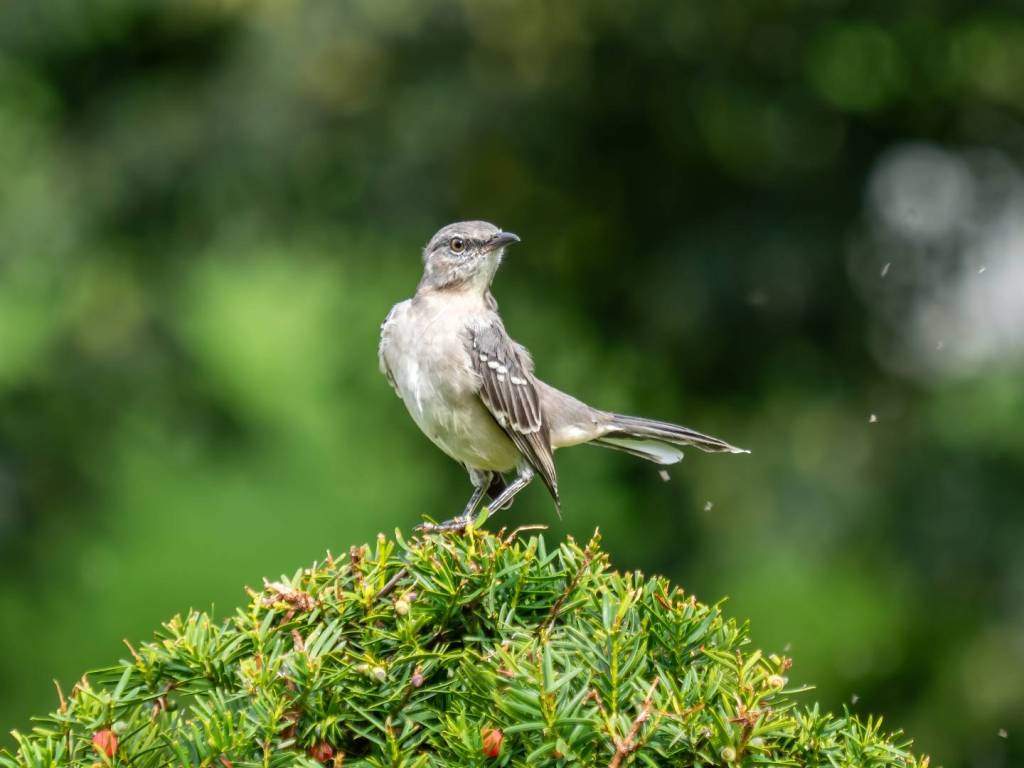
Here’s when it gets exciting. If a bird ever dive-bombed you in your own yard, it might have been a Northern Mockingbird. These birds are famously bold—and yes, mockingbirds are aggressive, especially during nesting season. Their territorial behavior is part of what makes them so noticeable. They’ll fiercely defend their space, not just from other birds, but from squirrels, cats, dogs, and even humans.
So, do mockingbirds attack humans? While they’re not dangerous, they absolutely will swoop at you if they think you’re getting too close to a nest. It’s all bluff—mockingbirds don’t actually strike—but it’s still startling when one comes flapping at your head! During spring and early summer, they’re especially protective, and you might even see them tag-teaming with their mate to chase away intruders.
Their behavior toward other birds is just as intense. They’ll chase off blue jays, crows, and even hawks—often birds much larger than themselves. When it comes to defending their territory, they have no fear. Therefore, many consider mockingbirds among the most aggressive North American backyard birds.
But don’t let their tough attitude fool you. This behavior helps keep predators away from their vulnerable chicks, and it also keeps food sources—like berry bushes and insect patches—available for their family. It’s all about survival. Once the breeding season is over, their aggression fades, and you’re left with a feisty—but less frantic—neighbor in the trees.
What Is the Northern Mockingbird’s Range in North America?
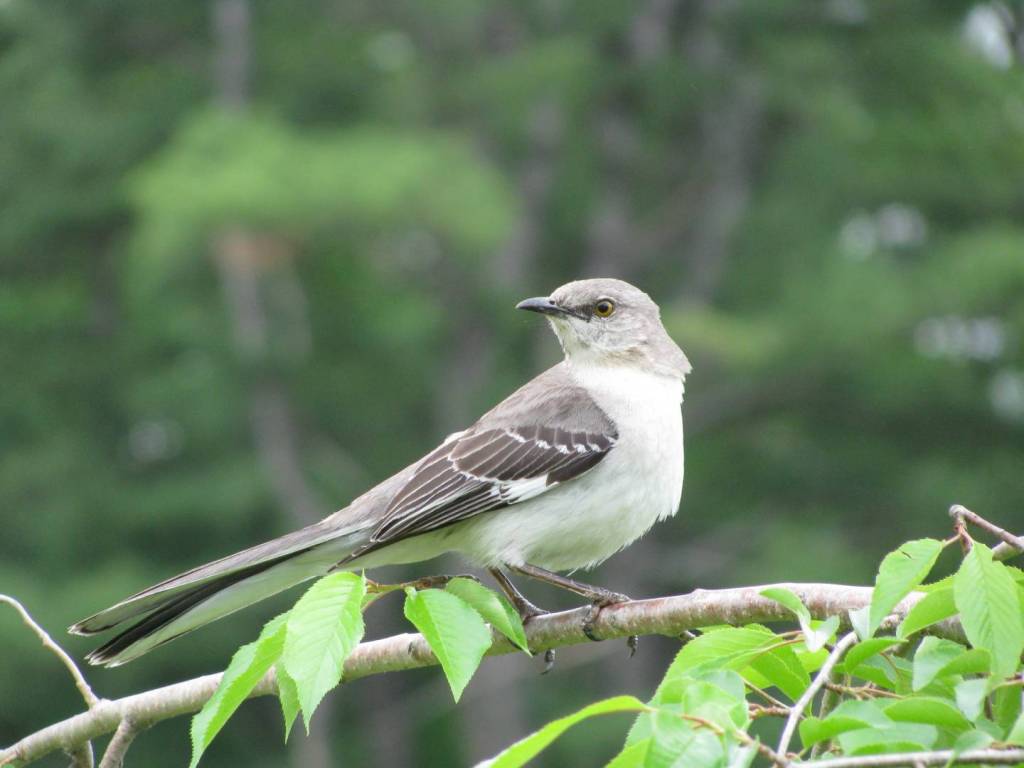
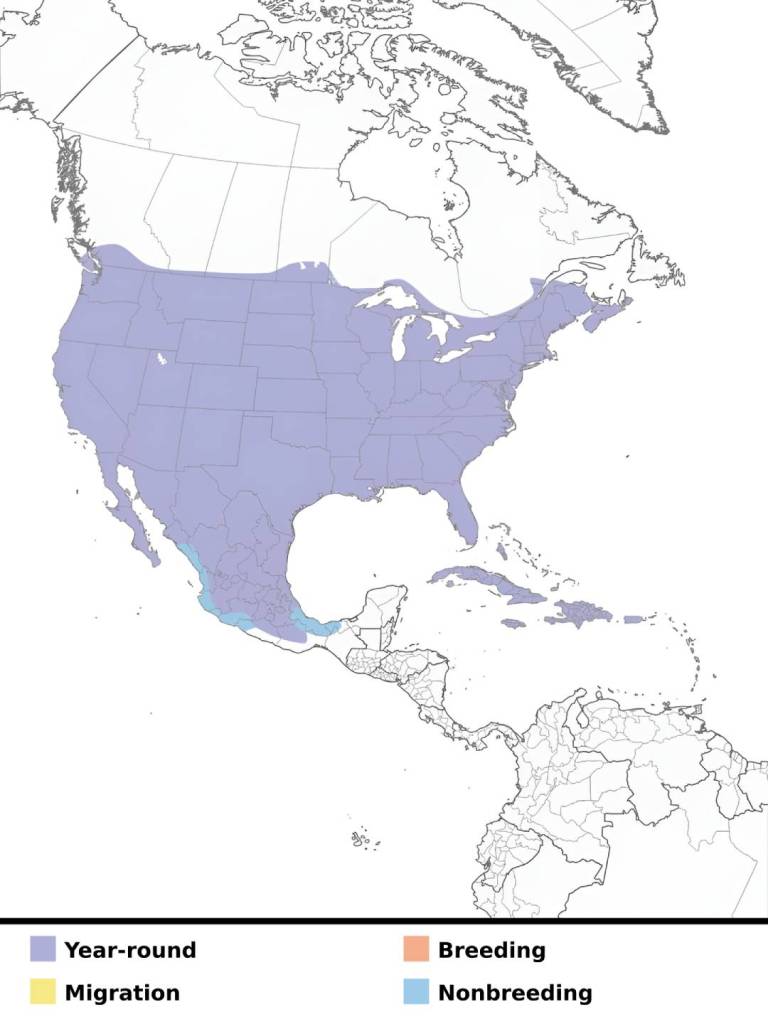
If you’re in North America, chances are good you’ve got Northern Mockingbirds nearby. Their range stretches across the southern half of the United States and into parts of Mexico, with some populations reaching up into southern Canada. They’re especially common in the Southeast and Southwest, where mild winters and open spaces suit them well.
Unlike many migratory birds, most mockingbirds stay put year-round. So if you’re wondering where do mockingbirds migrate, the answer is: they usually don’t. Some northern populations may shift slightly south in harsh winters, but overall, their winter range overlaps with their summer range. These birds are hardy and can adapt to cooler weather as long as food is available.
Their adaptability has helped them thrive in cities, suburbs, and farmlands—expanding their reach over the past century. If you’re looking at a mockingbird distribution map, you’ll see they’ve crept farther north than they used to, thanks in part to warmer temperatures and backyard habitats.
In terms of mockingbird range USA, they’re found from California to Florida, and as far north as New York or even southern Ontario during the warmer months. They tend to avoid deep forests or extremely cold regions, but anywhere with open ground, scattered trees, and a few shrubs is fair game.
So, whether you’re hiking a desert trail, strolling a city sidewalk, or just checking your garden, the Northern Mockingbird could be watching from a perch nearby—ready to sing, defend, or just show off.
How Big Is a Northern Mockingbird?
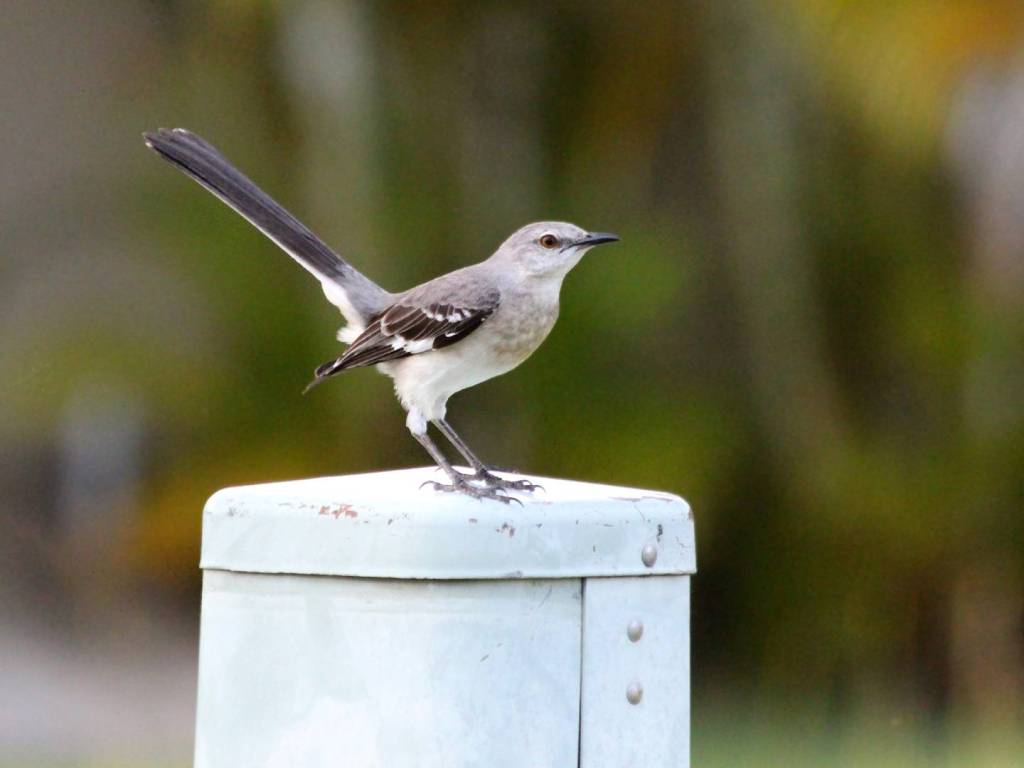
When it comes to size, the Northern Mockingbird lands right in the middle—not too big, not too small. If you’ve ever asked, “How big is a mockingbird?” or wanted to compare it to other common birds, think about a Robin. Mockingbirds are similar in length, though a tad thinner.
On average, the northern mockingbird size falls between 8.5 to 10 inches from beak to tail. Their wingspan ranges from about 12 to 14 inches, giving them excellent lift and maneuverability—important traits for chasing off intruders and darting after insects in mid-air.
In terms of weight, mockingbirds are fairly light, coming in at about 1.5 to 2 ounces. That may not sound like much, but it’s plenty for birds of their size class. If you’re curious about mockingbird height and weight, remember they’re lean and agile, built more for speed and control than brute force.
Compared to other birds, mockingbird vs other birds size puts them larger than a sparrow, smaller than a jay, and right around the size of a thrush. Their long tail makes them look bigger than they really are, especially when they’re flashing their white wing patches in a display or hopping dramatically along a branch.
Their build supports their bold personality—light enough to stay quick, big enough to be noticed, and flashy enough to draw attention. Whether they’re perched proudly or swooping down from above, the Northern Mockingbird always makes its presence known.
What Do Northern Mockingbirds Eat?
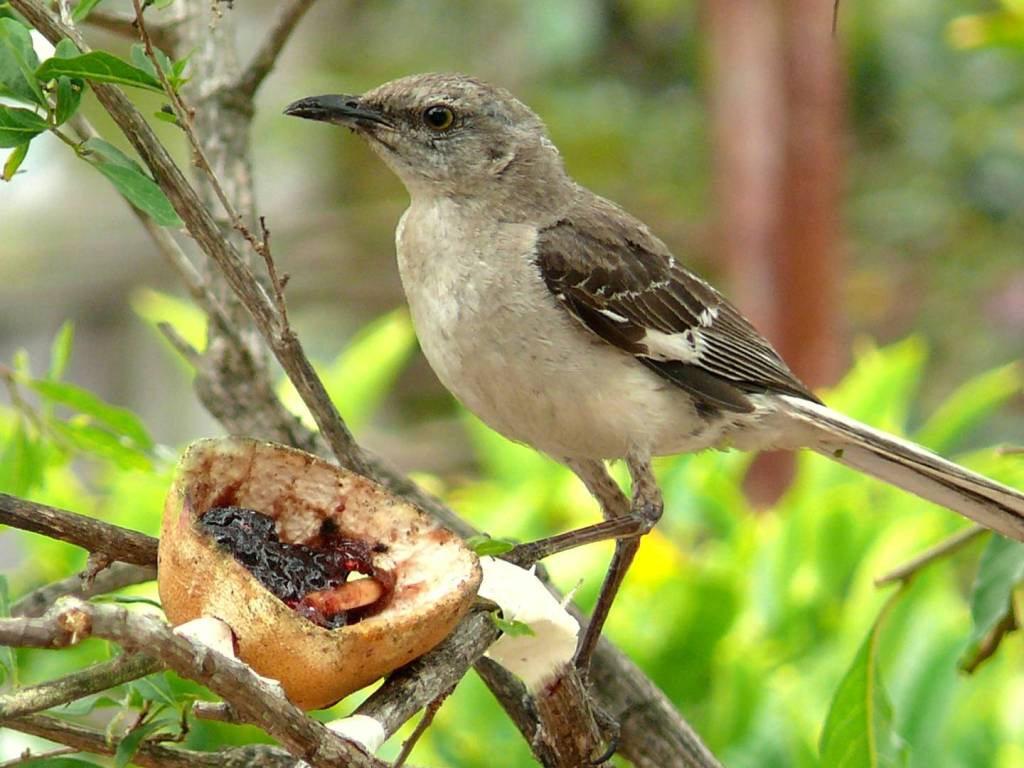
Let’s talk food—what’s on the menu for a Northern Mockingbird? Well, they’re not picky eaters. Their diet is what we call “omnivorous,” meaning they eat both plants and animals. If you’re wondering what mockingbirds eat, the short answer is insects, fruits, and whatever else they can find!
In spring and summer, insects make up the bulk of their meals. Beetles, ants, wasps, grasshoppers, and spiders are all fair game. You’ll often spot a mockingbird on the lawn, pausing, then lunging forward to snap up a bug. They’ve got excellent vision and quick reflexes, making them skilled insect hunters. So yes, the list of insects eaten by mockingbirds is both extensive and diverse.
As the seasons change, mockingbirds shift their diet toward fruit. Berries, especially from native shrubs like elderberry, holly, and pokeweed, become their go-to. If you’re interested in feeding mockingbirds, planting berry-producing shrubs is a great way to attract them to your yard. They’re less likely to visit seed feeders, but they will gladly snack on chopped fruit, raisins, or suet with berries mixed in.
Mockingbird food preferences can change throughout the year, depending on what’s available. Their flexible diet helps them survive in both wild and urban areas. In your own backyard, you might see one defending a fruiting bush from other birds or hovering briefly to grab a flying insect.
In short, these birds are opportunists. They’ll take advantage of whatever’s available—and make sure no one else gets first dibs.
Conclusion
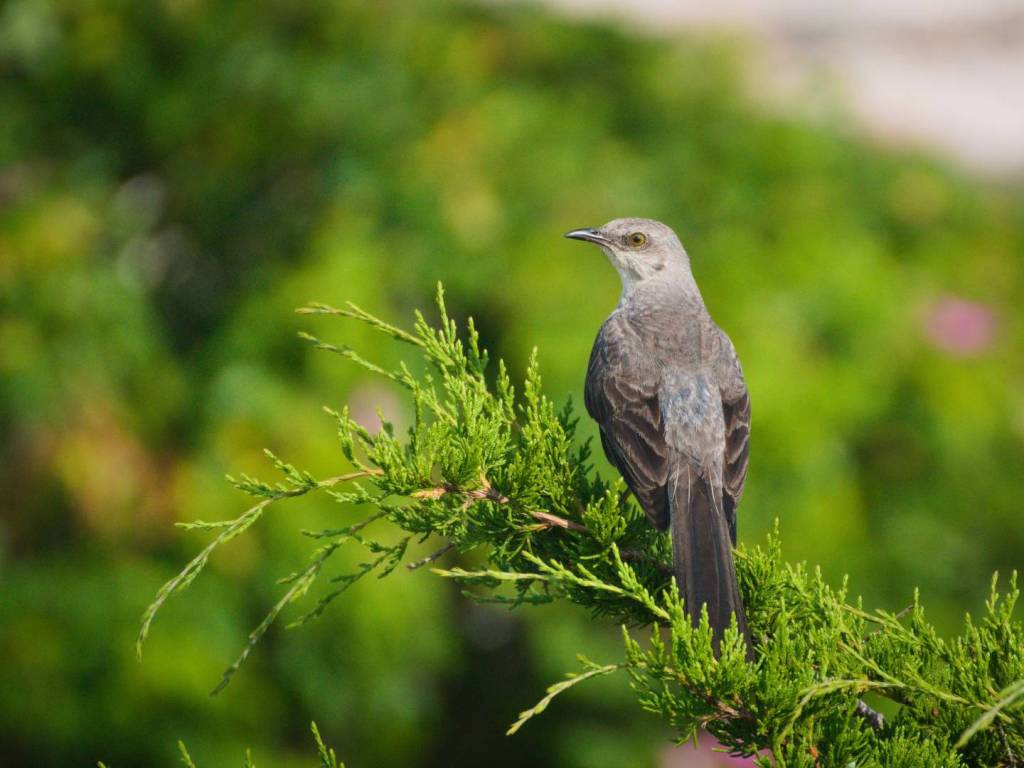
The Northern Mockingbird is a true standout—loud, proud, and full of personality. From their unmatched vocal skills to their bold territorial displays, they’re a familiar presence across much of North America. Whether you’re hearing their medley of calls, spotting them perched high on a fence post, or watching them chase off intruders, mockingbirds add life and energy to any landscape they call home. They thrive in backyards, parks, and open fields alike, adapting to changing seasons and surroundings with ease. If you’re lucky enough to share space with one, take a moment to appreciate the show—they never perform halfway. And now that you know more about their song, size, behavior, and diet, you’ll recognize that confident feathered neighbor for exactly who it is.


 Wing Watchers with Wagner
Leave a comment