
Introduction
If you’ve ever walked near a marsh, wetland, or open field and heard a loud, distinctive “conk-la-ree!”, chances are you’ve encountered a Red-winged Blackbird. These striking birds are among the most common and recognizable in North America, thanks to their bold markings and territorial behavior. Males are especially eye-catching, with their glossy black feathers and bright red and yellow epaulets—those shoulder patches they flash when defending their space.
But there’s more to these birds than just their flashy looks! They thrive in a variety of habitats, have fascinating migratory patterns, and play an important role in their ecosystems. Whether you’re hoping to spot one in the wild or attract them to your backyard, this guide will give you everything you need to know about Red-winged Blackbirds.
Let’s dive in!
What Does a Male Red-winged Blackbird Look Like?
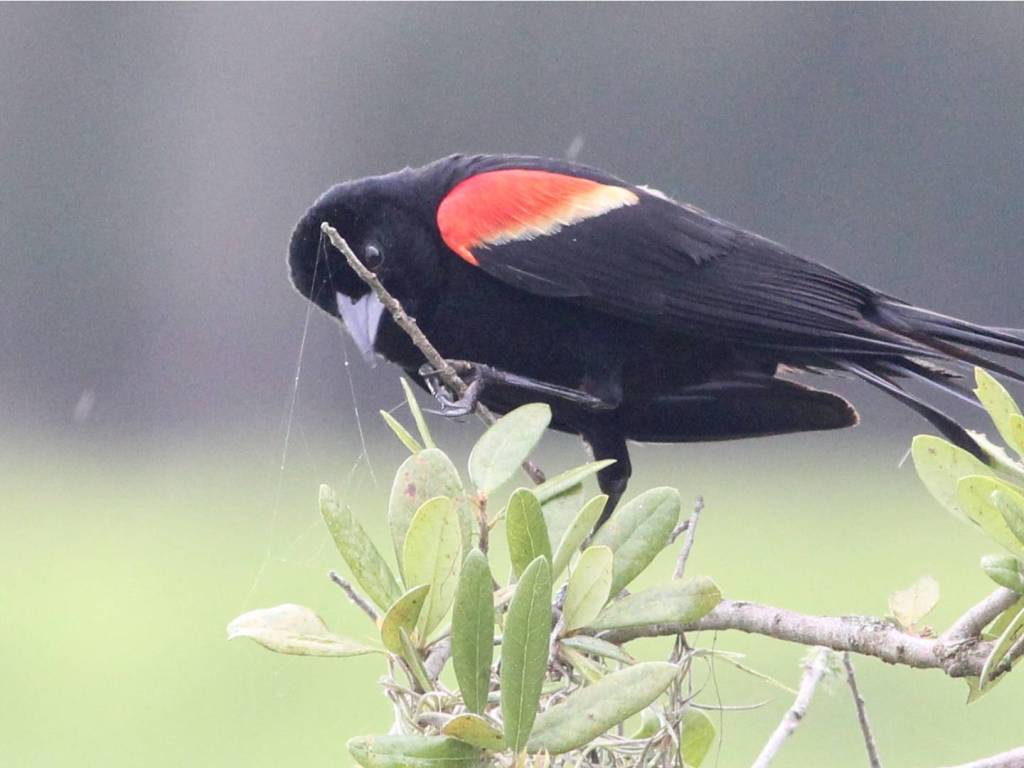
When it comes to easy-to-spot birds, the male Red-winged Blackbird stands out. His appearance is striking—his entire body is covered in sleek, jet-black feathers, giving him a bold, glossy look. But the real showstoppers are the bright red and yellow shoulder patches, called epaulets, that sit right on top of his wings. These markings are his signature feature, making identifying him a breeze, especially when he perches high on reeds or fence posts.
During the breeding season, males display their epaulets proudly, puffing up and flashing their red patches to intimidate rivals and attract females. The brighter and larger the red markings, the more dominant he appears to other males. However, when he’s not showing off, he can actually conceal the red portion of his epaulets by folding his wings slightly, making him look less aggressive.
In flight, the male Red-winged Blackbird’s appearance is just as distinctive. His broad, rounded wings beat steadily, and his long, pointed bill adds to his streamlined shape. While he may seem completely black from a distance, up close, you might notice a faint bluish or greenish sheen in his plumage under the sunlight.
Thanks to these identifying features, the male Red-winged Blackbird is an easily recognizable bird in North America. If you’re near a wetland or open field and spot a blackbird with bold red and yellow patches, you’ve found one!
Where Do Red-winged Blackbirds Live?
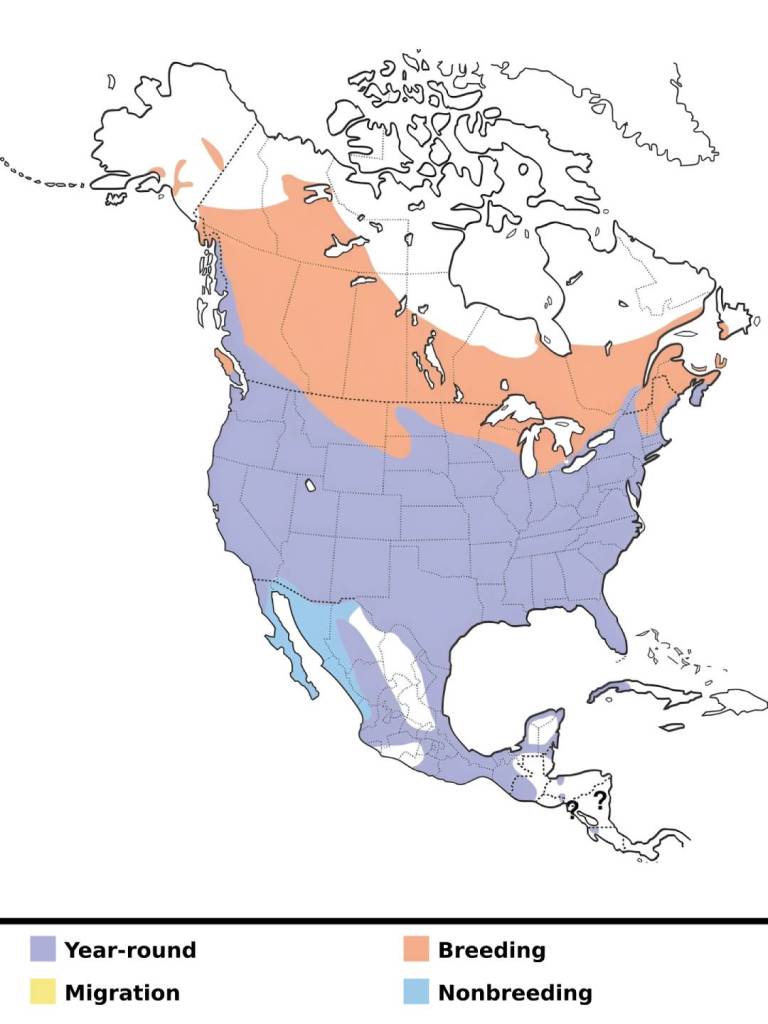
The Red-winged Blackbird’s habitat is one of the most diverse among North American birds. These adaptable birds can be found across nearly the entire continent, from Canada down to Central America. Their range stretches from coast to coast, with populations thriving in both rural and urban areas.
So, where do they prefer to live? Their ideal habitat is in marshes, wetlands, and open fields, where they can easily find food and safe nesting spots. They are especially fond of areas with cattails, sedges, and tall grasses, which provide perfect perches and cover for their nests. You’ll often see them perched on reeds or fence posts, calling loudly to defend their territory.
Despite their love for wetlands, Red-winged Blackbirds are highly adaptable and can also be found in pastures, grasslands, and even along roadsides. They can thrive in freshwater and saltwater marshes, making them one of the few bird species comfortable in a variety of environments. In winter, some populations move to agricultural fields, where they forage for leftover grains.
Their distribution shifts slightly with the seasons. While they are year-round residents in the southern U.S. and Mexico, those in the northern U.S. and Canada typically migrate south during the colder months. However, even in winter, you can still find them in large flocks near wetlands and farm fields.
No matter where you live, chances are there’s a Red-winged Blackbird habitat nearby!
What Do Red-winged Blackbirds Eat?
The Red-winged Blackbird’s diet is as varied as its habitat, making it a true omnivore. These birds eat whatever is most available throughout the year, switching between insects and plant-based foods depending on the season.
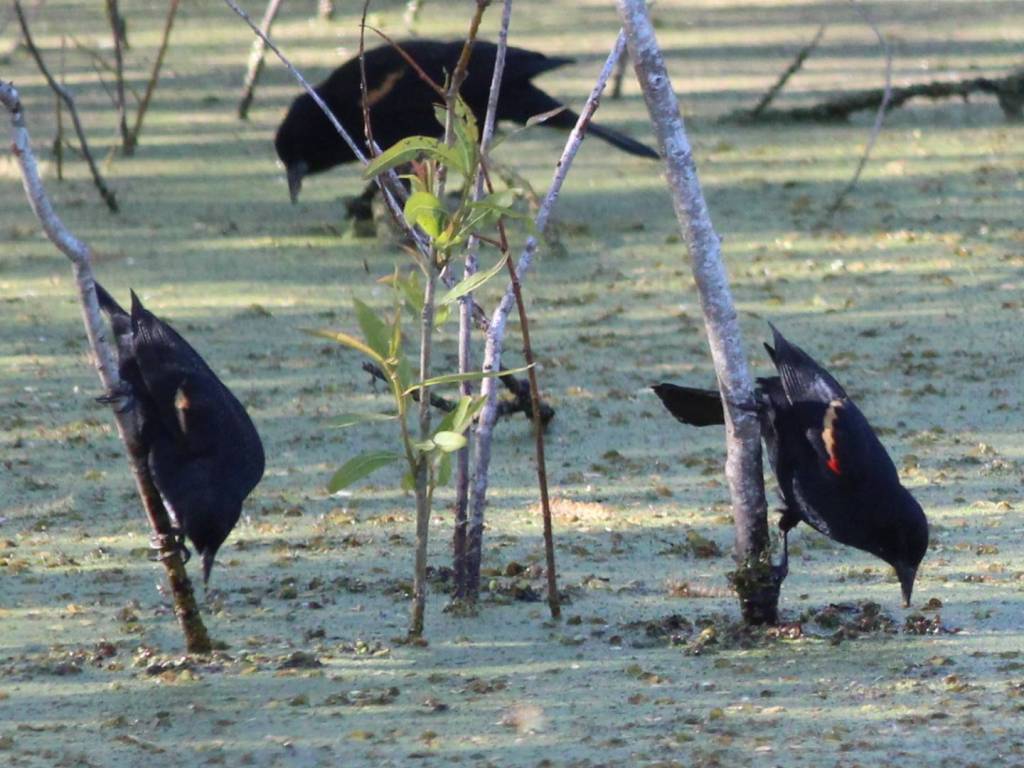
During the breeding season in spring and summer, Red-winged Blackbirds rely heavily on insects. Their diet includes beetles, dragonflies, grasshoppers, and even spiders. These protein-rich foods help them stay strong and provide essential nutrients for raising their young. You’ll often see them foraging on the ground, picking through grass or shallow water in search of small prey.
As summer turns to fall, their feeding habits shift. They begin to eat more seeds, grains, and berries, preparing for the colder months when insects are scarce. Corn, wheat, and sunflower seeds become key food sources, especially for flocks gathering in fields and wetlands.
If you want to attract these striking birds to your yard, consider setting up a bird feeder with the right mix of food. This high-quality birdfeeder is perfect for Red-winged Blackbirds, offering a blend of sunflower seeds, cracked corn, and millet—all of which they love! Placing your feeder near an open area or near water increases the chances of them stopping by.
Whether they’re hunting for insects in summer or flocking to fields for grains in winter, Red-winged Blackbirds’ feeding habits make them a fascinating species to observe year-round!
Do Red-winged Blackbirds Migrate?
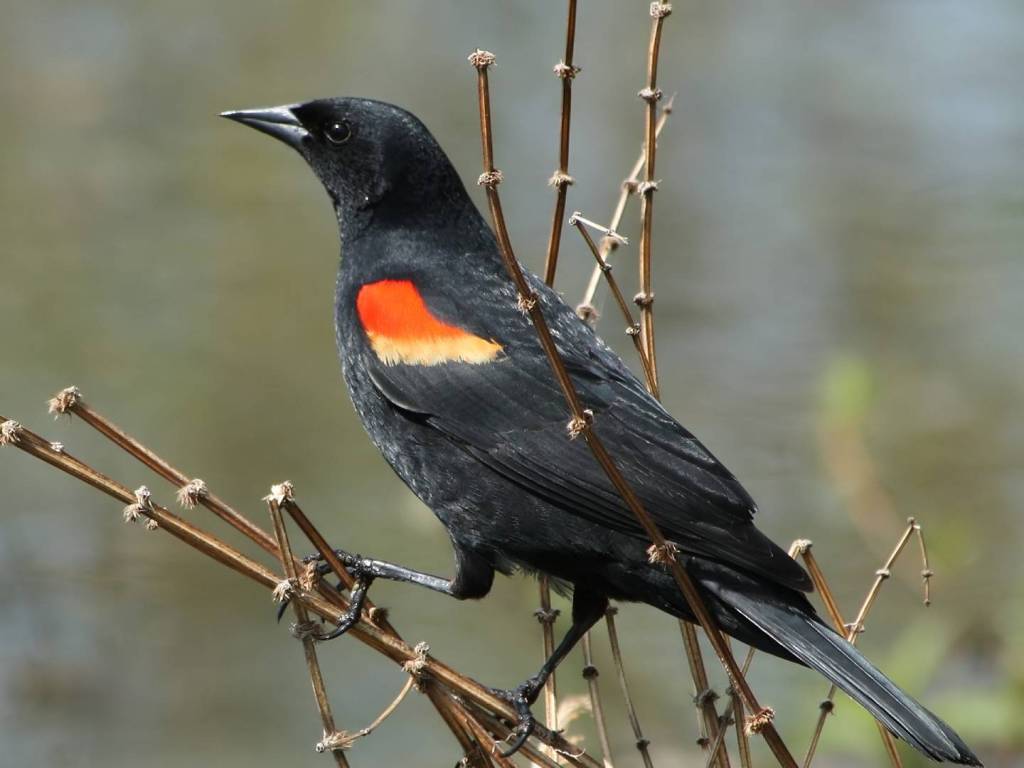
When the seasons change, so do the Red-winged Blackbird’s migration patterns. While some populations stay put year-round, others travel hundreds—or even thousands—of miles to find better food sources and warmer temperatures.
In northern regions like Canada and the northern United States, Red-winged Blackbirds are migratory. As fall approaches and insects become scarce, these birds begin their journey southward. They typically head to the southern U.S., Mexico, and even Central America, where food remains plentiful. These migrations usually begin in September and October, with birds returning to their breeding grounds as early as February or March.
However, not all Red-winged Blackbirds migrate. In milder climates, such as the southern U.S., many populations remain in place throughout the year. If winter temperatures are bearable and food sources like grains and seeds are available, some birds skip migration altogether.
During migration, Red-winged Blackbirds travel in massive flocks, often mixed with other blackbird species like grackles and cowbirds. These flocks can number in the tens of thousands, creating a breathtaking sight as they move across the sky at dawn or dusk.
If you live in a northern state and suddenly notice these birds disappearing, don’t worry—they’ll be back in spring! And if you live in a southern region, you might see their numbers increase during the winter months as migrants join the year-round residents.
Understanding Red-winged Blackbird migration patterns makes it even more exciting to watch for their arrival each year!
How Do Red-winged Blackbirds Build Their Nests?
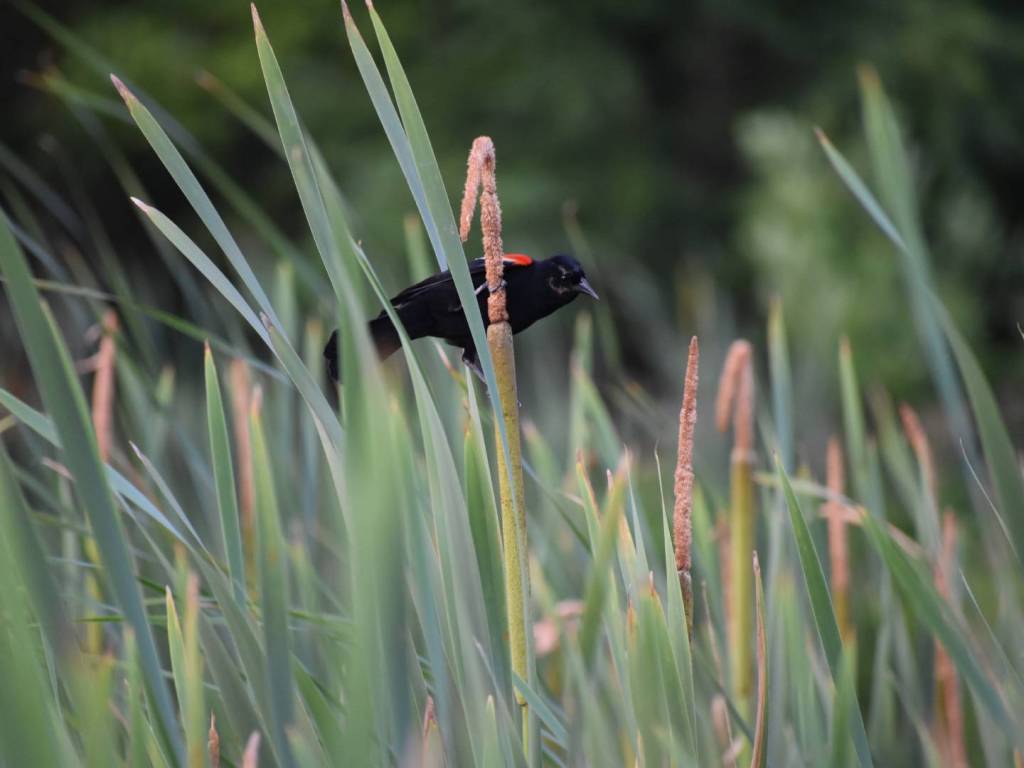
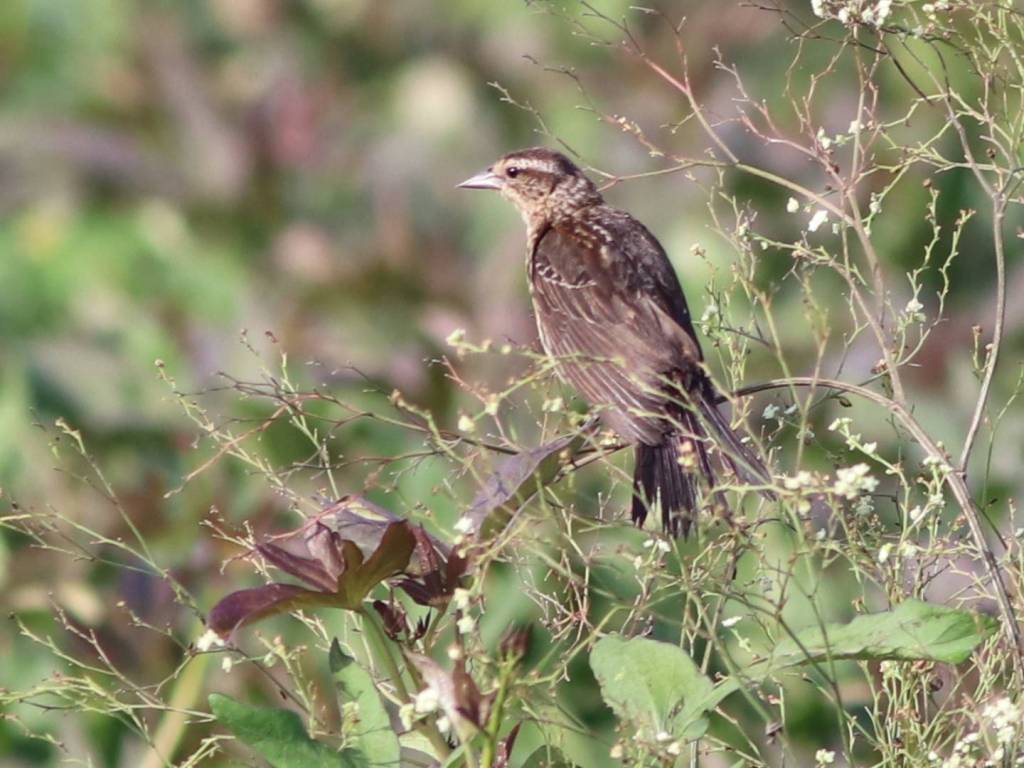
When it comes to Red-winged Blackbird nesting habits, females take the lead. While the males are busy defending their territory and showing off their red epaulets, the females are hard at work building the nest. Unlike their flashy counterparts, female Red-winged Blackbirds are brown and streaked, blending in perfectly with their surroundings to keep their nests hidden.
They prefer to nest in dense vegetation, often choosing cattails, sedges, or shrubs near water. This location provides safety from predators and easy access to food. The female weaves a cup-shaped nest using grasses, reeds, and wet leaves, securing it tightly to the surrounding plants. Once the base is formed, she lines the inside with softer materials like moss, fine grasses, and even animal hair to keep the eggs cushioned.
A typical clutch contains three to five pale blue-green eggs, often speckled with brown markings. The female incubates the eggs for about 11-12 days, rarely leaving the nest except to feed. Once the chicks hatch, they are vulnerable and rely entirely on their parents for warmth and food. Both parents help feed the chicks, bringing them a steady diet of insects to promote fast growth.
In just 10-14 days, the young are ready to leave the nest, though they’ll continue to rely on their parents for food for a little while longer. With their high reproductive success, Red-winged Blackbirds maintain strong populations across their range, making them a common yet fascinating species to observe during breeding season.
How Can I Attract Red-winged Blackbirds to My Backyard?
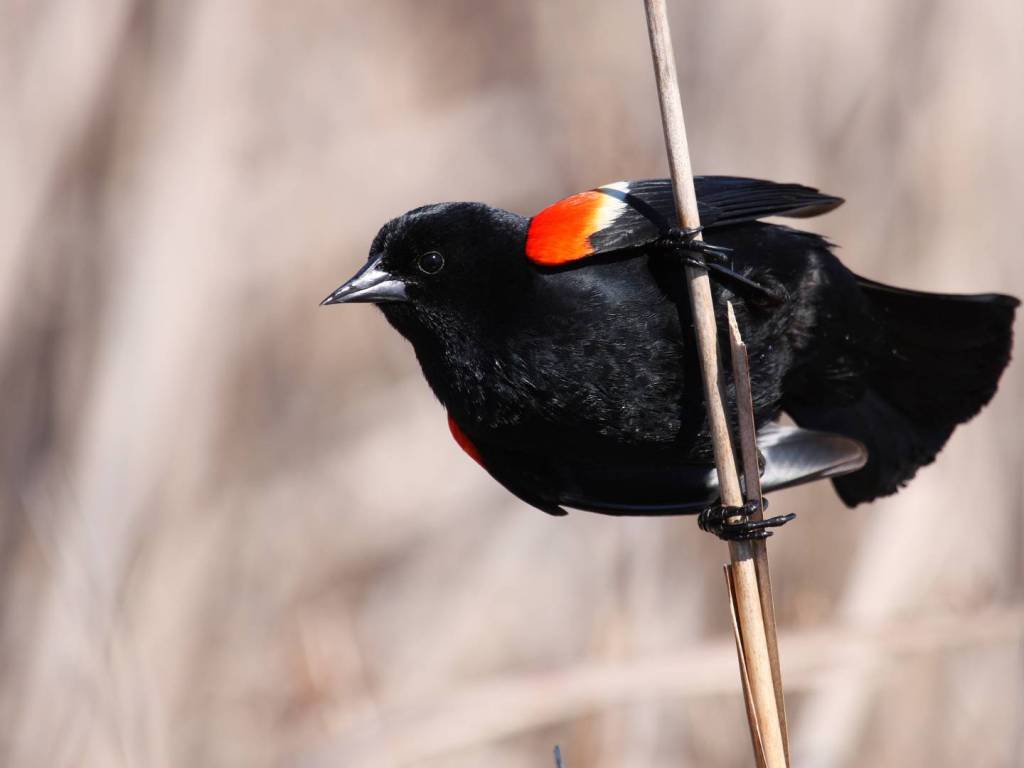
If you enjoy backyard birding, you might be wondering how to bring these bold and vocal birds closer to home. Attracting Red-winged Blackbirds is easier than you think, especially if you provide the right mix of food, habitat, and water.
The first step is offering the right food. Red-winged Blackbirds love sunflower seeds, cracked corn, millet, and suet, all of which can be served in our high-quality birdfeeder. Since they prefer open spaces, place your feeder in an area with a clear view, such as near a lawn or field. Ground feeders or large platform feeders work best since these birds are comfortable feeding on flat surfaces.
Providing fresh water is another great way to attract them. A simple birdbath or shallow water dish will encourage them to stop by, especially during dry seasons. If you live near a marsh or wetland, you may already see them regularly, but adding a water source can bring them even closer.
For long-term success, consider planting native vegetation. Tall grasses, shrubs, and wetland plants like cattails provide shelter and potential nesting spots. While Red-winged Blackbirds don’t typically nest in backyards, having the right habitat makes your yard more inviting for their visits.
Since these birds are social, you may see them arrive in small flocks, especially during migration. With the right setup, your backyard can become a regular stop for these striking birds!
Conclusion
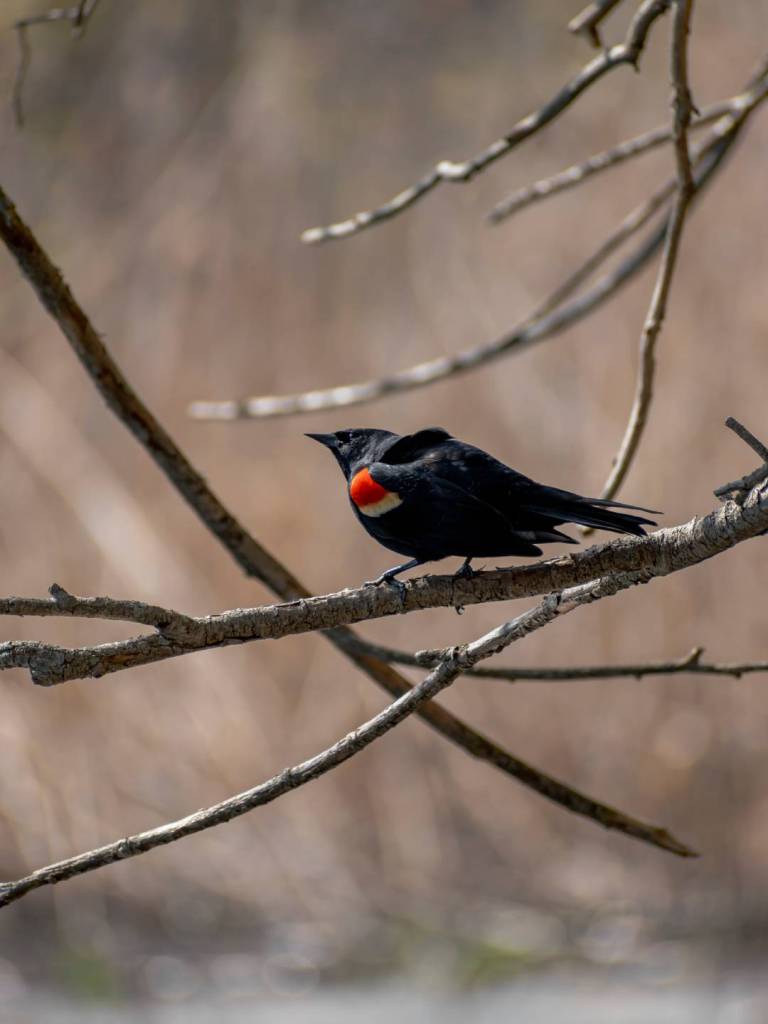
The Red-winged Blackbird is a remarkable species known for its striking appearance, widespread habitat, and fascinating behaviors. Whether you spot a male flashing his red and yellow epaulets, hear their unmistakable “conk-la-ree!” call, or see them traveling in massive migratory flocks, these birds are a delight to observe.
With their varied diet, adaptable nesting habits, and strong territorial nature, they play an essential role in their ecosystems. If you’d like to enjoy them up close, providing the right food and habitat can make your backyard an inviting stop during their travels. So next time you’re near a wetland or open field, keep an eye out for these bold birds—you’ll likely spot a Red-winged Blackbird nearby!


 Wing Watchers with Wagner
Leave a comment