
Introduction
Welcome, bird lovers! Today, we’re looking at a small yet fascinating finch—the Pine Siskin. If you’ve ever spotted a streaky little bird at your backyard feeder, especially during the colder months, you might have encountered this lively visitor. The Pine Siskin’s unpredictable movements and social nature are well known; it often appears in large flocks when food is abundant.
While they may resemble other finches, their subtle yet striking details make them stand out. From their streaky plumage to the flashes of yellow in their wings, these birds are a delight to observe. But what makes them so unique? Where do they live, and what do they eat? Let’s dive into the world of Pine Siskins and uncover the secrets of this energetic songbird!
What Does a Pine Siskin Look Like?
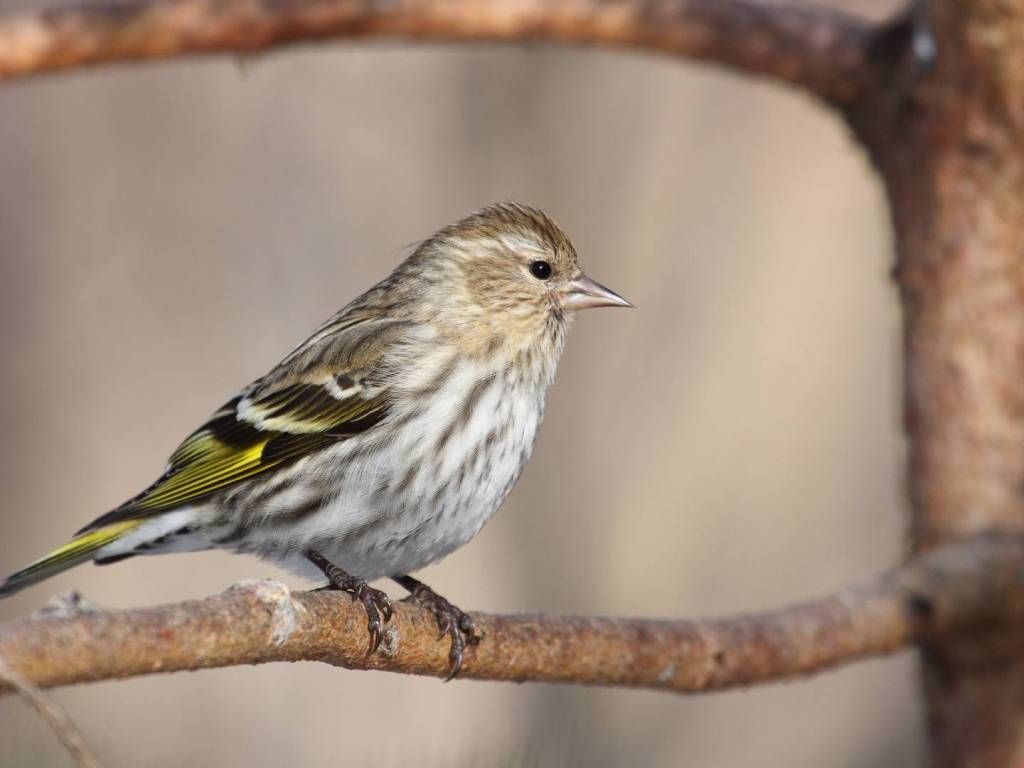
When it comes to Pine Siskin identification, details are key. At first glance, they might look like a typical sparrow, but a closer look reveals unique characteristics about their physical appearance. These small songbirds measure about 4.3 to 5.5 inches in length, with a wingspan of 7 to 9 inches—just the right size to flit about energetically in search of food.
Their most distinguishing feature is their heavily streaked brown and beige plumage. Unlike the bright reds or blues of some finches, Pine Siskins are more understated in color, blending well into their woodland habitats. However, when they take flight, you’ll notice bold yellow flashes on their wings and tail, which are a dead giveaway of their identity. Some individuals have more yellow than others, making each bird a little different.
Another notable trait is their sharp, pointed beak, which is longer and thinner than that of most finches. This shape helps them extract seeds from cones, a primary food source. Their small yet sturdy feet allow them to cling to branches and feeders with ease, often hanging upside down as they feed.
If you hear a constant “zzzeeet” sound or a series of buzzy, chattering notes, you may be in the presence of a Pine Siskin. Their calls are often the first clue to their presence, as they are quite vocal when foraging or flying in flocks.
Where Do Pine Siskins Live?

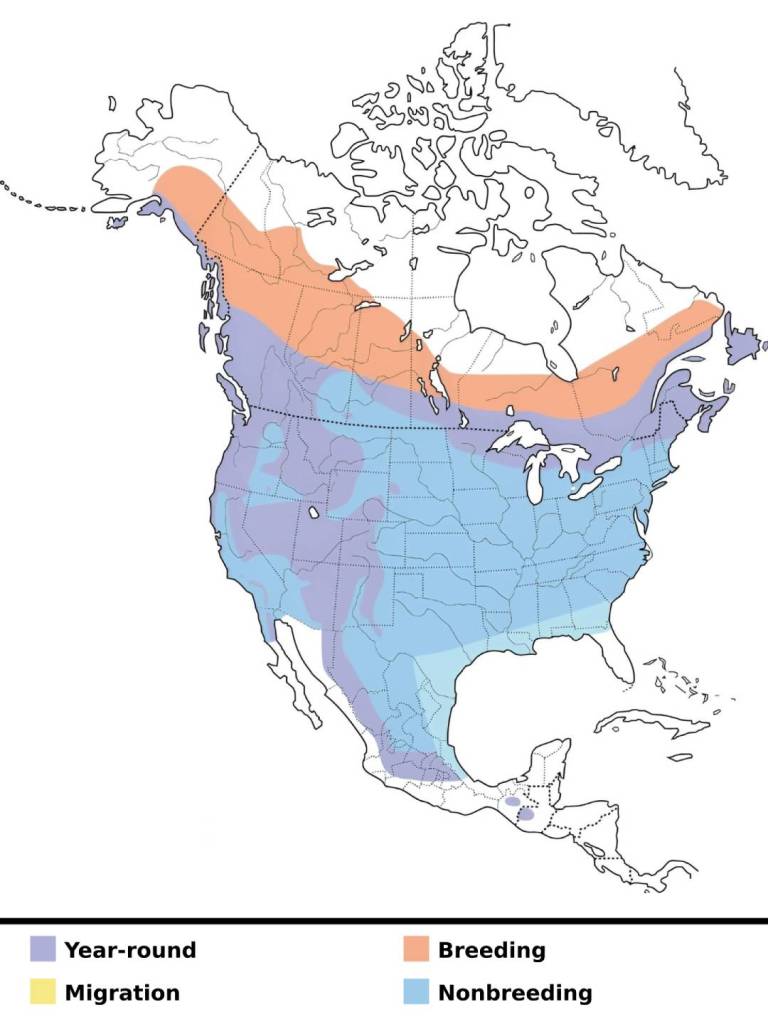
Pine Siskin habitats can vary. Their nomadic behavior makes them true wanderers of the bird world. They are primarily found across Canada, Alaska, and the northern and western United States, where they breed in coniferous and mixed forests. They have a strong preference for habitats filled with pine, spruce, and fir trees, which provide both shelter and food in the form of seeds.
However, Pine Siskins are not strictly bound to deep forests. They are known to visit parks, cemeteries, suburban woodlands, and even backyard feeders, especially during the colder months. They are adaptable and can thrive in a variety of environments as long as there is an adequate food supply.
One of the most fascinating aspects of Pine Siskin distribution is their unpredictable movement. Unlike many birds that migrate on a fixed schedule, Pine Siskins follow a more erratic pattern. In years when food sources in the north are scarce, they can be found in southern U.S. states, stretching as far as Mexico. These movements, called irruptions, bring large flocks of Siskins to areas where they may not normally be seen, delighting birdwatchers who get an unexpected visit.
If you live near forests, open woodlands, or even a well-stocked backyard feeder, there’s a chance you might spot Pine Siskins, particularly in winter. Keep an eye out for their streaky plumage and lively flocking behavior, and you may get to witness one of nature’s little surprises!
What Do Pine Siskins Eat?

A Pine Siskins diet consists primarily of seeds from coniferous trees, such as pines, spruces, cedars, and hemlocks. They are seed lovers through and through. Their slender, pointed beak is perfectly designed to extract tiny seeds from cones, making them well-adapted to life in forested areas. But they don’t stop there! These little finches also feed on the seeds of weeds, grasses, and deciduous trees, particularly alder and birch.
While seeds make up the bulk of their diet, Pine Siskins occasionally consume insects and spiders, especially during the breeding season. Protein-rich insects, such as aphids and caterpillars, provide essential nutrients for growing chicks. This seasonal shift in feeding habits helps ensure the young develop properly and have the energy they need to fledge successfully.
If you’re looking to attract Pine Siskins to your backyard, offer their food preferences. Small seeds like nyjer (thistle) and black oil sunflower seeds are your best bet. These tiny birds have a remarkable ability to cling to feeders, sometimes even feeding upside down as they peck at seeds. They are social eaters, so you’ll often see them in flocks, energetically competing for food.
During irruption years, when Pine Siskins move south in large numbers, they may become feeder regulars, consuming vast amounts of food. If you notice a swarm of them at your feeders, be sure to keep them stocked—they have big appetites for such tiny birds!
Do Pine Siskins Migrate?

Pine Siskins migration patterns are unpredictable. They are considered irruptive migrants, meaning that their movements are largely driven by food availability rather than seasonal changes. In some years, they remain in their northern breeding grounds, while in others, they move far south in large numbers.
This irruption behavior occurs when seed supplies are low in their usual range. When cone crops in Canada and the northern U.S. fail, Pine Siskins head south, sometimes in massive flocks, searching for food. These irruptions can bring them as far south as the central and southern United States and even into Mexico. Some years, they might be common visitors at backyard feeders, while other years, they are nowhere to be seen.
Even when they do migrate, Pine Siskins don’t follow a strict north-south route. Instead, their movements are scattered and unpredictable, making it difficult to track their exact patterns from year to year. This behavior makes them a fascinating subject for birdwatchers—one year, you may not see a single one, and the next, your feeders could be covered in them!
During migration, Pine Siskins often travel in flocks, staying together as they move through forests, open woodlands, and suburban areas. They are also known to join mixed flocks of other small finches, such as American Goldfinches, increasing their chances of finding food. So, if you see a group of finches at your feeder in winter, take a closer look—you might have some Pine Siskins among them!
How Do Pine Siskins Nest and Reproduce?

Pine Siskin nesting habits are closely tied to their environment, with a preference for coniferous forests where they can find dense foliage for shelter. Unlike some songbirds that nest in tree cavities, Pine Siskins build cup-shaped nests out on the ends of horizontal branches, often in spruce, fir, or pine trees. These nests are skillfully woven using twigs, grass, moss, and rootlets, then lined with soft materials like feathers, fur, and plant down for insulation.
During the breeding season, which typically occurs from March to July, male Pine Siskins engage in courtship behaviors to attract a mate. One common display is aerial chases, where the male flutters around the female while singing a high-pitched song. Males also feed females as part of the bonding process, reinforcing their pair’s connection before nesting begins.
Once the nest is built, the female lays a clutch of 3-4 pale greenish-blue eggs with brown speckles. She handles most of the incubation duties, keeping the eggs warm for about 13 days while the male brings her food. Once the chicks hatch, both parents share the responsibility of feeding them a mixture of partially digested seeds and insects. The young remain in the nest for about two weeks before fledging, though they continue to rely on their parents for food for some time.
Because Pine Siskins are opportunistic breeders, they may raise multiple broods in a season if food conditions are favorable. Their ability to adapt and reproduce in varying environments makes them a resilient and successful species.
How Can I Attract Pine Siskins to My Backyard?

If you’re interested in attracting Pine Siskins to your yard, the key is providing a reliable food source. These energetic finches are drawn to feeders stocked with small seeds, especially nyjer (thistle) and black oil sunflower seeds. Using feeders for Pine Siskins, such as tube feeders with small perches or mesh sock feeders, makes it easier for them to cling and feed comfortably.
Water is just as important as food! A birdbath—especially one with moving water—can make your yard even more inviting. Pine Siskins love to drink and bathe, so keeping fresh water available year-round will increase your chances of spotting them.
Another essential backyard birding tip is to keep feeders clean and dry. Pine Siskins are social birds and often visit in large flocks, particularly during irruption years. Because of their close contact with feeders, they can be vulnerable to disease outbreaks such as avian salmonellosis. Cleaning feeders regularly with a diluted bleach solution and removing any wet or moldy seeds will help keep them safe.
You can also make your yard more appealing by planting native trees and shrubs that produce seeds Pine Siskins love, such as alder, birch, and conifers. If you’re lucky, you may even get to watch them hang upside down while feeding—a signature Siskin move!
By following these backyard birding tips, you can turn your yard into a Pine Siskin haven, providing food, water, and shelter to these fascinating little birds.
Conclusion

Pine Siskins are fascinating little finches that bring energy and excitement wherever they go. Whether you’re spotting them deep in coniferous forests or enjoying their presence at your backyard feeder, these birds never fail to impress with their streaky plumage, yellow wing markings, and social nature. Their unpredictable migration patterns make them a thrilling find for birdwatchers, especially during irruption years when they suddenly appear in unexpected locations.
If you want to make your yard a welcoming space for these birds, remember the key strategies for attracting Pine Siskins. Providing feeders for Pine Siskins filled with nyjer and black oil sunflower seeds, keeping fresh water available, and regularly cleaning feeders will create a safe and inviting environment for these flocking finches.
Whether they are nesting high in pine trees, foraging for seeds and insects, or migrating in search of better food sources, Pine Siskins demonstrate remarkable adaptability and resilience. Keep your eyes open and your feeders full—you never know when a Pine Siskin flock will arrive in your area, bringing their delightful presence to your birdwatching adventures!


 Wing Watchers with Wagner
Leave a comment