
Introduction
Welcome, everyone! Today, we’re going to explore a small but fascinating bird that calls the oak woodlands of the western United States home—the Oak Titmouse. This unassuming little bird may not be the flashiest, but its quirky personality, energetic behavior, and distinctive calls make it a favorite among birdwatchers.
If you enjoy backyard birding or hiking through oak forests, you’ve likely encountered this bird flitting between branches or inspecting tree crevices for food. Unlike some birds with bold patterns, the Oak Titmouse has a more subtle beauty, blending into its surroundings with soft, earthy tones.
Throughout this talk, we’ll dive into how to identify an Oak Titmouse, where it lives, what it eats, its nesting habits, and even how to attract it to your backyard feeder. Let’s get started!
What Does the Oak Titmouse Look Like?
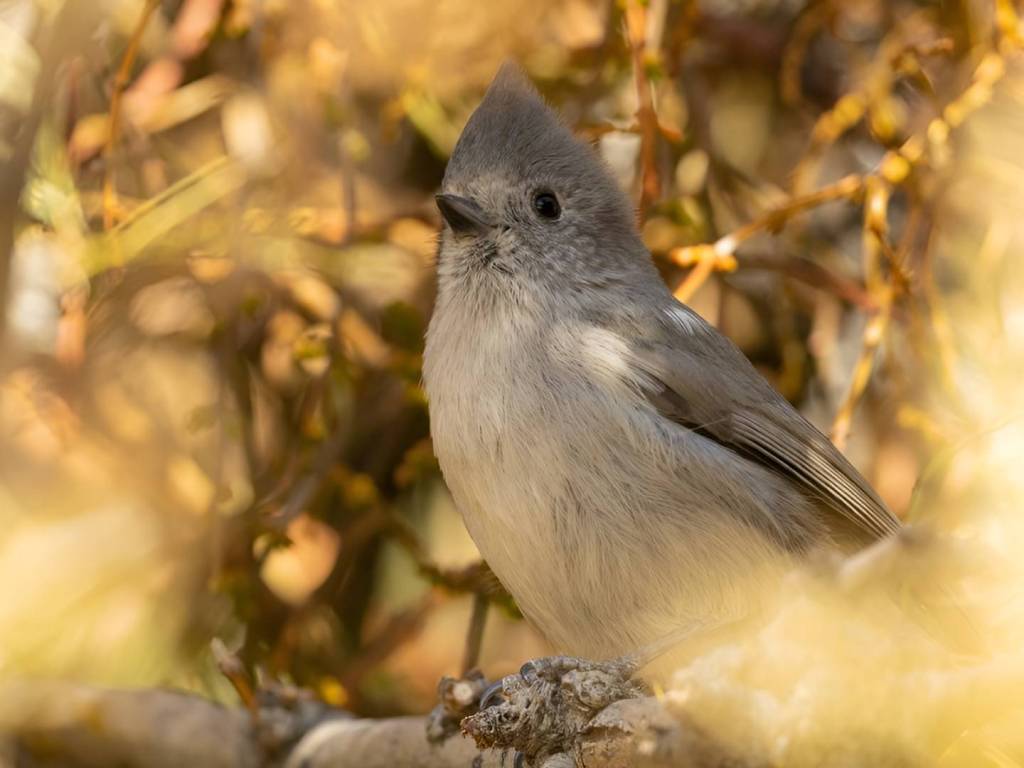
If you’re out birdwatching in oak woodlands and spot a small, active bird with a soft grayish-brown plumage, a plain face, and a distinctive crest on its head, chances are you’ve found an Oak Titmouse. Oak Titmouse identification is straightforward once you know what to look for. This bird measures about 5.5 inches long, with a wingspan of roughly 9 inches. Unlike more colorful songbirds, its muted tones help it blend seamlessly into its habitat, making it a bit tricky to spot at first.
One of its most distinguishing features is its small yet noticeable crest, which it can raise and lower depending on its mood. This gives it an expressive look, especially when it’s alert or excited. The Oak Titmouse’s physical appearance is quite similar to its close relative, the Juniper Titmouse, but there are subtle differences. While both share similar colors and shapes, the Oak Titmouse tends to have a slightly darker, warmer brownish-gray hue and is found in different geographic regions.
Compared to other small songbirds, the Oak Titmouse has a relatively plain face with dark, beady eyes and a short, pointed bill. Its underparts are a lighter gray, contrasting with its darker upper body. This distinguishing feature helps birdwatchers separate it from other small, nondescript birds.
Whether perched on a branch or busily foraging through the bark of oak trees, this little bird is a delightful find for any nature lover!
Where Does the Oak Titmouse Live?

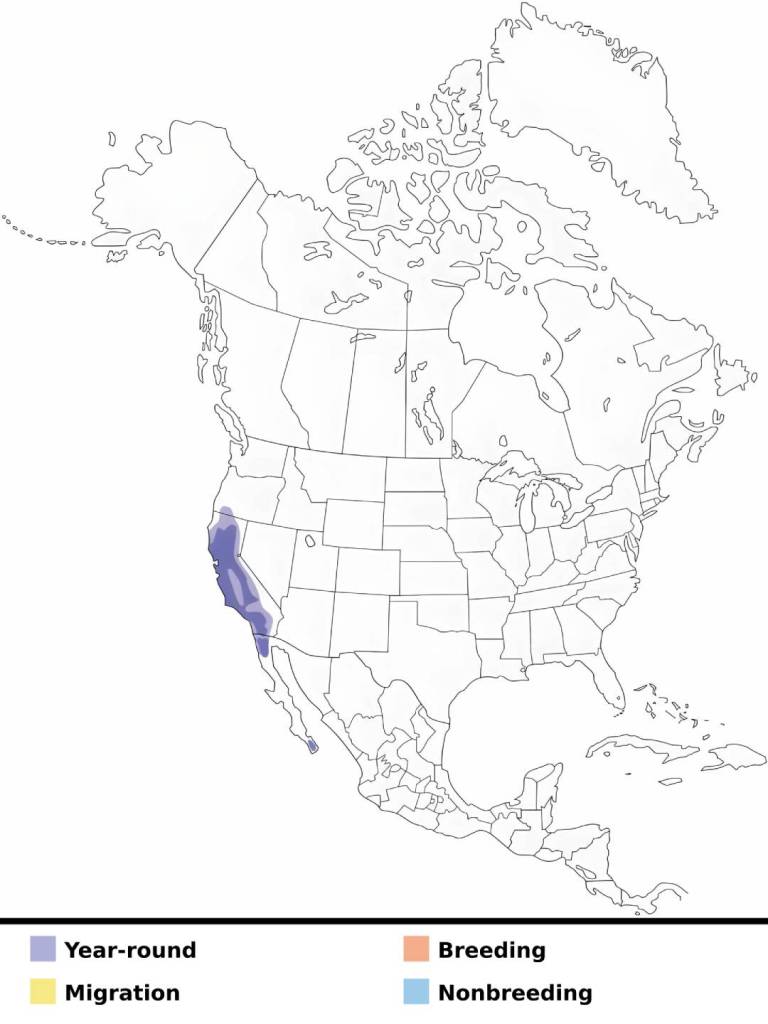
The Oak Titmouse habitat is as specific as its name suggests—this bird thrives in oak woodlands and mixed oak-pine forests. If you’re hoping to spot one, head to the warm, dry regions of the western United States, where these birds make their homes year-round. Their range and distribution extend from southern Oregon through California and into Baja California, meaning they are a strictly West Coast species. Unlike migratory birds, the Oak Titmouse stays put throughout the year, relying on the oak-rich habitats that provide food and shelter.
This bird prefers areas with scattered trees and open spaces rather than dense forests. They often choose mature oak trees as their primary home, but they can also be found in oak-pine woodlands, scrublands, and even suburban neighborhoods with plenty of tree cover. Their strong preference for oak trees is due to the rich supply of acorns and insects, both of which make up an important part of their diet.
If you’re birdwatching in California’s Central Valley, coastal foothills, or the dry woodlands of the Sierra Nevada, keep an ear out for their calls. You may spot one flitting from tree to tree, inspecting bark crevices for food, or calling loudly to defend its territory. Their limited range and habitat preference make them a unique bird to observe, especially since their presence often indicates a healthy, well-preserved oak ecosystem.
What Does the Oak Titmouse Eat?
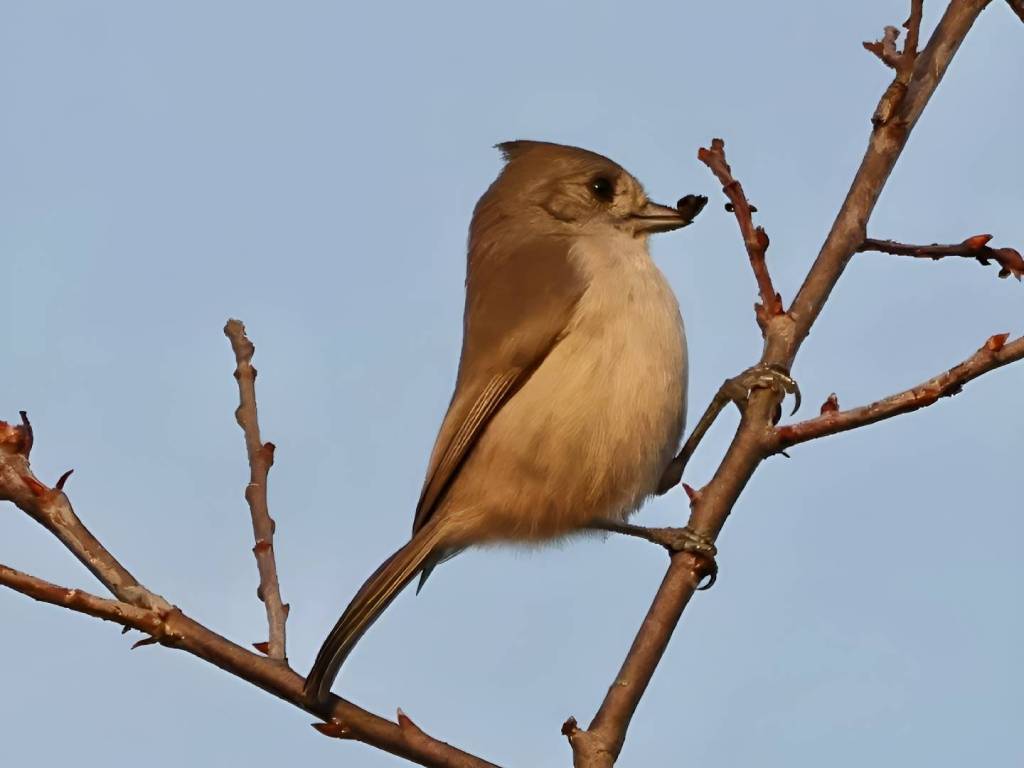
The Oak Titmouse diet is as diverse as its feeding habits, making this little bird a true opportunist when it comes to finding food. As an omnivore, it enjoys a mix of insects, seeds, and plant materials, ensuring a steady food supply throughout the year.
During the warmer months, the Oak Titmouse primarily feeds on insects, including caterpillars, beetles, ants, and spiders. These protein-rich meals provide the energy needed for nesting and raising young. You’ll often see them foraging along tree branches, carefully inspecting bark crevices for hidden prey. They use their small but sturdy beaks to pick insects from leaves or pry them from beneath the bark.
In the fall and winter, their diet shifts to include acorns and seeds, particularly those from oak trees, which are a key component of their food preferences. Like many birds in oak woodlands, the Oak Titmouse will cache food, tucking away seeds and acorns in crevices for later consumption. This feeding habit helps them survive when insects are scarce. They are also known to eat berries and small fruits, further diversifying their diet.
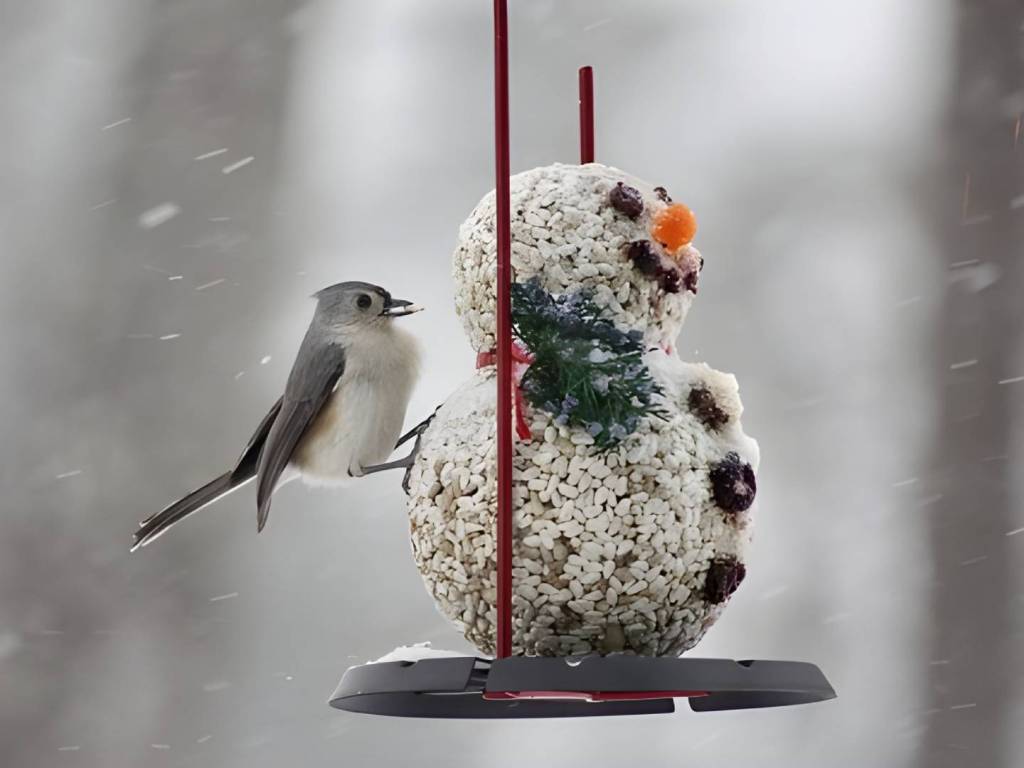
These adaptable feeding habits make the Oak Titmouse a frequent visitor to backyard feeders. They are particularly attracted to sunflower seeds, suet, and peanuts, making them an excellent species to encourage in your garden. If you provide a steady food source, you may even spot them visiting regularly, especially in the colder months.
How Does the Oak Titmouse Nest and Reproduce?
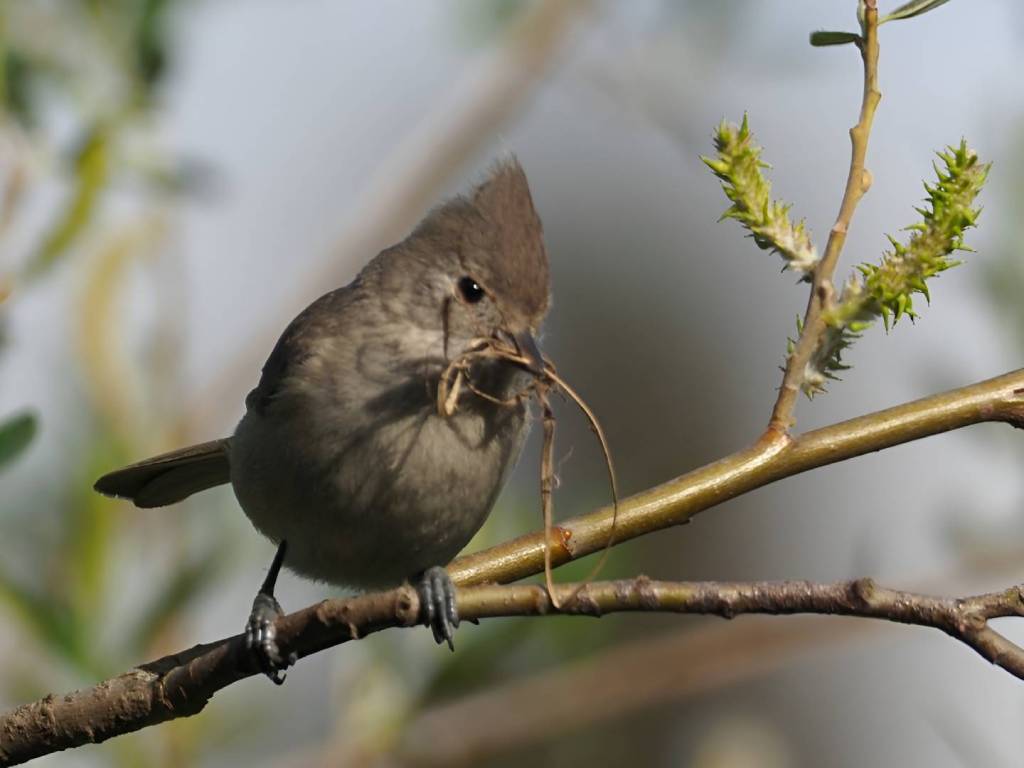
The Oak Titmouse nesting habits are fascinating, as these birds rely heavily on natural cavities for raising their young. Unlike some species that build intricate nests in tree branches, Oak Titmice prefer existing holes in oak trees, old woodpecker cavities, or even nest boxes when available. Their strong preference for enclosed spaces offers protection from predators and harsh weather conditions.
The breeding season for the Oak Titmouse typically begins in early spring, peaking between March and May. During this time, pairs establish and defend nesting territories, often remaining together year-round. Once a suitable nesting site is found, the female lines the cavity with soft materials such as feathers, fur, and moss to create a cozy space for her eggs.
A typical clutch size consists of 5 to 7 eggs, which the female incubates for about 14 to 16 days while the male brings her food. Once the eggs hatch, the vulnerable chicks are entirely dependent on their parents for warmth and food. Both parents share the responsibility of feeding the nestlings a diet rich in insects to ensure rapid growth.
After about 16 to 21 days, the young Oak Titmice fledge, leaving the nest to explore their surroundings. Even after fledging, they may continue to follow their parents, learning essential survival skills like foraging and predator avoidance.
By providing nest boxes in your backyard, you can encourage Oak Titmice reproduction and enjoy watching their nesting cycle up close!
What Are the Vocalizations and Sounds of the Oak Titmouse?
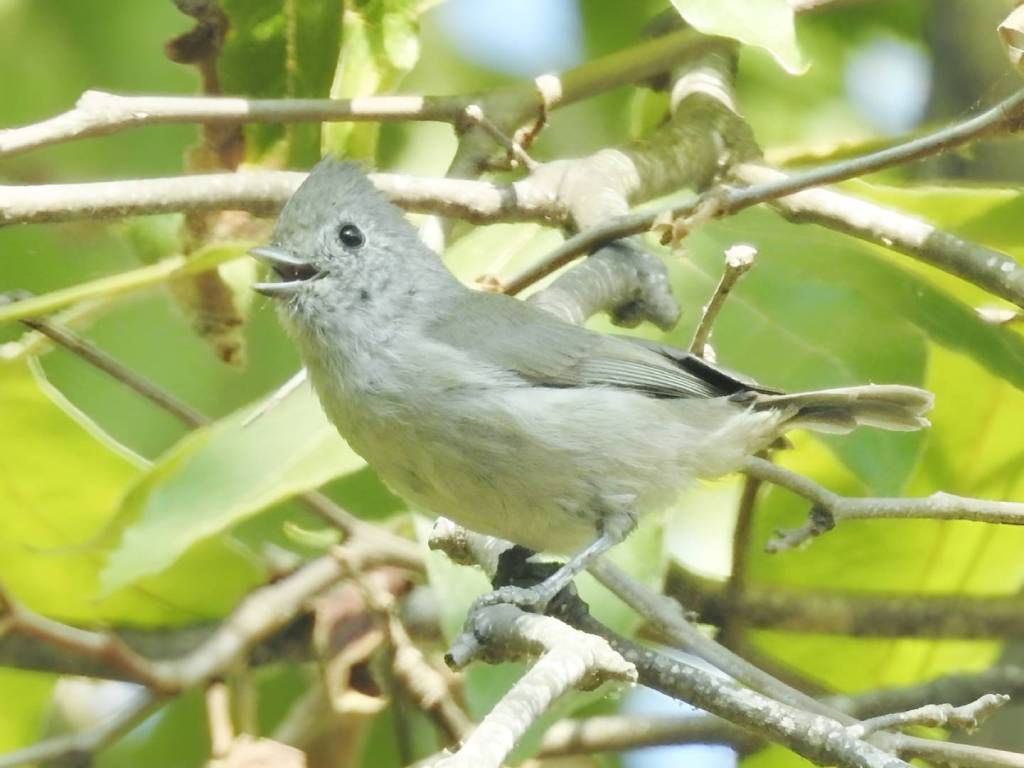
The Oak Titmouse’s calls and songs are some of the best ways to identify this small bird, even if you don’t see it right away. Known for its vocal behavior, the Oak Titmouse has a variety of sounds that it uses to communicate with its mate, defend its territory, and alert others to danger.
One of its most distinctive vocalizations is a fast, repetitive “peter peter peter” song, which is often heard during the breeding season. This sharp, clear song helps males establish their territory and attract a mate. Their song is simple but loud, carrying well through their woodland habitat.
Aside from its song, the Oak Titmouse produces an array of calls used in different situations. When alarmed or disturbed, it lets out a series of harsh, raspy notes, warning others of potential threats. This vocal behavior is especially noticeable when predators, such as hawks or snakes, are nearby.
They also have softer, chattering calls that they use for communicating with their mate or flock members. These quiet, almost conversational sounds can often be heard when pairs forage together. Since Oak Titmice tend to stay in the same territory year-round, their vocalizations are a key part of their social interactions.
If you’re birdwatching in oak woodlands, listen carefully for their “peter peter peter” song or their quick, scolding calls. Learning their sounds is a great way to locate these active little birds, even when they’re hidden among the trees!
What is the Best Bird Feeder for Attracting Oak Titmice?

If you want to enjoy watching Oak Titmice up close, setting up the right bird feeder in your backyard is the best way to attract them. These energetic little birds are frequent feeder visitors, especially in the colder months when natural food sources become scarce.
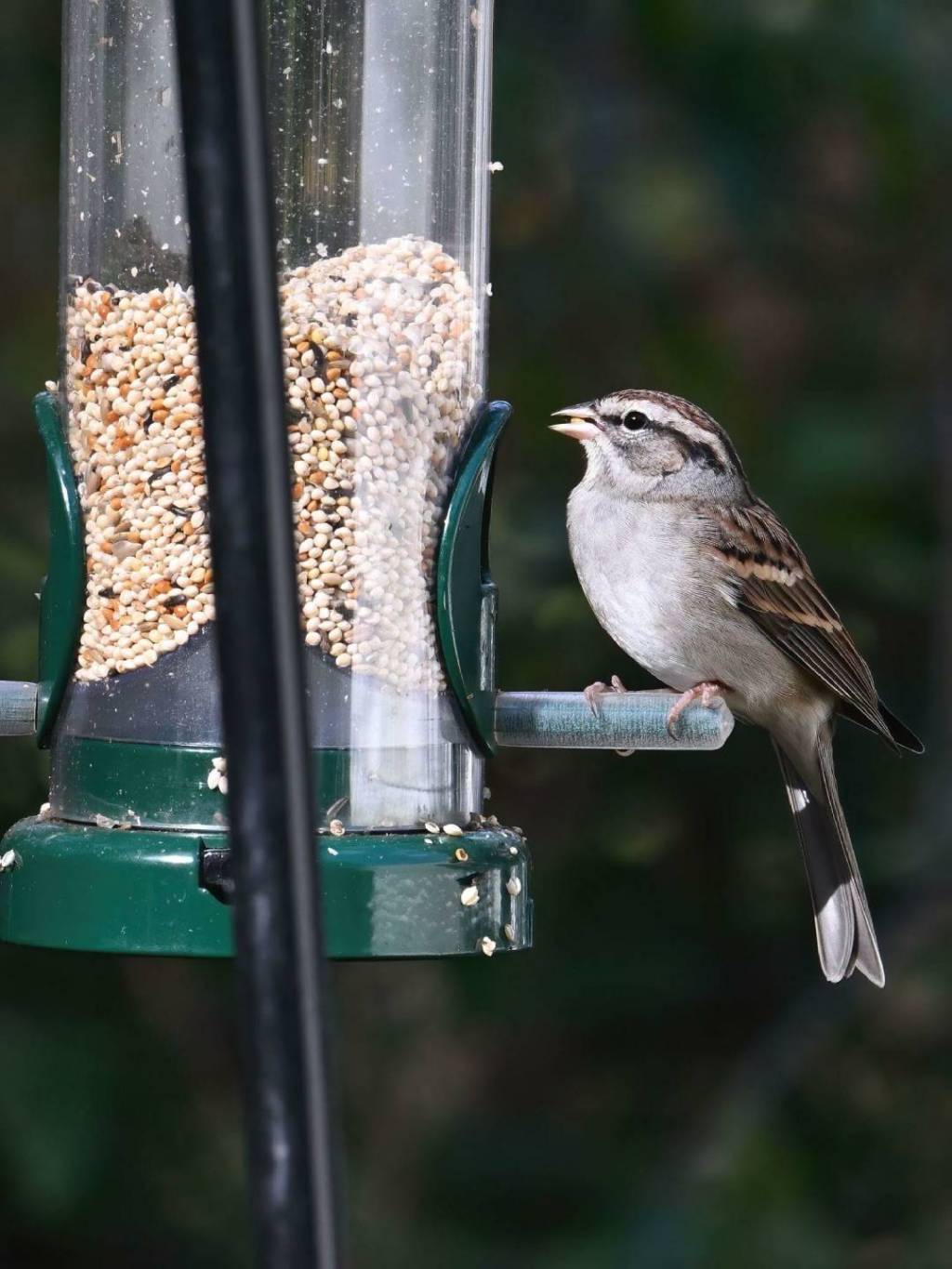
The best bird feeder for small birds like the Oak Titmouse is a tube feeder or a hopper feeder with small perches, which provide a comfortable way for them to cling while feeding. This hopper feeder is especially effective and perfectly holds the high-protein seeds that Oak Titmice love. Suet feeders are another excellent choice, as these birds enjoy the high-fat content, particularly in winter.
If you’re looking to attract more Oak Titmice to your yard, consider using our hopper feeder stocked with sunflower seeds or shelled peanuts, or opt for a suet feeder with mealworm suet. These birds are known to grab seeds and fly to a nearby branch to eat them, returning repeatedly for more. Providing a variety of food sources increases your chances of seeing them regularly.
Placement is key! Position your bird feeder near oak trees or dense foliage where Oak Titmice feel safe. Since they are cautious birds, placing feeders away from high-traffic areas will encourage more visits.
With the right setup, your backyard can become a hotspot for these lively little birds. Watching Oak Titmice flit between branches and feeders is a rewarding experience for any bird lover!
Conclusion
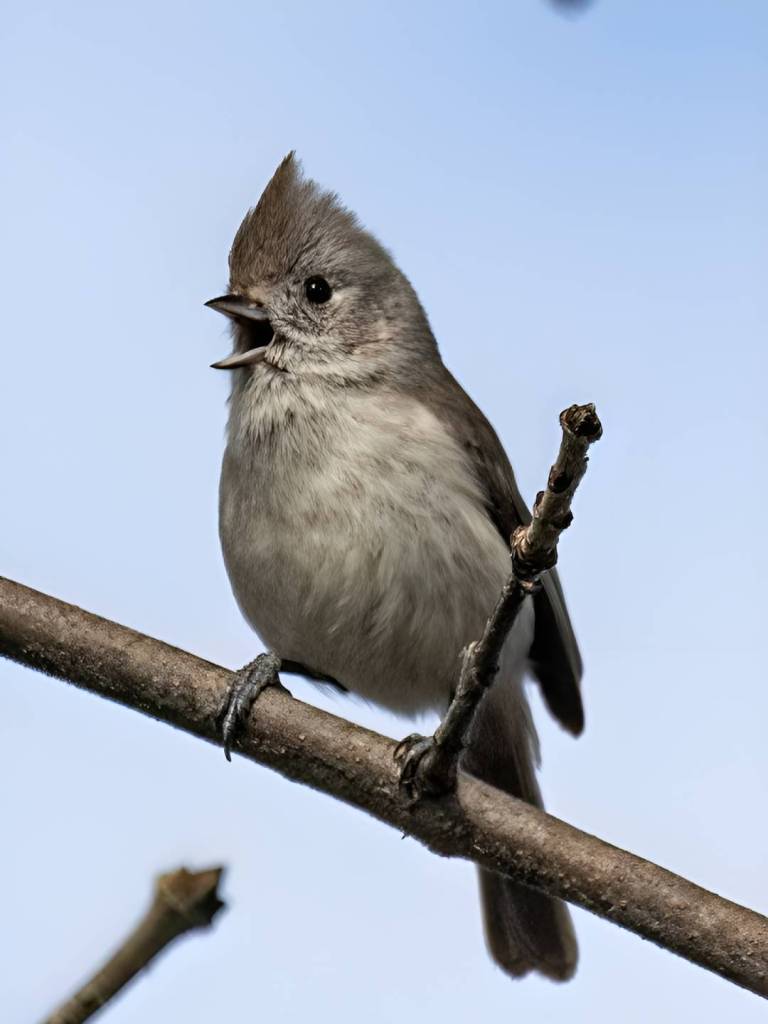
The Oak Titmouse may not be the flashiest bird, but its energetic nature, distinctive vocalizations, and fascinating nesting habits make it a joy to observe. Whether flitting through oak woodlands, caching acorns, or visiting your bird feeder, this little bird plays an important role in its ecosystem. Its preference for oak habitats highlights the need for conservation efforts to protect these woodlands.
By learning about its physical appearance, range, diet, and nesting behaviors, you can better appreciate this remarkable species. Providing the right bird feeder, such as a tube feeder or suet feeder, will encourage these birds to visit your yard regularly. Next time you hear a sharp “peter peter peter” call, take a closer look—you might just spot an Oak Titmouse in action!


 Wing Watchers with Wagner
Leave a comment