
Introduction
If you’ve ever wandered through a mountain forest in the western United States or Canada, you may have heard the raspy “chick-a-dee-dee” call of a Mountain Chickadee. These small, lively songbirds are part of the chickadee family but stand out with their bold white eyebrow stripe. Unlike their close relative, the Black-capped Chickadee, Mountain Chickadees prefer high-elevation coniferous forests, where they flit between branches searching for insects and seeds.
In this guide, we’ll dive into everything you need to know about these charming little birds. We’ll cover how to identify them, where they live, what they eat, how they nest, and how they survive the harsh winter months. Plus, we’ll share tips on attracting them to your backyard. Let’s get started!
What Does a Mountain Chickadee Look Like?
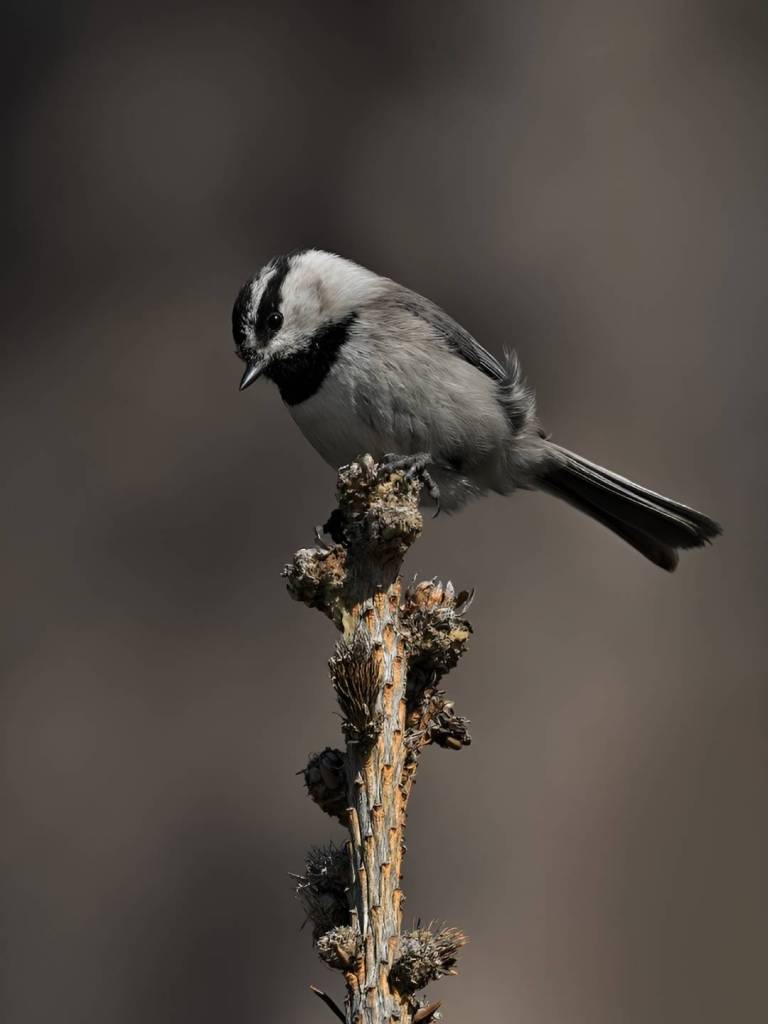
If you’re trying to master Mountain Chickadee identification, the first thing to look for is their distinguishing features—especially the white eyebrow stripe. This key trait separates them from their close cousin, the Black-capped Chickadee, which lacks the stripe.
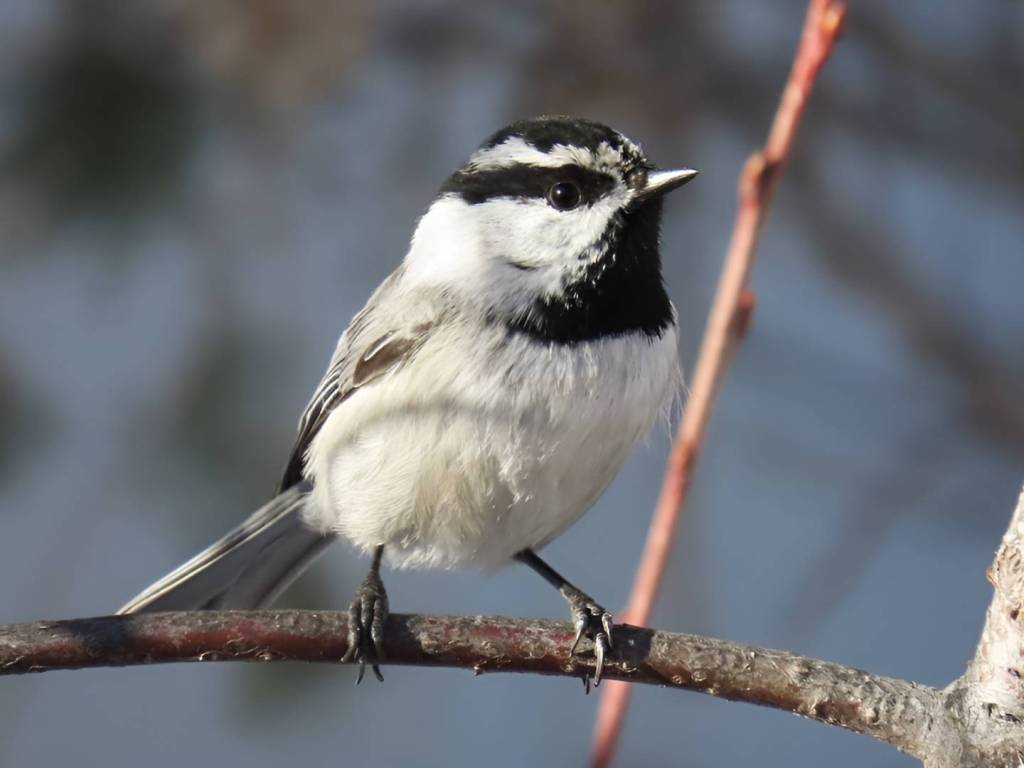
In terms of physical appearance, Mountain Chickadees are small songbirds, measuring about 4.5 to 5 inches long with a 7 to 8-inch wingspan. They have a black cap and throat, a white cheek patch, and grayish wings and back. Their belly is a soft gray-white, sometimes with a faint buff tint. Unlike some bird species, males and females have similar physical appearances, meaning there is no sexual dimorphism—you can’t tell them apart just by looking!
Mountain Chickadees are active and agile, often hanging upside down as they forage. Their sharp beaks help them pick insects from tree bark and crack open seeds. Their distinguishing features, especially the white eyebrow stripe, make them stand out in their high-altitude coniferous habitats. Compared to the Black-capped Chickadee, they have a raspier call and slightly darker backs.
These little birds are easy to recognize once you know what to look for. With their small size, bold markings, and distinctive behaviors, they are one of the most charming songbirds in the western mountain forests.
Where Can Mountain Chickadees Be Found?
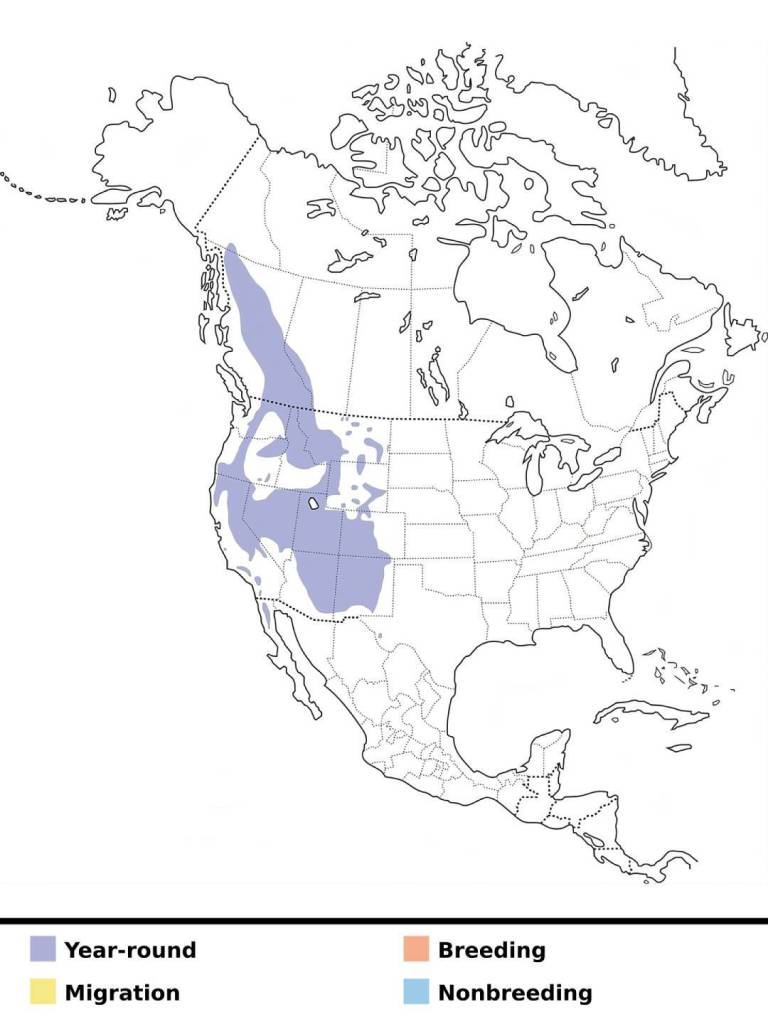
If you want to spot a Mountain Chickadee, you’ll need to head to the right habitat. These little birds prefer coniferous forests in mountainous regions across the western United States and Canada. Their range stretches from the southern Yukon in Canada down through the Rocky Mountains, the Sierra Nevada, and into parts of Mexico.
Unlike some birds that migrate long distances, Mountain Chickadees are mostly year-round residents. Even when temperatures drop, they tough it out in their chilly, high-altitude homes. They thrive in pine, fir, and spruce forests, often between 3,000 and 10,000 feet in elevation. Some of their favorite spots include the Sierra Nevada, the Cascades, the Rockies, and the Great Basin region.
Though they don’t migrate in the traditional sense, some individuals may move to lower elevations during especially harsh winters. However, for the most part, they stick to their preferred Mountain Chickadee habitat all year long. Their ability to endure cold temperatures makes them one of the hardiest songbirds in the western mountains.
If you’re hiking or skiing in a high-altitude forest, keep an ear out for their raspy “chick-a-dee-dee” call. They often travel in small flocks, hopping between trees as they search for food. Whether you’re in the Rockies or the Sierra Nevada, chances are, you’ll find these tiny, tough birds flitting through the evergreens.
What Do Mountain Chickadees Eat?
The Mountain Chickadee diet is surprisingly varied for such a small bird. These energetic foragers are omnivores, meaning they eat both plant and animal matter. Their food preferences change with the seasons, allowing them to adapt to their mountain environment.
During the warmer months, Mountain Chickadees rely heavily on insects. Their feeding habits involve hopping along branches, picking up caterpillars, beetles, spiders, and other small bugs from bark and foliage. These protein-rich meals help fuel their high metabolism.
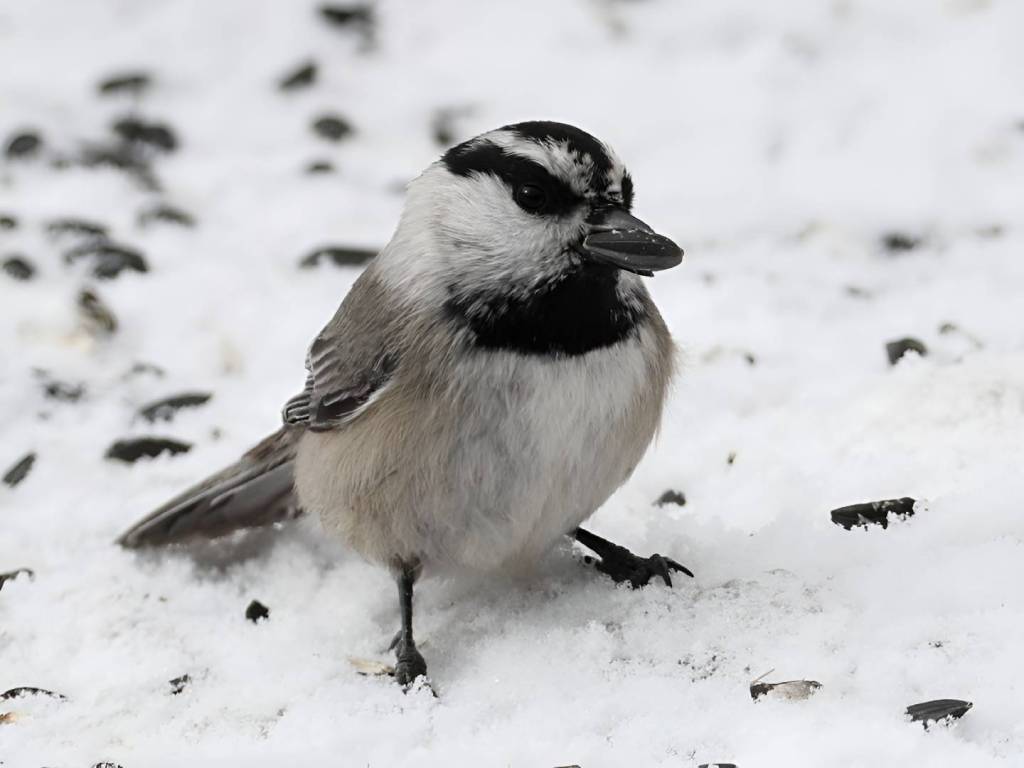
As winter sets in, insects become scarce, so their diet shifts to seeds—especially conifer seeds from pine, fir, and spruce trees. They also eat nuts, berries, and even the occasional bit of suet if they visit backyard feeders.
One of their most fascinating feeding habits is food caching. Mountain Chickadees collect seeds and hide them in bark crevices, under leaves, or in tree holes. They have an amazing memory, allowing them to relocate these hidden snacks even months later! This adaptation helps them survive when food is scarce.
Their food preferences also make them frequent visitors at bird feeders, especially those stocked with black oil sunflower seeds, suet, or peanuts. Whether plucking insects from branches or storing seeds for later, these resourceful little birds are always thinking ahead when it comes to food.
How Do Mountain Chickadees Nest and Reproduce?
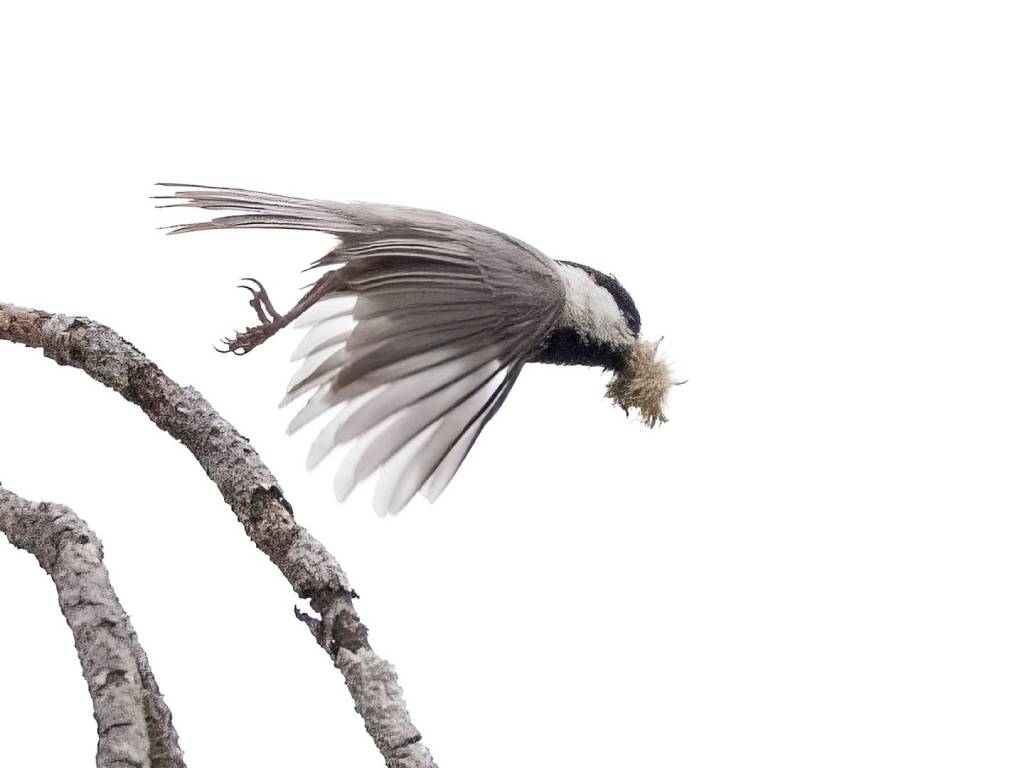
When it comes to nesting habits, Mountain Chickadees are cavity nesters, meaning they prefer to build their homes in tree holes. They often choose natural cavities in aspen or conifer trees, but they aren’t afraid to get creative. If they can’t find a suitable hole, they may use an abandoned woodpecker nest—or even carve out a soft, rotting tree themselves! They’ll also readily use nest boxes, making them great candidates for backyard birdhouses.
Their breeding behavior kicks into gear in the spring, usually between April and June. After pairing up, the female selects a nesting site and lines it with soft materials like moss, animal fur, and feathers to keep her eggs warm. She lays a clutch of 5 to 9 eggs, which are tiny, white, and speckled with reddish-brown spots.
During incubation, which lasts about two weeks, the female stays on the eggs while the male brings her food. Once the chicks hatch, they are vulnerable and completely dependent on their parents. Both parents work tirelessly to feed them a steady diet of insects and seeds.
After 16 to 21 days, the young Mountain Chickadees fledge, leaving the nest but staying close as they learn how to forage. Even after they gain independence, some may stick around in small family groups, helping each other survive in their challenging mountain habitat.
How Do Mountain Chickadees Survive Harsh Winters?
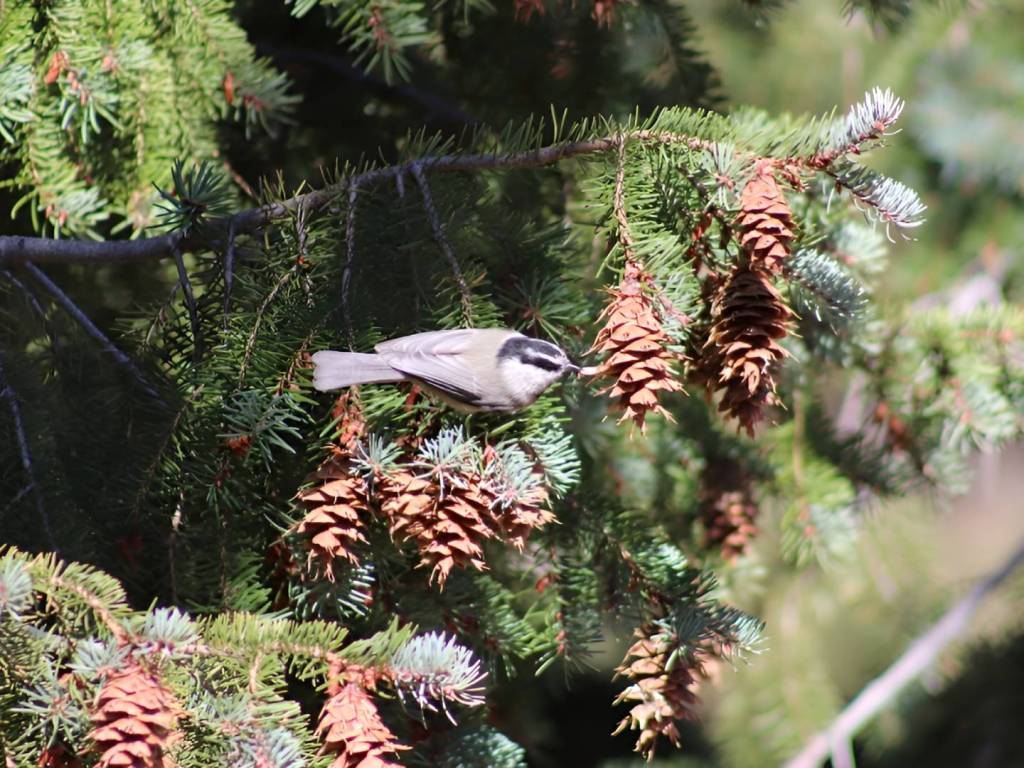
Surviving a mountain winter is no small feat, but Mountain Chickadees are built for it. Their cold weather adaptations help them thrive in freezing temperatures where other birds might struggle.
One of their most impressive winter survival strategies is food caching. As early as fall, these clever birds begin stashing away seeds and insects in bark crevices, under leaves, and even in the ground. Thanks to their sharp memory, they can recall thousands of hidden food locations, ensuring they always have a meal when snow covers the landscape.
Their behavior also changes in winter. While some birds migrate to avoid the cold, Mountain Chickadees stay put, toughing it out with their flock. They fluff up their feathers to create insulation, trapping warm air close to their bodies. This puffed-up look makes them appear rounder than usual, but it’s an essential way to stay warm.
To generate extra heat, they use shivering, a trick that burns energy but helps maintain their body temperature. At night, they find sheltered spots in tree cavities or dense foliage to stay out of the wind.
Even in the harshest conditions, these tiny birds are active, constantly moving through the trees in search of food. Their combination of food caching, social behavior, and cold weather adaptations makes them one of the hardiest birds in high-altitude forests.
How Can I Attract Mountain Chickadees to My Backyard?

If you love watching birds, you’ll be happy to know that attracting Mountain Chickadees to your yard is possible—even if you don’t live in the mountains! With the right setup, these energetic little birds will happily visit your feeders and even nest nearby.
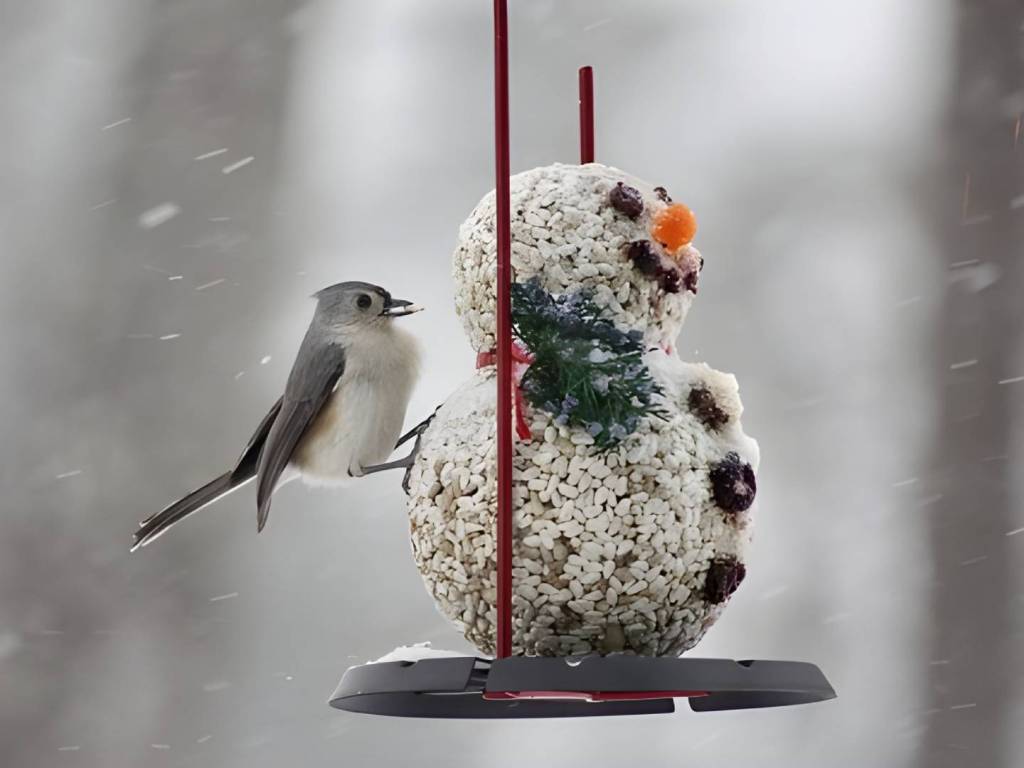
One of the best backyard birding tips is to offer the right food. Feeders for chickadees should be stocked with black oil sunflower seeds, suet, and peanut butter. These high-energy foods help them survive the winter and keep them coming back. A hopper feeder, such as this one, suet cages, and even simple tray feeders all work well.
Nest boxes are another great way to encourage them to stay. Since Mountain Chickadees are cavity nesters, a properly placed birdhouse—about 6 to 15 feet high—can become their home. Just be sure to use a box with a 1 1/8-inch entrance hole to keep out larger birds.
Beyond food and housing, a bird-friendly yard should include native plants, especially conifers like pine and fir. These trees provide natural food sources, shelter, and safe places to roost. A freshwater source, like a heated birdbath in winter, is also a major plus.
With the right mix of feeders, nest boxes, and natural habitat, you can enjoy the company of Mountain Chickadees all year long. Their acrobatic antics and friendly personalities make them a joy to watch right outside your window!
Conclusion
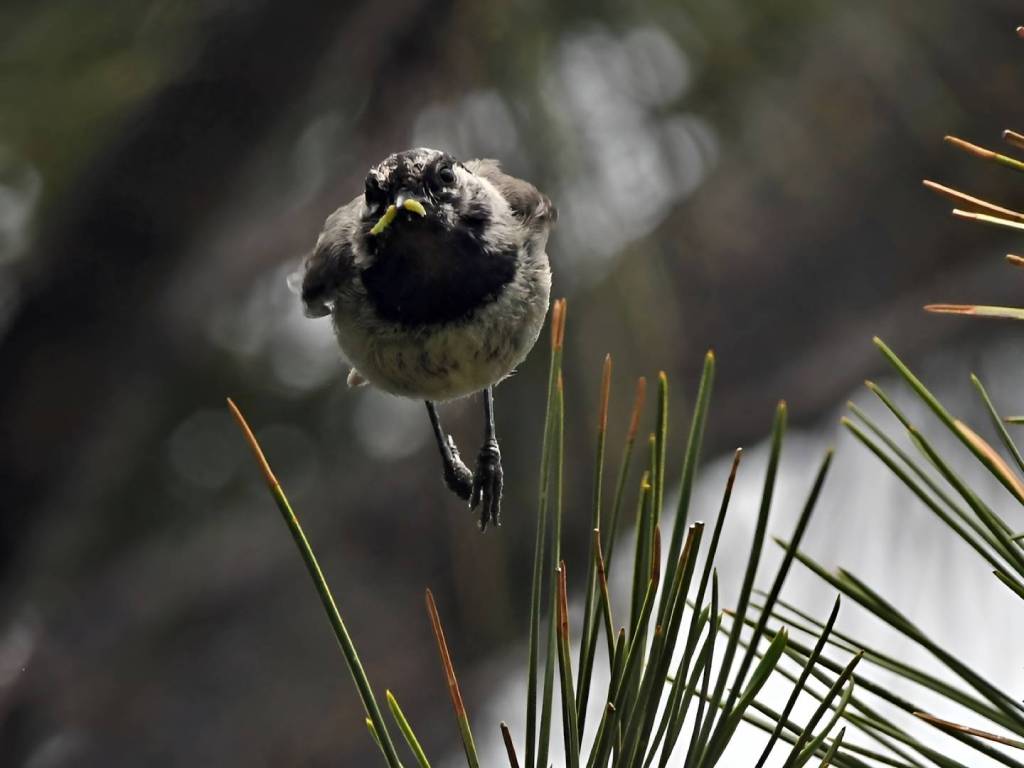
The Mountain Chickadee may be small, but it’s one of the toughest birds in the western mountains. With its distinctive white eyebrow stripe, bold personality, and resourceful survival strategies, this tiny songbird is a favorite among birdwatchers. Whether hanging upside down to grab an insect, stashing seeds for the winter, or toughing out freezing temperatures, it’s always on the move.
These birds are right at home in high-altitude coniferous forests, but they’ll happily visit bird feeders stocked with black oil sunflower seeds, suet, and peanut butter. If you provide a nest box, you might even get a family of Mountain Chickadees in your backyard! Next time you’re in the mountains, keep an ear out for their raspy “chick-a-dee-dee” call—you might spot one flitting through the trees!


 Wing Watchers with Wagner
Leave a comment