
Introduction
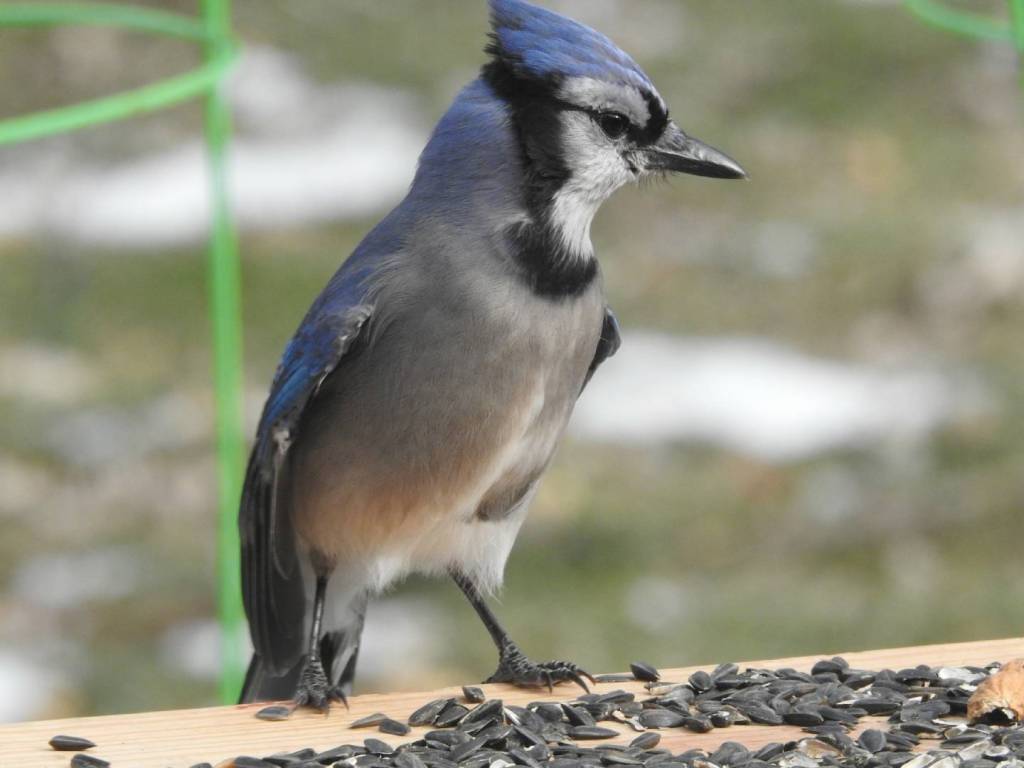
The Blue Jay is a true gem of the backyard and woodland, known for its stunning blue plumage, loud calls, and remarkable intelligence. Found across North America, these birds are not just a delight to spot but also an integral part of their ecosystems. From their bright, eye-catching colors to their curious and clever nature, Blue Jays have captured the hearts of bird enthusiasts and casual observers alike.
In this article, we’ll explore what makes these birds so fascinating. We’ll dive into their appearance, nesting habits, favorite foods, and more. Whether you’re a seasoned birdwatcher or just starting, learning about the Blue Jay will deepen your appreciation for this vibrant and vocal species. So, grab your binoculars, and let’s get started!
What Does a Blue Jay Look Like?

The Blue Jay is instantly recognizable, thanks to its striking blue and white plumage. Its body is a beautiful blend of vibrant blue, white, and black, with a distinctive crest on its head that it raises or lowers depending on its mood. This crest, along with its sharp black eyes and black necklace-like markings across its throat, gives the Blue Jay a bold and commanding appearance.
Interestingly, the blue you see isn’t actually due to blue pigments in their feathers. Instead, the color comes from light scattering through the microscopic structures in their feathers, a phenomenon called structural coloration. Without light, their feathers would appear brownish-gray!
Blue Jays are medium-sized songbirds, measuring about 9 to 12 inches from head to tail, with a wingspan of 13 to 17 inches. They have sturdy, rounded bodies, which aid them in flying short distances through dense woods. Their tails are long and edged with black and white bars, creating a checkerboard-like pattern that is especially noticeable in flight.
Males and females look almost identical, which can make it challenging to tell them apart without observing their behavior. Both sexes share the same bright blue coloring, black markings, and white underparts. Their stout, pointed beaks are perfect for cracking seeds, acorns, and even insects.
The Blue Jay’s vibrant colors and bold features make it one of the most eye-catching birds in North America, whether it’s perched in a tree or hopping through your backyard.
Where Do Blue Jays Build Their Nests?

Blue Jays are dedicated and resourceful nest builders, often choosing tall trees or sturdy shrubs to raise their young. These birds prefer locations that are well-hidden from predators but close to food sources, such as oak trees or dense foliage. The nests are usually placed 10 to 25 feet above the ground, providing a safe vantage point for their young.
The construction process is a team effort. Both the male and female gather materials like twigs, grass, moss, and even bits of paper or string they find. The female takes the lead in weaving these materials into a sturdy, cup-shaped nest, lining it with softer items like feathers or rootlets to create a cozy interior. This meticulous work can take up to a week to complete.
Blue Jays typically lay 3 to 7 eggs per clutch, which are pale blue or greenish with brown speckles. The female incubates the eggs for about 16 to 18 days while the male brings her food. Once the eggs hatch, both parents work tirelessly to feed the vulnerable chicks a diet of insects and other protein-rich foods.
Young Blue Jays remain in the nest for about 17 to 21 days before fledging. Even after leaving the nest, the chicks depend on their parents for several weeks as they learn to find food and navigate their surroundings.
This strong sense of teamwork and parental care is one of the many reasons Blue Jays are such fascinating birds to observe.
What Do Blue Jays Eat?

Blue Jays are true omnivores with a diverse palate, which makes them highly adaptable to different environments. Their diet includes a mix of seeds, nuts, fruits, insects, and even small vertebrates. Acorns are one of their favorite foods, and they play a vital role in dispersing oak trees by burying acorns they may not retrieve later. This behavior has earned them the nickname “forest gardeners.”
In backyard settings, Blue Jays are commonly seen snacking on sunflower seeds, peanuts (especially in the shell), and suet. Their strong, pointed beaks allow them to crack open tough nuts and seeds with ease. They are also partial to berries and corn and occasionally will raid bird feeders for other snacks.
During the breeding season, their diet shifts to include more protein-rich foods like beetles, grasshoppers, caterpillars, and even small frogs or nestlings. This high-protein diet is essential for feeding their growing chicks.
Blue Jays are also opportunistic foragers, often searching for food on the ground or in trees. They’ve been observed caching food items, like nuts or seeds, to eat later. This behavior helps them prepare for colder months when food is scarcer.
While their broad diet and bold foraging tactics can make them seem mischievous at times, their eating habits are crucial for seed dispersal and maintaining ecological balance. Watching a Blue Jay cleverly work through a shell or hop from branch to branch in search of its next meal is always a treat.
What are Some Fun Facts About Blue Jays?

Blue Jays are full of surprises, and their behavior often leaves birdwatchers marveling at their intelligence and unique traits. Here are some fun facts about these charismatic birds:
- Mimicry Masters: Blue Jays are excellent mimics and can imitate the calls of other birds, especially hawks. This clever trick may scare other birds away from food sources or warn their flock of nearby predators.
- Family Bonds: Blue Jays are known for their strong family ties. Fledglings often stay with their parents through the summer, learning vital survival skills before venturing out on their own.
- Feather Illusion: Did you know Blue Jays aren’t truly blue? The color is an optical illusion caused by light scattering in the microscopic structure of their feathers. If you crush the feather (not that you’d want to!), the color appears brown.
- Teamwork Makes the Dream Work: Blue Jays are social birds and often work together in groups, called flocks or bands, to find food or ward off predators. This cooperation helps them thrive in various habitats.
- Acorn Planters: By burying acorns and forgetting some, Blue Jays contribute significantly to forest regeneration. They can carry up to five acorns in their throat pouch at a time!
- Long Lifespan: In the wild, Blue Jays can live up to seven years, but some have been recorded living over a decade in favorable conditions.
These fascinating facts are just a glimpse into the complex world of the Blue Jay. Their intelligence and resourcefulness never cease to amaze!
Are Blue Jays Important for the Environment?

Blue Jays are currently widespread and abundant, with a stable population across their range. However, like many bird species, they face challenges that threaten their habitats and well-being. Habitat loss due to urban development and deforestation is one of the primary concerns for Blue Jays, as it reduces the availability of nesting sites and food sources.
Pesticides and chemical use in agriculture can also negatively impact Blue Jays by reducing the populations of insects they rely on, particularly during the breeding season. Additionally, climate change is an emerging threat, as it can alter the ecosystems Blue Jays inhabit, potentially affecting food availability and migratory patterns.
Thankfully, conservation organizations and local communities have made efforts to protect Blue Jays and their habitats. Preserving wooded areas and planting native trees like oaks can help provide critical nesting and foraging opportunities. Bird-friendly practices, such as reducing pesticide use and maintaining backyard habitats, also play a crucial role in supporting these birds.
Programs like the North American Breeding Bird Survey and citizen science initiatives such as Project FeederWatch help monitor Blue Jay populations, ensuring we can track any significant changes and respond proactively. These efforts remind us that even common birds like the Blue Jay deserve our attention and care to maintain healthy ecosystems.
By advocating for conservation and adopting bird-friendly practices in our communities, we can ensure that Blue Jays continue to thrive for generations to come.
How Can I Attract Blue Jays to My Backyard?
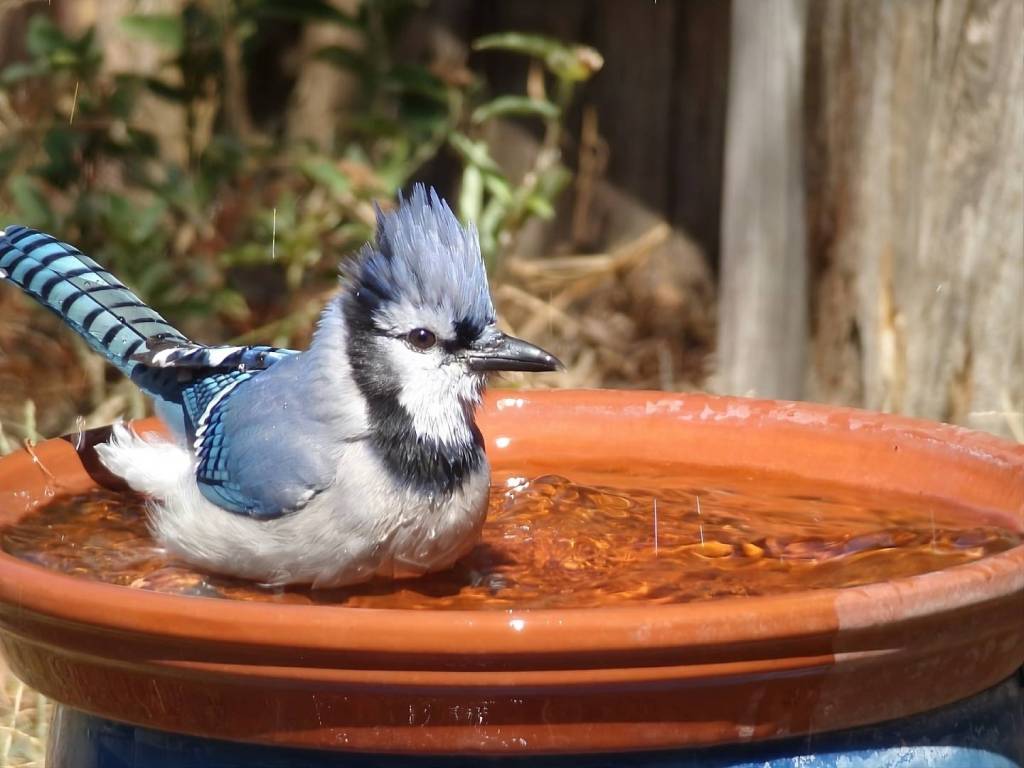
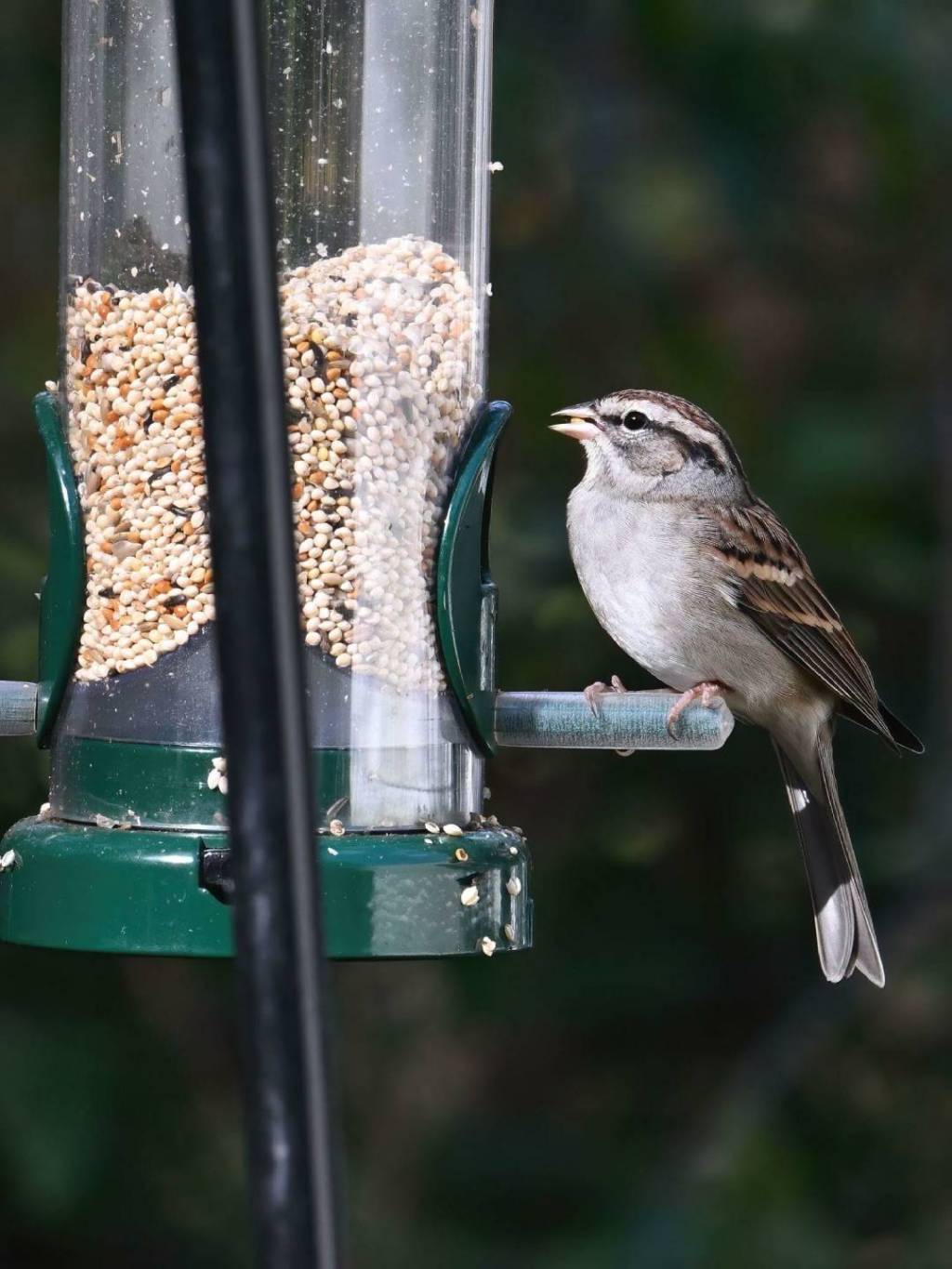
Creating a Blue Jay-friendly backyard is a rewarding experience for any bird enthusiast. These birds are particularly drawn to feeders stocked with their favorite foods, such as sunflower seeds, peanuts (in or out of the shell), and suet. A platform feeder or a large hopper feeder such as this one works best, as Blue Jays are medium-sized birds and prefer plenty of space to perch comfortably while eating.
Adding a birdbath can also entice Blue Jays to visit. They enjoy both drinking and splashing around in shallow water, especially during the warmer months. Keeping the birdbath clean and filled will ensure they keep coming back.
For a more natural approach, consider planting native trees and shrubs that provide shelter and food. Oaks are particularly beneficial, as they supply Blue Jays with acorns, one of their favorite foods. Berry-producing shrubs like dogwood, elderberry, or holly are also excellent choices.
Blue Jays are curious and intelligent, so they might also be drawn to shiny objects or unique features in your yard. Providing nesting materials like twigs, grass, and soft moss in spring can encourage them to build nests nearby.
Lastly, keep your yard bird-friendly by avoiding pesticides and providing a safe environment free from outdoor cats and other threats. With these simple steps, your backyard could become a bustling hub for these vibrant and vocal visitors.
Conclusion

Blue Jays are more than just a splash of color in the treetops; they’re intelligent, social, and vital contributors to their ecosystems. From their eye-catching appearance and resourceful nesting habits to their crucial role in forest regeneration, these birds are truly remarkable. By understanding their behavior and needs, you can attract them to your backyard and help support their thriving populations. Whether you’re listening to their mimicry of a hawk or watching them stash acorns for later, Blue Jays offer endless opportunities for observation and enjoyment. With conservation efforts and bird-friendly practices, we can ensure these captivating creatures continue to brighten our natural spaces for generations. So, next time you see a Blue Jay, take a moment to appreciate all it has to offer.


 Wing Watchers with Wagner
Leave a comment