
Introduction
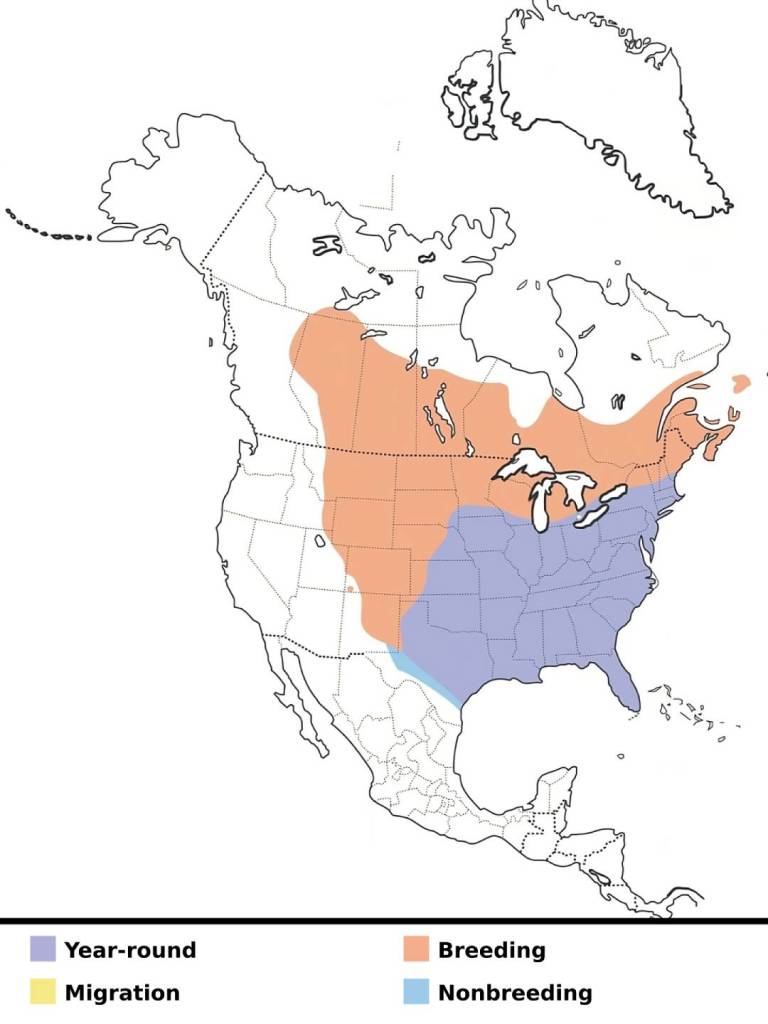
The Common Grackle is one of the most striking and misunderstood birds you’ll encounter across North America. With their glossy plumage and piercing yellow eyes, these birds often get a bad rap as agricultural pests or overly aggressive backyard visitors. However, they’re much more than meets the eye. Grackles are intelligent and resourceful and play an important role in their ecosystems. They are members of the blackbird family, though their iridescent feathers set them apart from their relatives. Found in fields, forests, and even suburban neighborhoods, Common Grackles are incredibly adaptable, thriving in environments altered by humans.
Today, we’ll dive into everything about the Common Grackle, from their eye-catching appearance to their intriguing habits and how you can observe or attract them to your yard.
Appearance
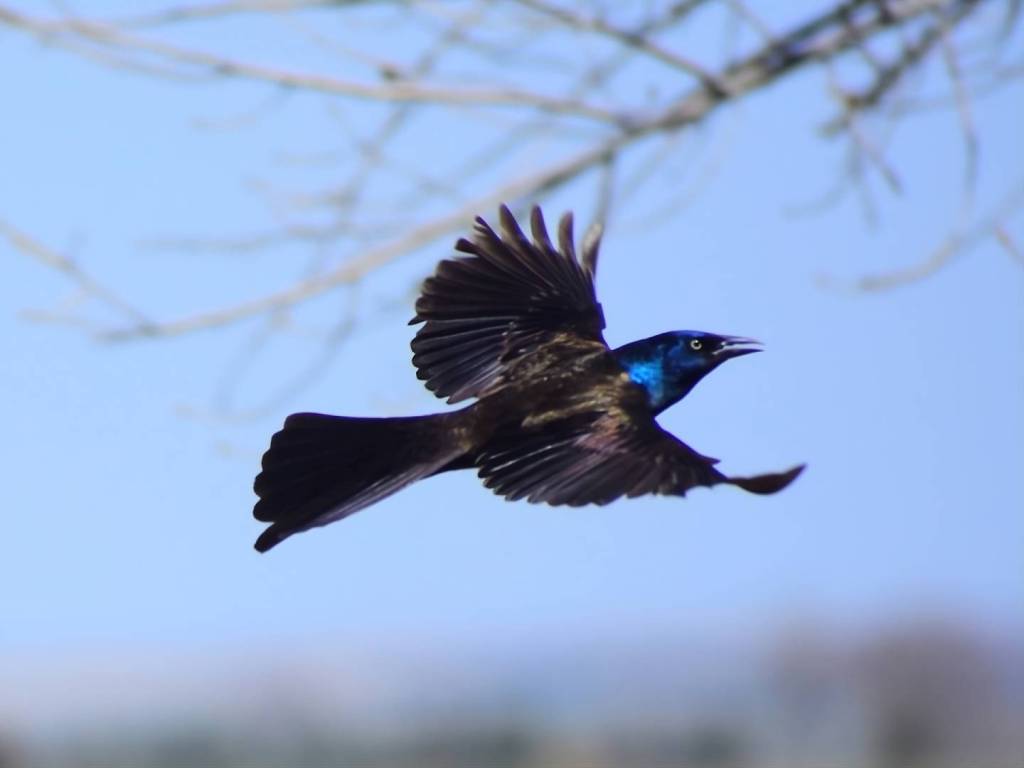
The Common Grackle is a medium-sized bird with a body length ranging from 11 to 13 inches and a wingspan of about 14 to 18 inches. They are larger than their blackbird relatives but smaller than crows, making them a unique presence in any landscape. One of their most stunning features is their glossy, iridescent plumage, which can appear deep blue, purple, bronze, or green depending on the light. This shimmering effect is most noticeable on their head and upper body, giving them a sleek, polished appearance.
Their long, keel-shaped tails are another defining characteristic. When in flight, these tails resemble a rudder, helping them glide gracefully through the air. Their sharp, black bills are slightly downturned, perfect for cracking seeds, catching insects, and probing the ground for food.
Grackles have bright yellow eyes that seem to gleam against their dark feathers, lending them an intense and captivating stare. Females are slightly less vibrant than males, with a brownish tinge to their plumage and shorter tails. Juveniles, on the other hand, are duller in color and have dark eyes, making them easier to distinguish.
The Common Grackle’s striking appearance is not just for show—it plays a role in courtship and territorial displays. Males puff out their plumage and spread their tails to impress potential mates or to warn rivals. Their commanding looks and flashy iridescence make them hard to ignore, whether they’re perched in a tree or strutting through your backyard.
Nesting Habits
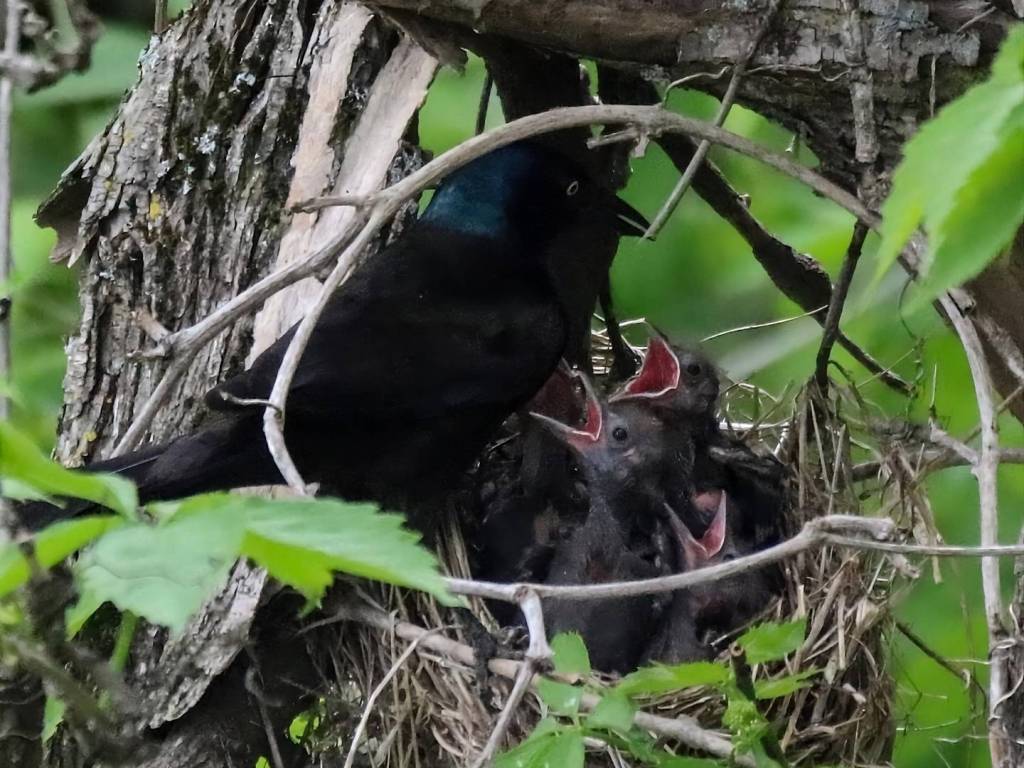
The Common Grackle is a highly social bird, often nesting in colonies that can range from just a few pairs to several hundred. These colonies are typically found in a variety of habitats, including trees near wetlands, open fields, suburban neighborhoods, and even urban parks. Grackles are flexible in their nesting choices, making use of natural cavities, shrubs, and even man-made structures.
When building their nests, female grackles take the lead. They construct a cup-shaped nest using a mix of twigs, grass, and other plant materials, often weaving in mud to strengthen the structure. These nests are typically placed 10 to 30 feet off the ground, providing a haven for their young. Male grackles, while not directly involved in the building process, often stay nearby to guard the nesting area from predators or intruding birds.
Grackles lay between 1 and 7 eggs per clutch, with 4 to 5 being the most common. The eggs are pale blue to greenish, often speckled with brown or black markings. After about 12 to 14 days of incubation—handled exclusively by the female—the eggs hatch and the young emerge as vulnerable, featherless chicks.
Both parents take part in feeding the chicks, bringing them a mix of insects, seeds, and fruit. The fledglings leave the nest roughly two to three weeks after hatching but often stay close to their parents for additional care and protection until they can fend for themselves.
Favorite Foods
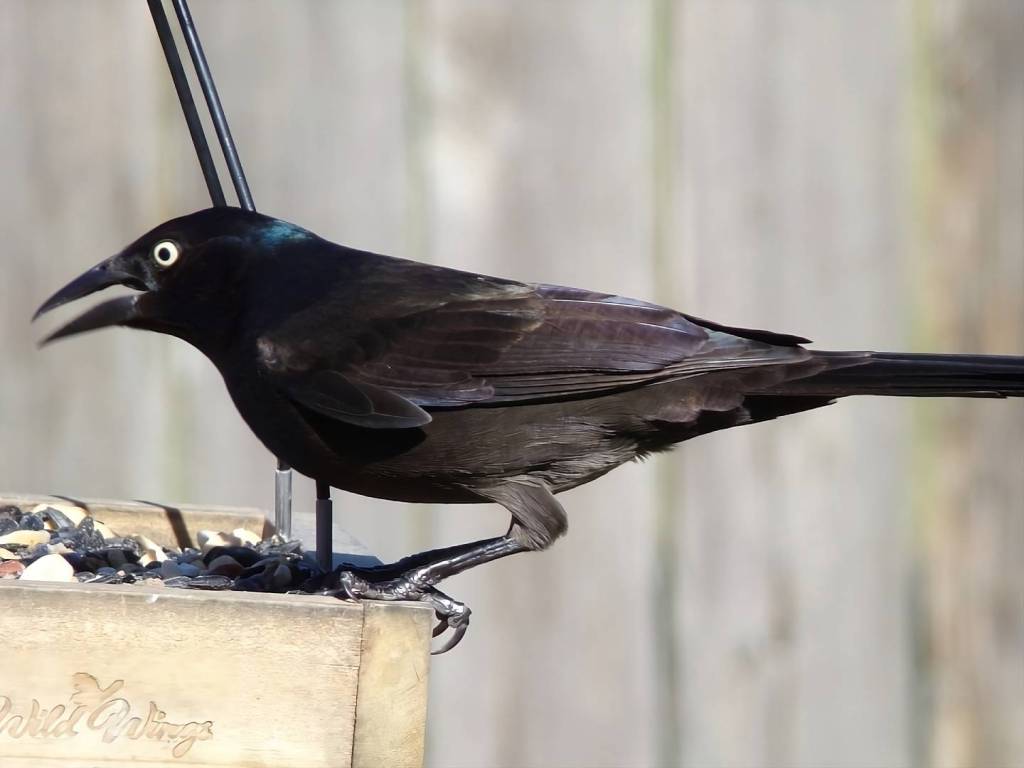
The Common Grackle has a diverse and opportunistic diet, which is one of the reasons they thrive in so many environments. These birds are omnivores, meaning they eat both plants and animals and their menu changes with the seasons and what’s available in their surroundings.
In the warmer months, insects make up a large part of their diet. Grackles are skilled hunters, foraging for beetles, grasshoppers, caterpillars, and other small invertebrates. They’re also known to wade into shallow water to catch minnows, tadpoles, and even small frogs, using their sharp, slightly curved bills to grab their prey. This manner of foraging makes them unique among many backyard birds, as few others forage so actively in water.
As the seasons shift and insects become scarce, grackles turn their attention to seeds, grains, and fruit. They’re frequent visitors to cornfields and other agricultural areas, where they feast on crops like corn and sunflower seeds. In residential areas, they may raid bird feeders, favoring larger seeds like cracked corn and sunflower seeds, often crowding out smaller birds in the process.
Grackles are also scavengers and can be seen picking at garbage, discarded food, or carrion. This resourcefulness allows them to survive in urban areas where natural food sources might be limited. Their adaptability in diet not only highlights their survival skills but also makes them an integral part of their ecosystems, as they help control insect populations and disperse seeds.
Fun Facts
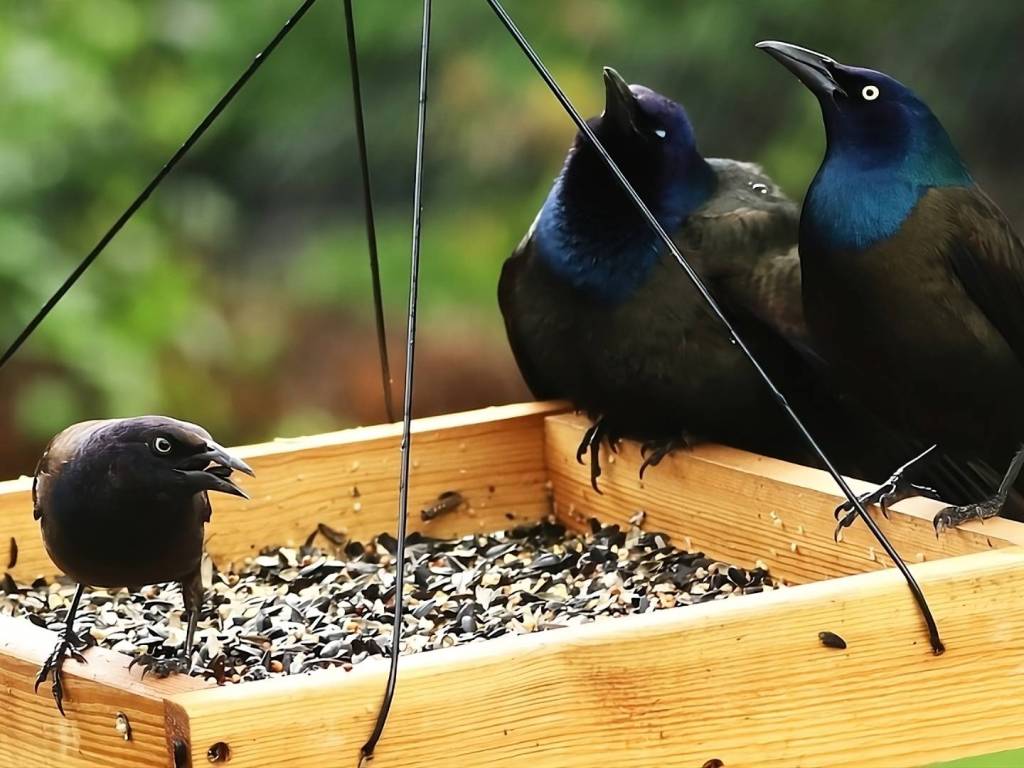
The Common Grackle is full of surprises, and there’s more to this bird than meets the eye. Here are some fascinating tidbits about these shimmering avians:
- Voice Variety: Grackles are known for their wide range of vocalizations, which can be described as creaks, whistles, and harsh squawks. They’re not exactly songbirds, but their unique “rusty gate” calls are distinctive and can often be heard before they’re seen.
- Smart and Resourceful: These birds are incredibly intelligent and have been observed using tools. For instance, they sometimes drop hard food items onto roads, letting passing cars crack them open.
- Iridescent Mystery: The grackle’s glossy feathers are not due to pigment but structural coloration. Microscopic structures in the feathers refract light, producing dazzling hues of blue, green, and purple.
- Bathing Preferences: Grackles enjoy communal bathing in puddles, ponds, or birdbaths. Watching a group of grackles splash around is both entertaining and a great way to observe their social behavior.
- Farmers’ Helpers: While grackles are often seen as pests due to their appetite for crops, they also benefit farmers by eating large numbers of crop-damaging insects.
- Big Flocks: In the fall and winter, grackles form enormous flocks, sometimes mixing with other blackbirds and starlings. These flocks, known as murmurations, can number in the thousands and create mesmerizing aerial displays.
Grackles may be common, but their behaviors and adaptations are anything but ordinary!
Conservation Efforts
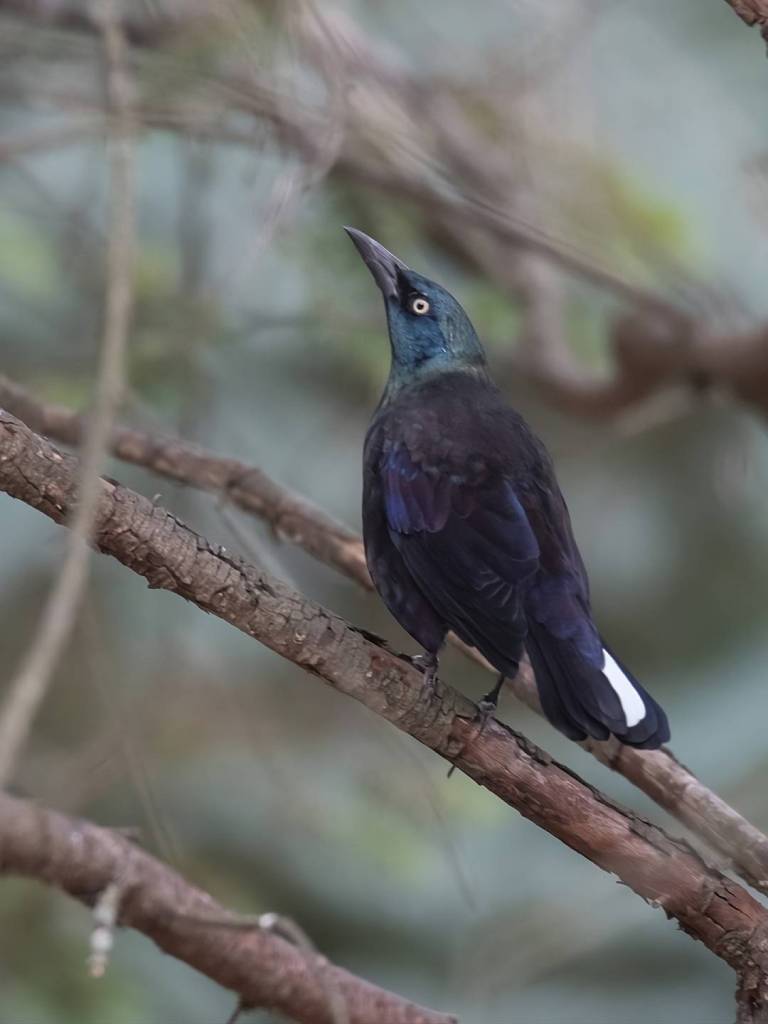
The Common Grackle is currently classified as a species of “Least Concern” by conservation organizations, meaning their population is stable and widespread. However, like many bird species, grackles face threats that could impact their numbers in the future if left unaddressed.
One significant challenge is habitat loss due to urbanization and agricultural expansion. As wetlands and forests are cleared for development, grackles lose valuable nesting and foraging areas. While their adaptability has allowed them to thrive in many human-altered environments, there’s only so much they can adjust to before their populations begin to decline.
Another issue is the use of pesticides and herbicides in farming. Grackles consume insects and seeds from treated fields, which can lead to poisoning or reduced reproductive success. Similarly, exposure to contaminated water sources can negatively affect their health and survival rates.
Despite these challenges, grackles have benefited from some human interventions. For instance, the preservation and restoration of wetland habitats have provided crucial nesting sites. Additionally, many people have come to appreciate grackles for their ecological role in controlling insect populations, leading to greater advocacy for their protection.
You can contribute to grackle conservation by supporting organizations focused on bird and habitat preservation, reducing pesticide use in your yard, and educating others about the importance of these misunderstood birds. While grackles are not endangered, their well-being depends on continued efforts to maintain healthy ecosystems.
How to Attract to Your Backyard
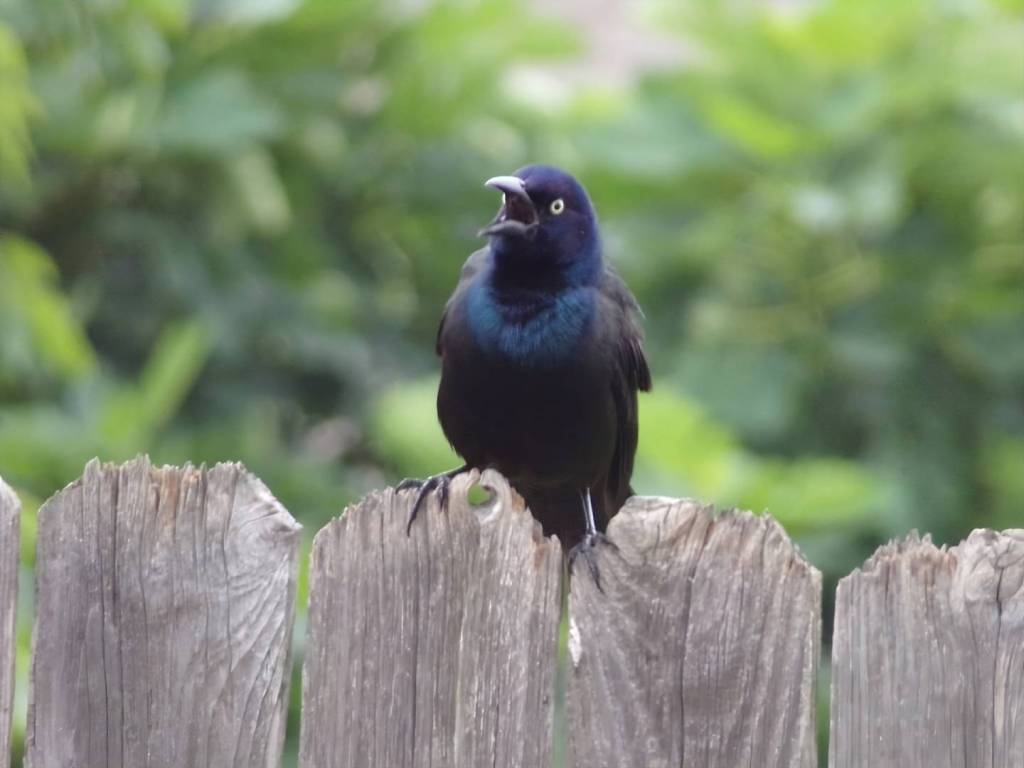
Common Grackles are frequent visitors to backyards, especially if you provide the right environment and food. Their adaptable diet and social nature make them a regular sight at bird feeders, particularly in areas with plenty of open spaces and nearby trees.
To attract grackles, offer larger seeds like sunflower seeds, cracked corn, and peanuts. Platform feeders or ground feeding stations are ideal, as their size and foraging habits make traditional tube feeders less appealing. Grackles are also drawn to suet, especially during colder months when their need for high-energy foods increases.
Providing a water source is another great way to invite grackles into your yard. These birds love to bathe and drink, so a birdbath, shallow dish, or even a small garden pond will attract them. Ensure the water is fresh and clean, as they’ll likely visit frequently if it meets their needs.
Since grackles are social, you may find several visiting your yard at once. While this can be delightful for birdwatchers, some people find their presence overwhelming due to their boisterous nature and tendency to crowd out smaller birds. If this becomes a concern, consider setting up multiple feeders in different areas to provide space for a variety of species.
By offering food, water, and a safe environment, you can enjoy observing these fascinating birds up close. Their iridescent feathers and lively behavior will add a splash of color and excitement to your backyard.
Conclusion
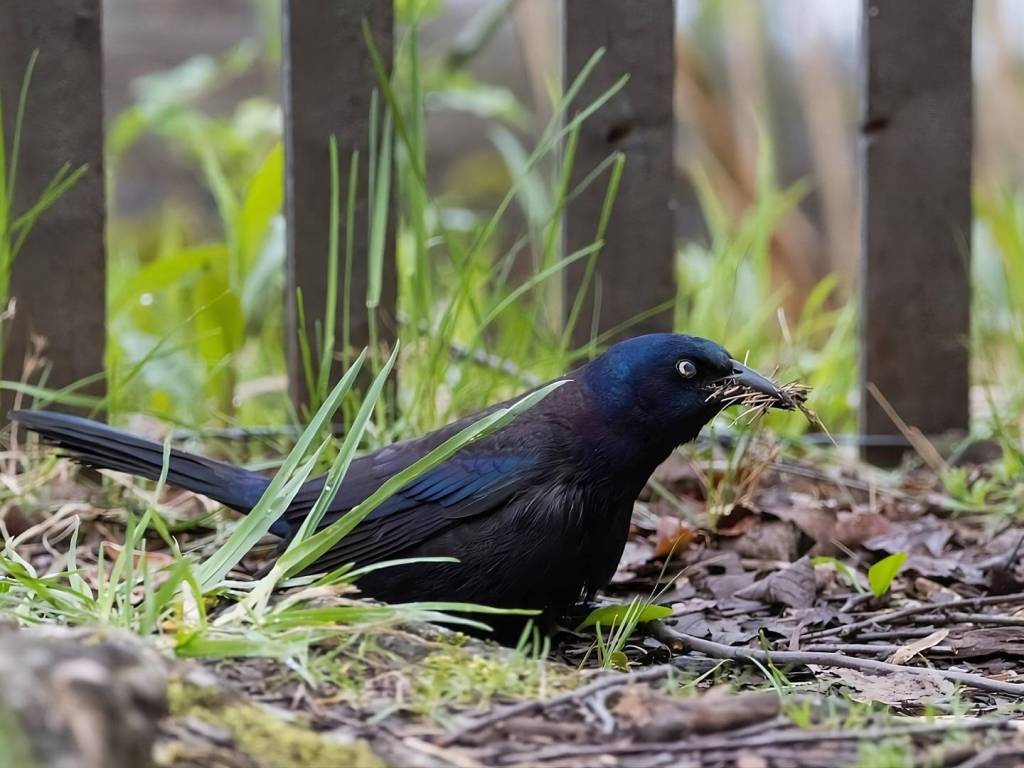
The Common Grackle is a bird that’s as fascinating as it is misunderstood. From their shimmering plumage and piercing yellow eyes to their clever and adaptable nature, these birds are truly remarkable. While some may see them as pests, grackles play an important role in their ecosystems, helping to control insect populations and disperse seeds.
By learning more about their habits and needs, we can better appreciate their contributions to nature and even enjoy their presence in your backyards. Whether you’re admiring their bold colors or watching their unique behaviors, the Common Grackle is a bird worth celebrating.
Next time you hear their rusty calls or catch a glimpse of their glossy feathers, take a moment to appreciate the beauty of these incredible birds.


 Wing Watchers with Wagner
Leave a comment