

Introduction
The House Wren is a tiny yet mighty bird, often seen flitting about gardens, forests, and backyards. Known for their bubbly personality and loud, melodic songs, these little songbirds bring joy to birdwatchers and nature enthusiasts alike. Despite their small size, House Wrens are full of energy and are highly adaptable to different environments.
From rural woodlands to bustling cities, these birds have made a name for themselves as resourceful survivors. If you’ve ever heard a series of cheerful trills from a small brown bird hopping near a shrub or fence, chances are you’ve met a House Wren. Today, we’ll explore their appearance, nesting habits, favorite foods, fun facts, conservation efforts, and tips for attracting these lively birds to your backyard.
Appearance
Small and Mighty
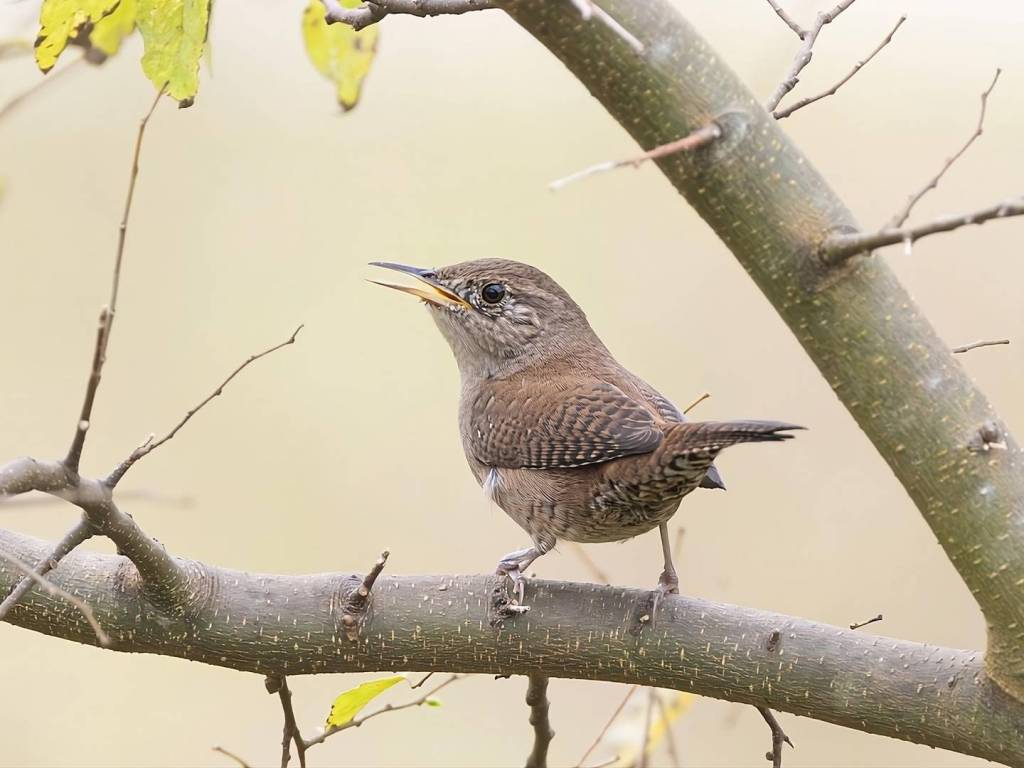
The House Wren may be tiny, but it is packed with personality. Measuring only about 4 to 5 inches in length and weighing a mere 10 to 12 grams, this bird is one of the smaller members of the wren family. Despite its size, the House Wren has a robust presence, often appearing lively and energetic as it hops around its habitat.
A Subtle Yet Charming Plumage
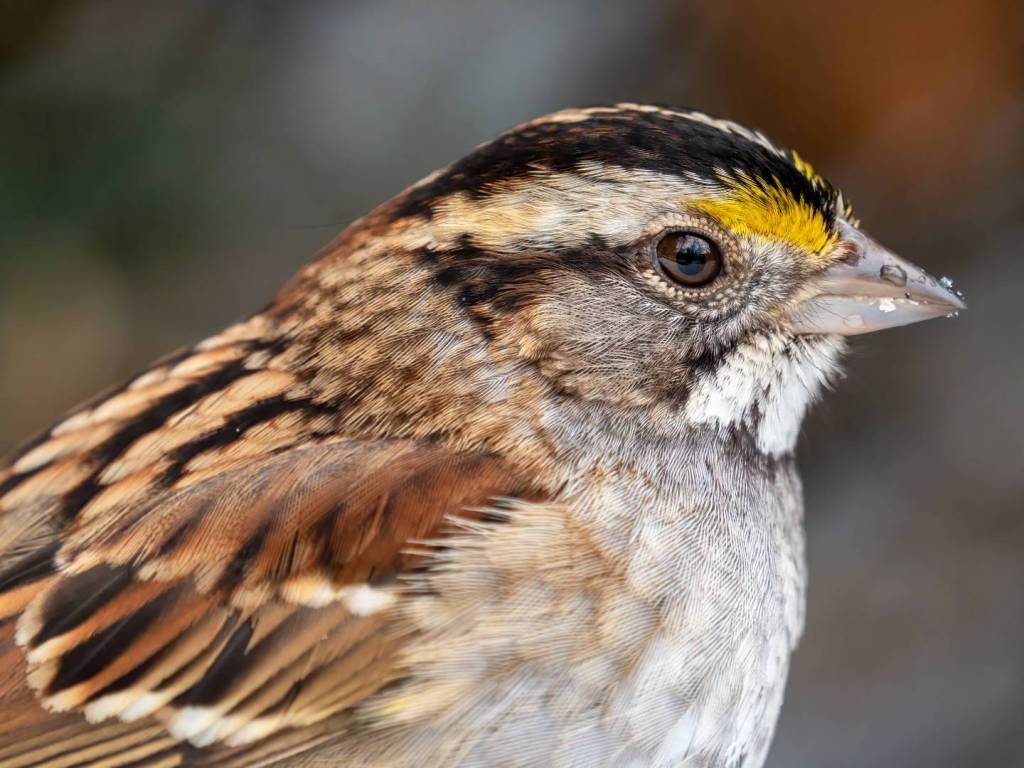
At first glance, the House Wren might seem plain, but a closer look reveals intricate details. Its feathers are primarily brown, with subtle streaks of darker brown running across the back and wings. Its underparts are lighter, often a pale gray or buff. This muted coloration provides excellent camouflage, especially when the bird is nesting or foraging in brushy areas.
A Tail That Talks
One of the most recognizable features of the House Wren is its short, often upright tail. The bird frequently flicks or bobs its tail while perched, a behavior that adds to its animated personality. This tail movement, combined with its quick, darting flight, makes the House Wren easy to identify even from a distance.
Bright Eyes and a Sharp Beak
The House Wren has a slender, slightly curved beak, perfect for snatching up insects. Its beady, dark eyes gleam with curiosity, giving it a sharp and alert look. These features are crucial for survival, helping it detect and capture prey efficiently.
Nesting Habits

Where Do They Nest?
House Wrens are incredibly adaptable when it comes to nesting. They are cavity-nesters, which means they look for small, enclosed spaces to raise their young. These spaces could be a hollow tree, a crevice in a building, or even an old tin can. In suburban areas, they often take advantage of birdhouses provided by humans, making them a common backyard visitor during the breeding season.
Building the Nest
The male House Wren takes the lead when it comes to starting the nest. He scouts out potential nesting sites and begins building a basic structure made of twigs. Once the female arrives, she chooses her preferred spot and adds her touch by lining the nest with softer materials like feathers, grass, or animal fur. This teamwork creates a cozy and safe space for their eggs.
Eggs and Chicks
House Wrens typically lay 5 to 8 eggs, which are small, pinkish, and speckled with brown. The female incubates the eggs for about 12 to 15 days. When the chicks hatch, they are completely vulnerable, relying on their parents for warmth and food. Both parents share the responsibility of feeding their young, bringing a constant supply of insects to the nest.
Fierce Protectors
Don’t let their small size fool you—House Wrens are fiercely territorial. They will defend their nesting sites against much larger birds and have even been known to remove eggs from nearby competitors’ nests. This behavior ensures their chicks have the best chance of survival.
Favorite Foods

Insect Eaters Extraordinaire
House Wrens are insectivores, meaning their diet primarily consists of insects and other small invertebrates. These tiny birds play a crucial role in natural pest control, consuming a wide variety of bugs, including beetles, caterpillars, spiders, and ants. They are particularly fond of soft-bodied insects, which are easy for their sharp, slender beaks to handle.
Foraging Style
House Wrens are active foragers, often seen hopping through shrubs, low tree branches, and leaf litter in search of their next meal. They use their keen eyesight and quick movements to locate prey, darting between foliage and occasionally hovering mid-air to snatch a bug. Their agility allows them to explore nooks and crannies that other birds might miss, ensuring a steady supply of food.
Seasonal Shifts
While insects are their mainstay during the warmer months, House Wrens adapt their diet in the winter when bugs become scarce. During these times, they might consume small seeds and berries to supplement their nutrition. However, they prefer warmer climates where insects are more readily available year-round, making migration a common behavior for this species.
A Snack for Their Young
When feeding their chicks, House Wrens focus on high-protein insects like caterpillars and spiders. This nutrient-rich diet helps the young birds grow quickly and prepare for fledging. Parents work tirelessly to keep up with their brood’s insatiable appetites, delivering food to the nest multiple times an hour.
Fun Facts
Songsters with a Purpose
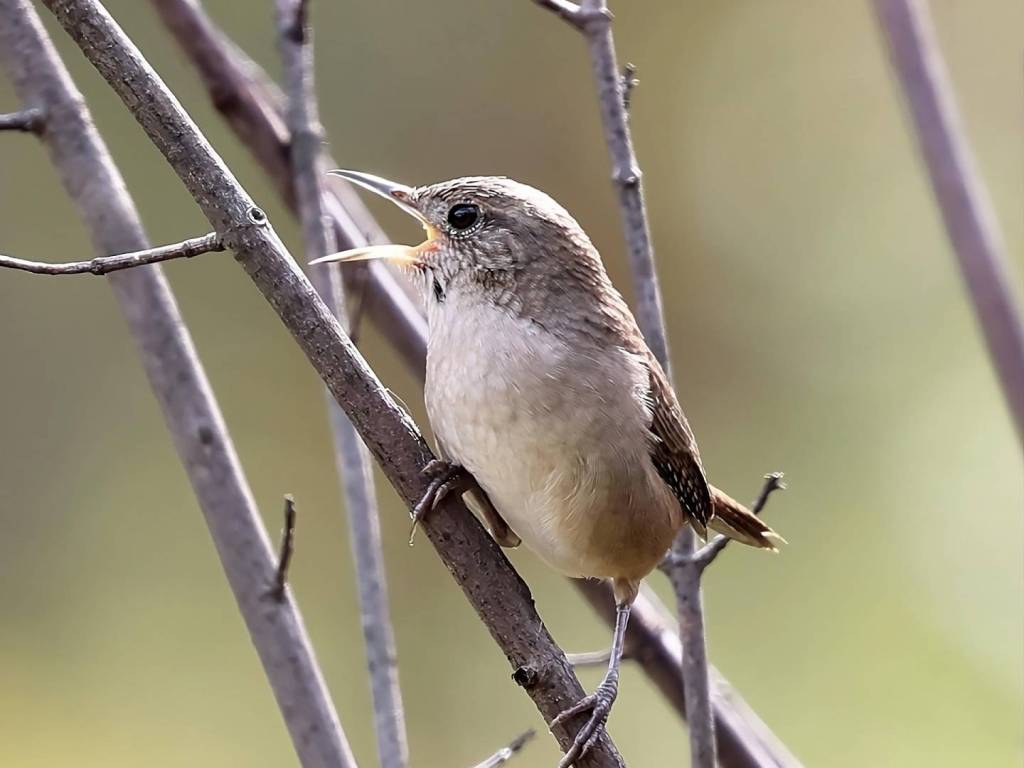
House Wrens are famous for their lively and complex songs. Male House Wrens use their melodic trills and whistles to attract mates and establish their territory. These songs are not only a sign of vitality but also a declaration to rival males to stay away. Remarkably, a single male can have a repertoire of over 50 different song variations!
Travel-Ready Birds
These tiny birds may be small, but they’re seasoned travelers. Many House Wrens migrate to warmer regions during the winter, often covering thousands of miles. For instance, populations in North America may travel as far south as Central or South America to escape the cold.
Masters of Adaptation
House Wrens are some of the most adaptable birds when it comes to choosing nesting sites. They’ve been known to use unconventional locations like mailboxes, discarded boots, and even barbecue grills. Their ability to thrive in urban, suburban, and rural settings demonstrates their resilience and resourcefulness.
A Strong Symbol
In many cultures, the wren symbolizes liveliness, industriousness, and protection. Its diminutive size, paired with its bold personality, has made it a favorite in folklore and storytelling. The House Wren’s industrious nature inspires admiration among birdwatchers and nature lovers alike.
Fiercely Competitive
House Wrens may look cute, but they’re highly competitive. They’ve been observed removing the eggs of other birds from nearby nests to eliminate competition for resources. While this may seem harsh, it’s a strategy that ensures their chicks have a better chance of survival.
Conservation Efforts

A Stable Population
The House Wren is one of the most widespread and abundant bird species in the Americas. Currently, they are listed as a species of “Least Concern” by the International Union for Conservation of Nature (IUCN). Their adaptability to different environments has contributed to their stable population, even in the face of habitat changes and urbanization.
Challenges They Face
While their numbers remain strong, House Wrens are not entirely free from threats. Habitat loss due to deforestation and urban expansion can limit their nesting and foraging areas. Additionally, competition with invasive species, such as House Sparrows and European Starlings, can pose challenges, particularly in urban settings where nesting sites are limited.
Role in Ecosystem Health
House Wrens play an important role in controlling insect populations, which helps maintain a balanced ecosystem. Protecting their habitats benefits not only the birds but also the broader environment they support.
How You Can Help
There are simple ways to support House Wrens and ensure their continued success. Providing nesting boxes in your backyard can give these birds a safe place to raise their young, especially in areas where natural cavities are scarce. Keeping your garden pesticide-free ensures they have plenty of insects to feed on. Planting native shrubs and trees also creates a welcoming environment for these lively birds.
Conservation Organizations
Many organizations, such as the National Audubon Society and local birdwatching groups, work to protect bird habitats and educate the public about conservation. Supporting these groups through donations or volunteer work can make a meaningful impact.
How to Attract House Wrens to Your Backyard

Provide a Cozy Birdhouse
One of the easiest ways to attract House Wrens is by installing a birdhouse. These birds are cavity-nesters and will readily use artificial nesting sites. Look for a birdhouse with a small entrance hole, about 1¼ inches in diameter, to prevent larger birds from taking over. Place the birdhouse in a quiet, shaded area, ideally 5 to 10 feet above the ground, for optimal results. Our cozy cedar birdhouse kit provides the perfect nesting spot for House Wrens, with a design that mimics their preferred natural cavities.
Keep the Area Natural
House Wrens love dense shrubs and brushy areas where they can forage for insects and find shelter. Planting native shrubs, trees, and flowers will provide both cover and a reliable food source. Avoid trimming or removing brush piles during the breeding season, as these spots can double as foraging areas or safe zones for young birds.
Offer a Pesticide-Free Buffet
Because House Wrens primarily feed on insects, creating a pesticide-free garden ensures a steady supply of their favorite foods. Letting parts of your yard grow naturally, with plenty of leaf litter and healthy soil, attracts the kinds of bugs these birds love to eat.
Maintain a Safe Space
House Wrens can be territorial, so placing multiple birdhouses far apart can help prevent conflicts with other wrens or species. Additionally, keeping outdoor cats indoors and minimizing reflective surfaces (which can cause window collisions) creates a safer environment for these birds.
Conclusion

The House Wren may be small, but it leaves a big impression on everyone lucky enough to encounter it. With their cheerful songs, lively personalities, and resourceful nesting habits, these birds are a joy to observe. Whether you’re welcoming them to your backyard with a cozy birdhouse or spotting them on a hike, House Wrens remind us of the beauty and resilience of nature. By taking simple steps to create a wren-friendly environment and supporting conservation efforts, you can help these charming birds thrive for generations to come. So next time you hear their vibrant trill, take a moment to appreciate the little bird with a big spirit—the House Wren.


 Wing Watchers with Wagner
Leave a comment