
Red-shafted
yellow-shafted
Introduction
Hello, everyone! Today, we’re talking about one of North America’s most striking woodpeckers—the Northern Flicker. Known for its vibrant plumage and unique behavior, this bird stands out not only for its looks but also for the drumming sounds it creates. Unlike most woodpeckers, the Northern Flicker often feeds on the ground, making it a fascinating species to observe.
These birds are highly adaptable, thriving in various habitats, from forests to urban backyards. Whether you’ve spotted their bold patterns or heard their unmistakable calls, the Northern Flicker is a joy for bird enthusiasts and casual nature lovers alike. Let’s dive into what makes this woodpecker so special, from its appearance to its habits and how you can attract them to your backyard.
Appearance
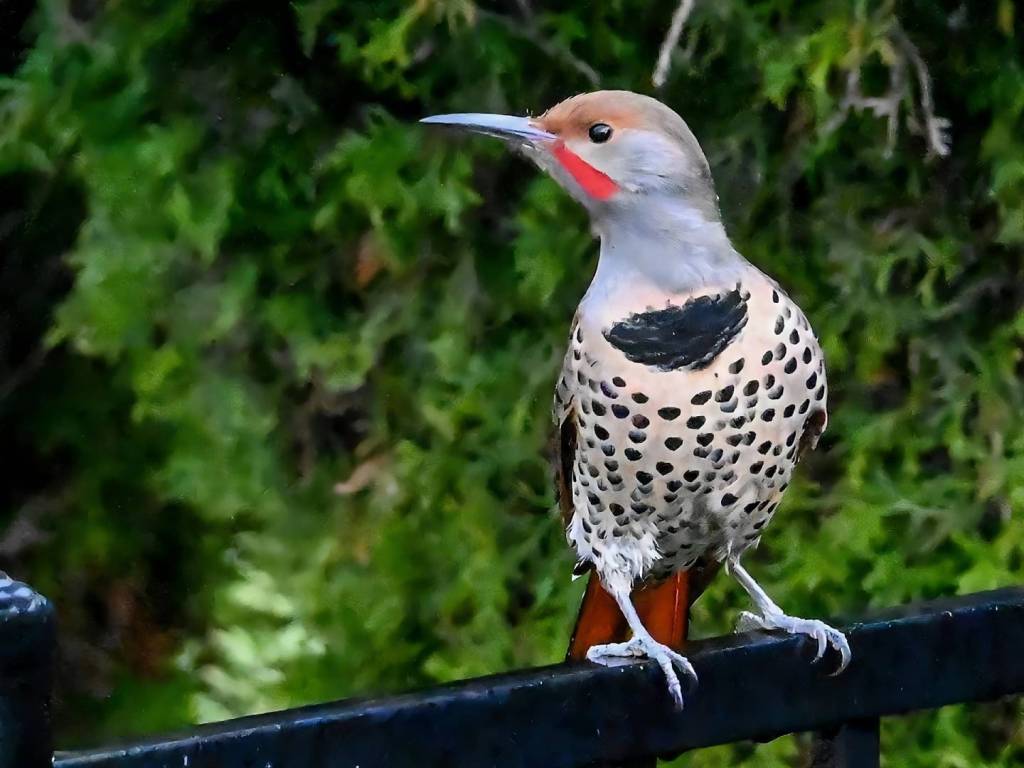
The Northern Flicker is a bird that truly grabs your attention with its striking appearance. These medium-sized woodpeckers measure about 11 to 12 inches long, with a wingspan of 16 to 20 inches. While they share some characteristics with their tree-drumming relatives, the Northern Flicker stands apart with its distinctive coloring and markings.
Feathers and Markings
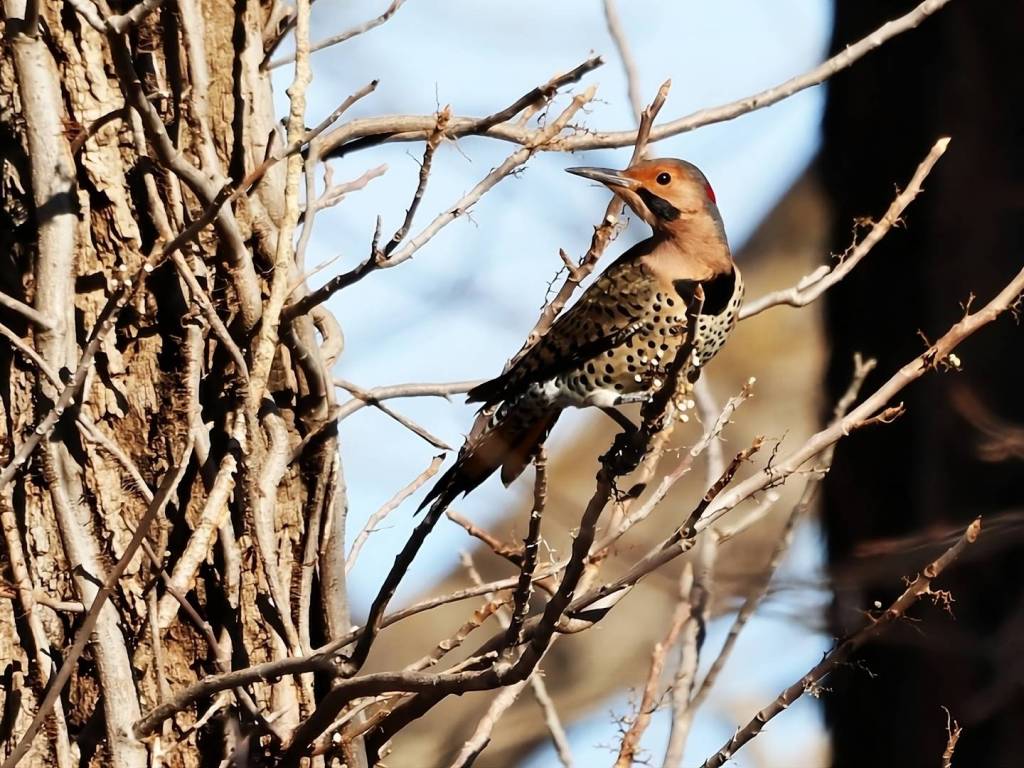
The bird’s overall body is a warm brown, covered with black bars that create a patterned effect. Its underside features black spots on a lighter background, giving it a speckled look. Perhaps its most notable feature is the black crescent-shaped “bib” on its chest, a signature characteristic that makes identification easier.
Color Variations
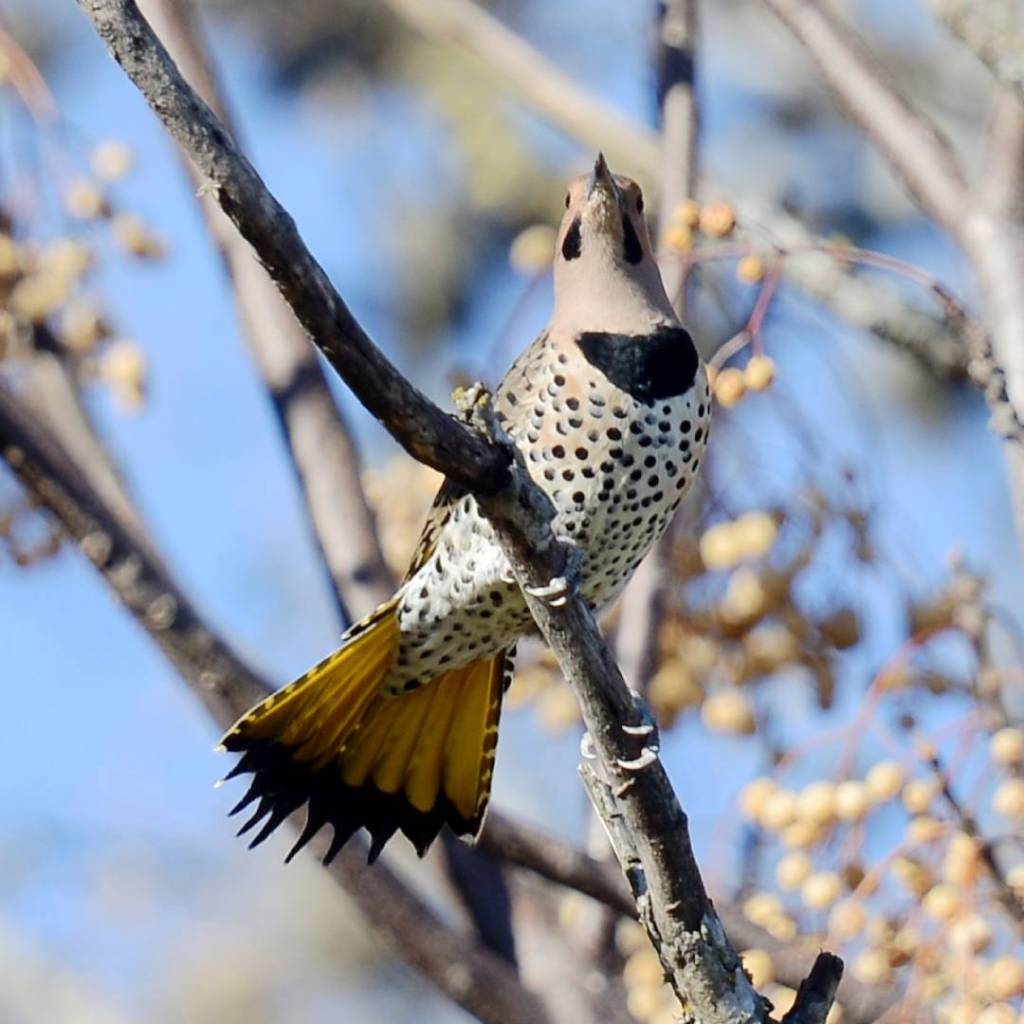
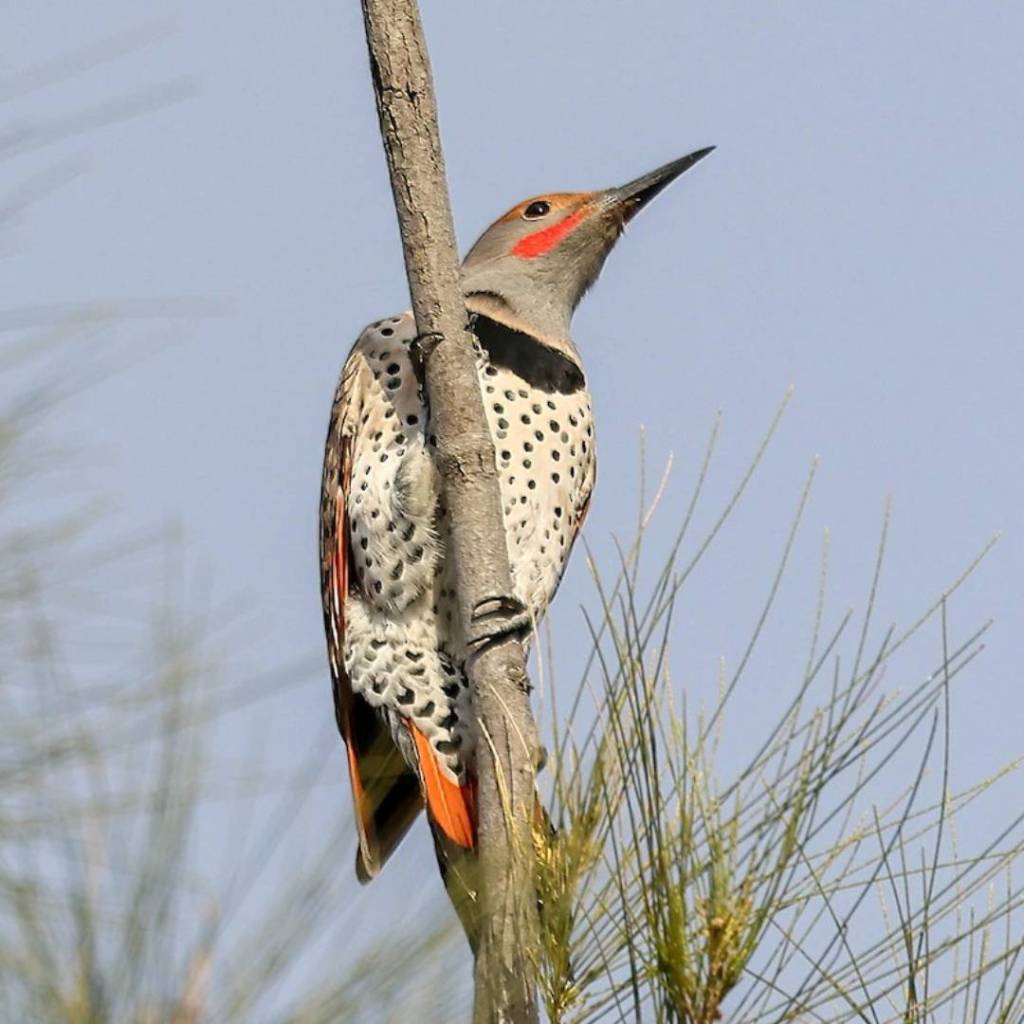
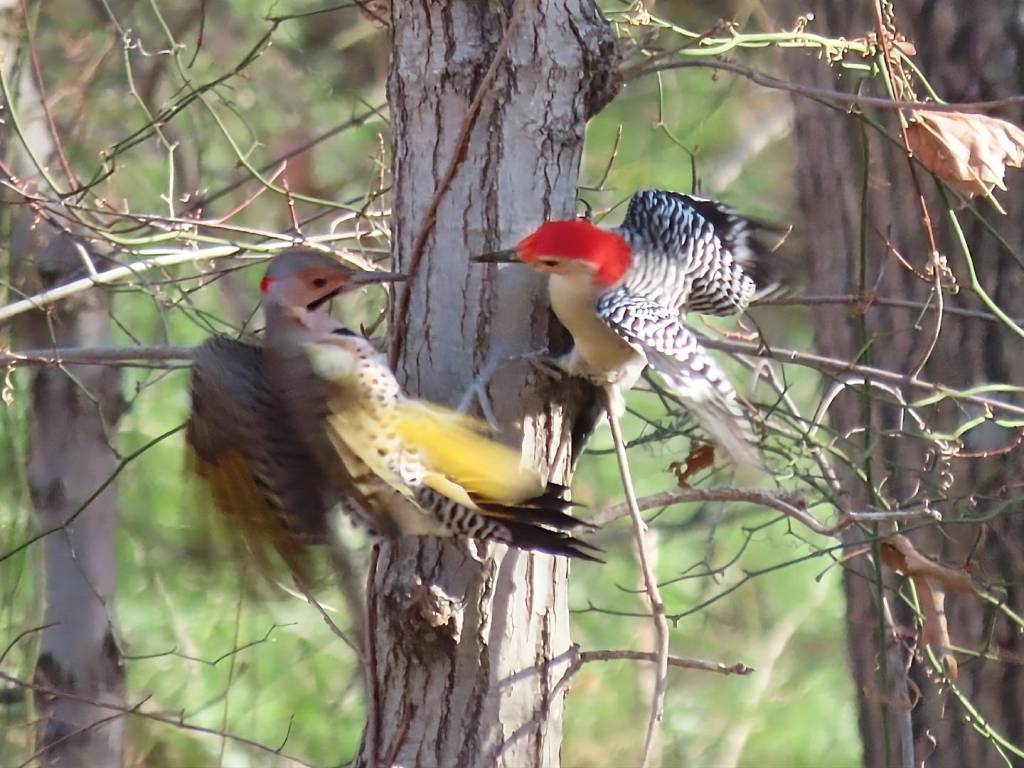
Interestingly, there are two main color variations of the Northern Flicker: the “Yellow-shafted” and the “Red-shafted.” The Yellow-shafted Flicker, common in the eastern regions, has bright yellow feather shafts visible when it flies. In contrast, the Red-shafted Flicker, found in the west, displays reddish-orange feather shafts. Both variations have white rumps that are noticeable in flight, making them hard to miss.
A Unique Woodpecker
Unlike other woodpeckers that sport primarily black and white plumage, the Northern Flicker adds a splash of color to the woodpecker family. Their long, slightly curved bills are perfect for digging into the ground for food, setting them apart from their tree-drilling relatives. If you ever see one perched or flying, you’ll understand why this bird is a favorite among birdwatchers.
Nesting Habits
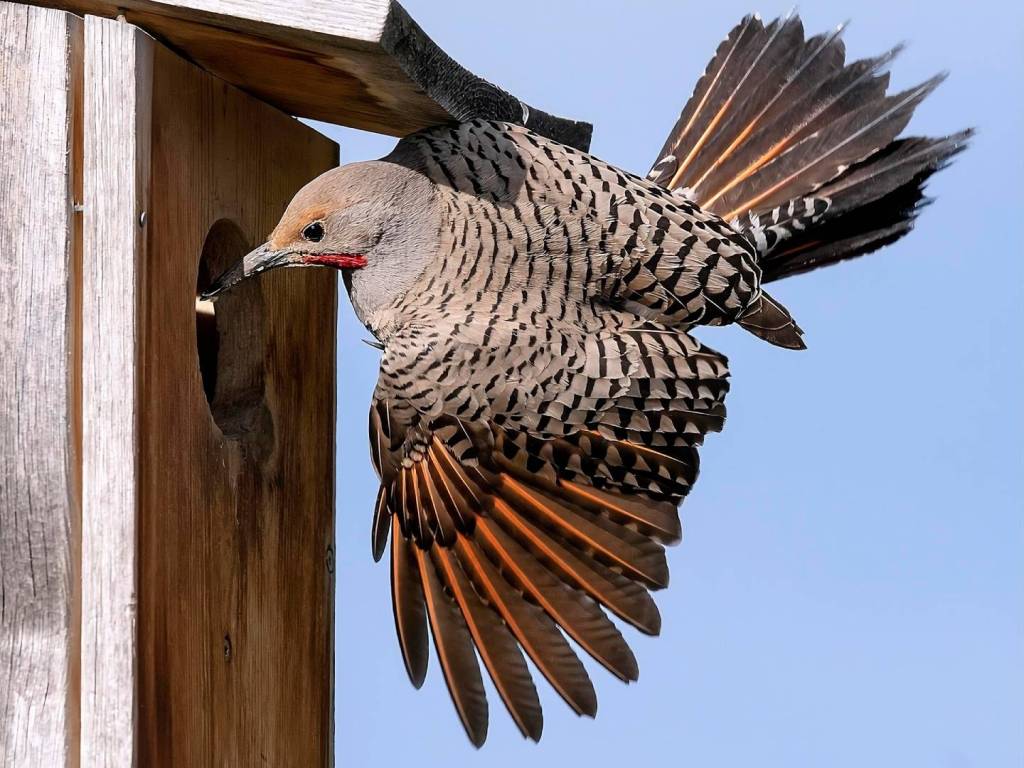
Northern Flickers have fascinating nesting habits that highlight their connection to wooded areas and their resourceful nature. These birds typically nest in tree cavities, making them partial to areas with mature trees and snags.
Choosing a Nest Site
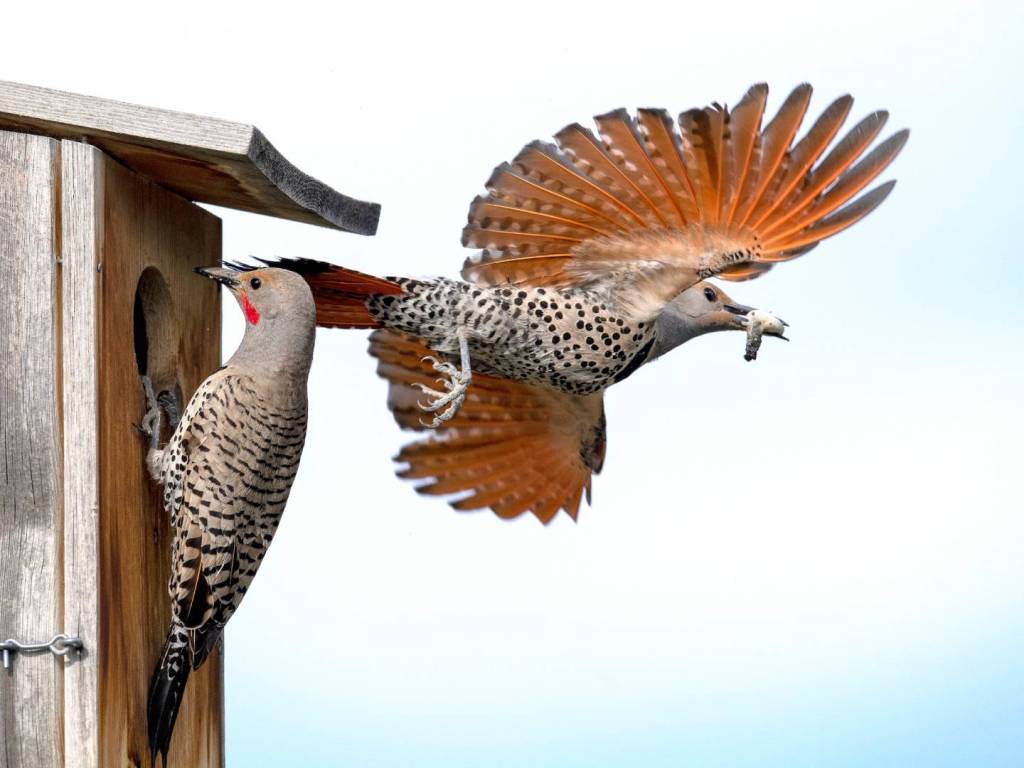
Northern Flickers are cavity nesters, meaning they rely on hollowed-out spaces in trees for their nests. They prefer dead or decaying trees, as the softer wood is easier for them to excavate. If suitable natural cavities aren’t available, they might also take advantage of artificial structures, such as nest boxes designed for woodpeckers. Both males and females take part in selecting the site and excavating the cavity, often choosing locations 6 to 20 feet above the ground.
Nest Structure
Inside the cavity, these birds don’t use traditional nest materials like twigs or leaves. Instead, they rely on the natural wood chips created during excavation to line the nest. This lining provides a soft, cushioned surface for their eggs. A typical clutch contains 5 to 8 eggs, which are pure white and slightly glossy.
Raising the Chicks
Both parents share responsibilities, including incubating the eggs and feeding the chicks. Once hatched, the chicks are completely vulnerable, relying entirely on their parents for warmth, protection, and food. After about 24 to 27 days, the fledglings are ready to leave the nest, but they often stick close by for a while, continuing to learn from their parents.
Favorite Foods
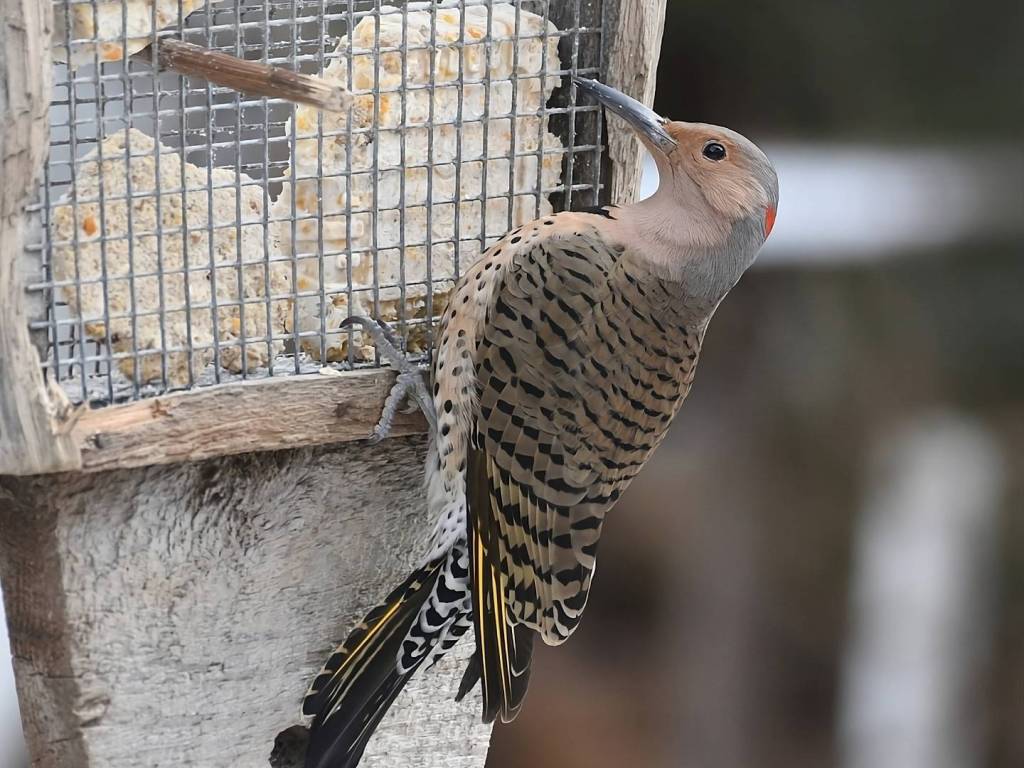
The Northern Flicker is a versatile forager with a diet that reflects its adaptability. Unlike most woodpeckers that drill into trees for insects, the Northern Flicker often feeds on the ground, showcasing unique behavior for a woodpecker.
A Love for Ants
Ants are the Northern Flicker’s favorite meal, making up a significant portion of its diet. These birds use their long, barbed tongues to dig into anthills and snag ants from the soil. Their tongues are covered in sticky saliva, which helps them capture these tiny insects efficiently. It’s not uncommon to spot a flicker hopping around grassy areas, pecking into the ground in search of its favorite snack.
A Varied Menu
While ants dominate their diet, Northern Flickers are not picky eaters. They also consume other insects like beetles, caterpillars, and termites. During the fall and winter months, when insects are less abundant, flickers turn to fruits and seeds. They’ll happily feed on berries from shrubs like dogwood, sumac, and elderberry, as well as seeds from grasses and weeds.
Feeding Behavior
Northern Flickers use their strong beaks to dig and pry into soil or wood, but they are equally comfortable perching on trees to pick off fruits or insects. This flexibility allows them to thrive in a range of environments, from open woodlands to urban parks.
Fun Facts
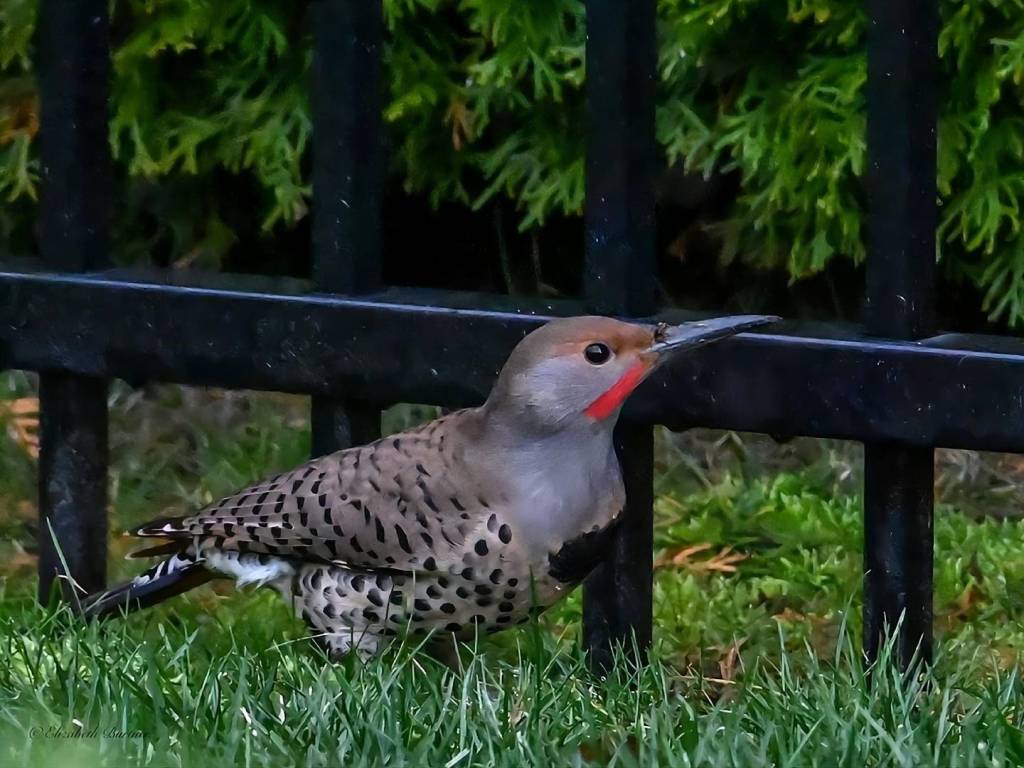
The Northern Flicker is full of surprises, boasting a set of characteristics and behaviors that make it one of the most interesting birds to observe. Here are some fun facts that showcase just how unique this species is!
Drumming as Communication
While many woodpeckers drum on trees to find food, the Northern Flicker often drums to communicate. They will hammer on resonant surfaces like hollow trees, metal poles, or even house siding to mark territory or attract a mate. The louder and faster the drumming, the more effective it is in grabbing attention.
A Ground-Loving Woodpecker
Unlike its tree-bound relatives, the Northern Flicker spends much of its time foraging on the ground. Its behavior is more reminiscent of a thrush than a typical woodpecker, hopping around grassy areas and digging into the soil for ants and beetles.
Long-Distance Migrants
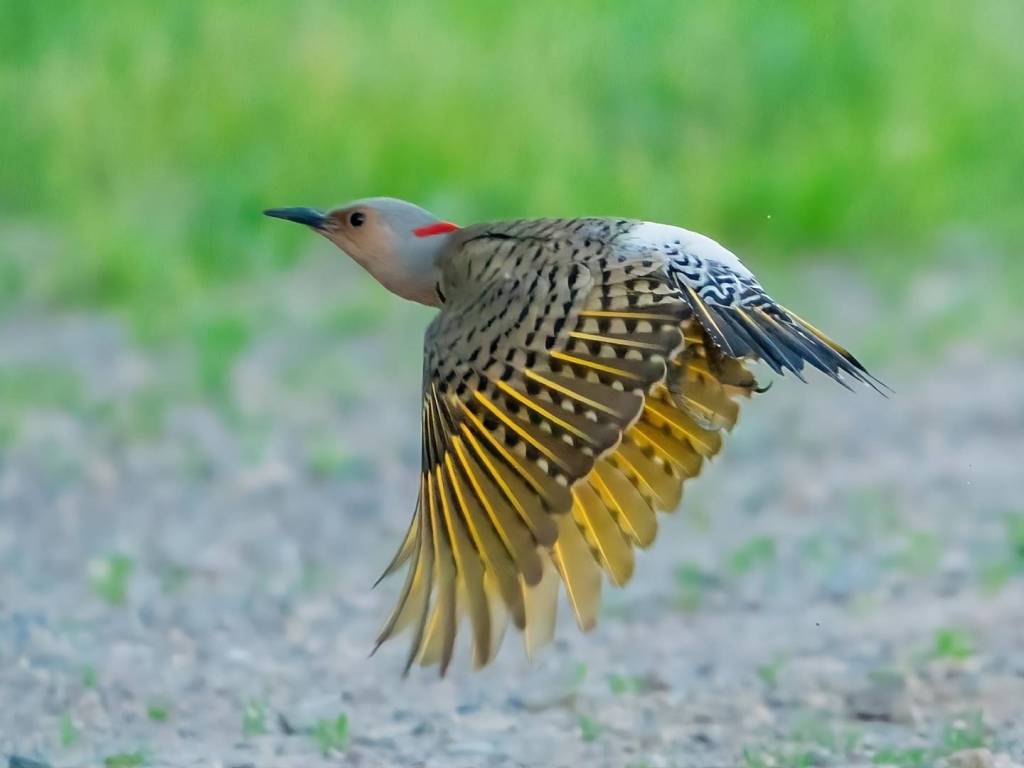
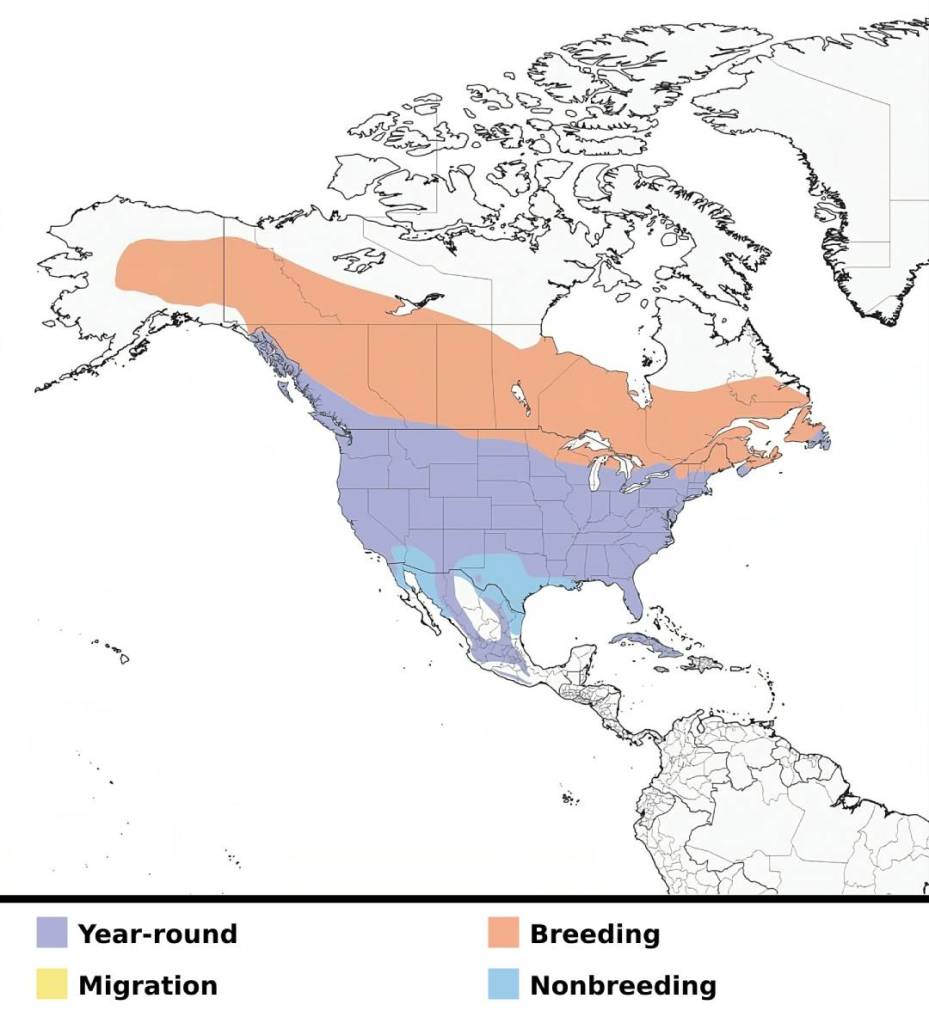
Northern Flickers are partially migratory, with many birds in colder regions traveling south during winter. However, their migration is not uniform—some populations remain year-round, while others move great distances. Their adaptability to different climates is remarkable.
A Bird of Many Names
The Northern Flicker has been called by several names over the years, including “Yellowhammer” and “Clape.” These names often reflect its regional presence or specific features, like the yellow or red shafts of its wings.
A Distinctive Call
The Northern Flicker’s sharp, clear “wick-a-wick-a-wick” call is unmistakable. It’s often one of the first signs that this vibrant bird is nearby.
Conservation Efforts
The Northern Flicker is a resilient bird, but like many species, it faces challenges that require conservation efforts to ensure its long-term survival. Fortunately, these woodpeckers have benefitted from protections and initiatives aimed at preserving their habitats.
Population Status
Currently, the Northern Flicker is classified as a species of Least Concern by conservation organizations, meaning its populations are stable overall. However, regional declines have been noted, particularly in areas where natural nesting sites are disappearing due to deforestation or urban development.
Habitat Preservation
Conservation groups emphasize the importance of maintaining mature forests and wooded areas, which provide the dead trees and snags essential for nesting. Land management practices that preserve these habitats directly benefit flickers and other cavity-nesting birds.
Threats
One significant threat to Northern Flickers is competition for nesting sites, particularly from invasive species like European Starlings. These aggressive birds often outcompete flickers for tree cavities, reducing available nesting options. Additionally, the use of pesticides can harm their primary food sources, such as ants and beetles.
Community Efforts
Local conservation programs and bird enthusiasts play a crucial role in supporting Northern Flickers. Installing nest boxes designed for woodpeckers and promoting the growth of native plants can help provide food and shelter. Public awareness campaigns also educate communities on the importance of preserving bird habitats.
How to Attract to Your Backyard
Providing Nesting Options
Northern Flickers are cavity nesters, so having dead trees or snags on your property is a great way to attract them. If these aren’t available, installing a large nest box can work as an alternative. Make sure the entrance hole is about 2.5 inches in diameter, and place the box at least 6 feet off the ground. Position it near wooded or semi-open areas where flickers are likely to forage.
Food and Water
Since ants are their favorite food, a chemical-free lawn teeming with insects is a great way to invite flickers. Avoid using pesticides, as they deplete the food sources flickers rely on. You can also provide suet feeders during colder months, as flickers enjoy this high-energy food. Offering fruits like raisins or berries in platform feeders might also attract them.
Water is equally important. Adding a birdbath or small pond to your yard can make it even more appealing. Make sure the water is clean and shallow, with a few perching spots nearby.
Create a Safe Space
Flickers prefer quieter spaces with plenty of natural cover. Planting native shrubs and trees not only provides shelter but also encourages the insects they love to eat. With a little effort, you can create a backyard haven for these vibrant woodpeckers.
Conclusion
The Northern Flicker is a remarkable bird that brings color, sound, and personality to the landscapes it inhabits. From its striking plumage and unique ground-foraging habits to its drumming communication and fascinating nesting behaviors, this woodpecker truly stands out. Whether you’re spotting one in a forest, a park, or your backyard, the Northern Flicker offers endless opportunities to connect with nature. By supporting conservation efforts and creating inviting spaces for them, we can ensure that these birds continue to thrive. Whether it’s maintaining natural habitats, installing a nest box, or simply observing their behavior, every small action helps. The next time you hear that sharp “wick-a-wick” call, take a moment to appreciate the beauty of the Northern Flicker.


 Wing Watchers with Wagner
Leave a comment