

Introduction
The Lesser Goldfinch is a delightful little songbird that brightens the landscapes of the western United States, Mexico, and Central America. Known for its cheerful calls and vibrant colors, this small finch is a favorite among birdwatchers and nature enthusiasts. Lesser Goldfinches are often found in open woodlands, parks, and backyards, flitting about with boundless energy and a social nature that makes them a joy to observe. Despite their small size, these birds are remarkable in their adaptability and resourcefulness, thriving in diverse habitats ranging from arid deserts to lush suburban gardens.
In this post, we will dive into the key features of the Lesser Goldfinch, exploring its appearance, nesting habits, diet, fun facts, conservation efforts, and how you can attract this lively bird to your own backyard. Stay tuned as we uncover the charm of this vibrant member of the finch family!
Appearance
The Lesser Goldfinch is a small but striking bird, measuring around 4.5 inches in length with a wingspan of 8 inches. Despite its diminutive size, it’s hard to miss, thanks to its vibrant plumage and playful energy. Males and females are both colorful, but there are subtle differences that make them easy to tell apart.

Male Lesser Goldfinch
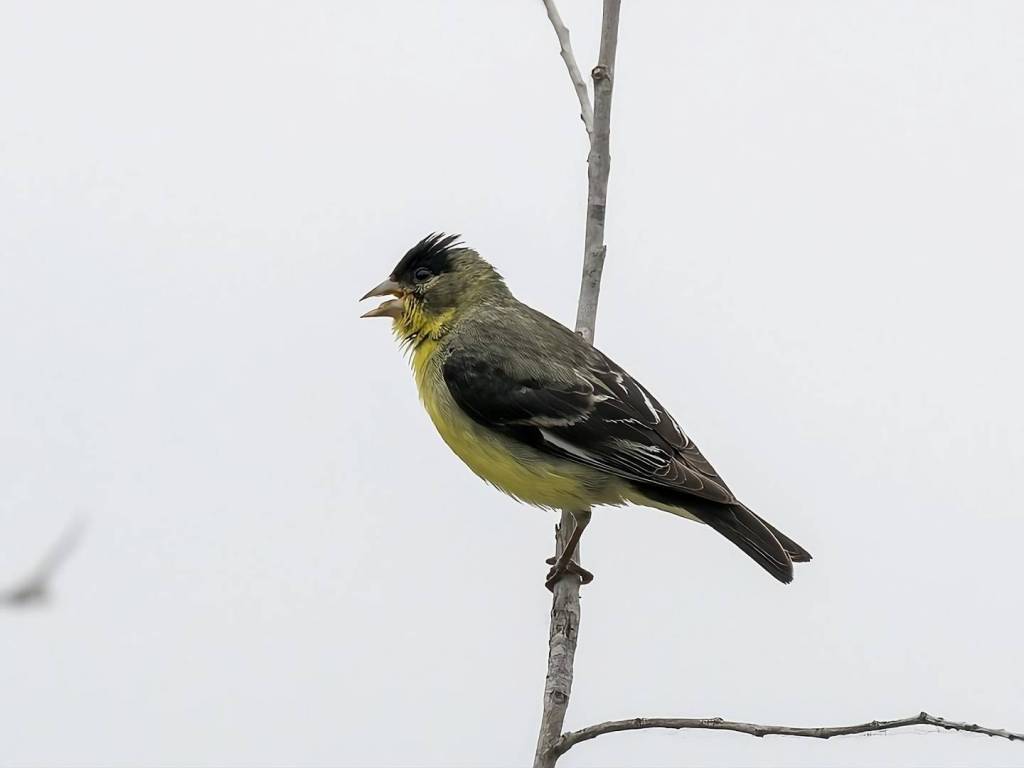
Males are a spectacle of contrasting colors. Their bright yellow underparts catch the eye immediately, while their back varies from solid black to dark olive, depending on the region. Their black cap, which extends from the top of their head down to the nape, is a distinguishing feature. The white patches on their black wings and tail feathers add a touch of elegance, especially when they’re in flight. The male’s vibrant appearance is often the first thing birdwatchers notice.
Female Lesser Goldfinch
Female Lesser Goldfinches are a bit more subdued in their coloring but no less charming. Their plumage features soft yellow or pale greenish underparts, with olive backs that blend seamlessly into their surroundings. They lack the black cap seen on males, which helps differentiate them at a glance. Despite their more muted tones, females are just as lively and often just as active in their social groups.
Juveniles
Young Lesser Goldfinches look similar to females, with pale yellowish underparts and olive-brown backs. They grow into their distinct adult plumage as they mature, making them harder to identify during their early stages.
Nesting Habits
The nesting habits of the Lesser Goldfinch showcase their resourcefulness and adaptability. These birds are creative architects, building compact, cup-shaped nests that provide warmth and protection for their vulnerable offspring. Let’s explore where they nest, how they build their nests, and what their parenting behavior looks like.

Nest Location
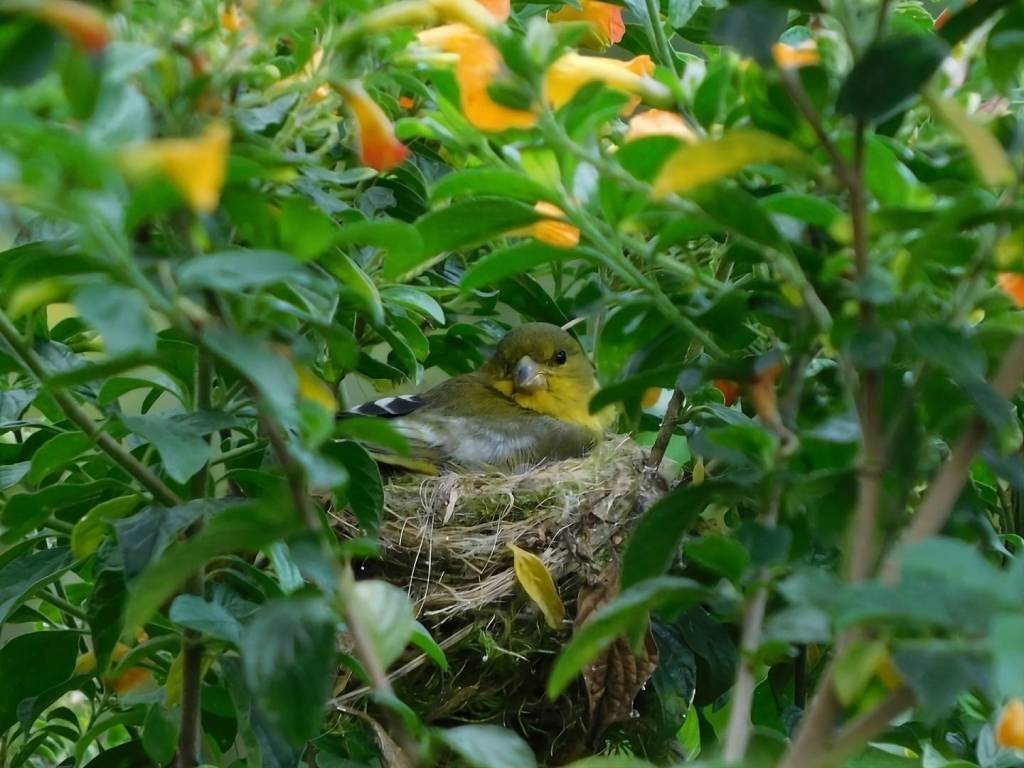
Lesser Goldfinches prefer to nest in trees or shrubs, choosing locations that provide adequate shelter from predators and the elements. They often select trees like oaks, willows, or sycamores, but in urban areas, they might use ornamental trees in gardens and parks. The nest is usually situated several feet above the ground, securely tucked into the fork of a branch.
Nest Construction
The female takes on the role of nest builder, constructing a snug and sturdy home for her eggs. She uses natural materials like grass, bark, and plant fibers, weaving them together with incredible skill. Spider silk is often used as a binding agent, giving the nest added flexibility and strength. The interior is then lined with soft materials such as feathers, wool, or even fur to create a cozy environment for the eggs and hatchlings.
Eggs and Incubation
A typical clutch consists of 3 to 5 eggs, which are pale bluish-white. The female incubates the eggs for about 12 to 14 days, while the male stays nearby, providing food and guarding the nesting territory. Once the eggs hatch, both parents work tirelessly to feed the chicks, who remain in the nest for about 11 to 15 days before fledging.
Favorite Foods
The Lesser Goldfinch has a primarily plant-based diet, with a strong preference for seeds. Their feeding habits not only sustain their energy levels but also play an essential role in spreading seeds and supporting the ecosystems they inhabit. Let’s take a closer look at their dietary preferences and how they forage for food.
Seed Specialists
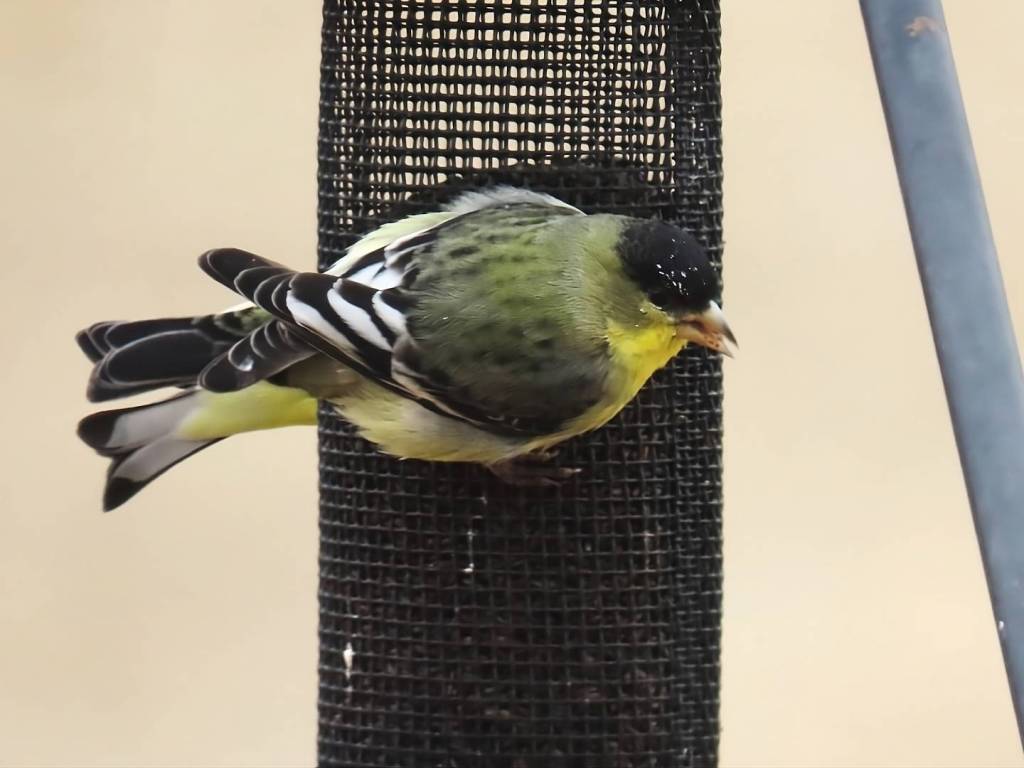
Lesser Goldfinches are particularly fond of seeds from sunflowers, dandelions, and thistles. Thistle seeds, in particular, are a favorite, and you’ll often spot these birds hanging upside down from plants as they extract the tiny seeds. Their strong, cone-shaped beaks are perfectly adapted for this task, allowing them to crack open seed husks efficiently.
Other Plant-Based Foods
While seeds make up the majority of their diet, Lesser Goldfinches also enjoy nibbling on tender plant buds, fruits, and flower petals. This diverse diet helps them adapt to seasonal changes and different habitats, ensuring they always find something to eat.
Foraging Behavior
Lesser Goldfinches are skilled and acrobatic foragers. They frequently hop between plants or hang from branches to access seeds and other food sources. They also visit backyard feeders, especially those stocked with nyjer (thistle) or black oil sunflower seeds. Their gregarious nature often means they feed in flocks, creating a lively and entertaining scene for bird enthusiasts.
Fun Facts
Lesser Goldfinches are full of surprises, with behaviors and traits that make them stand out among their avian peers. Here are some fascinating tidbits about these vibrant little birds that will deepen your appreciation for them.
Regional Differences in Plumage
Did you know that the back color of the male Lesser Goldfinch varies depending on where you see them? In the eastern parts of their range, males typically have black backs, while in the western regions, they tend to have dark olive backs. This regional variation in plumage adds an extra layer of intrigue for birdwatchers who travel across their range.
Their Songs are Unique
Lesser Goldfinches are accomplished vocalists with a knack for mimicry. Males have a repertoire of chirps, whistles, and trills, often incorporating snippets of songs from other bird species. Their complex melodies are used to attract mates and establish territory. Listening to their cheerful songs can brighten any day.
They Form Large Flocks
These birds are highly social and often gather in flocks, especially outside the breeding season. In some cases, these flocks can number in the hundreds. Watching a large group of Lesser Goldfinches feed or flutter through a meadow is a spectacular sight.
Longevity in the Wild
For such a small bird, Lesser Goldfinches can live surprisingly long lives. While their average lifespan is around 3 to 5 years, some individuals have been recorded living over 10 years in the wild. Their resilience is truly remarkable.
Conservation Efforts
The Lesser Goldfinch is currently not a bird of significant conservation concern, but like all wildlife, it faces challenges that require attention to ensure its continued survival. Habitat preservation, reducing environmental hazards, and promoting awareness are all vital to protecting these cheerful little birds.

Habitat Preservation
Lesser Goldfinches thrive in open woodlands, grasslands, and suburban areas. However, urbanization and land development can reduce the availability of their natural habitats. Maintaining green spaces, planting native vegetation, and preserving wildflower-rich areas are critical for providing them with food and nesting sites.
Avoiding Pesticides
Pesticides and herbicides pose a threat to the Lesser Goldfinch by reducing their food sources, such as seeds from native plants and wildflowers. Additionally, exposure to these chemicals can harm the birds directly. Opting for organic gardening practices and reducing chemical use in green spaces can help ensure a safer environment for them.
Citizen Science Projects
Birdwatchers and enthusiasts can contribute to conservation efforts by participating in citizen science initiatives like the Audubon Christmas Bird Count or Project FeederWatch. By reporting sightings and behavior, researchers can monitor population trends and habitat use, providing valuable data for conservation strategies.
Climate Change Impacts
Climate change poses long-term challenges for the Lesser Goldfinch, as shifts in weather patterns may affect their food availability and migration routes. Supporting reforestation projects and advocating for policies that address climate change can help mitigate these effects.
How to Attract Lesser Goldfinches to Your Backyard

Choosing the Right Feeder
Lesser Goldfinches are particularly drawn to tube feeders stocked with nyjer (thistle) seeds or fine sunflower chips. These feeders are designed to accommodate their small size and ensure they can feed comfortably. Make sure the feeders have small perches to deter larger birds from monopolizing the food.
Plant Native Vegetation
Native plants are a magnet for Lesser Goldfinches, as they provide a steady supply of seeds and a natural foraging environment. Consider planting sunflowers, dandelions, and thistle varieties to replicate their favorite wild food sources. Native flowering plants also attract insects, which can be an occasional food source for the birds, especially during nesting season.
Provide Fresh Water
A clean and shallow water source is another great way to attract Lesser Goldfinches. They’ll use birdbaths or shallow dishes for drinking and bathing. Adding a drip feature or fountain will enhance the appeal, as the sound of moving water often draws birds from afar.
Keep the Area Safe
To ensure their safety, place feeders and water sources in locations that are sheltered from predators. Avoid placing them too close to dense shrubbery where cats or other predators might hide. Regular cleaning of feeders and birdbaths also prevents the spread of diseases.
Conclusion
The Lesser Goldfinch is a true delight for birdwatchers and nature lovers alike. With its vibrant plumage, cheerful songs, and playful demeanor, this little bird brings a touch of joy wherever it goes. Whether you’re observing them in the wild, listening to their mimicry-filled melodies, or welcoming them to your backyard, the Lesser Goldfinch is a wonderful reminder of the beauty and resilience of nature. By understanding their habits, needs, and the challenges they face, we can do our part to support these birds and ensure they continue to thrive. From planting native flowers to maintaining birdfeeders, small actions can have a big impact. So, keep an eye out for this lively finch, and enjoy the simple pleasure of sharing your space with one of nature’s most colorful visitors.


 Wing Watchers with Wagner
Leave a comment