Introduction
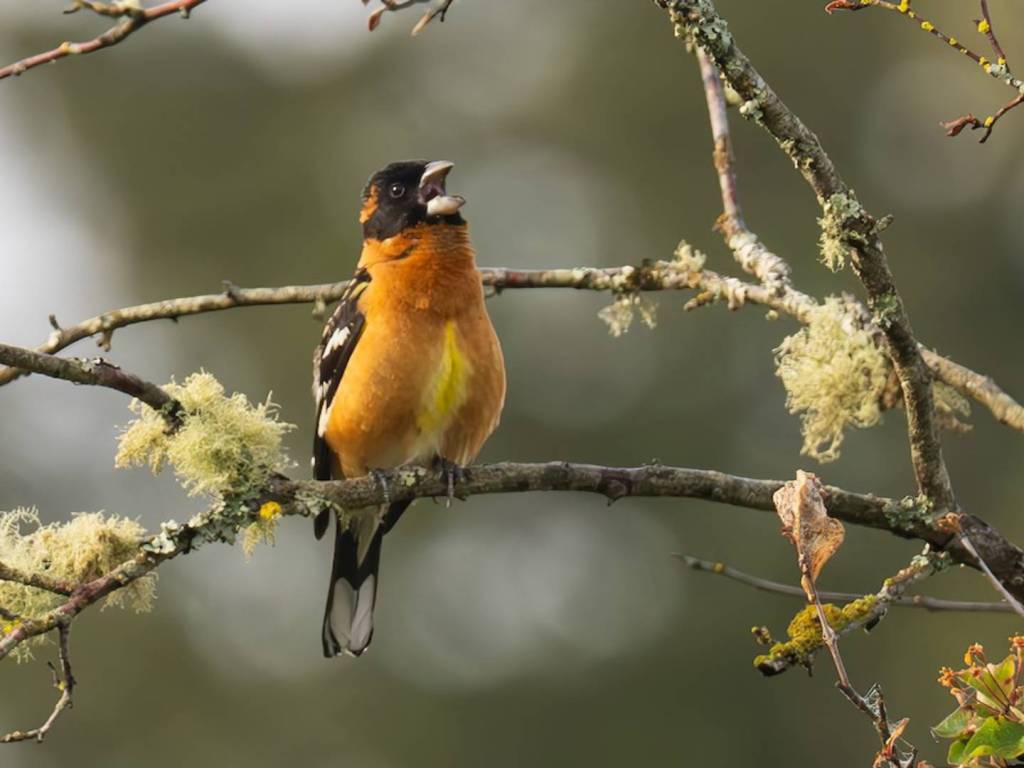
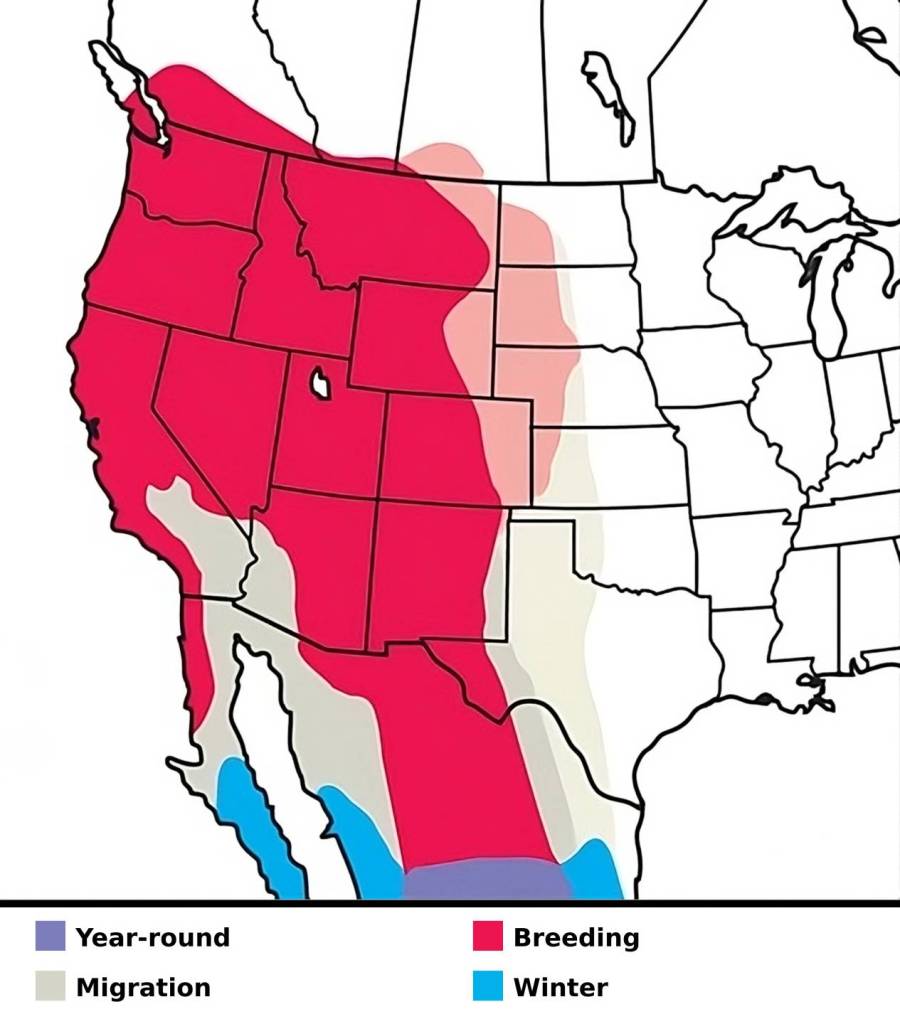
Welcome to the wonderful world of the Black-headed Grosbeak! This striking songbird is a favorite among bird enthusiasts, known for its bold colors, melodious voice, and charming behaviors. Found across much of western North America during the summer months, the Black-headed Grosbeak is a regular visitor to gardens, woodlands, and even urban parks.
These birds play a significant role in their ecosystems, feeding on a mix of insects and fruits while also contributing to seed dispersal. Their approachable nature and beautiful songs make them a joy to observe for beginner and seasoned birdwatchers alike.
In this post, we’ll explore everything from their appearance to their nesting habits, favorite foods, fun facts, conservation efforts, and tips on how you can attract them to your own backyard. Let’s dive in!
Appearance
The Black-headed Grosbeak is a medium-sized songbird with an unmistakable appearance. Its vibrant plumage and striking patterns make it a standout in any setting. Let’s take a closer look at what makes this bird so unique.
Male Black-headed Grosbeak
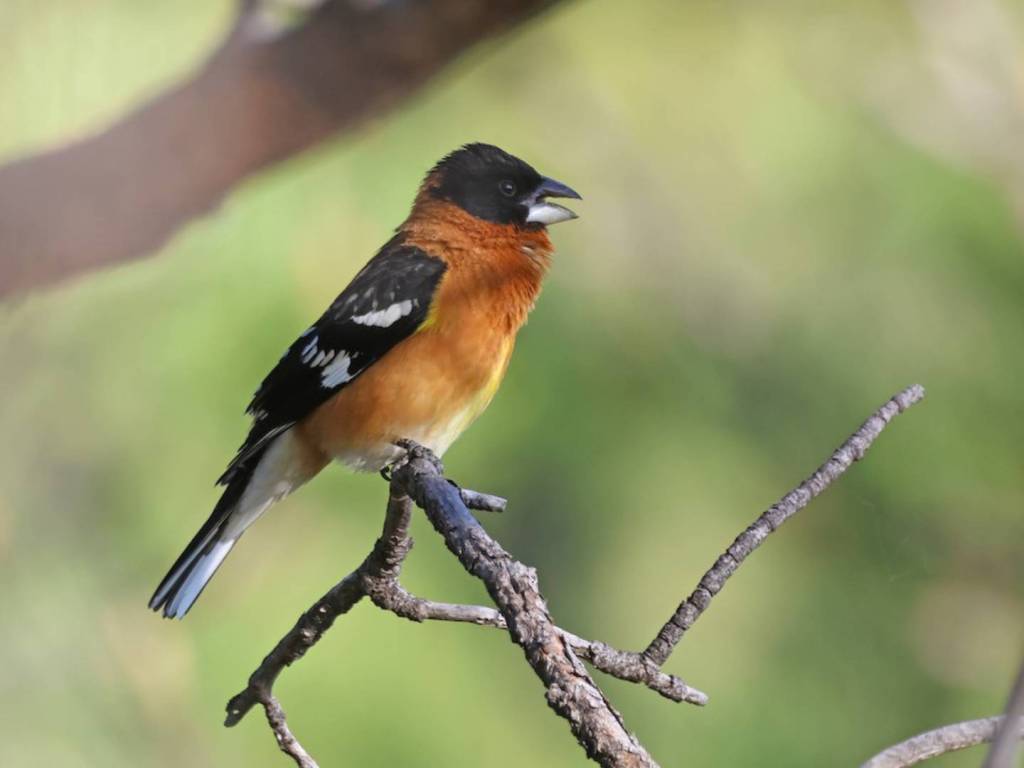
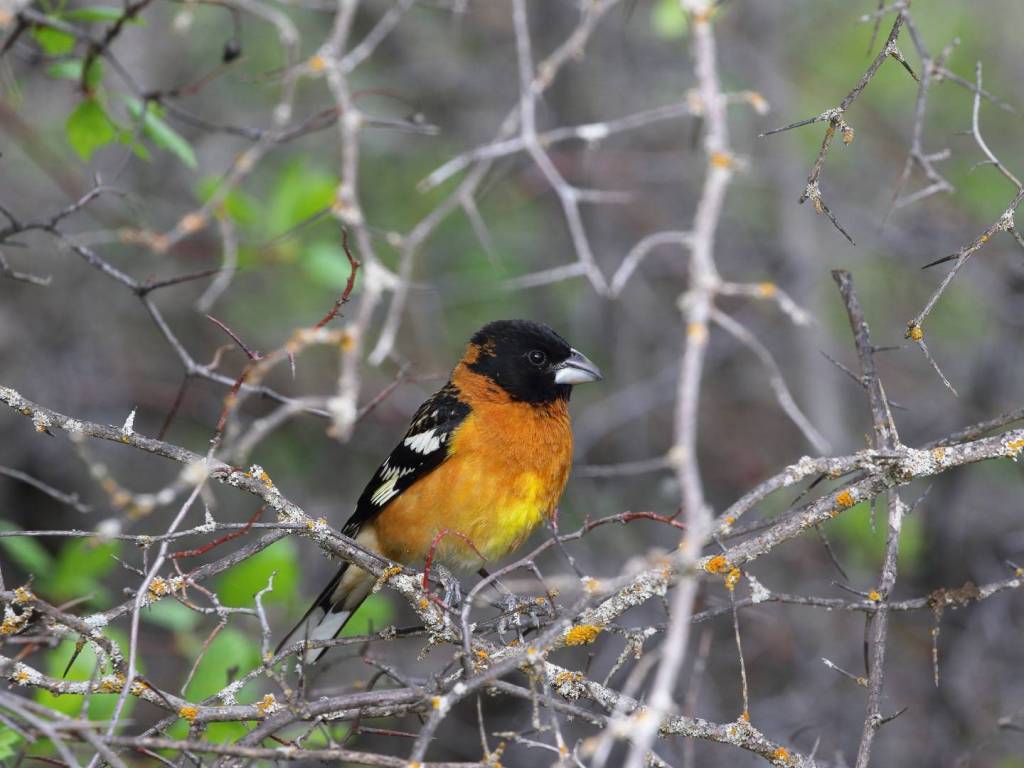
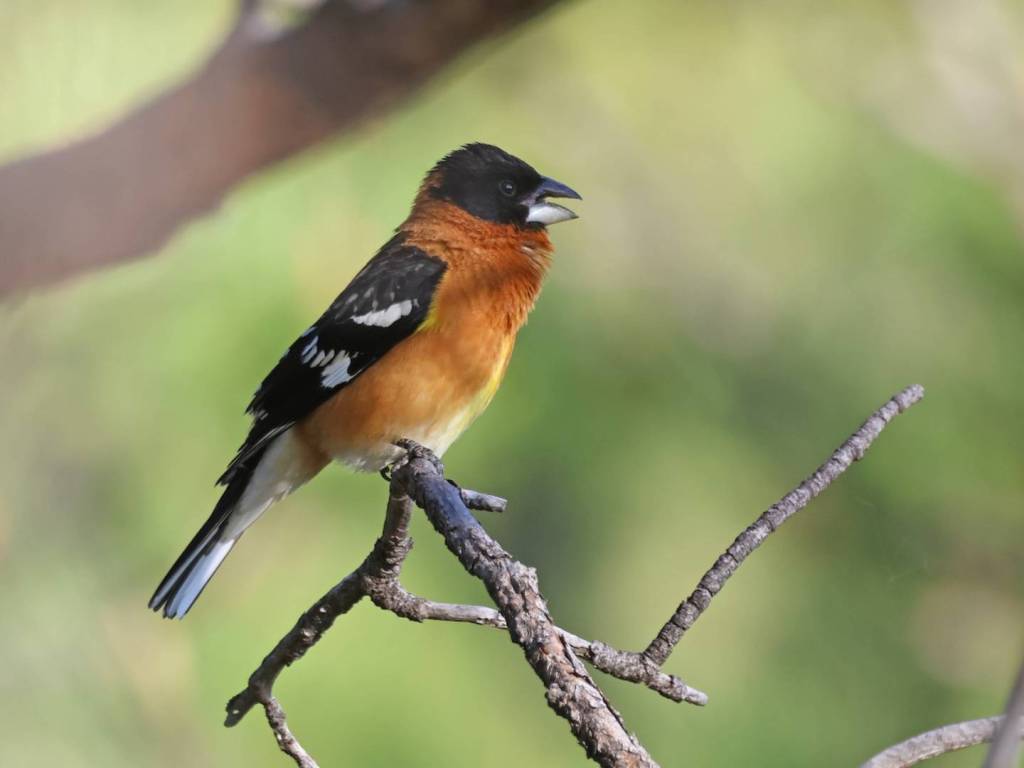
Male Black-headed Grosbeaks are the showstoppers of the species, with bright orange-cinnamon breasts and throats contrasted by jet-black heads and wings. Their wings also feature white patches that can be seen in flight or when perched. The back is a warm brown, blending into their orange sides and underparts. These bold colors are not just for show—males use their vivid plumage to attract mates during the breeding season.
Female Black-headed Grosbeak
Females are more subtly colored but equally beautiful. They have a warm brown back and streaked sides, with buff-colored underparts. Their heads are brown, with a slightly lighter eyebrow stripe that gives them a softer, more delicate appearance compared to males. While their coloration might seem understated, it provides excellent camouflage, especially when they are nesting.
Juvenile Black-headed Grosbeak
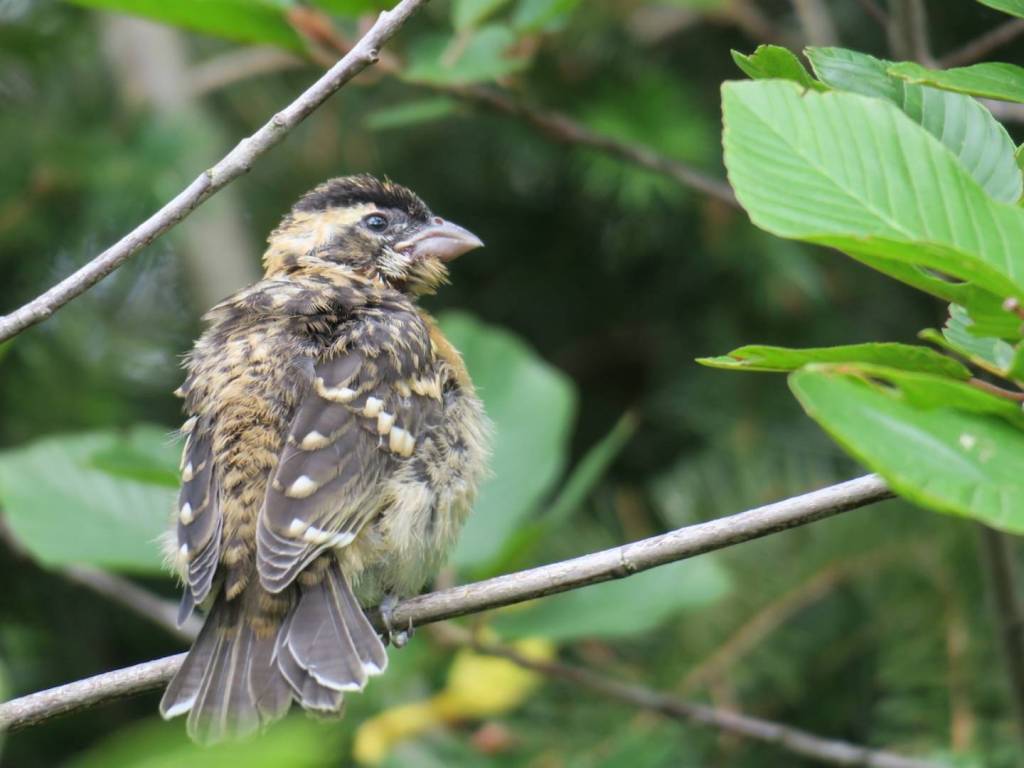
Young grosbeaks resemble females but often have even more streaking on their underparts and less distinct head markings. This muted appearance helps keep them safe from predators as they grow and learn to navigate their environment.
With their robust bodies, thick bills, and contrasting colors, Black-headed Grosbeaks are hard to miss. Their strong bills are perfectly designed for cracking seeds and eating insects, showcasing their adaptability.
Nesting Habits
The Black-headed Grosbeak is as fascinating in its nesting behaviors as it is in its appearance. These birds take great care to create safe and secure nests to raise their young. Let’s explore their nesting habits in more detail.
Building the Nest

Black-headed Grosbeaks typically nest in trees or large shrubs, preferring locations with good cover to protect their nests from predators. They often select deciduous trees, such as cottonwoods or maples, or dense shrubs like elderberries. Nests are usually placed 4 to 25 feet above the ground, depending on the habitat.
The female takes the lead in building the nest, constructing a loose, cup-shaped structure out of twigs, grasses, and plant materials. She lines it with softer items, like fine grasses or animal fur, to create a cozy space for her eggs.
Eggs and Incubation
Once the nest is complete, the female lays 2 to 5 eggs, which are pale green or blue with brown speckles. Both parents share incubation duties, a rare and endearing trait among songbirds. Incubation lasts about 12 to 14 days, during which the parents remain attentive and vigilant, taking turns to ensure the eggs stay warm and protected.
Raising the Chicks
After the eggs hatch, the chicks emerge vulnerable and helpless. Both parents contribute to feeding them a steady diet of insects and, occasionally, fruit. This high-protein diet helps the chicks grow quickly. In just 10 to 14 days, the young birds are ready to leave the nest, though their parents continue to care for them for a short time as they learn to fend for themselves.
Favorite Foods
The Black-headed Grosbeak has a diverse palate, making it a fascinating bird to study and attract. Its diet reflects its adaptability and the changing availability of food throughout the seasons.
A Balanced Diet
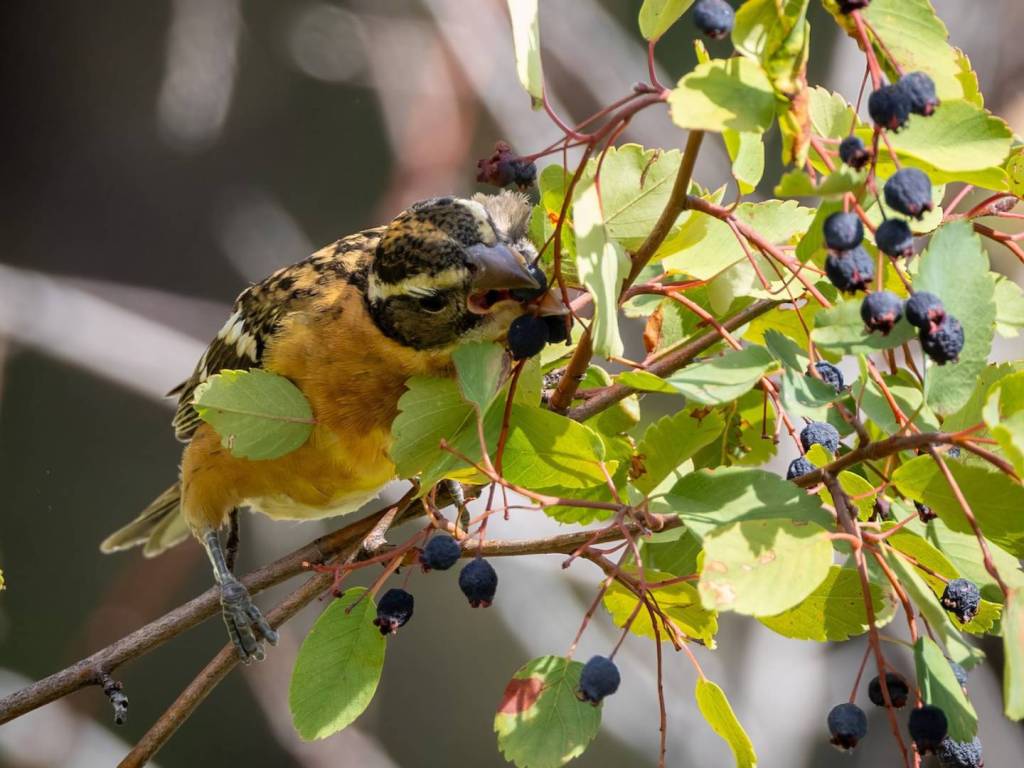
Black-headed Grosbeaks are omnivores, eating a variety of foods. Insects, seeds, fruits, and even flowers make up their menu. Their strong, conical bills are perfectly designed for cracking open seeds, making them efficient feeders.
Summer Diet: Insects and Protein
During the warmer months, grosbeaks focus on insects, which provide essential protein for breeding adults and their chicks. They eat beetles, grasshoppers, and caterpillars, including the notorious tent caterpillars that many birds avoid. This ability to consume a wide range of insects makes them important for controlling pest populations.
Fall and Winter: Fruits and Seeds
As the seasons change and insects become scarce, grosbeaks shift their diet to fruits and seeds. They have a particular fondness for blackberries, elderberries, and other wild fruits. Black-headed Grosbeaks often visit feeders stocked with sunflower seeds, especially during the colder months when natural food sources are scarce. Check out this feeder for an excellent option!
A Surprising Appetite for Monarch Butterflies
Interestingly, Black-headed Grosbeaks are among the few birds that can eat monarch butterflies, which are toxic to many other species. They appear to have a higher tolerance for the toxins found in these butterflies, making them unique contributors to balancing butterfly populations.
Fun Facts
The Black-headed Grosbeak is full of surprises, with behaviors and characteristics that make it a favorite among birdwatchers. Here are some fun facts that will deepen your appreciation for this remarkable bird.
Remarkable Singers
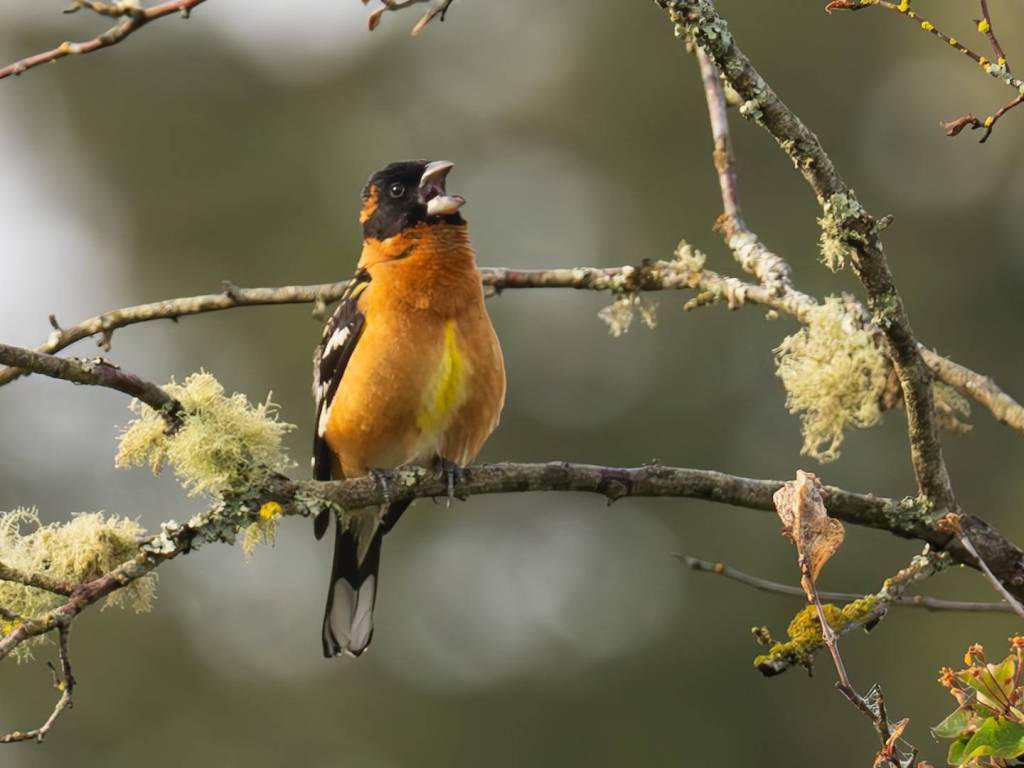
Black-headed Grosbeaks are known for their rich, melodious songs. Their songs are often compared to those of the American Robin but are more intricate and variable. Males sing to establish territory and attract mates, often repeating phrases in an improvisational style. You might hear them singing throughout the day during the breeding season.
Shared Parenting Duties
Unlike many other bird species, Black-headed Grosbeak parents share the responsibilities of incubating eggs and feeding the chicks. This cooperative behavior is unusual among songbirds and reflects the strong bond between mating pairs.
Long-distance Migrants
These birds are long-distance travelers, migrating from their breeding grounds in western North America to their wintering areas in Mexico and Central America. During migration, they cover thousands of miles, a testament to their endurance and adaptability.
Unique Taste for Monarch Butterflies
Black-headed Grosbeaks are one of the few predators that can tolerate the toxins in monarch butterflies. They prey on these butterflies during their wintering period in Mexico, contributing to the delicate balance of the monarch’s ecosystem.
Social Yet Territorial
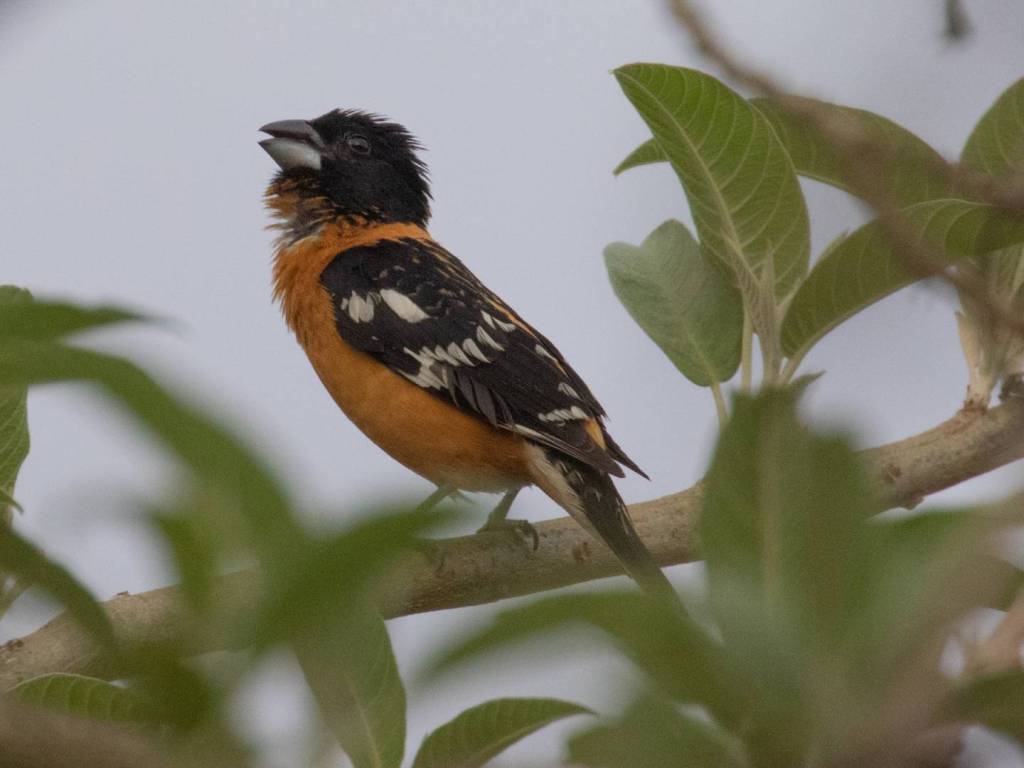
While they are social birds, often seen in mixed-species flocks during migration, Black-headed Grosbeaks become territorial during the breeding season. Males will defend their nesting area with song and displays, ensuring their chicks have the best chance of survival.
Conservation Efforts
The Black-headed Grosbeak is fortunate to have a stable population, but like many bird species, it faces challenges that require ongoing conservation efforts. Understanding the threats these birds encounter and how people are working to protect them can help ensure their continued success.
Habitat Protection
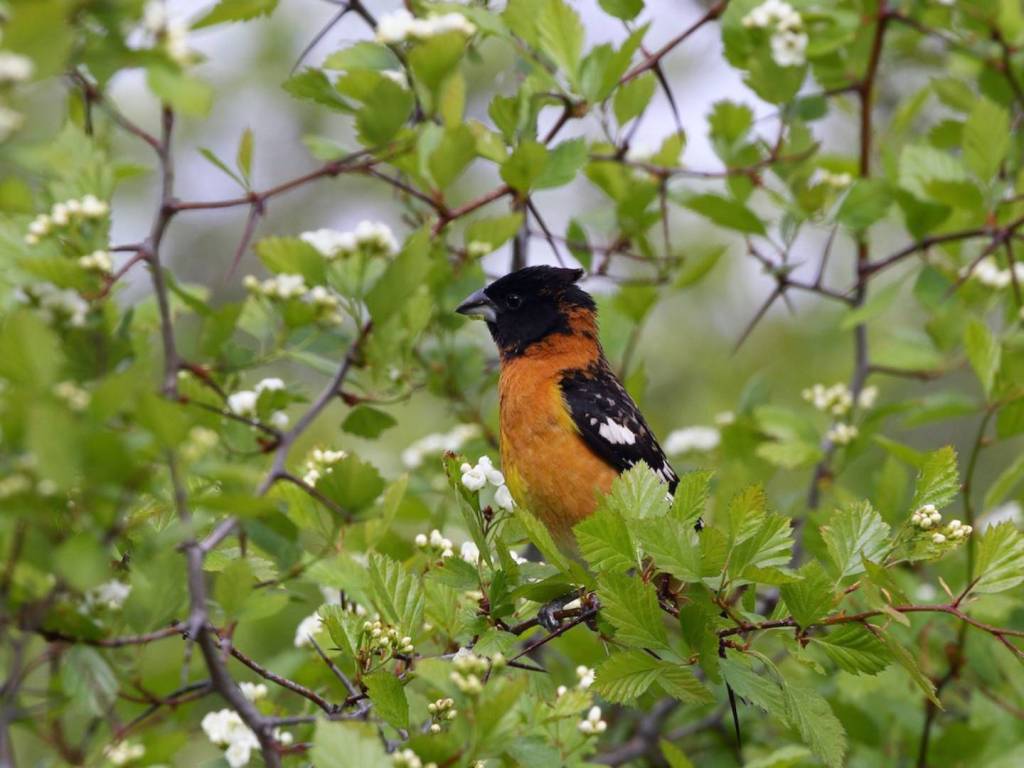
One of the primary challenges for Black-headed Grosbeaks is habitat loss due to urban development, deforestation, and agriculture. Protecting and restoring their natural habitats, such as deciduous woodlands and riparian zones, is crucial for their survival. Conservation organizations work to preserve these critical areas and promote sustainable land management practices.
Pesticide Impact
Since grosbeaks rely heavily on insects during the breeding season, the use of pesticides can have a direct impact on their food supply. Efforts to reduce pesticide use and encourage natural pest control methods in agriculture and gardening are essential for maintaining healthy insect populations.
Climate Change
As with many migratory birds, climate change poses a long-term threat to the Black-headed Grosbeak. Shifts in temperature and weather patterns can disrupt migration timing, breeding, and food availability. Research and monitoring programs help scientists understand these changes and develop strategies to mitigate their effects.
Community Involvement
Birdwatching and citizen science programs like eBird allow individuals to contribute valuable data about Black-headed Grosbeaks. These efforts help researchers track population trends and migration patterns, ensuring timely conservation measures.
By supporting habitat preservation, reducing pesticide use, and participating in citizen science, we can all play a role in protecting the Black-headed Grosbeak.
How to Attract to Your Backyard
Since Black-headed Grosbeaks are frequent visitors to bird feeders and enjoy natural food sources like berries, it’s worth exploring ways to make your backyard more inviting for these beautiful birds. With a few simple steps, you can create a welcoming environment that encourages them to stop by.
Set Up the Right Feeders
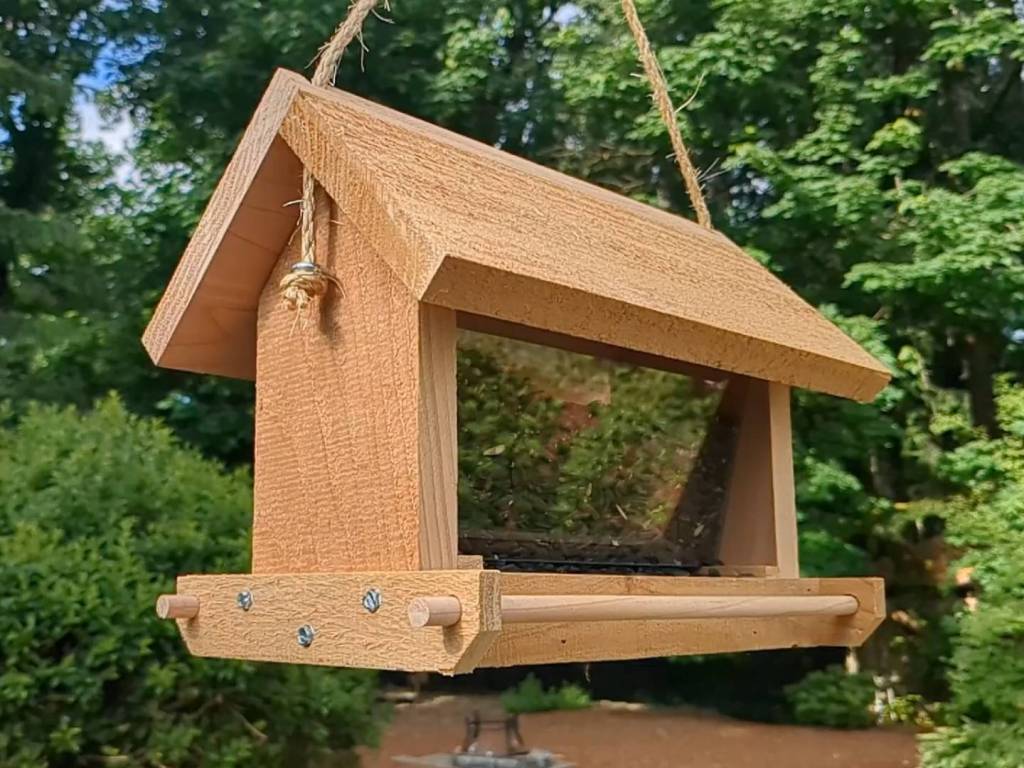
To attract Black-headed Grosbeaks, use platform feeders or large hopper feeders, which accommodate their medium-sized bodies. Fill these feeders with black oil sunflower seeds, their favorite treat. You can also offer safflower seeds or a fruit blend to appeal to their love of variety. Consider using this beautiful wooden feeder to attract Black-headed Grosbeaks. Its design is perfect for holding their favorite sunflower seeds, and it blends seamlessly into any backyard.
Provide Water Sources
A reliable source of water is essential for attracting grosbeaks. Set up a birdbath or fountain, ensuring it is shallow and cleaned regularly. Moving water, such as a small bubbler, can be especially enticing.
Grow Native Plants
Planting native shrubs and trees can provide a natural food source and shelter. Grosbeaks love berry-producing plants like elderberries, serviceberries, and blackberries. Adding flowering plants that attract insects can also benefit their diet during the breeding season.
Create a Safe Environment
Minimize the use of pesticides to keep insects abundant and avoid potential harm to visiting birds. Additionally, ensure your yard is free of hazards like loose pets or large reflective windows to create a safe space for grosbeaks.
By creating a bird-friendly backyard, you can enjoy the sight and song of Black-headed Grosbeaks all season long. Let me know when you’re ready for the Conclusion!
Conclusion
The Black-headed Grosbeak is a truly remarkable bird that brings beauty, melody, and ecological balance to its surroundings. Whether you admire their striking appearance, marvel at their long migrations, or enjoy their cheerful songs, these birds have a special way of connecting us to nature.
By learning about their nesting habits, diet, and unique traits, we can better understand their role in our ecosystems. With simple conservation efforts and a bird-friendly backyard, you can help ensure these delightful creatures thrive for generations to come.
So, the next time you hear their melodious call or see their vibrant plumage, take a moment to appreciate the wonders of the Black-headed Grosbeak.


 Wing Watchers with Wagner
Leave a comment