
Introduction
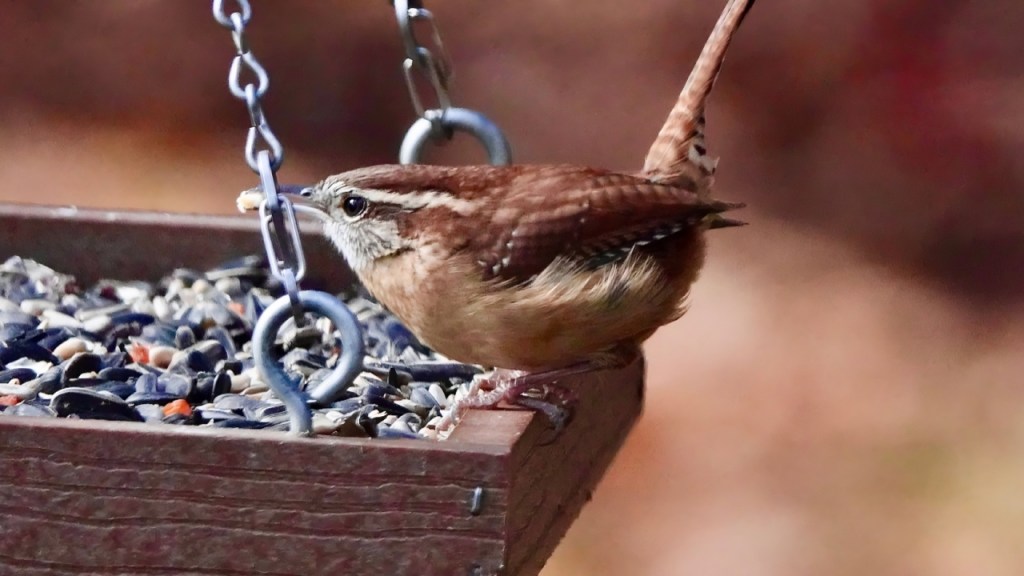
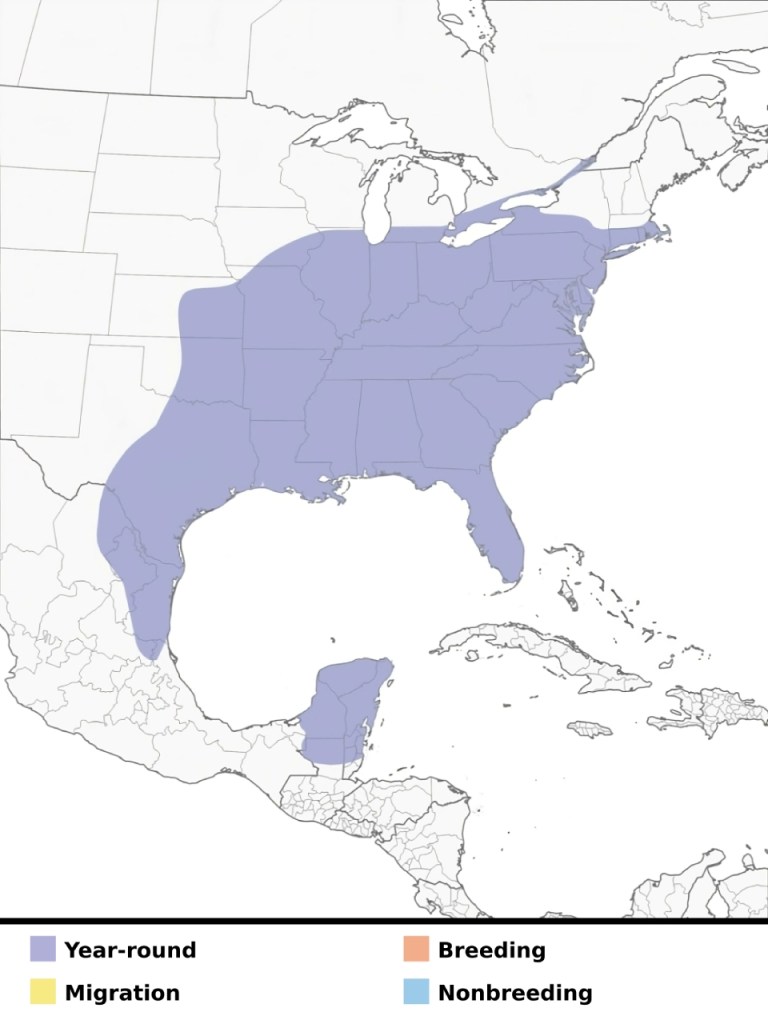
The Carolina Wren is a small yet feisty bird with a big voice that belies its tiny frame. Commonly found throughout the southeastern United States, this little bird is known for its loud and distinctive songs that fill forests, gardens, and backyards. Despite its size, the Carolina Wren is an incredibly adaptable bird that thrives in a variety of environments, from dense woodlands to urban areas.
In this article, we’ll take a closer look at the Carolina Wren’s appearance, nesting habits, favorite foods, and fun facts. We’ll also explore conservation efforts and how you can attract this charming little bird to your backyard. Get ready to learn all about one of the most vocal residents of the bird world!
Appearance
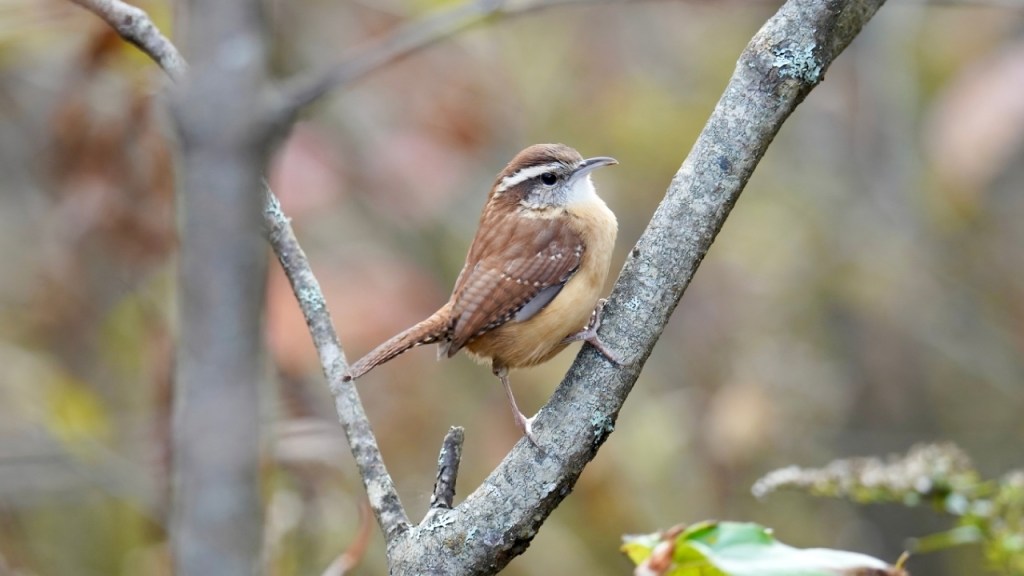
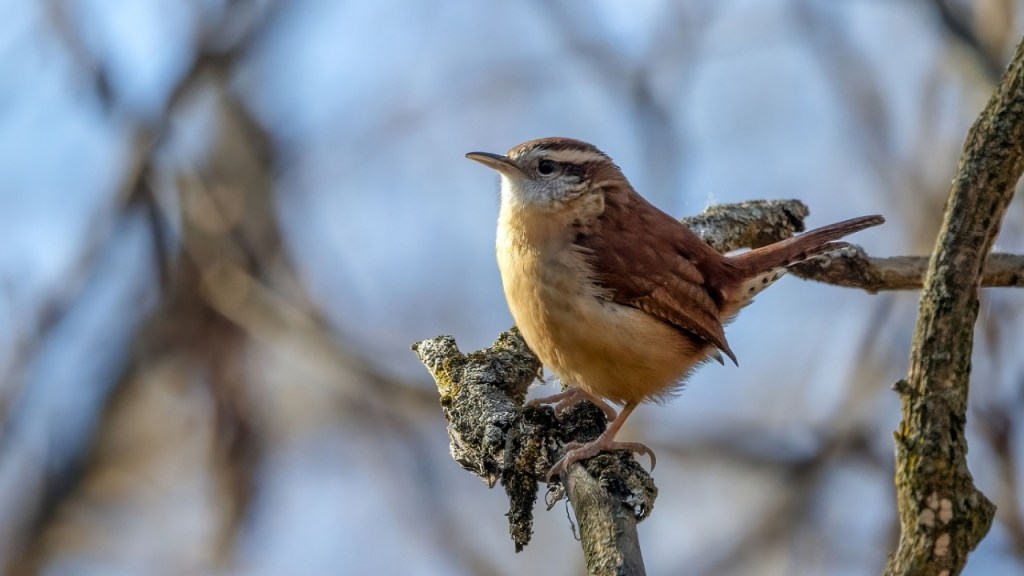
The Carolina Wren may be small, but its appearance is full of character. These birds are typically about 4.5 to 5.5 inches long, with a wingspan of approximately 11 inches, making them one of the more compact songbirds. Their coloring helps them blend into their natural environment, with a warm, rusty-brown upper body and a buff-colored underside.
One of the most recognizable features of the Carolina Wren is its distinct white eyebrow stripe, which runs from the base of the beak to just beyond the eye. This feature adds a bit of personality to their appearance and makes them easier to identify, even in dense foliage. Their beak is long, slightly curved, and thin—perfect for foraging in tight spaces like bark crevices or under leaves.
The wings and tail are marked with faint black bars, adding texture to their already rich coloration. Though their wings appear short, the Carolina Wren is a strong flier and moves quickly when needed. However, they’re often seen hopping along the ground or climbing tree trunks and branches with surprising agility.
Males and females look alike, so it can be hard to tell them apart by sight alone. Both are active, energetic birds that are constantly on the move, searching for food or defending their territory. Though small, the Carolina Wren is certainly a bird that stands out due to its unique features and bold behavior.
Nesting Habits
Carolina Wrens are known for their resourceful and sometimes unconventional nesting habits. Unlike many birds that prefer to build their nests high in trees, Carolina Wrens often choose unusual and low-to-the-ground locations. You might find a nest tucked away in a potted plant, an old boot, or even in a forgotten corner of a garage or porch! They are opportunistic nesters, making use of whatever safe and sheltered spot they can find.
When it comes to building their nests, both male and female wrens work together. They construct cup-shaped nests made from a variety of materials, including twigs, leaves, grass, and moss. Inside, they line the nest with softer materials like feathers and animal hair, creating a comfortable spot for their eggs. The nests are typically well-hidden, providing some protection from predators.
The female Carolina Wren will usually lay between 3 to 7 eggs, which are small, white, and speckled with brown. After laying the eggs, she incubates them for about two weeks while the male stands guard and continues to forage for food. Once the chicks hatch, both parents are actively involved in feeding and caring for their young.
Carolina Wrens can raise multiple broods per year, especially in warmer climates, meaning they stay busy as parents! Their nesting sites may vary from season to season, but their dedication to finding safe and secure places for their young never wavers.
Favorite Foods
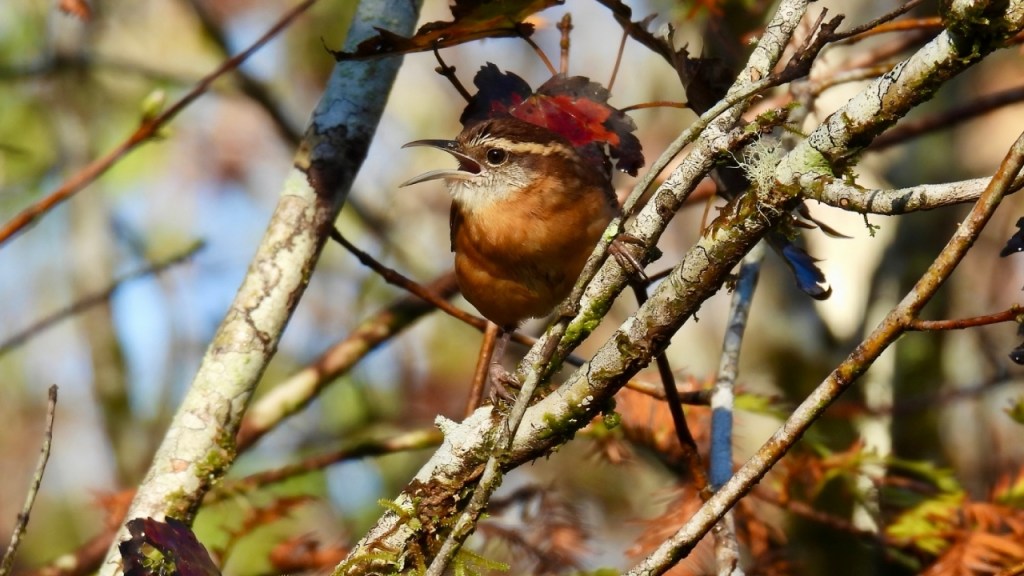
Carolina Wrens have a varied and opportunistic diet, which helps them thrive in different environments. These birds are primarily insectivores, meaning they love to eat insects. Their favorite meals include beetles, caterpillars, grasshoppers, and spiders. Using their slightly curved beaks, Carolina Wrens are excellent at probing under leaves, in tree bark, or among ground debris to find tasty bugs.
However, their diet isn’t limited to just insects. Carolina Wrens will also eat small fruits and seeds, especially during colder months when insects are harder to find. Berries from native plants like elderberries, sumac, or dogwood can be an important food source, particularly during the fall and winter seasons. They may even visit feeders in your yard, where they are known to enjoy suet, sunflower seeds, and peanut butter. Suet feeders, in particular, are a popular way to attract these energetic birds to your backyard, as the high-energy food mimics the insects they typically hunt.
Their foraging behavior is just as entertaining as their singing. You’ll often spot Carolina Wrens hopping along the ground, flipping leaves, or clinging to tree trunks as they search for food. They are quick and agile, constantly moving as they explore every nook and cranny in their environment.
Because of their diverse diet, Carolina Wrens can adapt well to different habitats and changing food supplies, making them resilient little survivors in both urban and natural landscapes.
Fun Facts
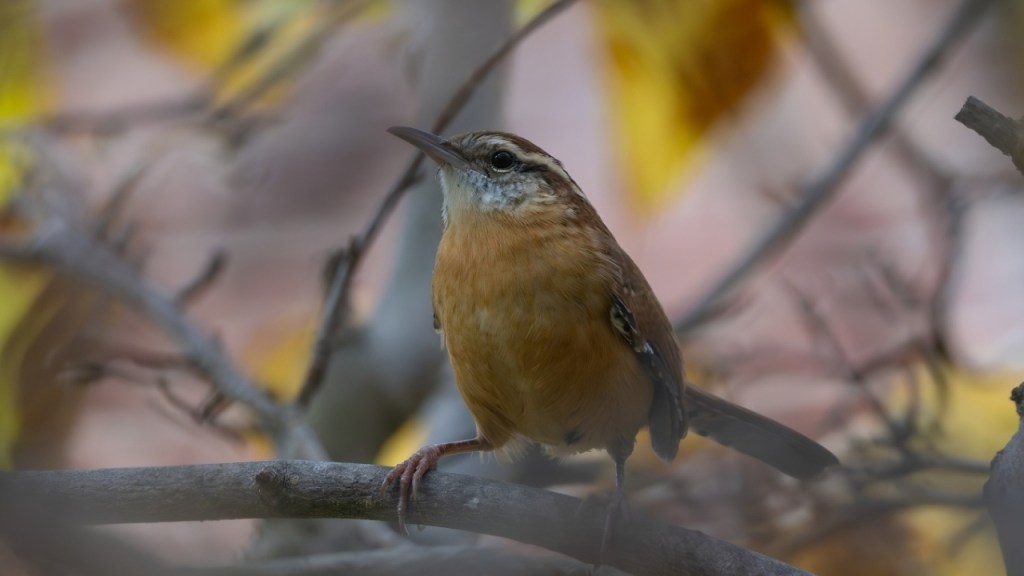
The Carolina Wren is full of surprises, and these fun facts highlight just how unique this little bird really is:
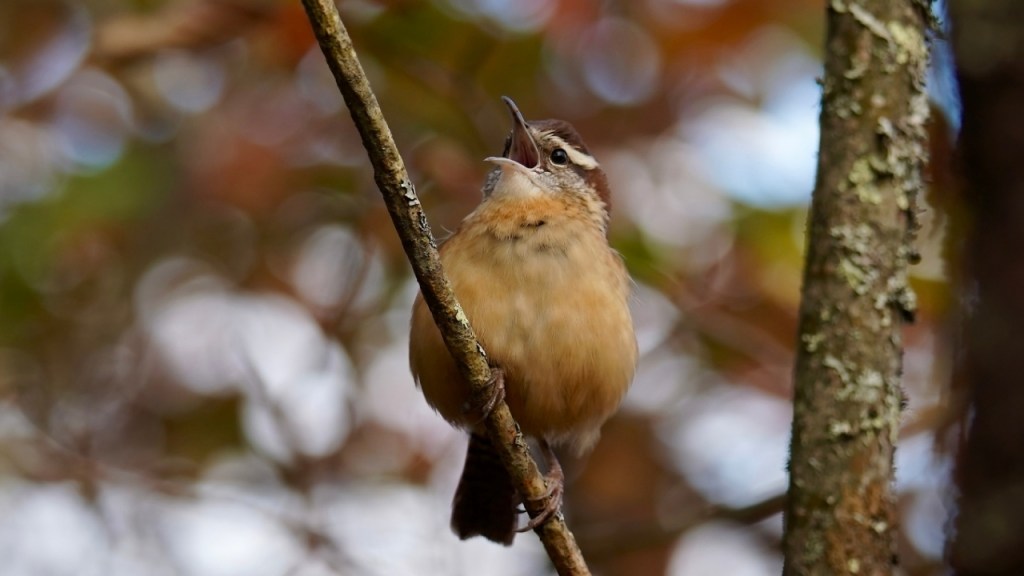
Big Voice, Small Bird – One of the most striking features of the Carolina Wren is its loud, distinctive song. In fact, this bird is much easier to hear than it is to spot. Males sing a variety of songs, sometimes over 40 different types, to defend their territory and attract mates. Their songs are so loud that you might mistake them for a much larger bird!
State Bird of South Carolina – The Carolina Wren is the official state bird of South Carolina, chosen for its abundance and importance to the state’s natural heritage. It’s a fitting title for such a vocal and adaptable bird.
Monogamous Partners – Carolina Wrens form strong pair bonds and are often seen foraging and nesting together. They stay with the same mate throughout the year and are known for their cooperative behavior, from building nests to defending their territory.
Year-Round Residents – Unlike many birds, Carolina Wrens are non-migratory. Once they find a good habitat, they stay put throughout the year. This makes them regular visitors to backyard feeders and gardens in both summer and winter.
Clever Nesters – These birds are incredibly inventive when it comes to finding places to build their nests. From old shoes to mailboxes, Carolina Wrens will use just about anything that provides shelter.
Conservation Efforts
The Carolina Wren is considered a species of “Least Concern” on the IUCN Red List, meaning its population is currently stable and not under immediate threat. However, like many bird species, they still face challenges that require ongoing conservation efforts to maintain healthy populations.
One of the primary threats to the Carolina Wren is habitat loss. As urbanization continues, natural habitats like woodlands, thickets, and forests are being reduced or fragmented, limiting the spaces where these birds can thrive. Though they are adaptable and can live in suburban and even urban environments, the preservation of natural habitats remains critical for their long-term survival.
Climate change is another concern, particularly during harsh winters, which can have a significant impact on Carolina Wren populations. Cold spells and severe weather events can reduce insect availability, making it harder for wrens to find food and survive the winter months. As climate patterns shift, this could affect their ability to thrive in their traditional ranges.
Fortunately, conservation efforts at the local and national levels are helping to protect not only the Carolina Wren but also other bird species that share similar habitats. Programs that focus on habitat preservation, reforestation, and creating wildlife-friendly spaces in urban areas all contribute to supporting the wren population.
Bird enthusiasts can also make a difference by supporting organizations that focus on habitat conservation and by creating bird-friendly environments in their own backyards.
How to Attract Carolina Wrens to Your Backyard
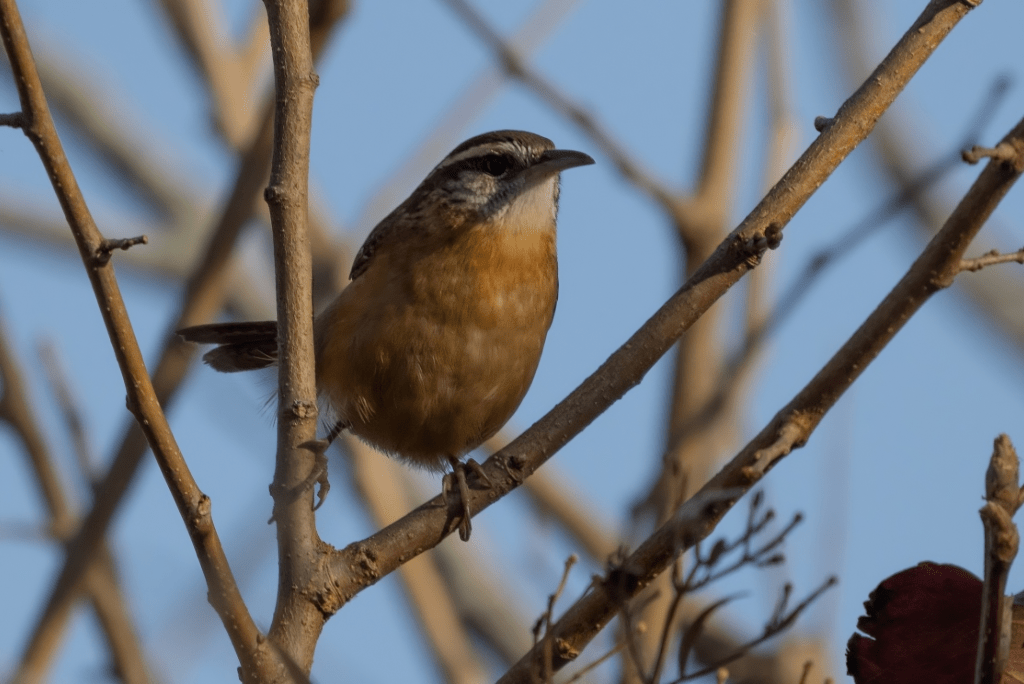
Attracting Carolina Wrens to your backyard is not only possible but also quite rewarding! These lively birds are drawn to environments that offer food, shelter, and a safe space to raise their young. If you want to encourage them to visit, here’s how to make your yard an inviting spot.
First, setting up a bird feeder with the right type of food is a great way to attract Carolina Wrens. They particularly enjoy suet, sunflower seeds, and peanut butter, which provide the high-energy diet they need. You can click here to find the perfect bird feeder that offers the nourishment they love. Placing the feeder near shrubs or trees where they can forage and feel protected will make it even more appealing.
Next, consider planting native trees and shrubs that offer natural food sources like berries and insects. Carolina Wrens are insectivores, so having plants that attract bugs—like elderberries, sumac, or dogwood—can help keep them well-fed year-round.
Providing shelter is equally important. Carolina Wrens love dense, brushy areas where they can hide and build their nests. You can also offer birdhouses with an entrance hole just big enough for a wren, around 1 to 1.5 inches in diameter. Wrens will appreciate a cozy, safe place to nest.
Finally, keeping a freshwater source like a bird bath will give them a place to drink and bathe, especially during hotter months. Combine these elements, and you’ll likely see Carolina Wrens happily making your yard their home!
Conclusion
The Carolina Wren is a delightful and adaptable bird that brings life and song to any environment it inhabits. Whether it’s their bold, distinctive calls or their quirky nesting habits, these little birds are sure to capture your attention. By understanding their needs—food, shelter, and safety—you can create a welcoming space in your backyard for these feathered friends. From planting native plants to setting up a bird feeder, there are simple steps you can take to help Carolina Wrens thrive.
Encouraging these birds to visit not only adds beauty and joy to your surroundings but also supports local bird populations. Be sure to check out our recommended bird feeder here to get started on attracting Carolina Wrens today!


 Wing Watchers with Wagner
Leave a comment