
Introduction
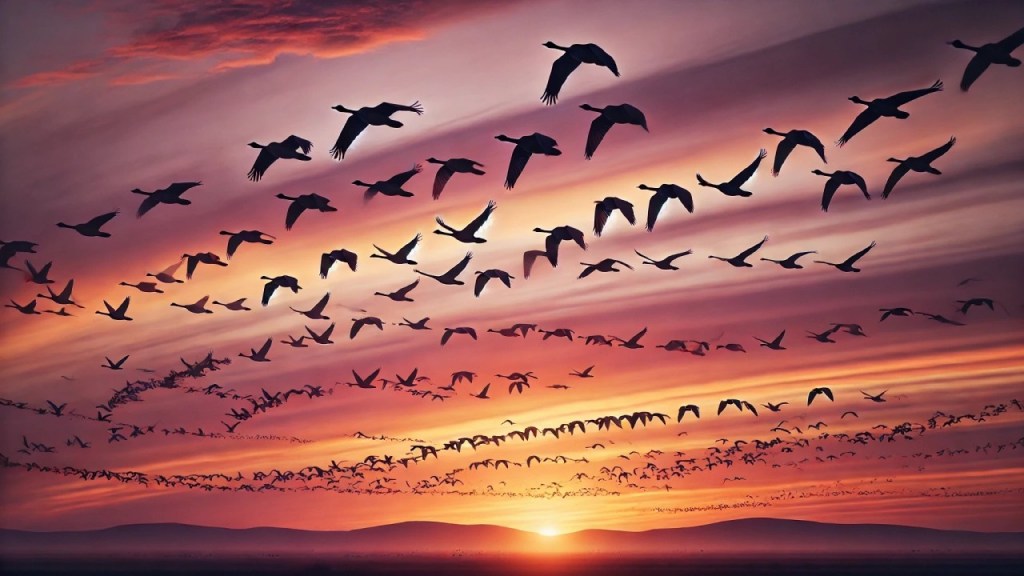
Bird migration is one of nature’s most incredible phenomena, with millions of birds traveling thousands of miles each year. Whether they are tiny songbirds or majestic raptors, the instinct to migrate has been essential for survival across many species. These incredible journeys often span continents, taking birds from their breeding grounds to warmer climates for winter, only to return when conditions improve. The sight of flocks moving through the skies has long fascinated birdwatchers and casual observers alike.
In this article, we will explore the reasons why birds migrate, what triggers their remarkable journeys, the best times for migration, and the hazards they face along the way. We will also discuss how we, as humans, can support and protect birds during these critical migrations.
What Prompts the Start of Migration?

Bird migration is a carefully timed event triggered by various environmental and biological cues. While the specific timing of migration varies by species, several factors work together to signal birds that it’s time to embark on their journey.
One of the most important triggers is the change in daylight, known as photoperiod. As the days grow shorter or longer, birds sense these shifts in light. This change in photoperiod influences their internal biological clocks, prompting hormonal changes that prepare them for migration. These hormones can cause birds to build up fat stores for energy and develop restlessness, a behavior known as “Zugunruhe,” which prepares them for their long flights.
Temperature changes also play a key role in signaling migration. As cooler temperatures arrive in autumn, many birds begin to realize that their food supply will soon diminish. For instance, insect-eating birds will have fewer bugs to rely on, and fruit-bearing plants may no longer produce as temperatures drop. On the other hand, warming temperatures in spring encourage birds to return north, where food sources are reemerging, and breeding grounds become more hospitable.
In addition to these environmental cues, some birds are also influenced by their social group. In species that migrate in flocks, individuals will often move with the group once migration begins, even if they aren’t fully aware of the cues themselves.
Together, these environmental and biological signals ensure that birds begin their migration at the optimal time to survive the journey and find the resources they need.
Why Do Birds Migrate?

Birds migrate primarily for survival. Migration is the way birds move between breeding and wintering grounds, often traveling vast distances in search of food, favorable weather, and safe habitats. Many species of birds rely on specific environmental conditions to thrive, and when those conditions change, usually due to seasonal shifts, they must seek new locations where resources are abundant.
One of the key reasons for migration is the availability of food. As temperatures drop in colder regions, food sources like insects, fruits, and seeds become scarce. Birds that depend on these foods must leave to find more plentiful resources in warmer climates. This is especially true for insectivorous birds that need active insects to survive the winter.
Migration also helps birds find safer breeding grounds. In the spring, birds return to regions where food is plentiful and fewer predators might threaten their young. Many birds breed in the northern hemisphere during summer when long daylight hours provide ample time to feed and raise their offspring.
Finally, weather plays a big role in why birds migrate. Harsh winter conditions can make it difficult for birds to maintain their body heat, especially in areas with heavy snow and freezing temperatures. Warmer climates offer a more hospitable environment during winter, ensuring they can conserve energy and survive.
Migration is nature’s answer to ensuring that bird populations continue to flourish despite seasonal changes in food, climate, and habitat conditions.
What’s the Best Time to Migrate?
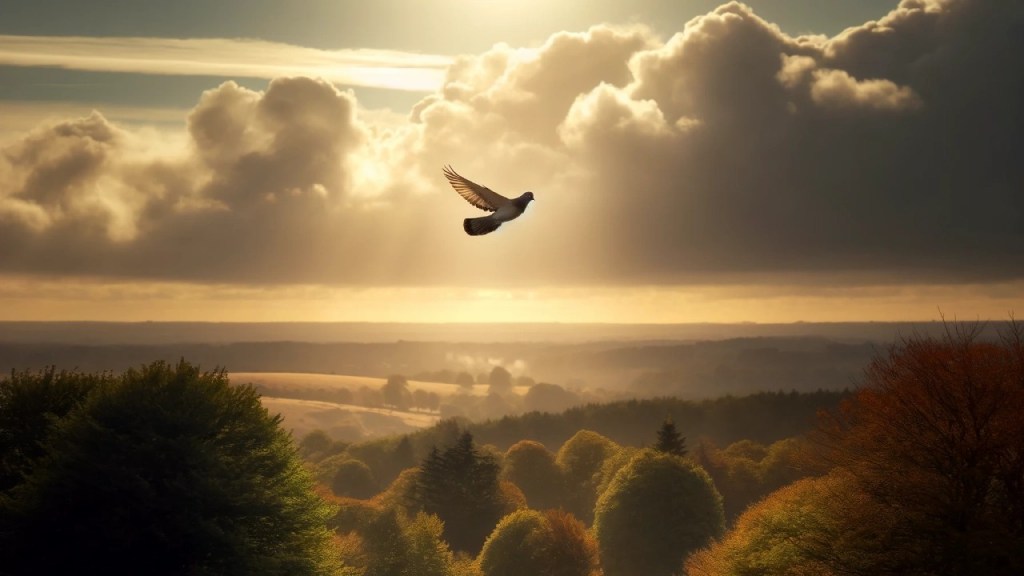
The timing of migration is crucial for birds, as it determines their chances of survival during their journey and upon arrival at their destination. While different species have unique migration schedules, the best time to migrate often coincides with the availability of resources and favorable weather conditions.
For many species, spring and fall are the prime migration seasons. In the spring, birds migrate northward, often aiming to reach their breeding grounds where food supplies are abundant and the environment is suitable for raising their young. These journeys typically occur between March and May, when insects and plants begin to flourish in temperate regions, providing ample food sources for adult birds and their chicks. Migrating too early could expose birds to cold snaps or a lack of food while arriving too late may mean missing the best nesting sites and breeding opportunities.
In the fall, the reverse migration happens between September and November. As food sources begin to dwindle and the weather cools, birds head south to spend the winter in warmer climates. The fall migration tends to be more spread out compared to the spring, as birds aren’t racing to establish territories or mate. Instead, their main focus is finding suitable stopover sites to refuel and rest.
Some species, such as raptors, time their migrations with wind and thermal currents to conserve energy. Others may choose to fly at night to avoid predators and take advantage of cooler temperatures.
Migration Hazards

Bird migration is an extraordinary journey, but it is not without significant dangers. Many species face numerous challenges along the way, and for some, these hazards can prove fatal. Understanding the risks birds face during migration gives us insight into the difficulties of their journey and highlights why conservation efforts are so critical.
One of the biggest hazards birds face is adverse weather. Storms, strong winds, and sudden temperature drops can quickly turn a smooth migration into a life-threatening ordeal. Birds flying long distances may become exhausted if they have to battle headwinds or if severe weather forces them to land in unsafe areas. These conditions can also reduce visibility, making it harder for birds to navigate or find shelter.
Habitat loss is another major threat. Many birds rely on stopover sites to rest and refuel during migration. However, urbanization and deforestation have drastically reduced the availability of these critical areas. When birds can’t find enough food or safe places to rest along their route, their chances of completing the journey diminish.
Collisions with human-made structures, such as tall buildings, wind turbines, and power lines, also pose a significant danger, especially at night when birds can become disoriented by artificial lights. Millions of birds die each year due to collisions with these obstacles.
Lastly, predation increases during migration, as tired and weakened birds become easier targets for predators like hawks and falcons or even domestic cats.
How We Can Help Birds During Migration

Birds face many challenges during their long migrations, but there are several ways we can help ease their journey. By taking small actions, we can make a big difference in ensuring their survival and success.
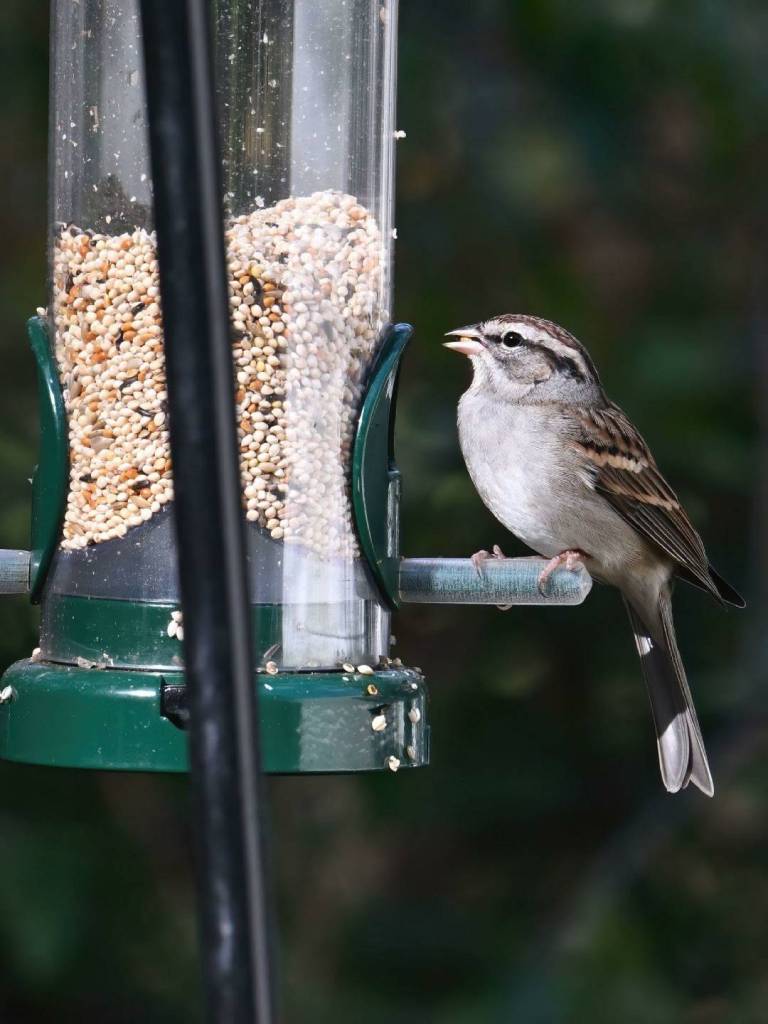
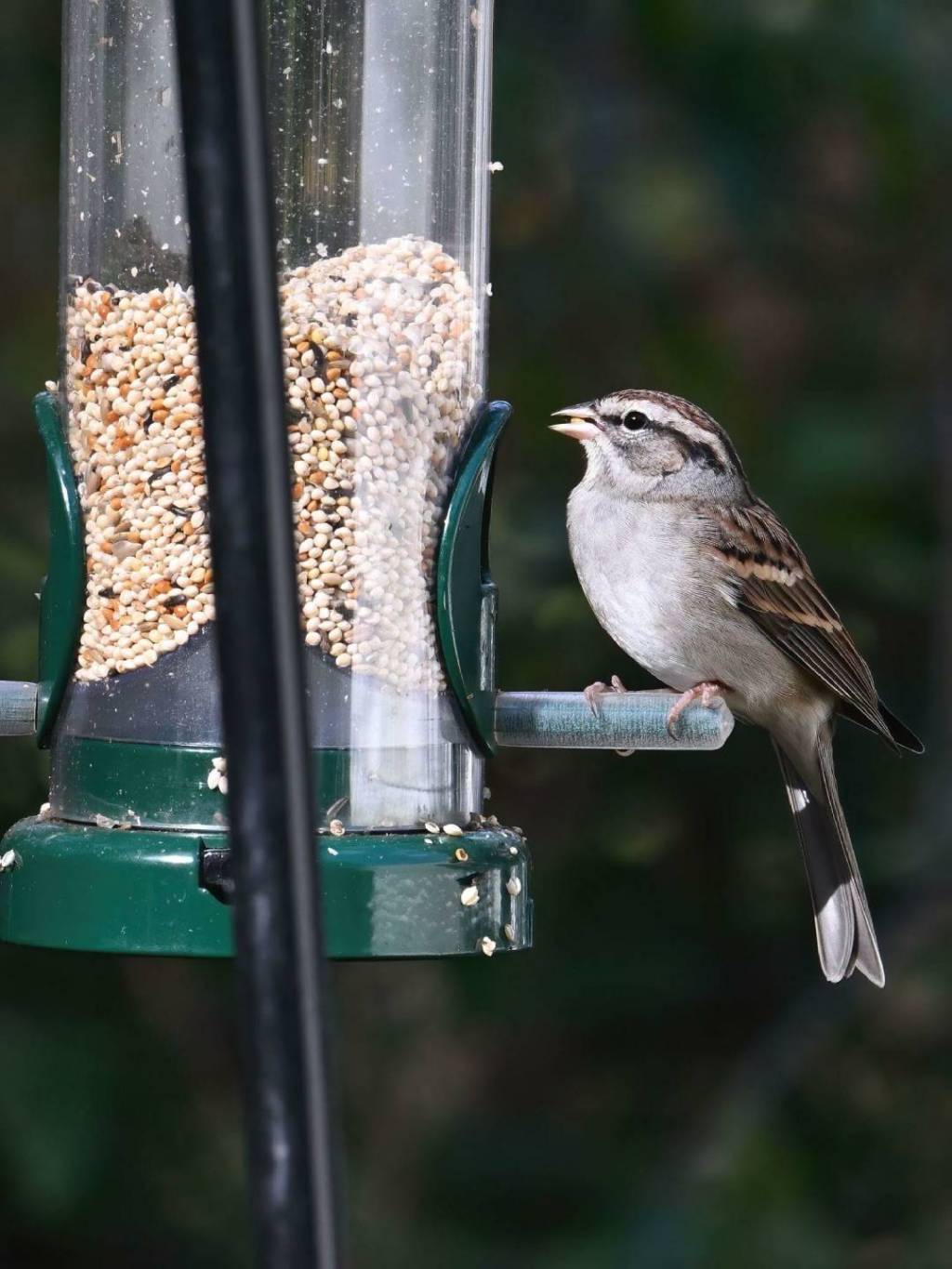
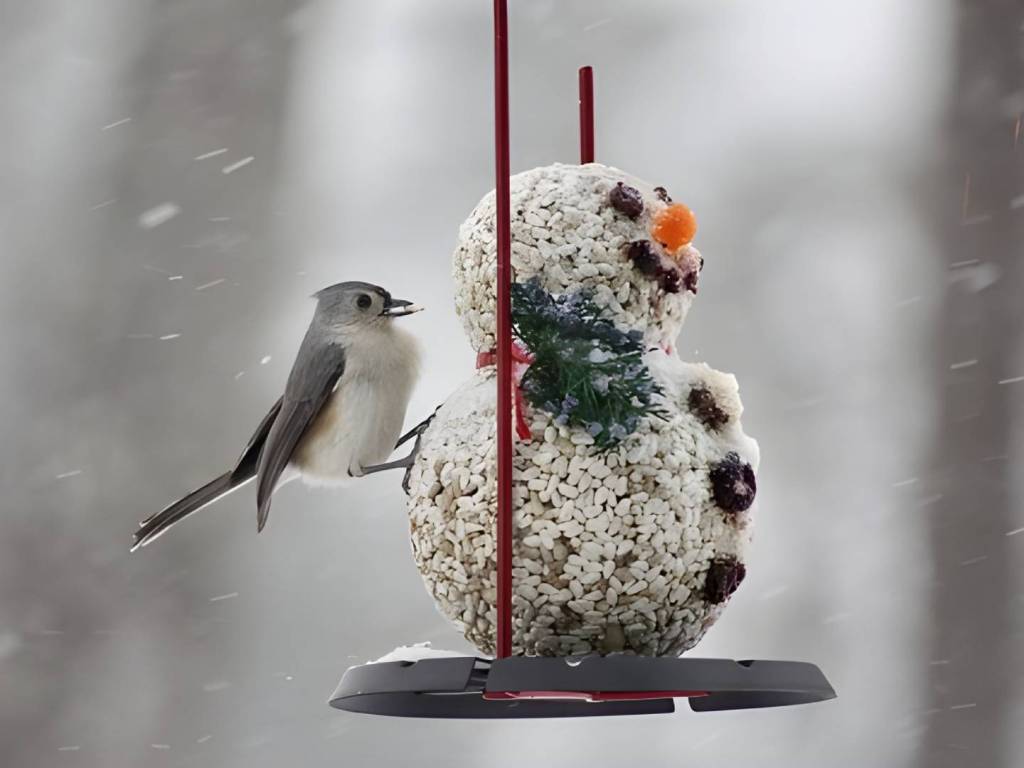
One of the most effective ways to support migrating birds is to create bird-friendly environments in our backyards. Planting native trees, shrubs, and flowers can provide much-needed food sources and shelter. Native plants offer the berries, seeds, and insects that birds rely on during their stopovers. Offering clean water sources, such as bird baths or small ponds, can also give birds a place to drink and bathe. Additionally, setting up birdfeeders filled with appropriate seeds can provide an easy and reliable food source for migrating birds. If you’re looking to add a birdfeeder to your yard, be sure to [click here] for a high-quality option.
Reducing the use of pesticides and chemicals in gardens is another important step. These substances can poison the food that birds eat, weakening them during migration. By opting for natural pest control methods, we help create a healthier environment for birds.
Minimizing light pollution is critical for nighttime migrants. Many birds use the stars to navigate, and bright city lights can disorient them, leading to collisions with buildings. Turning off non-essential lights during peak migration times or using bird-friendly lighting designs can help reduce this risk.
Supporting conservation efforts and organizations that protect critical habitats along migration routes is another meaningful way to help. These groups work to preserve vital stopover sites and breeding grounds that birds depend on during their journeys.
By taking these steps, we can help ensure that migrating birds have the resources and protection they need to complete their remarkable journeys.
Conclusion

Bird migration is a fascinating and challenging journey that birds undertake every year. These incredible creatures travel thousands of miles, guided by instincts and environmental cues, in search of food, breeding grounds, and favorable climates. Along the way, they face numerous hazards, from harsh weather to habitat loss. However, by understanding their needs and taking simple actions, such as creating bird-friendly environments and supporting conservation efforts, we can help ensure the survival of migratory birds. Whether you’re an avid birdwatcher or simply someone who loves nature, you can make a difference in the lives of these remarkable travelers. Together, we can help protect migrating birds and preserve the amazing phenomenon of bird migration for future generations to enjoy.


 Wing Watchers with Wagner
Leave a comment