
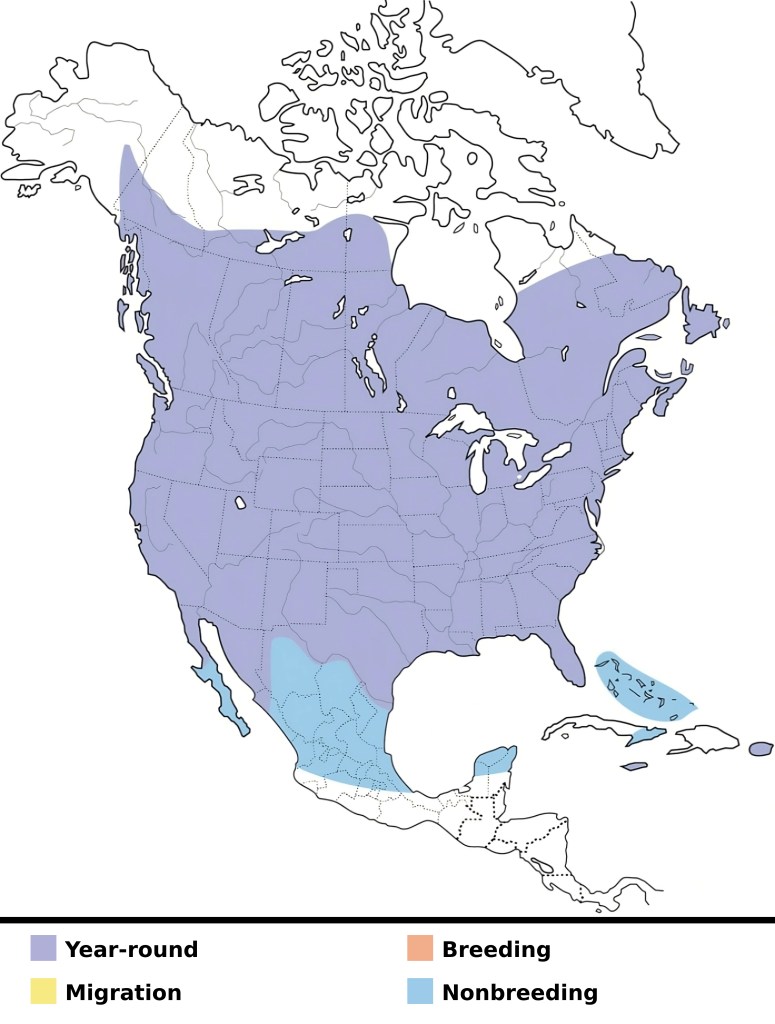
Meet the European Starling
Welcome to the fascinating world of the European Starling! Often seen as a common bird in many parts of the world, this little creature is anything but ordinary. Originally native to Europe, the European Starling has successfully spread to many other regions, becoming one of the most adaptable and widespread bird species on the planet. Whether you’re a seasoned birdwatcher or someone just starting to notice the beauty of birds in your backyard, the European Starling offers a lot to marvel at. From its glossy, iridescent feathers to its highly social behavior, there’s always something new to learn about these dynamic birds. So, let’s dive in and explore what makes the European Starling such a captivating species!
The Starling’s Stunning Look
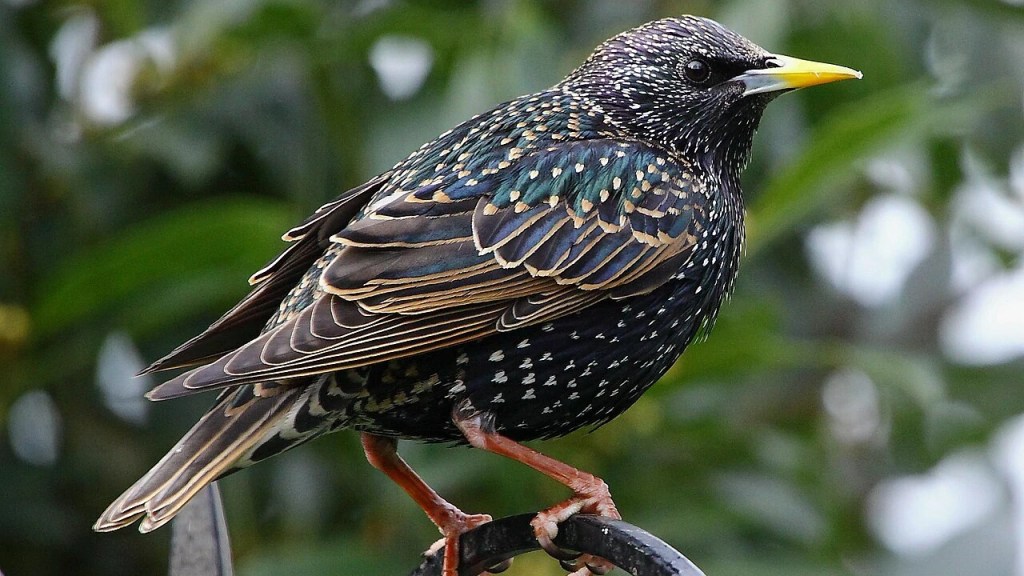
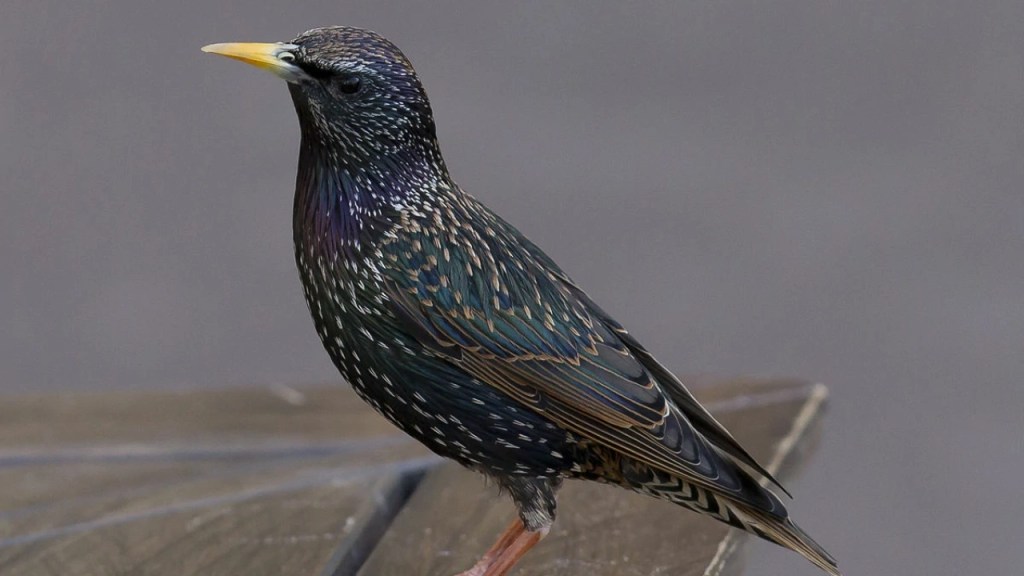
The European Starling is a bird that truly stands out, both in appearance and behavior. At first glance, it may seem like just another small, dark bird, but upon closer inspection, you’ll find that its plumage is a stunning display of colors and patterns.
Size and Shape
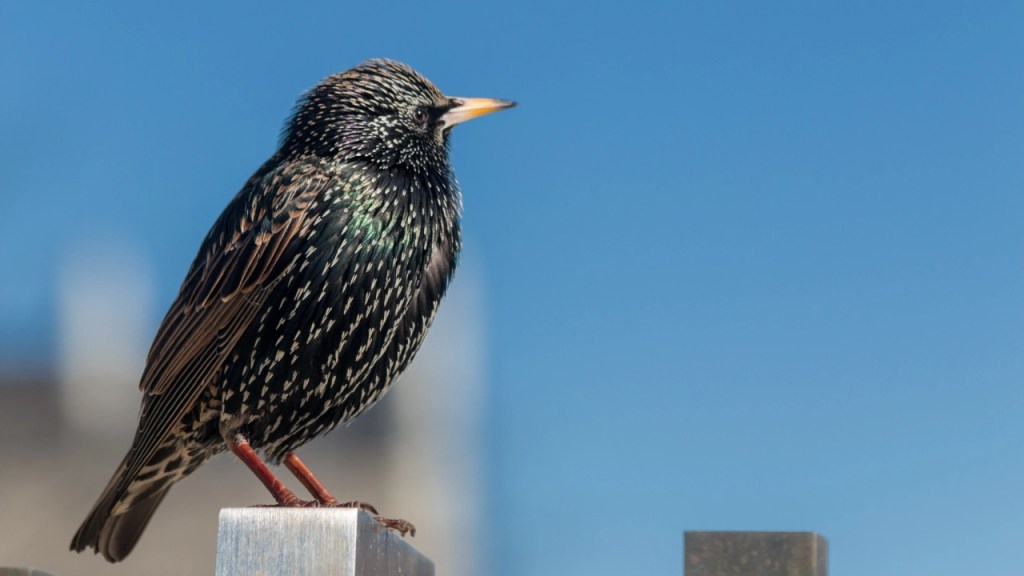
European Starlings are medium-sized birds, typically measuring about 8.5 inches in length with a wingspan of 12 to 16 inches. They have a sturdy, compact body with a short tail and pointed wings, making them agile fliers. Their beak is slender and straight, changing from yellow during the breeding season to a darker shade in the winter.
Plumage
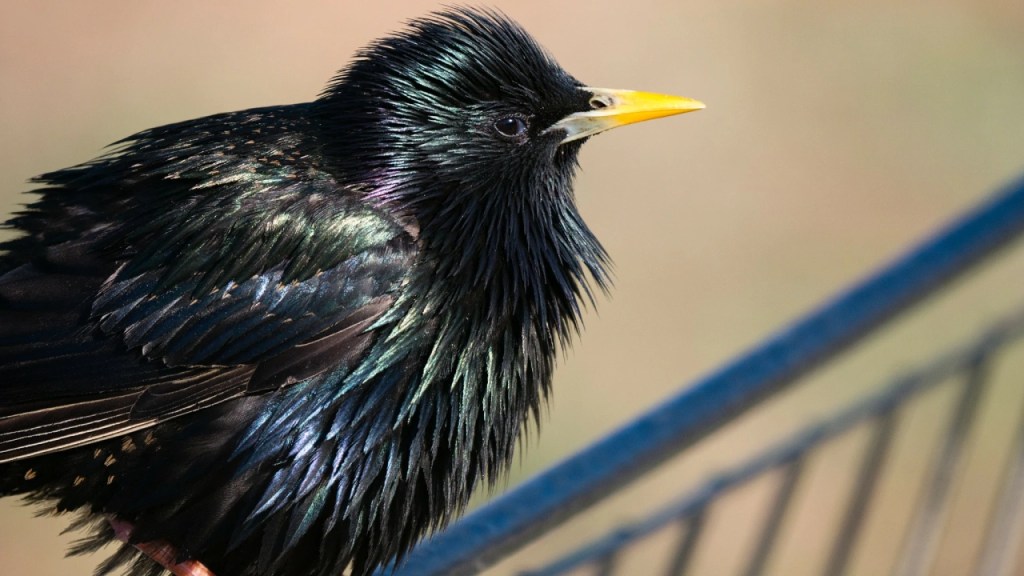
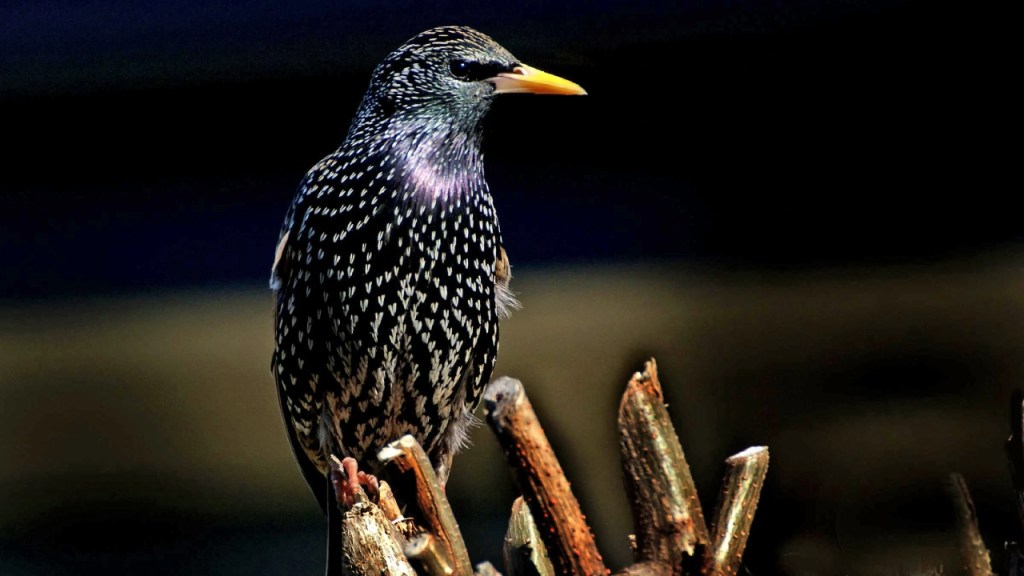
One of the most remarkable features of the European Starling is its plumage. In the right light, the feathers of these birds shimmer with iridescent hues of purple, green, and blue. This glossy, metallic appearance is more pronounced during the breeding season, helping them attract mates. As the season changes, their plumage becomes more spotted, with white tips on the feathers, giving them a somewhat speckled appearance.
Seasonal Changes
The European Starling’s appearance varies with the seasons. During the breeding season in spring and summer, the plumage is sleek and shiny, almost like a polished jewel. In contrast, during the fall and winter months, their feathers develop more of a spotted look, blending in more with their surroundings. This seasonal change in appearance is not just for show; it plays a crucial role in their survival and social interactions.
Inside the Starling’s Nesting World
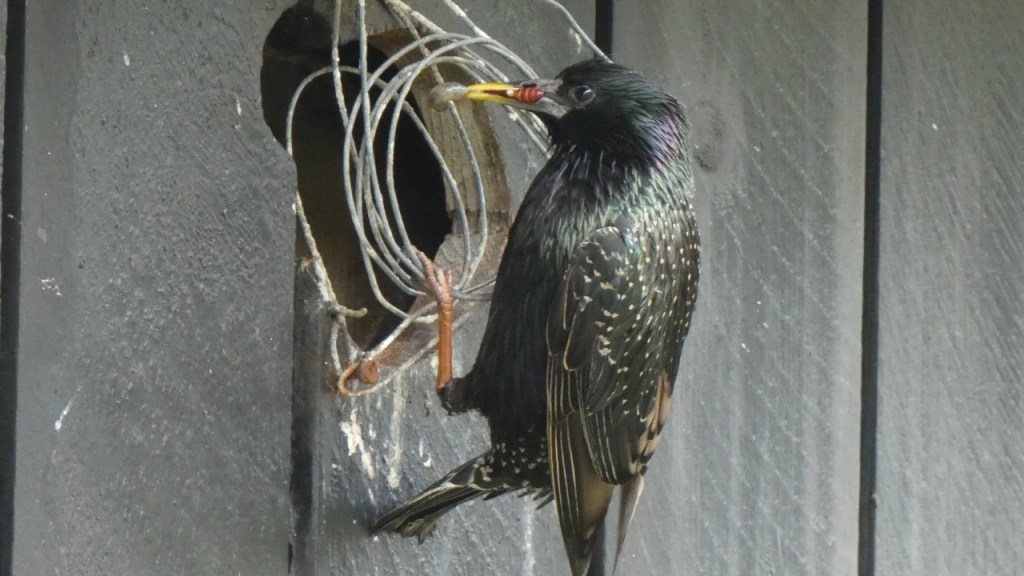
The nesting habits of the European Starling are as fascinating as they are resourceful. These birds are known for their adaptability and ingenuity when it comes to finding and creating a home for their young.
Nest Location
European Starlings are cavity nesters, meaning they prefer to nest in holes or crevices. They aren’t particularly picky about the location, and you can find their nests in a variety of places, from tree hollows and cliff crevices to the eaves of buildings and even in streetlights. Their ability to nest in urban environments is one of the reasons they have become so widespread. If a natural cavity isn’t available, they have no problem taking over nests made by other birds, making them somewhat notorious among birdwatchers.
Nest Construction
When it comes to building their nests, European Starlings are diligent workers. They use a mix of grasses, leaves, twigs, and any soft materials they can find, such as feathers or even paper. The female typically builds the nest, while the male brings materials and may help arrange them. The inside of the nest is usually lined with softer materials to provide comfort for the eggs and the chicks once they hatch.
Breeding Season
The breeding season for European Starlings typically begins in early spring and can last through mid-summer. During this time, the female lays about 4 to 6 pale-blue eggs. Both parents take turns incubating the eggs, which hatch after about 12 days. Once hatched, the chicks are completely dependent on their parents and are fed a diet rich in insects until they fledge, usually around three weeks later.
A Starling’s Menu
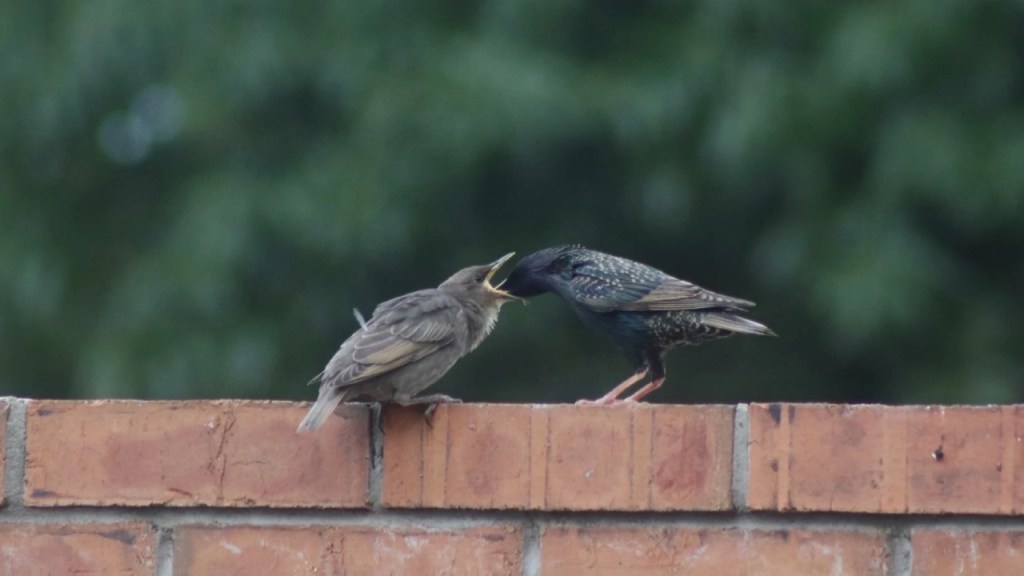
European Starlings are opportunistic feeders with a varied diet that reflects their adaptability. Their feeding habits are not only fascinating to observe but also crucial to their survival in diverse environments.
Insects and Invertebrates
During the warmer months, European Starlings primarily feed on insects and other invertebrates. They have a particular fondness for beetles, grasshoppers, and caterpillars, which provide the high-protein diet necessary for their growing chicks. Starlings are often seen foraging on the ground, using their sharp beaks to probe the soil in search of hidden prey. Their feeding method, known as “gaping,” involves thrusting their beaks into the ground and then opening them to reveal insects hidden beneath the surface.
Fruits and Berries
As the seasons change and insects become scarcer, European Starlings shift their diet to include more fruits and berries. They are especially fond of cherries, blackberries, and elderberries. Their ability to digest a wide variety of foods allows them to thrive even when their preferred insect diet is unavailable. In agricultural areas, starlings are sometimes considered pests because they can cause significant damage to fruit crops, particularly in orchards.
Seeds and Grains
In winter, when both insects and fruits are less abundant, European Starlings turn to seeds and grains to sustain themselves. They are commonly seen in fields and gardens, where they feed on leftover grains, weed seeds, and anything else they can find. Starlings are also frequent visitors to bird feeders, where they eagerly consume suet, cracked corn, and sunflower seeds. Their omnivorous diet and ability to exploit different food sources make them incredibly resilient, even in harsh conditions.
Surprising Starling Secrets
The European Starling is a bird full of surprises. Beyond their striking appearance and adaptable nature, many fascinating aspects of their behavior and biology make them a unique species to study and observe.
Mimicry Skills
One of the most interesting abilities of the European Starling is its talent for mimicry. These birds are exceptional mimics, capable of imitating the calls of other birds as well as a variety of sounds from their environment, such as car alarms, ringing phones, and even human speech. This mimicry is not just for fun; it plays a role in their communication and social interactions within their flocks.
Flock Behavior
European Starlings are highly social birds, often seen gathering in large flocks, especially during the non-breeding season. These flocks can number in the thousands and create a mesmerizing sight known as a “murmuration.” During a murmuration, the flock moves in synchrony, forming shifting shapes in the sky. Scientists believe this behavior helps protect the birds from predators, as the shifting patterns make it difficult for a predator to single out an individual bird.
Longevity and Lifespan
Despite their small size, European Starlings can live quite a long time, particularly in the wild. The average lifespan of a starling is around 2 to 3 years, but some individuals have been known to live for over a decade. Their survival is aided by their adaptability and social nature, which helps them avoid predators and find food throughout the year.
Vocal Learning
Much like parrots, European Starlings are vocal learners. They have a remarkable ability to learn and reproduce sounds they hear. This learning happens early in life and is influenced by the sounds they are exposed to within their flock and environment. Starlings use their learned vocalizations for various purposes, including attracting mates and establishing their territory.
Starling Invasions
The European Starling was introduced to North America in the 19th century by a group of enthusiasts who wanted to introduce all the birds mentioned in Shakespeare’s works to the continent. From an initial release of about 100 birds in New York’s Central Park, starlings have since spread across the continent, becoming one of the most populous bird species in North America.
A Conservation Dilemma
The European Starling, despite its widespread presence, has a mixed history in terms of conservation. While this species thrives in many areas, its success has also led to significant challenges for native wildlife and ecosystems.
Introduction and Spread
The introduction of European Starlings to North America is one of the most well-known examples of a species becoming invasive. After being released in New York City in the late 1800s, these birds rapidly expanded their range across the continent. Their adaptability and aggressive nature allowed them to outcompete many native bird species for resources such as food and nesting sites. This rapid spread has had a significant impact on local ecosystems, leading to declines in some native bird populations.
Impact on Native Species
One of the most concerning aspects of the European Starling’s success is its impact on native cavity-nesting birds. Starlings are known to aggressively take over nesting sites, often evicting species such as bluebirds, woodpeckers, and swallows. This competition has contributed to the decline of several native bird populations, prompting conservationists to take action to protect these species.
Control Measures
Various control measures have been implemented to manage European Starling populations, particularly in areas where they pose a threat to native species or agricultural interests. These measures include habitat management, exclusion techniques, and, in some cases, population reduction efforts. For example, in agricultural areas, farmers may use netting or other barriers to prevent starlings from accessing crops. Additionally, conservationists may work to enhance and protect nesting sites for native species to reduce competition with starlings.
Legal Protection
In Europe, where the species is native, European Starlings are protected under various conservation laws. In contrast, in regions where they are considered invasive, such as North America, they are not afforded the same level of protection. In some areas, starlings can be legally controlled to protect native wildlife and agricultural interests. This dual status highlights the complex nature of conservation when it comes to species that are both beneficial and problematic depending on the region.
Balancing Conservation Needs
The case of the European Starling serves as a reminder of the importance of careful management when introducing species to new environments. While these birds are admired for their beauty and adaptability, their presence in non-native regions requires ongoing conservation efforts to ensure that native species and ecosystems are not adversely affected.
How to Attract the European Starling to Your Backyard
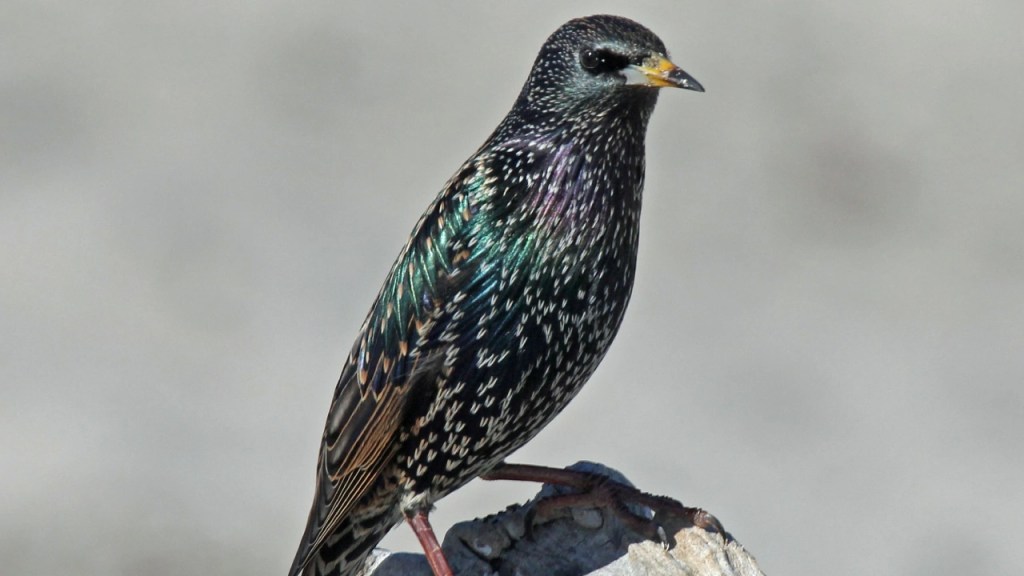
The European Starling is a bird that can easily be attracted to your backyard, especially if you know what they like. These birds are not shy about visiting feeders or making themselves at home in a variety of environments.
Bird Feeders and Food
European Starlings are not picky eaters, which makes them easy to attract with a variety of foods. They particularly enjoy suet, which is a high-energy food perfect for colder months. You can also offer them cracked corn, peanuts, and sunflower seeds. Starlings are known to swarm bird feeders, so if you want to cater specifically to them, consider placing out a suet feeder designed to accommodate their clinging feeding style.
Nesting Sites
To encourage European Starlings to nest in your backyard, providing nesting boxes can be effective. However, keep in mind that they are aggressive competitors for nesting sites, often displacing other birds. If you want to offer them a place to nest without interfering with native species, consider placing a few nesting boxes in a separate area of your garden where other cavity-nesting birds are less likely to be affected.
Water Sources
Like all birds, European Starlings need a reliable source of water for drinking and bathing. Adding a birdbath to your backyard can be a great way to attract them. Make sure the birdbath is kept clean and filled with fresh water. A shallow birdbath is ideal, as starlings prefer to splash around and bathe regularly.
Creating a Starling-Friendly Habitat
To make your backyard more inviting to European Starlings, consider planting fruit-bearing shrubs or trees. Plants like elderberry, mulberry, and cherry are particularly appealing to starlings, providing both food and shelter. Additionally, maintaining a lawn or garden where they can forage for insects will also help attract them.
A Bird of Many Talents
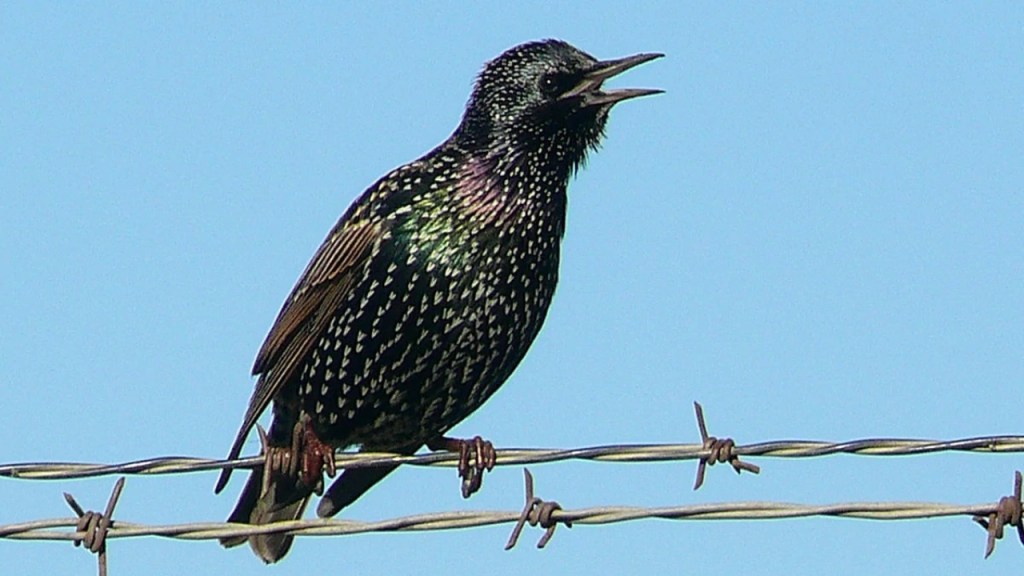
The European Starling is a remarkable bird, full of surprises, and a perfect example of adaptability in the avian world. From their stunning iridescent plumage to their versatile diet and fascinating social behaviors, there’s always something new to discover about these birds. Whether you’re interested in attracting them to your backyard or simply observing them in the wild, European Starlings offer endless opportunities for birdwatchers and nature enthusiasts alike. However, it’s also important to remember the impact they have on native species and the need for careful management in areas where they’ve become invasive. By understanding and appreciating these birds, we can enjoy their presence while also working to protect the delicate balance of our ecosystems.


 Wing Watchers with Wagner
Leave a comment