
Introduction
Welcome, nature enthusiasts! Today, we embark on an exciting journey to explore the fascinating world of the Varied Bunting. This small, vibrant bird is a true gem of the southwestern United States and Mexico, captivating birdwatchers with its striking colors and charming behaviors. Whether you’re a seasoned birdwatcher or just beginning to appreciate the beauty of our feathered friends, the Varied Bunting offers a delightful glimpse into the wonders of avian life. In this blog, we will dive into the appearance, nesting habits, favorite foods, fun facts, conservation efforts, and tips on how to observe this stunning bird. So, grab your binoculars, and let’s get started!
Appearance

A Kaleidoscope of Colors
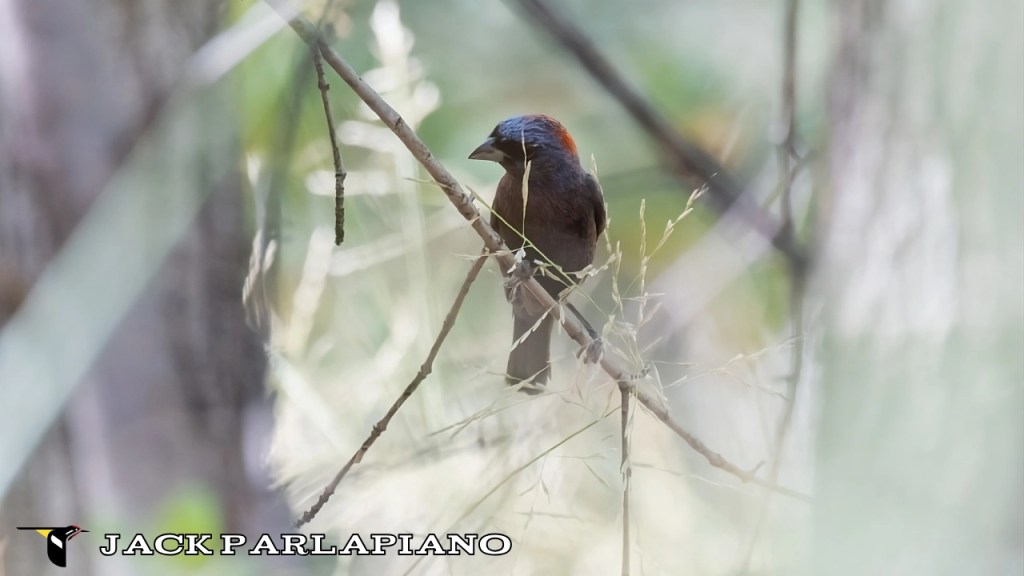
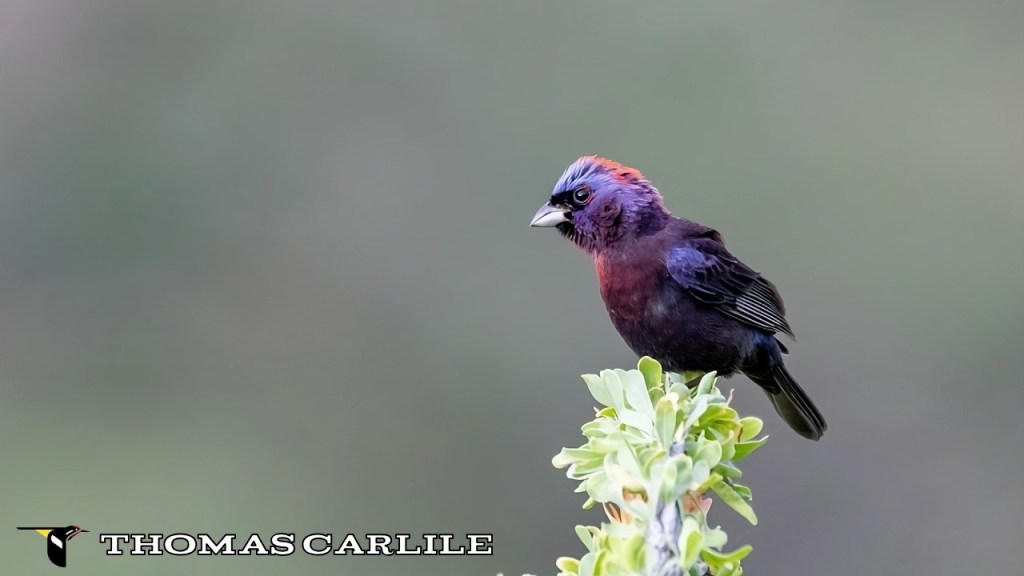
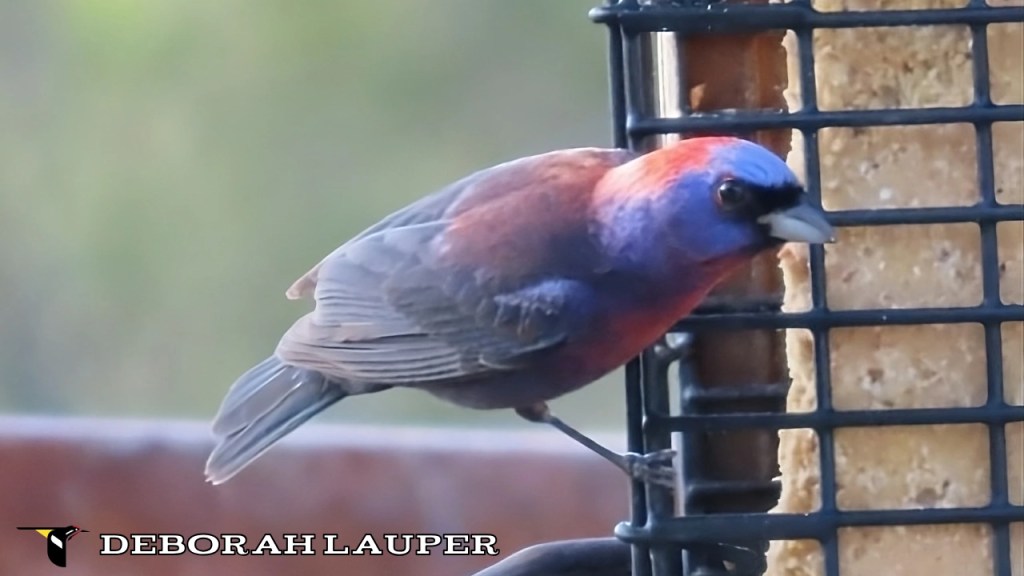
The Varied Bunting is truly a sight to behold, especially when the sun catches its plumage just right. Male Varied Buntings are the showstoppers of the species, adorned in a dazzling array of colors that make them look like flying jewels. Their feathers feature a mix of deep purples, bright blues, and vivid reds. These colors blend seamlessly, giving the bird its “varied” appearance that changes with the light.
Differences Between the Sexes
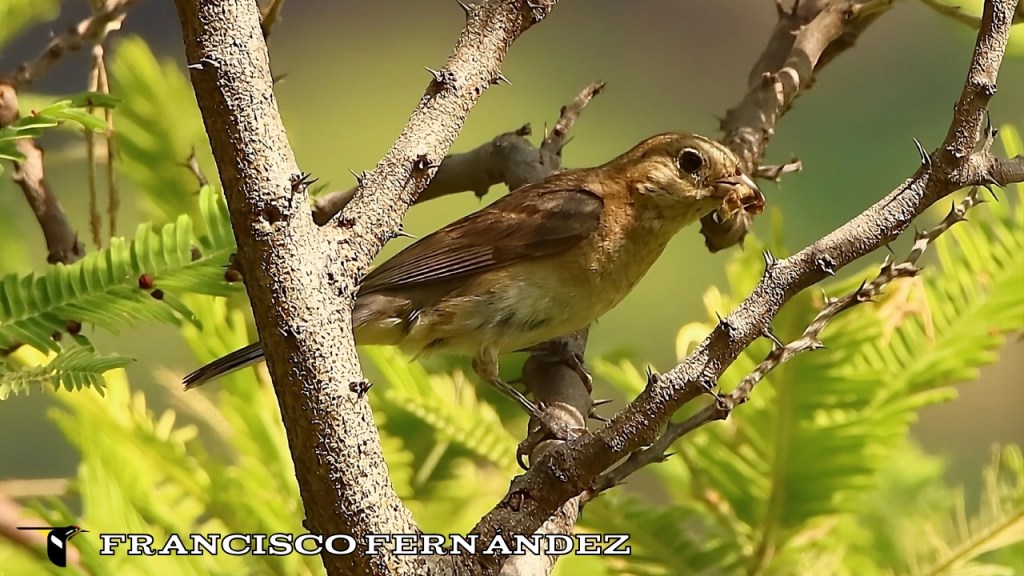
Female Varied Buntings, on the other hand, are more subdued in their coloration. They sport a more practical, camouflage-like brownish-green plumage. This helps them blend into their surroundings, especially during nesting season, providing an extra layer of protection against predators. Juvenile Varied Buntings also resemble the females until they molt into their adult plumage.
Size and Shape
In terms of size, the Varied Bunting is relatively small, measuring about 4.5 to 5.5 inches in length. Their wingspan ranges from 8 to 9 inches. They have a stout, conical bill, which is perfect for their diet, and a slightly forked tail. Despite their small size, their bright plumage and lively behavior make them easy to spot if you know where to look.
Seasonal Changes
Interestingly, the Varied Bunting’s plumage can change slightly with the seasons. During the breeding season, the males’ colors become even more vibrant as they seek to attract mates. Outside of the breeding season, their colors may dull a bit, but they remain stunning year-round.
Nesting Habits
Choosing the Perfect Spot
Varied Buntings are quite particular about where they build their nests. They prefer dense, thorny vegetation, which provides excellent cover from predators and harsh weather. You’ll often find their nests tucked away in scrubby areas, mesquite thickets, or along the edges of forests. The dense foliage not only offers protection but also keeps the nest hidden from curious eyes.
Building the Nest
The female Varied Bunting takes the lead in building the nest, though the male might assist by gathering materials. The nest is typically a small, cup-shaped structure constructed from grasses, leaves, and other plant fibers. These materials are intricately woven together, creating a sturdy yet comfortable home for their eggs. The inside is often lined with softer materials like fine grasses or hair to provide a cozy environment for the chicks.
Egg Laying and Incubation
Once the nest is ready, the female lays a clutch of 3 to 5 eggs. These eggs are usually pale blue or greenish-blue with subtle markings. The female then takes on the responsibility of incubating the eggs, which lasts for about 11 to 13 days. During this period, the male stays close by, often singing to defend their territory and ward off potential threats.
Raising the Chicks
After the eggs hatch, both parents are involved in feeding and caring for the chicks. The nestlings are born vulnerable and blind, relying completely on their parents for warmth and food. The diet of the young chicks consists mainly of insects, which provide the necessary protein for their rapid growth. Within about 10 to 12 days, the chicks are ready to leave the nest, though they often remain under their parents’ care for a few more weeks as they learn to fend for themselves.
Favorite Foods
Insects and Invertebrates
The Varied Bunting has a diverse diet that shifts with the seasons. During the breeding season, they primarily consume insects and other invertebrates. This protein-rich diet is essential for supporting the high energy demands of nesting and raising young chicks. Common prey includes caterpillars, beetles, spiders, and grasshoppers. The birds skillfully forage among leaves and branches, using their sharp eyesight to spot even the smallest of insects.
Seeds and Grains
As the seasons change and insects become less abundant, Varied Buntings switch to a diet that includes more seeds and grains. They have a particular fondness for the seeds of grasses and weeds. Their strong, conical bills are perfectly adapted for cracking open these seeds. This adaptability in their diet helps them survive in various environments and throughout the year, even when their preferred insects are not available.
Fruits and Berries
In addition to insects and seeds, Varied Buntings also enjoy a variety of fruits and berries. These provide a rich source of sugars and other nutrients. They are often seen feasting on the berries of shrubs and small trees, especially during the late summer and fall when these fruits are plentiful. This part of their diet also aids in seed dispersal for many plants, contributing to the health of their ecosystems.
Foraging Behavior
Varied Buntings are primarily ground foragers, though they also search for food in low shrubs and trees. Their foraging behavior is quite active and dynamic. You’ll often see them hopping around energetically, pausing briefly to peck at something before moving on to the next potential meal. This constant activity not only helps them find food but also makes them a delight to watch for bird enthusiasts.
Fun Facts
A Migratory Marvel
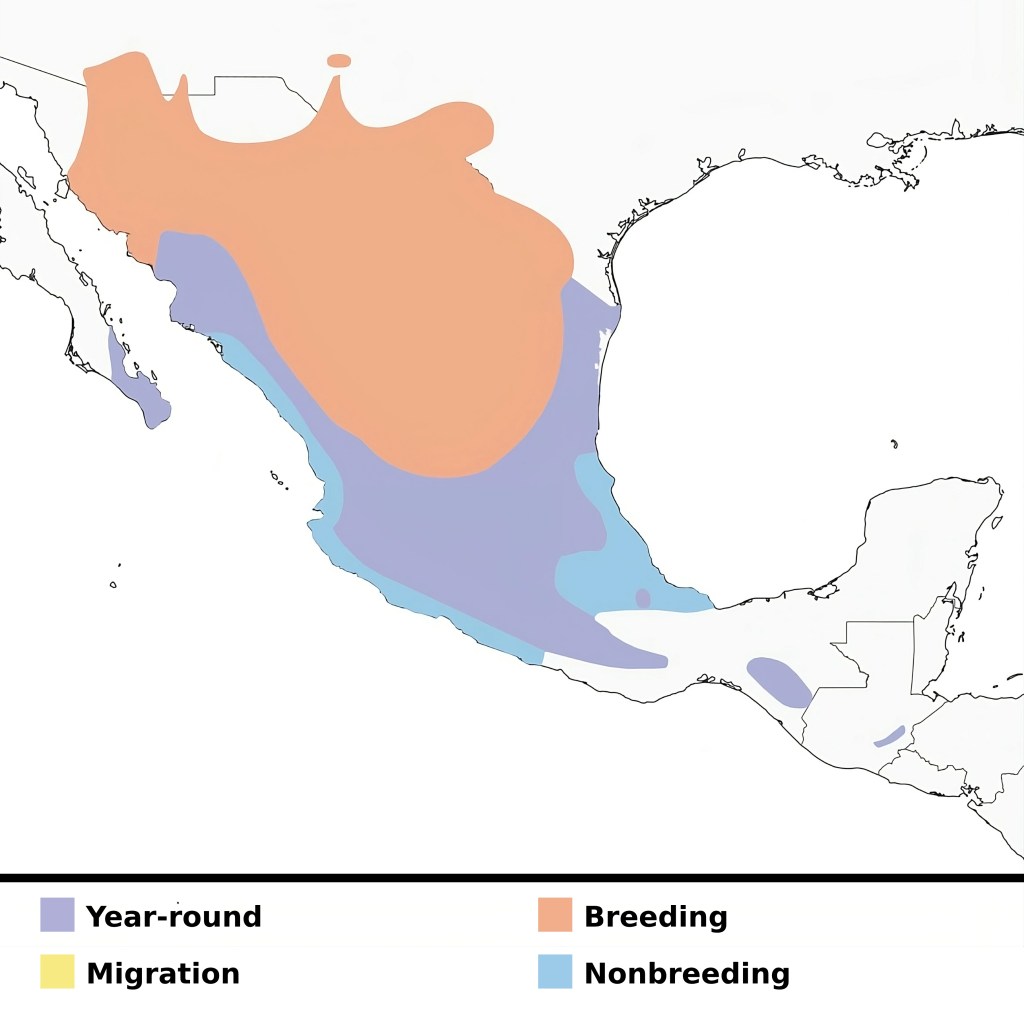
One of the most fascinating aspects of the Varied Bunting is its migratory behavior. These birds are neotropical migrants, meaning they travel between North America and Central America depending on the season. During the breeding season, they are found in the southwestern United States and northern Mexico. As winter approaches, they migrate south to warmer regions, such as southern Mexico and Central America. This long journey highlights their resilience and adaptability.
Unique Song
The Varied Bunting is known for its beautiful and unique song. Males sing to establish their territory and attract mates. Their song is a delightful series of high-pitched notes and warbles that vary in pitch and tempo. Each male has a slightly different version of the song, making it possible to identify individuals by their distinctive melodies. Birdwatchers often use these songs to locate and identify these birds in the wild.
Color Changes with Age
As Varied Buntings age, their plumage can undergo subtle changes. Young males often start with more subdued colors, resembling females. As they mature, their feathers become increasingly vibrant, displaying the striking reds, blues, and purples that make them so eye-catching. This change in coloration is gradual, often taking one to two years for a male to achieve his full adult plumage.
Importance in Ecosystem
Varied Buntings play a crucial role in their ecosystems. By consuming a wide variety of insects, they help control pest populations. Their preference for fruits and berries also aids in seed dispersal, promoting plant growth and maintaining the health of their habitats. Their presence is a positive indicator of a healthy, balanced ecosystem.
Adaptability
Despite their preference for dense, thorny habitats, Varied Buntings are remarkably adaptable birds. They can thrive in a range of environments, from dry deserts to lush riparian areas. This adaptability allows them to occupy diverse habitats and makes them more resilient to environmental changes.
Conservation Efforts
Current Status
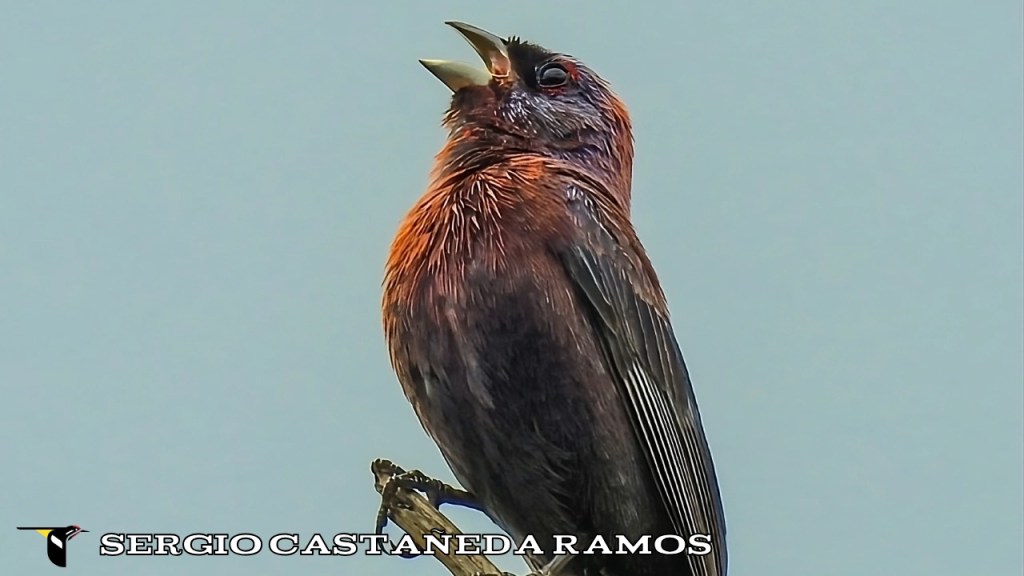
The Varied Bunting is currently classified as a species of Least Concern by the International Union for Conservation of Nature (IUCN). This classification means that, at present, their populations are stable and not at immediate risk of decline. However, like many bird species, they face threats that could impact their populations if not addressed.
Habitat Preservation
One of the key conservation efforts for the Varied Bunting involves habitat preservation. These birds thrive in specific environments, such as dense scrub and thorny vegetation. Protecting these habitats from destruction and degradation is crucial. Conservation organizations work to preserve these areas by advocating for responsible land use, creating protected reserves, and promoting sustainable agricultural practices that do not encroach on their habitats.
Monitoring Populations
Ongoing monitoring of Varied Bunting populations helps scientists understand trends and potential threats. Birdwatchers and researchers participate in bird counts and surveys to gather data on population sizes and distribution. This information is vital for making informed conservation decisions and identifying areas where intervention might be necessary.
Combating Climate Change
Climate change poses a significant threat to the Varied Bunting, as it does to many other bird species. Changes in temperature and precipitation patterns can alter the availability of food and suitable nesting sites. Conservation efforts include:
- Advocating for policies to reduce carbon emissions.
- Promoting renewable energy.
- Supporting reforestation projects that help mitigate climate change impacts.
- Education and Outreach
Educating the public about the Varied Bunting and the importance of conservation is another critical effort. By raising awareness, conservation organizations hope to inspire people to take action in their communities. This can include participating in local conservation projects, supporting policies that protect wildlife, and making bird-friendly choices in their own backyards.
Protecting Migratory Routes
Since Varied Buntings are migratory birds, protecting their migratory routes is essential. International cooperation is needed to ensure these birds have safe passages between their breeding and wintering grounds. Efforts include:
- Creating and maintaining migratory bird corridors.
- Protecting stopover sites.
- Working with countries across their migratory range to promote conservation.
How to Attract Varied Buntings to Your Backyard
Setting Up the Perfect Feeder
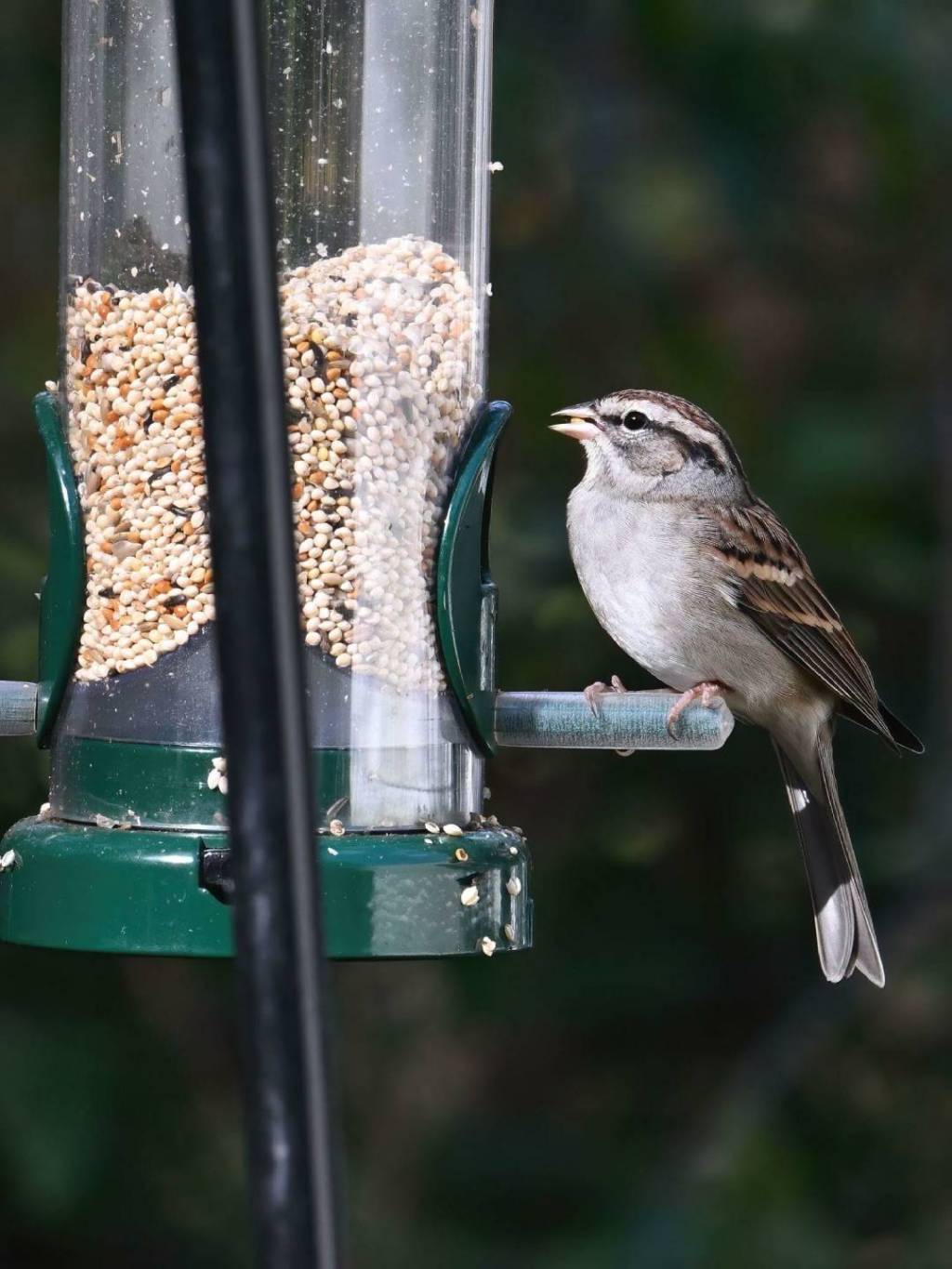
Varied Buntings can be attracted to your backyard with the right setup. Start by installing bird feeders that offer a variety of seeds. They particularly enjoy black oil sunflower seeds, millet, and nyjer seeds. Choose feeders that are sturdy and weather-resistant, and place them in quiet areas of your yard to make the birds feel safe. Platform feeders and tube feeders are both excellent choices for attracting these colorful visitors.
Providing Fresh Water
Water is essential for attracting birds, including Varied Buntings. Set up a birdbath or a small fountain in your yard. Make sure the water is clean and fresh, and change it regularly to prevent the growth of algae and bacteria. A birdbath with a gently sloping edge will accommodate birds of different sizes and make it easier for them to drink and bathe.
Creating a Bird-Friendly Habitat
Creating a bird-friendly habitat is key to attracting Varied Buntings. Plant native shrubs and trees that provide natural food sources such as berries and seeds. Varied Buntings are particularly fond of dense, thorny vegetation, so incorporating plants like mesquite, sumac, and other native shrubs will make your yard more appealing to them. These plants also offer excellent cover for nesting and protection from predators.
Offering Nesting Sites

- Varied Buntings prefer to build their nests in dense, thorny shrubs. To encourage nesting:
- Plant thick hedges or bushes in your yard. You can also put up birdhouses, though they are less likely to use them than natural vegetation.
- If you choose to use birdhouses, place them in sheltered locations away from human activity and predators.
- Ensure the birdhouses are the right size and have proper ventilation and drainage to keep the nest dry and safe.
Maintaining a Safe Environment
Creating a safe environment is crucial for attracting and keeping Varied Buntings in your yard. Keep cats indoors and take steps to deter other predators. Avoid using pesticides and herbicides, as these chemicals can harm the birds and reduce the availability of their natural food sources. Instead, opt for organic gardening practices that promote a healthy and safe environment for all wildlife.
Observing from a Distance
Once your yard is set up to attract Varied Buntings, be patient and observe from a distance. These birds can be shy and may take some time to get used to your presence. Use binoculars to watch their behavior and enjoy the beauty of their vibrant plumage and lively antics. Providing a safe and welcoming environment will not only attract Varied Buntings but also other bird species, enriching your backyard birdwatching experience.
Conclusion

In conclusion, the Varied Bunting is a remarkable bird that brings vibrant colors and lively behaviors to the habitats it inhabits. By understanding its appearance, nesting habits, favorite foods, and the importance of conservation efforts, we can better appreciate and protect this beautiful species. Whether you’re aiming to attract Varied Buntings to your backyard or simply hoping to observe them in the wild, these insights will enhance your birdwatching experience. Remember, every small effort in creating bird-friendly environments contributes to the preservation of these stunning birds for future generations to enjoy. So, keep your eyes peeled and your binoculars handy, and you might just be rewarded with a glimpse of the mesmerizing Varied Bunting.


 Wing Watchers with Wagner
Leave a comment