
Introduction
Welcome, bird enthusiasts! Today, we embark on an exciting journey to learn about the vibrant and fascinating Tropical Kingbird. This striking bird, with its bright yellow belly and lively behavior, is a delight to observe in the wild. Found primarily in the tropical regions of the Americas, the Tropical Kingbird is known for its impressive adaptability and resourceful nature. Whether you’re an avid birdwatcher or just someone who loves learning about nature, the Tropical Kingbird has something to captivate your interest. In this blog, we will explore the bird’s appearance, nesting habits, favorite foods, fun facts, and conservation efforts. We’ll also provide tips on how to observe this remarkable species in its natural habitat. So, let’s dive in and discover the world of the Tropical Kingbird!
Appearance
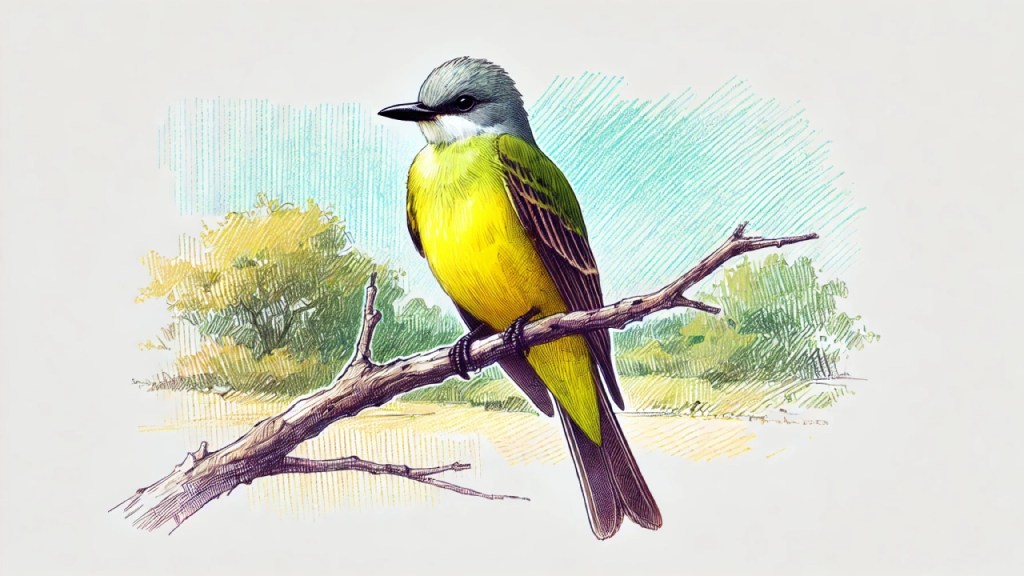
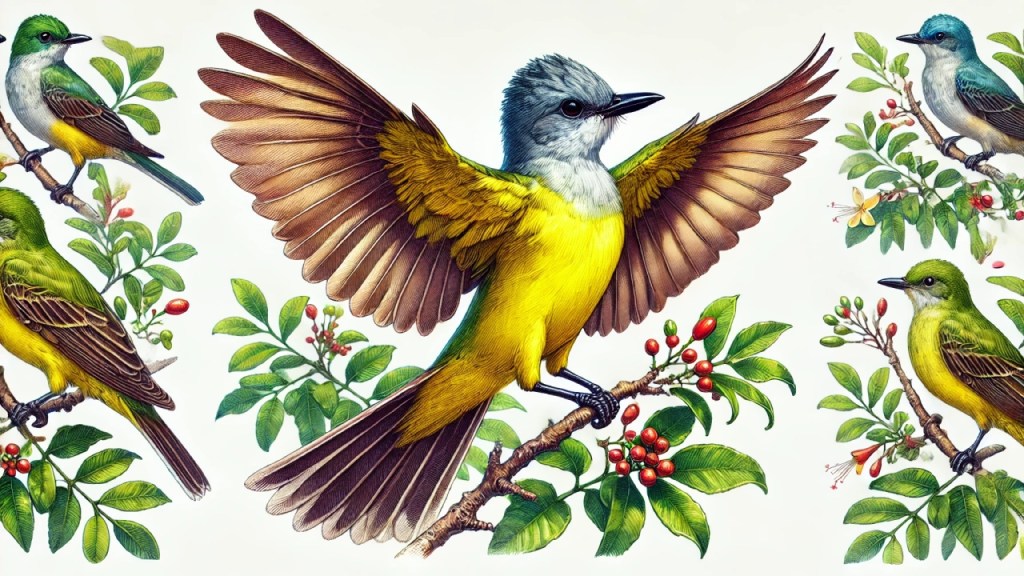
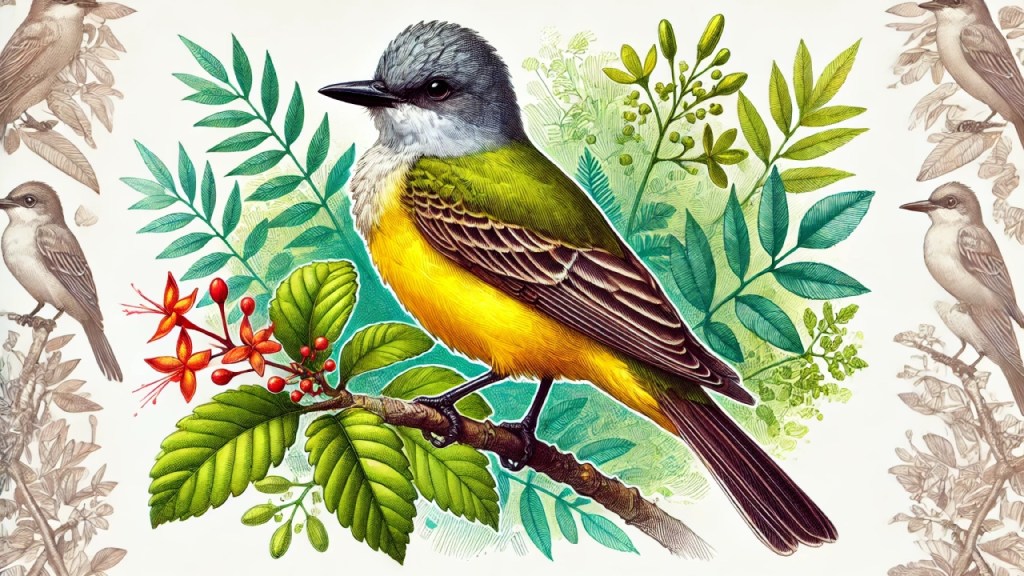
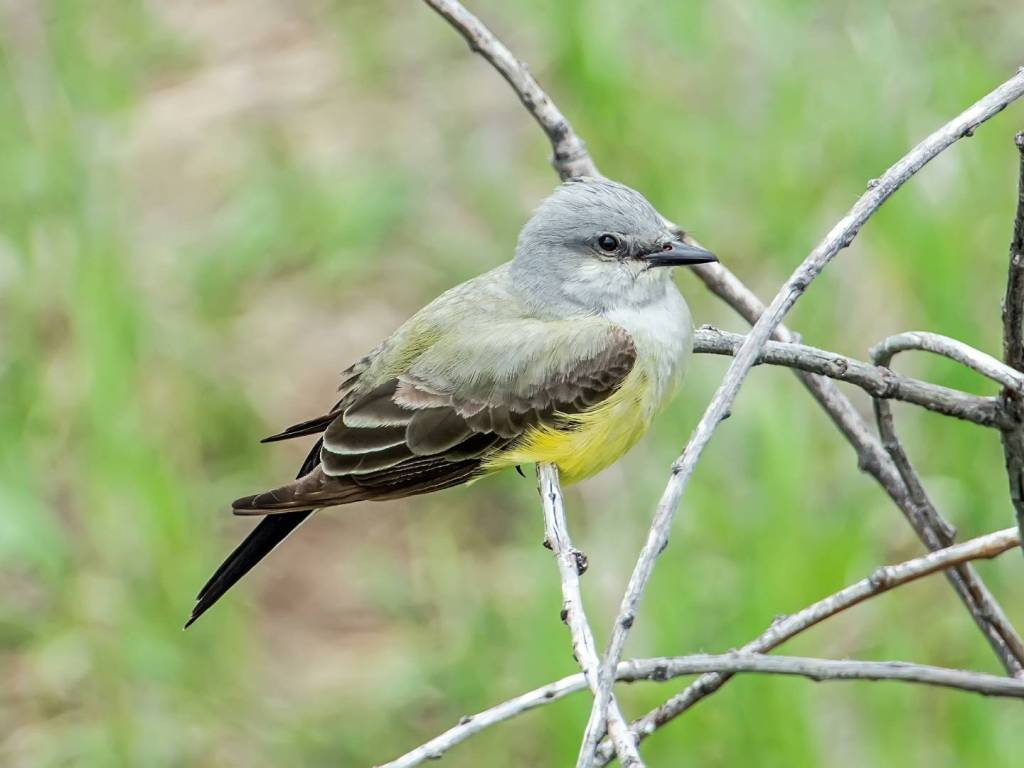
The Tropical Kingbird is a sight to behold, standing out with its vibrant and eye-catching plumage. This medium-sized bird measures about 8-9 inches in length, with a wingspan of approximately 15 inches. One of the most distinctive features of the Tropical Kingbird is its bright yellow belly, which contrasts beautifully with its olive-green back and wings. The head is pale gray, and it sports a dark eye mask, giving it a somewhat mischievous look.
Plumage and Coloration
The upper parts of the Tropical Kingbird are primarily a dull olive green, providing excellent camouflage among the leaves and branches where it often perches. In contrast, the underparts are a vivid yellow, making the bird easy to spot when it takes flight or moves between perches. The wings and tail are darker, often appearing almost black, with a slight fork in the tail that can be seen when the bird is in flight.
Beak and Eyes
The Tropical Kingbird has a sturdy, slightly hooked beak that is perfect for catching insects, its primary food source. The beak is dark and contrasts with the lighter shades of the head. The bird’s eyes are dark and keen, allowing it to spot prey from a distance and react quickly.
Flight and Behavior
In flight, the Tropical Kingbird is agile and acrobatic, often seen chasing after insects with impressive speed and agility. Its long wings and tail aid in its aerial maneuvers, making it a skilled hunter in the skies. When perched, it often sits upright on exposed branches, vigilantly watching for its next meal.
Nesting Habits
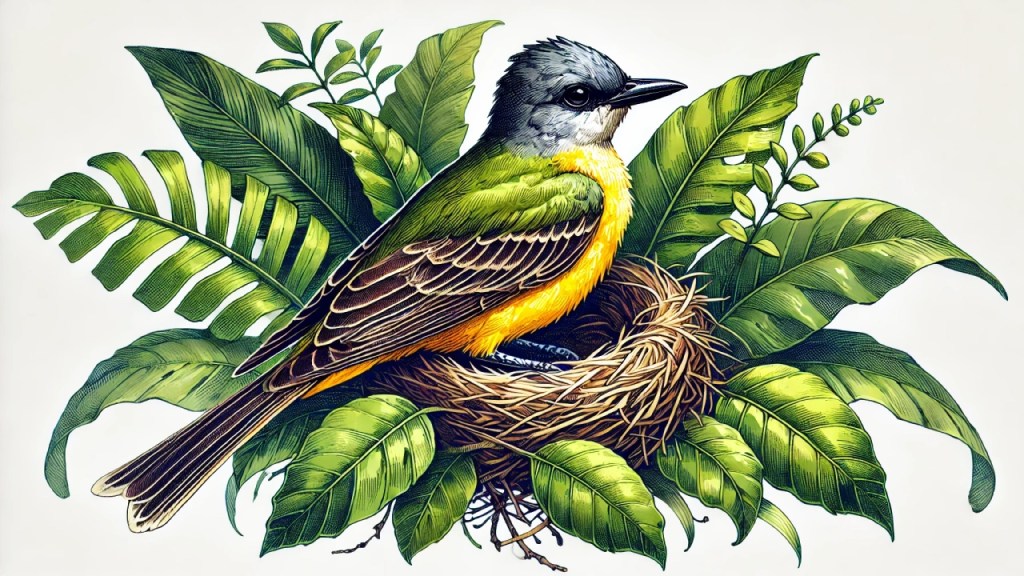
The Tropical Kingbird is not only fascinating in its appearance but also in its nesting habits. These birds are highly adaptable and resourceful when it comes to finding the perfect spot to raise their young.
Nest Location
Tropical Kingbirds prefer to build their nests in open areas, often choosing trees or shrubs with a good vantage point. They are known to nest in a variety of locations, including gardens, parks, and even along roadsides. The key is an open view, which helps them keep an eye out for predators and intruders. Occasionally, they might even nest in human-made structures like utility poles or buildings.
Nest Construction
The nests of Tropical Kingbirds are cup-shaped and relatively simple in design. They are constructed using a variety of materials such as twigs, grasses, and leaves, and are often lined with softer materials like feathers or animal fur to provide a comfortable environment for the eggs and chicks. Both male and female participate in building the nest, showcasing a team effort in preparing for their offspring.
Breeding and Raising Young
The female Tropical Kingbird typically lays between two to four eggs per clutch. These eggs are pale with dark spots and are incubated for about two weeks. During this period, the female stays in the nest to keep the eggs warm while the male stands guard and provides food. Once the chicks hatch, both parents are actively involved in feeding and protecting their young. The chicks are vulnerable and rely entirely on their parents for food and warmth. They grow quickly, and within two to three weeks, they are ready to leave the nest, although they may still rely on their parents for food for a short period after fledging.
Favorite Foods
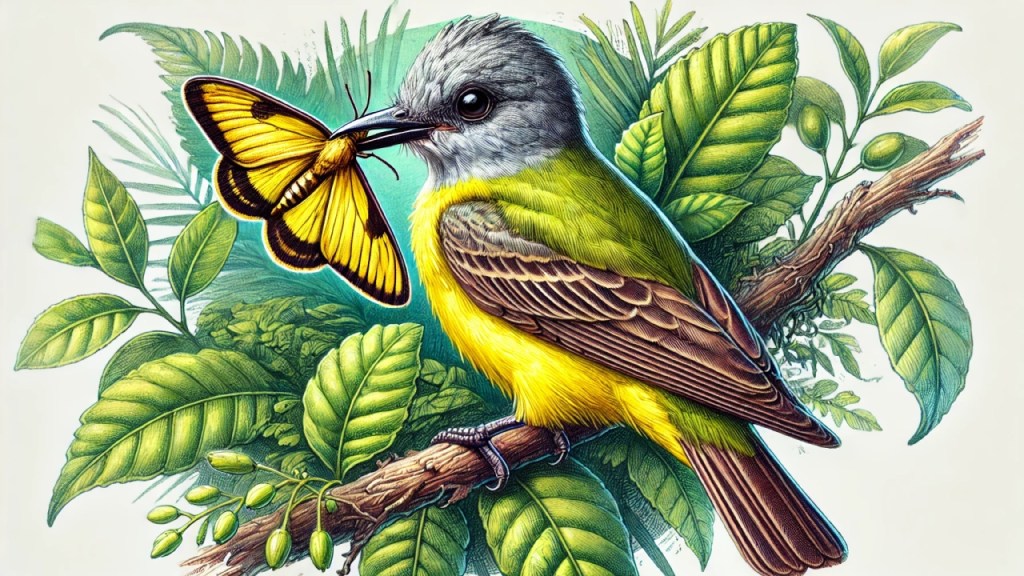
The Tropical Kingbird has a diverse diet that primarily consists of insects, but it also enjoys a variety of other foods. This adaptability in its feeding habits helps the bird thrive in different environments.
Insect Diet
Insects make up the bulk of the Tropical Kingbird’s diet. These birds are skilled aerial hunters, catching insects on the wing with impressive agility. Common prey include flies, beetles, grasshoppers, and dragonflies. The Tropical Kingbird often perches on a high, exposed branch, scanning the surroundings for potential prey. Once an insect is spotted, the bird takes off in a swift, acrobatic flight to snatch it mid-air. This behavior is known as “hawking,” and it is a common feeding strategy among flycatchers.
Fruit and Berries
While insects are the primary food source, Tropical Kingbirds also consume a variety of fruits and berries, especially during the non-breeding season when insects may be less abundant. They are known to eat figs, berries, and other small fruits, which provide essential nutrients and energy. This diet diversification helps the Tropical Kingbird survive in different habitats and seasonal changes.
Foraging Behavior
Tropical Kingbirds are opportunistic feeders. They are not very picky and will take advantage of whatever food sources are available. This adaptability is one of the reasons they are widespread across their range. In addition to catching insects in flight, they may also pick insects off leaves or the ground. When it comes to fruits, they will often pluck them directly from trees or shrubs.
Fun Facts
The Tropical Kingbird is not just an interesting bird to observe but also comes with a host of fascinating traits and behaviors that make it a favorite among bird enthusiasts. Here are some fun facts about this vibrant bird:
Vocal Abilities
The Tropical Kingbird is known for its distinctive calls. It has a variety of vocalizations, including a sharp, electric-sounding “kree” call. These calls are used for communication between mates, to ward off intruders, and to signal alarm. Their vocal nature often makes them easy to locate in the wild, even if they are not immediately visible.
Migration Patterns
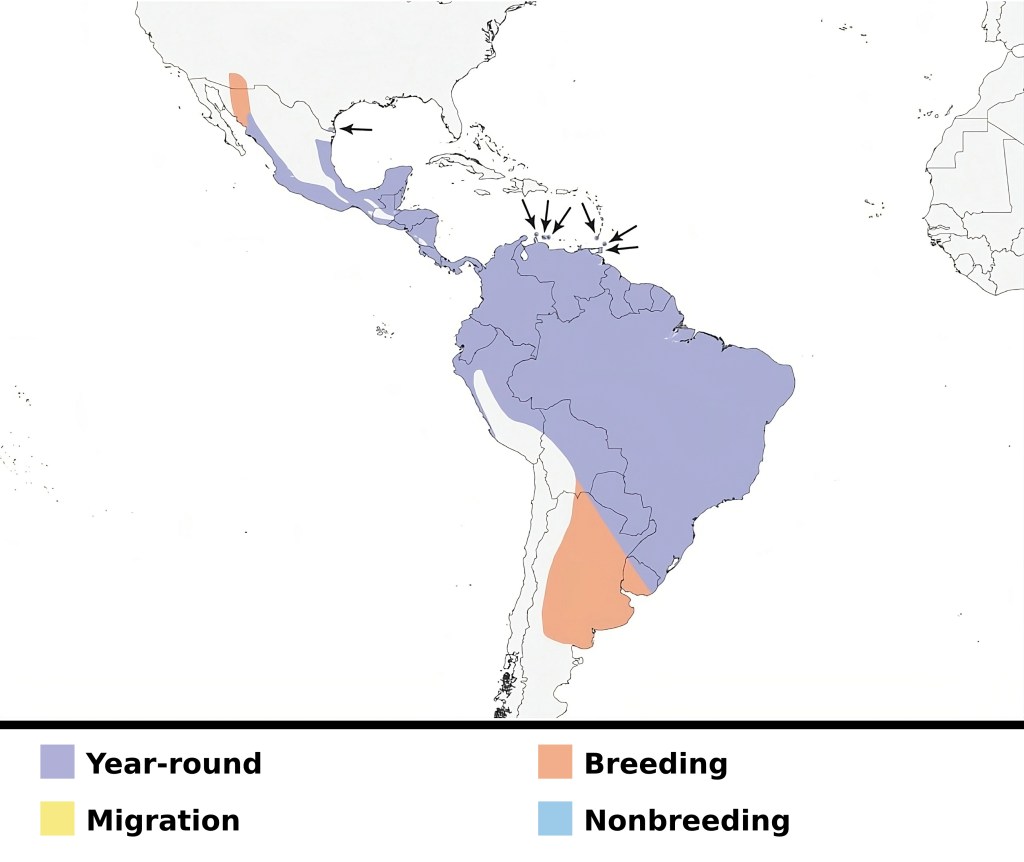
While many Tropical Kingbirds are residents in their range, some populations are migratory. Those that breed in the northernmost parts of their range, such as in the southwestern United States, migrate south to Central and South America during the winter. This migration ensures they stay in warmer climates with ample food supply throughout the year.
Territorial Behavior
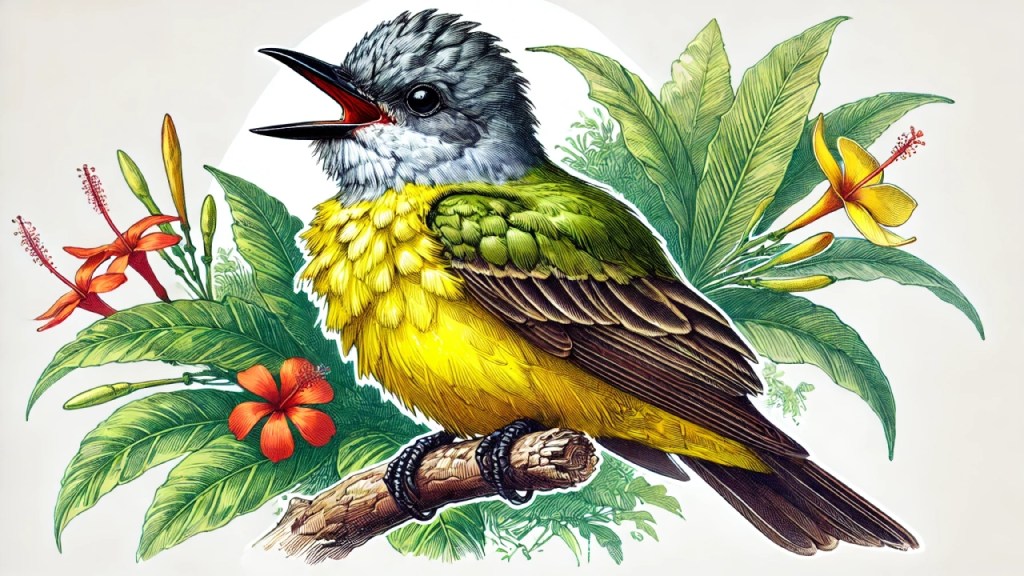
Tropical Kingbirds are highly territorial, especially during the breeding season. They are known to aggressively defend their nesting sites from other birds and potential predators. This boldness often includes chasing away much larger birds, such as hawks and crows. Their fearless nature is quite impressive, making them formidable defenders of their territory.
Symbiotic Relationships
These birds often benefit from a symbiotic relationship with large herbivores like cattle. As the cattle move through the grass, they disturb insects, making them easier targets for the Tropical Kingbird. This behavior, known as “cattle following,” allows the birds to capitalize on the insects that are stirred up.
Unique Adaptations
The Tropical Kingbird’s sharp vision and agile flight make it an excellent hunter. Its strong, broad wings allow for quick maneuvers in the air, and its keen eyesight helps it spot even the smallest insects from a distance. These adaptations are key to its success as a predator.
Conservation Efforts
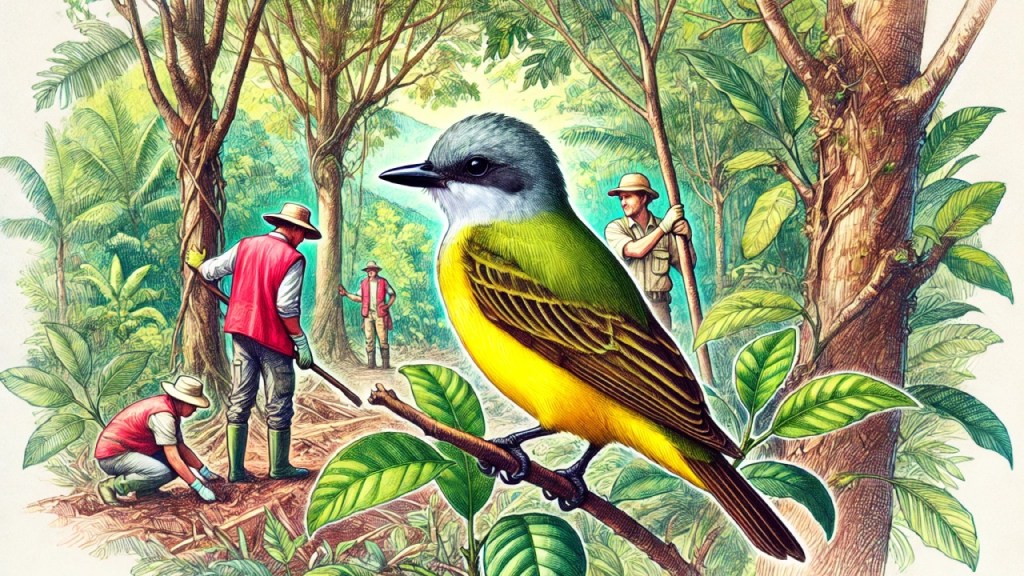
Conservation efforts for the Tropical Kingbird focus on ensuring that this vibrant species continues to thrive in its natural habitat. While the Tropical Kingbird is currently not considered endangered, maintaining healthy populations and protecting its environment are essential.
Habitat Preservation
One of the most critical aspects of conservation for the Tropical Kingbird is habitat preservation. These birds thrive in open woodlands, savannas, and areas with scattered trees and shrubs. Protecting these habitats from deforestation and urban development is crucial. Conservation organizations work to secure protected areas and promote sustainable land use practices that benefit both the birds and the broader ecosystem.
Pesticide Reduction
Since the Tropical Kingbird primarily feeds on insects, pesticide use poses a significant threat. Pesticides can reduce insect populations, depriving these birds of their main food source, and can also cause direct harm if ingested. Efforts to reduce pesticide use, promote organic farming, and educate the public about the impacts of pesticides are vital for the health of Tropical Kingbird populations.
Climate Change Mitigation

Climate change poses a long-term threat to many bird species, including the Tropical Kingbird. Changes in temperature and precipitation patterns can alter their habitat and food availability. Conservation efforts include advocating for policies that mitigate climate change, such as reducing greenhouse gas emissions and protecting large tracts of natural habitat that can serve as climate refuges.
Community Engagement
Engaging local communities in conservation efforts is also essential. Programs that educate and involve local residents in bird conservation help foster a sense of stewardship and support for protective measures. Citizen science projects, where community members can contribute to monitoring bird populations and reporting sightings, play a significant role in gathering valuable data and raising awareness.
How to Observe

Observing the Tropical Kingbird in its natural habitat can be a thrilling experience for birdwatchers. Here are some tips and strategies to help you get the best views of this vibrant bird.
Best Locations
The Tropical Kingbird is commonly found in open areas with scattered trees and shrubs. They thrive in savannas, grasslands, and the edges of forests. Look for them in parks, gardens, and agricultural lands, especially in tropical and subtropical regions of the Americas. During the breeding season, you might find them nesting in trees along roadsides or near open fields.
Peak Activity Times
Tropical Kingbirds are most active during the early morning and late afternoon. These are the best times to observe their hunting behavior as they catch insects on the wing. During these periods, they are more likely to be perched on exposed branches, making them easier to spot.
Identifying Features
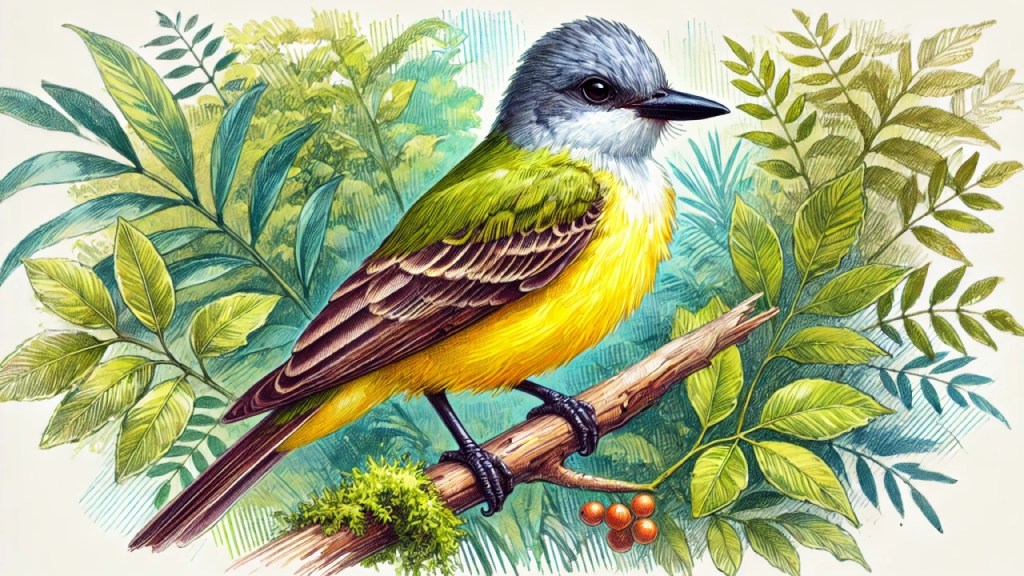
When trying to spot a Tropical Kingbird, look for their bright yellow belly and olive-green back. Their pale gray head and dark eye mask are distinctive features. They often sit upright on exposed perches, making short flights to catch insects. Listen for their sharp “kree” calls, which can help you locate them even if they are not immediately visible.
Observation Tools
Using a good pair of binoculars can enhance your observation experience. A field guide or a bird identification app can also be helpful in confirming your sightings. If you’re interested in photographing the Tropical Kingbird, a camera with a zoom lens will allow you to capture their striking colors and dynamic behavior from a distance.
Respecting Wildlife
Remember to observe these birds from a respectful distance to avoid disturbing them, especially during the nesting season. Minimizing your impact on their habitat helps ensure that these beautiful birds continue to thrive.
Conclusion
In conclusion, the Tropical Kingbird is a remarkable bird that brings color and excitement to the landscapes it inhabits. From its striking appearance and agile hunting skills to its adaptable nesting habits and diverse diet, there is much to admire about this species. Conservation efforts are vital to ensure the continued prosperity of the Tropical Kingbird, and with mindful observation practices, birdwatchers can enjoy this bird without causing harm. Whether you’re a seasoned birdwatcher or just starting, the Tropical Kingbird is sure to captivate your interest and enrich your appreciation for the natural world. Happy birdwatching!



 Wing Watchers with Wagner
Leave a comment