

Introduction
Welcome, everyone! Today, we’re going to explore the fascinating world of one of the most striking and colorful waterfowl in North America, the Wood Duck. Known for their vibrant plumage and unique nesting habits, these birds are a favorite among birdwatchers and nature enthusiasts alike. Whether you’ve spotted them gliding gracefully on a pond or perching on a tree branch, Wood Ducks never fail to capture attention. In this talk, we’ll dive into their appearance, nesting habits, favorite foods, some fun facts, conservation efforts, and tips on how to attract them to your backyard. So, let’s get started and discover what makes the Wood Duck such a special species!
Appearance

Striking Colors and Patterns
The Wood Duck is one of the most colorful and visually stunning birds in North America. The males, in particular, are known for their vibrant plumage. During the breeding season, a male Wood Duck, or drake, boasts an array of colors that make it unmistakable. Their head and crest are iridescent green and purple, with striking red eyes and a red bill. The chest is a rich burgundy with white flecks, while the sides are a mix of bold patterns in black and white. This dazzling display of colors makes the male Wood Duck one of the most beautiful birds in the wild.
Female Elegance
While not as flashy as the males, female Wood Ducks, also called hens, have their own subtle beauty. They are predominantly gray-brown with a white-speckled breast and a distinctive white eye ring and throat patch that gives them a soft, elegant appearance. The muted colors provide excellent camouflage, especially when they are nesting or caring for their young.
Unique Physical Features
Both male and female Wood Ducks share some unique physical features that set them apart from other waterfowl. One of the most distinctive characteristics is their long, broad tail and the crest on their head, which can be raised or lowered. They also have strong claws that allow them to perch in trees, an unusual trait for ducks. This adaptability is key to their survival and nesting habits.
Seasonal Changes
Wood Ducks also undergo seasonal changes in their appearance. During the non-breeding season, males molt into a more subdued eclipse plumage, which helps them blend into their surroundings and avoid predators. This molting process ensures they are less conspicuous outside the breeding season.
Nesting Habits

Tree Nesters
Wood Ducks have a unique approach to nesting compared to other ducks. Instead of building nests on the ground, they choose tree cavities, often in wooded swamps, marshes, or near rivers and lakes. These natural hollows in trees provide a safe and elevated place to raise their young, protecting them from many ground-based predators. Sometimes, they will also use nest boxes provided by conservationists and bird enthusiasts.
Egg Laying and Incubation
Once a suitable cavity is found, the female Wood Duck will lay a clutch of 6 to 16 eggs. The eggs are creamy white and incubate for about 28 to 37 days. During this time, the female is dedicated to keeping the eggs warm and protected, rarely leaving the nest. The male, while not directly involved in incubation, remains nearby to guard the territory and keep an eye out for potential threats.
Ducklings’ First Leap
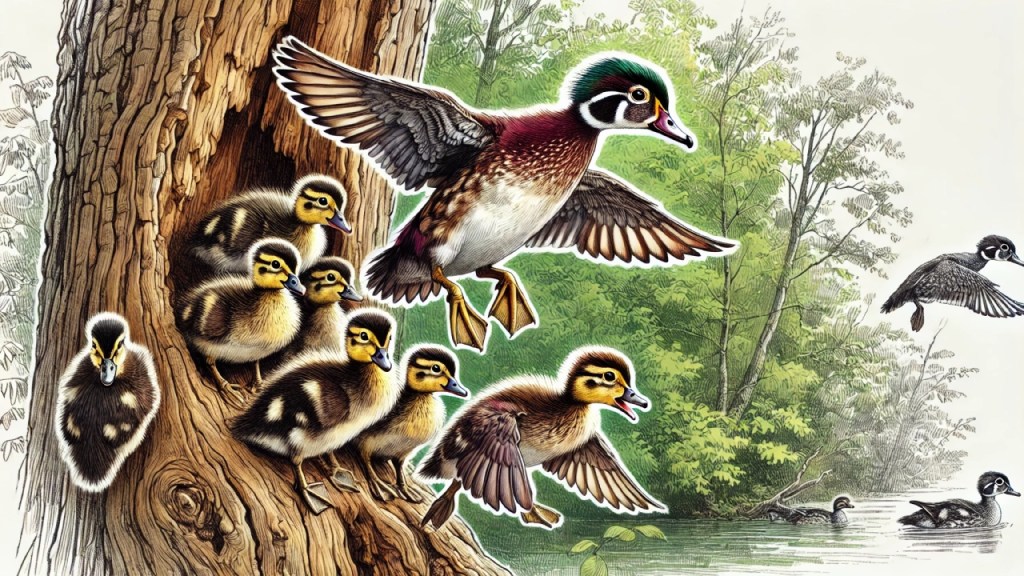
One of the most remarkable moments in a Wood Duck’s life is the ducklings’ first leap from the nest. Just one day after hatching, the ducklings, covered in fluffy down, bravely jump from the nest cavity, which can be up to 50 feet high. This leap of faith is a critical step towards reaching the safety of water. Despite the height, the ducklings are resilient and are rarely injured during this fall. Guided by their mother’s calls, they make their way to the nearest body of water, where they will continue their development.
Brooding and Care
Once in the water, the female Wood Duck leads her brood to safe feeding areas, often dense with vegetation. She remains vigilant, protecting her young from predators such as snapping turtles, large fish, and birds of prey. The ducklings grow quickly and learn essential survival skills under her watchful eye. Within two months, they are capable of flying and will gradually become more independent.
Favorite Foods
Varied Diet
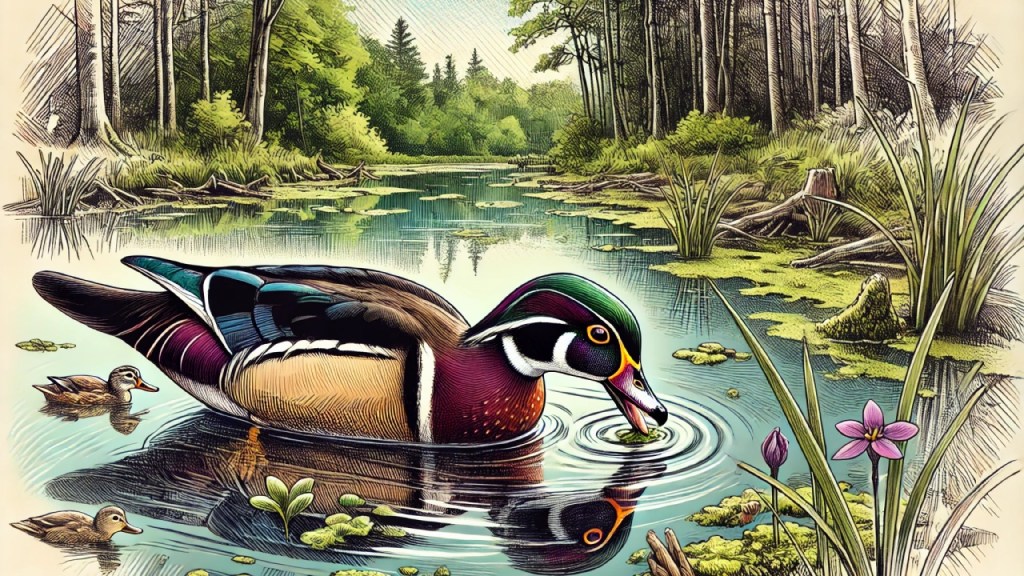
Wood Ducks have a varied diet that changes with the seasons and availability of food sources. They are omnivores, meaning they eat both plant and animal matter, which helps them thrive in diverse environments.
Plant-Based Foods
In spring and summer, Wood Ducks primarily consume plant-based foods. They forage for seeds, fruits, and nuts, often found in wetlands and forested areas. Acorns are a particularly favored food, providing them with essential fats and nutrients. They also eat aquatic plants and algae, which they find while dabbling on the water’s surface. In addition to these, Wood Ducks enjoy a variety of seeds from grasses and other plants.
Insect and Invertebrate Delights
During the breeding season, especially when raising their young, Wood Ducks shift their diet to include more protein-rich foods. They hunt for insects, such as beetles, dragonflies, and caterpillars, which provide the necessary nutrients for growth and development. Aquatic invertebrates, like snails and small crustaceans, are also part of their diet. This high-protein diet is crucial for ducklings, helping them grow strong and healthy.
Foraging Behavior
Wood Ducks have interesting foraging behaviors. They are known to forage in shallow waters, tipping forward to reach aquatic plants and small animals, a method known as dabbling. They also forage on land, especially in forested areas, where they search for fallen acorns and other nuts. Their strong claws and perching ability allow them to access food sources that other ducks might not reach, such as berries and seeds found on shrubs and trees.
Seasonal Adjustments
As seasons change, so does the availability of food. In the fall and winter, Wood Ducks rely more on acorns and seeds, which are more abundant and provide the necessary energy to survive colder temperatures. This adaptability in their diet helps them to thrive throughout the year, regardless of seasonal changes.
Fun Facts

Eye-Catching Beauty
The Wood Duck is often regarded as one of the most beautiful waterfowl in North America. The males, with their iridescent plumage, are a standout in any setting. Their vibrant colors and patterns make them easily identifiable and a favorite among birdwatchers.
Remarkable Adaptability
Wood Ducks are highly adaptable birds. Unlike many other ducks, they can perch in trees, thanks to their strong claws. This unique ability allows them to nest in tree cavities, which provides safety and reduces competition for nesting sites.
Early Conservation Success
Wood Ducks were once on the brink of extinction in the early 20th century due to habitat loss and overhunting. However, they became one of the earliest conservation success stories in North America. Efforts such as the establishment of protected wetlands, hunting regulations, and the installation of nest boxes helped their populations to recover dramatically.
Unique Vocalizations
Wood Ducks have a distinctive set of calls. The female’s call is a loud “oo-eek” sound, which she uses to communicate with her ducklings. Males have a thin, high-pitched whistle. These calls are often heard in wooded wetlands and help in identifying the presence of these ducks even if they are not visible.
Long-Distance Travelers
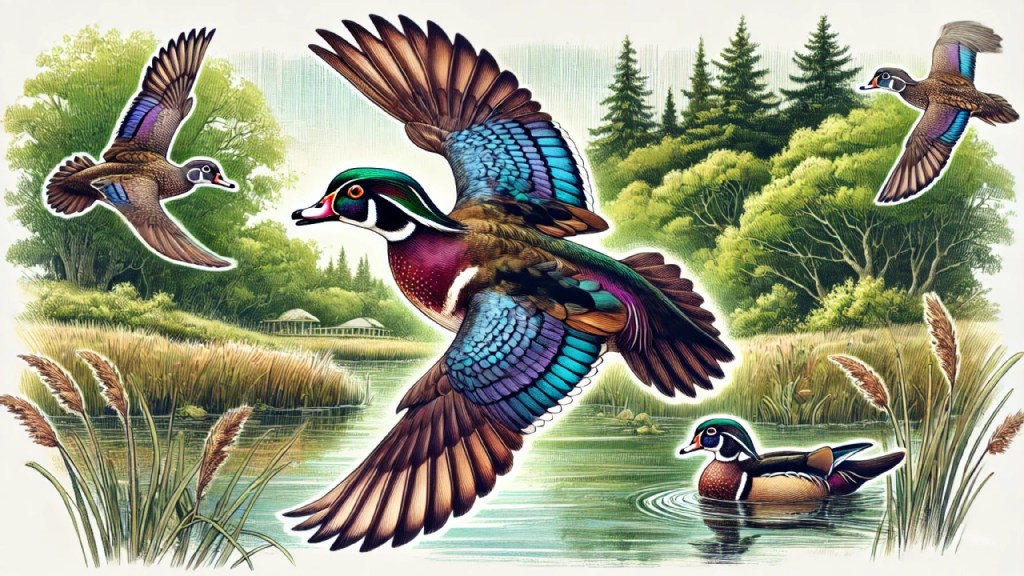
While many Wood Ducks are year-round residents in the southern parts of their range, northern populations migrate southward for the winter. They can travel long distances, sometimes covering hundreds of miles to find suitable wintering grounds. This migration ensures they have access to food and milder climates during the colder months.
Lifespan and Longevity
Wood Ducks can live up to 15 years in the wild, though most live shorter lives due to predation and environmental factors. Their ability to adapt and their diverse diet contribute to their longevity and resilience in the wild.
Conservation Efforts

Early 20th Century Decline
In the early 20th century, Wood Ducks faced a significant decline in their population due to extensive hunting and habitat destruction. Wetlands and wooded swamps, crucial for their nesting and feeding, were being drained for agriculture and development. The combination of these factors pushed Wood Ducks to the brink of extinction.
Legal Protections
Recognizing the urgent need for action, the United States government implemented several measures to protect Wood Ducks. The Migratory Bird Treaty Act of 1918 was a critical piece of legislation that protected Wood Ducks and other migratory birds. This act made it illegal to hunt, capture, or sell Wood Ducks without proper authorization.
Habitat Restoration
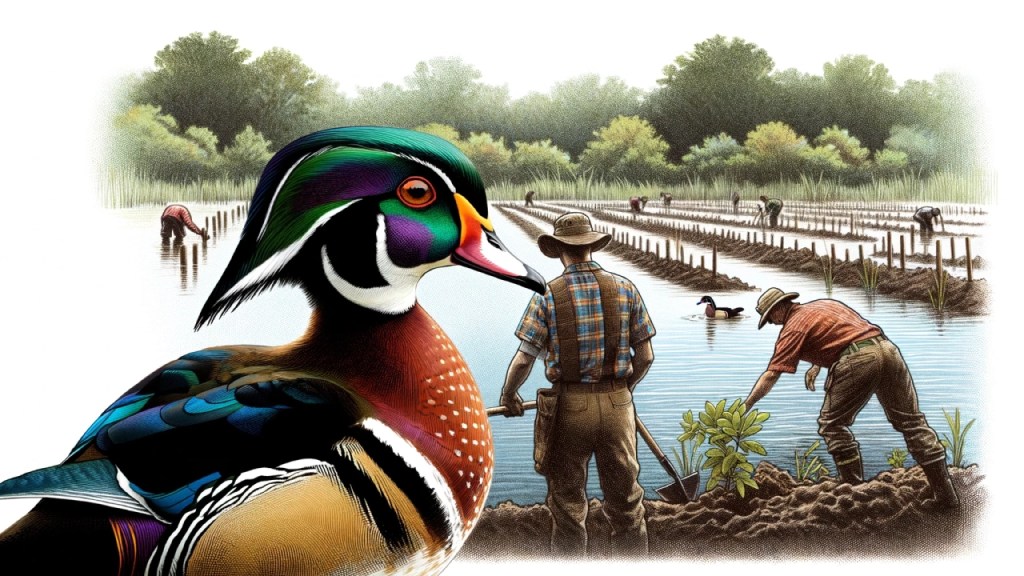
Efforts to restore and preserve wetland habitats have played a significant role in the recovery of Wood Duck populations. Conservation organizations and government agencies have worked together to protect and restore wetlands, ensuring that Wood Ducks have access to the habitats they need for nesting and foraging. These efforts have also benefited other wildlife species that depend on wetland ecosystems.
Nest Box Programs
One of the most successful conservation strategies for Wood Ducks has been the widespread installation of nest boxes. These artificial nesting sites provide safe places for Wood Ducks to raise their young, especially in areas where natural tree cavities are scarce. Nest box programs have been adopted by wildlife agencies, conservation groups, and private individuals, significantly boosting the Wood Duck’s nesting success.
Monitoring and Research
Ongoing monitoring and research are essential for understanding the health and trends of Wood Duck populations. Researchers track migration patterns, nesting success, and population numbers to ensure that conservation efforts remain effective. Citizen science programs, where volunteers help collect data, have also contributed valuable information to conservationists.
Public Awareness and Education
Educating the public about the importance of Wood Ducks and wetland conservation has been a key component of their recovery. Nature centers, wildlife organizations, and birdwatching groups often conduct programs and workshops to raise awareness about Wood Ducks. These efforts help foster a sense of stewardship and encourage people to get involved in conservation activities.
How to Attract Wood Ducks to Your Backyard

Providing Nest Boxes
One of the most effective ways to attract Wood Ducks to your backyard is by installing nest boxes. These artificial cavities replicate the tree hollows that Wood Ducks prefer for nesting. Place the nest boxes near water, such as a pond, river, or wetland, as Wood Ducks need easy access to water for foraging and leading their ducklings. The boxes should be mounted on poles or trees, ideally 6 to 15 feet above the ground, to protect them from ground predators.
Ensuring Proper Placement
Proper placement of nest boxes is crucial. They should face a clear flight path for the ducks to enter and exit easily. Ensure there are no obstructions like branches or buildings that could hinder their flight. Additionally, providing predator guards on the poles or trees can help protect the nests from raccoons, snakes, and other potential threats.
Maintaining Clean Water Sources
Wood Ducks are attracted to clean, freshwater sources. If you have a pond or wetland on your property, keep it clean and free of pollutants. Adding aquatic plants can enhance the habitat by providing food and shelter for the ducks. Plants like water lilies, duckweed, and cattails are excellent choices that also improve water quality.
Offering Natural Foods

While Wood Ducks forage for natural foods, you can supplement their diet by planting trees and shrubs that produce nuts, seeds, and berries. Oak trees, in particular, provide acorns, a favorite food of Wood Ducks. Other suitable plants include wild rice, millet, and swamp white oak. These plants not only attract Wood Ducks but also support other wildlife.
Creating a Safe Environment
To make your backyard more inviting for Wood Ducks, create a safe and quiet environment. Minimize disturbances by keeping pets and loud activities away from the nesting and foraging areas. Providing dense vegetation around the water source can offer additional cover and protection from predators.
Monitoring and Maintenance
Regularly monitor the nest boxes to ensure they are in good condition and free from pests like wasps or squirrels. Clean the boxes at the end of each breeding season to prepare them for the next year. Monitoring also helps you track the success of your nesting efforts and make any necessary adjustments.
Joining Conservation Efforts
Getting involved in local conservation efforts can also benefit Wood Ducks. Join or support organizations that focus on wetland preservation and bird conservation. Participate in citizen science programs that track Wood Duck populations and contribute to research efforts.
Conclusion

Wood Ducks are truly remarkable birds, known for their stunning appearance, unique nesting habits, and adaptability. By learning more about them and supporting conservation efforts, we can ensure that these beautiful birds continue to thrive in their natural habitats. Whether you’re an avid birdwatcher or just beginning to explore the world of birding, attracting Wood Ducks to your backyard can be a rewarding experience. With the right nest boxes, clean water sources, and natural foods, you can create a haven for these colorful waterfowl and enjoy the beauty and charm they bring. Thank you for joining us on this journey to discover the fascinating world of the Wood Duck!


 Wing Watchers with Wagner
Leave a comment