
Introduction
Welcome, everyone! Today, we’re going to learn about one of the tiniest yet most fascinating owls in the world, the Elf Owl. This diminutive bird is a marvel of nature, captivating birdwatchers and nature enthusiasts alike. Despite its small size, the Elf Owl has a big personality and plays an important role in its ecosystem. We’ll explore its unique appearance, nesting habits, favorite foods, some fun facts, and the conservation efforts in place to protect this little wonder. So, grab your binoculars and join me on this journey to discover the incredible life of the Elf Owl.
Appearance
Tiny Stature
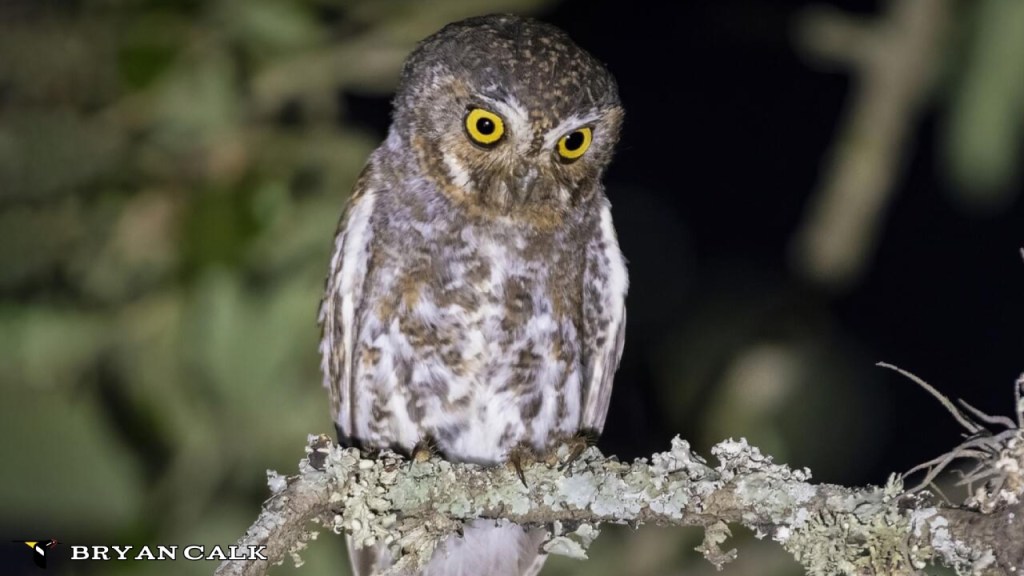
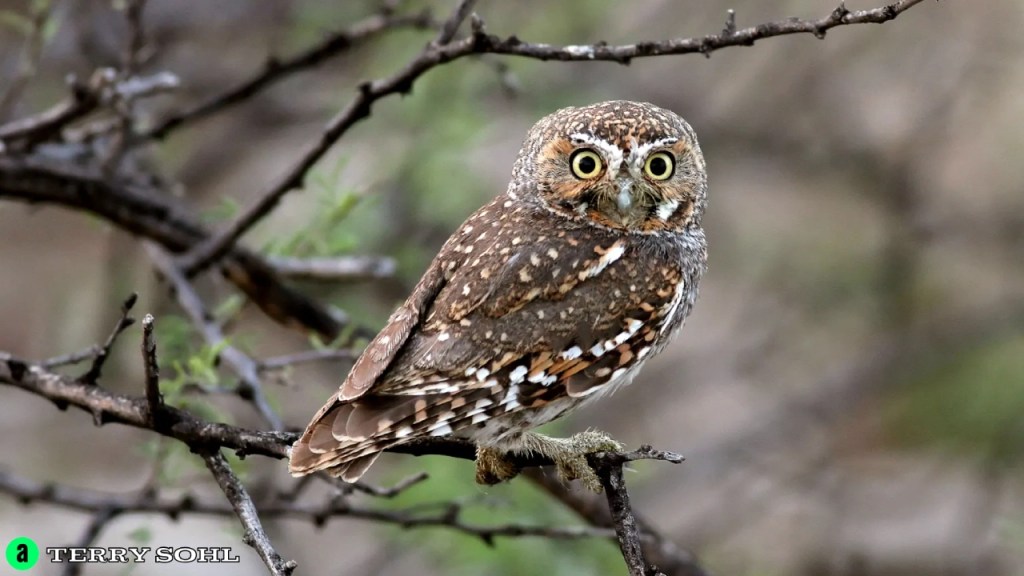
The Elf Owl is truly a pint-sized predator. Standing at only about 5 to 6 inches tall, this owl is roughly the size of a sparrow. Despite its small size, it is perfectly adapted to its environment, blending seamlessly into the desert landscapes it calls home.
Color and Plumage
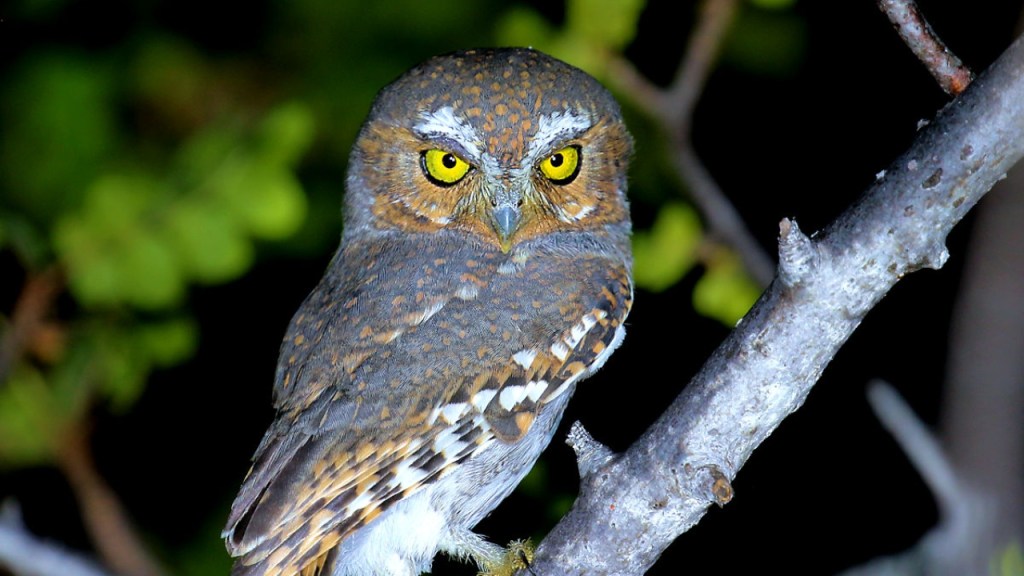
The Elf Owl’s plumage is a mix of earthy browns and grays, providing excellent camouflage against the bark of trees and the sandy desert floor. Its feathers are soft and fluffy, allowing it to move silently through the night as it hunts for prey. This cryptic coloration helps it avoid predators and remain hidden during the day.
Distinctive Features

One of the most charming features of the Elf Owl is its large, round eyes, which are a bright yellow. These eyes are perfectly adapted for night vision, enabling the Elf Owl to spot even the smallest of insects in the dark. Its face is framed by a subtle facial disc, which helps direct sound to its ears, enhancing its already excellent hearing.
Another notable feature is the Elf Owl’s lack of ear tufts, which are common in many other owl species. Instead, its head is smooth and rounded, adding to its unique appearance. The beak is small but sharp, perfect for catching and eating insects.
Wings and Flight
The Elf Owl has relatively long wings for its body size, allowing it to be an agile and swift flyer. Its flight is typically silent, an adaptation that aids in sneaking up on prey. Watching an Elf Owl in flight is a mesmerizing sight as it flits gracefully through the desert night.
Nesting Habits
Choosing a Nest Site
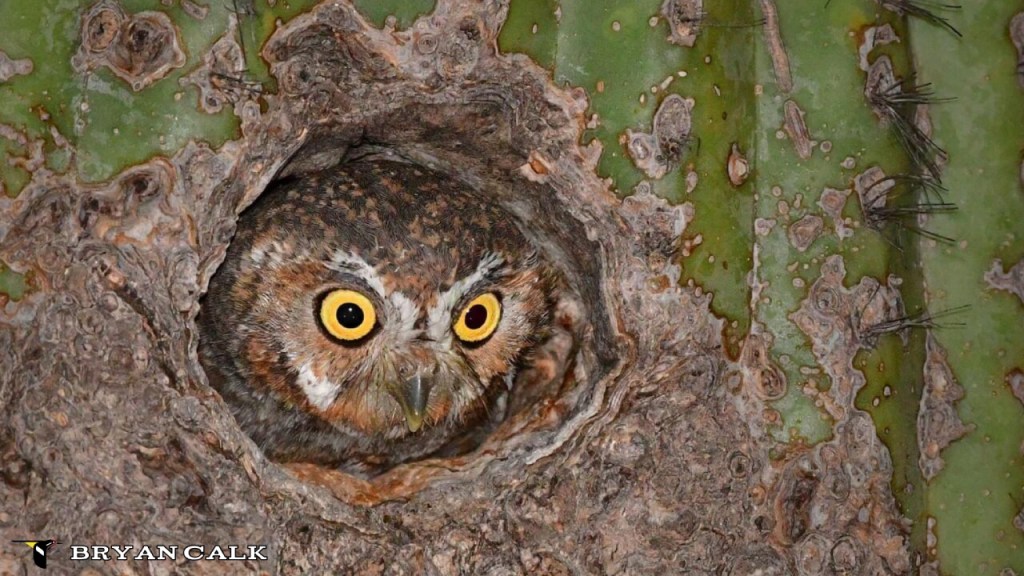
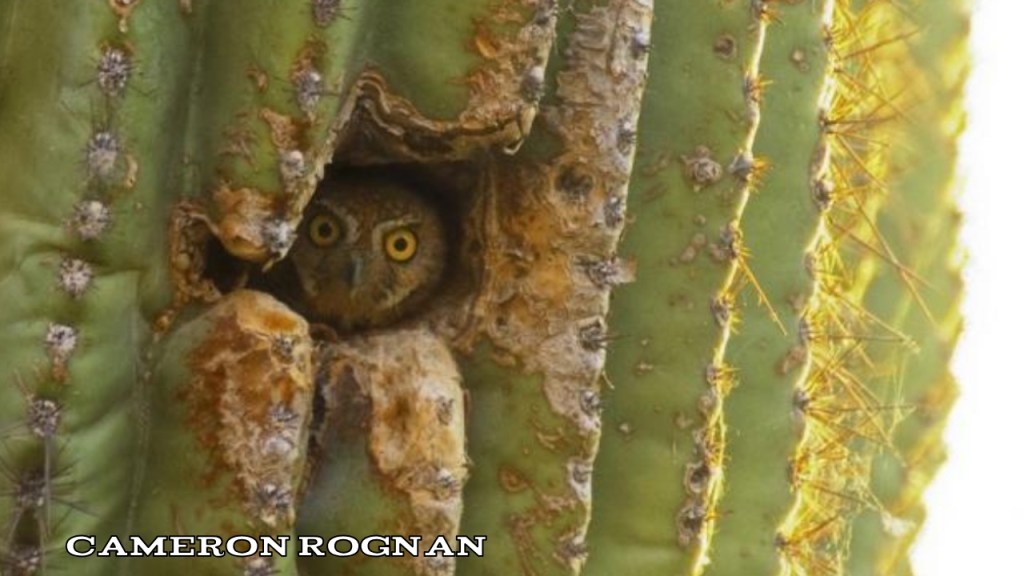
Elf Owls have a unique approach to selecting their nesting sites. Unlike many other birds that build their own nests, Elf Owls prefer to take over abandoned woodpecker holes in saguaro cacti or deciduous trees. These pre-made cavities provide the perfect haven for raising their young, offering protection from predators and the harsh desert environment.
Breeding Season
The breeding season for Elf Owls typically begins in late spring. During this time, males will establish and defend their territories, often using a series of high-pitched calls to attract a mate. Once a female has been attracted, the pair will settle into a suitable nesting cavity, preparing it for the arrival of their eggs.
Raising the Young
Elf Owls lay between 2 to 4 eggs, which the female incubates for about three weeks. During this period, the male is responsible for hunting and bringing food back to the nest. Once the eggs hatch, both parents share the responsibility of feeding and caring for the vulnerable chicks.
Development of Chicks
The young owlets are born with their eyes closed and covered in white downy feathers. They grow rapidly, and within a few weeks, they begin to develop their juvenile plumage. At around four to five weeks old, the chicks are ready to fledge, taking their first steps out of the nest and learning to fly. Even after fledging, they continue to rely on their parents for food and protection for a short while longer.
Lifelong Bond
While Elf Owls typically pair up for a single breeding season, some pairs may reunite in subsequent years if both individuals survive. This bond ensures that the pair are well-coordinated in raising their young, increasing the chances of survival for their offspring.
Favorite Foods

Insectivorous Diet
The Elf Owl primarily feeds on insects, making it an insectivorous predator. Its diet mainly consists of beetles, moths, crickets, and grasshoppers. These small, easily catchable prey items are abundant in the desert environment, providing a reliable food source for the Elf Owl.
Hunting Techniques
Elf Owls are nocturnal hunters, relying on their excellent night vision and keen hearing to locate prey in the dark. They often hunt from a perch, swooping down silently to catch unsuspecting insects on the ground or in the air. Their agile flight and precise movements make them highly effective hunters, even in low-light conditions.
Supplementary Diet
While insects make up the bulk of their diet, Elf Owls are opportunistic feeders and will occasionally consume other small animals. This can include small rodents, lizards, and even other birds if the opportunity arises. However, such instances are relatively rare compared to their insect consumption.

Water Needs
Living in arid desert environments, Elf Owls have adapted to survive with minimal water. They obtain most of their hydration from the prey they consume, which contains enough moisture to meet their needs. This adaptation is crucial for their survival in habitats where water sources can be scarce.
Feeding the Family
During the breeding season, the male Elf Owl takes on the primary role of hunting and bringing food back to the nest. He diligently provides for the female and their chicks, ensuring that they have a steady supply of food. This role is vital for the survival and growth of the young owlets, who require frequent feeding as they develop.
Fun Facts

Small but Mighty
Despite being one of the smallest owls in the world, the Elf Owl is a fierce predator. Its diminutive size doesn’t stop it from being a highly efficient hunter. With keen senses and quick reflexes, it expertly catches insects and small prey, demonstrating that size isn’t everything in the animal kingdom.
Migratory Marvels
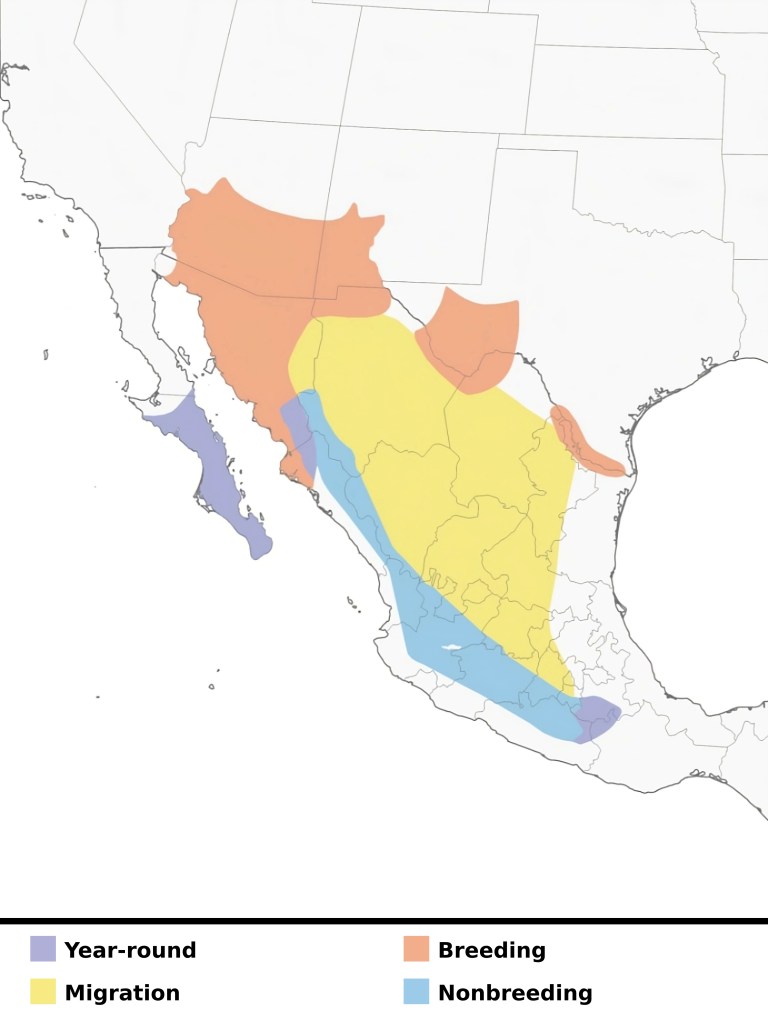
Elf Owls are migratory birds, traveling long distances between their breeding and wintering grounds. They breed in the southwestern United States and northern Mexico, then migrate to central and southern Mexico for the winter. This impressive journey showcases their resilience and adaptability to different environments.
Masters of Disguise
One of the most fascinating aspects of the Elf Owl is its incredible ability to blend into its surroundings. Its cryptic coloration and small size make it nearly invisible when perched in trees or cacti. This camouflage is a crucial survival tactic, helping it avoid predators and remain undetected by prey.
Vocal Communicators
Elf Owls are quite vocal, especially during the breeding season. They use a variety of calls to communicate with each other, from high-pitched whistles to rapid trills. These calls are used for attracting mates, defending territories, and keeping in contact with family members.
Cavity Dwellers
Unlike many other birds, Elf Owls don’t build traditional nests. Instead, they rely on abandoned woodpecker holes or natural cavities in trees and cacti. This behavior not only provides them with a safe and secure home but also highlights their resourcefulness in using available resources.
Adaptable Eaters
While primarily insectivorous, Elf Owls have been known to adapt their diet based on availability. In times of food scarcity, they have been observed catching small reptiles and even scavenging. This dietary flexibility helps them survive in the variable conditions of their desert habitat.
Remarkable Night Vision
The large, yellow eyes of the Elf Owl are not just for show. These owls have excellent night vision, allowing them to hunt efficiently in the dark. Their eyes are specially adapted to gather and process minimal light, making them formidable nocturnal hunters.
Conservation Efforts

Habitat Protection
One of the primary conservation strategies for the Elf Owl is habitat protection. As these owls rely on specific environments like saguaro cacti forests and riparian woodlands, efforts are focused on preserving and restoring these crucial habitats. Conservation organizations and governmental agencies work together to protect large areas of land, ensuring that the Elf Owl has safe places to live and breed.
Monitoring Populations
Regular monitoring of Elf Owl populations is essential to understanding their conservation status and the effectiveness of protection measures. Researchers conduct surveys and use tracking technologies to gather data on their numbers, breeding success, and migration patterns. This information helps guide conservation strategies and policies to support their survival.
Public Awareness and Education
Raising public awareness about the Elf Owl and its ecological importance is another key aspect of conservation efforts. Educational programs and outreach initiatives aim to inform communities about the significance of these tiny owls and the need to protect their habitats. By fostering a sense of stewardship, these efforts encourage local communities to participate in conservation activities.
Reducing Pesticide Use
Since Elf Owls primarily feed on insects, reducing pesticide use is vital for their conservation. Pesticides not only diminish their food supply but can also poison the owls indirectly. Conservationists advocate for the use of environmentally friendly pest control methods to ensure a healthy ecosystem for the Elf Owl and other wildlife.
Supporting Conservation Organizations
Many organizations dedicated to bird conservation, such as the Audubon Society and the American Bird Conservancy, actively work to protect the Elf Owl. Supporting these organizations through donations, volunteering, or participating in citizen science projects can significantly impact their efforts to conserve this species.
Legal Protections
In some regions, legal protections are in place to safeguard the Elf Owl and its habitat. These laws regulate land use and development, ensuring that critical habitats are not destroyed. Continued advocacy for strong legal protections is necessary to maintain and enhance these safeguards for the Elf Owl’s future.
Observing the Elf Owl
Best Time to Observe
The Elf Owl is a nocturnal bird, which means the best time to observe it is at dusk or during the early evening hours. As the sun sets, Elf Owls become more active, emerging from their nests to hunt for insects. This is when you’re most likely to spot one.
Preferred Habitats
To observe Elf Owls, you’ll need to visit their preferred habitats. They are commonly found in desert regions, especially in areas with saguaro cacti or riparian woodlands. Look for places with plenty of natural cavities or abandoned woodpecker holes, as these are their preferred nesting sites.
Listening for Calls
One of the easiest ways to locate an Elf Owl is by listening for their distinctive calls. During the breeding season, males can be quite vocal, emitting high-pitched whistles and trills. These calls are used to attract females and defend their territories, making them easier to locate.
Using a Flashlight
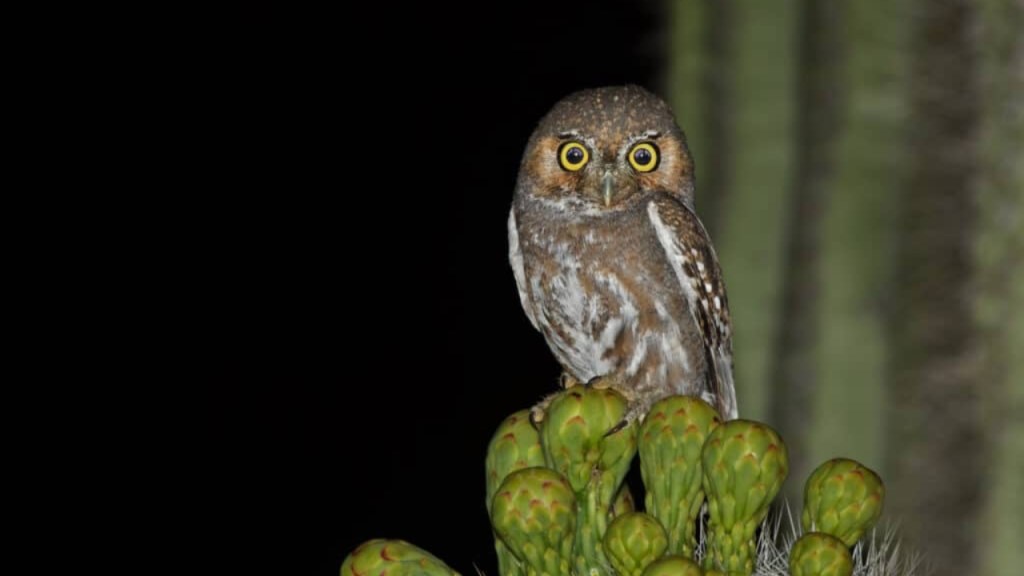
When observing at night, a flashlight can be a useful tool. However, it’s important to use a red filter on the light to avoid startling or harming the owl. The red light is less intrusive and can help you spot the owl’s reflective eyes in the dark.
Staying Stealthy
Elf Owls are naturally wary of humans, so it’s crucial to stay quiet and move slowly when attempting to observe them. Wear neutral-colored clothing to blend in with the surroundings, and avoid making sudden movements that could scare them away.
Respecting Nature
Always remember to respect the natural habitat of the Elf Owl. Avoid getting too close to their nests or disturbing their environment. Observing from a distance ensures that you do not interfere with their natural behaviors, allowing you to enjoy the experience without impacting the owls negatively.
Conclusion
In summary, the Elf Owl is a remarkable little bird with a big impact on its ecosystem. From its tiny stature and unique nesting habits to its fascinating diet and migratory behavior, the Elf Owl captivates anyone who takes the time to learn about it. Conservation efforts are crucial to ensure that this species continues to thrive, and we can all play a part in protecting these amazing creatures. Whether it’s through supporting habitat protection, reducing pesticide use, or simply spreading awareness, every action counts. Next time you’re out in the desert at dusk, keep an eye out for this tiny owl with a mighty presence.



 Wing Watchers with Wagner
Leave a comment