
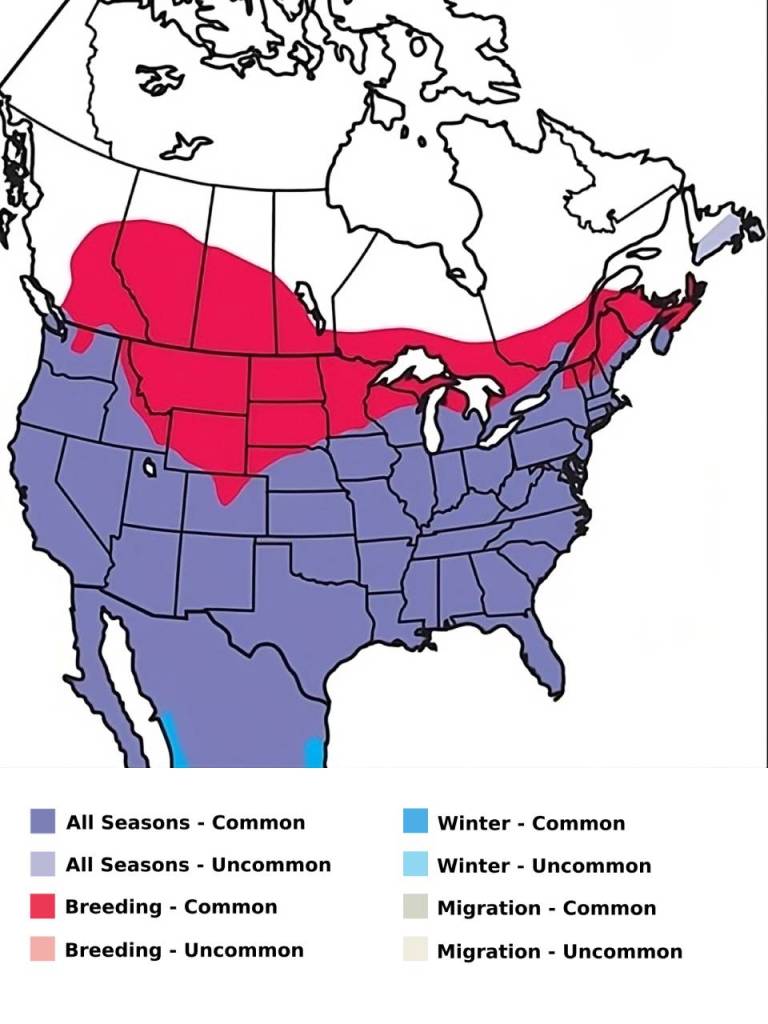
Introduction
The Mourning Dove, with its soft, sorrowful cooing and graceful flight, holds a special place in many hearts. Whether you’re a seasoned birdwatcher or just starting to explore the fascinating world of birds, the Mourning Dove is a delightful species to observe and understand.
In this blog post, we will dive into the life of the Mourning Dove, covering everything from its distinctive appearance to its nesting habits, favorite foods, and fun facts that make this bird so captivating. Additionally, we’ll touch on the important conservation efforts in place to ensure this species continues to thrive in our skies.
So, grab your binoculars and notepads, and let’s get ready to explore the wonderful world of the Mourning Dove. Whether you’re in your backyard, at a local park, or on a nature trail, there’s a good chance you’ll encounter this beautiful bird. By the end of our journey, you’ll have a deeper appreciation for the Mourning Dove and perhaps be inspired to protect and cherish these feathered friends even more.
Appearance
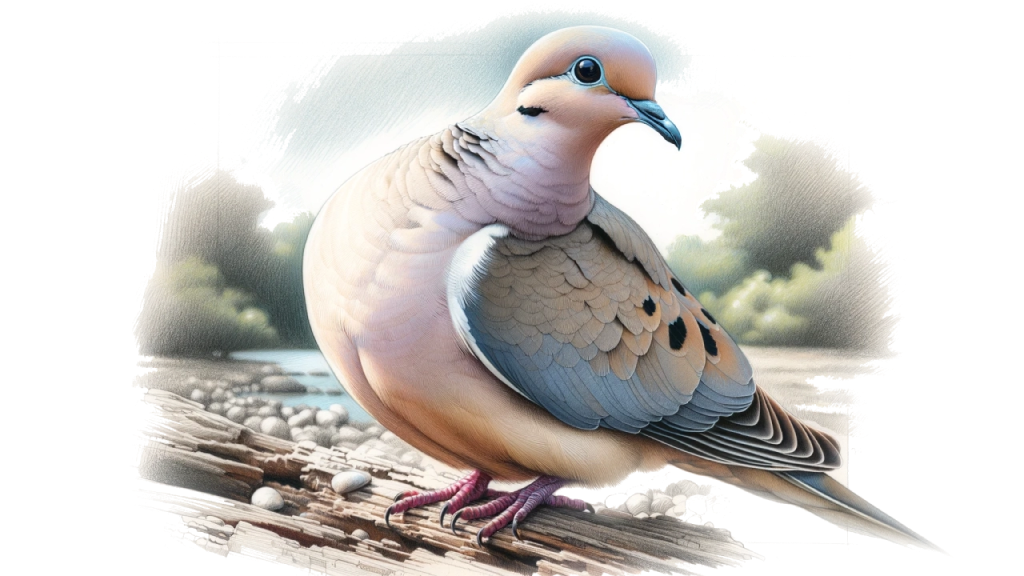
The Mourning Dove is a bird of delicate beauty, easily recognizable by its sleek, slender body and smooth, rounded head. Let’s break down its key features to help you identify this graceful bird with ease.
Size and Shape
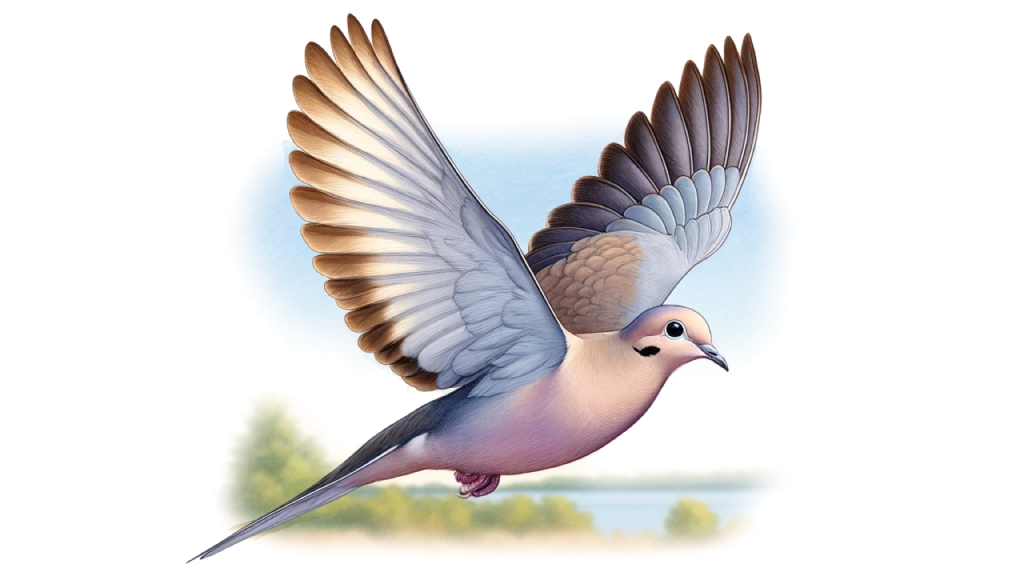
Mourning Doves are medium-sized birds, measuring about 9 to 13 inches in length and with a wingspan of approximately 15 to 18 inches. They weigh between 4 and 6 ounces, making them lightweight and agile fliers. One of their most distinctive features is their long, pointed tails, often bordered with white feathers that become visible during flight.
Plumage
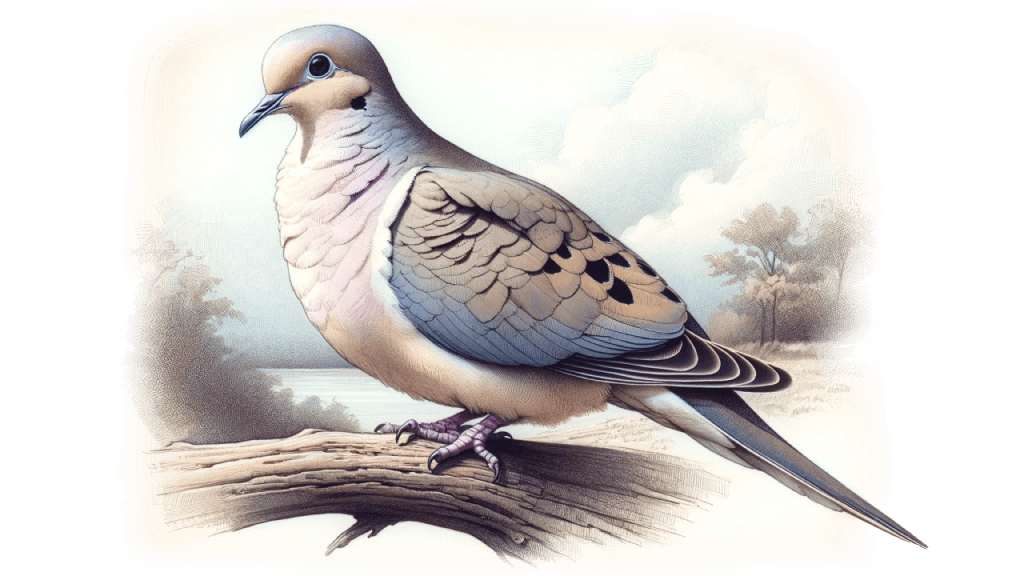
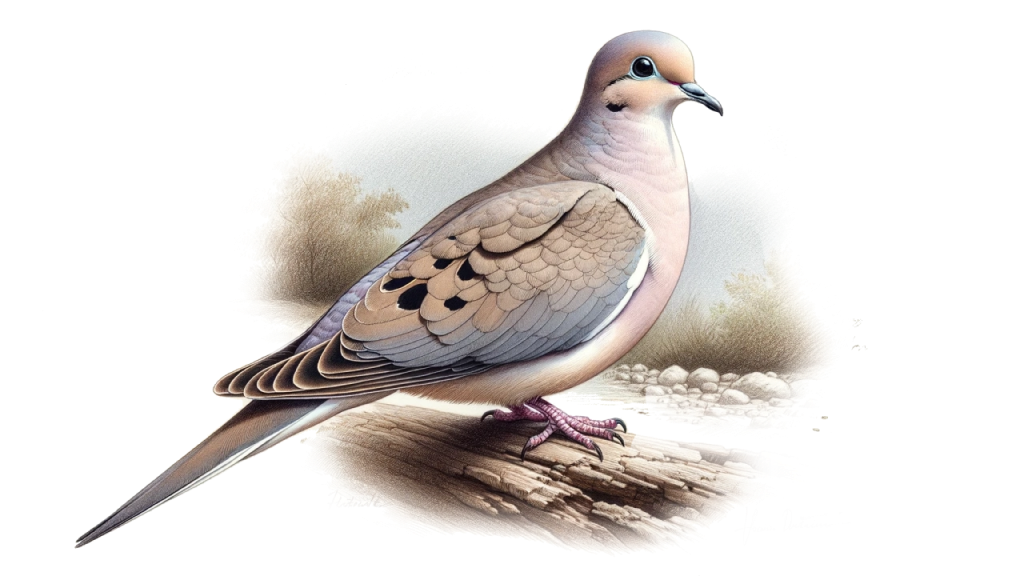
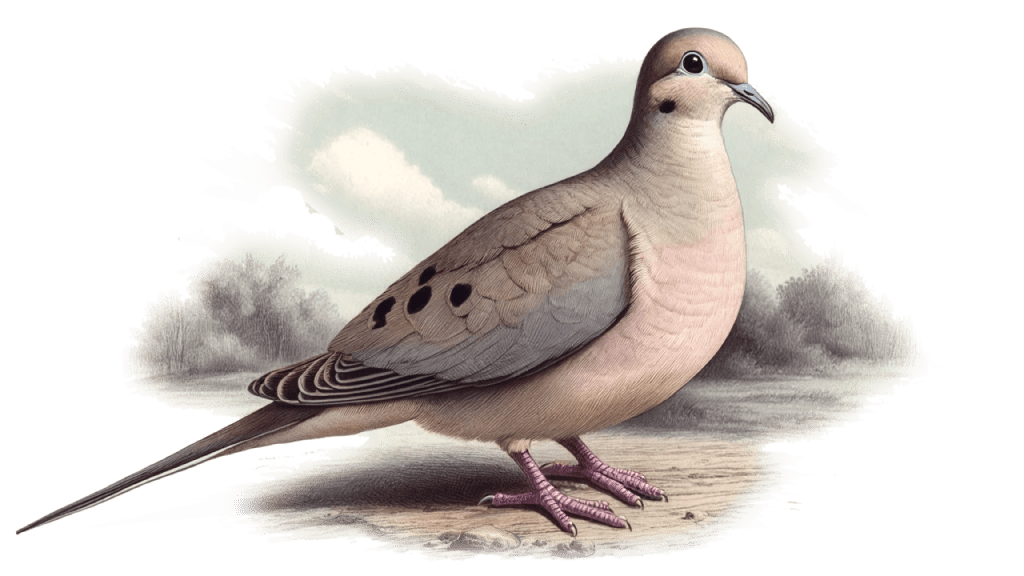
The plumage of a Mourning Dove is a blend of soft, muted colors, providing excellent camouflage against predators. Their bodies are predominantly light grayish-brown, with a slight pinkish hue on the chest and underbelly. This subtle coloration helps them blend seamlessly into their surroundings, whether they’re perched on a branch or nestled in a field.
The wings of the Mourning Dove feature small, black spots, adding a touch of contrast to their otherwise understated appearance. When in flight, their wings reveal a flash of bright white from the tail feathers, which is a helpful identification marker for birdwatchers.
Head and Facial Features
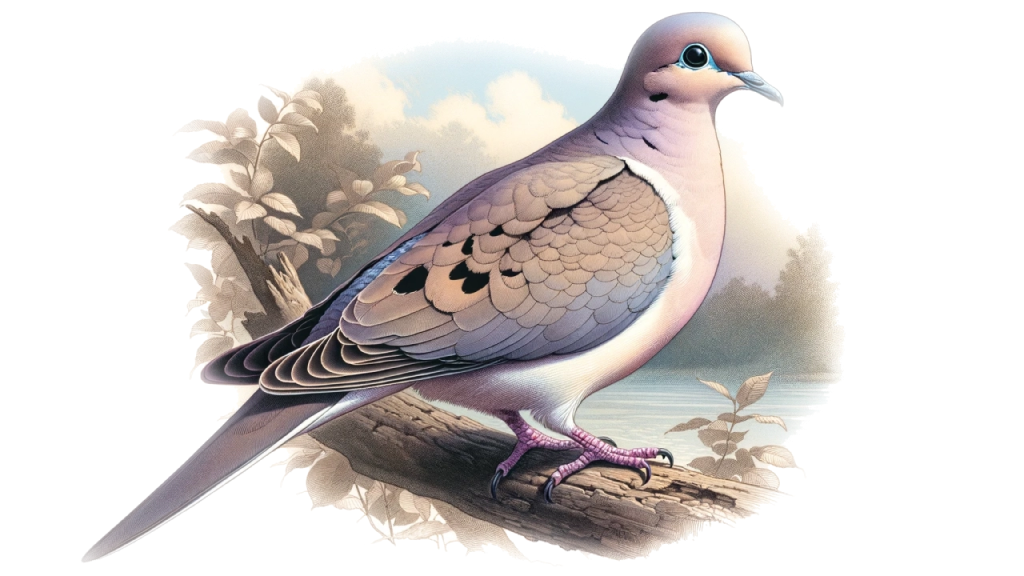
The head of the Mourning Dove is small and rounded, with a delicate bill that is perfectly adapted for their seed-based diet. Their eyes are large and dark, exuding a gentle, peaceful expression that mirrors their calm demeanor. Surrounding the eyes are thin rings of pale blue skin, giving them a striking and somewhat ethereal look.
Differences Between Males and Females
Mourning Doves exhibit very subtle sexual dimorphism, meaning males and females look quite similar. However, with careful observation, you might notice that males are slightly larger and display a more pronounced pinkish tint on their chests. During the breeding season, males may also puff up their chest feathers and perform courtship displays to attract females.
Juveniles
Young Mourning Doves can be distinguished from adults by their slightly duller plumage and the presence of white tips on their wing feathers. These white tips create a scalloped appearance, which gradually fades as the bird matures. Juveniles also tend to have shorter tails and lack the distinct pinkish hue seen in adults.
In Flight
When Mourning Doves take to the air, their flight is characterized by rapid, powerful wingbeats followed by graceful, gliding descents. Their flight patterns are often accompanied by a distinctive whistling sound produced by their wings, which can serve as an alert to other birds and animals in the area.
By familiarizing yourself with these key features, you’ll be well-equipped to identify Mourning Doves in various settings. Their understated beauty and elegant flight make them a joy to observe, whether you’re in your backyard or exploring a more remote natural area.
Nesting Habits
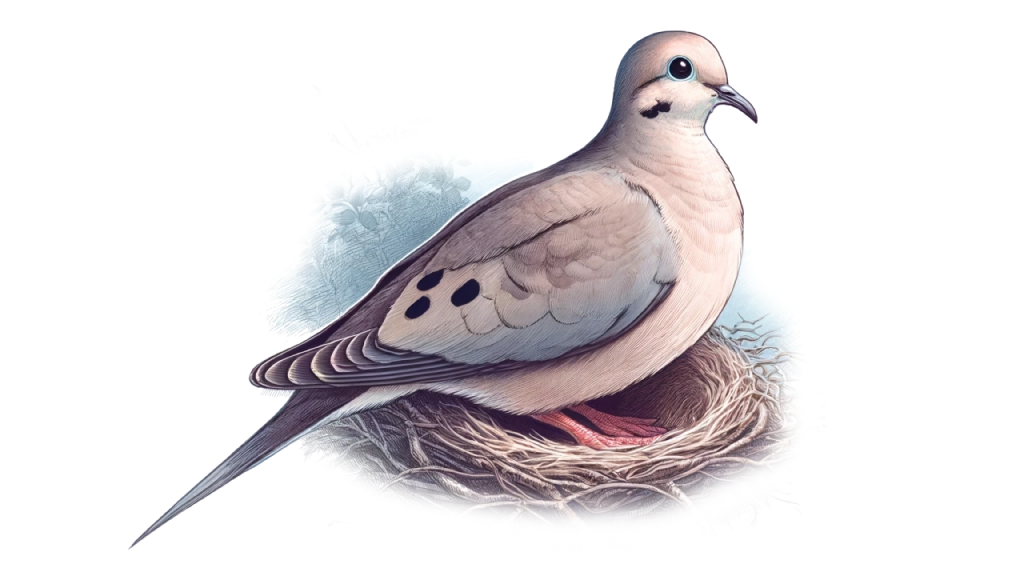
Mourning Doves are known for their simple yet effective nesting habits. Next, we’ll explore how these birds build their nests, raise their young, and the unique aspects of their breeding behavior.
Nest Construction
Mourning Doves often choose elevated, secluded spots to build their nests, providing safety from ground predators. Common nesting sites include tree branches, shrubs, gutters, and even the ledges of buildings. They are not particularly fussy and will use a variety of locations as long as they offer some protection.
The nest itself is a simple platform made from twigs, grass, and pine needles. Unlike the intricate and tightly woven nests of some other bird species, the Mourning Dove’s nest is relatively loose and flimsy. The male and female work together in constructing the nest, with the male gathering materials and the female arranging them into a suitable structure. Despite their basic design, these nests are typically sturdy enough to support the eggs and growing chicks.
Breeding Season
Mourning Doves are prolific breeders, often raising multiple broods each year. In warmer climates, they can breed almost year-round, while in cooler regions, the breeding season usually extends from early spring through late summer. This adaptability helps maintain their population across diverse environments.
Courtship and Mating
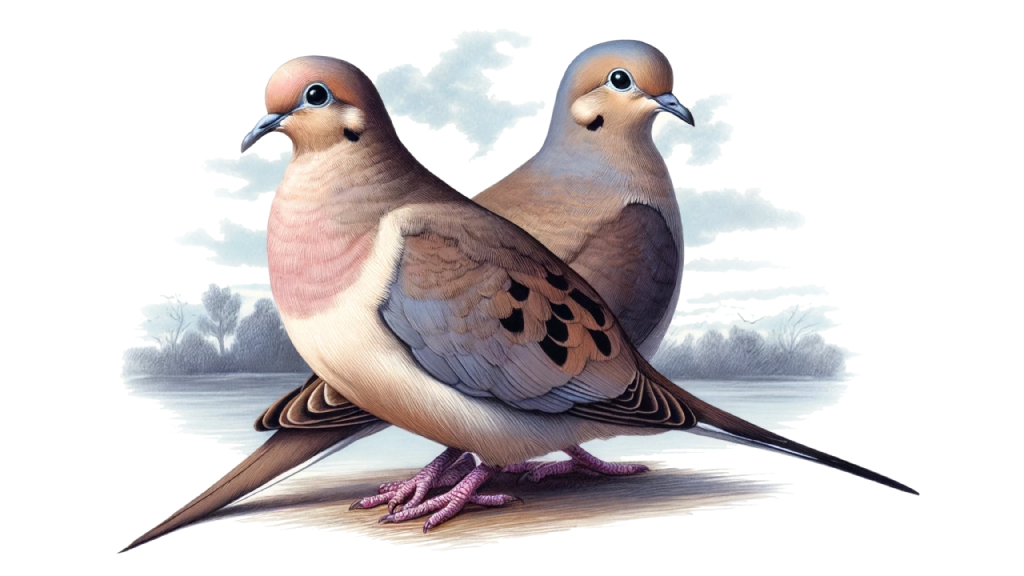
The courtship rituals of Mourning Doves are both charming and fascinating. Males perform a series of cooing calls to attract females, often puffing up their chests and spreading their tails to display their feathers. If a female shows interest, the male will engage in a “perch-coo” display, where he perches near the female and continues his cooing, sometimes flapping his wings to gain her attention.
Once a pair forms a bond, they engage in mutual preening, which strengthens their pair bond. This affectionate behavior is a lovely sight and demonstrates the strong connection between mating pairs.
Egg Laying and Incubation
After mating, the female typically lays two small, white eggs. In rare cases, a clutch may contain only one or, more seldomly, three eggs. Both parents share the responsibility of incubation, with the male taking the day shift and the female incubating at night. This shared duty ensures the eggs are kept at a consistent temperature and are protected from potential threats.
The incubation period lasts about 14 days. During this time, the parents are highly vigilant, rarely leaving the nest unattended. Their dedication to their eggs is crucial for the successful hatching of their chicks.
Raising the Chicks
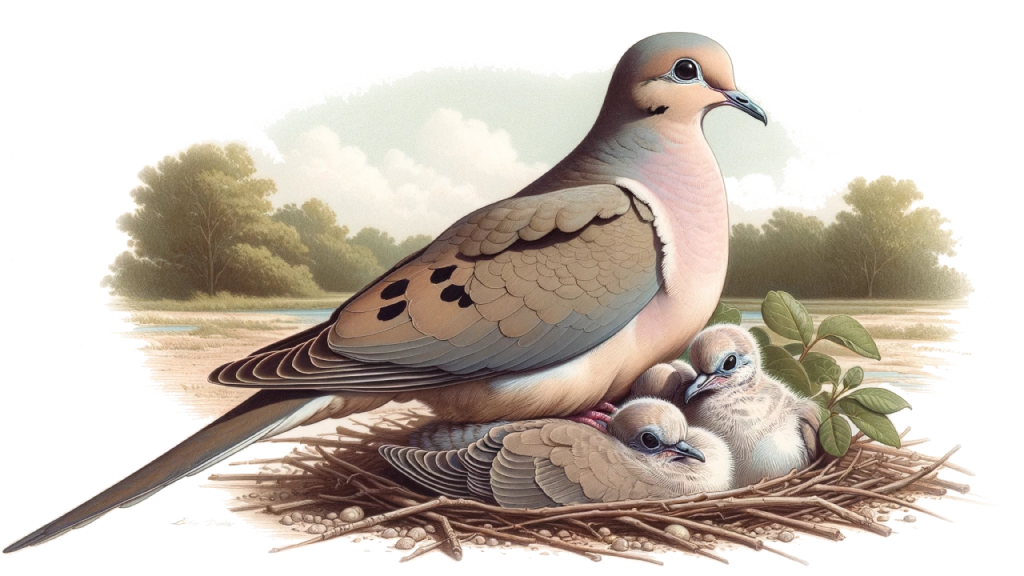
Once the eggs hatch, the chicks, known as squabs, are altricial, meaning they are born blind, featherless, and completely dependent on their parents. Both parents participate in feeding the young, initially providing a nutrient-rich substance known as “pigeon milk” or “crop milk.” This secretion, produced in the crop of both male and female doves, is essential for the rapid growth and development of the chicks.
As the squabs grow, their diet gradually shifts to include seeds and grains regurgitated by the parents. Within two weeks, the young doves start to develop feathers and become more active. By the time they are around two weeks old, they begin to leave the nest, though they continue to rely on their parents for food and protection for a short while longer.
Fledging and Independence
At about 15 days old, the squabs are ready to fledge or leave the nest. They start practicing short flights and become more independent, although they may still stay close to the nest for a few days. During this transition period, the parents remain attentive, ensuring the fledglings are safe and well-fed until they are fully capable of surviving on their own.
Favorite Foods
The diet of Mourning Doves plays a crucial role in their daily activities and habitat preferences. Let’s delve into what these birds love to eat, how they find their food and the unique feeding behaviors they exhibit.
Seed Preferences
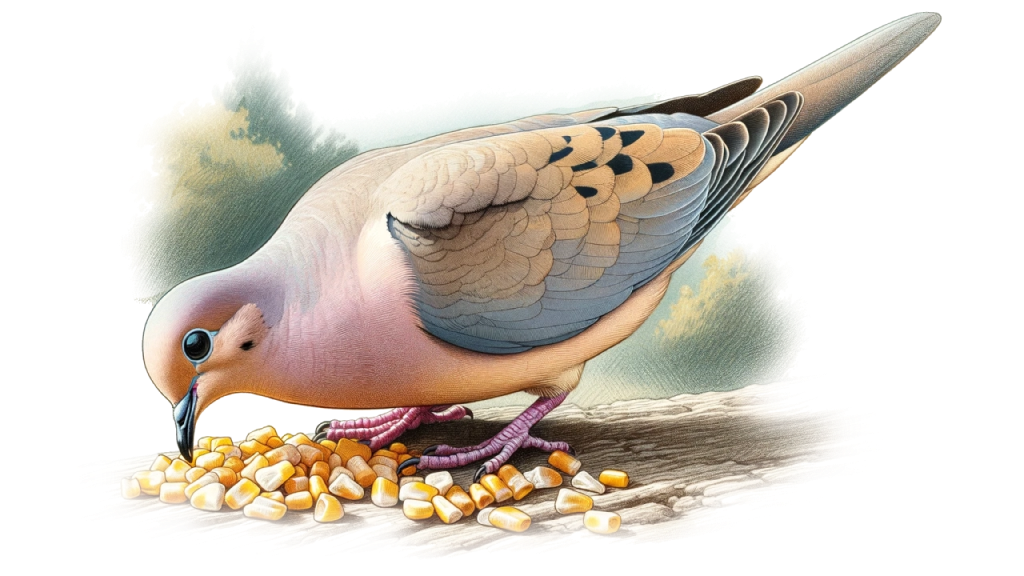
Mourning Doves are primarily granivores, meaning their diet consists mostly of seeds. They have a particular fondness for a variety of seeds, which makes them frequent visitors to bird feeders and open fields. Some of their favorite seeds include:
- Millet: These small, round seeds are a staple in the diet of Mourning Doves. Millet is commonly found in birdseed mixes and is easy for doves to digest.
- Sunflower Seeds: Mourning Doves enjoy the high-fat content of sunflower seeds. They prefer the smaller, hulled varieties but will eat larger seeds if they are readily available.
- Sorghum: This grain is often found in agricultural fields and provides a good source of nutrition for these birds.
- Cracked Corn: Easily accessible and widely used in bird feeders, cracked corn is another favored food for Mourning Doves.
Foraging Habits
Mourning Doves typically forage on the ground, where they use their keen eyesight to spot seeds. They are often seen pecking at the ground in open areas such as fields, lawns, and roadsides. Their strong, slightly curved bills are well-suited for picking up seeds from various surfaces.
These birds are also known for their ability to swallow seeds whole. They store the seeds in their crop—a specialized part of their esophagus—where the seeds can be softened before digestion. This allows them to consume large quantities of food quickly, which is especially important in areas where they might be exposed to predators.
Visiting Bird Feeders
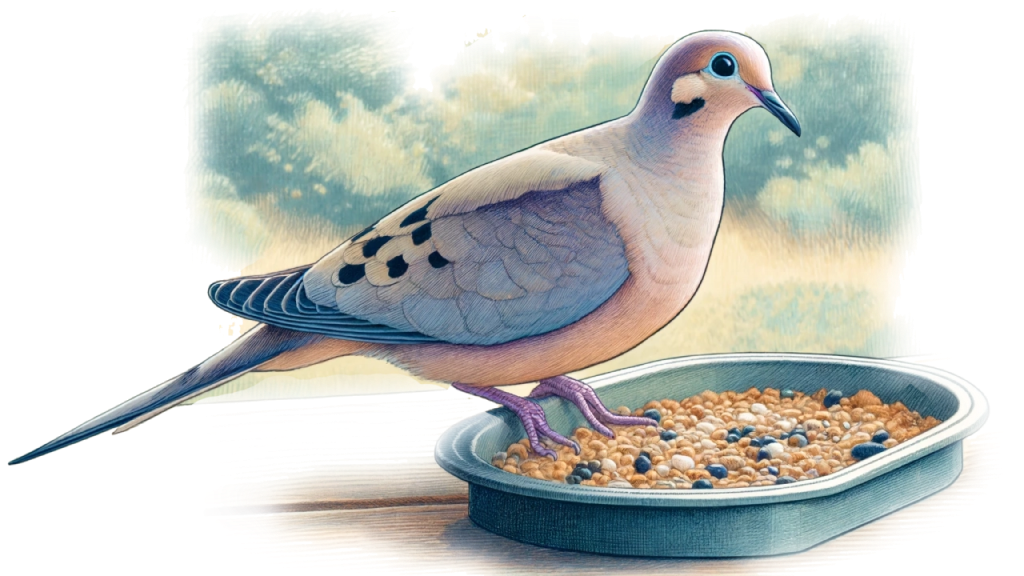
Bird feeders are a common sight in backyards, and Mourning Doves are frequent visitors. They are attracted to platform feeders, which provide ample space for them to land and feed comfortably. Ground feeders or areas where seeds are scattered on the ground are also popular with these birds.
To attract Mourning Doves to your feeder, consider using seed mixes that contain millet, sunflower seeds, and cracked corn. These birds prefer to feed early in the morning and late in the afternoon, so keeping your feeder stocked during these times increases your chances of spotting them.
Water Needs
In addition to seeds, Mourning Doves require a steady supply of water. They are often seen drinking from birdbaths, puddles, and other water sources. Unlike many other birds, Mourning Doves can drink by suction, allowing them to take in water more efficiently.
Providing a clean, shallow birdbath in your yard can help meet their hydration needs and attract them to your garden. Ensure the water is fresh and regularly changed to keep it appealing to these birds.
Seasonal Variations
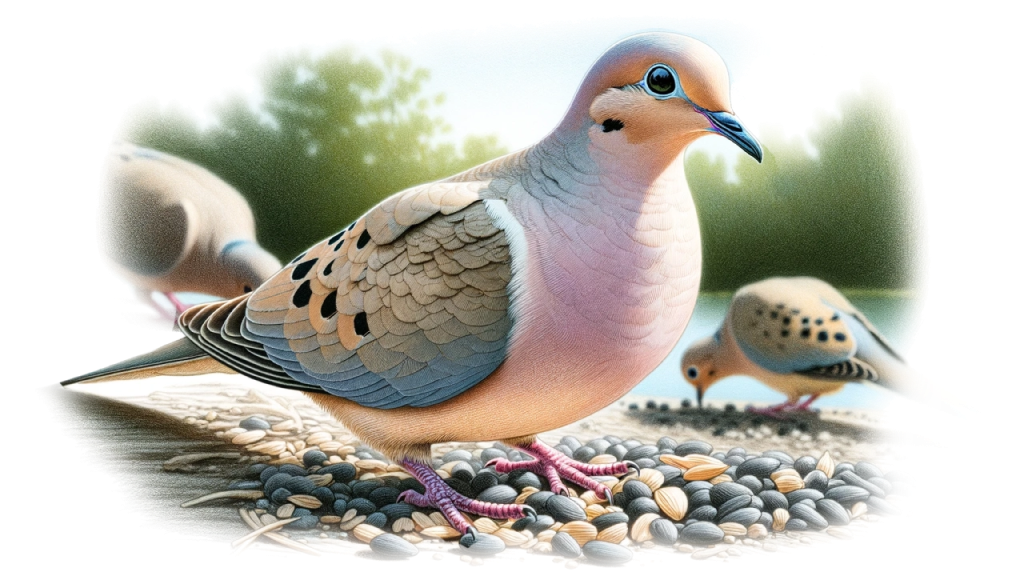
The diet of Mourning Doves can vary slightly with the seasons. During the breeding season, they may consume more protein-rich foods to support the energy demands of raising their young. In contrast, during the colder months, they rely heavily on seeds to build up fat reserves for warmth and energy.
Mourning Doves are also known to eat small amounts of grit, which helps them digest their food. The grit is stored in their gizzard, a muscular part of the stomach that grinds up the seeds, making them easier to digest.
Impact on Ecosystem
Mourning Doves play a vital role in their ecosystems. By consuming large quantities of seeds, they help control weed populations and disperse seeds through their droppings. This seed dispersal can contribute to the growth of various plant species, promoting biodiversity.
Their feeding habits also make them an essential part of the food web. As prey for various predators, including hawks and owls, Mourning Doves help sustain these species, creating a balanced ecosystem.
Fun Facts
Mourning Doves are not only fascinating in their daily habits and dietary preferences but also have a range of unique characteristics and behaviors that make them stand out. Here are some fun facts that will deepen your appreciation for these lovely birds.
Unique Vocalizations
One of the most distinctive features of Mourning Doves is their soft, melancholic cooing. This mournful sound, which gives the bird its name, is often mistaken for an owl’s hoot. Males primarily produce these coos during courtship and territorial defense. The sound is a series of soft coos, usually starting with a few louder coos followed by softer ones, creating a soothing, rhythmic pattern.
Impressive Speed and Maneuverability
Mourning Doves are among the fastest fliers in the bird world. They can reach speeds of up to 55 miles per hour. Their pointed wings and streamlined bodies contribute to their agility and speed, allowing them to escape from predators quickly. During flight, their wings produce a distinctive whistling sound, which can serve as a warning to other doves of potential danger.
High Reproduction Rate
Mourning Doves have an exceptionally high reproduction rate, which helps maintain their population despite various threats. A single pair of Mourning Doves can produce up to six broods in one year, particularly in warmer climates. This prolific breeding capacity is a key factor in their widespread presence across North America.
Migratory Patterns
While many Mourning Doves are year-round residents in their habitats, some populations undertake seasonal migrations. In colder regions, these birds migrate south to avoid harsh winter conditions. Their migratory routes can span hundreds of miles, with doves traveling to the southern United States, Mexico, and Central America. The migration typically occurs in flocks, offering protection and increasing their chances of survival.
Unique Drinking Technique
Unlike most birds, which take in water by tilting their heads back to swallow, Mourning Doves can drink by suction. This allows them to consume water more quickly and efficiently, reducing their vulnerability to predators while drinking.
Adaptability to Human Environments
Mourning Doves are highly adaptable and thrive in a variety of environments, including urban and suburban areas. They are often seen perched on telephone wires, fences, and rooftops. Their ability to live close to human activity without much disturbance contributes to their success as a species.
Life Span and Longevity
In the wild, the average life span of a Mourning Dove is about 1.5 years, but they can live up to 5 years. The oldest recorded Mourning Dove lived to be over 30 years old, which is quite rare. Their relatively short life span is balanced by their high reproduction rate, ensuring the continued presence of these birds in our environments.
Unique Nesting Behavior
In addition to their simple nests, Mourning Doves sometimes exhibit an interesting behavior known as “nest switching.” If a nest fails or is disturbed, they may abandon it and quickly build a new one nearby. This behavior helps them avoid prolonged exposure to predators or adverse conditions.
Diet’s Role in Coloration
The diet of Mourning Doves can influence the coloration of their feathers. Carotenoids, pigments found in seeds and fruits, can enhance the pinkish hue of their breasts and the iridescent colors of their necks. A diet rich in these pigments results in more vibrant plumage, which can play a role in attracting mates.
Conservation Efforts
Mourning Doves are widespread and abundant, but like all wildlife, they face various threats that require careful management and conservation efforts. Let’s take a closer look at the initiatives in place to protect these gentle birds and ensure their populations remain healthy and stable.
Habitat Loss
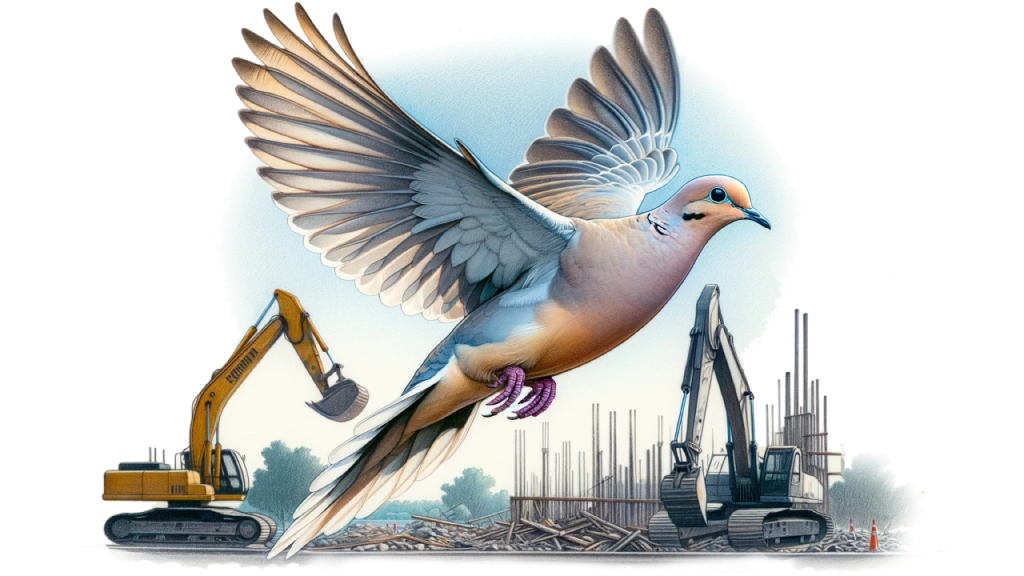
Urban development, agriculture, and deforestation can reduce the availability of suitable nesting and foraging sites. To combat this, various conservation groups work to preserve and restore habitats that are crucial for Mourning Doves. Efforts include land conservation, where large areas of land are protected from development to maintain natural habitats. This can involve purchasing land for conservation, establishing wildlife refuges, and creating conservation easements with private landowners. Habitat restoration involves restoring degraded habitats by planting native vegetation, removing invasive species, and ensuring the availability of water sources. These efforts help create a suitable environment for Mourning Doves to thrive.
Population Monitoring
Organizations like the U.S. Fish and Wildlife Service and the North American Breeding Bird Survey conduct regular surveys to track the numbers and distribution of Mourning Doves. These surveys involve counting doves in specific areas, often through citizen science programs where birdwatchers contribute their observations. By monitoring population trends, conservationists can identify areas where Mourning Doves may be declining and develop strategies to address potential issues. This data also helps in understanding the impact of environmental changes and human activities on dove populations.
Game Birds
Regulating dove hunting is essential to ensure that it is sustainable and does not negatively impact overall populations. Regulatory measures include setting hunting seasons to avoid the breeding season and ensure that adult doves have the opportunity to reproduce before hunting begins. Bag limits are imposed to control the number of doves that hunters can take, preventing overhunting and allowing populations to replenish. Monitoring and enforcement by wildlife agencies ensure compliance with hunting regulations through checking licenses, monitoring hunting activities, and penalizing illegal hunting practices.
Educating the Public

Various organizations and government agencies provide educational resources and programs to raise awareness about the importance of Mourning Doves and the need to protect their habitats. Public education efforts include workshops and seminars that teach people about Mourning Dove ecology, the challenges they face, and how individuals can contribute to conservation efforts. Educational materials such as brochures, websites, and social media content highlight interesting facts about Mourning Doves and practical ways to help protect them. Community involvement encourages local communities to participate in habitat restoration projects, bird counts, and other conservation activities.
Ongoing Research
Scientists study various aspects of dove biology, including their migration patterns, breeding behaviors, and responses to environmental changes. Research initiatives include telemetry studies using GPS and radio telemetry to track the movements of Mourning Doves and gain insights into their migratory routes and habitat use. Genetic research studies the genetic diversity of Mourning Dove populations to assess their resilience to disease and environmental changes. Impact studies evaluate the effects of pesticides, climate change, and urbanization on Mourning Doves to inform conservation practices.
Effective Collaboration
By working together, these groups can pool resources, share knowledge, and implement comprehensive conservation strategies. Key partnerships include government and NGOs collaborating on policy development, funding conservation projects, and conducting joint research. Community groups engage local communities in conservation activities and habitat restoration efforts. International cooperation involves working with organizations across borders to protect migratory routes and ensure the conservation of Mourning Doves throughout their range.
Through these conservation efforts, we can help ensure that Mourning Doves continue to grace our skies and enrich our natural world. By supporting these initiatives, we contribute to the preservation of a species that holds a special place in our hearts and ecosystems.
Conclusion
As we wrap up our exploration of the Mourning Dove, it’s clear why these gentle birds hold a special place in the hearts of birdwatchers and nature lovers alike. Their soft cooing calls, graceful flight, and endearing behaviors make them a delightful presence in our backyards, parks, and natural spaces. By understanding their appearance, nesting habits, dietary preferences, and the unique traits that set them apart, we gain a deeper appreciation for their role in our ecosystems.
Mourning Doves are more than just beautiful birds; they are essential contributors to the balance of nature. Their feeding habits help control weed populations, and their nesting and breeding behaviors ensure the continuity of their species. Moreover, their adaptability to various environments, including urban areas, highlights their resilience and versatility.
Conservation efforts play a crucial role in maintaining healthy Mourning Dove populations. Through population monitoring, habitat preservation, regulated hunting, public education, and ongoing research, we can support these birds and ensure their continued presence in our skies. Collaborative efforts among government agencies, non-profit organizations, researchers, and the public are vital in achieving these conservation goals.
By taking simple actions such as providing food and water in our backyards, participating in bird counts, and supporting habitat preservation initiatives, we can all contribute to the well-being of Mourning Doves. Each effort, no matter how small, adds up to make a significant impact on the conservation of these cherished birds.


 Wing Watchers with Wagner
Leave a comment