Introduction
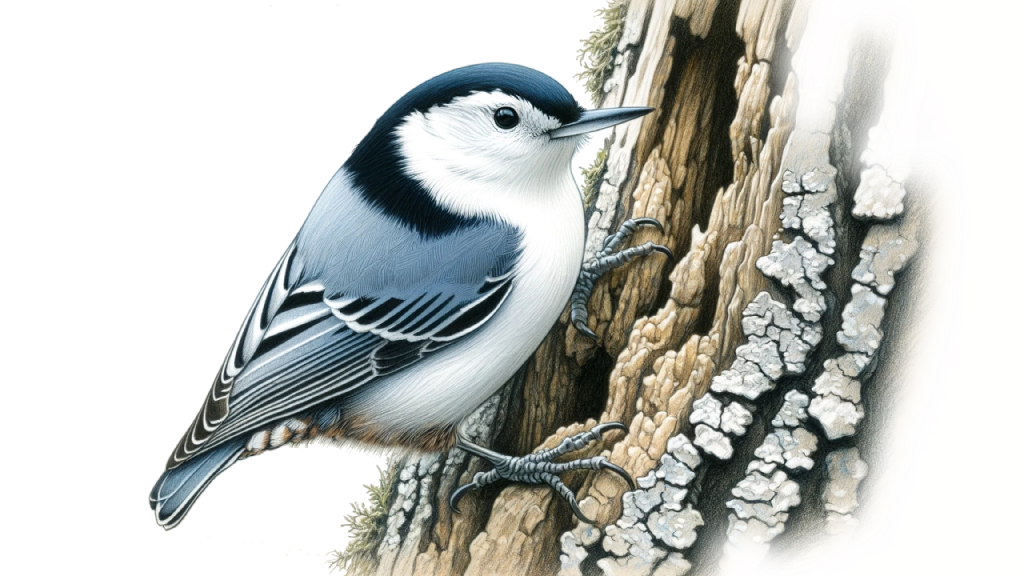
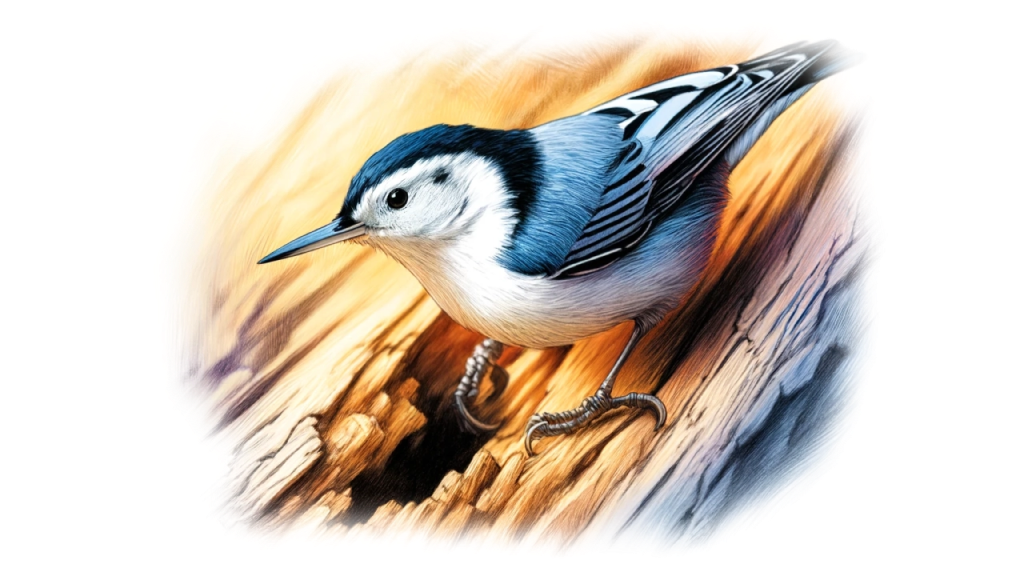
Welcome to the world of the White-breasted Nuthatch, a charming and energetic bird commonly found in the woodlands across North America. Known for its distinctive upside-down foraging technique along tree trunks, this bird offers a delightful spectacle for both bird watchers and nature enthusiasts.
Join us as we explore the life of the White-breasted Nuthatch, revealing the behaviors and traits that enable this small yet striking bird to thrive in its forested world. We will uncover the White-breasted Nuthatch’s unique physical features, examine its nesting behaviors, and explore its dietary preferences. We’ll also highlight some fascinating facts that showcase the bird’s adaptability and the conservation efforts aimed at preserving its habitat.
Appearance
The White-breasted Nuthatch is easily recognizable by its compact body, sharp bill, and unique locomotion along tree trunks. This bird, while small, displays a robust suite of features that enable it to maneuver with agility in its woodland habitat.
Physical Characteristics
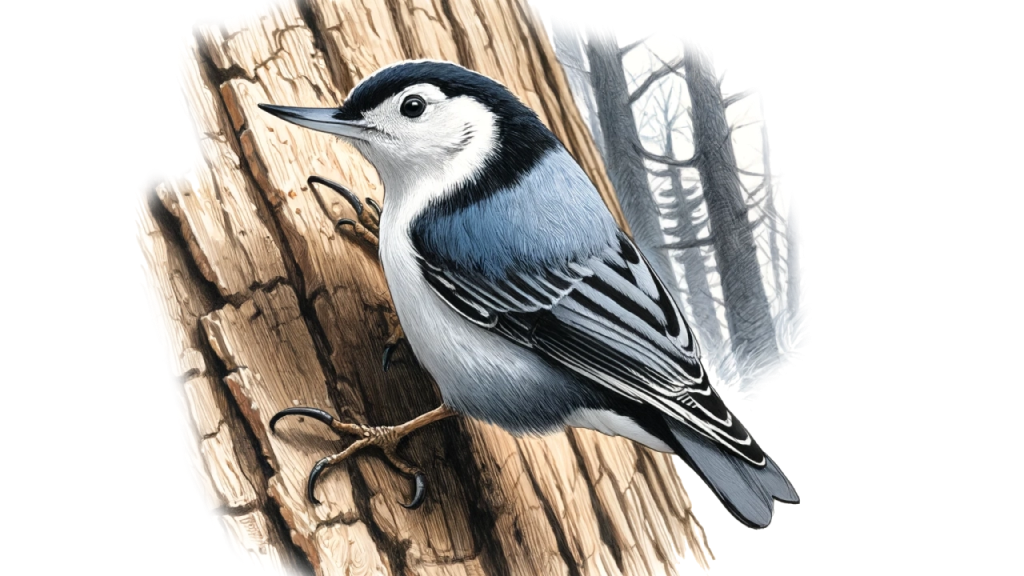
The White-breasted Nuthatch is marked by a striking black or gray cap and nape, contrasting sharply with its bright white face and underparts. The bird’s upper parts are a soft blue-gray, providing excellent camouflage against the bark of trees. One of its most distinctive features is its long, pointed bill, which is slightly upturned and adapted for probing into crevices in search of food.
Size and Proportions
Typically, this Nuthatch measures about 5 to 6 inches long, with a wingspan of 8 to 10 inches. Its compact size and strong legs allow it to navigate vertically or head-first down tree trunks, a behavior characteristic of the species.
Sexual Dimorphism
There is minimal sexual dimorphism in the White-breasted Nuthatch, with males and females appearing very similar in size and coloration. However, males may exhibit slightly darker black caps compared to the more grayish caps of females, a difference that can be subtle and challenging to distinguish in the field.
Adaptations for Climbing
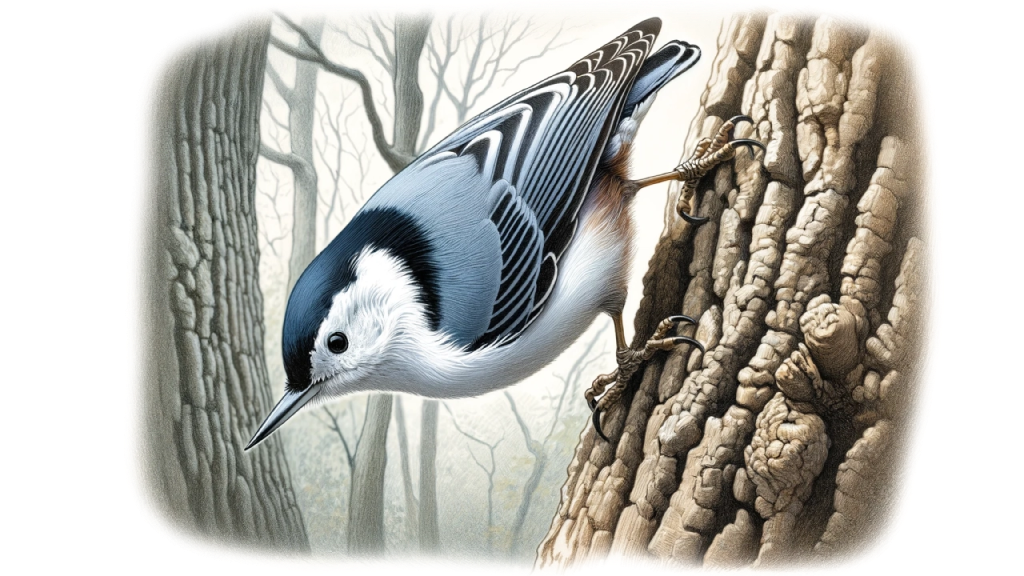
Adapted for life in a vertical world, the White-breasted Nuthatch has strong rear toes and sharp claws, which provide a firm grip on the bark of trees. Its tail is shorter than many other birds, preventing it from getting in the way as it climbs.
Molt and Seasonal Changes
The White-breasted Nuthatch undergoes an annual molt, replacing its feathers to maintain the insulation and coloration needed for survival and social interactions. The fresh plumage that emerges post-molt enhances the bird’s camouflage against predators and improves its efficiency in thermoregulation during colder months.
These features contribute to the White-breasted Nuthatch’s distinctive appearance and enhance its ability to thrive in its preferred forest environments. From its striking plumage to its specialized climbing skills, every aspect of its appearance is fine-tuned for life amidst the trees, making it a fascinating subject for bird enthusiasts and researchers alike.
Nesting Habits
The White-breasted Nuthatch exhibits unique and specialized nesting behaviors that reflect its adaptation to woodland environments. Understanding these habits offers insight into this engaging bird species’ reproductive strategies and survival mechanisms.
Nest Site Selection
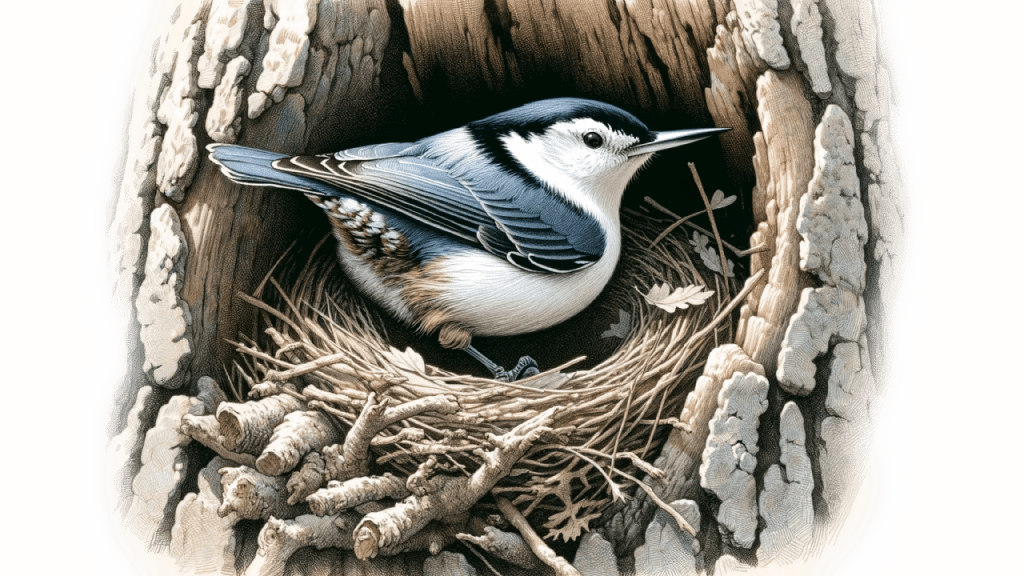
White-breasted Nuthatches typically select nest sites within deciduous or mixed woodland tree cavities. These cavities may be naturally occurring, such as those formed by decay or abandoned by other species like woodpeckers, or they may choose nest boxes if available. They prefer sites that provide safety from predators and elements, usually choosing cavities at varying heights, often between 5 to 30 feet off the ground.
Nest Construction
Unlike many birds that build elaborate nests, White-breasted Nuthatches take a simpler approach by utilizing existing cavities. However, they line the interior with soft materials such as bark strips, grasses, fur, and feathers. This lining provides insulation and a soft cushion for the eggs and chicks. The male and female typically work together to prepare the nest, with the female arranging the interior.
Egg Laying and Incubation
The breeding season generally begins in early spring. The female lays between 5 to 9 eggs, which are creamy or white with reddish speckles. She is the primary incubator, staying with the eggs for about two weeks until they hatch. During this period, the male plays a crucial role in feeding the female and defending the territory.
Fledging and Parental Care
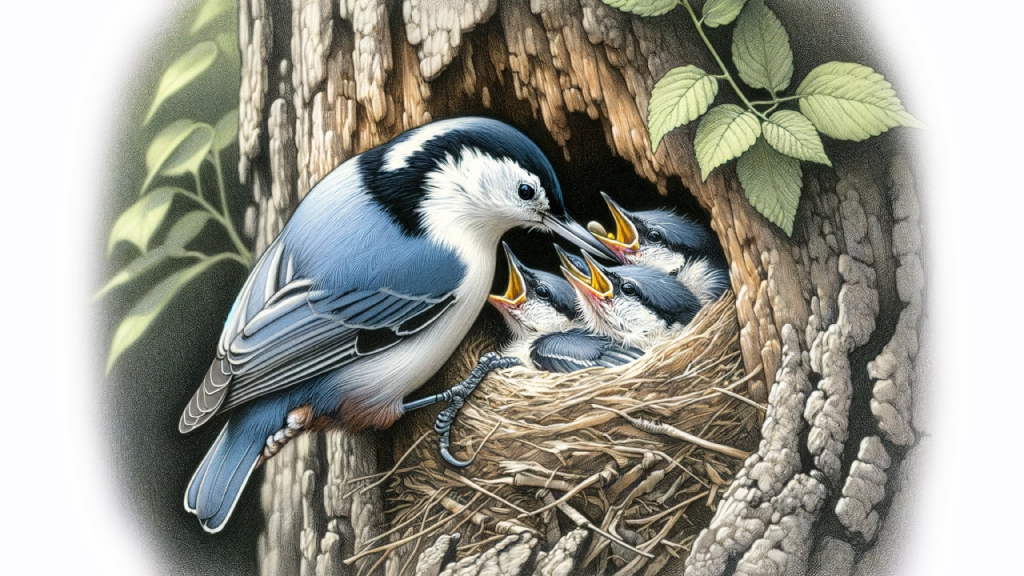
The chicks are hatched blind and featherless. Both parents are actively involved in feeding the chicks a diet rich in insects, which provides the necessary protein for rapid growth. Fledging occurs approximately 14 to 18 days after hatching. After leaving the nest, fledglings continue to depend on their parents for food and protection for several weeks as they learn to forage and navigate their environment.
Multiple Broods
In some cases, the White-breasted Nuthatch may raise more than one brood per season, particularly when food resources are abundant and environmental conditions are favorable. This capability allows them to take advantage of good conditions and increase their reproductive success.
Conservation and Habitat Management
Ensuring the availability of suitable nesting sites is crucial for conserving White-breasted Nuthatches. Preserving old forests with mature trees that can provide natural cavities is essential, as is the maintenance of healthy forest ecosystems that support a diversity of species that can create and vacate nesting sites.
The nesting habits of the White-breasted Nuthatch underscore the bird’s adaptability and resilience. By leveraging existing resources and adapting to their surroundings, these nuthatches successfully raise their young, ensuring the continuation of their species. These practices reflect the nuthatches’ ingenuity and highlight the importance of maintaining and protecting their natural habitats for future generations.
Favorite Foods
The White-breasted Nuthatch is a proficient forager known for its ability to exploit a variety of food sources within its woodland habitat. This adaptability in diet plays a crucial role in the bird’s survival and reproductive success throughout the changing seasons.
Insectivorous Preferences
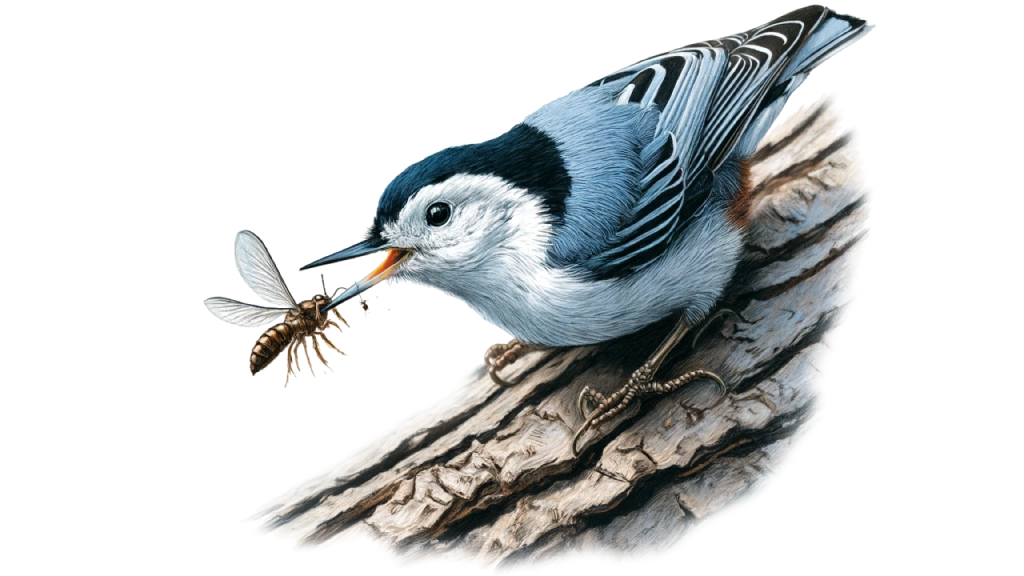
Primarily, the diet of the White-breasted Nuthatch is insect-based. It consumes many different types of insects, including beetles, ants, caterpillars, and spiders. These are often gleaned from the crevices and bark of trees as the Nuthatch moves up and down the trunk and along branches in its characteristic head-first manner. This diet is crucial during the breeding season when the demand for high-protein food increases to support egg production and the growth of their young.
Seeds and Nuts
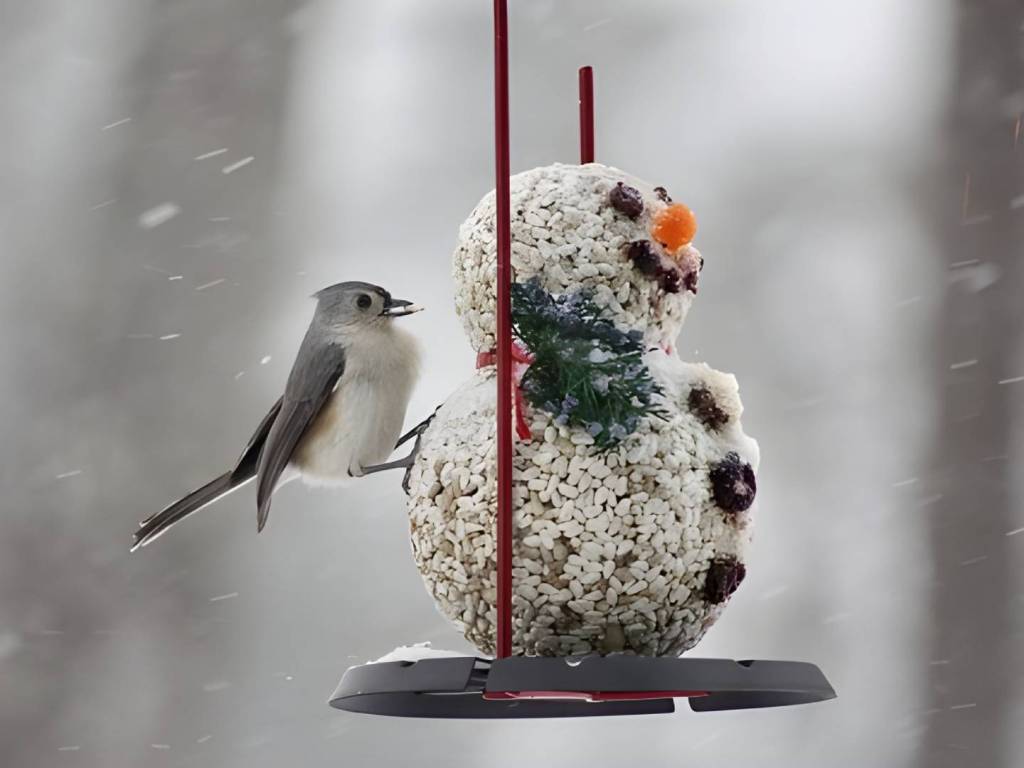
Outside the breeding season, especially in fall and winter, seeds and nuts become more prominent in their diet. The White-breasted Nuthatch frequents bird feeders, where it is known to take sunflower seeds, peanuts, and suet. In the wild, it forages for the seeds of trees and shrubs, storing some in tree bark for later consumption. This behavior ensures a food supply during scarce times and demonstrates the bird’s forward-planning capabilities. Attract White-breasted Nuthatches to your backyard with this specially designed birdfeeder.
Foraging Behavior
The White-breasted Nuthatch exhibits a unique foraging behavior known as “hitching,” where it moves head-first down tree trunks. Unlike woodpeckers that typically move upward, nuthatches can navigate down the bark, which allows them to find food sources missed by other birds. This systematic approach ensures they maximize their food intake from their territory.
Fruit Consumption
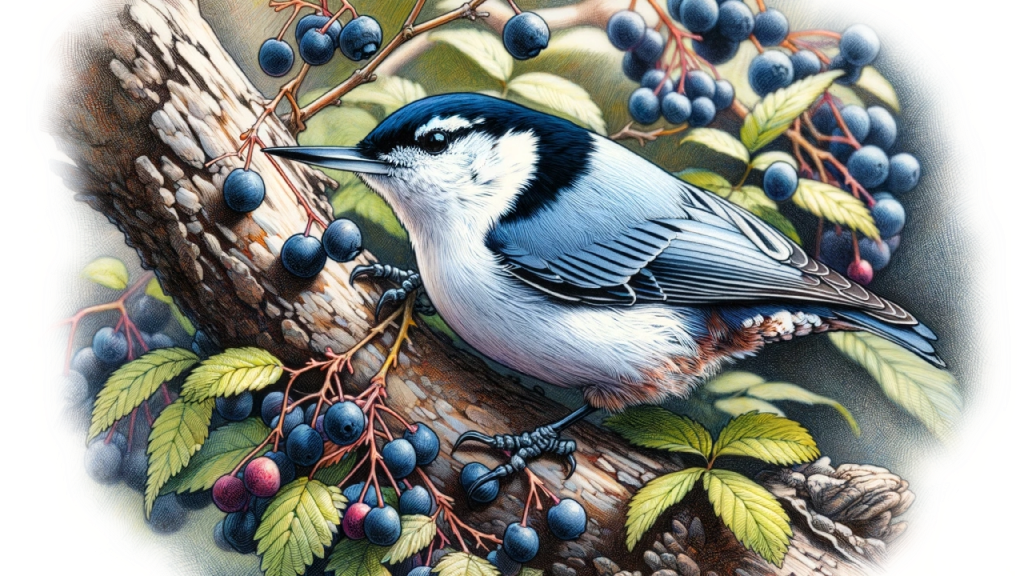
The White-breasted Nuthatch will occasionally consume fruits and berries when available. This opportunistic part of their diet complements their primary food sources, providing additional nutrients and variety.
Role in the Ecosystem
The white-breasted Nuthatch’s dietary habits significantly control insect populations, which can benefit the health of woodland habitats. Additionally, their seed-eating habits contribute to the dispersal of plant species, aiding in the regeneration and spread of forest vegetation.
The White-breasted Nuthatch’s diet reflects its resourcefulness and essential role within the ecosystem. By maintaining a varied diet, this bird ensures its survival across the seasons and contributes to the stability and health of its natural habitat. This dietary flexibility, coupled with their specialized foraging techniques, makes the White-breasted Nuthatch a fun species to study and essential for maintaining ecological balance.
Fun Facts
The White-breasted Nuthatch is a bird filled with character and fascinating behaviors. Here are some fun and intriguing facts about this agile and spirited bird that enhance its appeal to birdwatchers and nature enthusiasts alike.
Gravity-Defying Forager
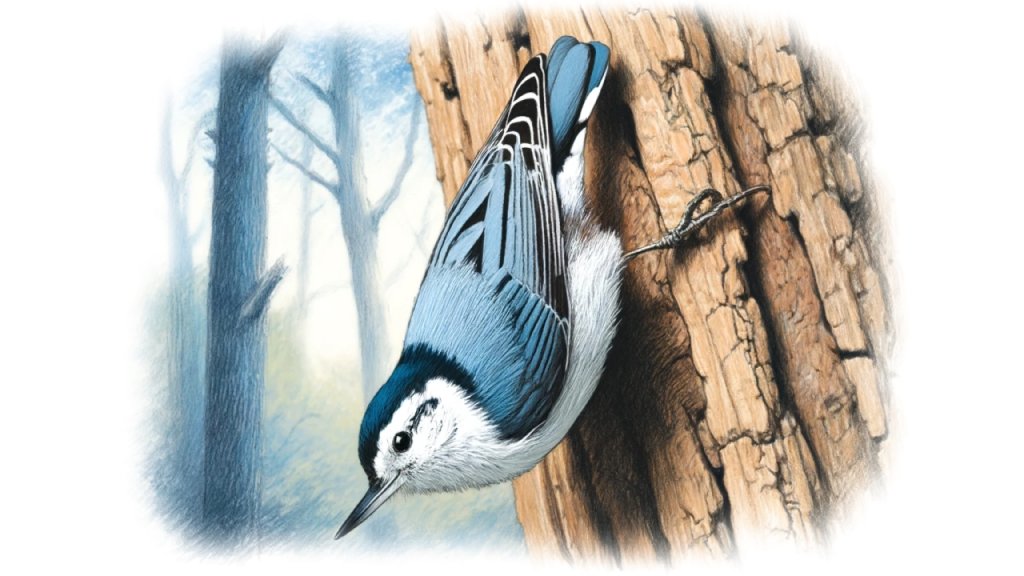
One of the most distinctive traits of the White-breasted Nuthatch is its ability to walk head-first down tree trunks. This unique skill, rare among tree-clinging bird species, allows it to find food in bark crevices that birds climbing upwards might miss. This method of foraging also gives it the nickname “upside-down bird.”
Cache Creator
This bird is an adept hoarder. The White-breasted Nuthatch is known for its habit of caching food. It stores seeds and insects under tree bark or other crevices to eat later, especially during winter. This ensures a constant food supply when foraging is challenging and demonstrates its forward-thinking and survival strategies.
Territorial Vocalizations
Despite its small size, the White-breasted Nuthatch is quite territorial and uses a series of sharp calls and songs to defend its space. Its vocalizations include a loud “yank-yank” sound, which can be surprisingly loud. This sound serves as a warning to intruders and a communication tool betweenmates.
Nesting Ingenuity
When it comes to nesting, the White-breasted Nuthatch shows great ingenuity. It often uses tree sap around the entrance to its nest hole, which is believed to deter predators and competing birds. They even spread this sticky substance by carrying it in their beaks and wiping it around their nest entrance.
Monogamous Pair Bonds
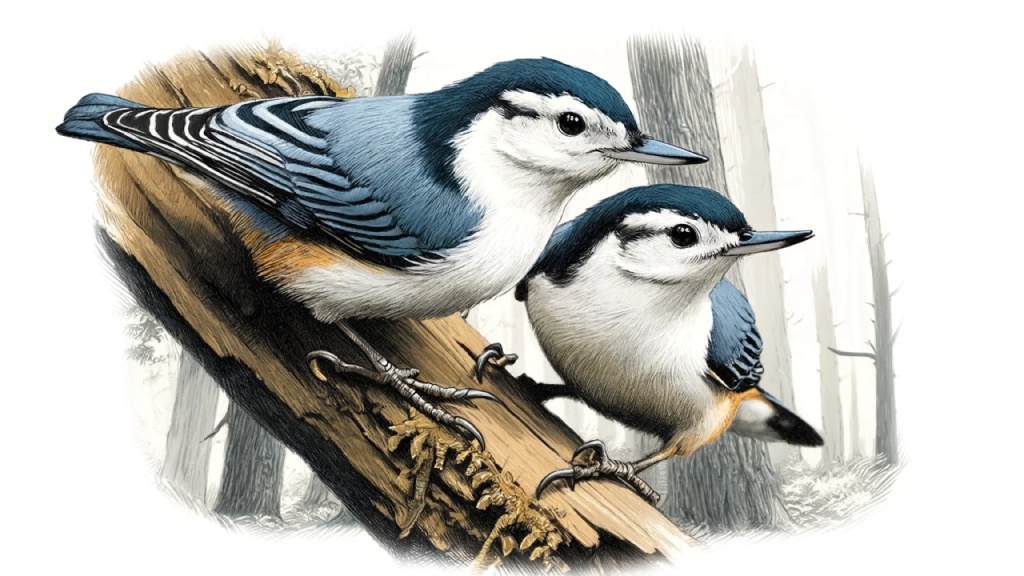
The White-breasted Nuthatch forms strong pair bonds, and many couples stay together throughout the year, not just during breeding seasons. This enduring partnership benefits the Nuthatch by protecting its territory and raising young, showcasing a cooperative approach to survival.
Year-Round Resident
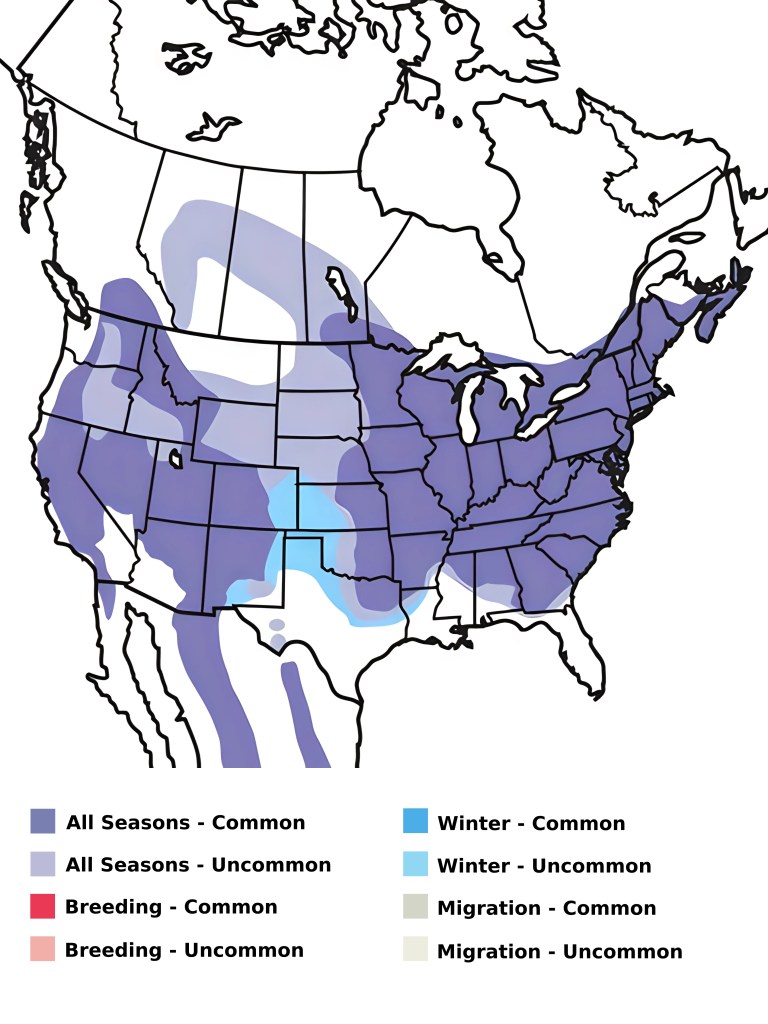
Unlike many bird species that migrate, the White-breasted Nuthatch is generally a year-round resident in its range. Its ability to adapt to different seasons and maintain a consistent food supply through caching behavior allows it to stay put rather than undertake long migratory journeys.
Conservation Efforts
While currently stable across much of its range, the white-breasted nuthatch benefits from ongoing conservation efforts aimed at preserving its habitat and maintaining healthy populations. Here are the key strategies and actions being undertaken to ensure the longevity and well-being of this adaptable bird species.
Habitat Conservation
The preservation of mature forests, especially deciduous and mixed woodlands, is crucial for the White-breasted Nuthatch. Conservation organizations and governmental agencies focus on protecting these environments from excessive logging, urban development, and agricultural expansion. Maintaining large, contiguous tracts of forest ensures that the White-breasted Nuthatch can access sufficient nesting sites and food resources.
Climate Change Adaptation
As climate change impacts forest ecosystems, adaptive conservation strategies are essential. Efforts are made to understand how changing temperatures and weather patterns affect the White-breasted Nuthatch’s food availability and nesting sites. Conservation plans are adapted to help the species cope with potential shifts in their habitat, ensuring resilience against environmental changes.
Promoting Biodiversity
Encouraging biodiversity in forest ecosystems benefits the White-breasted Nuthatch and the entire forest community. By promoting a variety of plant and animal species, conservationists help create a balanced ecosystem where nuthatches can thrive. This includes controlling invasive species that may compete with native species for resources.
Supporting Responsible Forestry Practices
Another vital conservation strategy is working with the forestry industry to implement bird-friendly practices. This includes encouraging the retention of dead trees and old growth, which are crucial for providing natural cavities for nesting. Sustainable forestry certifications and guidelines help minimize the impact of logging on the White-breasted Nuthatch and other forest-dependent species.
Community Engagement and Education

Educating the public about the White-breasted Nuthatch and its role in the ecosystem is vital for gathering support for conservation measures. Community-based programs that involve local residents in bird monitoring and habitat restoration projects can boost conservation efforts and foster a connection between people and their natural surroundings.
Research and Monitoring
Ongoing research and monitoring are essential to track population trends, health, and habitat changes affecting the White-breasted Nuthatch. Data collected from field studies and citizen science projects like bird counts and breeding surveys provide valuable insights that inform conservation decisions and strategies.
By implementing these conservation efforts, stakeholders can help ensure that the White-breasted Nuthatch continues to flourish in its natural habitat. These measures protect this specific species and enhance the health and stability of forest ecosystems, benefiting a wide range of plant and animal species. Conservation is a dynamic field, and adapting strategies to meet the evolving challenges faced by wildlife like the White-breasted Nuthatch is key to achieving long-term success in preserving these fascinating birds.
Conclusion
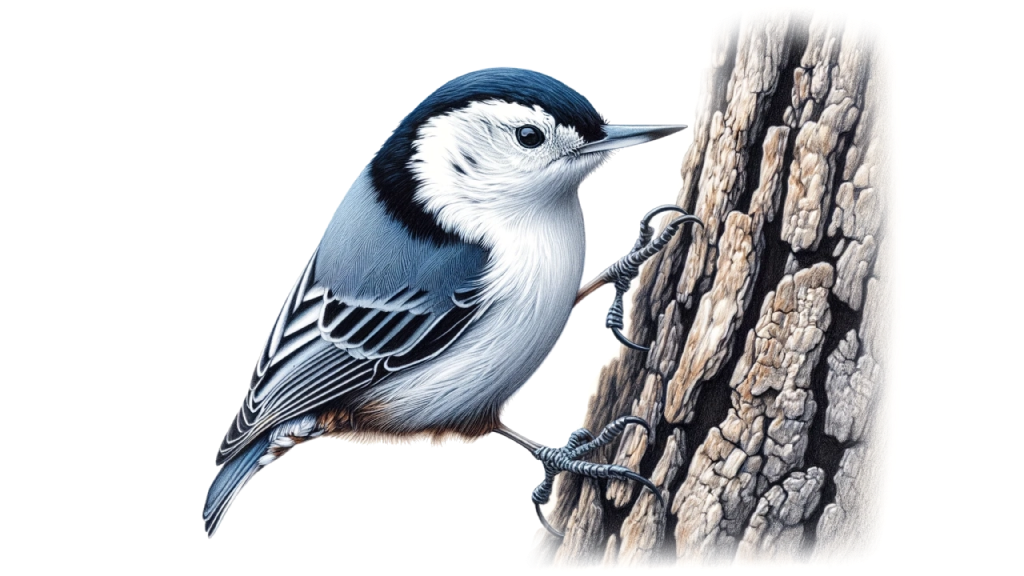
As we wrap up our exploration of the White-breasted Nuthatch, we’ve traversed through the various aspects of its life, from its distinctive appearance and remarkable foraging abilities to its intricate nesting habits and vital role in the ecosystem. This journey illuminated the complex behaviors and adaptive strategies that enable this small bird to thrive across North America.
The White-breasted Nuthatch exemplifies resilience and adaptability, qualities that are crucial for survival in the diverse environments it inhabits. By understanding the intricacies of its life—from its diet to its conservation needs—we gain insights into the broader ecological networks that sustain our natural world. These insights underscore the importance of concerted conservation efforts to protect the habitats essential to this Nuthatch and countless other species.
Preserving the White-breasted Nuthatch safeguards a species and protects the intricate web of life that defines our forests. This commitment to conservation ensures that future generations may also enjoy the presence of these agile birds and benefit from the healthier, more resilient ecosystems that they help sustain. Let the story of the White-breasted Nuthatch inspire us to continue our efforts in environmental stewardship, reminding us of our shared responsibility to nurture and protect our planet’s biodiversity.


 Wing Watchers with Wagner
Leave a comment