Introduction
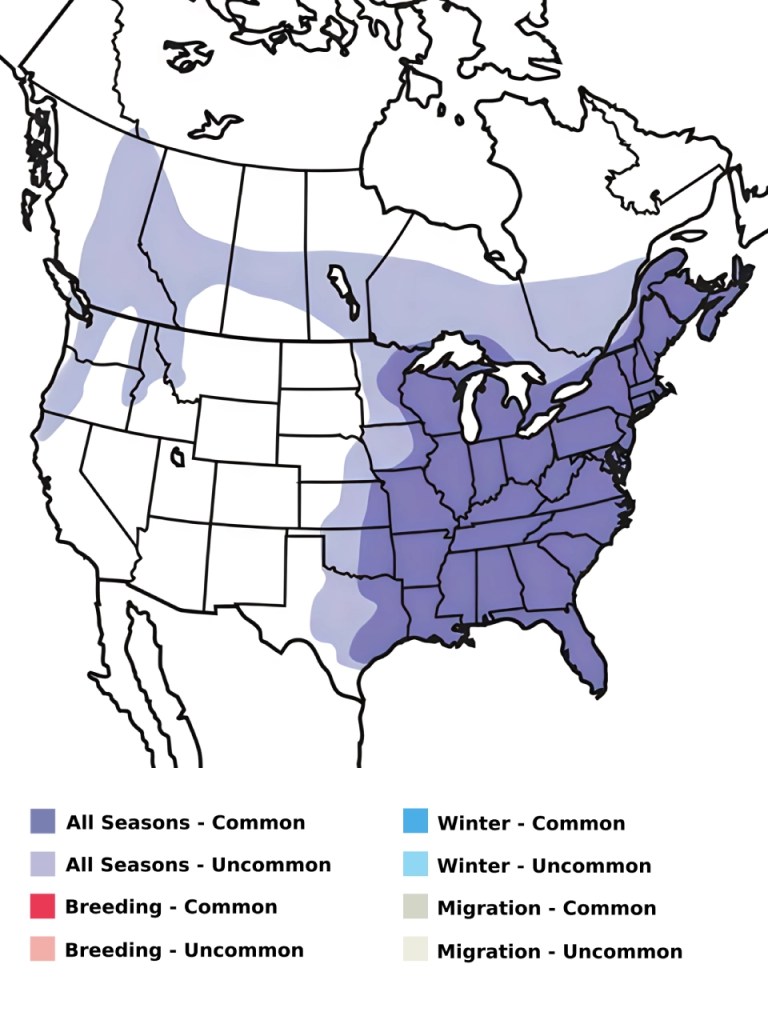
Welcome to the fascinating world of the Barred Owl, a captivating species known for its distinctive call and striking appearance. Native to dense woodlands across eastern and some of western North America, the Barred Owl has garnered attention for its remarkable adaptability and presence in rural and suburban areas. This bird’s ability to thrive in diverse environments offers an intriguing look into the balance of nature and urban expansion.
Join us as we explore the Barred Owl’s physical characteristics, understand its nesting behaviors, and discover its dietary preferences. We’ll also uncover some fun facts and discuss the crucial conservation efforts needed to support this majestic owl. Come along as we explore the barred owl’s life and habits, revealing why it is an integral part of the woodland ecosystem.
Appearance
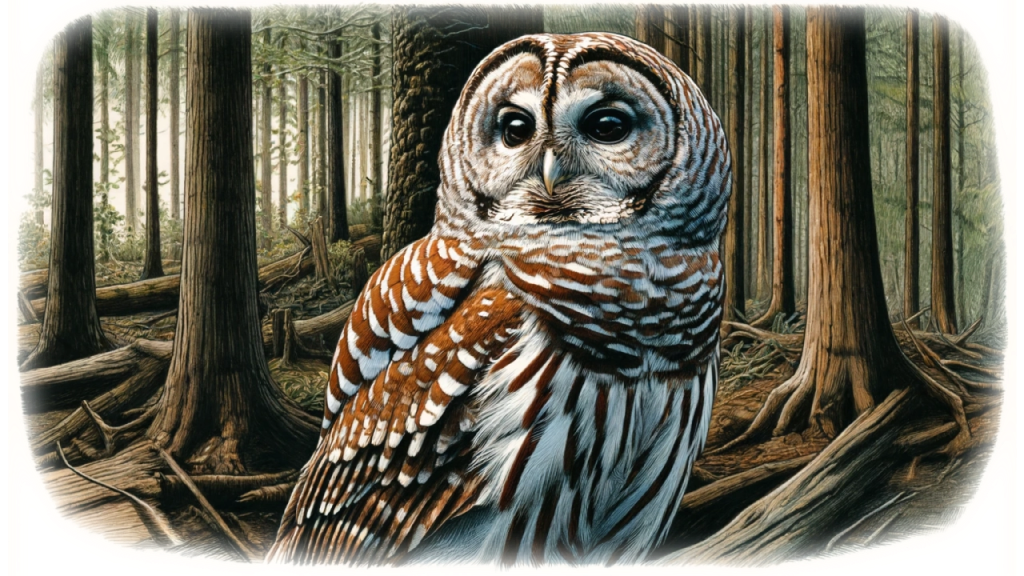
The Barred Owl is distinguished by its large size, round head, and absence of ear tufts, which are common with other owl species. With a captivating gaze from deep brown, almost black eyes, the Barred Owl’s facial features are framed by a subtly marked, rounded face that aids in its nocturnal hunting by funneling sounds directly to its ears.
Plumage and Markings

The Barred Owl is aptly named for the distinctive brown and white bars on its chest and the streaks that vertically line its belly. Its back is covered in gray and brown feathers that blend seamlessly into the tree bark of its forest home, providing excellent camouflage. This plumage not only conceals them from potential predators but also aids them in surprising prey.
Size and Physical Characteristics
Typically, Barred Owls measure 16 to 25 inches long, with a wingspan reaching up to 44 inches. Males and females look similar, though females are slightly larger—a common trait in birds of prey. The bird’s sturdy body and stealthy wings enable it to glide silently through the woods, making it an effective stealth hunter.
Vocal and Visual Display
One of the Barred Owl’s most notable behaviors is its vocal activity. Known for various calls, their most recognized call resembles the phrase, “Who cooks for you? Who cooks for you all?” This call can carry through the woods for miles, serving as a territorial claim and a means of communication between mates.
Adaptations for Hunting

The facial disc of the Barred Owl, a concave collection of feather structures, helps to direct sound to the bird’s ears, providing it with exceptional hearing. This adaptation, coupled with its large eyes that provide excellent night vision, makes the Barred Owl a formidable predator during the night. Their feathered talons are another adaptation that allows them to grasp and hold onto prey precisely.
Seasonal Changes
While the Barred Owl does not undergo significant seasonal color changes, its behavior and visibility can change with the seasons. During the breeding season, they become more vocal and active in staking out territory, whereas, in winter, they might appear more reclusive, conserving energy for hunting in the sparse winter months.
The appearance of the Barred Owl, from its mesmerizing eyes to its camouflaged plumage, is not only a matter of beauty but also a set of strategic adaptations that enable it to thrive in its natural habitat. These features highlight the owl’s evolution as a skilled, silent predator of the forest, making it an exciting subject for birdwatchers and nature enthusiasts.
Nesting Habits
The barred owl’s nesting habits reveal much about its lifestyle and its ecological niche in North American forests. These birds are notable for using natural and sometimes surprising nesting sites and solid territorial instincts.
Nest Site Selection
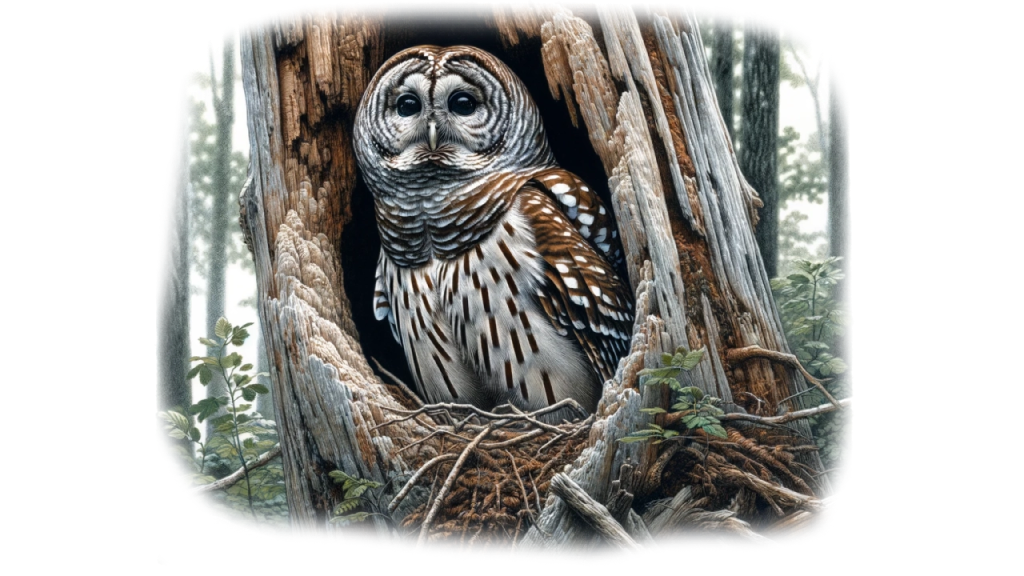
Barred Owls typically choose nesting sites in extensive, mature forests where old trees with suitable cavities are more abundant. They often use natural cavities in trees, created by decay or previous occupants like woodpeckers, but can also adapt to nest boxes if they are sized appropriately. Their nests are usually 20 to 40 feet above the ground, protecting the chicks from predators.
Nest Construction
Unlike many birds, Barred Owls do not build their nests. Instead, they rely on existing structures—natural tree cavities or nests abandoned by other large birds such as hawks, crows, or squirrels. They may add to these foundations by layering in feathers, bark strips, and downy materials to create a soft bed for the eggs.
Breeding Season and Behavior
The breeding season for Barred Owls begins in late winter or early spring. During this time, pairs engage in duet calls to strengthen their pair bonds and communicate their presence to neighboring territories. This vocalization plays a crucial role in their mating rituals and territorial defense.
Fledging and Parental Care

The chicks are entirely dependent on their parents for warmth and nourishment. They venture from the nest about four to five weeks after hatching but remain close by, receiving food and care from their parents. Total independence from parental support can take another few weeks, depending on food availability and other environmental factors.
Egg Laying and Incubation
A typical clutch consists of 2 to 3 white eggs, though the number can vary from one to five. The female primarily incubates the eggs for about 28 to 33 days, during which the male provides food for her and later for the chicks once they hatch.
Territoriality
Barred Owls are highly territorial, particularly around their nesting sites. They aggressively defend their territory against intruders, including other Barred Owls. This behavior ensures less competition for resources such as food and nesting sites within their home range.
Impact of Environment on Nesting Success
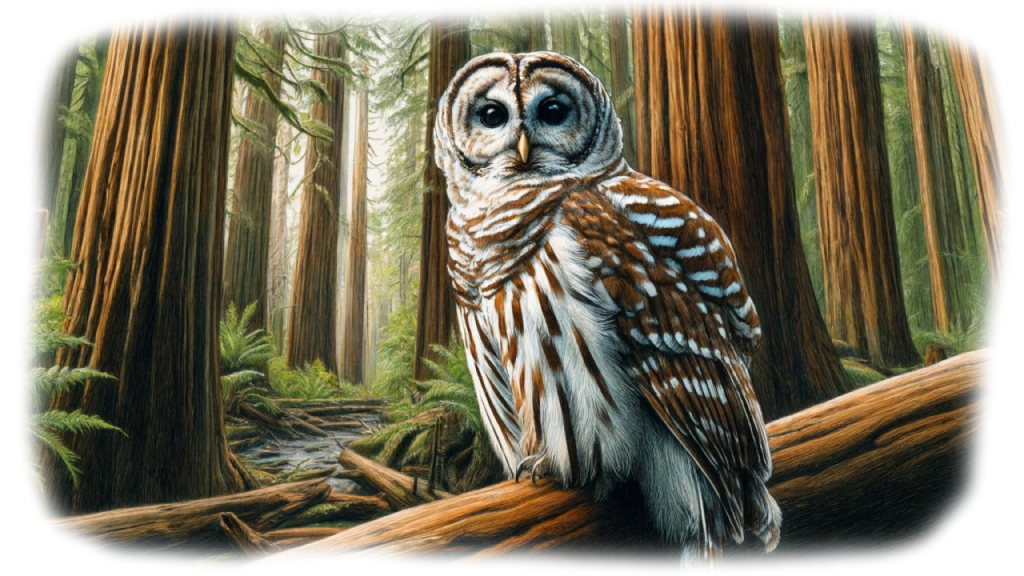
The success of Barred Owl nesting is closely linked to the quality of their habitat. Factors such as the availability of suitable nesting sites, food abundance, and the degree of disturbance from human activity significantly influence their reproductive success. Conservation efforts that protect old-growth forests and minimize forest fragmentation are crucial for maintaining healthy populations of this species.
Understanding the nesting habits of the Barred Owl offers key insights into its survival strategies and reproductive behaviors. These practices not only underline the importance of habitat preservation but also showcase the owls’ adaptability to their environments’ changing landscapes.
Favorite Foods
The Barred Owl is a versatile and effective predator. Its diet reflects its adaptability to various environments and prey availability within its habitat. This owl’s dietary habits are crucial for its survival, especially given its role as a top predator in many forest ecosystems.
Diverse Diet

Primarily, the Barred Owl is a carnivore that preys on a wide range of animals. Its diet includes small mammals like mice, voles, and squirrels, constituting the bulk of its food intake. However, its menu varies, and can occasionally include birds, amphibians, reptiles, and insects. This variety showcases not only the owl’s adaptability but also its importance in maintaining the balance of its ecosystem by controlling the populations of these creatures.
Hunting Skills and Techniques
Barred Owls are skilled hunters, utilizing their sharp talons and beaks to capture and kill prey. They hunt primarily at night, using their exceptional night vision and acute hearing to locate prey in the dark. Thanks to their specially adapted flight feathers that muffle sound, they can silently swoop down on unsuspecting prey. During the day, they may also watch from a perch and pounce on small animals passing by.
Impact of Seasonal Changes
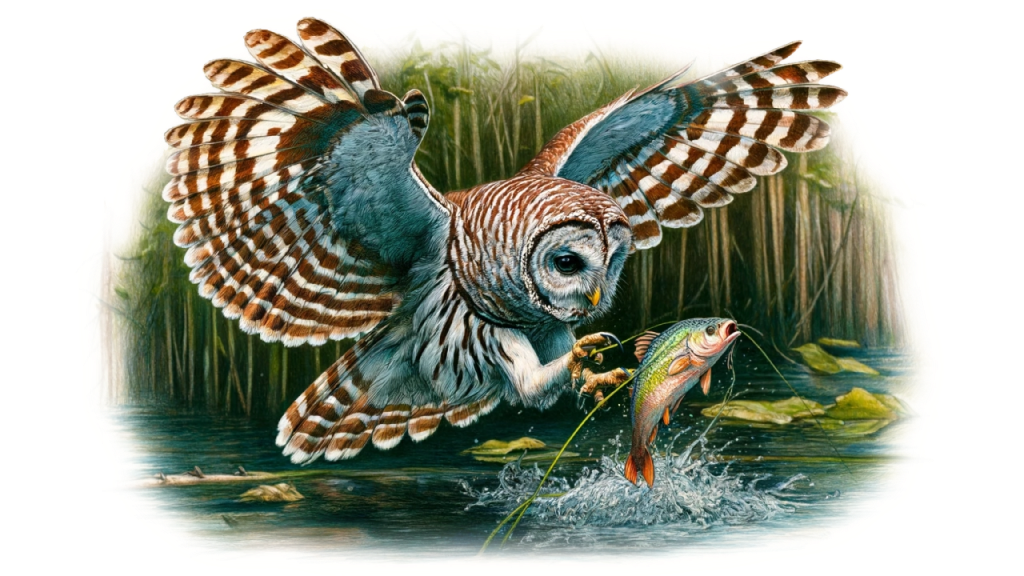
The diet of the Barred Owl can change with the seasons, depending on what is available. During the spring and summer, young mammals and birds make up most of the owl’s diet. During winter, when these animals are less visible, the owl may rely more on its ability to catch fish and amphibians from open waterways.
Feeding Behavior
Barred Owls have been known to stash food in tree branches or cavities, particularly during times of abundance, a behvior commonly known as caching. This ensures they have access to food during leaner times, demonstrating their ability to plan and adapt to changing conditions.
Predatory Impact
As apex predators, Barred Owls play a critical role in their habitats. They help control populations of rodents and other small animals, which can influence the health of the forest understory and prevent overpopulation. This control helps maintain ecological balance and supports biodiversity.
Interactions with Other Species
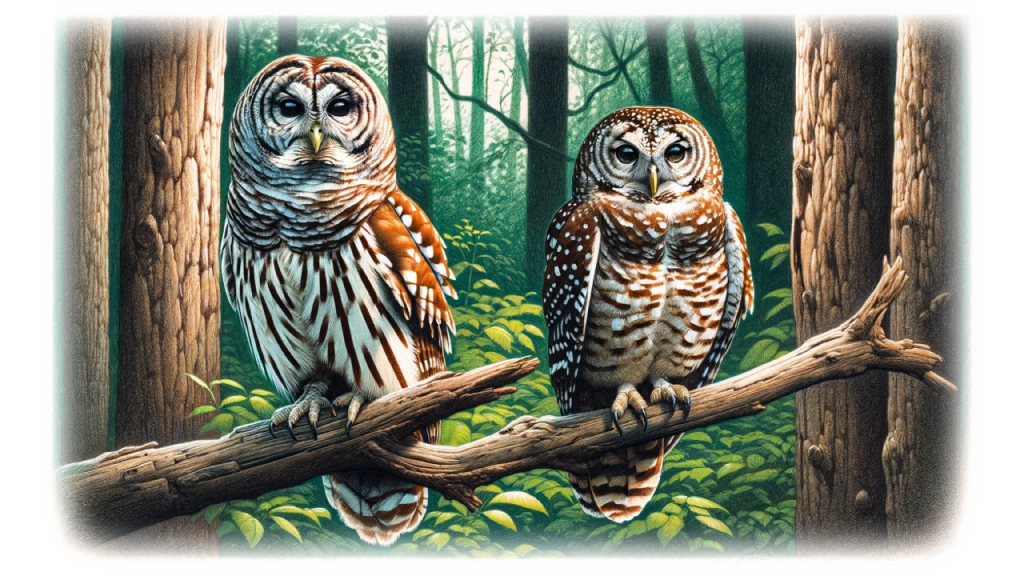
The barred owl’s predatory habits sometimes conflict with other raptor species, such as the Spotted Owl in the Pacific Northwest. Competition for food and nesting sites can occur where their ranges overlap, leading to complex interactions that can impact local biodiversity.
The barred owl’s favorite foods highlight its role as a versatile predator within forest ecosystems. By understanding what Barred Owls eat and how they obtain their food, we gain insight into their ecological niche and the broader food webs to which they contribute. These insights are essential for devising conservation strategies that ensure the survival of these magnificent birds and the health of the ecosystems they inhabit.
Fun Facts
The Barred Owl is a fascinating bird because of its ecological role and behaviors and the exciting tidbits that characterize its existence. Here are some fun facts that highlight the intriguing aspects of this widespread North American owl.
Vocal Virtuoso

Barred Owls are known for their distinctive and varied vocalizations. Their most famous call sounds like, “Who cooks for you? Who cooks for you all?” This haunting call can be heard through the woods at night, serving as a means of communication between mates and a territorial warning to other owls. They also have a variety of other hoots, cackles, and gurgles that add to the auditory diversity of their habitats.
Mimicry Masters
Interestingly, Barred Owls have been known to mimic the calls of other raptor species, particularly the Red-shouldered Hawk. This mimicry may confuse other birds, potentially keeping competitive predators at bay or misleading prey about the type of predator in the area.
Daytime Hunters
Unlike many strictly nocturnal owl species, Barred Owls can occasionally be spotted hunting during the day, especially during the breeding season or in cloudy weather. This adaptability in hunting habits helps them maximize their chances of finding food for their young or during harsh weather conditions when prey might be more active.
Swimming Capability
In rare instances, Barred Owls have been observed swimming, an unusual behavior among owls. This usually happens when an owl accidentally falls into the water while hunting. They swim using a breaststroke to reach safety, showcasing their adaptability and survival instincts.
Long-term Bonds

Barred Owls are generally monogamous and often mate for life. Pairs maintain strong bonds through mutual grooming and coordinated calling. During the breeding season, they perform duets, strengthening their pair bonds and reinforcing their territorial claims.
Fierce Competitors
In regions where the territories of Barred Owls overlap with those of the smaller and more endangered Spotted Owls, the Barred Owls often outcompete their relatives for food and nesting sites. This competitive advantage has led to complex ecological challenges, particularly in conservation efforts to protect Spotted Owl populations.
Cultural Significance
The Barred Owl has held various places in the folklore and mythologies of native cultures across its range. In some traditions, owls are seen as harbingers of change or guardians of the forest, adding a rich cultural layer to the biological and ecological interest they inspire.
These fun facts about the Barred Owl make it a subject of scientific interest and a bird of cultural and ecological significance. Each trait and behavior contributes to a deeper understanding of their survival strategies and interactions within their ecosystems, enhancing our appreciation of these remarkable birds and their roles in nature’s complex web.
Conservation Efforts
The conservation of the Barred Owl involves addressing various ecological and environmental challenges that can impact their populations. Although currently not endangered, maintaining the health of their habitats is crucial for ensuring their continued prosperity and the ecological balance of their native woodlands.
Habitat Preservation

The primary conservation focus for the Barred Owl is the preservation of large tracts of mature forest, which are essential for providing suitable nesting and hunting grounds. Efforts to protect these areas from logging, urban sprawl, and agricultural development are critical. Conservationists work with landowners and governmental bodies to implement sustainable land-use practices that benefit the environment and the species that depend on it.
Monitoring and Research
Ongoing research to monitor Barred Owl populations helps scientists understand their population dynamics, migration patterns, and health. Tracking these factors is essential for early detection of potential threats, such as disease outbreaks or significant habitat loss. Research also focuses on understanding the interaction between Barred Owls and other species, mainly where they compete with endangered owls like the Spotted Owl.
Conflict Mitigation
Wildlife managers may need to implement control measures in areas where Barred Owls compete with or displace more sensitive species. These include relocating Barred Owls or managing their populations to ensure the survival of threatened species such as the Spotted Owl. Such measures are controversial and are used only when necessary, highlighting the complex nature of ecological conservation.
Public Education and Involvement

Educating the public about the Barred Owl and its role in the ecosystem is vital for gaining support for conservation measures. Outreach programs and community involvement initiatives help raise awareness about the importance of preserving forest habitats and the consequences of environmental degradation.
Adapting to Climate Change
As climate change alters the landscapes of many regions, conservation strategies must also evolve. Protecting a network of diverse habitats can help ensure that Barred Owls, along with other wildlife, can find refuge and resources in new areas as their traditional territories undergo environmental changes.
Legal Protection
Another aspect of their conservation is ensuring that Barred Owls benefit from existing wildlife protection laws. This includes enforcing laws that regulate hunting, pesticide use, and habitat destruction, which can all impact owl populations.
The conservation efforts for the Barred Owl underscore the interconnectedness of species and their environments. By safeguarding the barred owl’s natural habitats and addressing the broader ecological challenges they face, conservationists aim to support this species and the entire biodiversity of forest ecosystems. These efforts are crucial for maintaining the natural balance and ensuring that future generations can enjoy and learn from these magnificent birds.
Conclusion

Wrapping up our dive into the life of the Barred Owl, from its striking appearance to its pivotal role it plays within its ecosystem, we saw how the Barred Owl embodies the beauty and intricacy of avian life, serving as a vital component of North American forests.
The information we learned about the Barred Owl reminds us of the importance of biodiversity and environmental conservation. Each aspect of the owl’s life—from its diet to its reproductive strategies and its interactions within the ecosystem—highlights the interconnectedness of natural processes. By protecting the Barred Owl’s habitats and ensuring healthy, sustainable environments, we contribute to the overall health of forest ecosystems, which are crucial for owls and countless other species.
In preserving the Barred Owl, we safeguard our natural heritage and reinforce our commitment to a balanced and thriving ecosystem. Through understanding and respecting these creatures, we can truly enhance our efforts to protect the environment, ensuring that the haunting calls of the Barred Owl continue to resonate through the forests for generations to come. Now, let’s go out and support conservation initiatives and to appreciate the complex web of life that the Barred Owl represents.


 Wing Watchers with Wagner
Leave a comment