
Introduction
Embark on a delightful exploration of the Yellow-rumped Warbler, a versatile and vibrant bird that graces much of North America with its presence. Known for its distinctive yellow patches and cheerful song, this warbler is a favorite among birdwatchers and plays a vital role in the avian ecosystem.
Let’s delve into the Yellow-rumped Warbler’s striking appearance, intricate nesting habits, and varied diet. We’ll also uncover some captivating fun facts that reveal the bird’s unique behaviors and the conservation efforts essential for its survival. We aim to provide a deeper appreciation of the Yellow-rumped Warbler, highlighting its adaptability, resilience, and subtle beauty, making it a fascinating subject of study and observation.
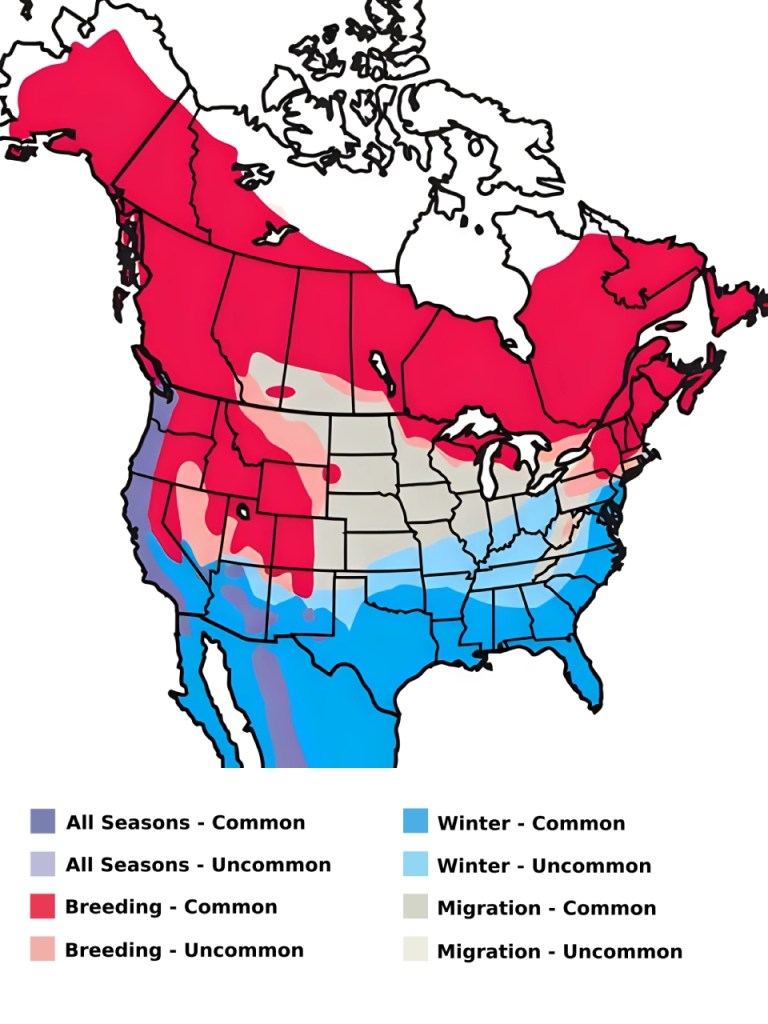
Join us as we journey through the life of the Yellow-rumped Warbler, from the colorful display of its plumage to its migration patterns and survival strategies. This bird’s ability to thrive in diverse habitats, from the cold climes of Canada to the sunny southern states and even Central America during winter, showcases nature’s incredible adaptability.
Appearance
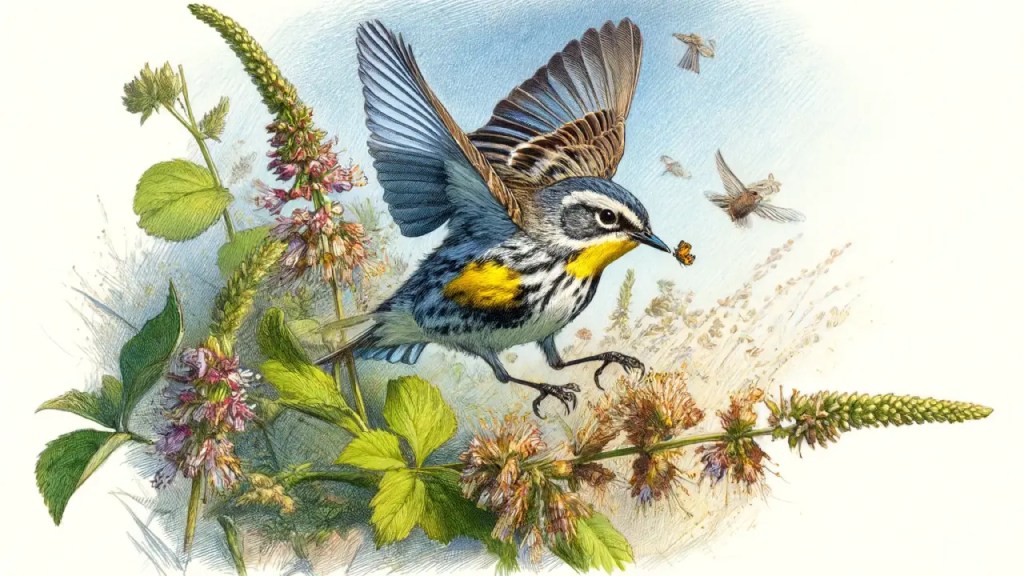
The Yellow-rumped Warbler, often affectionately called the “butter butt” due to its distinctive yellow rump patch, is one of the most recognizable and widespread warblers in North America. Let’s explore the physical features that make this bird a favorite among birdwatchers and a fascinating subject for study.
Distinctive Markings
The Yellow-rumped Warbler exhibits a striking pattern that sets it apart during the breeding season. Males display a bold array of colors: a blue-gray back and white belly, accented with a black mask across the face, a streaked breast, and, most notably, bright yellow patches on the throat, crown, flanks, and rump. The vibrant yellow tail, from which it gets its nickname, is visible in flight and is a key identifying feature. Females and juveniles are more subdued in color, with grayer backs and less pronounced yellow markings, but they share the same distinctive yellow rump.
Size and Build
This warbler is relatively small, measuring about 5 to 6 inches long and having a wingspan of 7.5 to 9 inches. It has a sleek build and a sharp, pointed bill typical of insectivorous birds. Its size and agility make it well-suited for darting through trees and bushes searching for food.
Molt Patterns
Yellow-rumped Warblers undergo a complete molt once a year in late summer after the breeding season. The fresh plumage that grows helps them withstand the colder temperatures of winter, particularly for those populations that migrate to Central America. During winter, their colors become more muted, helping them blend into the landscape and avoid predators.
Regional Variations
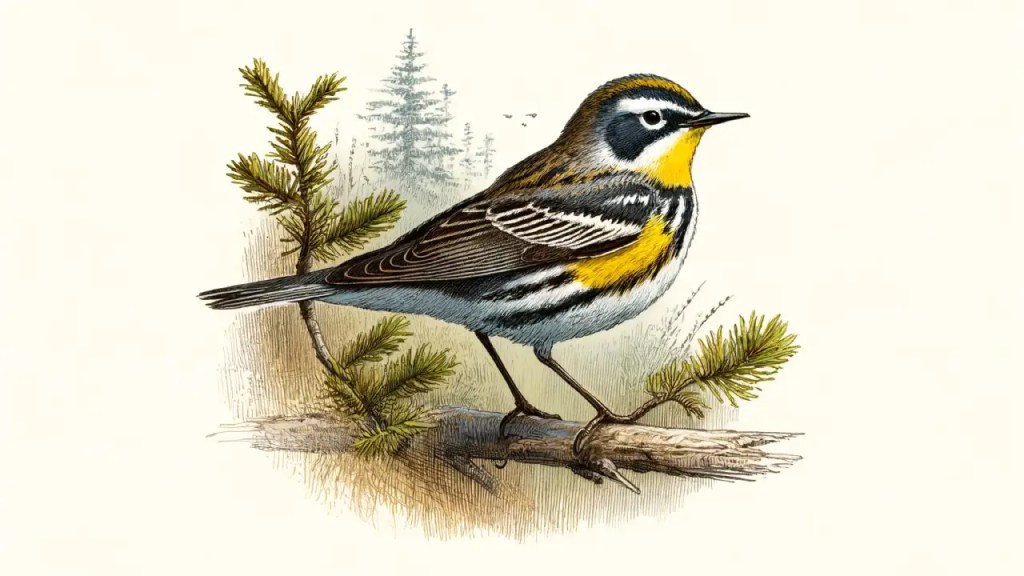
There are several geographically distinct forms of the Yellow-rumped Warbler, traditionally classified into two main groups: the “Myrtle” warbler of eastern North America, which has a white throat, and the “Audubon’s” warbler of the western regions, which sports a yellow throat. These variations are aesthetic, adapt the birds to different environments, and affect their behavior and breeding habits.
Behavioral Display
During mating displays, male Yellow-rumped Warblers become quite showy, fluffing up their feathers to highlight their yellow markings and performing aerial displays to attract females. These visual cues are crucial for communication and recognition among individuals, especially given their densely populated habitats during the breeding season.
The appearance of the Yellow-rumped Warbler not only contributes to its charm and popularity among bird enthusiasts but plays a crucial role in its survival and reproductive strategies. With its adaptable plumage, distinctive seasonal variations, and dynamic displays, this warbler is a superb example of evolutionary adaptation to diverse environments and changing seasons.
Nesting Habits
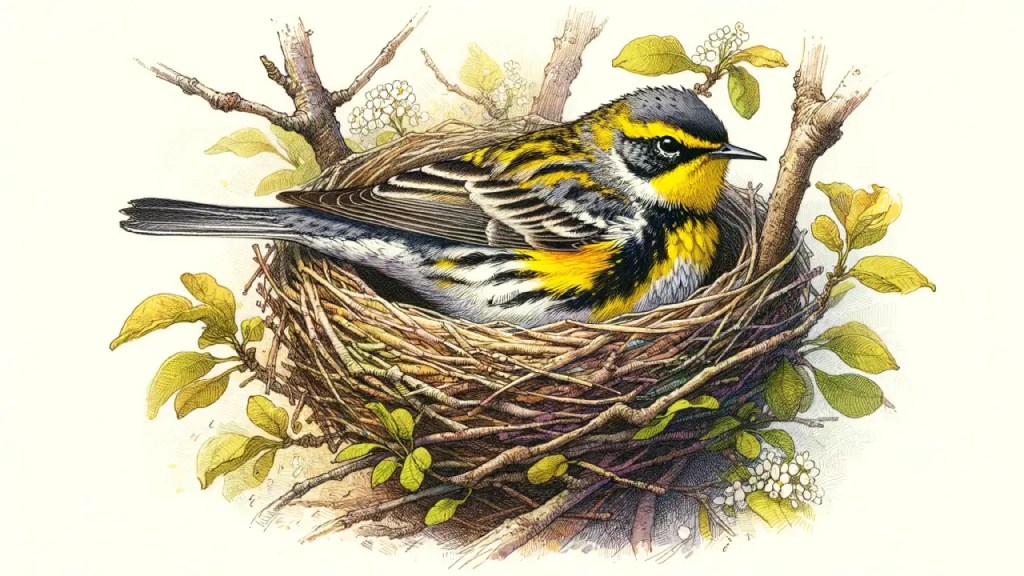
The Yellow-rumped Warbler, adaptable and widespread, exhibits nesting behaviors that reflect its resilience and ability to thrive in varied environments across North America. Understanding their nesting habits offers insights into this hardy species’ reproductive strategies and environmental interactions.
Site Selection
Yellow-rumped Warblers are not overly picky about their nesting sites but prefer coniferous forests or mixed woodlands. They typically choose locations that offer some concealment from predators and harsh elements. The nests are usually built in the fork of a branch, often in a conifer tree, anywhere from just above ground level to over 50 feet high, depending on the availability of suitable sites and potential threats.
Nest Construction
The female takes the lead in constructing the nest, which can take up to ten days. The structure is tidy and cup-shaped, made of grass, twigs, and bark strips, and lined with softer materials such as feathers, hair, and fine grass. This design provides a sturdy yet comfortable place for the eggs and chicks, ensuring warmth and protection.
Breeding Season and Clutch Size
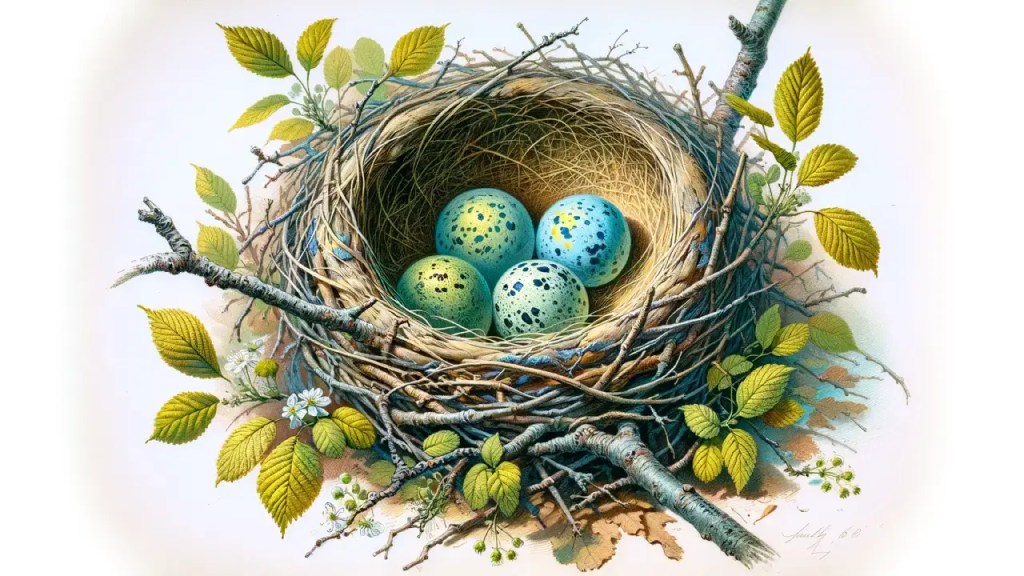
Breeding usually begins in late spring to early summer. The female Yellow-rumped Warbler lays between 3 and 5 eggs per clutch, which are pale blue or greenish and speckled with brown. The number of eggs and the timing of the breeding can vary based on geographic location and local environmental conditions.
Incubation and Fledging
The incubation period lasts about 12 to 14 days, and the female predominantly manages it while the male provides food and stands guard. After the eggs hatch, both parents feed the vulnerable chicks, born blind and featherless. The chicks grow quickly, fledging about 10 to 14 days after hatching, yet they remain dependent on their parents for feeding and protection for several more weeks.
Multiple Broods
In regions where the climate and food supply permit, Yellow-rumped Warblers may raise more than one brood per season. This ability to produce multiple broods enhances their chances of reproductive success and helps maintain robust population numbers.
Predation and Nesting Challenges
Despite their adaptability, Yellow-rumped Warblers face several challenges during the nesting period. Predators like squirrels, jays, and raccoons can significantly threaten eggs and young chicks. Additionally, habitat loss and fragmentation due to human activities can impact their nesting success by reducing suitable nesting areas and increasing exposure to predators.
The nesting habits of the Yellow-rumped Warbler illustrate a finely tuned balance between adaptability and vulnerability. Through careful site selection, meticulous nest construction, and vigorous parental care, they ensure their offspring’s survival and contribute to the dynamic life cycle that sustains this species across its extensive range. By fostering an understanding of these practices, conservation efforts can be better directed to support the habitats critical for the survival of these vibrant warblers.
Favorite Foods
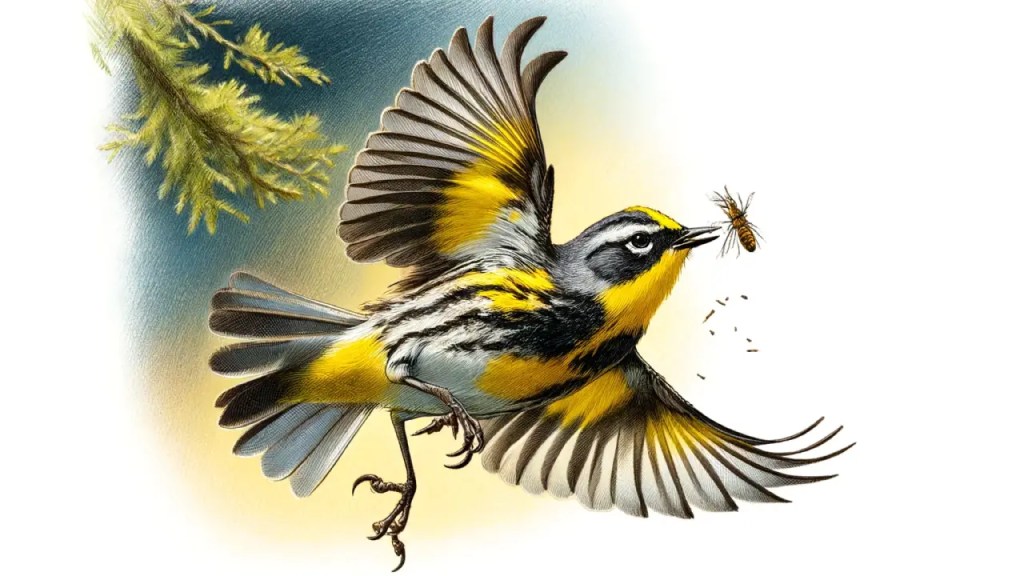
The diet of the Yellow-rumped Warbler is notably diverse, allowing it to thrive across a wide range of environments and migrate longer distances than most other warblers. This adaptability in feeding is critical to understanding the ecological success of this species.
Varied Diet
During the spring and summer, Yellow-rumped Warblers are primarily insectivorous, feasting on various insects, including caterpillars, beetles, ants, and wasps. Their ability to capture flying insects in mid-air or pick them off from leaves, bark, and the ground showcases their versatile foraging techniques. This protein-rich diet is crucial during the breeding season, supporting the demands of nesting and raising young.
Winter Adaptations
What sets the Yellow-rumped Warbler apart from many other warblers is its ability to digest the waxes found in bayberries and wax myrtles, which allows it to winter further north than other species. This unique dietary trait enables it to access a high-energy food source when insects are scarce during the colder months.
Fruit and Nectar
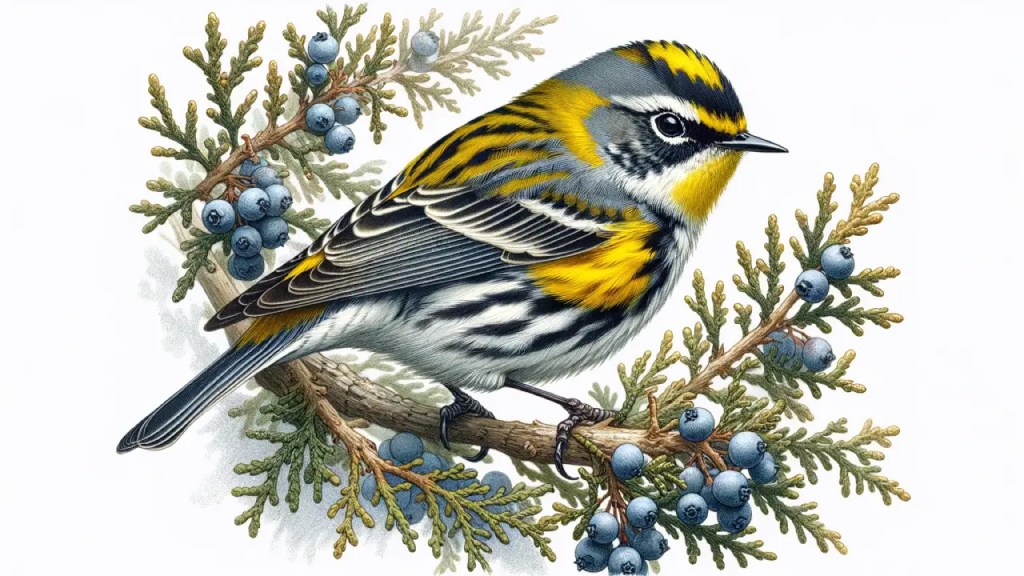
Besides insects, Yellow-rumped Warblers eat a fair amount of fruit, such as grapes, juniper berries, poison ivy berries, and occasional nectar. This varied diet helps them maintain energy levels and provides essential nutrients.
Foraging Behavior
Yellow-rumped Warblers can be observed foraging in various ways: gleaning insects from foliage, catching flies in mid-air, and plucking berries from bushes. They are often seen in mixed-species flocks during the non-breeding season, utilizing different canopy sections to maximize their food intake without directly competing with other bird species for resources.
Feeding and Migration
Their flexible diet is critical in their migration strategy, allowing them to refuel at various stopover points where different food sources may be available. This adaptability makes them one of the first warblers to return to their breeding grounds in the spring and among the last to leave in the fall.
Ecological Impact
By consuming a wide array of insects, Yellow-rumped Warblers help control pest populations, which benefits agricultural areas and forests alike. Their consumption of fruits also aids in seed dispersal, contributing to the health and propagation of many plant species.
The Yellow-rumped Warbler’s dietary habits highlight its adaptability and underscore its role in various ecosystems. Whether through pest control or seed dispersal, this warbler contributes significantly to ecological balance, making it an essential species in its breeding and wintering habitats.
Fun Facts
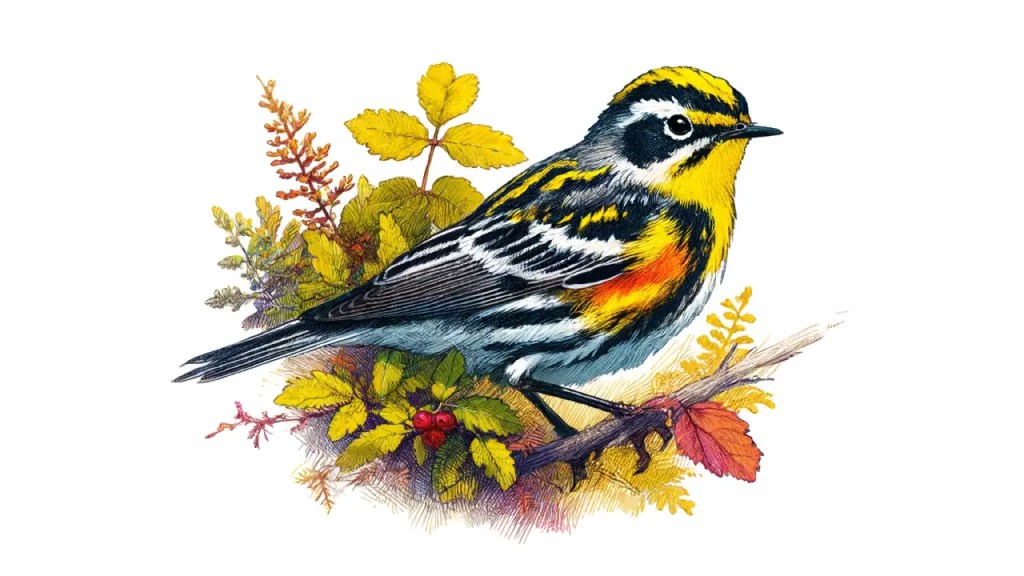
With its distinctive appearance and behaviors, the Yellow-rumped Warbler offers a wealth of intriguing facts that showcase its uniqueness among North American warblers. Here are some captivating insights into this adaptable and resilient bird:
Four-Season Warbler
The Yellow-rumped Warbler is sometimes called the “four-season warbler” because it is one of the few species seen in its North American range throughout the year. Its ability to digest the waxes found in certain fruits allows it to survive colder winters farther north than most other warblers, making it a familiar sight in many areas year-round.
Impressive Migrator
Known for their impressive migratory patterns, Yellow-rumped Warblers travel from as far north as Canada to as far south as Central America during their winter migration. Their journey showcases remarkable endurance and navigational skills, especially given their small size.
Distinct Subspecies
The Yellow-rumped Warbler includes several subspecies, such as the “Myrtle” warbler, found predominantly in the eastern U.S. and Canada, and the “Audubon’s” warbler, common in the western regions. These subspecies were once considered separate species due to their different plumage and regional distributions. However, they are now grouped under the same species umbrella due to their ability to interbreed where their ranges overlap.
Versatile Vocalist
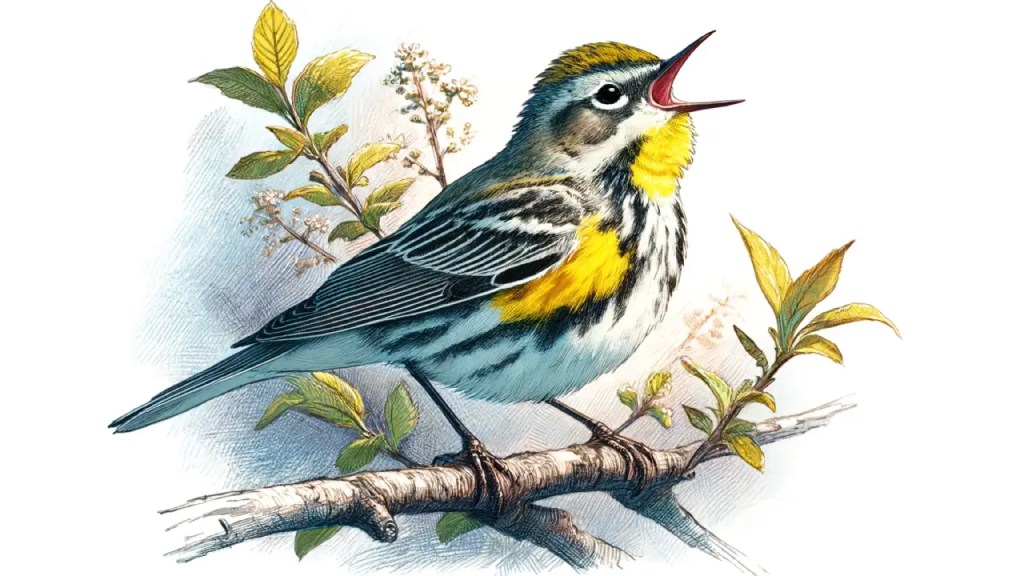
This warbler is also known for its varied and melodic song, which males use to defend territory and attract mates. Their song is a sweet mix of trills and chirps, which can vary slightly among individuals and subspecies. Additionally, they have a distinctive “check” call that serves as an alarm or contact call between birds in a flock.
Energy Efficient
Yellow-rumped Warblers are incredibly efficient at converting stored fat into energy during migration. This ability is crucial for long flights over areas where food is scarce. Their high metabolic rate allows them to travel long distances quickly, stopping only as needed to refuel.
Adaptable Foragers
In addition to their adaptability in diet, Yellow-rumped Warblers are versatile in their foraging habits. They can feed on a variety of tree species and can exploit different parts of the canopy, making them successful foragers in diverse environments. Whether picking insects off the bark of a tree or catching them in flight, these warblers are skilled hunters.
Through its diet, migration, and foraging, the Yellow-rumped Warbler significantly impacts the ecosystems it inhabits, demonstrating the interconnectedness of species and their environments.
Conservation Efforts
Despite being one of North America’s more widespread warbler species, the Yellow-rumped Warbler faces challenges that necessitate ongoing conservation efforts. These initiatives are crucial for ensuring the species continues to thrive in its natural habitats and during its extensive migratory journeys.
Habitat Preservation
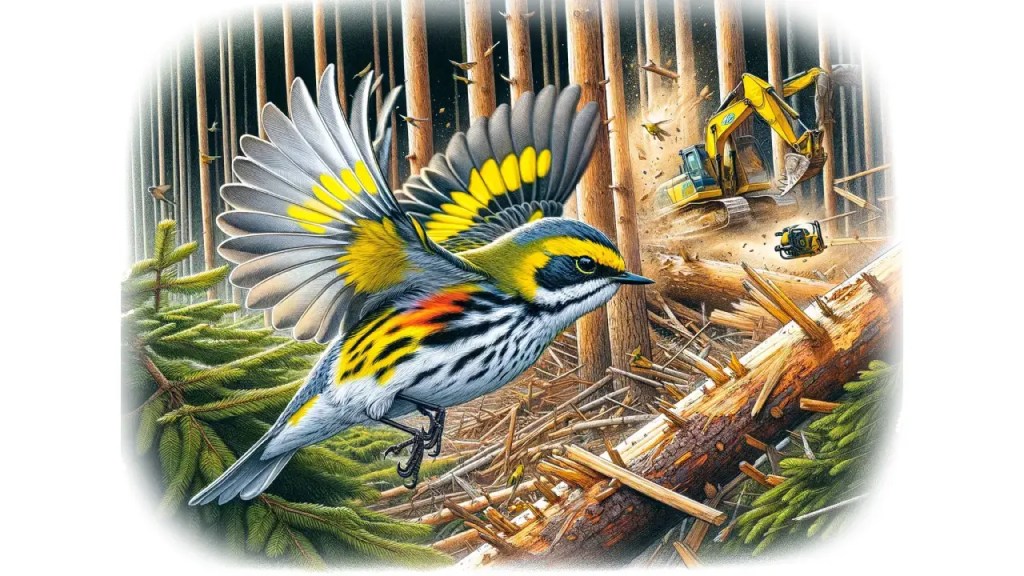
The key to conserving the Yellow-rumped Warbler is protecting its diverse habitats across its migratory and breeding ranges. Efforts focus on preserving large tracts of boreal forests and maintaining healthy mixed and coniferous forests. Protecting wintering grounds in the southern United States and Central America is equally important, as these areas provide critical resources during the non-breeding season.
Monitoring Population Trends
Regular monitoring through bird counts and breeding surveys helps conservationists track population trends and identify potential threats. Programs like the North American Breeding Bird Survey and Christmas Bird Count provide valuable data that can inform conservation strategies and measure the effectiveness of current practices.
Climate Change Adaptation
As climate change alters the phenology of seasons and the availability of resources, adaptive management strategies are essential to help the Yellow-rumped Warbler cope with changing environmental conditions. This includes researching and predicting shifts in habitat suitability and food availability, ensuring the warbler can find suitable breeding and wintering conditions as climates warm.
Reducing Window Collisions
During migration, Yellow-rumped Warblers face hazards from man-made structures, particularly window collisions in urban areas. Conservation efforts include promoting bird-safe building designs and window treatments that make glass more visible to flying birds, reducing mortality rates from collisions.
Pest Management
Pesticides can reduce insect populations that many birds, including the Yellow-rumped Warbler, rely on for food. Advocating for integrated pest management and reducing pesticide use in agriculture and urban settings helps preserve these essential food sources, supporting warbler populations and overall ecosystem health.
Educational Outreach
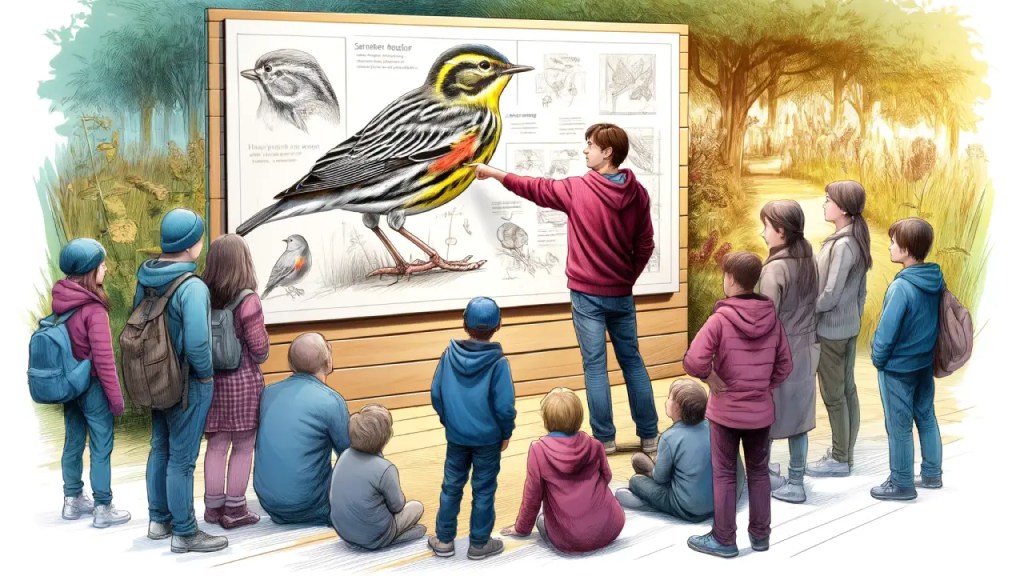
Educating the public about the Yellow-rumped Warbler, its role in the ecosystem, and its challenges can help garner support for conservation measures. Outreach programs, birdwatching clubs, and educational materials raise awareness and encourage community involvement in habitat preservation.
Collaborative Conservation Efforts
Effective conservation of the Yellow-rumped Warbler involves collaboration across borders, as this bird’s migratory nature requires a range-wide approach to habitat protection and resource management. Working with international conservation groups, governments, and non-governmental organizations ensures that efforts are coordinated and effective across the bird’s range.
These conservation efforts are designed to address immediate threats and ensure the long-term resilience of the Yellow-rumped Warbler population. Conservationists aim to preserve the ecological dynamics that support this vibrant warbler and countless other species that share its habitats by maintaining and restoring healthy forest ecosystems, promoting sustainable land use practices, and raising public awareness.
Conclusion
The Yellow-rumped Warbler, with its adaptability and widespread presence, exemplifies the remarkable resilience of nature. Its ability to thrive in diverse habitats, from the chilly reaches of the north to the warmer southern climates, speaks to its evolutionary success. However, the ongoing health of this species depends not only on the natural adaptability of the warblers themselves but also on our efforts to preserve the environments that sustain them.
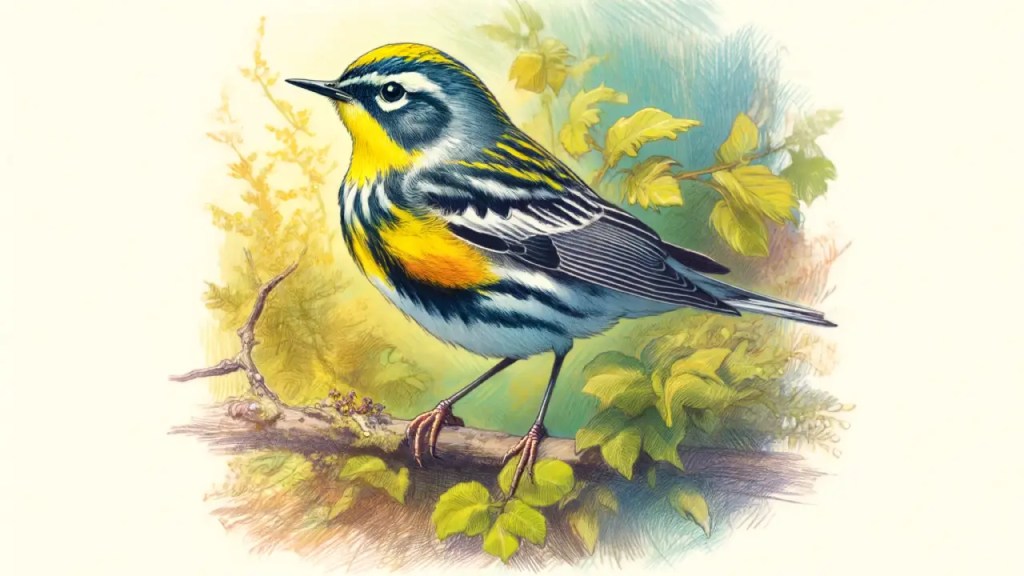
Conservation efforts for the Yellow-rumped Warbler are vital in addressing the broader environmental challenges that impact avian species globally. By protecting vast tracts of forested lands, advocating for safer migration corridors, and engaging the public in bird conservation, we contribute to the health of one species and the entire ecosystem. Each action taken to mitigate habitat loss, climate change, and other anthropogenic impacts helps ensure that the cheerful song of the Yellow-rumped Warbler continues to resonate through our forests and fields.
In celebrating the life of the Yellow-rumped Warbler, we celebrate the interconnectedness of all life and our role within these dynamic systems. Let us carry forward the knowledge that we preserve the delicate balance that sustains all species, including ours, in protecting the natural world. The story of the Yellow-rumped Warbler is a call to action—a reminder of the beauty and resilience of nature and the responsibility we share in its preservation.


 Wing Watchers with Wagner
Leave a comment