
Introduction
Embark on a fascinating journey into the world of the Dark-Eyed Junco, a bird as enigmatic as ubiquitous across the North American landscape. Known for its slate-gray plumage and distinctive white tail feathers, this sparrow is a favorite among birdwatchers and nature enthusiasts for its cheerful presence and delightful song.
This comprehensive exploration will delve into the various facets of the Dark-Eyed Junco’s life, examining its physical characteristics, nesting behaviors, and dietary preferences and uncovering some intriguing facts contributing to its charm and ecological significance. Additionally, we will highlight the vital conservation efforts that support the health and longevity of junco populations, ensuring their continued role in the ecosystem.

This profile aims to provide a deeper understanding and appreciation of the Dark-Eyed Junco, showcasing the bird’s adaptability, resilience, and subtle beauty that makes it a beloved fixture in its natural habitat. Whether flitting about in a snow-covered forest or chirping merrily from a backyard feeder, the Dark-Eyed Junco embodies the spirit of the wild, reminding us of the interconnectedness of life and the importance of preserving our natural world.
Join us as we uncover the Dark-Eyed Junco story, celebrating its existence’s nuances and the simple joys it brings to our daily observations of nature. Through this journey, we aim to foster a greater connection with the natural environment and the myriad of life it sustains.
Appearance

The Dark-Eyed Junco, often referred to as the “snowbird,” boasts a distinctive appearance that makes it easily recognizable and a favorite among bird enthusiasts. This small, plump sparrow has a suite of features that vary across its range, displaying a remarkable diversity within the species.
Plumage Variability
The most striking feature of the Dark-Eyed Junco is its varied plumage, which can differ significantly among its regional populations, known as subspecies. The most common form, the Slate-colored Junco, exhibits a sleek, slate-gray color on its head, back, and breast, contrasting sharply with its white belly. The females are usually a lighter gray or brownish shade, maintaining the same distinct color separation.
In other regions, Juncos may show different color patterns; for example, the “Oregon” subspecies has a dark hood, brown back, and rufous flanks, while the “Pink-sided” subspecies displays light gray head and back with pinkish-brown sides. Despite these variations, all subspecies share the common feature of dark eyes and a distinctive flash of white outer tail feathers, especially noticeable in flight.
Size and Structure
The Dark-Eyed Junco is typically 5 to 6 inches long with a wingspan of 7 to 9 inches. It has a rounded head, a short, stout beak suited for seed-eating, and a fairly long, conspicuous tail that it often flicks while perched or foraging on the ground.
Behavioral Displays
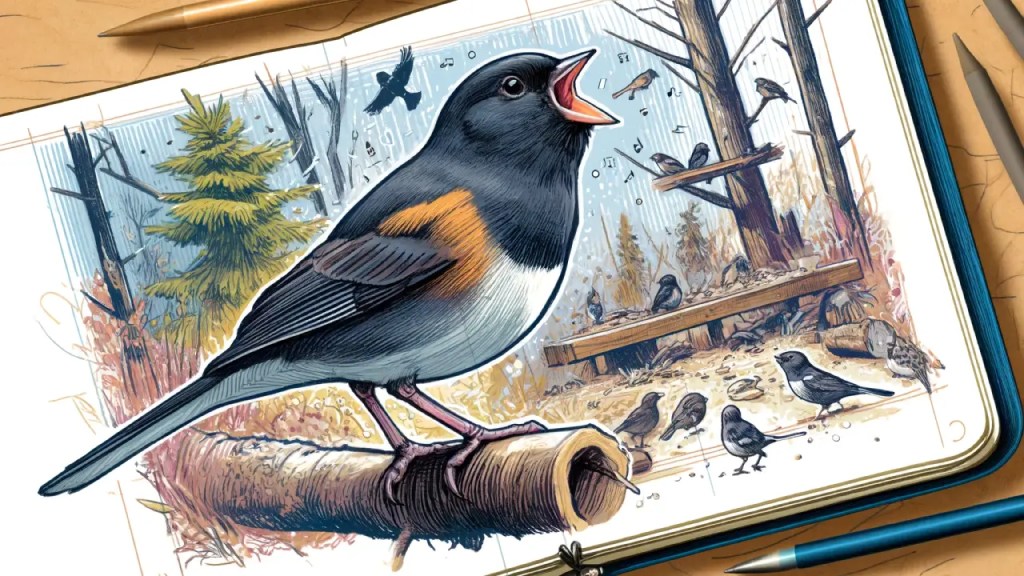
The Dark-Eyed Junco’s body language and appearance play a significant role in its social interactions and mating behaviors. The male often puffs up his feathers to appear larger and more dominant in confrontations or while courting a female. The characteristic tail flicking, where the white outer feathers flash, signals other Juncos, either as a warning of nearby danger or as a part of a territorial display.
Seasonal Changes
While the Junco’s plumage does not change drastically between seasons, its appearance may become slightly more muted during the non-breeding season. The birds also often appear plumper in winter due to fluffed-up feathers, which provide better insulation against the cold.
Adaptability and Camouflage
Despite the variations in color among subspecies, all Juncos have plumage that serves as excellent camouflage in their respective habitats. From the snowy environments of the north to the wooded areas of the west, their coloration provides an adaptive advantage, helping them blend into the landscape and avoid predators.
The appearance of the Dark-Eyed Junco, with its subtle beauty and regional diversity, is a testament to the bird’s adaptability to different environments across North America. From the sleek, gray plumage of the Slate-colored Junco to the more colorful variants of the west, these birds add to the visual tapestry of their habitats and play an integral role in the ecological dynamics of their regions.
Nesting Habits
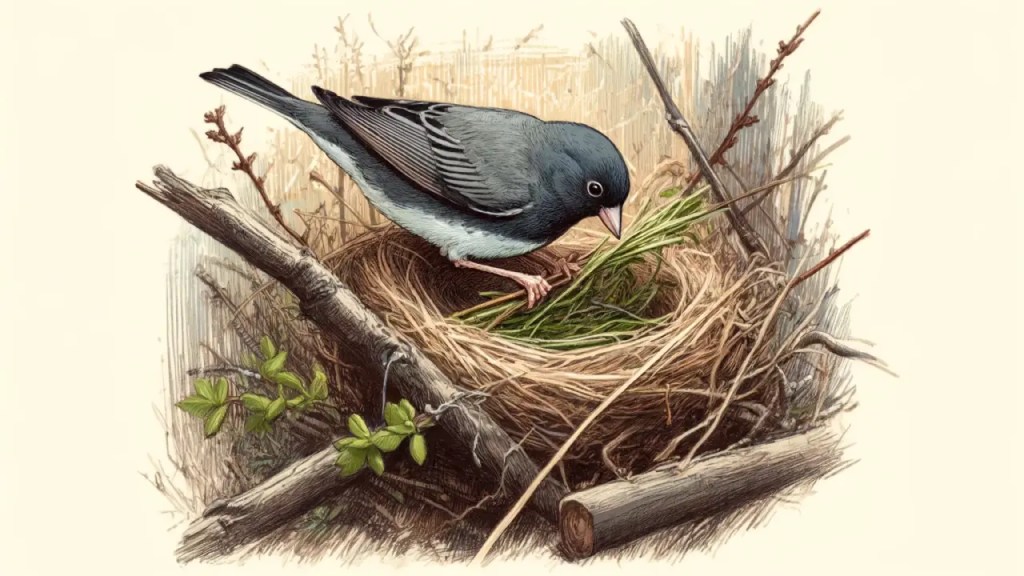
The dark-eyed Junco’s nesting behavior reflects its adaptability and resilience, key traits that have enabled this species to thrive across varied landscapes. Understanding its nesting habits provides insight into the life cycle of these widespread sparrows and their interactions with the environment.
Nest Location and Construction
Dark-Eyed Juncos typically nest on the ground, hidden among dense vegetation, under shrubs, or occasionally in low branches less than three feet off the ground. They prefer sheltered sites that offer protection from predators and harsh weather conditions. The nest, primarily built by the female, is a well-crafted cup of grass, twigs, and moss lined with fine materials like hair or feathers to provide a soft, insulated environment for the eggs.
Breeding Season and Clutch Size
The breeding season for Dark-Eyed Juncos varies by region but generally starts from late April through August. During this period, females can produce 1 to 3 broods, each consisting of 3 to 5 pale bluish or greenish eggs speckled with brown or gray. The variation in brood numbers often depends on environmental conditions and food availability.
Incubation and Fledging

Incubation lasts about 12 to 14 days, with the female warming the eggs. The male is protective, guarding the territory and feeding the female. Once hatched, both parents feed the vulnerable chicks, born blind and featherless. The young Juncos are ready to leave the nest approximately 9 to 13 days after hatching, though they continue to rely on parental care for several weeks afterward.
Parental Care and Post-Nesting
Junco parents are diligent caretakers, frequently feeding the chicks with a diet rich in insects to ensure rapid growth. Post-fledging, the young birds gradually learn to forage and become independent, a process facilitated by observing and mimicking their parents.
Adaptation to Environment
Dark-eyed juncos have shown remarkable adaptability in their nesting habits. Some populations adjust their breeding schedules and nest placements in response to environmental changes, such as habitat alterations and climate variations. This flexibility has been crucial to their success as a species.
Threats and Nesting Challenges
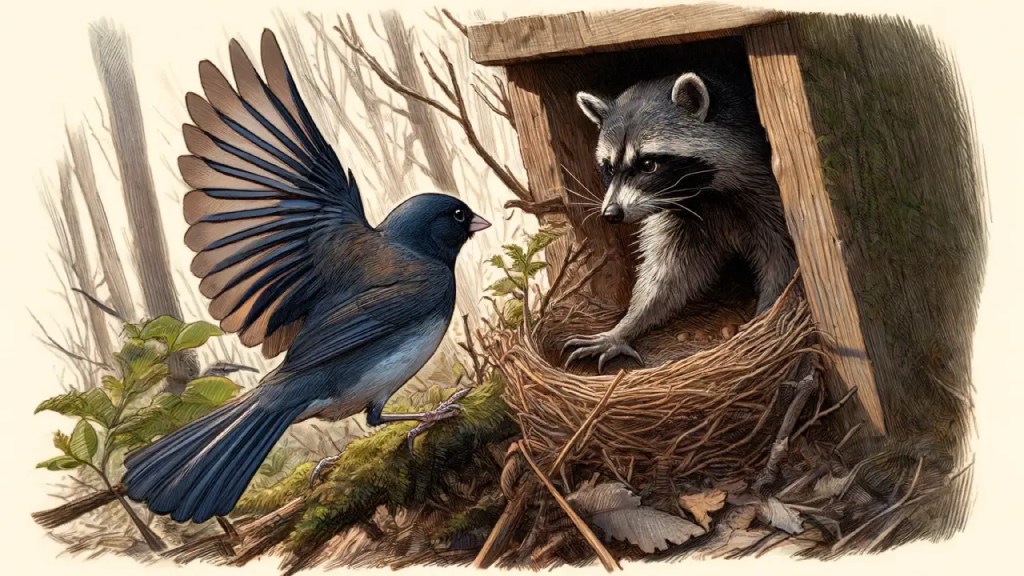
Predation by cats, squirrels, and other animals is a significant threat to Junco nests, mainly because of their ground-level location. Additionally, habitat loss due to urban development and deforestation poses challenges, emphasizing the importance of conservation efforts to preserve natural nesting grounds.
The nesting habits of the Dark-Eyed Junco highlight the bird’s enduring connection to its natural surroundings and remarkable ability to adapt to changing conditions. By fostering a deeper understanding of these habits, we can appreciate the intricacies of Junco life and the broader ecological dynamics at play, furthering our commitment to protecting the habitats these birds depend on.
Favorite Foods
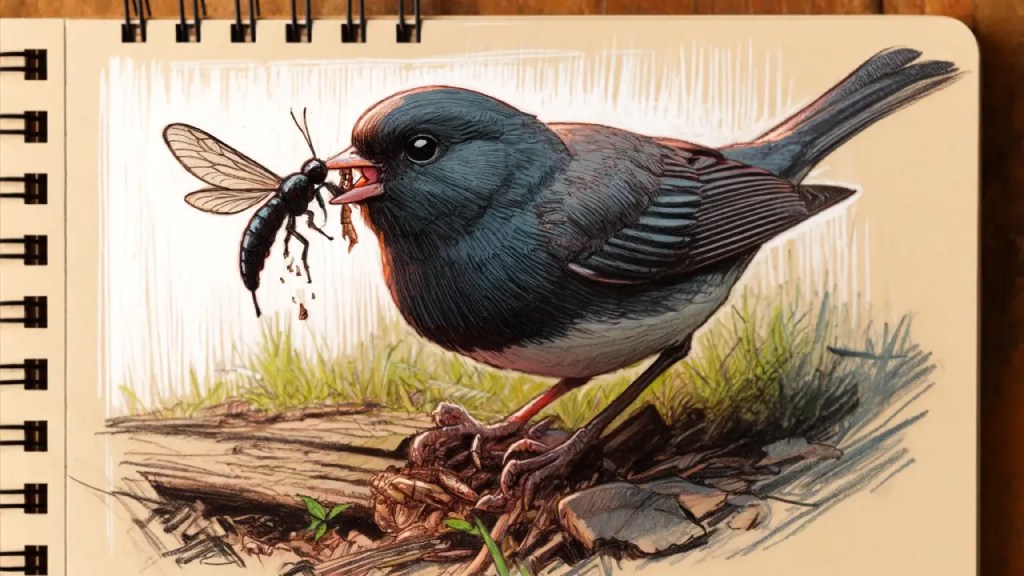
The Dark-Eyed Junco is a versatile and adaptive species with a diverse diet that reflects its ability to thrive in various environments. This section explores the preferred foods of this sparrow, highlighting its foraging behavior and the role it plays in the ecosystem.
Diverse Dietary Preferences
Juncos are primarily ground feeders, preferring seeds from grasses and weeds and occasionally berries and small fruits. During the winter months, when insects are scarce, seeds make up the bulk of their diet, allowing them to survive in colder climates and snowy conditions.
Insect Consumption
In the warmer months, the Dark-Eyed Junco’s diet shifts to include more insects, providing a necessary protein boost during the breeding season. Caterpillars, beetles, ants, and spiders are among their favored prey. This change meets their nutritional needs and plays a crucial role in controlling insect populations, benefiting the broader ecosystem.
Foraging Behavior

Juncos, often seen hopping on the ground, kicking away leaf litter and debris to uncover hidden food sources. This behavior is a testament to their adaptability and skill in foraging for food. In more urbanized areas, they can be seen browsing for seeds and crumbs in parks and gardens, demonstrating their ability to exploit human-altered landscapes.
Feeding Flocks and Social Foraging
Outside the breeding season, Dark-Eyed Juncos often form mixed-species feeding flocks, joining other sparrows and finches in search of food. This social behavior increases foraging efficiency and reduces predation risk, showcasing the Junco’s adaptability and strategic intelligence.
Importance of Water
Like many bird species, Dark-Eyed Juncos require reliable access to fresh water for drinking and bathing. Water sources provide hydration and attract insects, further enriching the juncos’ diet and supporting their overall health and survival.
Human Impact on Feeding Habits
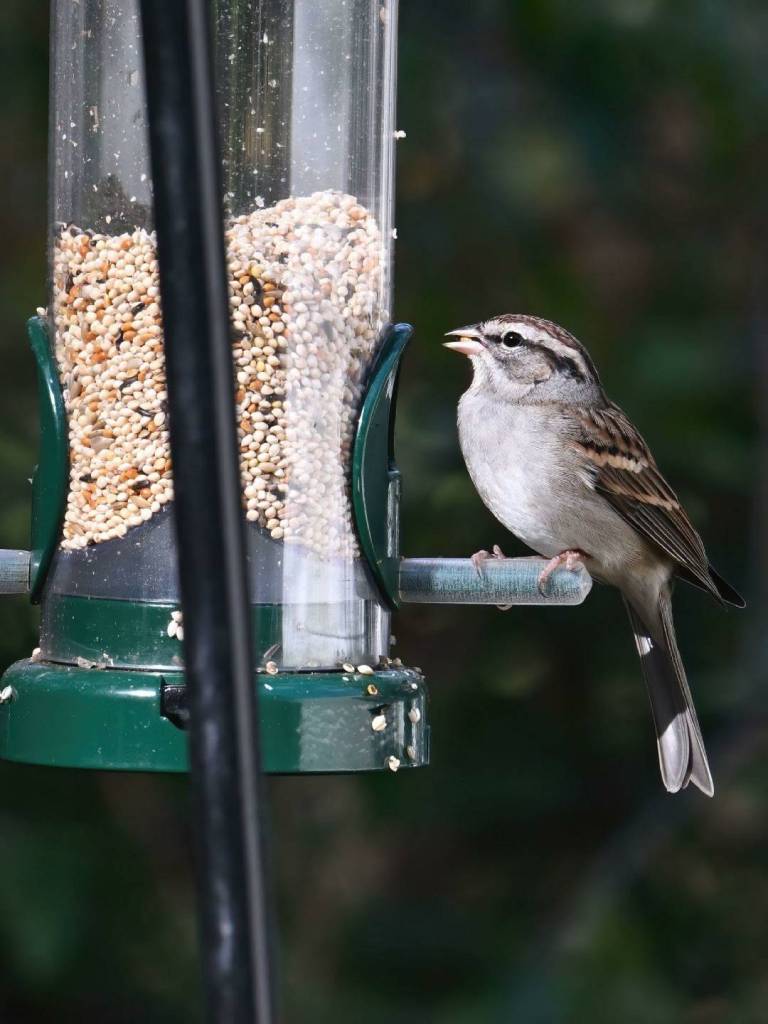
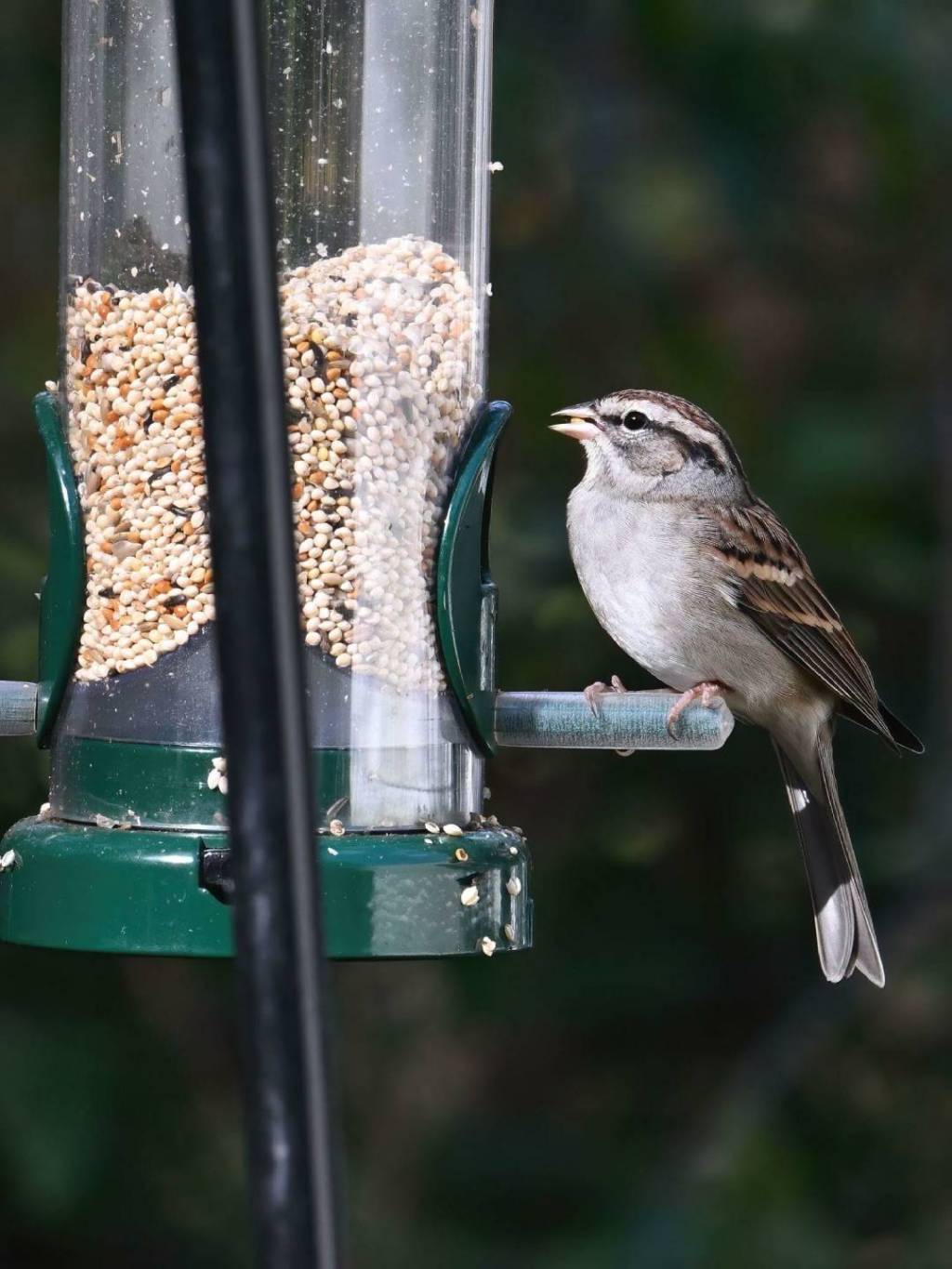
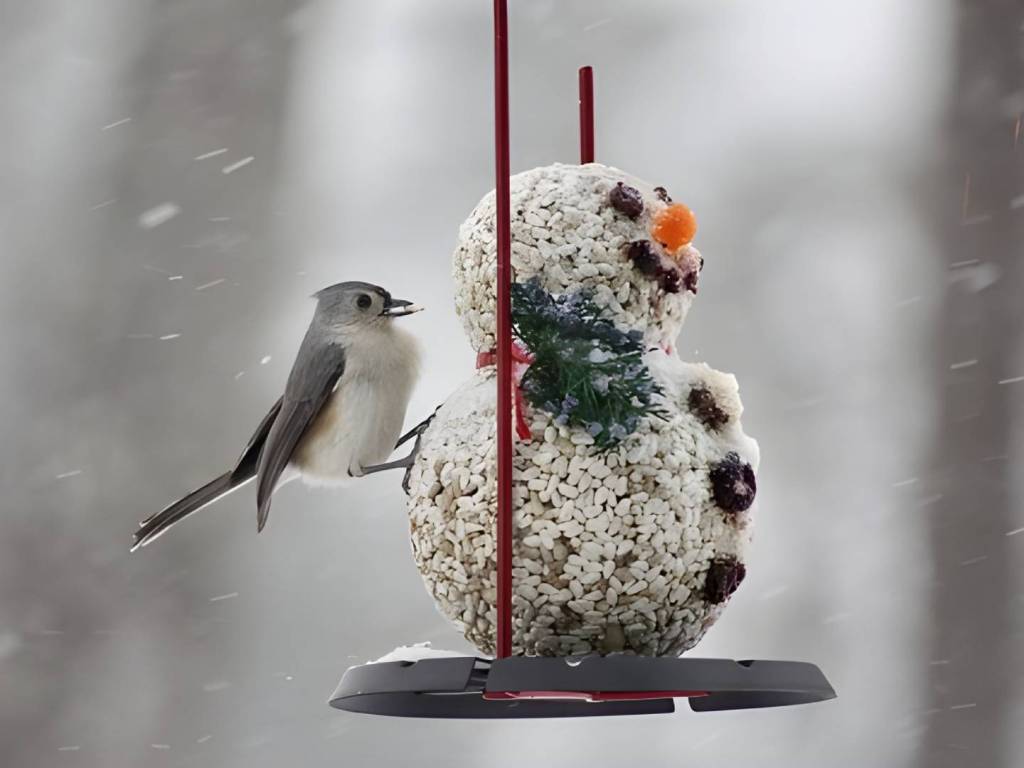
The presence of bird feeders in residential areas has influenced the feeding habits of many Dark-Eyed Junco populations. They readily visit feeders stocked with millet, cracked corn, and sunflower seeds, especially in regions where natural food sources become limited due to urban development or agricultural practices. If you’re looking for a new bird feeder, this one is perfect for attracting Dark-Eyed Juncos to your backyard.
The Dark-Eyed Junco’s dietary habits clearly indicate the bird’s ecological flexibility and essential role in various ecosystems. Whether foraging in the underbrush of a forest or scavenging in a suburban backyard, the Junco’s feeding behavior contributes to insect control, seed dispersal, and the overall health of its habitat. Understanding these habits enhances our knowledge of the species and underscores the significance of maintaining diverse and healthy environments for these adaptable sparrows.
Fun Facts

The Dark-Eyed Junco, often a symbol of winter in many parts of North America, holds a treasure trove of intriguing characteristics and behaviors. Here are some fun facts that shed light on this familiar bird’s lesser-known aspects, revealing its adaptability and resilience.
A Bird of Many Colors
While the classic image of the Dark-Eyed Junco features its slate-gray body and white belly, the bird has several color variations depending on its location. These variations illustrate the species ‘ remarkable adaptability from the “Oregon” Junco’s hooded black and chestnut back to the “Pink-sided” Junco’s lighter gray and pink flanks.
Migratory Mysteries
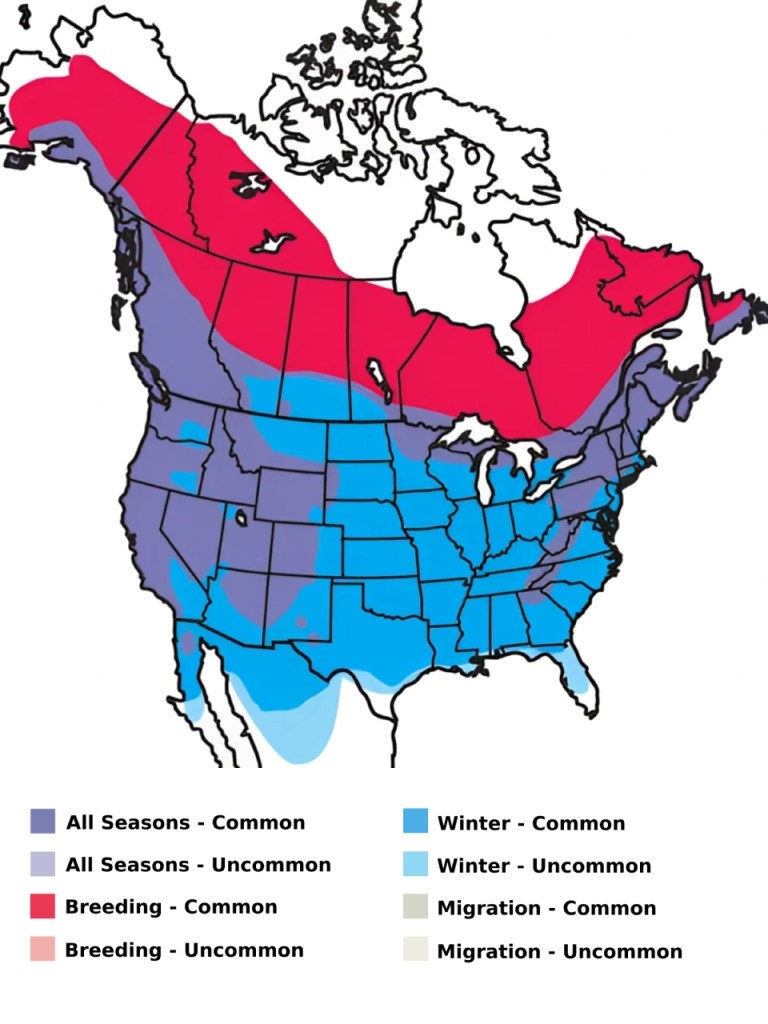
Dark-Eyed Juncos are known for their partial migratory behavior. While some populations in the northern regions migrate to warmer southern areas for the winter, many individuals remain in their breeding range year-round, depending on local conditions and food availability. This variability in migratory patterns has intrigued ornithologists for years.
The Winter Socialites
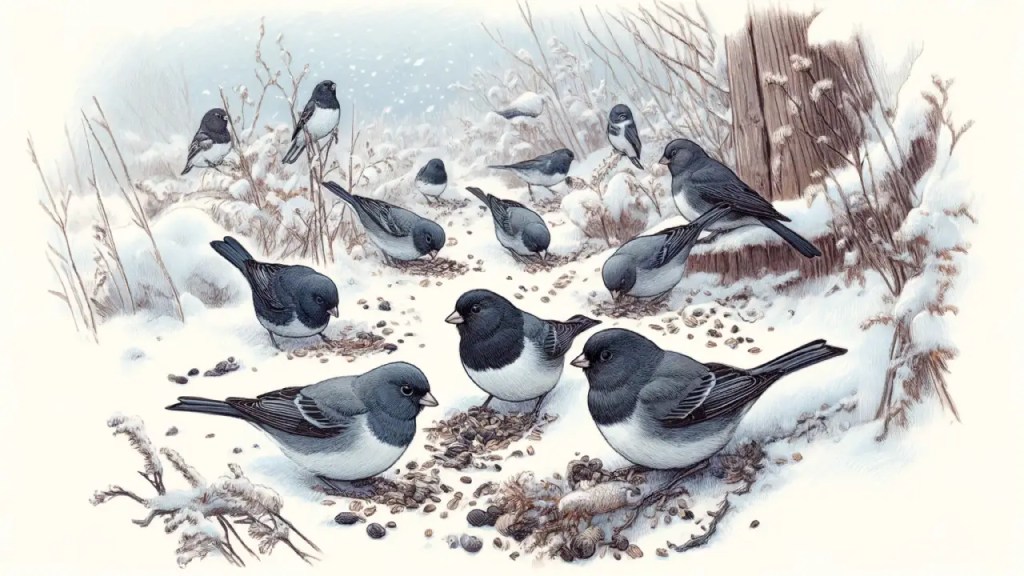
Dark-Eyed Juncos become more social in the colder months, forming large flocks that can include other sparrow species. These winter aggregations foster a communal approach to finding food and avoiding predators, highlighting the bird’s social nature outside the breeding season.
The Voice of the Junco
Despite their unassuming appearance, Juncos have a complex vocal range. Their songs and calls vary significantly, with males using distinct tunes during mating season to attract females and assert territory. The birds also communicate through soft, twittering calls while foraging in flocks, maintaining constant contact with one another.
Ground Nester with a Twist
Unlike many birds that nest in trees or shrubs, the Dark-Eyed Junco often prefers to nest on the ground, tucked away in concealed spots. However, in areas with high predator activity or human disturbance, they can adapt by nesting higher off the ground, showcasing their flexible approach to survival.
Indicators of Ecological Health
The presence and population trends of Dark-Eyed Juncos can serve as indicators of environmental changes and habitat health. Their sensitivity to habitat alterations makes them a valuable species for researchers studying the impacts of climate change, urbanization, and conservation efforts.
A Tale of Tail Feathers
One of the Dark-Eyed Junco’s most distinctive features is its tail: white outer feathers flash conspicuously during flight, signaling other juncos and potential predators. This tail flashing is thought to be a crucial element of their communication and anti-predator strategies.
These fascinating facts about the Dark-Eyed Junco reveal a bird with a complex and dynamic nature, capable of thriving in a wide range of conditions. From its varied plumage and social winter behavior to its role as an environmental indicator, the Junco embodies the resilience and diversity of avian life in North America.
Conservation Efforts
The Dark-Eyed Junco, a familiar sight across many North American backyards and woodlands, plays a vital role in the ecosystem. Despite its widespread presence, the species faces challenges that necessitate ongoing conservation efforts. Understanding these efforts is critical to ensuring the Junco remains a staple of the avian community.
Habitat Conservation

Primary conservation actions for the Dark-Eyed Junco involve protecting and restoring their natural habitats. Juncos thrive in diverse environments, from coniferous forests to shrubby thickets and urban green spaces. Preserving these areas from overdevelopment or degradation is crucial. Conservationists work to maintain the ecological integrity of these habitats, ensuring juncos have access to the resources they need to breed and survive.
Climate Change Adaptation
As with many species, the Dark-Eyed Junco is affected by climate change. Shifts in temperature and weather patterns can impact their migratory behaviors, breeding timing, and food availability. Research and monitoring programs are essential to fully understanding these impacts. Conservation efforts focus on creating strategies that help wildlife adapt to these changes, ensuring resilient junco populations.
Safe Feeding and Nesting Areas
In urban and suburban areas, creating safe spaces for feeding and nesting is a vital conservation strategy. This includes promoting bird-friendly gardening practices, such as planting native shrubs and trees, reducing pesticide use, and providing clean water sources. Efforts to educate the public on the importance of keeping cats indoors and protecting ground-nesting birds from disturbances help to reduce predation and nest failure.
Citizen Science and Monitoring
Citizen science programs play a significant role in junco conservation. Birdwatchers and volunteers contribute to large-scale monitoring efforts, such as the Christmas Bird Count and Project FeederWatch, providing valuable data on junco populations and distribution. This information helps scientists track changes over time, identify threats, and develop effective conservation plans.
Public Education and Outreach

Educating people about the Dark-Eyed Junco, its role in the ecosystem, and its challenges is crucial for garnering support for conservation initiatives. Outreach programs, nature walks, and educational materials raise awareness and foster a connection between the public and local wildlife, encouraging conservation-minded behaviors and policies.
Collaborative Conservation Initiatives
Conservation of the Dark-Eyed Junco often involves collaboration between government agencies, non-profit organizations, and local communities. These partnerships facilitate comprehensive conservation strategies that address the multiple factors affecting junco populations, from habitat loss to climate change.
By engaging in these conservation efforts, we can help ensure that the Dark-Eyed Junco continues to flourish across its range. The bird’s adaptability and widespread presence make it a resilient species, but proactive conservation is essential to navigate the challenges of changing environments and human impacts. Through dedicated research, habitat protection, and public engagement, the future of the Dark-Eyed Junco can remain bright, allowing future generations to enjoy the sight and sound of this beloved bird.
Conclusion

The Dark-Eyed Junco, with its subtle beauty and resilient nature, symbolizes the often overlooked wonders of the natural world. This bird adapts and thrives through the changing seasons and across diverse landscapes, bringing life and melody to its surroundings. Its presence in our backyards and natural spaces is a gentle reminder of the connectivity of all life and the importance of maintaining healthy habitats for wildlife.
Conservation efforts for the Dark-Eyed Junco underscore the broader environmental challenges many species face and highlight the importance of collective action in preserving our natural heritage. Protecting the Junco’s habitat, mitigating the impacts of climate change, and fostering community engagement in wildlife stewardship are not just acts of conservation but investments in the sustainability of our shared environment.
In celebrating the life of the Dark-Eyed Junco, we also embrace the larger ecological narrative to which it belongs—a narrative that encompasses the intricate dance of adaptation, survival, and renewal that defines our natural world. Let the enduring song of the Junco inspire us to continue our conservation and environmental education efforts, ensuring that these shadows and songs remain a vibrant part of our natural landscape for generations to come.
The journey through the life of the Dark-Eyed Junco is more than an exploration of one species; it reflects our relationship with nature and the steps we must take to preserve the delicate balance of our planet’s ecosystems.


 Wing Watchers with Wagner
Leave a comment