
Introduction
Welcome to the charming world of the Song Sparrow, a bird whose music decorates the edges of streams, fields, and urban parks across North America. With its cheery melodies and bustling activity, this sparrow is familiar, embodying the spirit of the natural landscapes it inhabits. This bird’s adaptability and resilience make it a fascinating subject for birdwatchers and nature enthusiasts.
This comprehensive exploration will delve into the Song Sparrow’s life, examining its distinct appearance, intricate nesting habits, and dietary preferences. We’ll also uncover fun facts that reveal the depth of this bird’s character and the critical conservation efforts ensuring its continued place in our ecosystems.
Join us on this journey into the world of the Song Sparrow, where every chirp and wing flutter tells a story of survival, adaptation, and the sheer joy of existence. As we uncover the layers of its life, from the unique patterns of its plumage to the melodies that define its presence, we’ll gain a greater appreciation for these unassuming yet remarkable birds that add so much beauty and vitality to our natural world.
Appearance
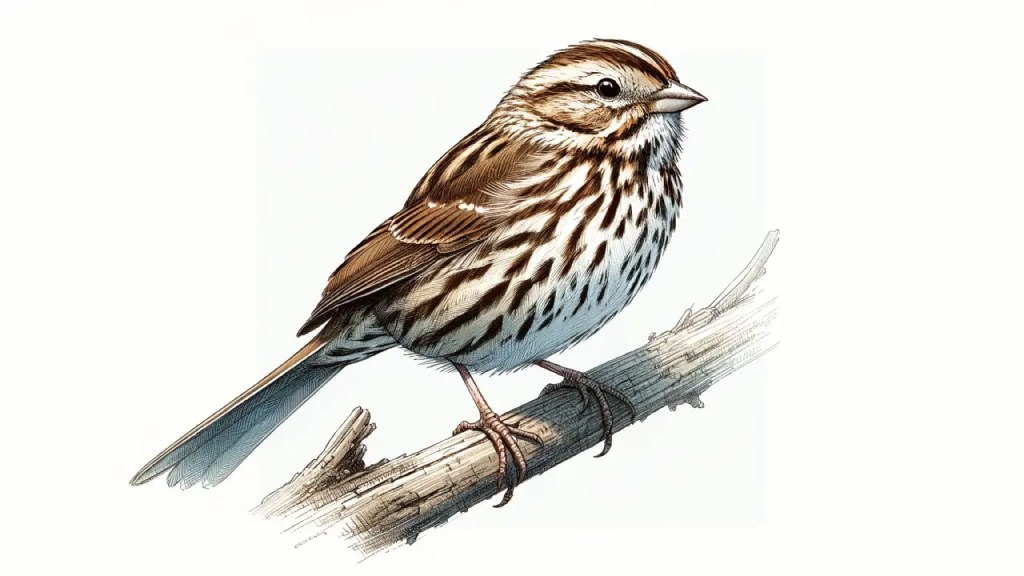
The Song Sparrow is a common yet captivating sight across North America. Its rustic charm endears it to birdwatchers and nature enthusiasts alike. This bird’s appearance, marked by its streaky plumage and sturdy build, perfectly adapts to its diverse habitats, ranging from thickets and marshes to urban gardens.
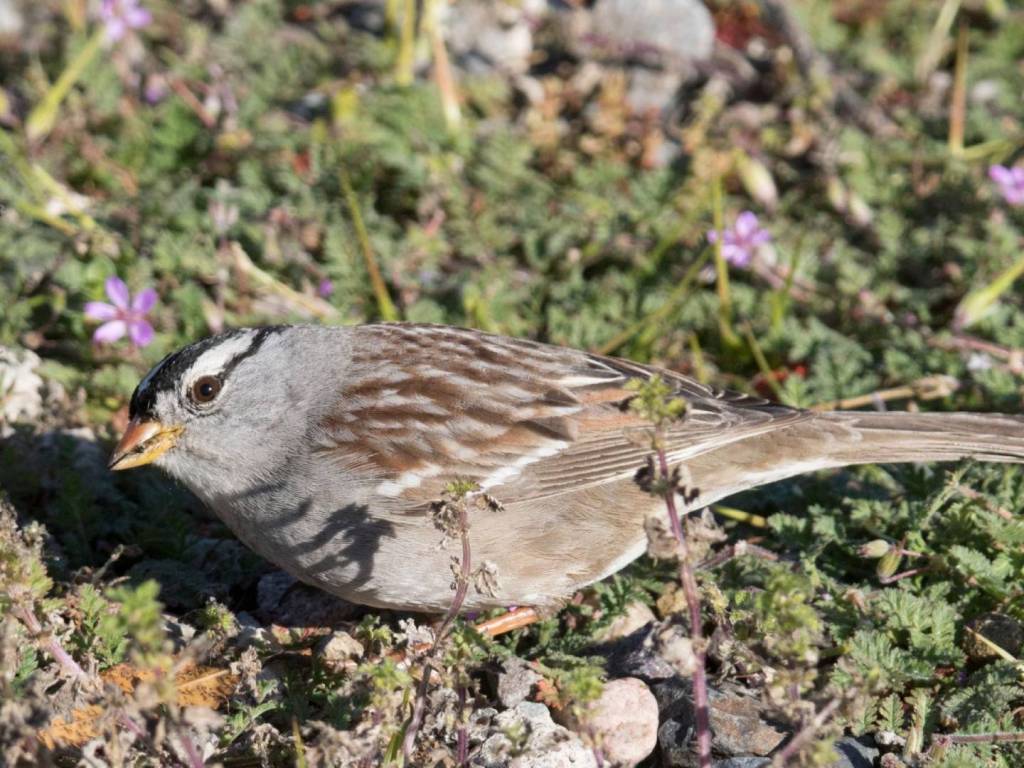
At first glance, the Song Sparrow may seem unassuming. Still, its detailed feather pattern and subtle color variations are a testament to its adaptability and the intricate beauty of the avian world. Typically, these sparrows exhibit a brown, black, and gray mottling on their upper parts, and thick streaks lining their white or cream-colored breast, often converging into a central, dark spot. This speckled appearance provides excellent camouflage among the underbrush and foliage where they forage, protecting them from predators.
The Song Sparrow is robust and mid-sized for a sparrow, with a length of about 5 to 7 inches and a wingspan that can stretch around 7 to 9 inches. This size allows them a certain hardiness needed to thrive in varied climates and environments. Observers can note their rounded heads, short, stout beaks designed for cracking seeds, and relatively long, rounded tails that are often in motion, adding to their animated character.
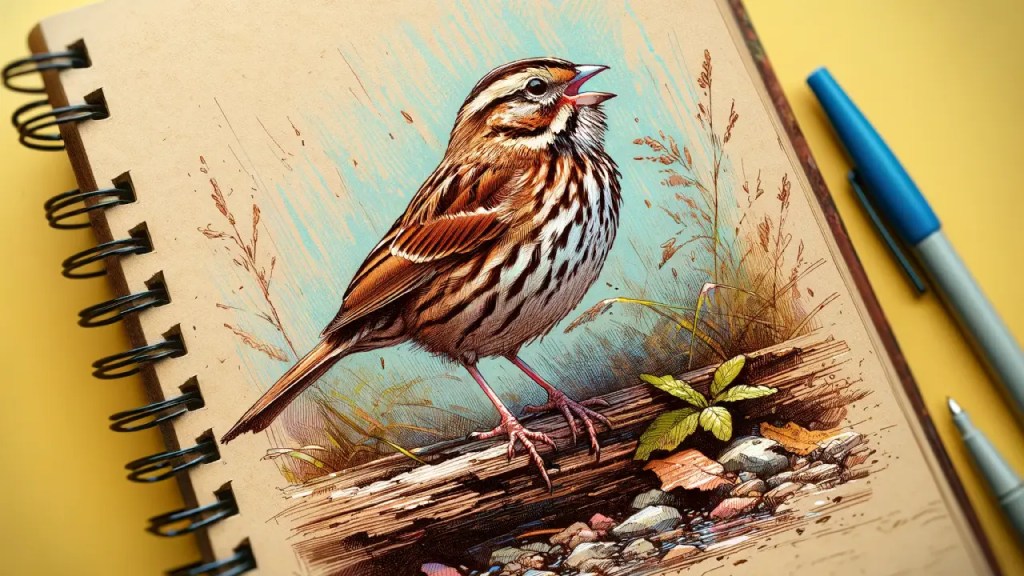
The Song Sparrow’s plumage can vary significantly across its range, reflecting the species’ adaptability to different environments. Birds from the humid coastal regions may have a darker, more saturated coloration, while those inhabiting arid areas often display a paler, more muted plumage. This regional variation is not just a fascinating aspect of their biology but also serves practical purposes, helping them blend into their specific landscapes and climates.
Beyond the visual, the Song Sparrow’s physical demeanor is one of constant activity and alertness. They are often seen flitting through low branches, foraging in the underbrush, or perched openly on a branch or fence post, singing their melodious tunes. Their energetic movements and distinctive plumage make them a delight to observe in their natural settings.
When observing the Song Sparrow, one is struck by its commonality, yet each individual seems to possess its own character, shaped by its feathers’ specific hues and patterns. The bird’s appearance, from the subtle browns and grays of its body to the striking streaks that adorn its breast, paints a picture of a creature perfectly attuned to its environment, embodying the spirit of the places it calls home.
Through the seasons, the Song Sparrow remains a resilient figure in the landscape, constantly reminding us of the enduring presence of nature’s song and color in our lives. Whether hopping along the ground, rustling through leaves, or lifting its voice in a cascade of musical notes, the Song Sparrow’s appearance symbolizes the beauty and complexity of the natural world, making it a beloved subject of casual observation and scientific study.
Nesting Habits
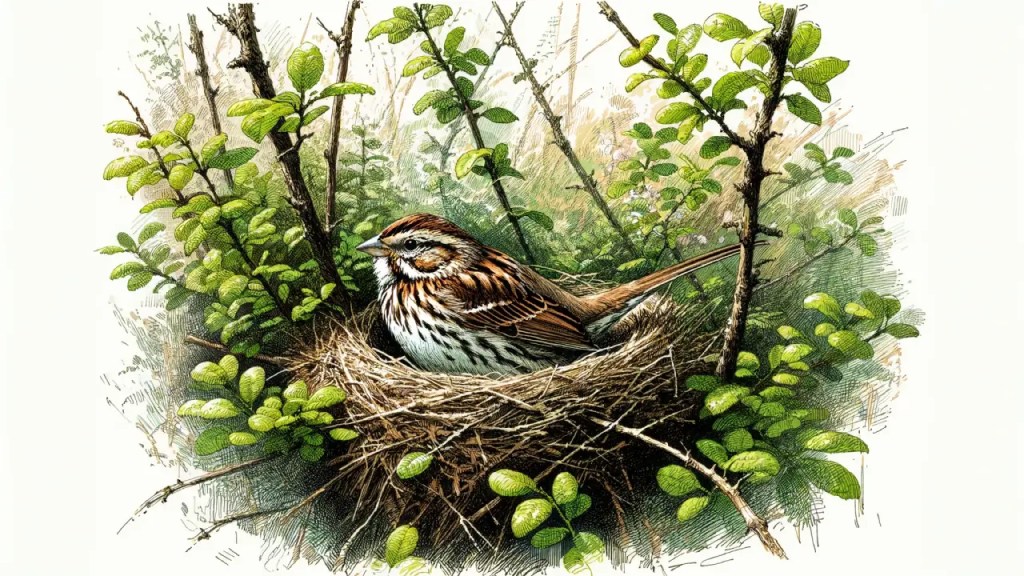
The Song Sparrow, as familiar in sound as in sight across varied landscapes, exhibits nesting habits that are as adaptable and resourceful as the bird. These small but tenacious creatures have a knack for finding and creating the perfect spots to raise their young, ensuring the continuation of their melodious lineage.
Versatility in Location
Song Sparrows are not particularly fussy about where they nest as long as the location offers concealment and protection. They commonly choose dense shrubbery, low bushes, thick grass, and sometimes even more unusual sites like old farm equipment or low tree branches. This flexibility in nesting site selection is why they are successful across diverse environments.
The Nesting Process
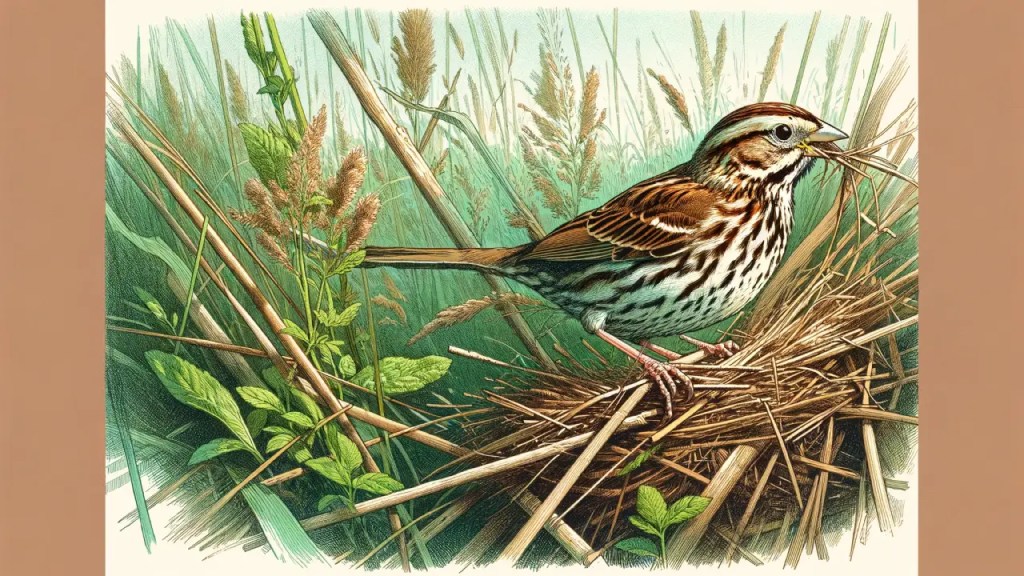
The female Song Sparrow primarily constructs the nest. The structure is a robust cup-shaped from grass, twigs, and sometimes even trash or man-made materials, lined with soft feathers, fine grass, or hair. This nest, often hidden among vegetation or in other secretive spots, cradles the next generation, showcasing the bird’s ingenuity and resourcefulness.
Breeding Season and Clutch Size
Song Sparrows can have multiple broods in a single breeding season, typically from early spring through summer. The female lays between 2 to 6 eggs per brood, usually a pale green or blue speckled with brown or gray. These eggs represent the species’ future and are tended with great care.
Incubation and Fledging
The incubation period for Song Sparrow eggs lasts about 12 to 15 days, during which the female spends significant time warming the eggs while the male provides food and protection. After hatching, both parents are actively involved in feeding the chicks, which are altricial, meaning they are born blind and featherless, utterly dependent on their parents for warmth and nourishment. In another 10 to 12 days, the fledglings are ready to leave the nest, stepping into the world under the watchful eyes of their parents.
Parental Care and Post-Nesting Behavior
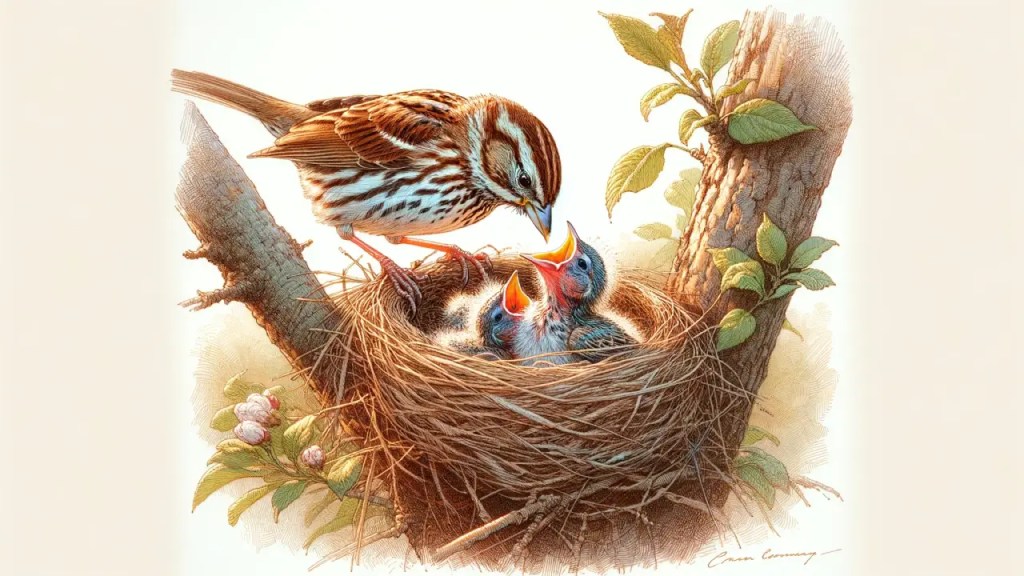
Song Sparrow parents are known for their attentive care. They often feed their young a diet rich in insects and other invertebrates to support their rapid growth. Even after the fledglings leave the nest, the parents continue to feed and protect them until they are fully independent, which takes another few weeks.
Impact of Environment on Nesting
The nesting success of Song Sparrows can be heavily influenced by their environment. Factors such as habitat quality, availability of food resources, and the presence of predators or human disturbances play a significant role in the outcomes of their breeding efforts. Consequently, maintaining healthy, undisturbed habitats is crucial for these birds’ reproductive success.
The Song Sparrow’s nesting habits, characterized by versatility, diligent care, and adaptability, highlight the bird’s resilience and the critical role of a supportive environment in reproductive success. These habits, woven into the fabric of their daily existence, underscore the importance of conservation efforts to preserve the natural landscapes that these birds, and many other species, rely on for survival.
Favorite Foods
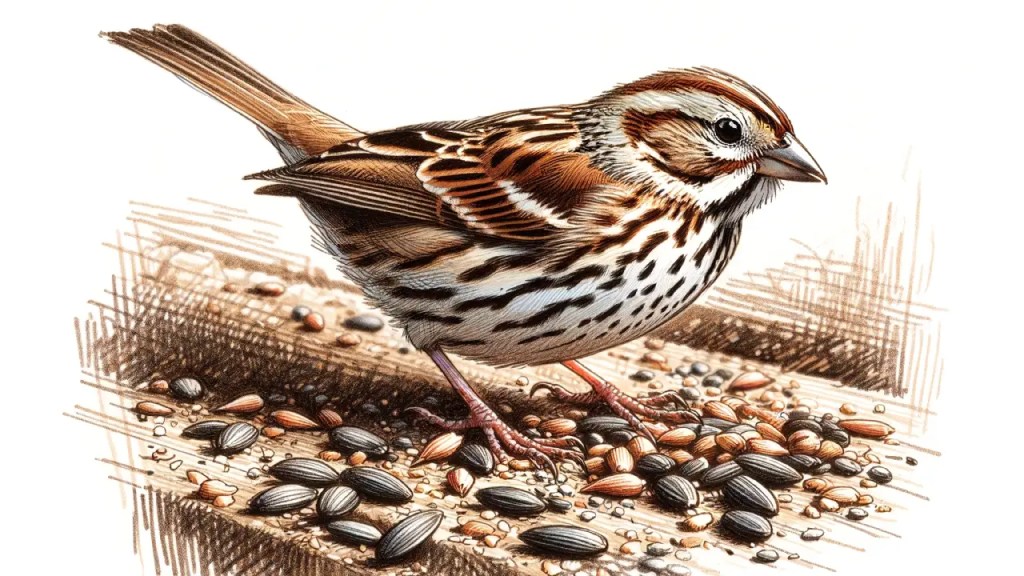
The Song Sparrow, ubiquitous across North America, thrives in various habitats, thanks mainly to its flexible diet. This adaptability in feeding behavior allows the Song Sparrow to exploit a wide range of food sources, ensuring its survival in natural and urban environments.
Diverse Diet for All Seasons
Primarily omnivorous, the Song Sparrow’s diet includes a mix of insects, seeds, and fruits. This varied diet changes with the seasons; during spring and summer, insects and other invertebrates make up a more significant portion of their intake, providing high-protein nourishment essential for breeding and raising young. The bird shifts towards seeds and fruits as the cooler months approach, taking advantage of the abundant plant resources available.
Seeds and Fruits
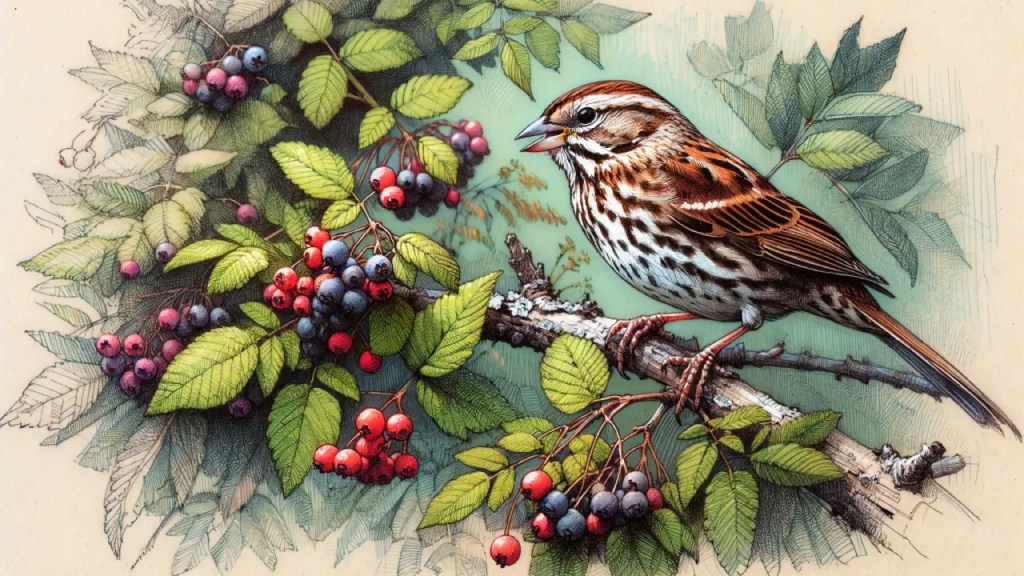
When it comes to plant-based food, Song Sparrows are not picky eaters. They consume the seeds of grasses, weeds, and occasionally grains from agricultural fields, making them frequent visitors to farmlands and backyards. During fall and winter, they supplement their diet with fruits and berries, which provide vital energy reserves to withstand the colder months.
Insectivorous Preferences
In the warmer months, Song Sparrows hunt for beetles, caterpillars, ants, and spiders, showcasing their prowess as insectivores. Their foraging technique is meticulous and precise as they sift through foliage and underbrush or hop along the ground to capture their prey. This not only aids in their own nutrition but also controls insect populations, contributing to ecological balance.
Feeding Tactics
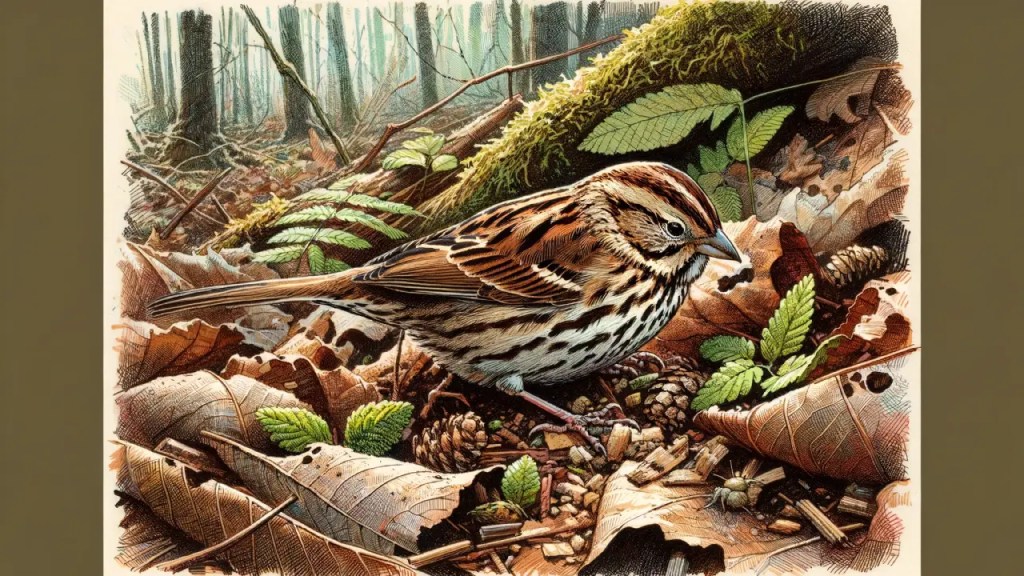
Song Sparrows find food by both ground foraging and foliage gleaning. They are often seen scratching at the ground with their feet, uncovering hidden seeds and insects. Their sharp, conical beak is ideally suited for cracking open seeds and dissecting fruit, demonstrating the bird’s evolutionary adaptations to its omnivorous diet.
Adaptation to Urban Environments
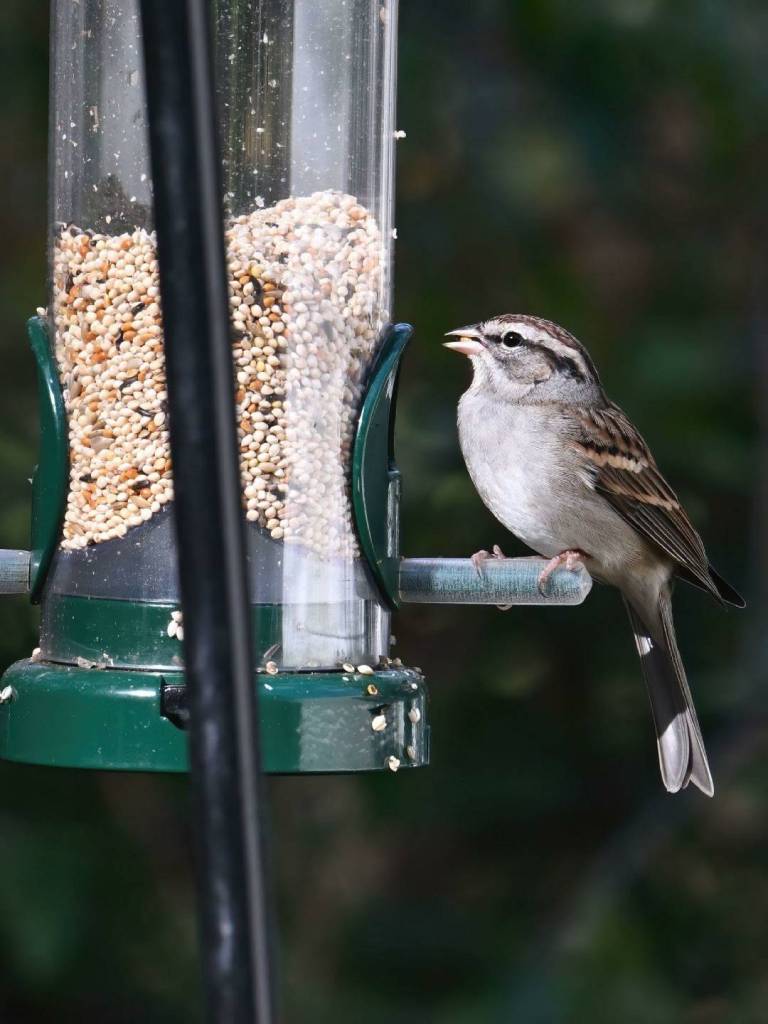
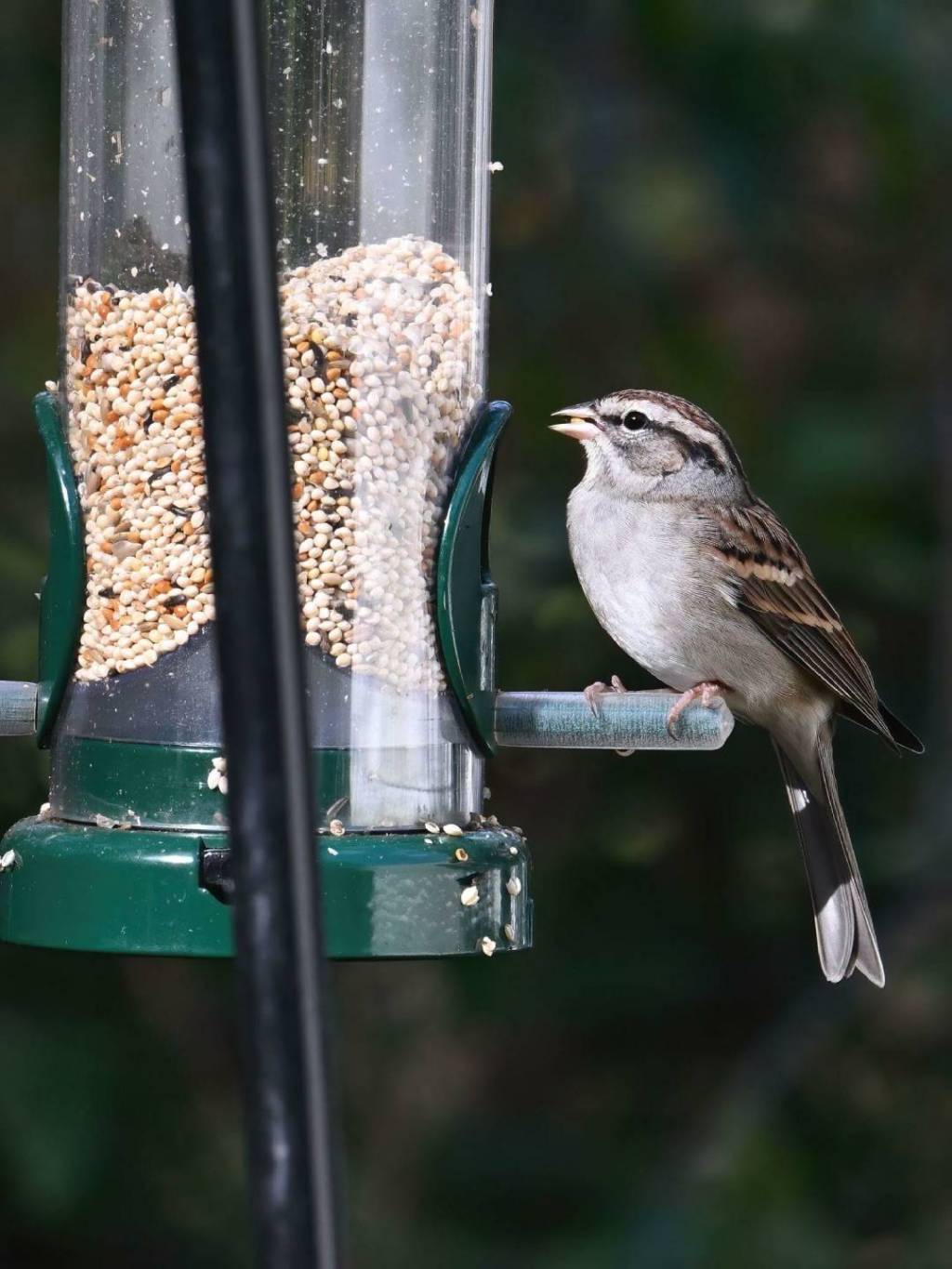
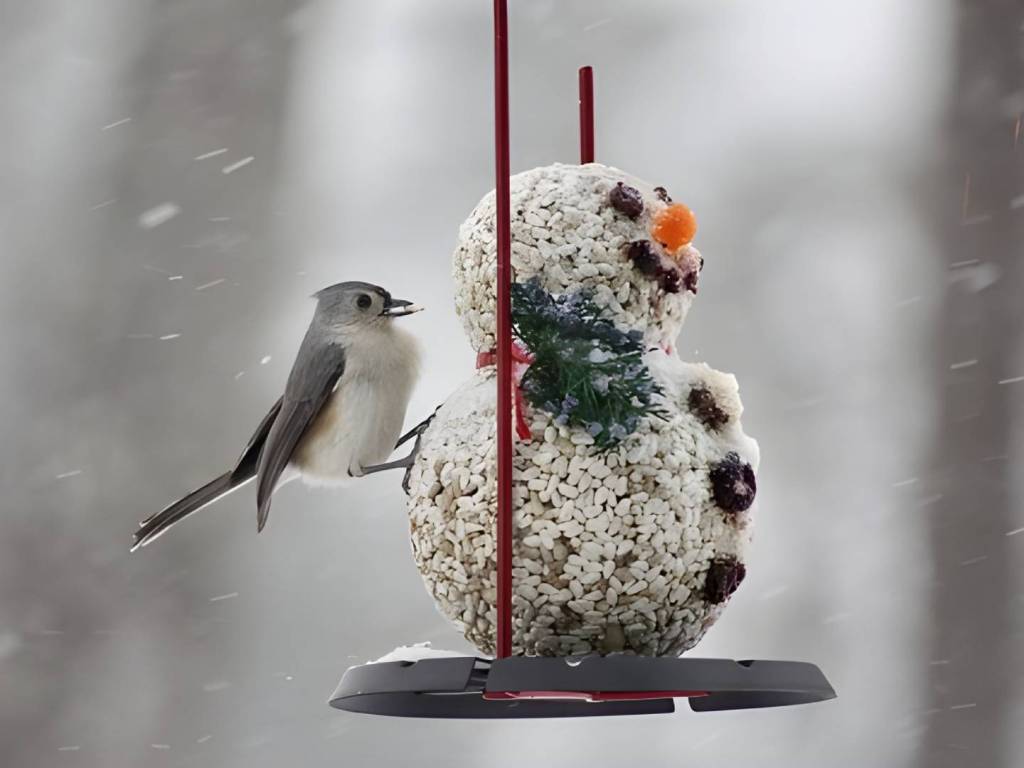
In urban areas, Song Sparrows have adapted to exploit human-provided food sources. They are familiar visitors to bird feeders, where they partake in sunflower seeds, millet, and cracked corn. However, their natural foraging behavior significantly affects their feeding habits, even in these modified landscapes. Attract Song Sparrows to your backyard with this specially designed-birdfeeder.
The Role of Water
Access to fresh water is crucial for the Song Sparrow, not only for drinking but also for supporting the aquatic insect populations that are an essential part of their diet. Proximity to streams, ponds, or wetlands often dictates the abundance and variety of food available, influencing their distribution and habitat choice.
The Song Sparrow effectively navigates the challenges of changing seasons and varied environments through its flexible and opportunistic feeding habits. This dietary adaptability, combined with their foraging skills, has enabled the Song Sparrow to become one of North America’s most widespread and familiar birds, embodying the natural world’s resilience and resourcefulness.
Fun Facts
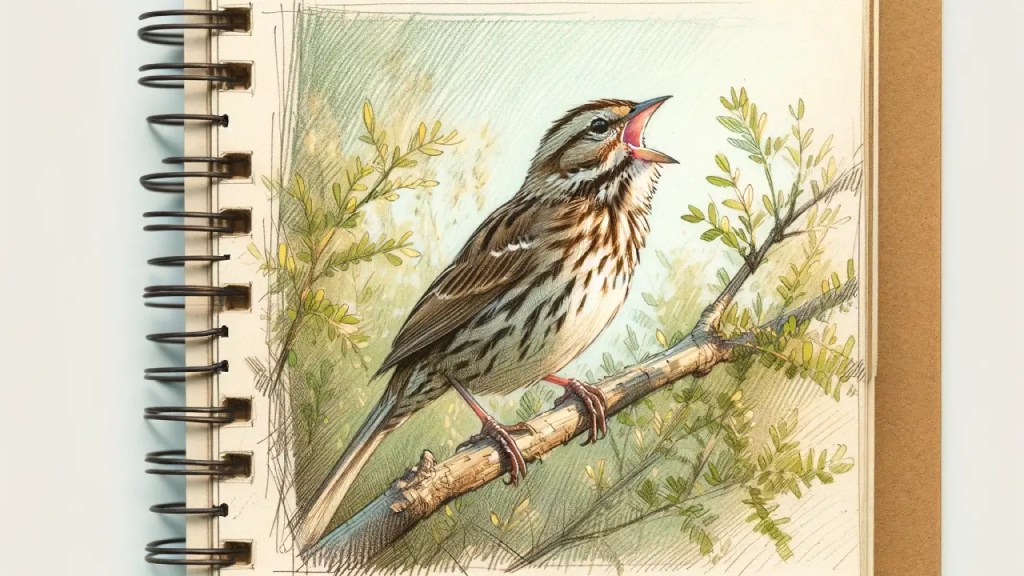
Delving into the world of the Song Sparrow uncovers a treasure trove of intriguing behaviors and characteristics that enhance our understanding and admiration for this common yet extraordinary bird.
Vocal Virtuoso
The Song Sparrow is renowned for its varied and melodious song, from which it gets its name. Each male has a repertoire of up to 20 different tunes to attract mates and establish territory. What’s fascinating is that these songs can vary significantly between regions and neighboring territories, showcasing a remarkable diversity in their vocalizations.
Mimicry and Learning
Song Sparrows are excellent mimics and can incorporate parts of other birds’ songs into their own. This ability to learn and adapt their songs throughout their lives, rather than being born with a fixed set of tunes, speaks to their intelligence and complex communication strategies.
The Power of Camouflage
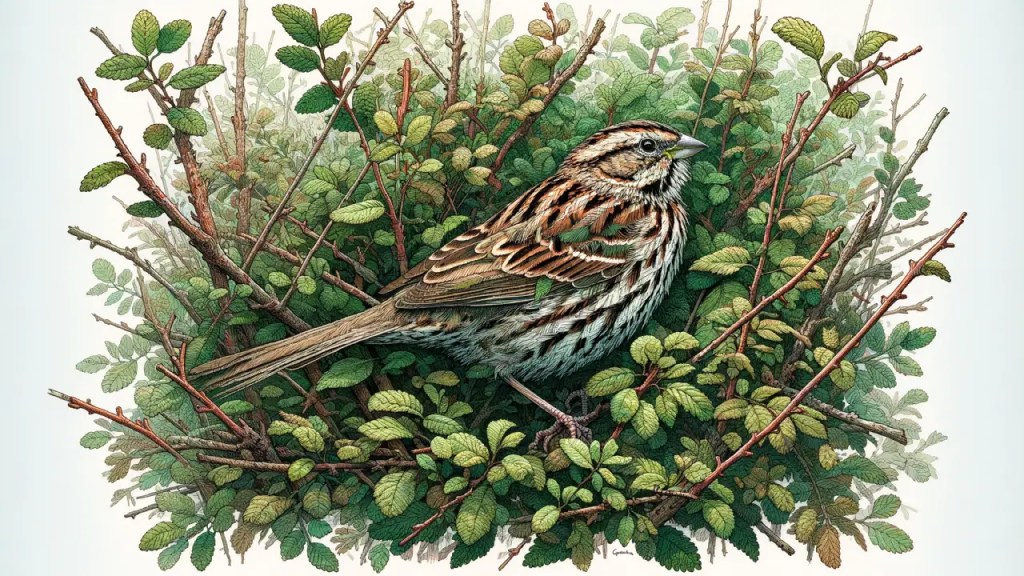
The Song Sparrow’s streaked and mottled plumage provides excellent camouflage in its natural habitat, helping it avoid predators. This coloration allows them to blend seamlessly into the surrounding vegetation, a crucial adaptation for their ground-foraging habits.
Survival and Longevity
Despite being small and facing numerous predators, Song Sparrows have been known to live for over 10 years in the wild, a testament to their resilience. Their ability to adapt to various habitats and conditions contributes to their longevity and success as a species.
Research Favorites
Due to their abundance, ease of observation, and varied songs, Song Sparrows have become one of North America’s most extensively studied birds. They have contributed significantly to our understanding of bird behavior, ecology, and the impacts of environmental changes.
Territorial Tendencies
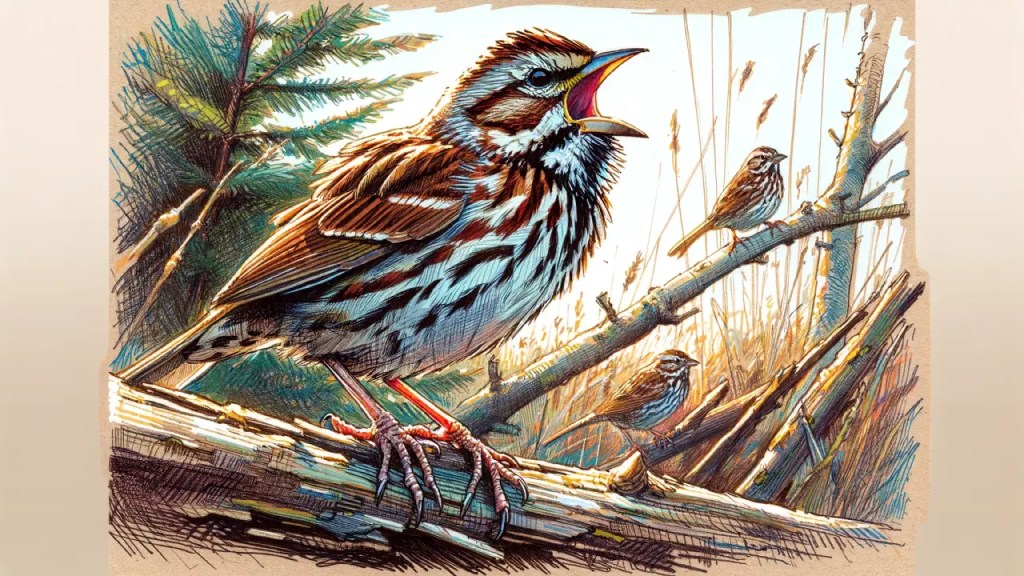
While Song Sparrows are generally not migratory, they fiercely defend their territories during breeding. Males are known to engage in aggressive behavior, from loud singing to physical confrontations, to protect their nesting area and attract females.
Symbol of Environmental Health
As Song Sparrows are sensitive to habitat changes and pollution, their presence and population health can indicate the overall health of their ecosystem. Conservationists often study Song Sparrow populations to gauge the impact of environmental policies and habitat restoration efforts.
Conservation Efforts
Despite being one of the most widespread bird species in North America, the song sparrow still requires attention to conservation. Changes in land use, habitat loss, and broader environmental issues can impact their populations. Understanding and implementing conservation efforts for the Song Sparrow helps this species and enhances the biodiversity and health of ecosystems where they thrive.
Habitat Protection and Restoration

Protecting song sparrows’ natural habitats is key to conserving them. Preserving wetlands, grasslands, and brushy areas from urban development or intensive agriculture maintains the diverse environments these birds need for nesting and foraging. Efforts to restore habitats, such as reestablishing native plants and removing invasive species, can improve the quality and availability of resources for Song Sparrows.
Monitoring and Research
Ongoing research and monitoring are vital to understanding the population dynamics of Song Sparrows and the health of their habitats. Banding programs and long-term ecological studies help track their numbers, breeding success, and movement patterns, providing data to guide conservation strategies and land management decisions.
Public Engagement and Education
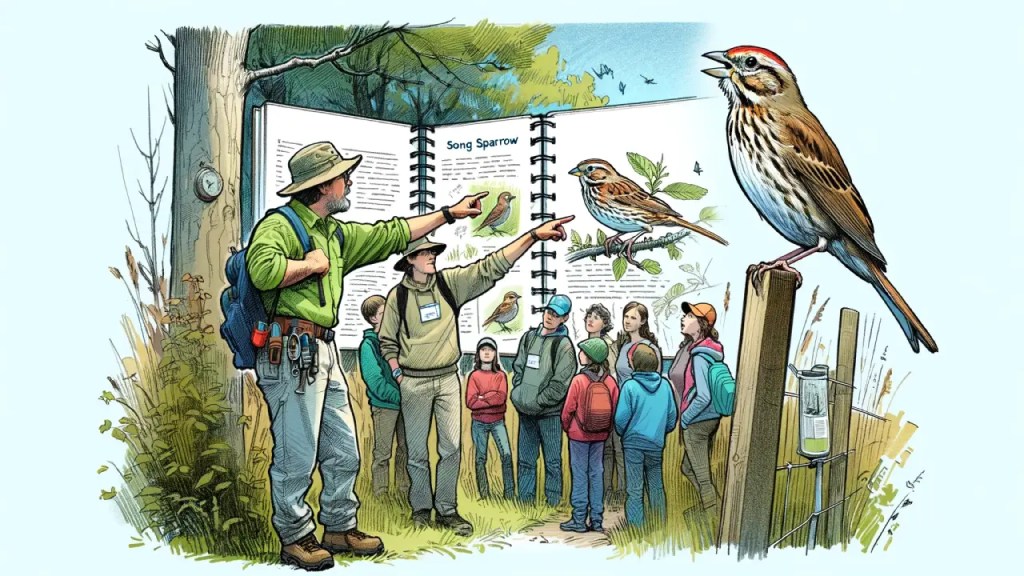
Increasing public awareness about the Song Sparrow and its role in the ecosystem can bolster conservation efforts. Educational programs encouraging birdwatching and citizen science initiatives allow people to engage with and appreciate the natural world, fostering a community of conservation-minded individuals.
Climate Change Mitigation
Addressing the broader issue of climate change is crucial for the long-term conservation of Song Sparrows. Climate change can alter the distribution of suitable habitats and the availability of food sources. Supporting and implementing policies that reduce greenhouse gas emissions and promote sustainable resource use can mitigate these impacts on Song Sparrows and wildlife.
Sustainable Land Use Practices
Encouraging sustainable farming and land use practices can significantly benefit Song Sparrow populations. Practices that leave room for natural vegetation buffers along fields and waterways provide essential habitats for these birds. Reducing pesticide use also improves the health of insect populations, a vital food source for Song Sparrows.
Community Conservation Efforts
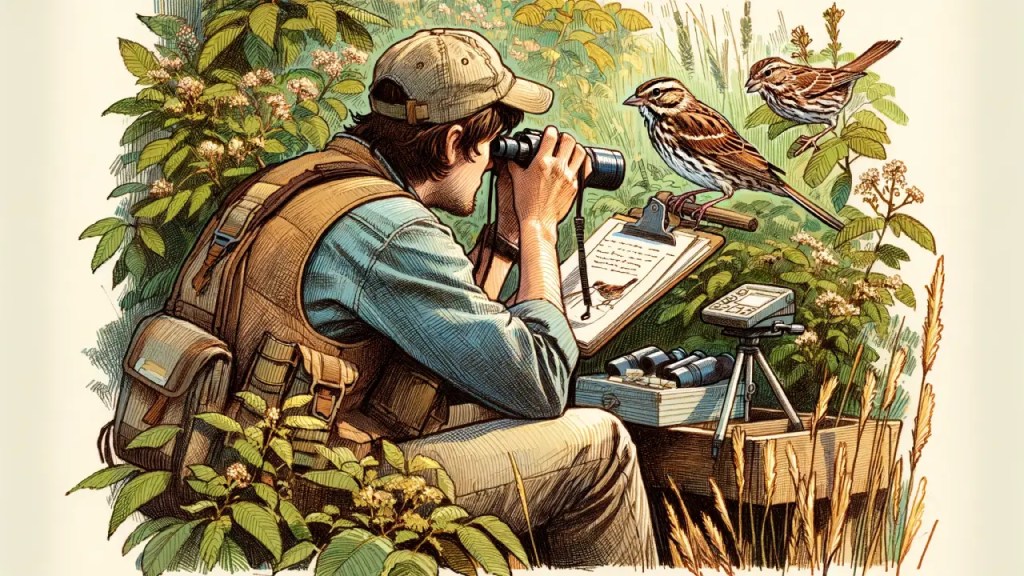
Local conservation actions, such as planting native vegetation and creating backyard habitats, can significantly benefit Song Sparrows in urban and suburban areas. Providing natural cover, nesting sites, and food sources helps maintain their populations even in densely populated regions.
The conservation of the Song Sparrow is an ongoing journey that requires a collective effort across different sectors of society. By understanding the needs of these birds and implementing targeted conservation actions, we can ensure that the cheerful melodies of the Song Sparrow continue to resonate across the landscape, signaling a healthy and thriving ecosystem for generations to come.
Conclusion
The Song Sparrow’s enduring presence in our environment, from rural meadows to urban gardens, is a testament to its adaptability and resilience. These birds bring the simple joy of song and color into our lives and remind us of the interconnectedness of nature and the importance of ecological balance. Their widespread existence, often taken for granted, mirrors the health of their habitats and, by extension, the broader health of our planet.
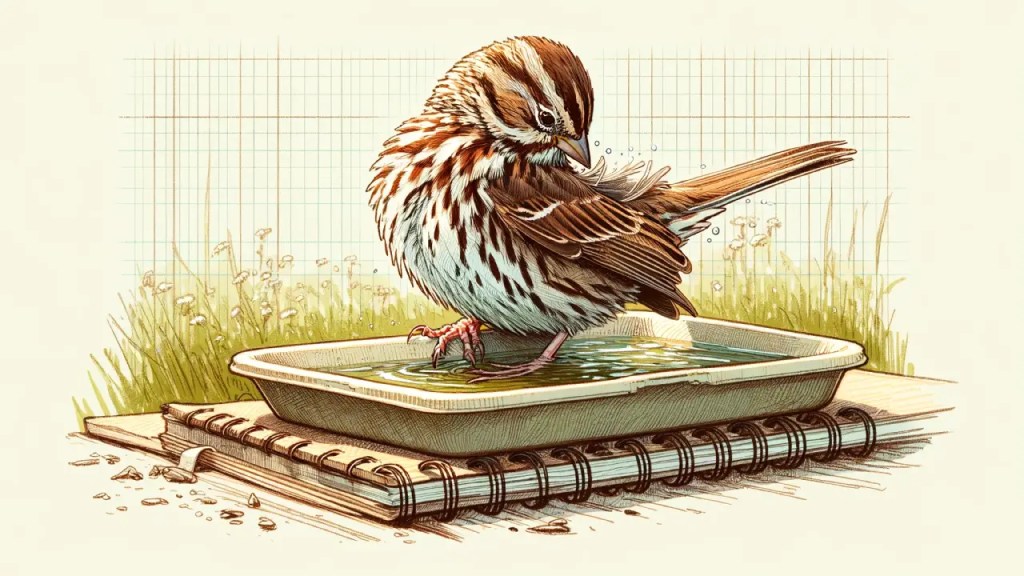
While not as urgent as for more endangered species, conservation efforts for the Song Sparrow remain vital. They underscore the need for holistic approaches to wildlife protection that consider the full spectrum of interactions within ecosystems. By safeguarding the Song Sparrow, we also protect the other species that share its world, preserving the biodiversity essential for a robust and functioning ecosystem.
In the end, the story of the Song Sparrow is a narrative of harmony with the natural world, a reminder of the beauty and complexity of life that surrounds us daily. As we move forward, let the Song Sparrow inspire us to listen more closely to the melodies of the earth, nurture the environments that sustain these songs, and continue our commitment to a world where nature and humanity can flourish in concert. Through understanding and appreciating the Song Sparrow, we celebrate this bird’s place in our world and reinforce our role as stewards of a planet prosperous in life and song.


 Wing Watchers with Wagner
Leave a comment