
Introduction: The Mysterious Mariners of the Night Skies
Hovering over the moonlit waters, far from the nearest shore, the Leach’s Storm-Petrel embodies the enigmatic world of oceanic birds. These avian mariners, seemingly delicate yet incredibly resilient, navigate the complexities of the open ocean with a grace that belies their rugged survival skills. Their nocturnal habits and far-ranging flights have carved a niche in the vast, salty wilderness, playing a crucial role in marine ecosystems.
This article explores the swirling mists that shroud these elusive birds, shedding light on their appearance, nesting habits, diet, and remarkable adaptations that enable them to thrive in some of the planet’s most challenging environments. We’ll also touch on the fun facts that make the Leach’s Storm-Petrel a subject of endless fascination and the conservation efforts crucial to their survival.
With a friendly, laid-back approach, let’s set sail into the world of the Leach’s Storm-Petrel. Whether you’re a seasoned birder, a conservation enthusiast, or simply curious about the natural world, something about these birds captures the imagination, reminding us of nature’s wonders and the mysteries that fly on the night winds over the open sea.
Appearance: Navigating the Night with Grace

At first glance, the Leach’s Storm-Petrel might appear unassuming, its small stature and muted colors blending into the twilight hues of the ocean. But a closer look reveals a bird perfectly adapted to life at sea, where every feather and curve has been shaped by the winds and waves it calls home.
Feathers Cloaked in Moonlight
The plumage of the Leach’s Storm-Petrel is a study in subtlety, with shades of brown, black, and gray cloaking its body. This coloration serves as camouflage against predators and the dark ocean waters. The most distinctive feature is perhaps the white rump patch, visible as they dip and weave above the waves, a beacon in the dim light.
Wings Built for the Breeze
With wingspans stretching up to 20 inches, birds’ wings are long and slender, designed for dynamic soaring and gliding over the ocean. This wing structure allows birds to cover vast distances with minimal energy, a critical adaptation for birds that spend most of their lives at sea.
Eyes in the Night
Adapted to their nocturnal lifestyle, the eyes of the Leach’s Storm-Petrel are large and capable of capturing the slightest glimmers of light. This keen vision aids them in navigating the night skies and spotting their prey in the moonlit waters.
Feet that Dance on Water
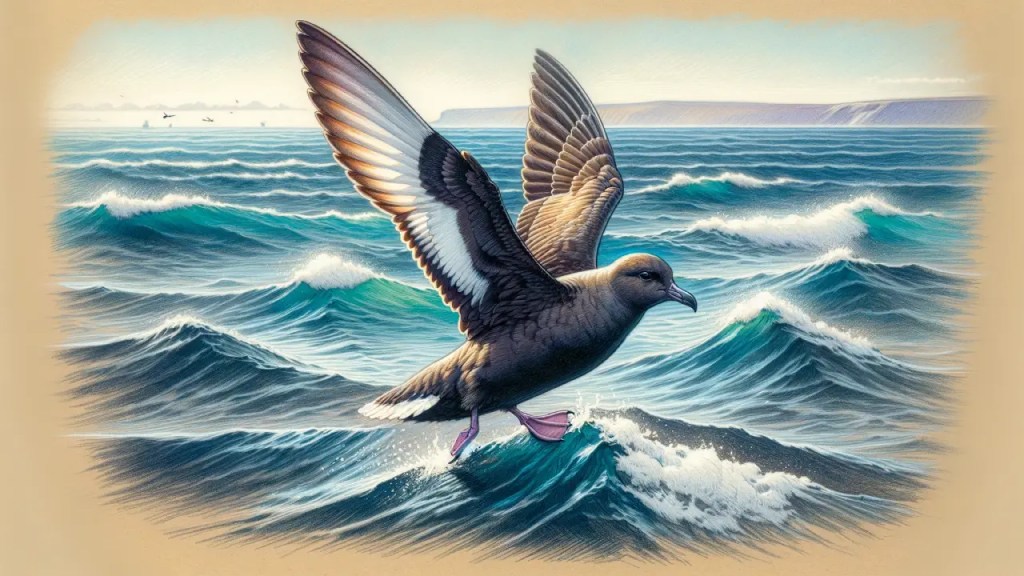
While small, their legs and webbed feet are adept at pattering across the water’s surface, a behavior known as “water walking.” This unique method of foraging, where they skim the ocean surface for food, highlights the seamless connection between the bird and its marine environment.
A Symphony of Senses
Beyond their visual acuity, Leach’s Storm-Petrels possess a highly developed sense of smell, unusual for birds. This olfactory prowess leads them to their prey and is crucial in locating their nesting colonies on pitch-black nights.
The appearance of the Leach’s Storm-Petrel is a testament to the evolutionary artistry that equips these birds for life on the open ocean. From their cryptic plumage to their aerodynamic wings and keen senses, every aspect of their being is honed for survival in the vast, untamed wilderness of the sea.
Nesting Habits: Secrets of the Seabird’s Sanctuary
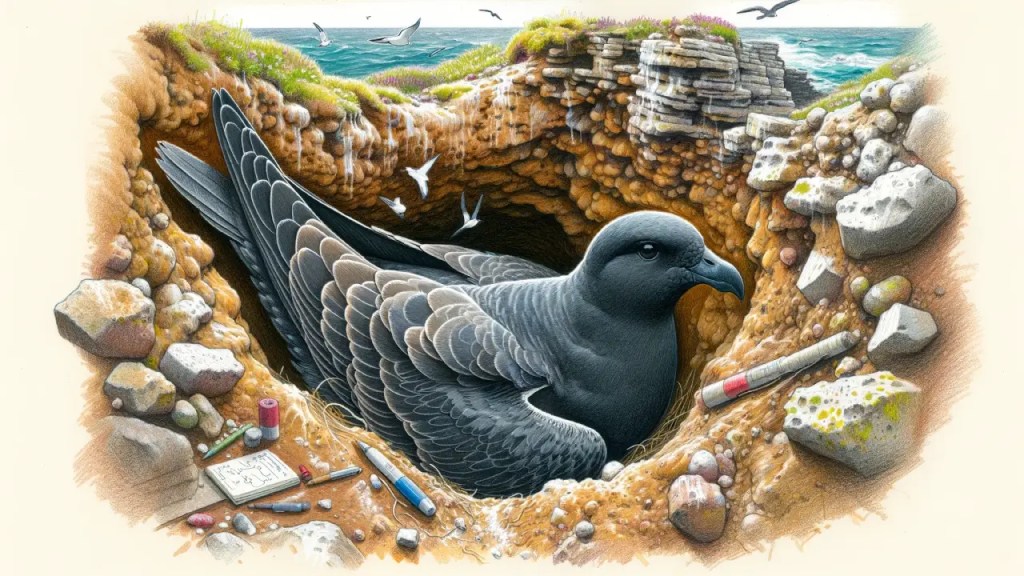
In the remote, often uninhabited islands scattered across the world’s oceans, the Leach’s Storm-Petrel finds its haven for one of the most critical stages of its life cycle: nesting. These birds, known for their elusive nature and mastery of the night skies, exhibit nesting behaviors that are both remarkable and ingenious, ensuring the survival of their offspring in challenging environments.
Island Life for Rearing the Young
The choice of nesting sites is crucial for the Leach’s Storm-Petrel. They favor rocky islands with ample vegetation or loose soil, where they can dig burrows or utilize natural crevices. These secluded spots offer protection from predators and the elements, creating a safe haven for their eggs and chicks. The islands’ remoteness also reduces the risk of human disturbance, which is crucial for successfully rearing their young.
Burrowed Nests for Cozy Clutches
Unlike many birds that build nests in trees or on cliffs, the Leach’s Storm-Petrel excavates burrows in the ground or finds shelter under rocks or in dense vegetation. These burrows, which can extend several feet underground, serve as a cozy, protected environment for their single egg. The choice of burrow nesting minimizes predation risks and provides a stable temperature for egg incubation.
A Parental Partnership
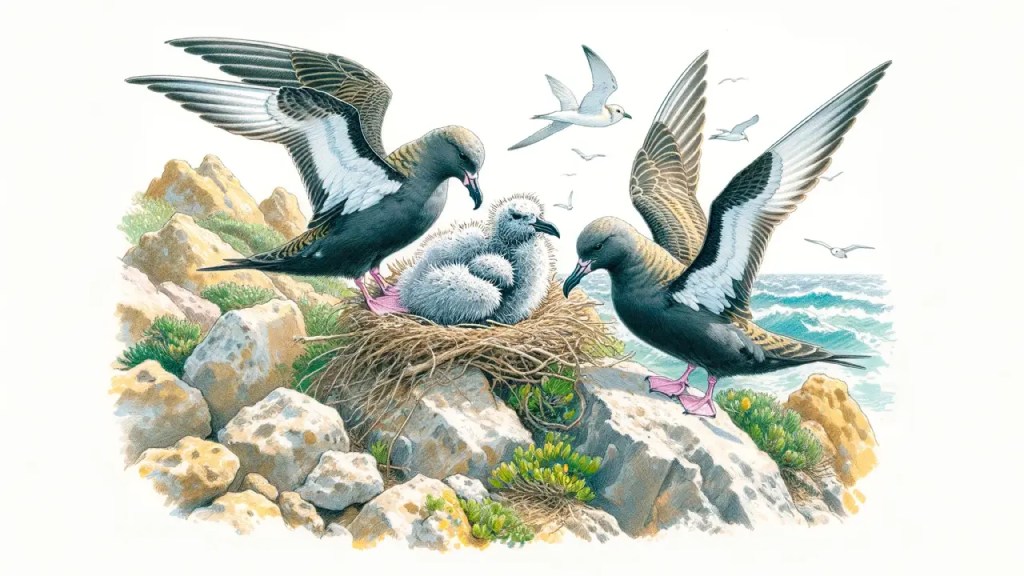
Both parents share the task of incubation, taking turns warming the egg while the other forages at sea. This tag-team approach ensures that the egg is seldom left unattended, maximizing its chances of survival. The incubation period lasts approximately 40 days, a time of tireless dedication from both parents to ensure the continuation of their lineage.
Nocturnal Nurturing
True to their nocturnal nature, all activities around the nest—from changing incubation shifts to feeding the chick once hatched—occur under the cover of darkness. This behavior minimizes predation risks and keeps the location of their vulnerable offspring a closely guarded secret.
Feeding the Future
Once the chick hatches, the parents’ work shifts to feeding their voracious offspring. They fly to sea, often covering hundreds of miles, searching for small fish, squid, and crustaceans. The food is stored in their stomachs and regurgitated for the chick upon return. This rich, oily meal provides the necessary nutrients for the chick to grow quickly, preparing it for its eventual journey to the sea.
Fledging and Beyond
After approximately 60 days of rapid growth, fueled by its parents’ nutrient-rich diet, the chick is ready to fledge. Under the cover of night, it embarks on its maiden voyage to the sea, instinctively drawn to the ocean, where it will spend most of its life.
The nesting habits of the Leach’s Storm-Petrel are a marvel of adaptation and resilience. From selecting remote islands as their breeding grounds to the construction of underground burrows and the nocturnal care of their young, each aspect of their nesting behavior is a testament to the lengths these birds go to ensure the survival of their species. In the quiet solitude of their nesting sites, the next generation of storm-petrels prepares to take to the skies, continuing the cycle of life that has persisted for millennia in the open oceans.
Favorite Foods: Sustenance of the Sea’s Nomads
The Leach’s Storm-Petrel, a master navigator of the night, thrives in the open ocean, a habitat as bountiful as it is challenging. These birds’ diets are finely tuned to the marine environment’s resources, showcasing remarkable adaptability and an intimate connection with the sea. Let’s dive into the dietary preferences that fuel these long-distance flyers.
A Diet Refined by the Ocean
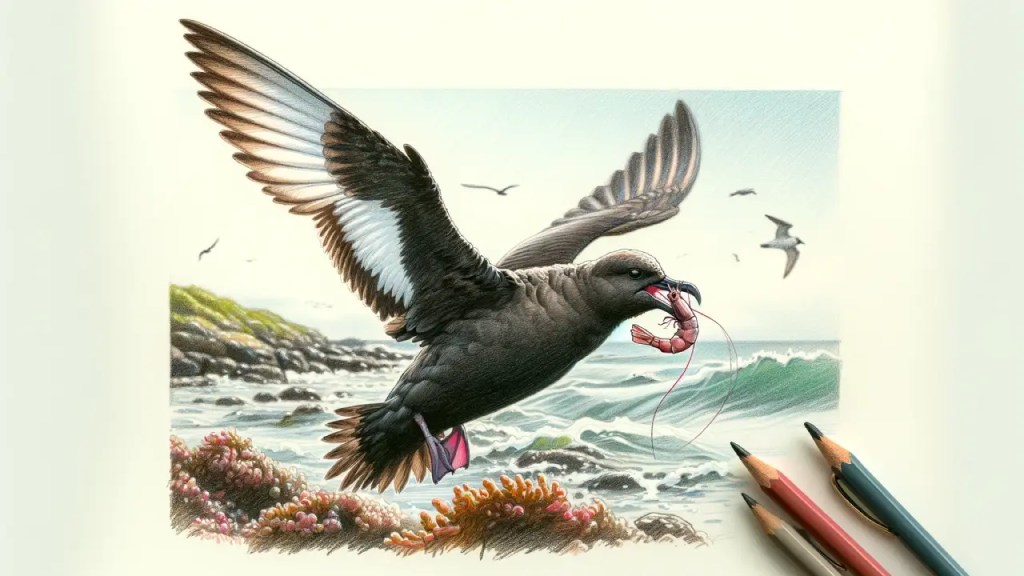
The Leach’s Storm-Petrel primarily feeds on various small fish, squid, and crustaceans that populate the ocean’s surface at night. These items constitute a rich, high-protein diet that supports their energetic needs, particularly during breeding seasons and long migratory journeys. The petrels are adept at picking their meals from just below the water’s surface, seldom needing to dive deep.
Surface Skimming Specialists
Utilizing the cover of darkness, Leach’s Storm-Petrels employ a feeding technique known as surface skimming. They flutter close to the water’s surface, pattering lightly on the waves with their feet, which allows them to snatch up plankton, small fish, and other marine invertebrates. This feeding method is energy-efficient and crucial for a bird that spends most of its life on the wing.
Plankton

Among the myriad of foods they consume, plankton plays a significant role in the storm-petrel’s diet. These microscopic organisms are abundant in the ocean and provide a steady food source for the petrels as they traverse vast distances. Plankton’s availability makes it a reliable resource, especially in nutrient-rich waters where upwellings occur.
The Importance of Lipids
The high lipid content of many marine organisms, such as copepods and krill, is particularly beneficial for the Leach’s Storm-Petrel. These fats are not only a dense energy source but are also crucial for developing their young. The oily nature of their prey helps them accumulate energy reserves that sustain them during fasting or extensive flight periods.
Adaptations for a Saline Diet
Living on a diet sourced almost entirely from the sea, the Leach’s Storm-Petrel has developed physiological adaptations to cope with the high salt content of its food. Specialized glands near its eyes help excrete excess salt, a trait shared with other seabirds, ensuring that its diet does not lead to dehydration or salt imbalance.
A Key Player in Marine Ecosystems
Leach’s Storm-Petrels play a vital role in the marine food web through their feeding habits. They help control the plankton population and tiny aquatic organisms, contributing to the ecological balance. Moreover, their wide-ranging foraging patterns help disperse nutrients across different parts of the ocean, aiding in the overall productivity of marine ecosystems.
The favorite foods of the Leach’s Storm-Petrel underscore their profound connection to the marine world. Their diet reflects the abundance and diversity of life hidden beneath the waves, a testament to the intricate web of life that sustains these enigmatic birds on their nocturnal voyages.
Fun Facts: Unveiling the Mysteries of the Leach’s Storm-Petrel

The Leach’s Storm-Petrel, a bird of the open ocean and the night sky, carries a trove of fascinating secrets and surprising behaviors that underscore its unique place in the natural world. These facts entertain and deepen our appreciation for these resilient seabirds.
Masters of Long-Distance Flight
The Leach’s Storm-Petrel has an incredible range, with some individuals traveling thousands of miles across the ocean searching for food or during migration. Despite their small size, they are among the animal kingdom’s most enduring flyers, capable of navigating vast distances without rest, using the wind and waves to their advantage.
Nocturnal Navigators
Unlike many birds, Leach’s Storm-Petrels are predominantly nocturnal. They have adapted to feed and migrate under the cover of darkness, which helps them avoid predators and exploit the night’s cooler temperatures. This nocturnal lifestyle is facilitated by their exceptional night vision and sensitivity to moonlight and starlight.
A Scent for Survival
One of the most remarkable abilities of the Leach’s Storm-Petrel is its use of smell to locate food and navigate. It can detect the faint odor of plankton and fish oils on the water’s surface, guiding it to feeding grounds over the open ocean—a rare trait among birds that showcases its evolutionary adaptation to life at sea.
The Symphony of Storm-Petrels
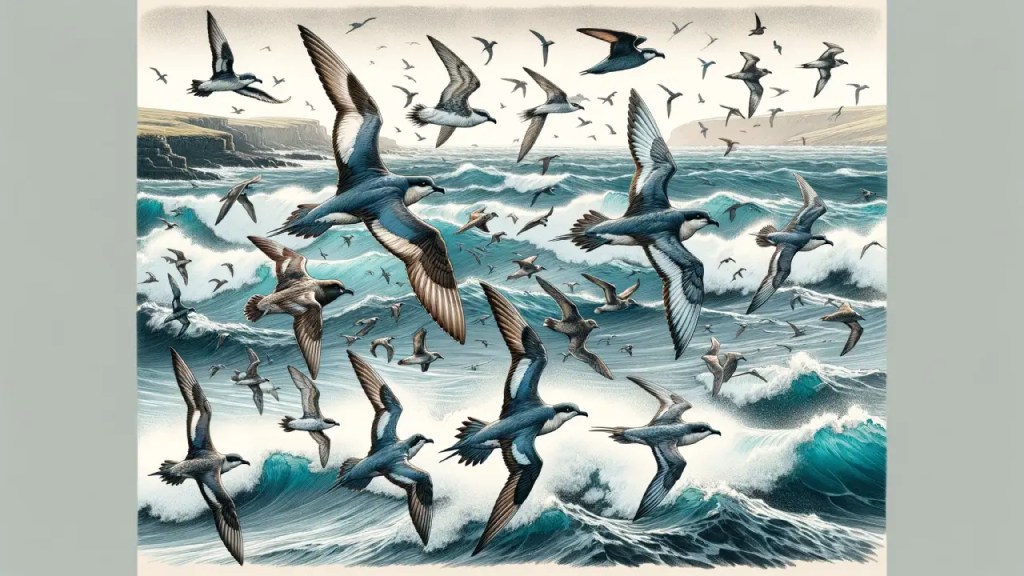
The vocalizations of the Leach’s Storm-Petrel are as eerie as they are enchanting. During the breeding season, colonies become a hub of activity, with birds communicating through chatters, purrs, and whistles. These sounds, often heard at night as they return to their burrows, add an audible mystique to their nesting sites.
Burrowed Beneath
The nesting habits of the Leach’s Storm-Petrel are as intriguing as their open-sea lifestyle. They nest in burrows dug into soft soil or in natural crevices, where they lay a single egg. This underground nesting strategy protects their young from predators and the elements, illustrating their ingenuity in ensuring the next generation’s survival.
An Unfortunate Impact
While feeding on the ocean’s surface, Leach’s Storm-Petrels inadvertently ingest small amounts of plastic and other marine debris, highlighting the growing problem of ocean pollution. Their presence and the contents of their stomachs serve as indicators of the health of marine ecosystems and the impact of human activity on the ocean.
A Legacy of Legends
The Leach’s Storm-Petrel has been shrouded in maritime lore and legend for centuries. Sailors once believed that these birds, appearing out of nowhere in the open sea, were the souls of lost seamen, guiding ships to safety or warning them of impending storms.
These fun facts about the Leach’s Storm-Petrel peel back the curtain on a world that is often out of sight, revealing the extraordinary lives of these birds that roam the night skies above the ocean. Their existence reminds us of the wonders beyond the shore, in the vast blue wilderness that covers our planet.
Conservation Efforts: Safeguarding the Nomads of the Night Seas
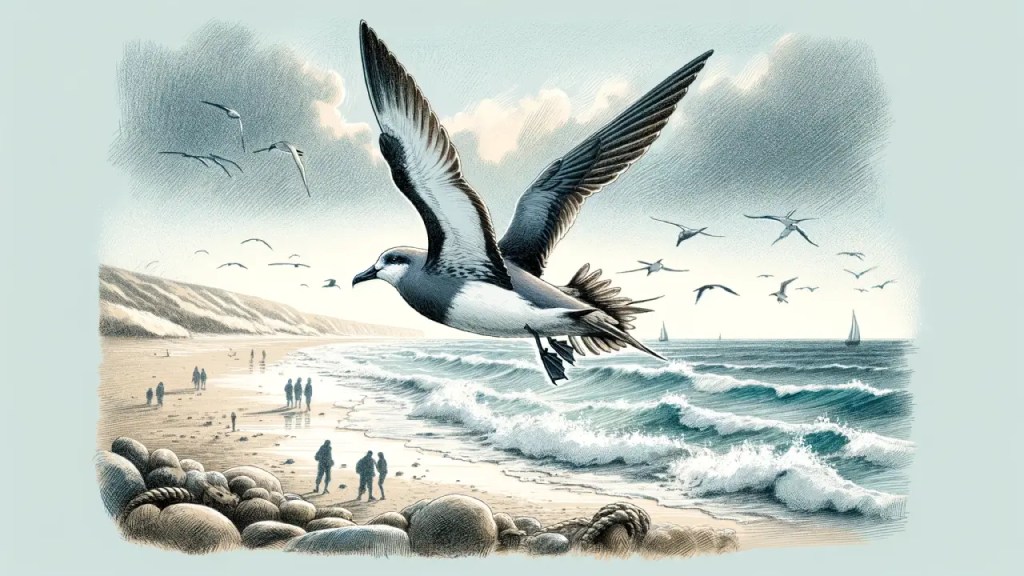
The Leach’s Storm-Petrel, a symbol of the untamed oceanic wilderness, faces numerous threats that challenge its survival. These threats include habitat destruction, pollution, and climate change. Yet, through dedicated conservation efforts, there is hope for protecting these remarkable birds and the vast marine habitats they inhabit.
Protecting Breeding Grounds
A critical focus of conservation efforts is the protection of nesting sites. Many Leach’s Storm-Petrels return to the same remote islands each year to breed, making these sites crucial for their reproductive success. Conservationists work to protect these areas from human disturbance and introduced predators, such as rats and feral cats, which can decimate petrel populations. Establishing protected areas and implementing predator control programs are vital to ensure safe breeding grounds.
Tackling Marine Pollution
Plastic pollution poses a significant threat to the Leach’s Storm-Petrel, as these birds often mistake small pieces of plastic for food, leading to ingestion and potential harm. Reducing marine pollution involves large-scale initiatives to clean up oceanic garbage patches and campaigns to minimize single-use plastic products. Educating the public about the impact of plastic waste on marine life is also a vital component of these efforts.
Mitigating Climate Change Impacts

The vast ranges traversed by the Leach’s Storm-Petrel are affected by climate change, altering sea temperatures and impacting the availability of food sources. Conservation efforts include advocating for policies that reduce greenhouse gas emissions and researching the impacts of climate change on marine ecosystems. Understanding these effects is crucial for developing strategies to help storm-petrels and other aquatic species adapt to changing conditions.
Research and Monitoring
Ongoing research and monitoring are essential for tracking the population trends of the Leach’s Storm-Petrel and understanding their behavior and ecology. Tagging and tracking programs help scientists gather data on migration patterns, feeding behavior, and breeding success, informing conservation strategies and addressing potential threats.
Community Involvement and Education
Engaging local communities in conservation efforts is critical, especially on islands where storm-petrels breed. Educational programs highlighting these seabirds’ importance to the health of marine ecosystems can foster a sense of stewardship and encourage participation in conservation activities. Community-led initiatives, such as beach clean-ups and habitat restoration projects, contribute to preserving storm-petrel populations.
International Cooperation
Given the migratory nature of the Leach’s Storm-Petrel, international cooperation is vital for their conservation. Agreements and partnerships between countries along their migratory routes ensure that conservation efforts are comprehensive and practical, addressing threats in breeding and non-breeding areas.
The conservation of the Leach’s Storm-Petrel is a multifaceted endeavor that requires the collaboration of scientists, conservationists, policymakers, and the public. By addressing the threats these birds face and protecting the marine environments they depend on, we can ensure that the night skies over our oceans continue to be graced by the silhouettes of these extraordinary seabirds.
Conclusion: Charting a Course for Conservation

With its ethereal presence and tenacious spirit, the Leach’s Storm-Petrel reminds us of the vast, interconnected web of life that spans our oceans. These birds, navigating the night skies with ancient wisdom, encapsulate the beauty and mystery of the natural world. Their story is one of resilience, a testament to the incredible adaptability of wildlife in the face of ever-changing environments.
Yet, as we’ve discovered, the Leach’s Storm-Petrel’s future could be more secure. The threats of habitat loss, pollution, and climate change loom large, challenging their survival. It’s a stark reminder that the fate of these seabirds, and countless other species, rests in our hands. Large and small conservation efforts offer hope, charting a course toward a sustainable future where humans and wildlife thrive harmoniously.
Embracing our role as stewards of the Earth, we’re called to action—to protect, preserve, and advocate for the delicate balance of life. The Leach’s Storm-Petrel’s continued flight across our night skies depends on our choices today, the policies we implement, and the conservation practices we adopt.
Let’s find the inspiration to safeguard the natural world in the whispers of the night wind and the rustle of ocean waves. Together, we can ensure that Leach’s Storm-Petrel and its myriad of life endures for generations, a living symbol of our commitment to the planet’s future.



 Wing Watchers with Wagner
Leave a comment