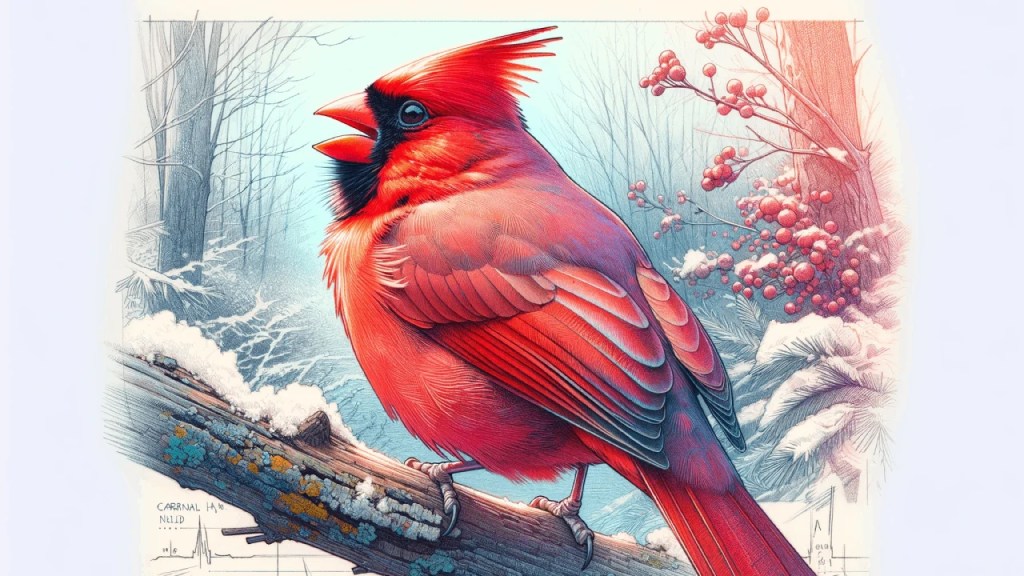
Introduction: The Vibrant Visitor in Your Backyard
Step outside on a crisp winter morning or a sunny summer day, and you might be greeted by a flash of brilliant red flitting through the trees. The Northern Cardinal, a bird synonymous with American backyards as apple pie is with American cuisine, brings color and song to our lives, brightening even the grayest days. Known for its vivid plumage and cheerful tunes, the cardinal has a way of capturing our attention and our hearts.
This article invites you to explore the world of the northern cardinal, from its striking appearance that sets it apart to its unique feeding habits, favorite foods, and delightful quirks that endear it to bird enthusiasts everywhere. We’ll also touch on the importance of conservation efforts to ensure that future generations can continue to enjoy the presence of these vibrant birds in their natural habitats.
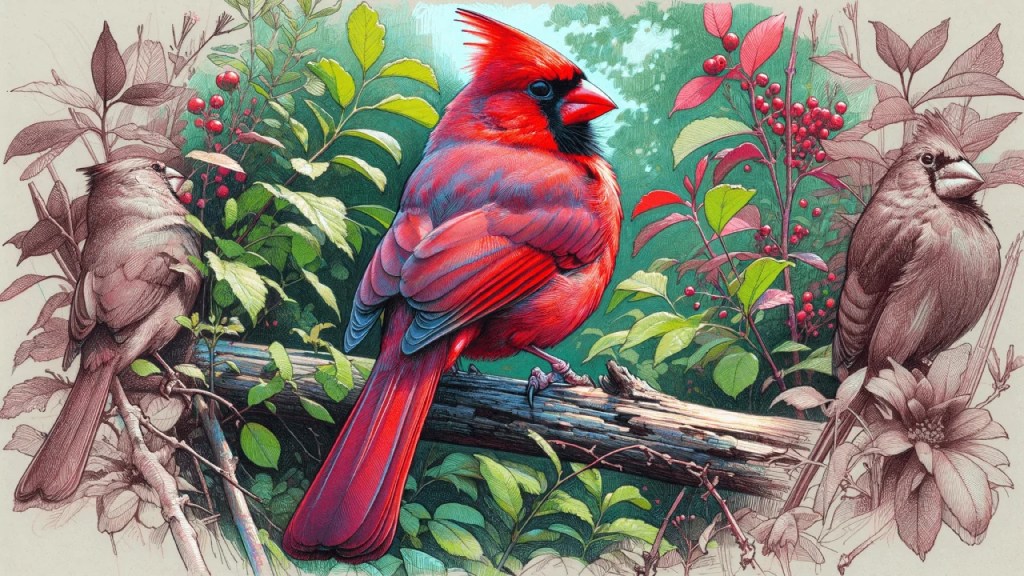
With a friendly, laid-back approach, we’ll peel back the layers of the cardinal’s life, offering insights into how they live and thrive in diverse environments across North America. Whether you’re a seasoned birdwatcher or simply someone who enjoys the occasional bird sighting from your window, join us on this journey into the life of the Northern Cardinal. It’s a story of resilience, beauty, and the simple joys nature brings to our everyday lives.
Appearance: A Flash of Crimson
The Northern Cardinal is nature’s vivid masterpiece, a bird that captures the eye with its brilliant plumage and holds the gaze with its stately grace. Among the avian world’s most recognizable species, the cardinal’s appearance is not just a matter of beauty; it’s a signal, a standout feature that speaks to its unique place in bird lore and ecosystems alike.
Brilliant Plumage
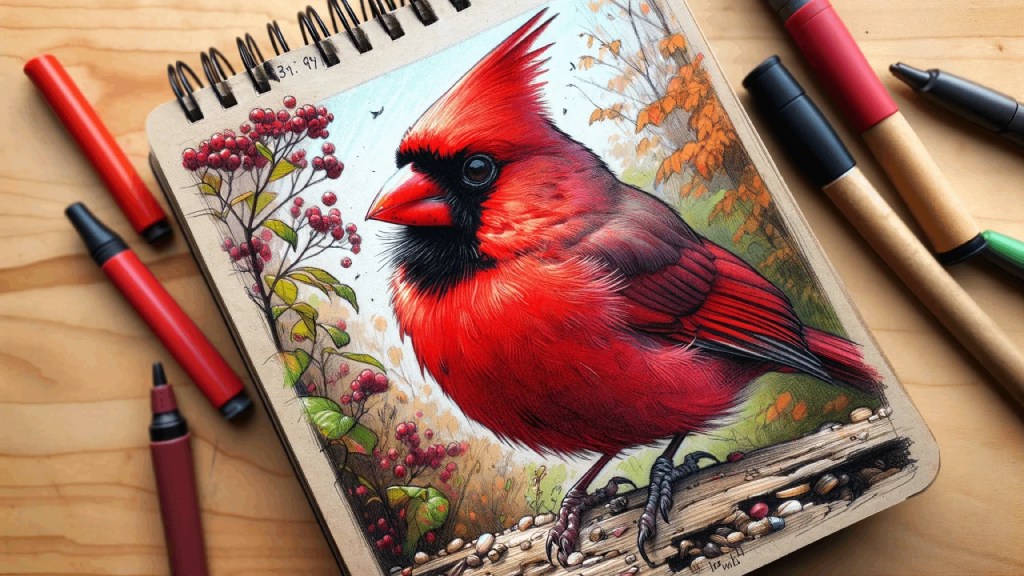
The male Northern Cardinal is celebrated for its vibrant red feathers, a color so deep and rich it seems to glow against the backdrop of its natural environment. This striking hue covers the bird from its crest to its tail feathers, interrupted only by a black mask that adorns its face, enhancing the intensity of its red. The female, while more subdued in color, sports a warm tan or light brown plumage, elegantly accented with touches of red on her wings, tail, and crest, showcasing a different kind of equally captivating beauty.
Distinctive Features
Beyond their color, cardinals are known for their prominent crests and strong, conical beaks. The crest, which can be raised or lowered depending on the bird’s mood, adds an extra layer of expressiveness to their appearance, while the beak, perfect for cracking seeds, highlights their adaptability to their preferred diet. These physical traits, combined with a long tail and an upright posture, lend the cardinal an air of nobility.
Variations Across Seasons and Regions
While the Northern Cardinal’s coloration is generally consistent, subtle variations can occur based on age, region, and the changing seasons. Juveniles start with a more muted plumage, gradually acquiring their full coloration as they mature. Additionally, the vibrancy of the males’ red can vary, influenced by factors such as diet and habitat quality, illustrating the cardinal’s direct connection to its environment.
A Sight Across Seasons
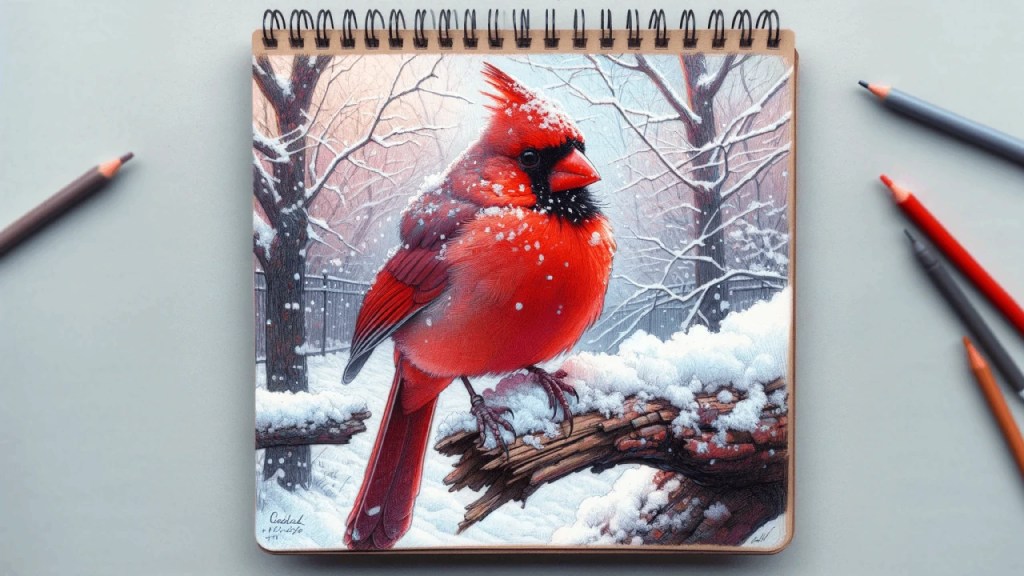
One of the cardinal’s most beloved traits is its year-round presence, bringing color to the landscape every season. In winter, the male’s red against a backdrop of snow is a breathtaking contrast, while in the lush green of summer, both males and females add to the vibrancy of gardens and woodlands. This enduring presence makes the cardinal a constant companion for bird watchers and nature lovers.
More Than Just a Pretty Face
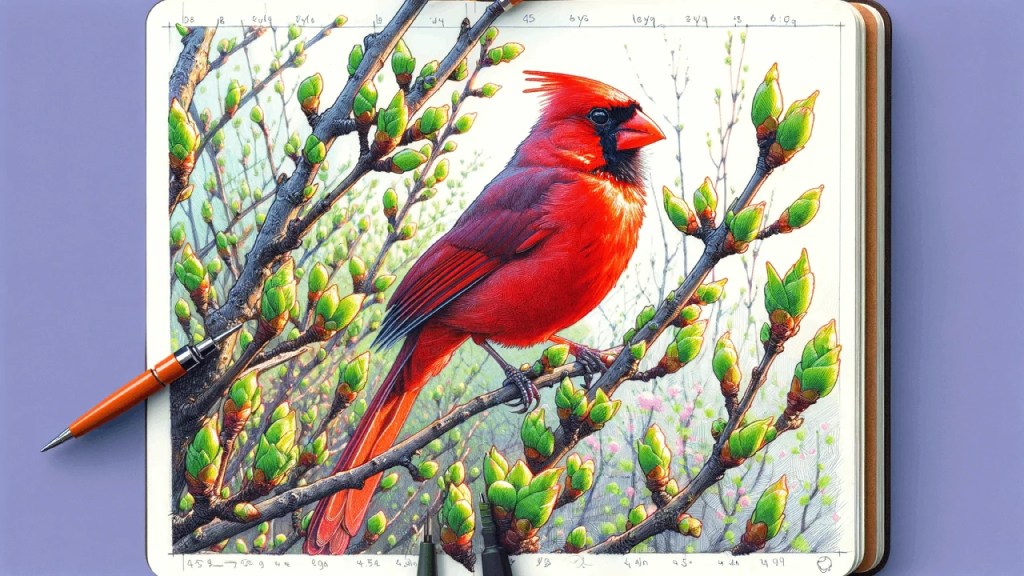
The Northern Cardinal’s appearance plays a significant role in its behavior and breeding. The male’s bright coloration is not just for human admiration but serves as a signal of health and vitality, attracting mates and deterring rivals. On the other hand, the female’s more camouflaged plumage helps protect her while nesting, illustrating the intricate balance between beauty and survival.
Observing the northern cardinal invites us to appreciate its aesthetic pleasure and the deeper connections it embodies to its habitat, survival strategies, and role in the broader ecosystem. With its flash of crimson and serene demeanor, this bird reminds us of nature’s simple joys and the wonders that await in our backyards.
Feeding Habits: The Cardinal’s Culinary Choices
Amid the verdant foliage or a snowy landscape, the Northern Cardinal is an active forager, its dietary preferences as varied as the seasons. With its sharp, conical beak, this bird is perfectly equipped to crack open seeds, which form the cornerstone of its diet. Yet, the cardinal’s menu is far from monotonous, reflecting a flexibility that ensures its survival across the diverse environments it calls home.
Seed Specialists with a Twist
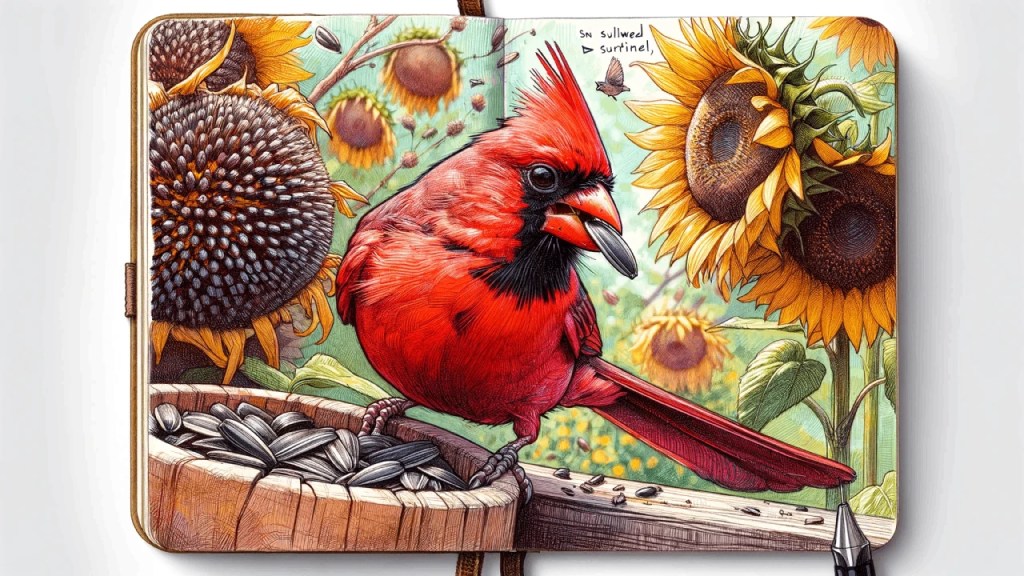
The cardinal’s strong beak is its most valuable tool in accessing various seeds, from sunflower to safflower and everything in between. However, their diet is not limited to seeds alone. They are opportunistic feeders, adapting their food intake to what’s available, including fruits and insects, demonstrating a dietary diversity key to their adaptability.
Insects and Invertebrates
With the arrival of spring and the thaw of the last frost, the cardinal’s diet shifts to include more insects and invertebrates. Beetles, cicadas, grasshoppers, and snails become valuable protein sources, especially crucial during the breeding season when the energy demand is at its peak. This shift provides the necessary nutrients for the cardinals and their chicks, ensuring a high-protein diet to support their rapid growth.
Fruits and Berries
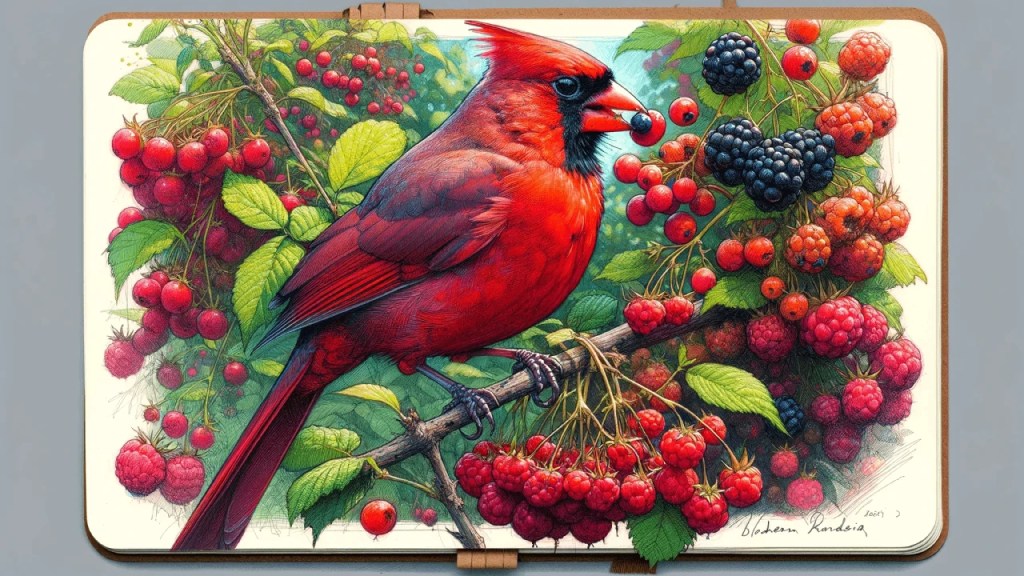
As the seasons turn, cardinals also partake in the bounty of fruits and berries available in their habitat. From the juicy ripeness of wild grapes to the tartness of crabapples, these natural treats offer nourishment and variety to the cardinal’s diet. This consumption of fruits plays a pivotal role in seed dispersal, as cardinals unwittingly become gardeners of their ecosystems, helping to propagate the plants they feed on.
Feeding Throughout the Day
Unlike some birds that may feed intensively during specific periods, the Northern Cardinal is known to forage all day, from the early morning light to the dusky twilight. This behavior maximizes their feeding opportunities and is particularly noticeable in the colder months when food is scarcer and the competition is fiercer.
Backyard Visitors
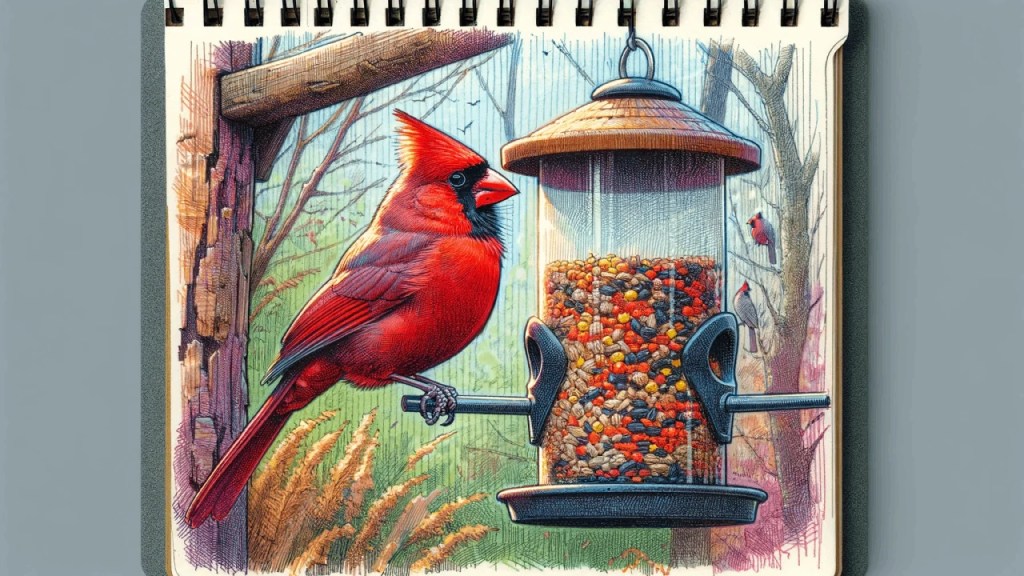
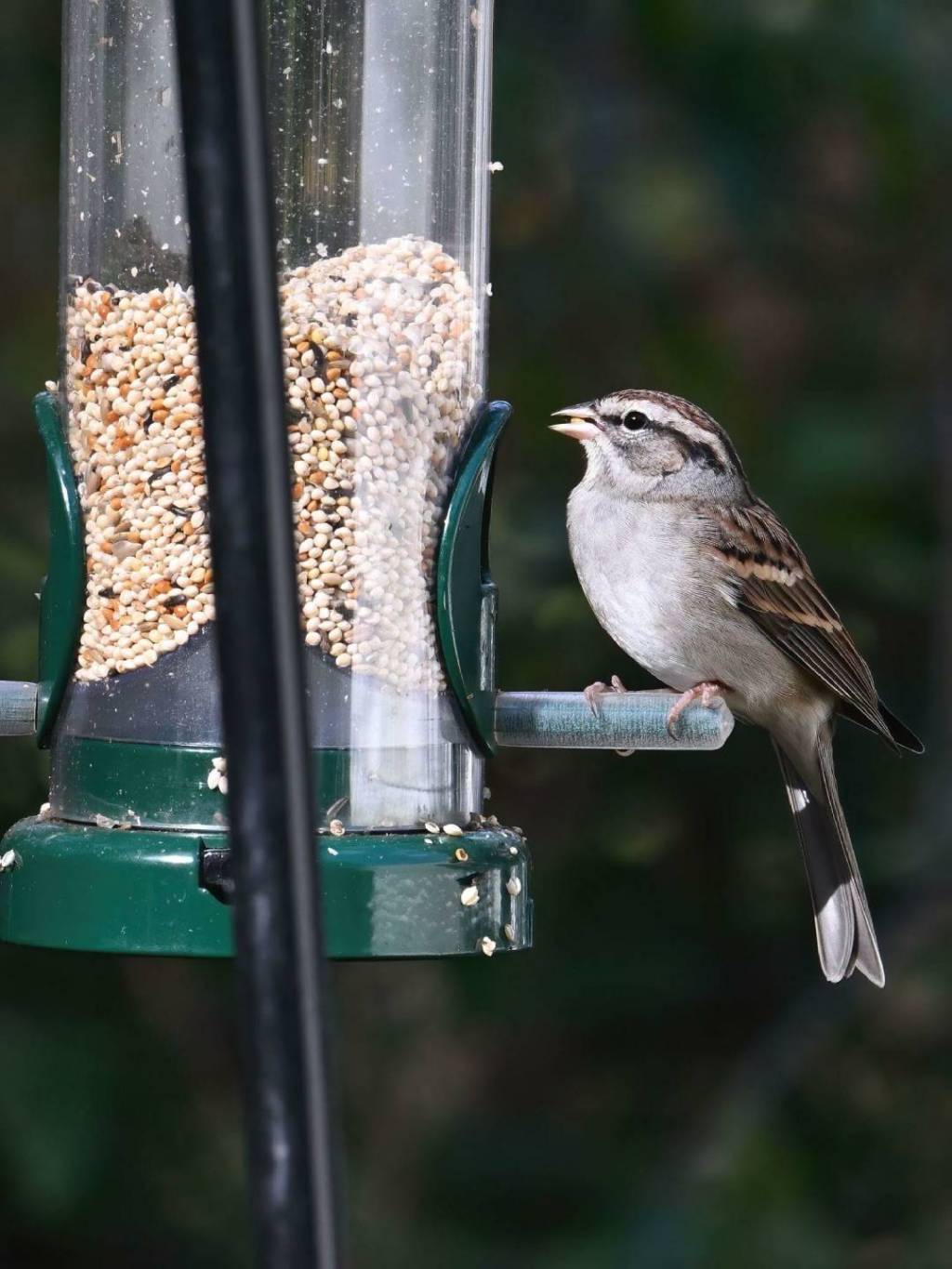
For many, the Northern Cardinal is a welcome visitor to bird feeders, drawn in by the promise of sunflower seeds, cracked corn, or peanut pieces. Their presence adds a splash of color to any backyard and provides a unique opportunity for birdwatching enthusiasts to observe these birds up close. However, it’s crucial for those maintaining feeders to ensure they’re clean and well-stocked, especially in winter, to support the cardinals’ dietary needs. If you’re looking for a new bird feeder, this one is perfect for attracting Northern Cardinals to your backyard.
The northern cardinal’s feeding habits highlight its resilience and integral role in the balance of its ecosystems. Through their diet, cardinals contribute to the control of insect populations, the dispersal of seeds, and the overall health of their habitats. As we continue to explore the life of this remarkable bird, we’re reminded of the complex web of interactions that sustains our natural world.
Favorite Foods: The Cardinal’s Gourmet Preferences
The Northern Cardinal, a familiar and beloved visitor to many a backyard feeder, has a palette reflecting its diverse environment. While seeds form the bedrock of their diet, these birds exhibit a surprising range of culinary preferences that ensure nourishment throughout the year. Understanding these preferences brings us closer to these vibrant birds and guides those wishing to attract them to their yards.
Seeds
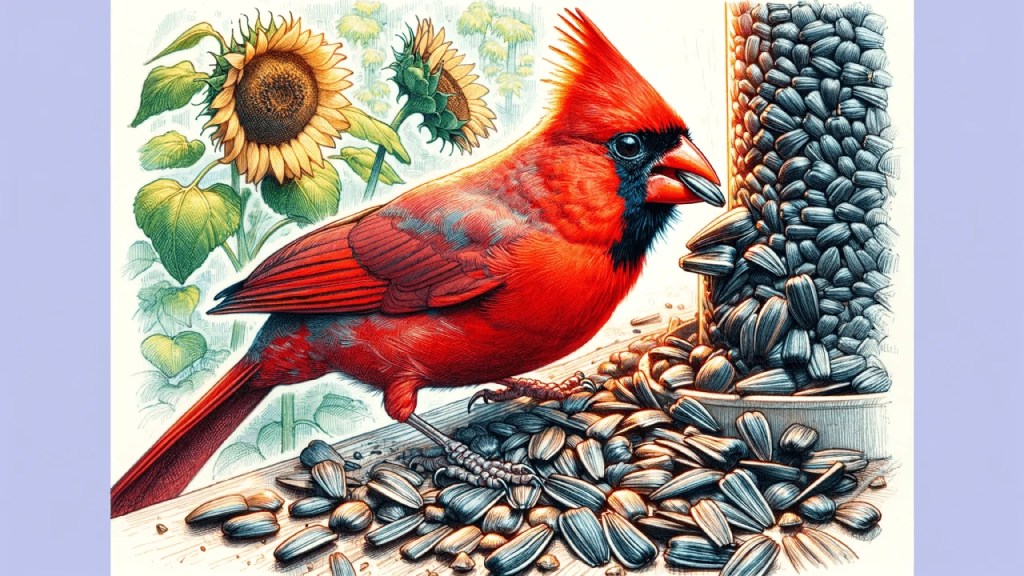
Cardinals show a particular fondness for sunflower seeds, a preference that makes them regulars at bird feeders. Their strong beaks crack open even the most rigid shells effortlessly, granting them access to the nutritious core. With their bitter taste, Safflower seeds are another favorite, notably for their ability to deter less welcome feeder visitors like squirrels. Additionally, cardinals enjoy the seeds of various native plants, emphasizing the importance of planting indigenous flora for those looking to support local bird populations.
Fruits and Berries
Beyond seeds, cardinals are partial to a range of fruits and berries. They are known to feed on the fruits of dogwood, wild grapes, and sumac, among others. These foods are particularly crucial during winter when other food sources are scarce. The ingestion and subsequent dispersal of these fruits’ seeds play a significant role in the propagation of these plants, highlighting the cardinal’s role in their ecosystems.
Insects
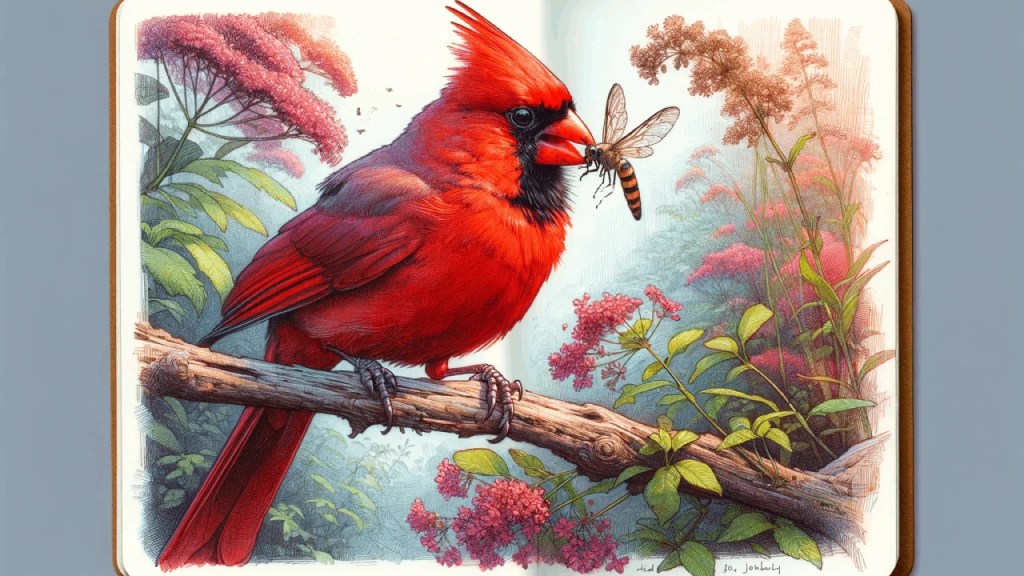
In the warmer months, when seeds are less abundant, cardinals supplement their diet with insects and invertebrates. Caterpillars, beetles, and grasshoppers provide a high-protein snack essential for fledglings’ growth and adult birds’ overall health. This shift towards insect consumption during the breeding season underlines the cardinal’s adaptability and the importance of maintaining a garden that supports a healthy insect population.
Feeding Tactics and Techniques
Cardinals are ground feeders, often seen foraging beneath feeders for fallen seeds or in dense shrubbery for hidden insects and fruits. Their feeding technique involves a quick hop-and-pick motion, allowing them to efficiently gather food while keeping an eye out for predators. This behavior underscores the need for bird-friendly landscaping, including dense bushes and ground cover.
Attracting Cardinals to Your Garden
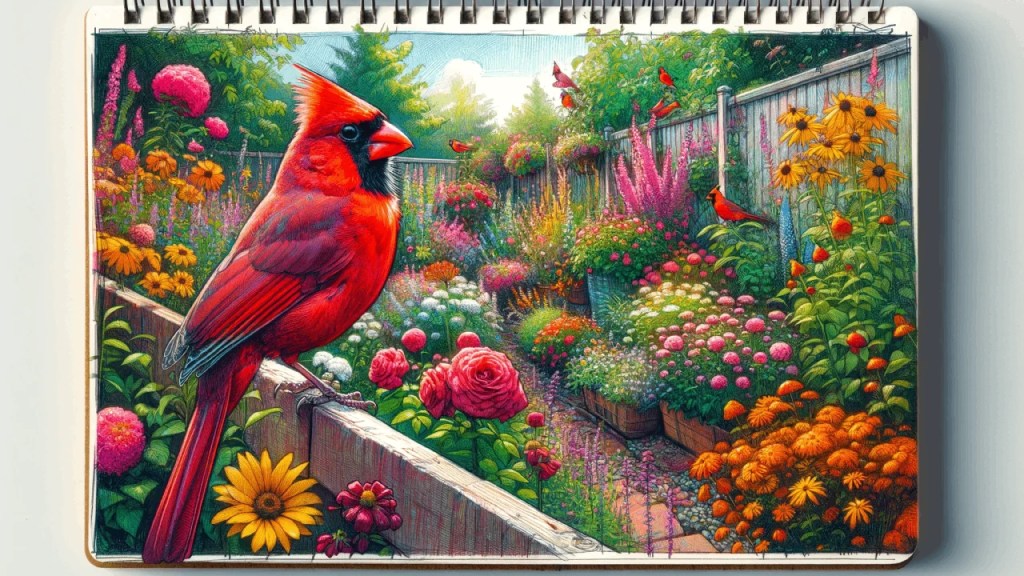
Offering a mix of Northern Cardinals’ favorite foods is a great start for those looking to attract them. Planting berry-producing shrubs and native plants provides a natural food source, while strategically placed feeders filled with sunflower and safflower seeds can supplement their diet. Ensuring a supply of fresh water through birdbaths or shallow dishes further enhances the attractiveness of your garden to these beautiful birds.
Understanding the favorite foods of the Northern Cardinal not only deepens our appreciation for these birds but highlights the interconnectedness of our actions with the well-being of our feathered friends. By aligning our gardening and bird-feeding practices with the cardinal’s dietary needs, we contribute to preserving these vibrant creatures and their ecosystems.
Fun Facts
The Colorful Curiosities of the Northern Cardinal
The Northern Cardinal, a beacon of vibrancy in many North American landscapes, isn’t just a feast for the eyes. This bird is a bundle of surprises, embodying traits and behaviors that fascinate and delight bird enthusiasts and casual observers alike. Let’s explore some of the lesser-known yet utterly fascinating aspects of cardinal life.
Vocal Virtuosos
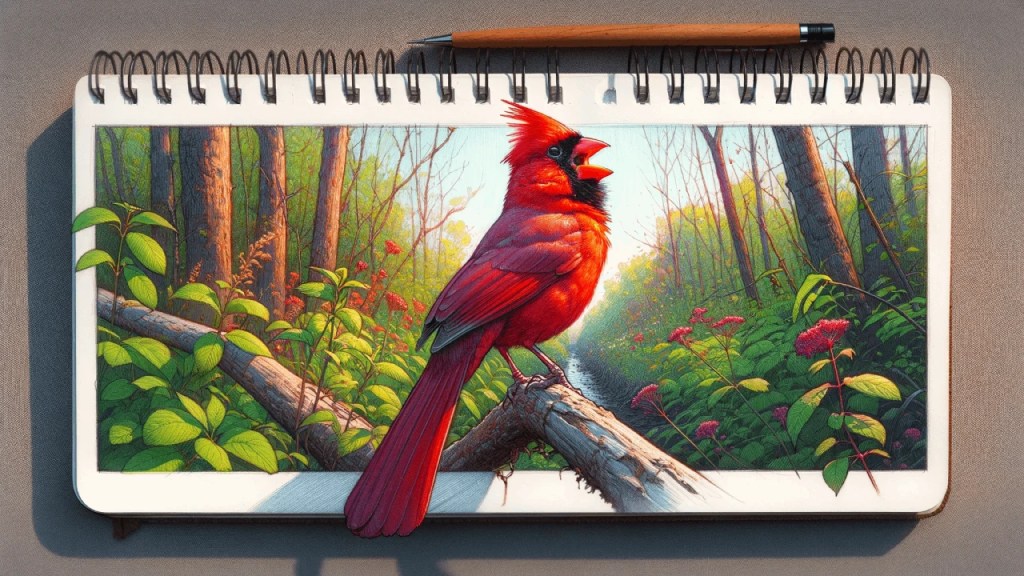
One of the most remarkable traits of the Northern Cardinal is its vocal range. Both males and females sing, a relatively rare trait among songbirds, where typically only males vocalize. Cardinals can have a repertoire of over two dozen different song variations. Females often sing from the nest, possibly communicating with males about food needs or warning them of potential threats.
Year-Round Brilliance
Unlike many birds, cardinals do not molt into dull plumage outside breeding season; they retain their striking colors year-round. This enduring brilliance makes them a symbol of warmth and joy, especially in the starkness of winter months.
Territorial Reflections
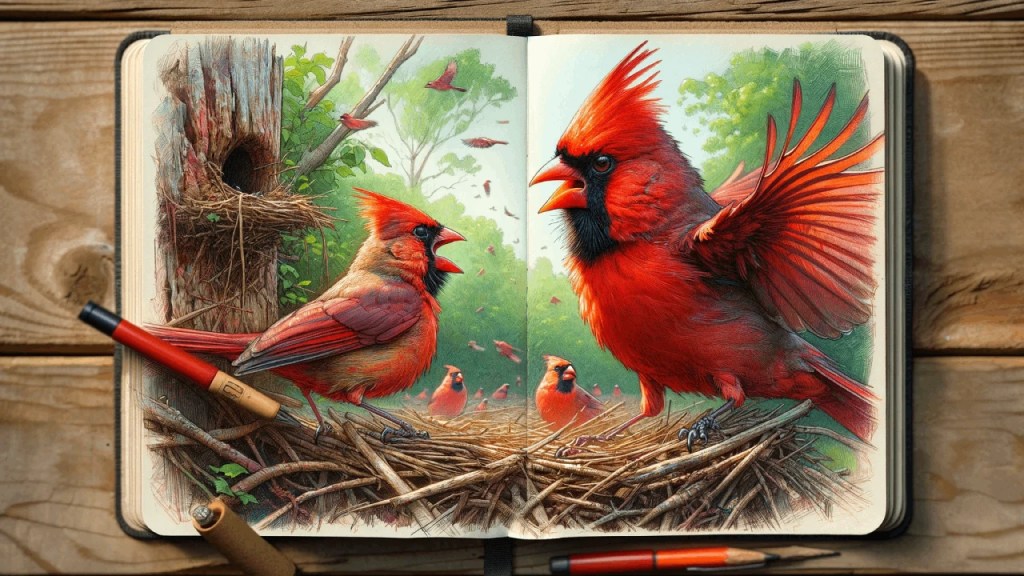
Cardinals are known to be fiercely territorial. An intriguing manifestation is their tendency to attack their reflection during the breeding season, mistaking it for an intruding male. While this behavior is perplexing to humans, it underscores the cardinal’s commitment to protecting its territory.
A Diverse Palette
The Northern Cardinal’s diet makes it a vital part of its ecosystem. By eating a wide range of seeds, fruits, and insects, cardinals help control pest populations and contribute to the dispersal of plant seeds, fostering biodiversity within their habitats.
Mating for Life?
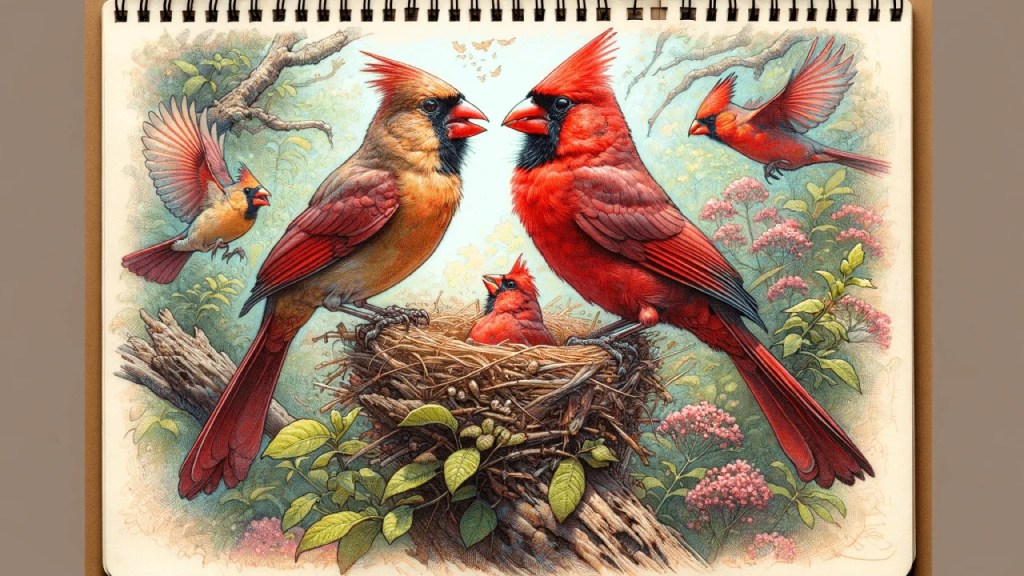
While it’s commonly believed that Northern Cardinals mate for life, the truth is more nuanced. They are monogamous within breeding seasons and often pair up with the same mate across seasons, but changes can occur. If a partner is lost, cardinals will seek a new mate, and occasionally, a cardinal might switch mates between seasons if breeding is unsuccessful.
An Urban Adapter
Northern Cardinals have remarkably adapted to urban environments despite their association with wild landscapes. Their presence in city parks and backyard feeders is a testament to their versatility and resilience in the face of habitat changes. This adaptability has allowed cardinal populations to remain robust, even as other species face challenges.
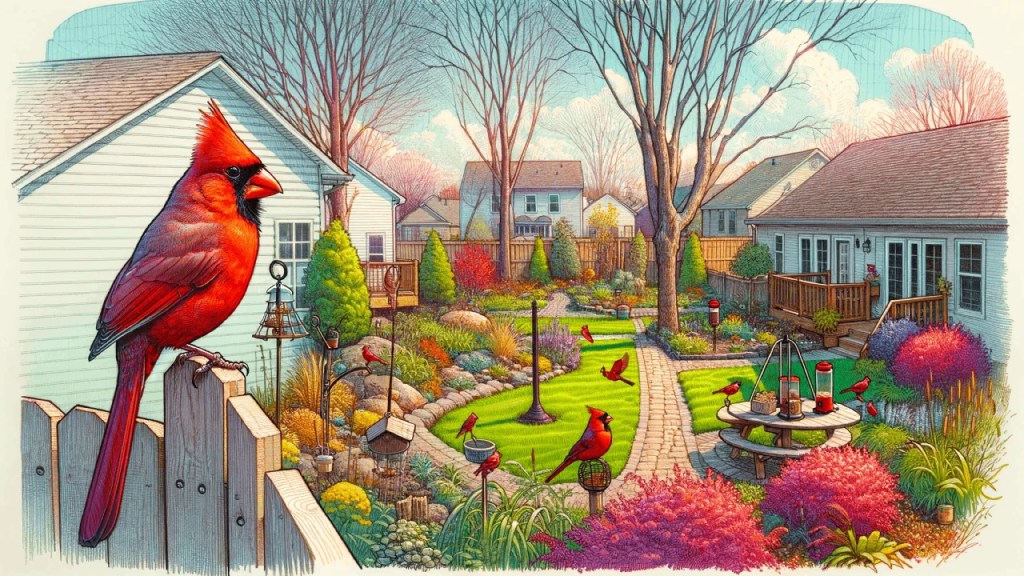
These fun facts peel back the layers of the Northern Cardinal’s life, revealing a creature of complexity, beauty, and resilience. From their captivating songs to their year-round color and beyond, cardinals continue to intrigue and delight us, offering glimpses into the wonders of the natural world right in our backyards.
Conservation Efforts
Protecting the Vibrant Cardinals and Their Habitats
The Northern Cardinal, with its striking appearance and melodious song, holds a special place in the hearts of many. Though currently not under significant threat, maintaining healthy populations of cardinals is closely tied to preserving their natural habitats and ensuring the ecosystems they rely on remain intact. Here are critical conservation efforts and practices that contribute to the well-being of the Northern Cardinal:
Habitat Preservation

The cardinal’s habitat includes thickets, woodland edges, and dense shrubbery, which provide essential cover and nesting sites. Conservation efforts to preserve forests, wetlands, and other natural areas are crucial. Protecting these environments from excessive development and deforestation helps maintain the biodiversity cardinals and different species depend on for survival.
Pesticide Reduction
The widespread use of pesticides can harm cardinals indirectly by reducing their food supply and directly through exposure to toxic chemicals. Promoting organic gardening practices and using natural pest control methods helps protect cardinals and other wildlife from harmful pesticides.
Backyard Sanctuaries
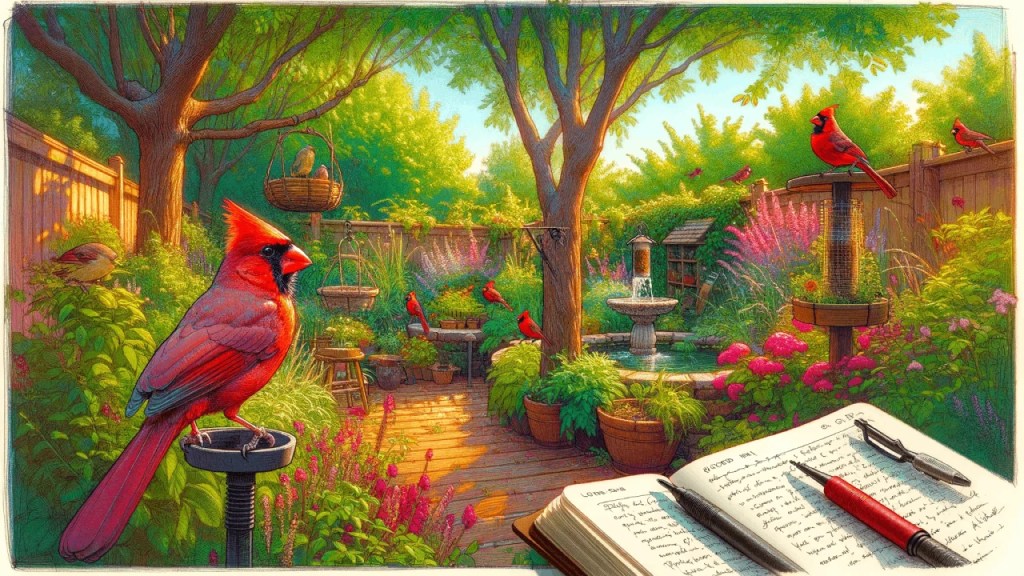
Homeowners can play a direct role in cardinal conservation by creating bird-friendly environments. Planting native trees, shrubs, and flowers that offer natural food sources (seeds and insects) and nesting materials encourages cardinals to thrive in suburban and urban settings. Additionally, providing clean water sources and safe nesting boxes can make backyards a haven for these birds.
Citizen Science and Monitoring
Participating in bird counts and other citizen science projects helps track cardinal populations and health over time. Data collected by volunteers provides valuable insights for researchers and conservationists, helping identify trends and potential threats before they become critical.
Education and Awareness
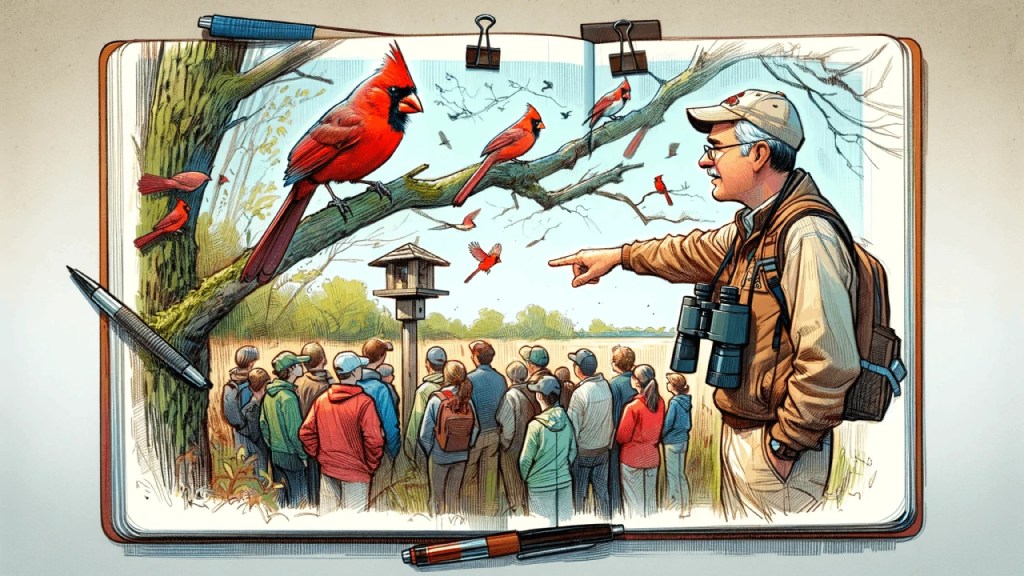
Increasing public awareness about the Northern Cardinal and its ecological role encourages conservation action. Educational programs, workshops, and community events can inspire people to take steps toward bird conservation daily. By understanding these birds’ challenges, communities can come together to implement practices supporting cardinal health and habitat.
Combating Climate Change
The broader challenge of climate change indirectly threatens the Northern Cardinal by altering their habitats and food availability. Supporting policies and practices that reduce greenhouse gas emissions and combat climate change is essential for preserving the cardinal’s natural environment in the long term.
Conservation efforts for the Northern Cardinal highlight a broader commitment to preserving biodiversity and the natural beauty of our world. While cardinals may not be critically endangered, their presence and health are indicators of the overall health of their habitats. By protecting these environments, we ensure the survival of cardinals and the richness and diversity of life for future generations.
Conclusion: A Symphony of Color and Song
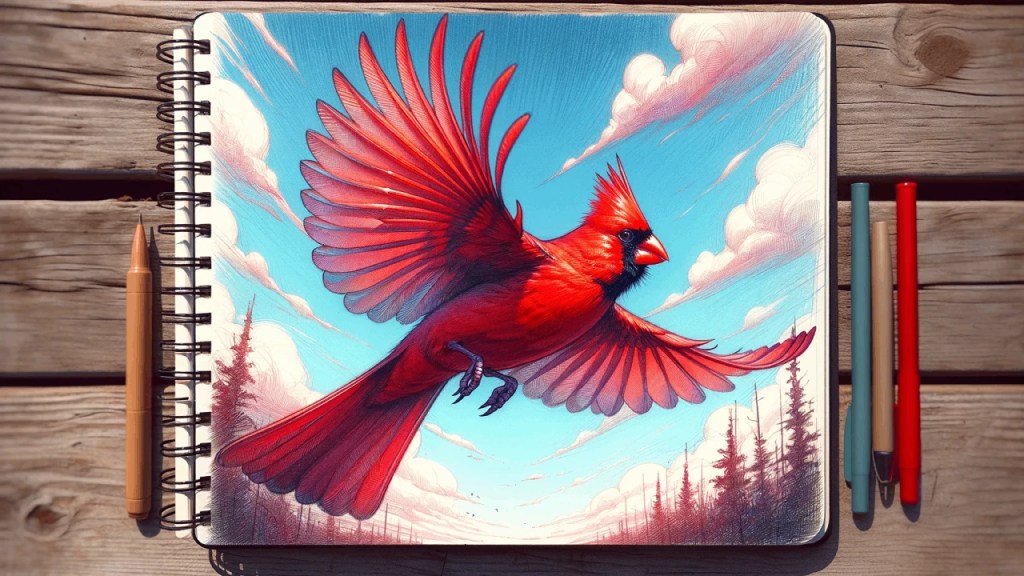
The Northern Cardinal, a beacon of beauty and resilience, reminds us of the wild’s enduring presence in our lives. Its vivid reds and cheerful melodies brighten our days and call us to action in preserving the rich tapestry of life that thrives in our midst. The cardinal’s adaptability and resilience reflect nature’s ability to flourish, even as it faces changing landscapes and climates.
As we close this chapter on the Northern Cardinal, let’s carry forward the lessons it teaches us about beauty, adaptability, and the importance of conservation. By creating spaces that welcome these birds into our gardens and supporting broader environmental protection efforts, we contribute to a world where the cardinal and countless other species can continue to thrive.

Let the cardinal’s song remind us daily of our connection to the natural world and our role in its stewardship. In protecting the habitats and ecosystems that these birds depend on, we ensure their survival and enrich our communities and lives. The Northern Cardinal’s story is our story, woven into the larger narrative of life on Earth—a narrative that we can shape for the better.
In harmony with nature, we can ensure that the Northern Cardinal’s vibrant splash of color and soulful song remains a perennial joy for generations to come, a true symphony of color and music in the heart of our shared world.


 Wing Watchers with Wagner
Leave a comment