
Introduction: The Enigmatic Emissary of Northern Waters
Dive into the world of the Common Loon, a symbol of wild, northern lakes and a testament to the untouched beauty of nature. Known for its haunting calls that echo across calm waters, the loon embodies the spirit of the wilderness areas it inhabits. With a presence that commands attention and a mystique that stirs the imagination, the Common Loon has fascinated people for generations.
This article invites you on a journey to explore the life and lore of this iconic bird. From its striking appearance and intriguing feeding habits to its role in ecosystem health and conservation efforts, we’ll uncover what makes the Common Loon a creature of such enduring fascination. So, whether you’re a seasoned birdwatcher or simply someone who appreciates the wonders of nature, prepare to be enchanted by the story of the loon.
With a friendly, laid-back style, we’ll delve into the details that paint a complete picture of the Common Loon’s life. This bird, more than just a feature of the landscape, plays a critical role in the ecological tapestry of its habitat. Join us as we celebrate the Common Loon, exploring the depths of its existence and the efforts to ensure its calls continue to resonate through the north.
Appearance: The Iconic Look of the North’s Primeval Lakes
The Common Loon’s appearance is as distinctive as its haunting calls. With a size that commands respect and a plumage that mesmerizes, loons are the quintessential symbol of northern wilderness. Let’s look at the features that set these birds apart in the avian world.

Striking Summer Plumage
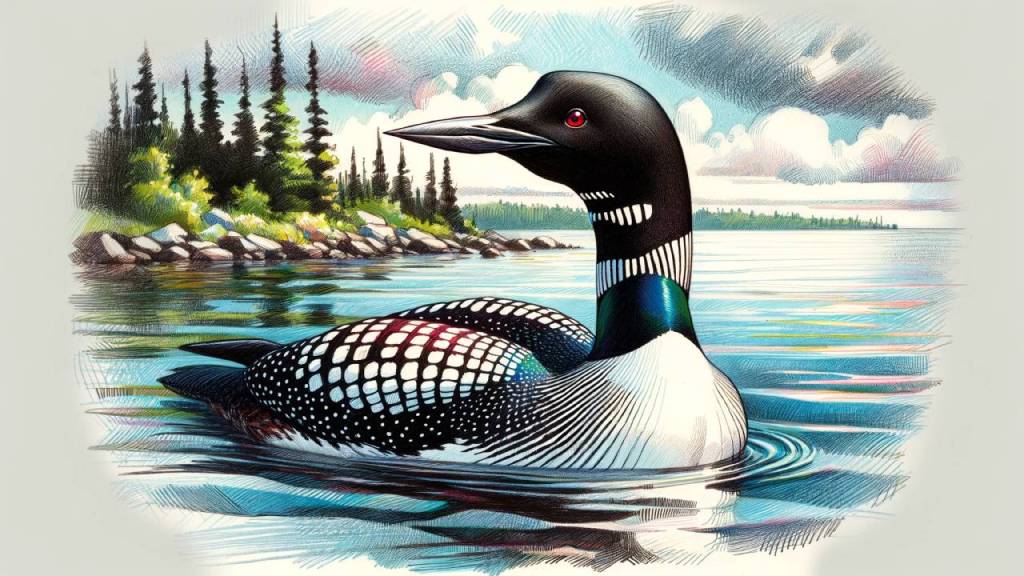
During the breeding season, the Common Loon wears a dramatic black-and-white pattern. Its black head and neck, iridescent with green and purple hues in the right light, contrast sharply with the white collar and checkered back. This striking plumage not only adds to the loon’s mystique but also serves as camouflage among the dappled sunlight of its aquatic habitat.
Winter Transformation
As the seasons change, so does the loon’s appearance. In winter, their plumage shifts to a more subdued palette, with grays dominating their body, making them less conspicuous against the ocean’s open waters where they spend their non-breeding months.
Red Eyes
The most captivating feature of the Common Loon is its red eyes. These ruby gems serve a purpose beyond beauty. They help the loon hunt underwater, improving its vision by filtering out blue and green light, allowing for a sharper focus on prey.

Built for the Water
The loon’s body is a testament to evolutionary adaptation. Its long, streamlined shape and powerful legs positioned towards the back make it an efficient swimmer and diver. On land, however, these characteristics make the loon somewhat awkward, a trade-off for its aquatic prowess.
A Voice That Carries
While not related to appearance, discussion of the loon would only be complete by mentioning its voice. The Common Loon has a variety of calls, each serving different purposes, from warning of predators to communication between mates and signaling location. The haunting beauty of a loon’s call over a still lake is an unforgettable experience, intertwining with its visual identity to create a complete sensory impression.
A Symbol of Wilderness
The overall appearance of the Common Loon, from its striking plumage and red eyes to its sleek, water-adapted body, embodies the wildness of its natural habitat. It’s a bird that carries the story of ancient lakes and untouched landscapes in its very being, a living symbol of the north’s natural heritage.
In observing the Common Loon, we’re given a window into the past, to what wilderness once looked like before the encroachment of civilization. Their appearance is not just a matter of feathers and colors but a reflection of the ecosystems they inhabit, a reminder of the natural world’s beauty and complexity.
Feeding Habits: Masters of the Dive
The Common Loon is a consummate diver, plunging into the depths with a grace and efficiency that belies the effort involved. These birds are underwater hunters, adept at navigating the chilly waters of northern lakes and coastal seas to catch their prey. Their feeding habits offer a glimpse into the loon’s life below the surface, revealing a bird perfectly attuned to its aquatic world.
A Diving Dynamo
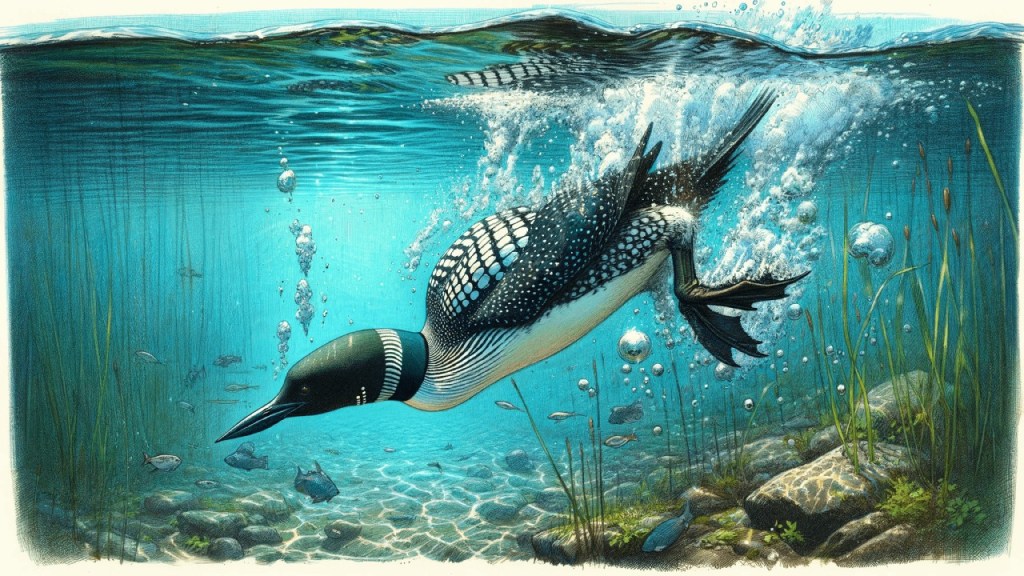
Common Loons can dive up to 200 feet but typically hunt in shallower waters. Using their powerful legs and webbed feet for propulsion, they can stay submerged for up to five minutes, though most dives last less than a minute. The sight of a loon disappearing beneath the water’s surface, only to reappear far off, is a testament to their prowess as divers.
Hunting Technique
Underwater, the loon is an agile predator. Its body, streamlined for minimal resistance, allows it to twist and turn with remarkable agility. Eyes adept at adjusting to the refractive differences underwater spot fish with deadly precision. Once a target is sighted, the loon uses its strong chest muscles to propel itself forward, capturing the fish with its sharp beak.
Dietary Preferences
The diet of the Common Loon is predominantly fish, including pike, trout, bass, and perch, depending on their habitat. However, their diet is not limited to fish; they also consume aquatic invertebrates, such as crayfish and snails, and occasionally, small amphibians and crustaceans. This varied diet is crucial for meeting their nutritional needs throughout the year, especially during the breeding season when energy demands are high.
Feeding the Young
Loon chicks are fed by their parents for the first six weeks of life, receiving small fish and invertebrates. This nourishes the growing chicks and teaches them essential skills for hunting underwater. The care with which parents select and deliver food to their chicks underscores the loon’s investment in the next generation’s survival.
Impact of Feeding Habits on Habitat

The feeding habits of the Common Loon have a direct impact on their choice of habitat. Loons require clear, unpolluted waters rich in fish and other aquatic life. The health of loon populations is often an indicator of the overall health of their aquatic ecosystems, reflecting the quality of the water and the abundance of prey.
The Common Loon’s feeding habits are a marvel of adaptation and efficiency, showcasing a bird perfectly evolved for a life of hunting beneath the water’s surface. Their ability to dive deep, navigate with precision, and capture prey is a testament to the loon’s role as a top predator in its environment. As we delve deeper into the life of the Common Loon, we gain a greater appreciation for these birds, not just as icons of the northern wilderness but as vital participants in the ecological balance of their habitats.
Favorite Foods: The Aquatic Menu of the Common Loon
The diet of the Common Loon is as varied as the lakes and waterways it calls home. These birds are adept hunters, diving deep into the water to catch a wide range of prey. Their preference for certain foods speaks to their dietary needs and the rich biodiversity of their habitats. Here’s a closer look at the gourmet spread beneath the waves that the Common Loon enjoys.
Fish
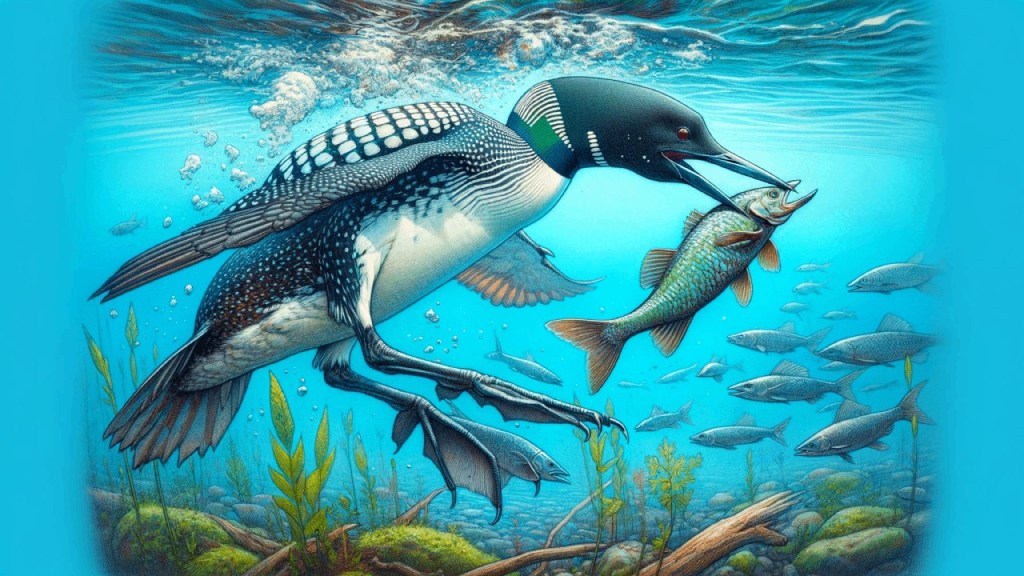
Fish comprise the majority of the Common Loon’s diet. Their favored fish species include perch, sunfish, trout, and bass, abundant in many northern lakes. The loon’s method of hunting fish—diving and pursuing them underwater—is a spectacle of natural agility and precision. The size of the fish they catch can vary, with larger loons capable of tackling sizable prey.
Amphibians and Invertebrates
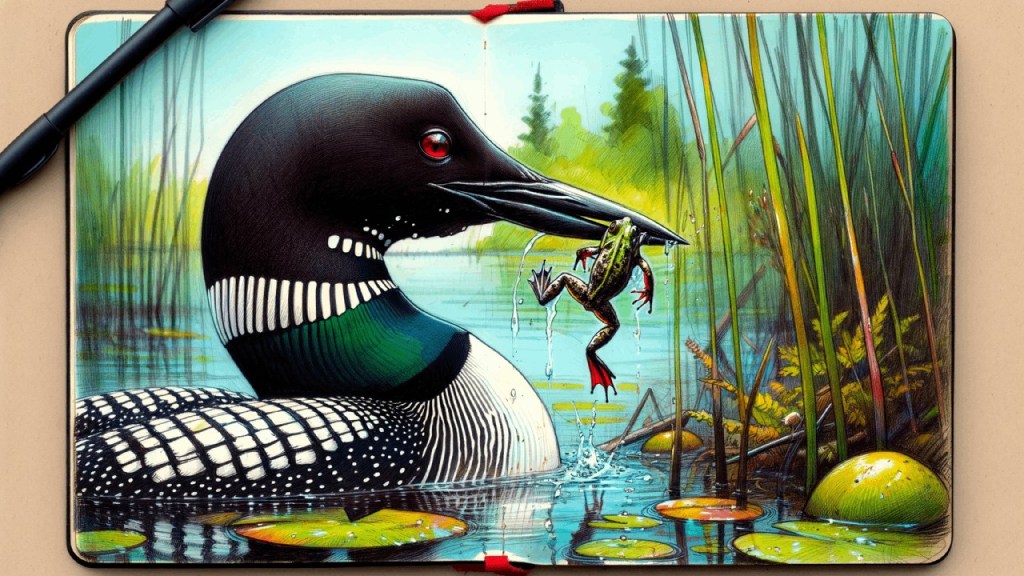
Beyond fish, loons also dine on various amphibians and aquatic invertebrates. Frogs and salamanders add to their diet, especially in the early spring and summer months. Aquatic insects, crayfish, and snails also comprise a significant part of their feeding repertoire, providing essential nutrients and variety to their diet.
Crustaceans
Loons may also feast on crustaceans such as crabs and shrimp in coastal areas and saltwater habitats. These prey items, rich in fats and proteins, are essential during winter when loons migrate to coastal waters. The ability to switch from freshwater to saltwater prey is a testament to the loon’s adaptability and resilience.
Seasonal Variations in Diet
The diet of the Common Loon shifts with the seasons, reflecting the changing availability of food sources. During the breeding season, when energy demands are high, loons may consume more fish to meet their needs. In contrast, during migration and winter, their diet diversifies to include more saltwater species when they reside in coastal areas.
Feeding the Chicks
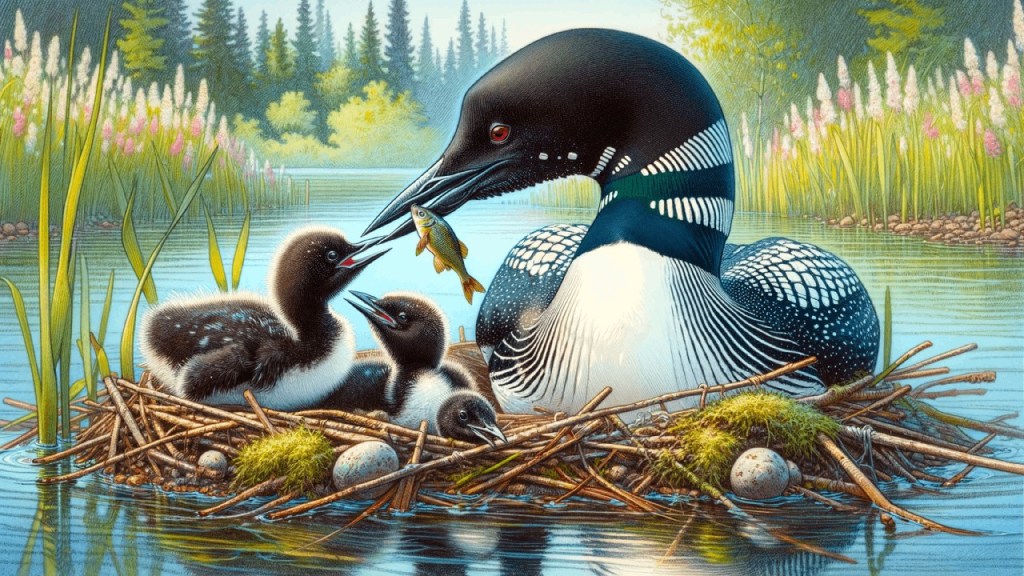
Loon parents are attentive providers, selecting small, easily digestible fish to feed their chicks. This careful selection ensures that the young loons receive the nutrition they need to grow while learning to hunt and navigate their watery world. The dedication of loon parents to their chicks’ feeding is a critical factor in the survival and success of the next generation.
The favorite foods of the Common Loon paint a picture of a bird deeply intertwined with its aquatic environment. Each dive for fish or crustaceans is not just a feeding act but a dance of survival that has played out for millennia in North America’s lakes and coastlines. The loon’s diet directly reflects the health of these ecosystems, with clear, unpolluted waters providing the rich array of life that sustains these iconic birds.
Fun Facts: Diving Deep into the World of the Common Loon
The Common Loon, with its eerie calls echoing across northern lakes, has long been enveloped in myth and fascination. But beyond the folklore, these birds exhibit behaviors and characteristics that are just as intriguing. Here are some captivating tidbits that shed light on the lesser-known aspects of loon life.
Incredible Divers
Loons are among the animal kingdom’s most proficient divers. They can plunge to depths of over 200 feet in search of food. Moreover, they can hold their breath for up to 5 minutes, though most dives last around 40 seconds. Their solid bones facilitate this remarkable diving ability, which reduces buoyancy, allowing them to sink and swim underwater quickly.
Speedy Swimmers
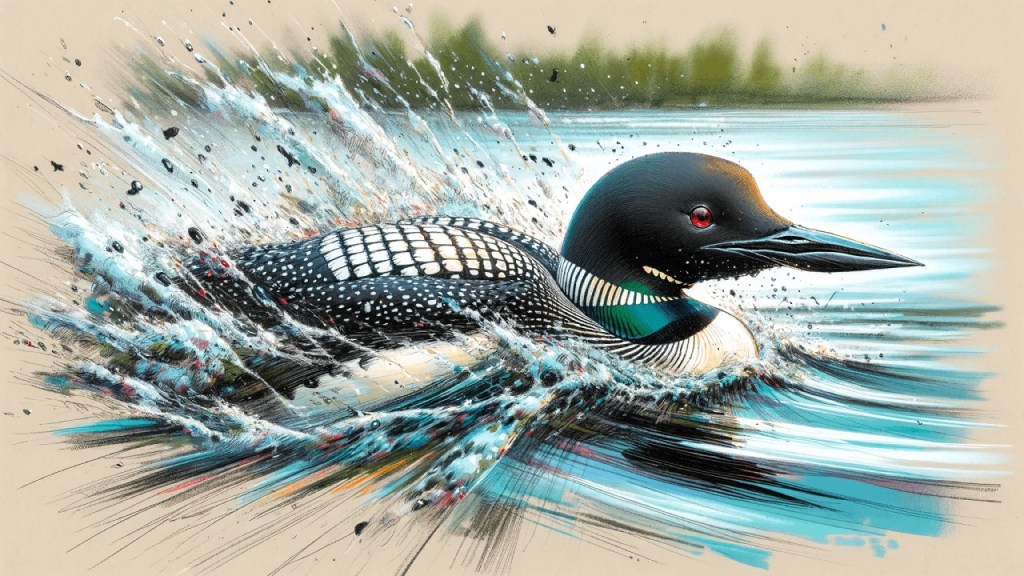
Underwater, loons can reach up to 20 miles per hour, thanks to their streamlined bodies and powerful legs. This speed turns them into efficient predators, capable of catching swift aquatic prey with surprising agility.
A Migratory Marvel
Twice a year, the Common Loon undertakes a significant migration from its breeding grounds in northern lakes to coastal waters, where it spends the winter. This journey can span hundreds of miles, showcasing the loon’s endurance and navigational skills.
Masters of Disguise
During the breeding season, the loon’s iconic black-and-white plumage offers more than just beauty; it provides camouflage. When viewed from above, the dark back blends with the water’s depths, while from below, the white belly merges with the light filtering down, making them nearly invisible to both prey and predators.
Vocal Virtuosos
The Common Loon is known for its haunting calls, which include wails, yodels, and hoots. Each call has a distinct meaning, from signaling distress to marking territory. The male’s yodel is unique to each individual. It can change if he relocates to a new territory, suggesting a complex vocal communication system.
A Touch of Monogamy
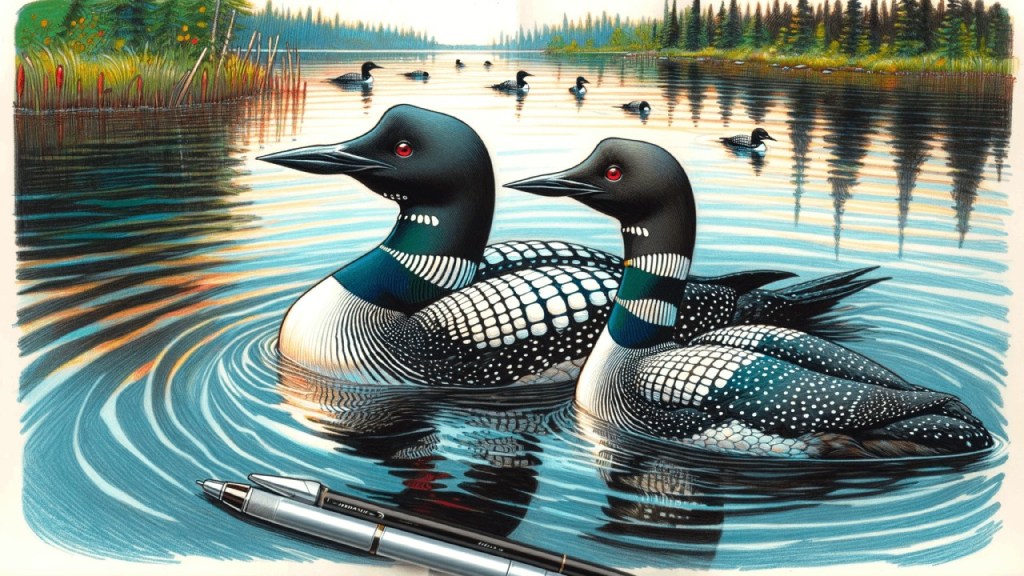
Loons are generally monogamous, often forming long-term pair bonds. These couples reunite at the same breeding grounds each spring, working together to raise their young. This loyalty and cooperation underscore the loon’s social complexity and commitment to offspring.
Ancient Lineage
Loons are among the oldest groups of birds, with their lineage tracing back millions of years. This ancient heritage is a testament to their adaptability and resilience, having survived countless environmental changes.
These fun facts peel back the layers of mystery surrounding the Common Loon, revealing a bird of remarkable adaptability, complexity, and sheer wonder. From their impressive diving capabilities to their ancient lineage, loons are not just icons of the northern wilderness but symbols of nature’s enduring beauty and resilience.
Conservation Efforts: Safeguarding the Echoes of the North
The haunting calls of the Common Loon across northern lakes are a cherished symbol of wilderness. Yet, these iconic birds face several threats that challenge their survival and necessitate concerted conservation efforts. The hurdles from habitat loss to environmental pollution are significant but manageable with collective action and awareness.
Addressing Habitat Loss
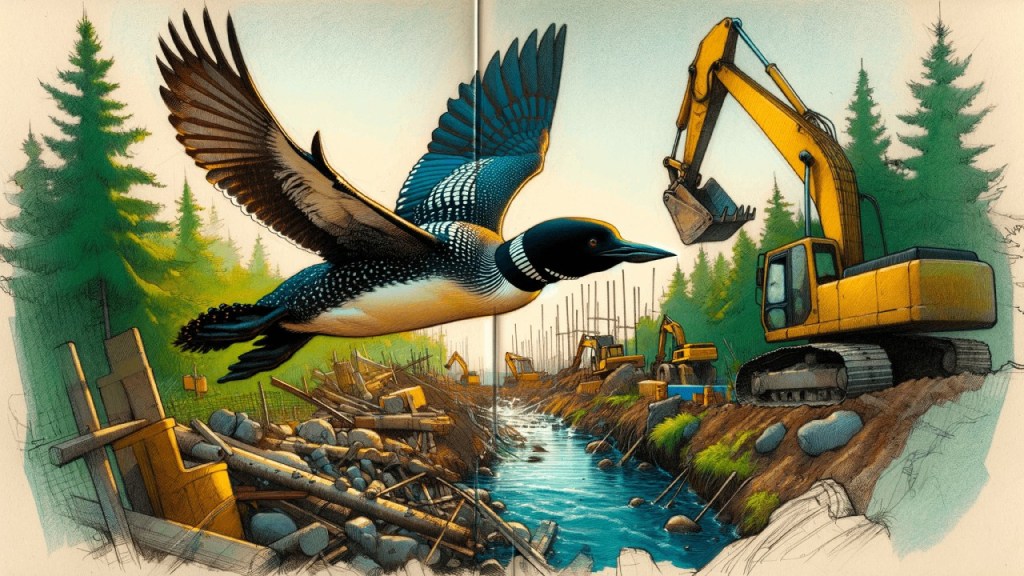
As developers eye pristine lakeshores for construction, the nesting grounds of loons shrink, pushing these birds to the brink. Conservation groups and environmentalists advocate for protecting waterfront habitats, emphasizing the need for sustainable development that considers the needs of local wildlife. Establishing protected areas and implementing regulations to limit shoreline development are critical steps toward ensuring loons have a safe place to breed and raise their young.
Combating Pollution
Loons are particularly sensitive to water pollution, including mercury contamination, which can accumulate in their bodies through the fish they eat. This not only affects their health but also their reproductive success. Efforts to reduce mercury emissions from industrial sources and initiatives to clean up polluted waterways are ongoing. Educating the public about the impact of using lead fishing tackle, which can poison loons if ingested, has increased the use of non-toxic alternatives.
Climate Change Mitigation
The specter of climate change looms large, threatening to alter the aquatic ecosystems on which loons depend. Warmer temperatures can lead to shifts in fish populations, affecting loon feeding habits, while extreme weather events can disrupt nesting. Supporting policies that address climate change, from reducing greenhouse gas emissions to investing in renewable energy, is paramount for the loons’ long-term survival.
Monitoring and Research
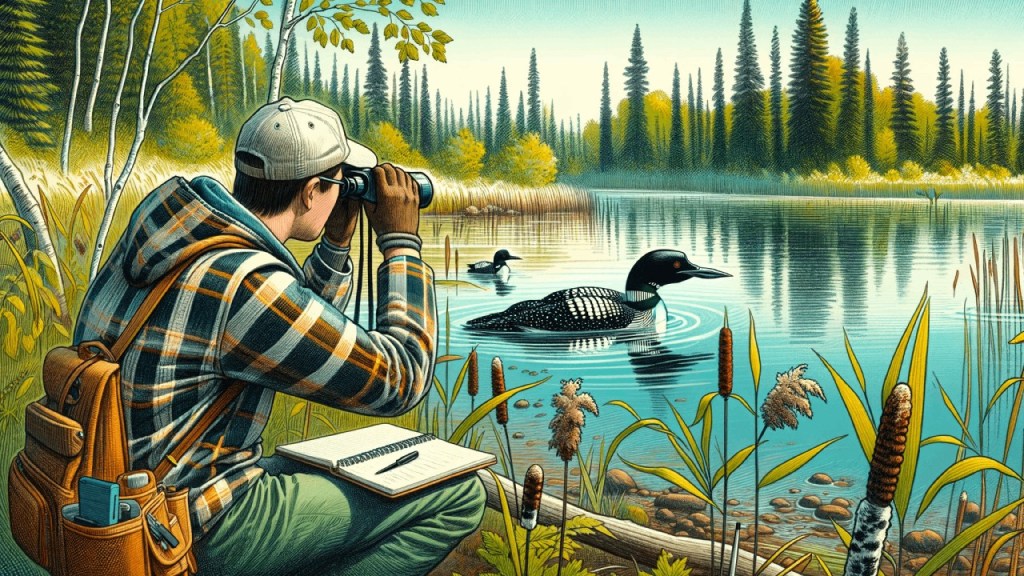
Understanding the loon’s needs and behaviors is crucial for effective conservation. Organizations and researchers regularly monitor loon populations, tracking trends in breeding success and overall health. This data informs conservation strategies and helps identify emerging threats. Citizen science projects also play a role, engaging the public in loon observation and data collection.
Public Education and Engagement
Raising awareness about the plight of the Common Loon and the steps individuals can take to help is a cornerstone of conservation efforts. Educational programs, whether in schools, at community centers, or through media campaigns, spread the message about the importance of loon preservation. Encouraging responsible recreation on lakes, such as minimizing boat disturbances and keeping waters clean, helps reduce human impact on loon habitats.
The conservation of the Common Loon is a multifaceted endeavor that requires the collaboration of governments, environmental organizations, scientists, and the public. By addressing the threats they face and fostering an environment where loons can thrive, we ensure that the haunting beauty of their calls continues to resonate through northern forests and lakes. It’s a reminder that in protecting these birds, we’re preserving a vital part of our natural heritage and the health of ecosystems that sustain us all.
Conclusion: Preserving the Call of the Wild
The Common Loon, with its striking appearance, remarkable feeding habits, and the deep cultural significance it holds, stands as a sentinel of the north’s freshwater ecosystems. As we’ve journeyed through the aspects of its life, from the intricacies of its diet to the urgent conservation efforts it necessitates, one message resonates clearly: the importance of coexistence and stewardship.
Conservation efforts highlight not only the challenges loons face but also the resilience and adaptability of nature when given support. Each initiative, from reducing pollution to protecting nesting sites, is a step towards ensuring that the eerie yet beautiful call of the loon endures for generations to come.
Ultimately, the fate of the Common Loon is intricately tied to our actions and decisions. We preserve these magnificent birds and the pristine waterways vital to their survival and well-being by fostering an environment where loons can thrive. Let the loon’s call remind us of our responsibility to the natural world — a world that, with care and respect, can continue to flourish in all its wild, untamed glory. In preserving the legacy of the Common Loon, we safeguard a piece of our natural heritage, ensuring that future generations can also experience the profound wonder and inspiration these birds evoke. It’s a testament to nature’s enduring power and our duty to protect it.


 Wing Watchers with Wagner
Leave a comment