
Introduction
Meet the Black-capped Chickadee, a tiny bird with a heart as vast as the open sky. Known for their curiosity and friendliness, these little charmers are a favorite among birdwatchers. With their distinctive call that sounds like they’re saying their own name, chickadees bring life and joy to any backyard. So grab a cup of your favorite warm beverage, and let’s get cozy as we dive into the world of the Black-capped Chickadee.
Appearance
The Black-capped Chickadee is the epitome of avian elegance, with an understated and distinctive style. Imagine a tiny bird that could fit in the palm of your hand with a poise that commands attention. The first thing you’ll notice is the cap that gives this bird its name—a black that’s not just black but a deep, rich matte that contrasts beautifully with its bright white cheeks. It’s as if this little bird is wearing a sophisticated mask to a masquerade ball hosted by the forest.
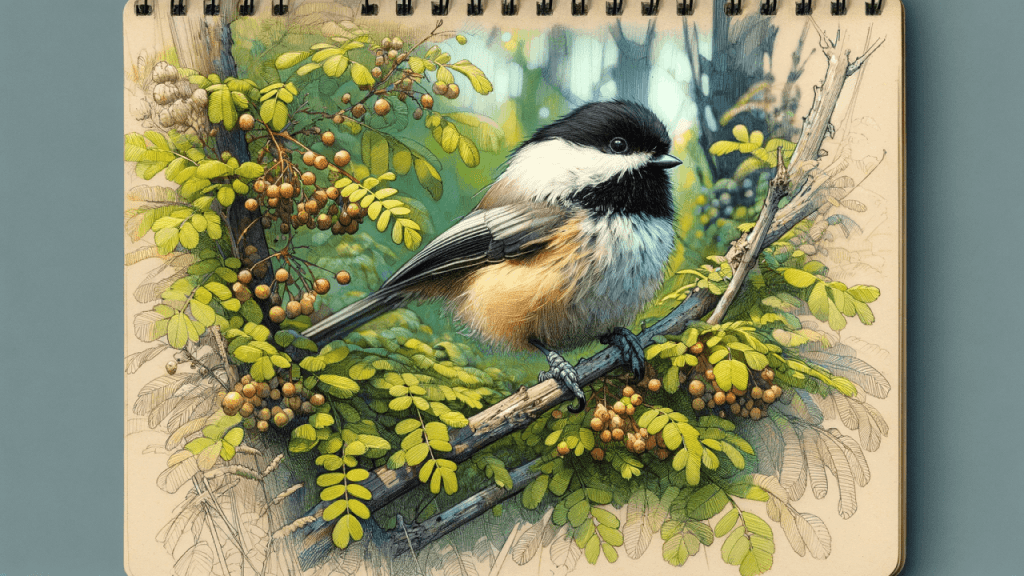
But the Black-capped Chickadee’s attire doesn’t stop there. Wrapped around its neck is a chic bib of the same deep black, seamlessly blending into its soft, gray wings and back. The underbelly, a delicate shade of buffy white, completes its ensemble, making it one of the most recognizable birds in North America. This bird doesn’t need bright colors to stand out; its charm lies in its simplicity and the stark contrasts of its plumage.
Spanning a mere 4.5 to 5.5 inches in length, the Black-capped Chickadee may be small, but its presence is mighty. Their round, plump bodies testify to their resilience against the cold climates they often inhabit. And let’s not forget those eyes—tiny beads of curiosity that sparkle with intelligence and an unquenchable thirst for exploration.
Observing a Black-capped Chickadee, you can’t help but be drawn in by its lively antics and acrobatic feats. These birds are known for their agility, often seen hanging upside down from branches as they search for their next meal. Their energy is infectious, a reminder of nature’s joy and wonder.

As the seasons change, so does the Black-capped Chickadee’s appearance, albeit subtly. Their feathers fluff up in the winter, providing extra insulation against the chill—a fluffy ball of warmth with a persistent, cheerful demeanor. This adaptability, combined with their striking appearance, endears the Black-capped Chickadee to so many.
In every flutter and chirp, the Black-capped Chickadee embodies the spirit of the wild—free, resilient, and utterly captivating. Their appearance, though simple, speaks volumes about the beauty of nature’s design, a design that’s as functional as it is aesthetically pleasing. So next time you spot one of these dapper little birds, take a moment to appreciate the elegance and charm they bring to the natural world.
Feeding Habits
If the Black-capped Chickadee had a motto, it might be “Variety is the spice of life.” These little birds are not just about seeds; they’re gourmet foragers of the forest, with a diet as varied as their curiosity. Let’s unpack the culinary world of these adorable avian adventurers.

A Balanced Diet
The Black-capped Chickadee’s menu is impressively diverse. While seeds from pine cones and other plants are staple items, these birds are also skilled insect hunters. Their diet includes everything from frozen insects and spiders in the winter to caterpillars and aphids in the summer. This variety keeps the chickadees healthy and controls pest populations, showcasing these birds’ essential role in the ecosystem.
Foraging Finesse

Watching a Black-capped Chickadee forage is like observing a master at work. They employ various techniques, from gleaning insects off branches and leaves to hanging upside down to access the undersides of twigs and foliage. Their acrobatic skills are handy in winter as they scour tree bark for hidden insect eggs and larvae. Their sharp, tiny beaks are perfect for this detailed work, demonstrating nature’s design.
Feeder Favorites

When it comes to bird feeders, Black-capped Chickadees are enthusiastic visitors. They’re particularly fond of black oil sunflower seeds, which are the perfect snack. Suet, peanut butter, and mealworms are also high on their list, providing the energy needed to sustain their active lifestyle. If you want to attract these friendly birds to your yard, offering these foods in your feeder will surely make your garden a chickadee hotspot.
Adaptability and Intelligence
One of the most fascinating aspects of the Black-capped Chickadee’s feeding habits is their intelligence and adaptability. They’re known to stash away food in hundreds of hiding spots for later consumption, a behavior known as “scatter hoarding.” This ensures they have access to food when resources are scarce and demonstrate their remarkable memory, as they can recall the locations of their hidden treasures.
A Note on Birdfeeders

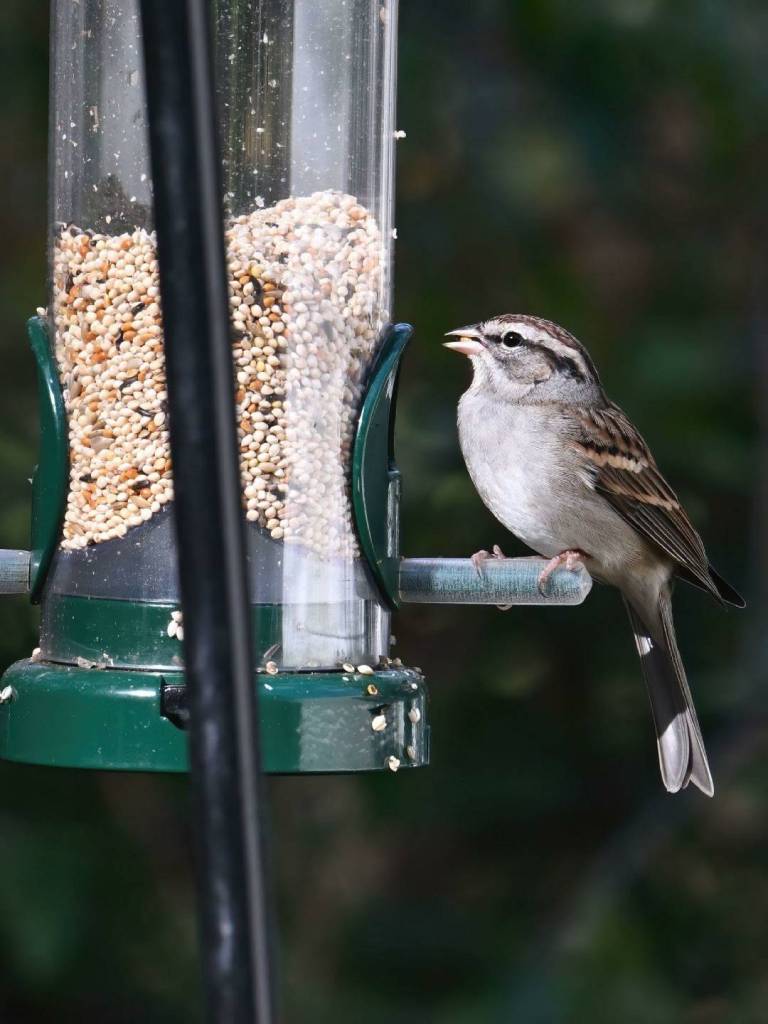
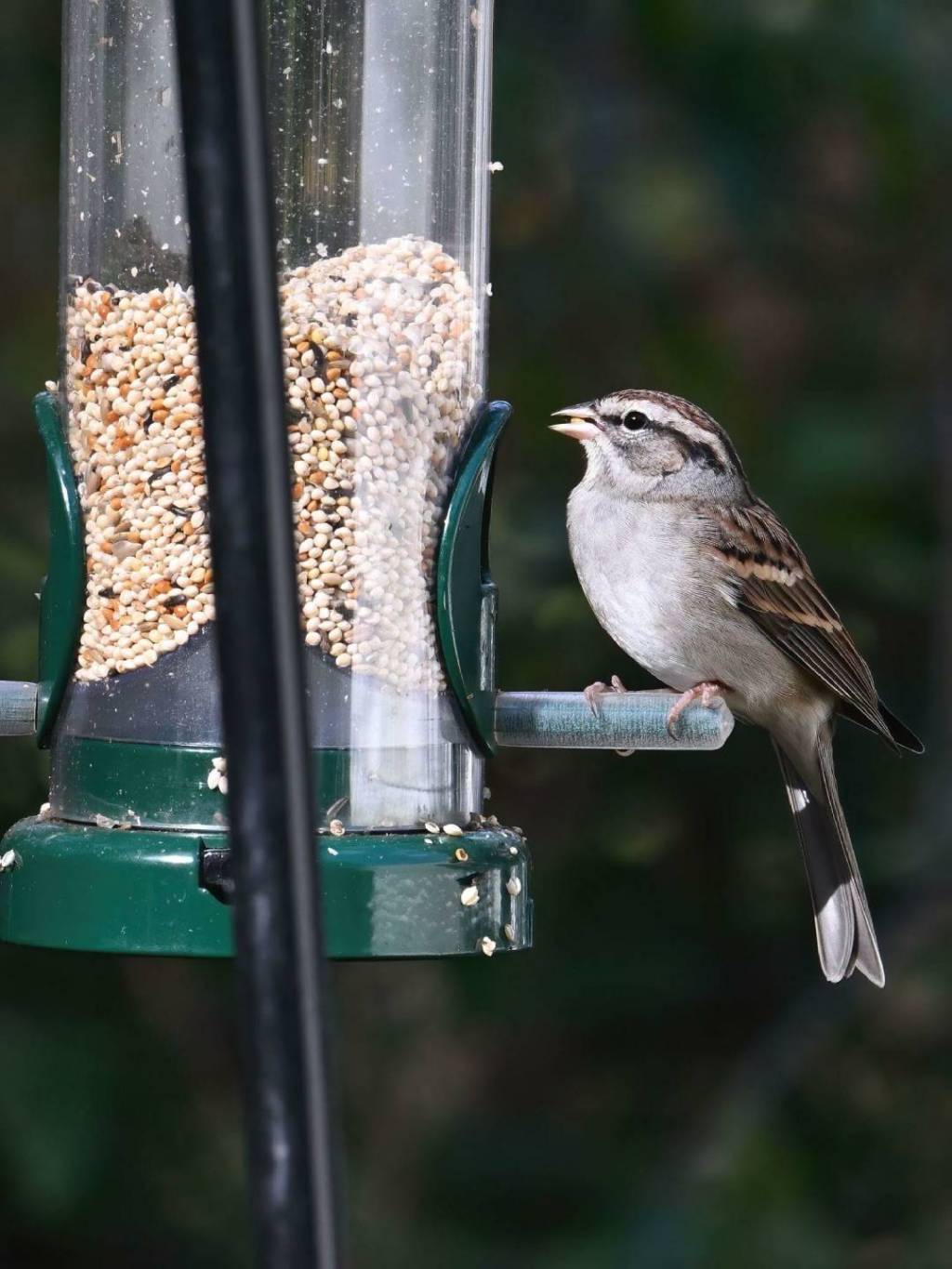
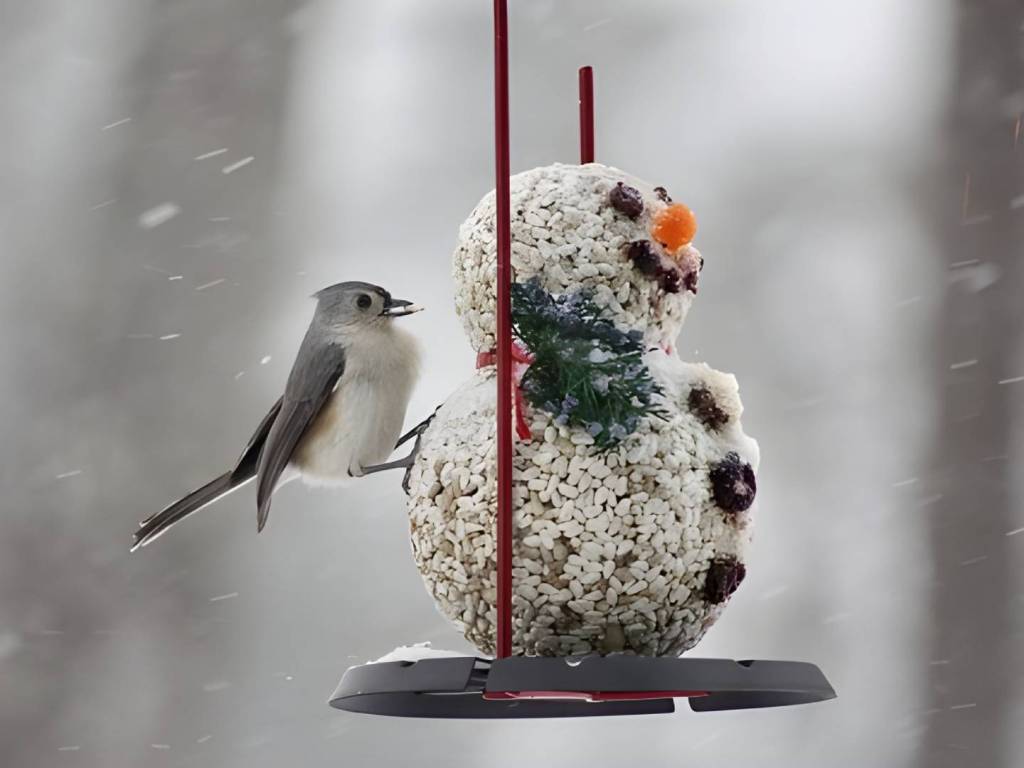
Speaking of feeders, this specially designed feeder is perfect for our chickadee friends. Its easy access and secure perching spots make it an ideal choice for them and a delightful way for you to observe these charming birds up close.
In essence, the Black-capped Chickadee’s feeding habits are a testament to their adaptability, intelligence, and the critical role they play in their habitat. By understanding and supporting these habits, we not only get to enjoy their presence but also contribute to the health of our local ecosystems. So next time you see a chickadee darting about, take a moment to appreciate these tiny forest gourmets’ complex, vibrant life.
Favorite Foods
The Black-capped Chickadee’s diet is a buffet of the forest’s best, showcasing their eclectic taste and foraging prowess. While they’re not picky, certain foods tickle their taste buds more than others. Let’s dive into the chickadee’s favorite culinary delights.

Seeds and More
The black oil sunflower seed is a staple in the chickadee diet, particularly during the colder months. Its high-fat content provides ample energy, which is crucial for staying warm. However, chickadees don’t stop at sunflower seeds. They also enjoy a variety of other seeds and grains, picking and choosing with a discerning eye—or rather, beak.
Insect Delicacies
The chickadee’s diet shifts to include more protein-rich foods when the weather warms up. Caterpillars, aphids, and even tiny spiders become part of their daily meals. This not only helps with their nutritional needs but also aids in feeding their young, offering the next generation a strong start in life.
Fruity Finds
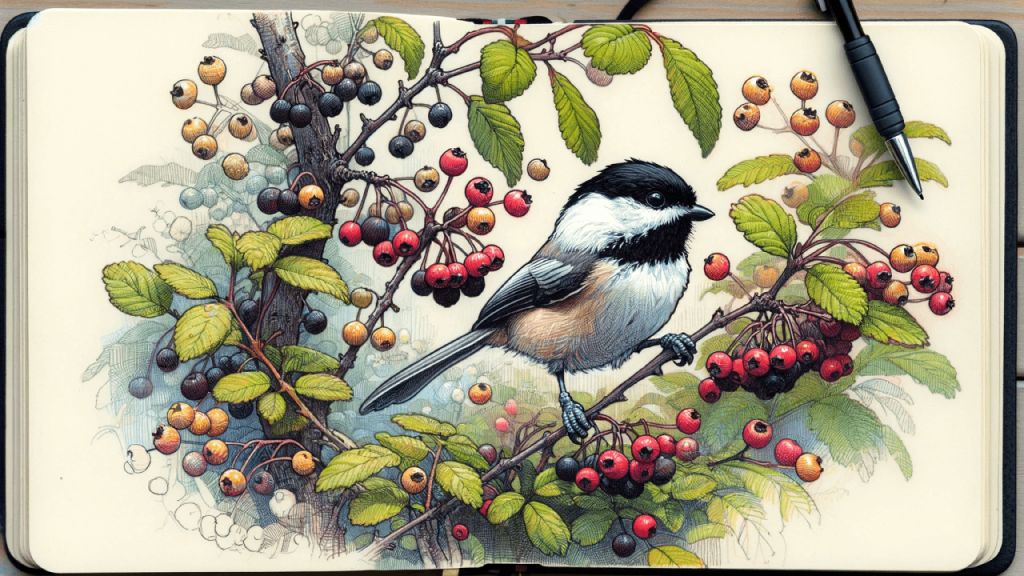
Chickadees also have a sweet spot for fruits. Small berries and fruit bits make for a delightful snack. Whether it’s a juicy blueberry or a piece of chopped apple, these birds relish the natural sugars and vitamins found in these treats, adding a refreshing variety to their diet.
The Suet and Peanut Butter Connection
Not to be overlooked are suet and peanut butter, both high-energy foods chickadees visit feeders for. Especially in winter, these foods can be lifesavers, providing the essential fats and calories needed to survive the freezing temperatures.
Caching Away
An exciting aspect of their feeding behavior is their practice of food caching. Chickadees will take seeds and other food items and hide them in various locations for later consumption. This behavior highlights their forward-thinking nature and ability to adapt to the changing seasons, ensuring they have a food supply year-round.
Attracting Chickadees to Your Feeder
Offering their favorite foods at your feeder can be quite rewarding for those interested in observing these delightful birds up close. The previously mentioned birdfeeder, is perfect for offering sunflower seeds, broken up suet, or even peanut butter, providing a safe and accessible feeding spot for these tiny birds.
Understanding and catering to the dietary preferences of the Black-capped Chickadee can enhance your bird-watching experience and support the health and well-being of these feathered friends. By providing a mix of their favorite foods, especially during the harsher months, you’re not just attracting birds to your yard; you’re contributing to the survival and thriving of a species that brings joy and vitality to our environment.
Fun Facts

The Black-capped Chickadee, a bird as curious as it is charming, holds a few secrets under its feathered cap. These tiny birds are not just a delight to watch but also a marvel of nature, packed with fascinating behaviors and traits that endear them to bird enthusiasts and casual observers alike. Let’s dive into some fun facts that highlight how special these feathered friends are.
Name Origins and the Chickadee Call
Ever wonder how the Black-capped Chickadee got its name? It’s all in the call. The distinctive “chick-a-dee-dee-dee” sound is music to our ears and a naming inspiration. Interestingly, the number of “dee” notes can indicate the level of threat they perceive, with more “dees” signaling greater danger. It’s a bird that wears its name on its sleeve—or its voice.
The Brainy Bird
Chickadees have an incredible memory, a crucial trait for their survival. These birds cache food in hundreds of locations. They can remember each one, retrieving the hidden caches as needed throughout the winter. This spatial memory is supported by the seasonal growth of the hippocampus, the part of the brain responsible for navigation and memory. It expands each autumn to accommodate their need for increased memory capacity.
Temperature Regulation
The Black-capped Chickadee can remarkably regulate its body temperature, lowering it during cold winter nights to conserve energy. This process, known as torpor, allows them to survive the frigid temperatures of their northern habitats. It’s like having a built-in thermostat that ensures they stay cozy, no matter how cold it gets outside.
Social and Curious

These birds are known for their fearless curiosity, often approaching humans closely, primarily if they associate them with food. Their social nature extends to their interactions, often seen traveling in mixed-species flocks during the non-breeding season. This camaraderie among different birds is a testament to the chickadee’s friendly disposition.
Conservation Efforts
As we marvel at the wonders of the Black-capped Chickadee, it’s crucial to remember our role in their conservation. From maintaining bird-friendly environments to supporting habitat preservation efforts, every action counts. And for those looking to attract these delightful birds to their backyards, consider the birdfeeder we mentioned as a source of sustenance for chickadees and a step toward supporting their thriving populations.
In the dance of nature, every participant plays a vital role, no matter how small. With its cheerful demeanor and resilience, the Black-capped Chickadee has adapted remarkably well to changing environments, including those influenced by human activity. However, their adaptability doesn’t exempt them from the challenges facing wildlife today. Here’s how we can play a part in ensuring these charming birds continue to grace our surroundings.
Understanding the Threats

While Black-capped Chickadees are currently thriving in many areas, they, like all wildlife, face ongoing threats from habitat loss, climate change, and pollution. Urban sprawl reduces their natural habitat, while climate changes can affect the availability of their food sources throughout the year.
Creating Bird-Friendly Habitats
One of the simplest yet most effective ways to support Black-capped Chickadees is by creating bird-friendly habitats in our backyards. This includes planting native trees and shrubs that provide natural food sources and nesting sites. Leaving dead trees standing when safe or installing nesting boxes can offer chickadees suitable nesting options.
Feeding Responsibly
Providing food through bird feeders can support chickadee populations, especially during the harsh winter months when natural food sources are scarce. However, it’s crucial to feed responsibly. Clean your feeders regularly to prevent the spread of disease, and offer high-quality, species-appropriate food. For chickadees, this means black oil sunflower seeds, suet, and other tiny seeds or nuts.
Supporting Conservation Initiatives

Engaging with and supporting conservation initiatives can make a significant difference. Whether participating in local bird counts, supporting organizations focused on habitat preservation, or advocating for wildlife-friendly policies, collective action can lead to meaningful change.
Educating Others
Sharing knowledge about Black-capped Chickadees and the importance of conservation can inspire others to take action. Education fosters appreciation, and the more people understand these birds and their needs, the more likely they will contribute positively to their conservation.
A Call to Action
The conservation of Black-capped Chickadees is emblematic of broader efforts to protect and preserve our natural world. By taking small, thoughtful actions, we can ensure that the melody of the chickadee continues to echo through our forests and gardens. It’s a reminder that in the vast web of life, everyone, including each of us, has a role to play.
Conclusion
As we wrap up our journey into the world of the Black-capped Chickadee, it’s clear that these tiny birds hold a significant place in the heart of nature and bird enthusiasts alike. Chickadees embody the spirit of resilience and joy in the natural world from their distinct appearance to their curious and adaptable behaviors. By understanding their feeding habits, favorite foods, and our critical role in their conservation, we’re reminded of the delicate balance of ecosystems and our responsibility towards them.
Celebrating the Chickadee Spirit
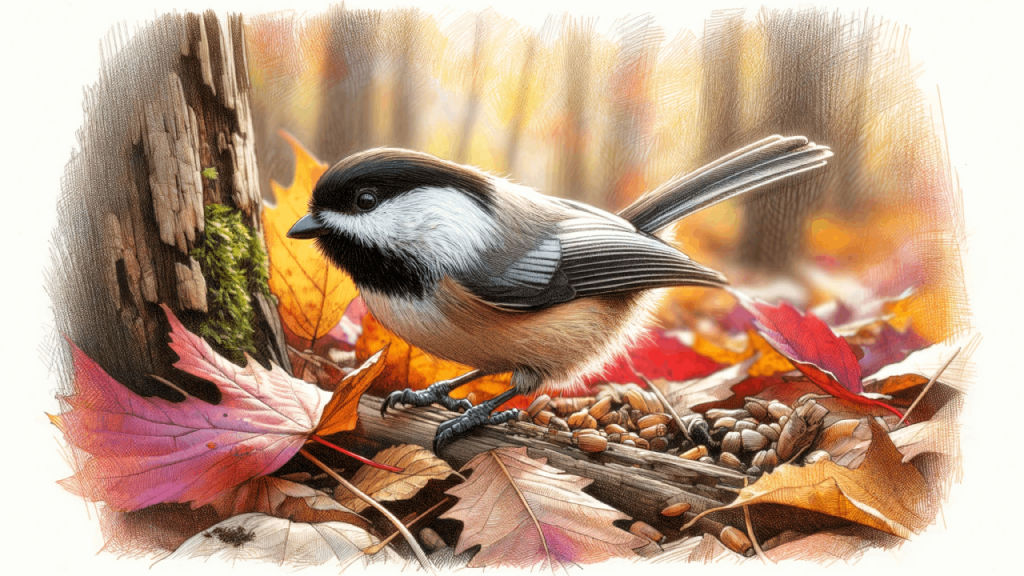
The Black-capped Chickadee, with its cheerful call and friendly nature, invites us to pause and appreciate the more miniature wonders of life. These birds don’t just survive; they thrive, bringing energy and vitality to their surroundings. They teach us the importance of adaptability, reminding us that even in the coldest winters, a warm spirit and community can make all the difference.
For those lucky enough to observe these birds, whether through a kitchen window or on a hike through the woods, the Black-capped Chickadee is a reminder of nature’s beauty and complexity. They encourage us to explore, learn, and connect with the natural world in ways that enrich our lives and ensure the health of our planet.
The story of the Black-capped Chickadee is a call to action, a reminder of the joy of nature, and an invitation to participate in conservation. As we move forward, let’s carry the spirit of the chickadee in our hearts — a spirit of curiosity, resilience, and community. Let’s ensure that the cheerful “chick-a-dee-dee-dee” continues to resonate through our forests and neighborhoods, a song of hope and a testament to the beauty of our shared world. By protecting and appreciating these charming birds, we not only enhance our lives but also contribute to the larger tapestry of life that sustains our planet. So, the next time you hear the call of a Black-capped Chickadee or spot one darting playfully from branch to branch, remember that we’re all part of the exact intricate, beautiful story of life on Earth — a story in which every character, no matter how small, plays a vital role.


 Wing Watchers with Wagner
Leave a comment