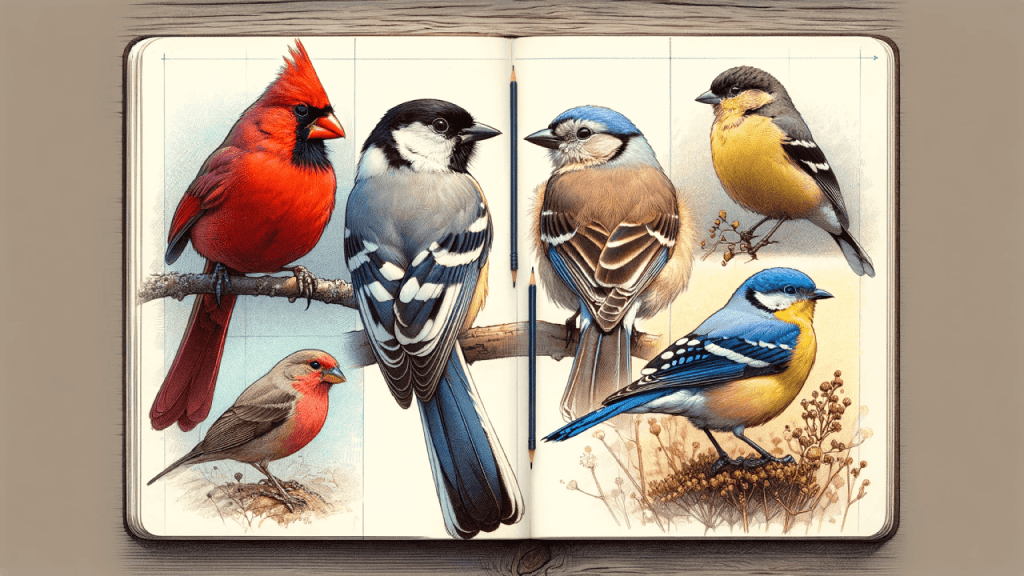
As the seasons shift and the landscape transforms, so does the vibrant tapestry of bird life that graces our backyards. For many enthusiasts, bird feeding is not just a hobby; it’s a window into the fascinating world of avian behavior and beauty. In this guide, we’ll embark on a journey to explore five of the most common and beloved bird species that frequent feeders across the United States: the Northern Cardinal, Black-capped Chickadee, American Goldfinch, Blue Jay, and Mourning Dove. Each of these feathered friends brings a unique splash of color, song, and character to our gardens. Understanding their habits, preferences, and the simple joys they offer can deepen our connection with nature and bring endless delight to our daily lives. So, let’s fill our feeders and prepare to welcome these winged visitors, each with its own story to tell.
Northern Cardinal: The Vibrant Visitor

Appearance and Behavior
The Northern Cardinal is a showstopper in any backyard with its brilliant red plumage and striking crest. The males are renowned for their vivid red feathers, while females don a more subdued yet elegant brownish-red hue. These birds are not just a treat for the eyes; their cheerful whistles are a staple in many American landscapes. Cardinals are non-migratory birds, meaning they grace feeders year-round and constantly display color and song.
Habitat and Range
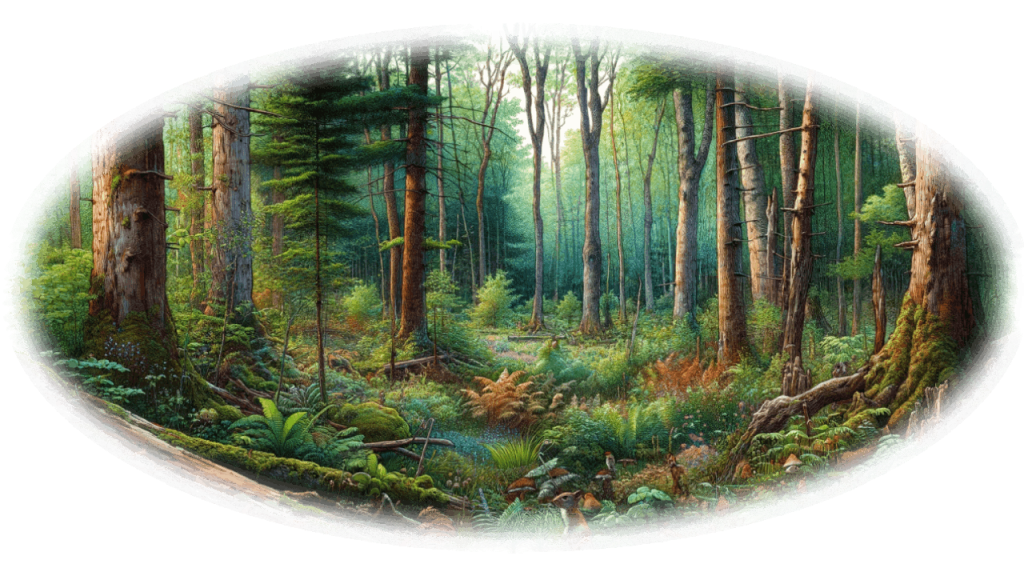
The Northern Cardinal is a versatile resident, thriving in woodlands, gardens, wetlands, and shrublands across the eastern United States, extending into parts of the Southwest and Mexico. Their adaptability to human-altered landscapes makes them familiar in suburban and urban areas, often nesting in dense foliage.


Feeding Preferences
When it comes to diet, cardinals are relatively straightforward. Their strong beaks are perfect for cracking open seeds, a staple of their diet. Sunflower seeds, safflower seeds, and cracked corn are among their favorites. During the breeding season, they also consume insects, providing an essential protein source for their young.
Attracting Cardinals to Your Feeder
To invite these vibrant birds to your yard, consider a feeder that accommodates their preference for perching. Hopper or platform feeders filled with black oil sunflower seeds are ideal. Cardinals are also ground feeders, so scattering some seeds on the ground or on a low platform can be effective. Ensuring some dense bushes or trees nearby provides them with shelter and nesting spots, making your garden an even more attractive habitat.
Fun Facts and Conservation
An interesting tidbit about cardinals is their monogamous nature. Pairs often mate for life, with males sometimes seen feeding their partners beak-to-beak in a tender display. Despite their abundance, cardinals, like many birds, face challenges due to habitat loss and environmental changes. Creating a bird-friendly environment in your backyard offers you a chance to witness these stunning birds up close and contributes to their conservation.
Black-capped Chickadee: The Curious Charmer

Appearance and Behavior
The Black-capped Chickadee, a small bird with a distinctive black cap and bib, exudes charm and curiosity. Their white cheeks and fluffy gray bodies make them instantly recognizable. These active and acrobatic birds are known for their fearless nature, often among the first to explore new feeders and even eat from the hand.
Habitat and Range
Standard in the northern United States and Canada, Black-capped Chickadees thrive in forests, parks, and suburban gardens. Their adaptability to different habitats, including areas altered by humans, makes them a frequent backyard visitor.

Feeding Preferences
Chickadees are omnivores, enjoying a mix of insects, seeds, and berries. At feeders, they are particularly fond of sunflower seeds, peanuts, and suet. Their unique ‘cache and carry’ feeding behavior involves taking a seed and hiding it in a crevice to eat later.
Attracting Chickadees to Your Feeder
To attract these delightful birds, offer black oil sunflower seeds or a mix of sunflower seeds and peanuts in hopper or suet feeders. Chickadees are also attracted to native plantings, providing natural food and shelter.
Fun Facts and Conservation
A remarkable aspect of the Black-capped Chickadee is its memory; they remember thousands of hiding places where they store food. They are not currently endangered in terms of conservation, but preserving natural habitats and providing feeder support during harsh winters can help maintain their populations.
American Goldfinch: The Dynamic Diner

Appearance and Behavior
The American Goldfinch is a vibrant sight with its striking yellow plumage in the summer. In winter, they molt into a more subdued coloration, blending with the landscape. These birds are social and often seen in flocks, especially at feeders.
Habitat and Range
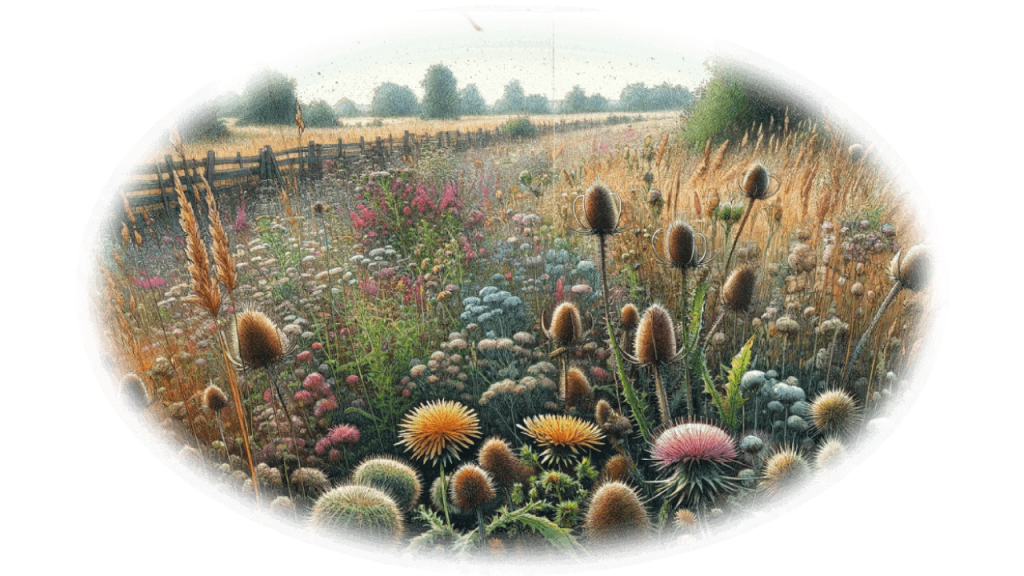
Goldfinches are widespread across North America, inhabiting weedy fields, gardens, and open areas. They are particularly drawn to places with abundant thistle and sunflowers.

Feeding Preferences
Goldfinches are primarily seed-eaters, with a preference for nyjer (thistle) and sunflower seeds. Their conical beaks are perfectly adapted for extracting seeds from flower heads and feeders.
Attracting Goldfinches to Your Feeder
Nyjer seed feeders, often called thistle feeders, are ideal for attracting goldfinches. Tube feeders with small perches suit their feeding style, and planting native thistles and sunflowers can provide natural food sources.
Fun Facts and Conservation
American Goldfinches are unique in their breeding timing, waiting until June or July when thistle and milkweed plants begin to seed. As for conservation, maintaining natural habitats with native plants is crucial, as habitat loss is a significant threat.
Blue Jay: The Bold Beauty

Appearance and Behavior
Blue Jays are known for their bright blue and white plumage and loud “jay!” calls and are among the most recognizable birds at feeders. They are intelligent, with complex social structures and behaviors, including mimicking other birds and even humans.
Habitat and Range
These birds are found in forested areas across the eastern and central United States, extending into southern Canada. They adapt well to urban and suburban environments, mainly where oak trees are present, as acorns are a favorite food.
Feeding Preferences
Blue Jays are omnivorous, enjoying a diet of nuts, seeds, fruits, and occasionally insects. At feeders, they are particularly attracted to peanuts, sunflower seeds, and suet.
Attracting Blue Jays to Your Feeder
To attract Blue Jays, offer peanuts (in-shell or shelled), large hopper feeders for sunflower seeds, and suet feeders. They also appreciate fresh water sources, like bird baths.
Fun Facts and Conservation
Blue Jays are known for their role in forest ecology, particularly in spreading oak trees through their acorn caching. While not endangered, protecting their natural habitats and providing safe feeding environments helps maintain their population.
Mourning Dove: The Gentle Forager

Appearance and Behavior
Mourning Doves symbolize peace and tranquility in backyards with their soft gray plumage and distinctive cooing. These gentle birds are ground feeders with a graceful, almost balletic manner of foraging.
Habitat and Range
These widespread birds are found across most North America in open areas, farmlands, and urban environments. They often nest in trees near food sources and open spaces.


Feeding Preferences
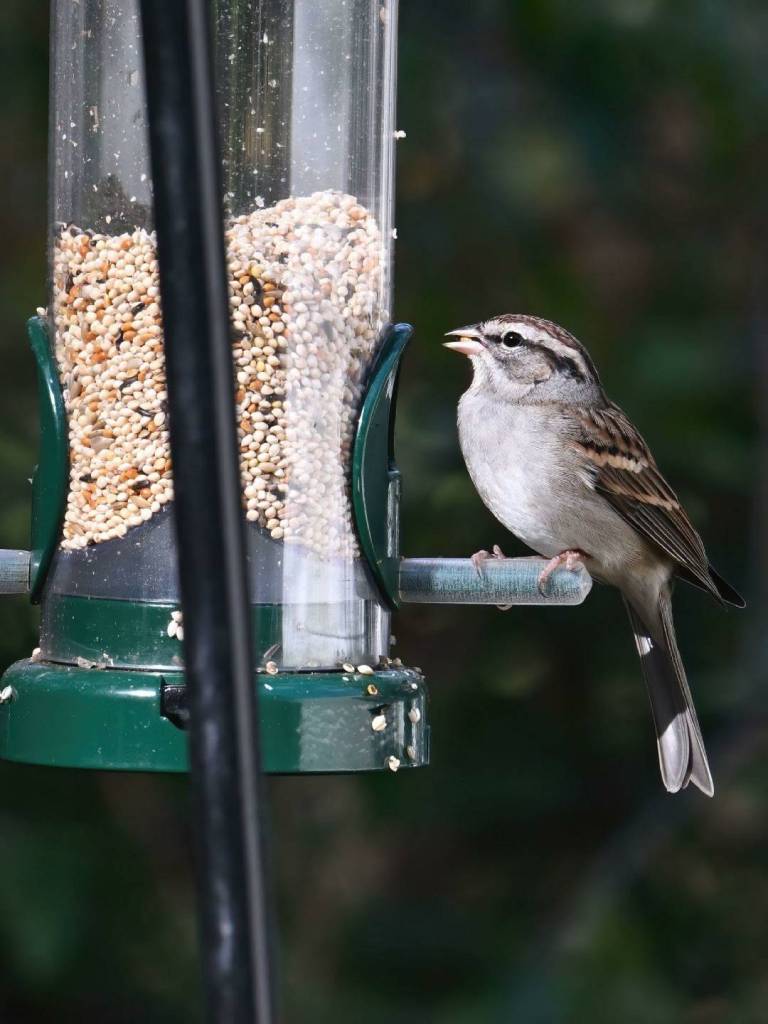
Mourning Doves primarily eat seeds, with a preference for millet, cracked corn, and sunflower seeds. They often forage on the ground but will use platform feeders.
Attracting Mourning Doves to Your Feeder
Mix their preferred seeds in platform feeders or scatter seeds on the ground to attract Mourning Doves. A nearby water source and safe perching spots will make your yard more inviting.
Fun Facts and Conservation
Mourning Doves are known for their fast and straight flight. They play a crucial role in ecosystems as seed disperses. While their populations are stable, preserving natural habitats and providing safe feeding areas can support their numbers.
Embracing the World of Feathered Friends
By exploring these five common feeder visitors, we gain a deeper appreciation for the avian world that thrives around us. Each bird, from the vibrant Northern Cardinal to the serene Mourning Dove, brings its unique beauty and behavior to our backyards, enriching our daily lives. By understanding their needs and habits, we can create welcoming spaces that bring joy to our lives and support these beautiful creatures.
As we fill our feeders and watch the flurry of activity they attract, let us remember that we’re not just observers but active participants in a larger ecological community. Our gardens and feeders become vital refuges for these birds, offering sustenance and shelter. In return, they offer us a chance to connect with nature, learn, and find peace in their presence.
Whether you’re a seasoned birdwatcher or a curious newcomer to this hobby, the world of birds is a source of endless fascination and joy. Let’s continue to nurture our feathered visitors; in doing so, we encourage our connection to the natural world.


 Wing Watchers with Wagner
Leave a comment